Everything You Need to Plan Your Trip to Banff, Jasper, and Canmore in 2026
I first visited Banff back in 2016 and absolutely fell in love with the area. Since then, I’ve visited just about every year, and in every season, and I want everyone to experience how magical this entire area is. There's nowhere quite like the Canadian Rockies. From the moment you drive into Banff, you will be blown away by the scale of the rocky peaks and blue rivers and lakes.
The amazing views and endless trails make this corner of Canada one of the most breathtaking places on earth, and one both Garrett and I keep coming back to, year after year. We both have visited countless times, exploring everything from iconic spots like Moraine Lake and Lake Louise to lesser-known trails tucked into Kananaskis Country and Jasper National Park.
The Canadian Rockies stretch across several national and provincial parks, including Banff, Jasper, Yoho, and Kootenay, each offering its own mix of alpine lakes, waterfalls, and dramatic peaks. Whether you're basing yourself in Banff or Canmore, driving the Icefields Parkway, or venturing further north into Jasper, there's no shortage of stunning places to explore.
This Canadian Rockies travel guide pulls together everything we've learned across so many different trips: our favorite hikes, scenic drives, backpacking routes, and photo spots throughout Banff, Canmore, Jasper, and beyond. You'll also find tips for visiting during fall larch season, gear recommendations for hiking in the Rockies, and links to all of our in-depth guides on the area — everything you need to plan your own trip in 2026 and beyond.
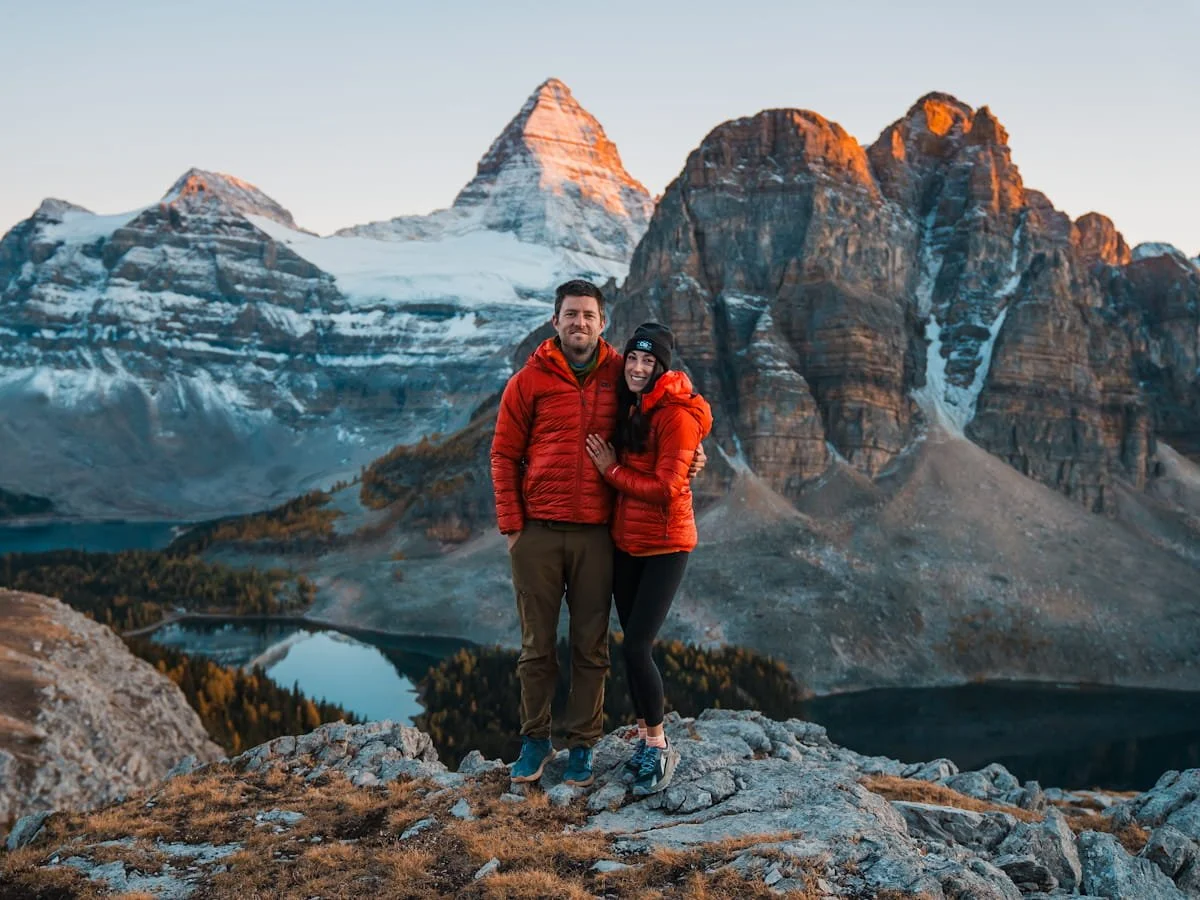
Our 2026 backpacking and surprise engagement trip to Mount Assiniboine
Why Trust Our Canadian Rockies Travel Guides
Together, we've been coming to the Canadian Rockies for years and have visited in every season — Garrett has been visiting Banff annually since he was a kid, and I (Skye) first started coming here for hiking and photography back in 2016. We're also both volunteer hike and climb leaders with The Mountaineers, so the trail info, gear advice, and safety tips in this guide come from real experience leading trips in the backcountry, not just your average vacations.
We have hiked and backpacked countless trails in Banff, Kananaskis, Yoho, and Jasper, and have spent months in and around the Canadian Rockies over the past few years (aside from when we both first started coming). Banff is a special place for us and we keep coming back each year, which means we will constantly be adding more to this guide.
This guide reflects what these places are actually like, not just stats pulled from a map. Everything here is based on trips we've done ourselves, updated as conditions, permits, and reservation systems change — and where we haven't personally done something yet (like the Rockwall Trail), we'll tell you that directly rather than pretend otherwise.
Continue on to plan the most amazing trip you will remember forever!
Disclaimer: This blog post contains affiliate links, meaning we receive a small commission of every purchase made with our links at no additional cost to you. Sometimes there is even a discount code for our readers which we specify next to the links.
Table of Contents
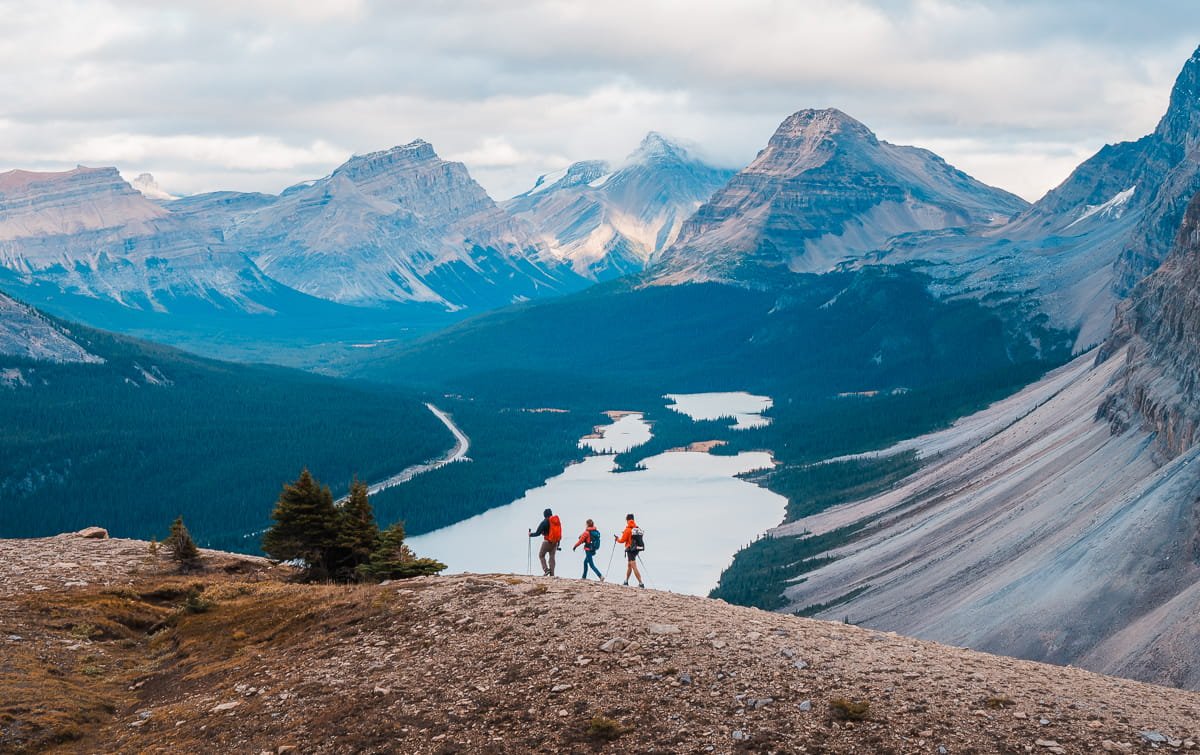
Fall hiking above Bow Lake in Banff National Park
Understanding the Canadian Rockies: Banff, Jasper, Yoho, and Kootenay National Parks
The Canadian Rockies span several national and provincial parks across Alberta and British Columbia, and knowing roughly what's in each makes trip planning a lot easier.
We recommend visiting as much as you can, though you will probably want to plan a second trip as soon as you get back, so know that it’s okay to travel slowly and that you don’t have to check off every park on your first trip.
Banff National Park is Canada's oldest national park and the most visited, home to Moraine Lake, Lake Louise, and easy access from the town of Banff and nearby Canmore. If it's your first trip, this is likely where you'll spend most of your time.
Jasper National Park sits north of Banff at the far end of the Icefields Parkway. It's larger, wilder, and quieter than Banff, with fewer crowds and trails that push deeper into true backcountry.
Yoho National Park is just across the British Columbia border from Banff, and it's small but mighty, home to Lake O'Hara and Emerald Lake. It's an easy add-on if you're already in the Lake Louise area.
Kootenay National Park runs along the southern side of the Icefields Parkway route between Banff and Radium Hot Springs, and it's often overlooked in favor of its bigger neighbors, but it's home to the Rockwall Trail and some of the quietest scenery in the region.
Just outside the national parks, Kananaskis Country (a set of provincial parks near Canmore) rounds things out with some of our favorite hiking in the entire region, often with a fraction of the crowds you'll find in Banff proper.
We'll go into each of these in more detail throughout this guide, but if you're short on time, Banff and Icefields Parkway are the best to prioritize.
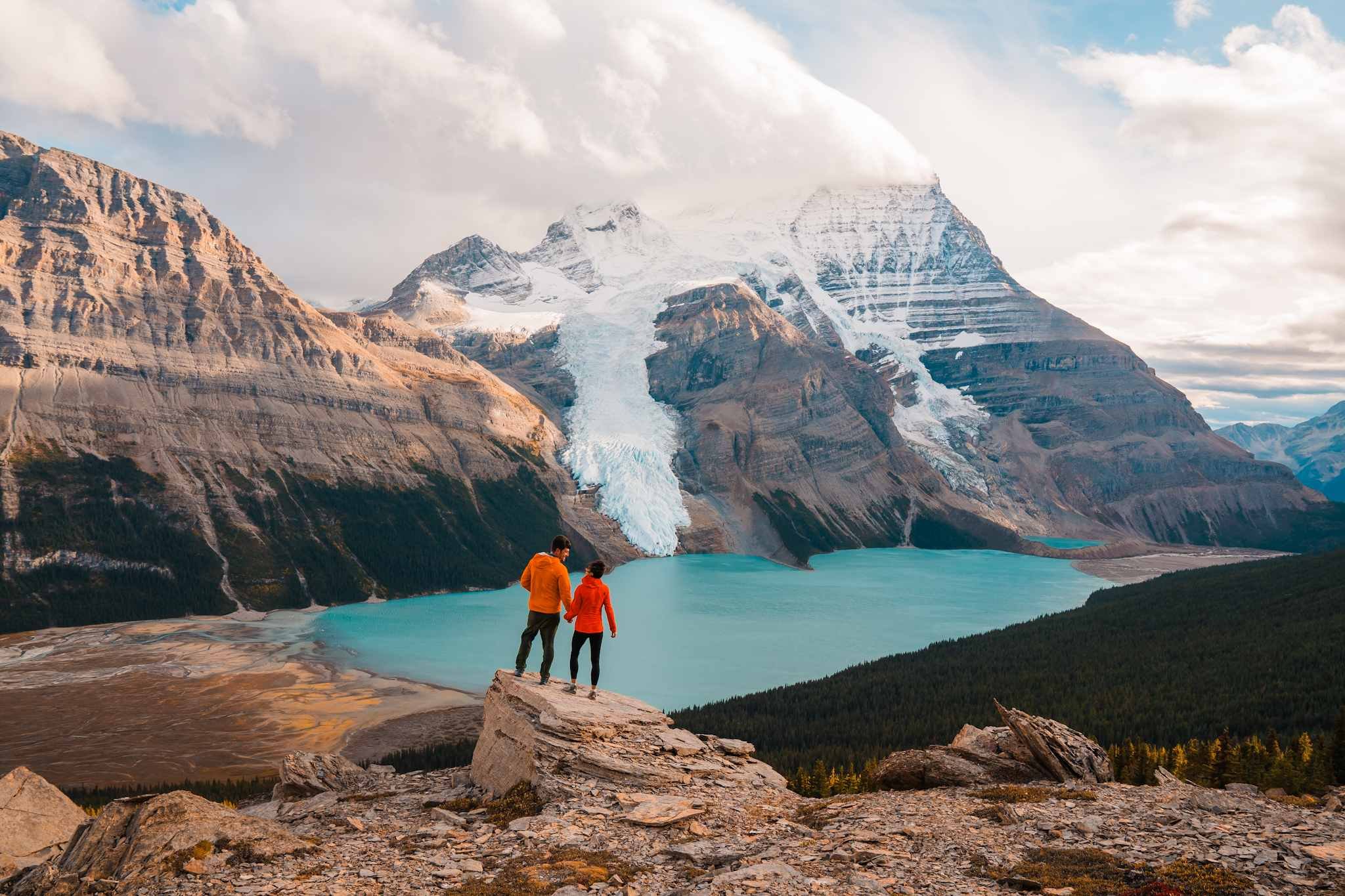
Berg Lake in Mount Robson Provincial Park
The Best Provincial Parks in the Canadian Rockies
The national parks get most of the attention, but some of the best scenery in the Canadian Rockies sits just outside their boundaries in provincial parks — often with far fewer crowds.
These are our top picks for provincial parks in the Rockies:
Mount Assiniboine Provincial Park, home to the "Matterhorn of the Rockies," is one of the most photographed peaks in Canada. It's only reachable by backpacking in (or by helicopter), most commonly from the Mount Shark trailhead in Kananaskis, and it more than earns the effort.
Mount Robson Provincial Park, just west of Jasper, holds the highest peak in the Canadian Rockies and the Berg Lake Trail, one of the most iconic backpacking routes in Western Canada.
Peter Lougheed Provincial Park is the flagship park within Kananaskis Country and home to a lot of the K-Country hiking already covered in this guide, including the Kananaskis Lakes and Rawson Lake areas.
Spray Valley Provincial Park, also in Kananaskis, sits right next to Mount Shark, making it a natural stop if you're already headed toward Assiniboine.
For something lower-key, Bow Valley Wildland Provincial Park near Canmore is worth a mention too — it's home to easier, lower-elevation trails like Grassi Lakes, and a good option on a rest day or if the weather isn't cooperating up high.
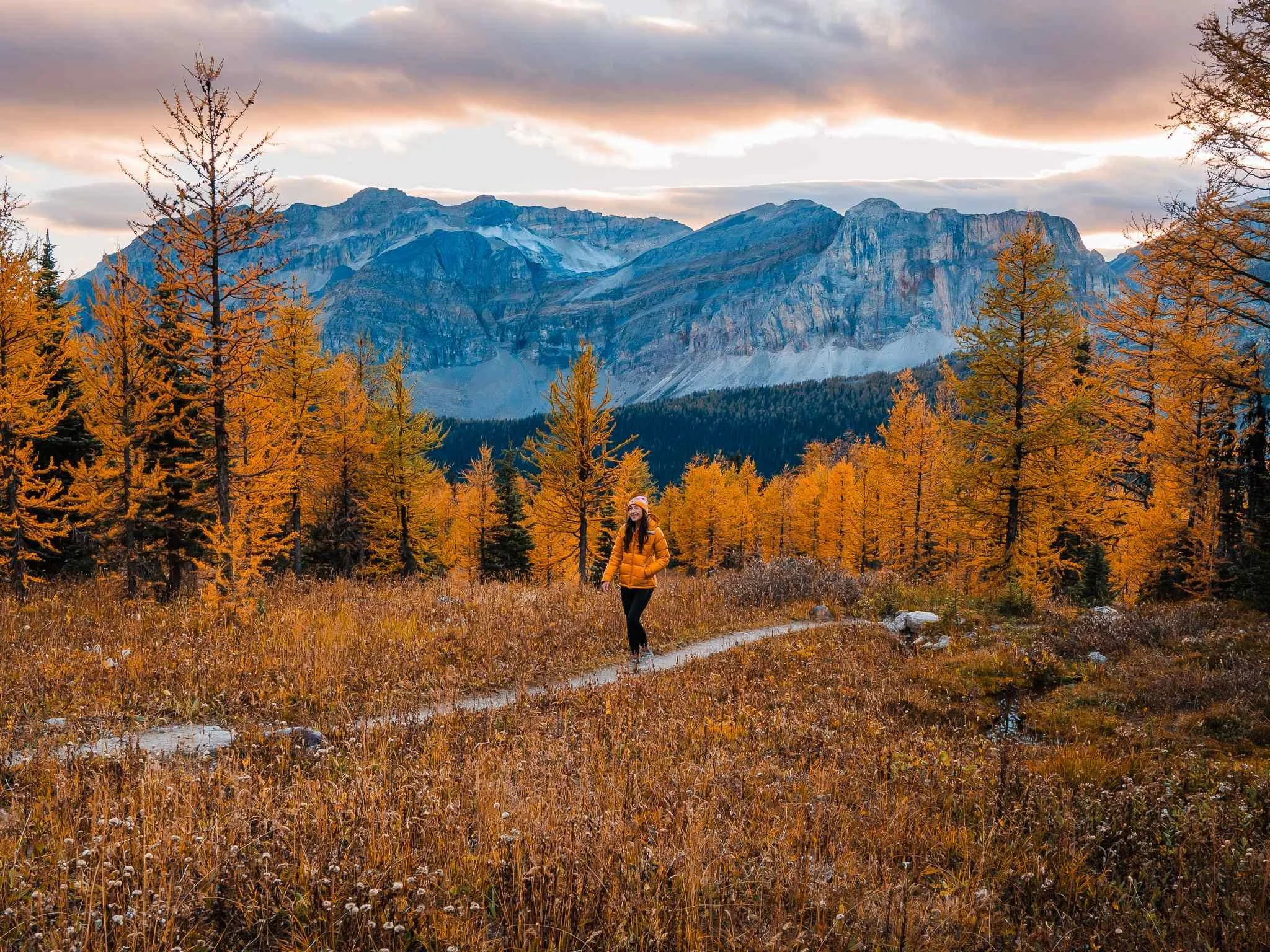
Hiking Healy Pass in Banff during larch season (late September)
The Best Time to Visit the Canadian Rockies
The best time to visit depends on what you're after. Summer (June through September) brings long days for hiking and road-tripping, with the best weather for backpacking. Fall rewards you with crisp air and golden larches glowing across the mountainsides. Winter brings excellent skiing, ski touring, cross-country skiing, snowshoeing, and even ice climbing — temperatures drop fast, but seeing the mountains buried in snow is its own kind of magic. We've visited in every season over the years, and fall is still our favorite thanks to larch season.
Visiting in Summer for Hiking and Road Tripping
Summer (roughly June through September) is peak season in the Canadian Rockies, and for good reason. Trails are fully snow-free by mid-to-late June in most years, long daylight hours give you room to fit in bigger hikes and drives, and every campground, shuttle, and lodging option is running at full capacity.
It's also worth noting that summer is the busiest and most expensive time to visit, so book accommodations, Moraine Lake/Lake Louise shuttles, and any backcountry permits as early as possible — some of the most popular ones sell out months in advance.
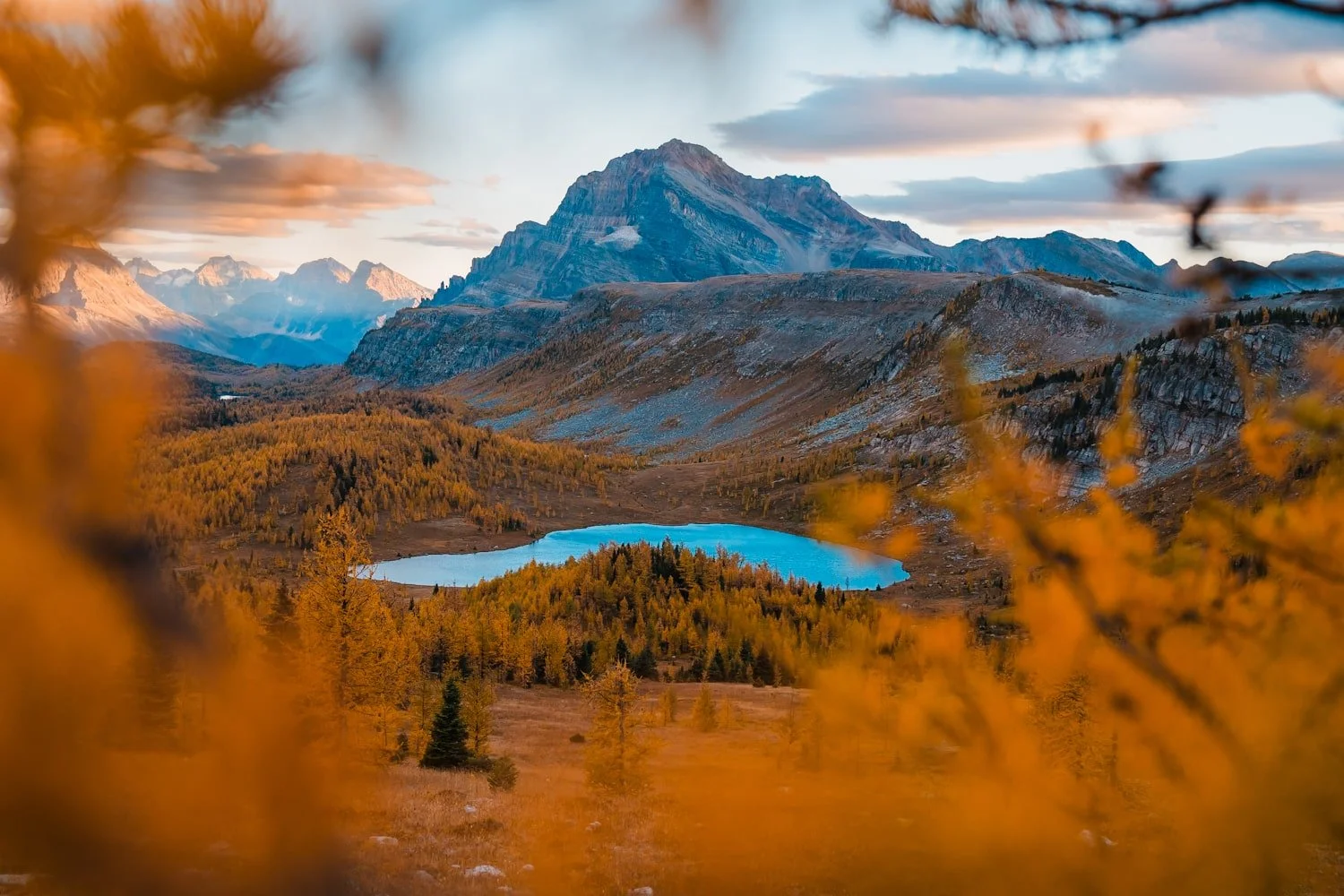
Healy Pass in late September
Why You Should Visit in Fall for Golden Larches (Our Favorite Season in Banff)
Fall is our absolute favorite time to visit Banff and the surrounding areas. We may be biased because we love photographing larches, but fall is also an amazing time for hiking with cooler weather, no bugs, and fewer crowds than in the summer.
If you're hoping to catch the Canadian Rockies at their most vibrant, plan your visit for larch season. These unique alpine trees turn a brilliant gold each fall, creating stunning contrast against rugged peaks and turquoise lakes. Timing varies slightly each year, but the best window is usually late September through early October, roughly September 20 to October 2.
Popular trails like Larch Valley, Sentinel Pass, and Tent Ridge offer some of the best views of these golden forests — we've put together a full breakdown of our favorite larch hikes near Banff and Canmore if you want to plan around this season specifically.
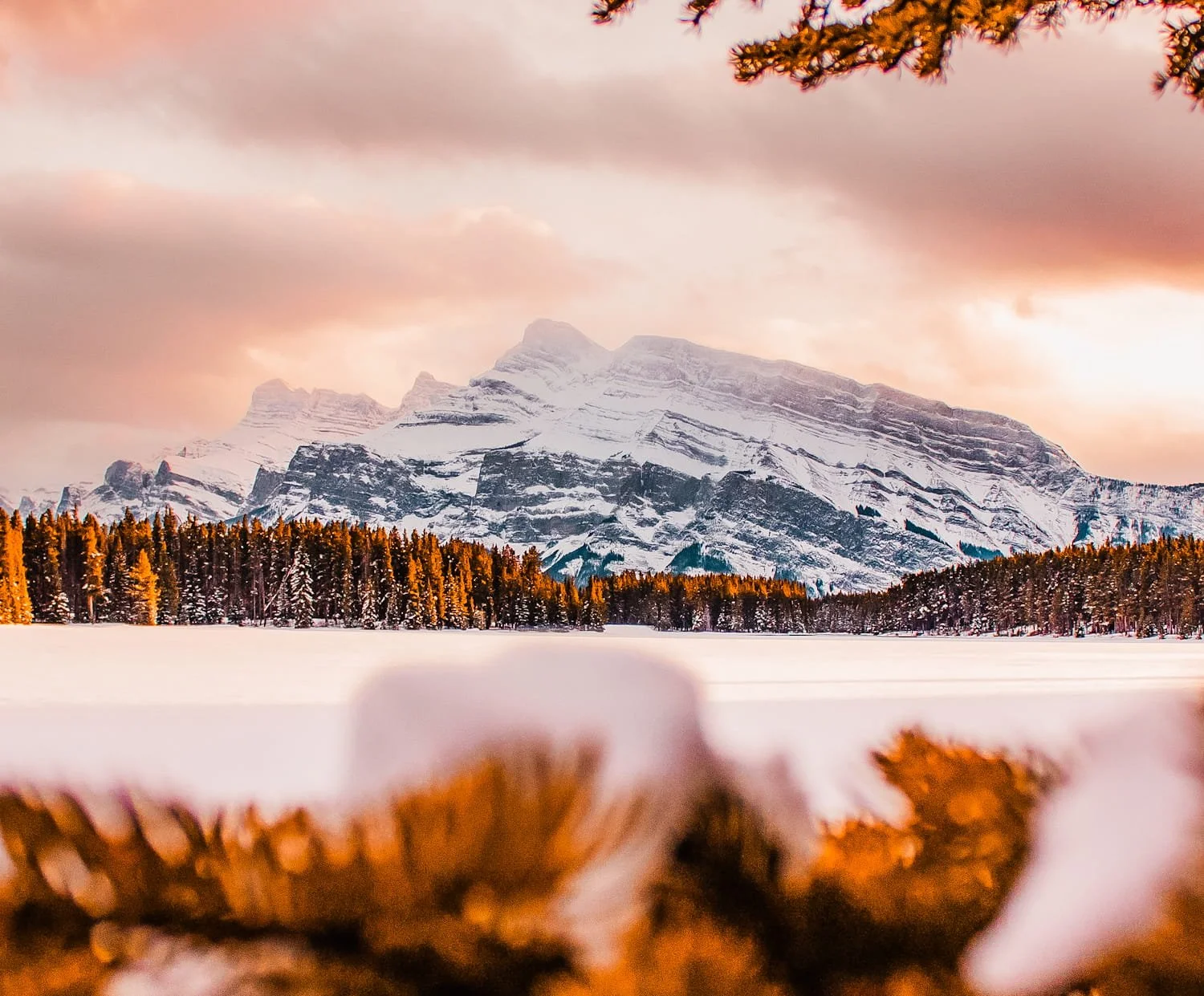
Two Jack Lake covered in ice and snow in February
Tips for Visiting Banff and the Canadian Rockies in Winter
Winter transforms the Rockies into a completely different destination — skiing, ski touring, snowshoeing, and even ice climbing take over from hiking, and the mountains look magical buried in snow. It comes with real logistics to plan around: winter tires (or chains) are required for driving in the region, just about all campgrounds close for the season, and freezing temperatures mean packing serious warm layers. On the upside, hotel rates tend to drop outside of ski season, and the crowds thin out significantly.
We've written a full guide to visiting Banff in winter with more specifics on driving conditions, what's open, and where to stay.
What to Expect Visiting in Spring
Spring (April through early June) is the trickiest season to plan around. Lower valleys start to thaw, but most high-alpine trails stay snow-covered well into June, and mud makes a lot of trails unpleasant even where they're technically open. It's also when bears start coming out of hibernation, so wildlife awareness matters even more than usual. The spring does offer fewer crowds, lower lodging rates, and some of the best waterfall viewing of the year thanks to snowmelt. If you're set on visiting in spring, stick to lower-elevation valley walks rather than planning around alpine hikes.
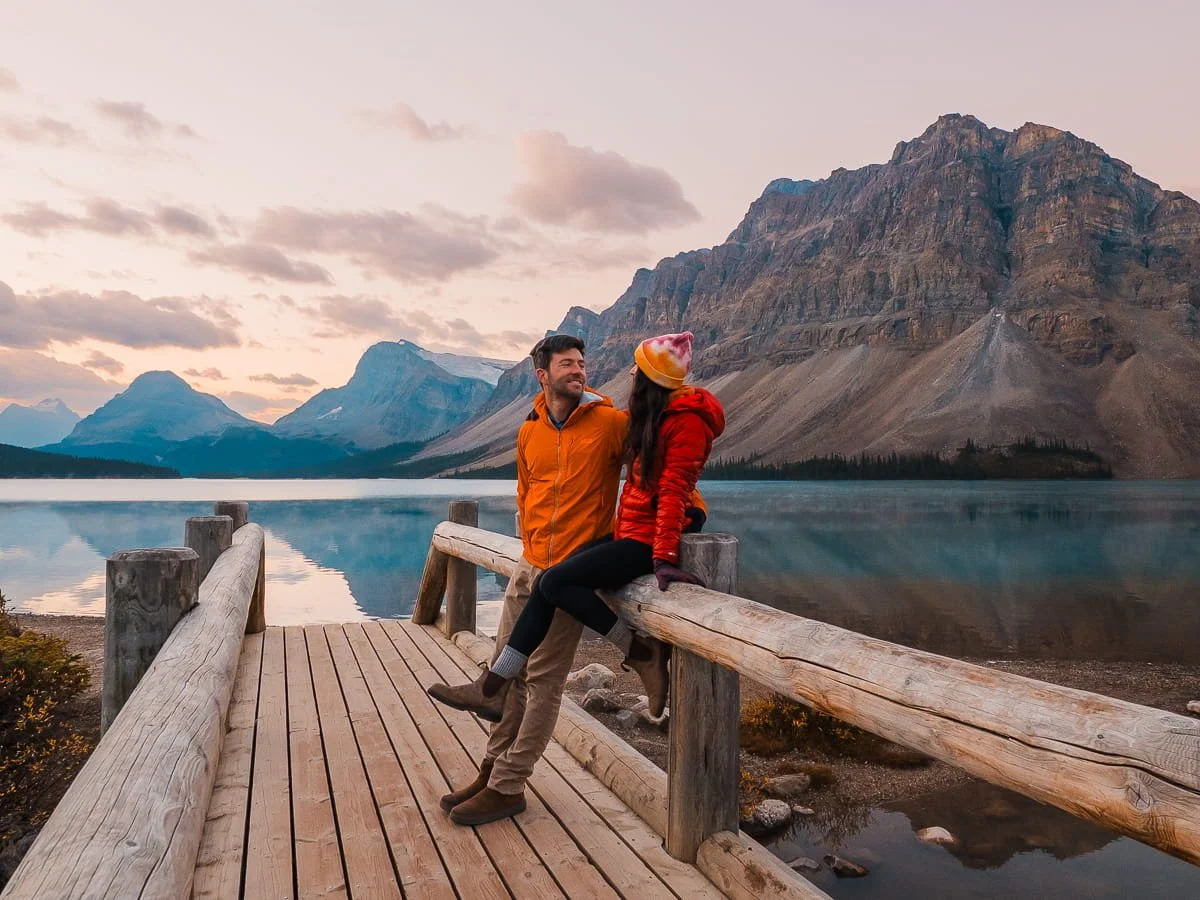
Sunrise at Bow Lake in Banff National Park
How Many Days Do You Need in the Canadian Rockies
The Canadian Rockies reward time, but you don't need weeks to have an incredible trip. However many days you have for your visit, we'll always recommend being intentional with what you want to see and do. Don’t rush through as many viewpoints as you can in one day. Plan each day based on how much time you want to spend at each stop.
Below is roughly how we'd recommend you allocate your time depending on how long you have.
3 Days: Banff and Lake Louise
Enough time to hit the highlights — Moraine Lake, Lake Louise, and a hike or two around Banff or Canmore. This is a tight itinerary, so book your Moraine Lake and Lake Louise shuttle reservations before anything else.
5-7 Days: Banff, Canmore, and Icefields Parkway
Our sweet spot for a first trip. This gives you real hiking time around Banff and Kananaskis, a full day driving the Icefields Parkway with stops along the way, and a couple of days to explore Jasper before heading back.
10+ Days: Banff, Jasper, Kananaskis, Plus Time for Backpacking
With more time, you can add a multi-day backpacking trip (Skoki, Assiniboine, or Berg Lake), a detour into Yoho for Lake O'Hara, or extend into Kootenay National Park and the Rockwall.
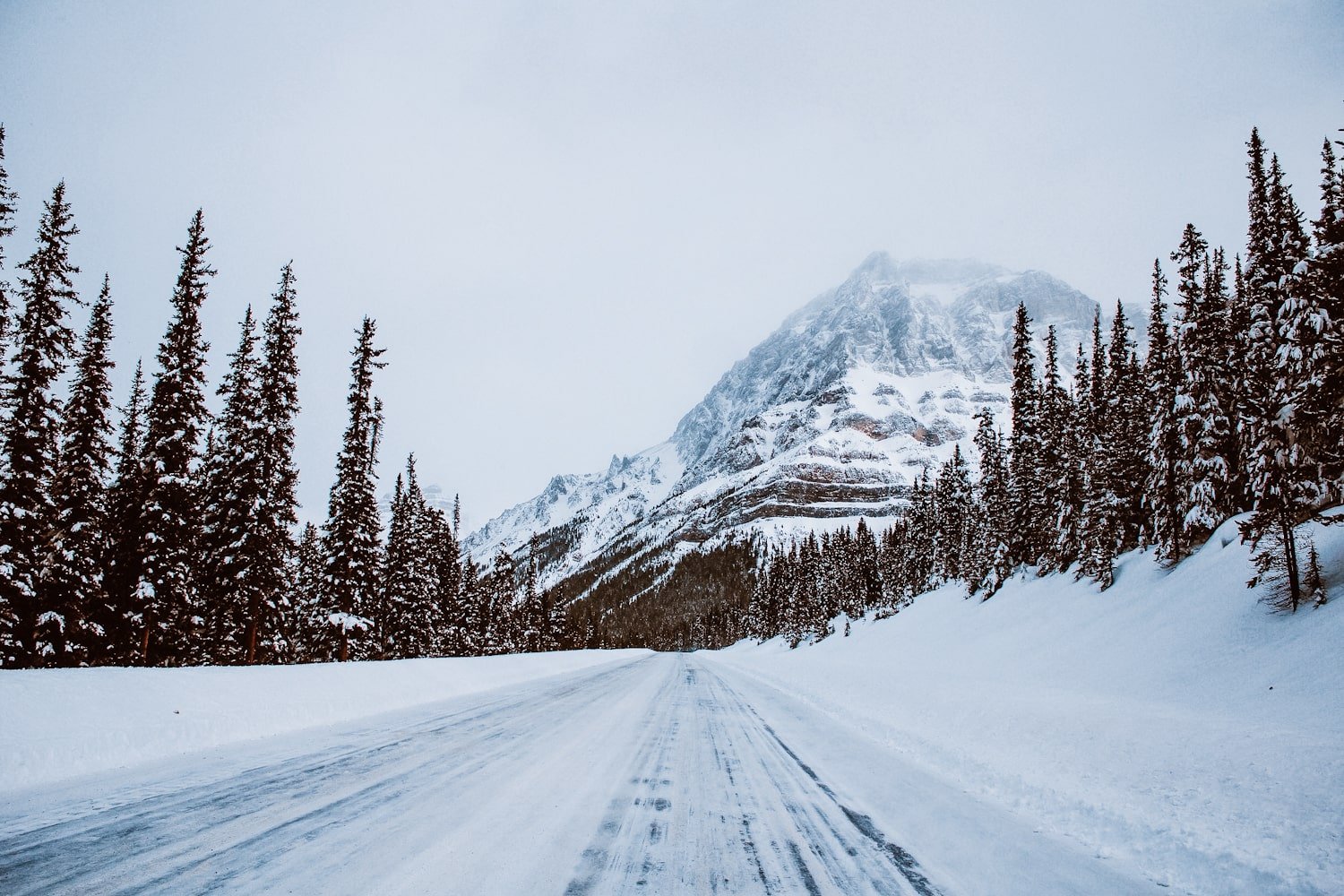
Be prepared for early winter conditions if you visit in October
Everything You Need to Know for Traveling to Banff & the Canadian Rockies
Getting to the Canadian Rockies is actually pretty easy depending on where you are coming from, but it does take a little planning. Here's how to get here, and what to expect once you're on the ground and ready to start exploring.
Getting to the Canadian Rockies: Airports and Travel Options
Most trips to the Canadian Rockies start by flying into Calgary International Airport (YYC), which sits about 90 minutes east of Banff and is by far the most common gateway for visitors. If you're planning to spend more time in Jasper, Edmonton International Airport (YEG) is a solid alternative, roughly 3.5-4 hours from Jasper by road.
From either airport, you'll need a car to actually explore the region — there's no train or bus network that covers the parks well enough to rely on.
Getting Around: Road Tripping, Rental Cars, and Campervan Rentals
Once you're here, a car is essential. Renting a car from Calgary or Edmonton is the most flexible option, and booking early matters, especially in summer and fall when rental availability tightens up fast. If you're visiting in summer, a campervan is a great option too — it saves on lodging costs, lets you stay closer to trailheads, and cuts down on the early morning drive time that sunrise hikes and photo spots often demand.
In winter, stick to a proper rental car (or one equipped for winter driving) rather than a van. Roads between Banff, Canmore, and Jasper are well maintained and mostly straightforward, but the Icefields Parkway in particular deserves extra time built into your schedule — not because it's difficult to drive, but because you'll want to stop constantly.
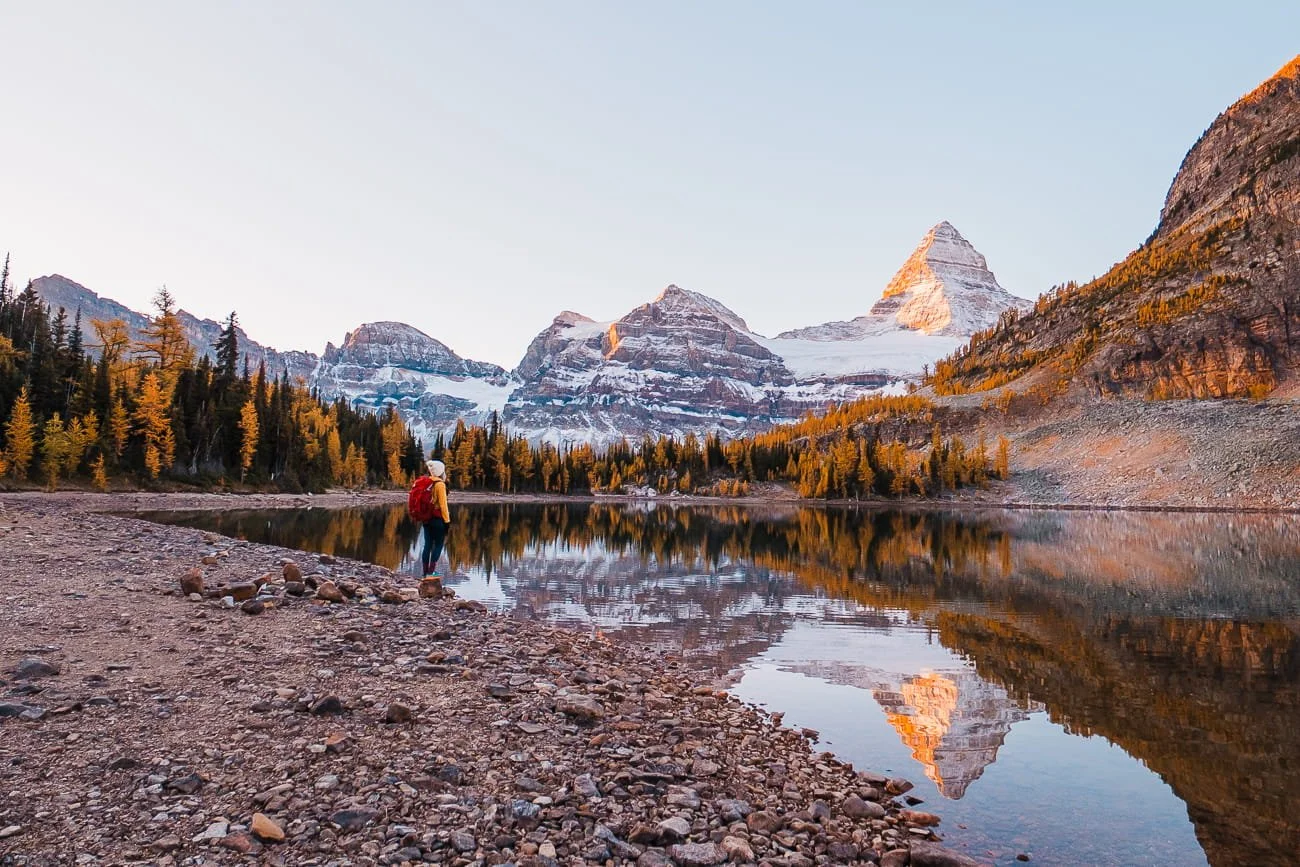
Sunrise in Mount Assiniboine Provincial Park
Park Passes & Backcountry Permits for the Canadian Rockies
Before you hit the trails, it's worth understanding the pass and permit system — the Canadian Rockies are stunning, but they're also protected as national and provincial parks, and a little planning here saves you from getting turned away at a trailhead without the right parking pass.
| Pass | Cost | Area | Registered To | Best For | Get Your Pass |
|---|---|---|---|---|---|
| Discovery Pass Adult (18–64) | Annual $83.50 CAD | National Parks | Per Person | Solo hikers spending 5+ days in the parks | Buy Online |
|
Discovery Pass
Best Value
Family / Group
|
Annual $167.50 CAD | National Parks | Per Vehicle (up to 7 people) | Couples & groups hiking together | Buy Online |
| Discovery Pass Senior (65+) | Annual $71.50 CAD | National Parks | Per Person | Visitors 65 and older | Buy Online |
| Kananaskis Conservation Pass Day Pass | Per Day $15 CAD | Kananaskis | Per Vehicle (license plate) | A single trip out to Canmore / Kananaskis | Buy Online |
| Kananaskis Conservation Pass Annual Pass | Annual $90 CAD | Kananaskis | Up to 3 vehicles, same household | Multiple Kananaskis trips or locals | Buy Online |
Prices reflect 2026 rates and are set by Parks Canada and Alberta Parks — confirm current pricing before your trip, as both are reviewed periodically.
Parks Canada Discovery Pass (National Parks Pass)
All of the National Parks in the Rockies — Banff, Jasper, Yoho, and Kootenay — require a Parks Canada daily or annual pass. You'll need one to access trailheads, parking lots, backcountry areas, and even for driving and parking in downtown Banff (the town is inside Banff National Park).
Outside of that You can choose between a daily pass or the annual Discovery Pass — which pays for itself quickly if you're visiting more than one park, since it covers Banff, Jasper, Yoho, and Kootenay together. Check Parks Canada for current pricing before you go, since rates are adjusted periodically.
In 2026, Parks Canada ran its Canada Strong Pass promotion again, offering free admission from June 19 to September 7. Although this date has passed this year, it's worth keeping a lookout if this promotion happens again in 2027.
Kananaskis Conservation Pass
If you're hiking near Canmore, in Kananaskis Country, a Kananaskis Conservation Pass is required for parking in provincial parks and recreation areas — this is separate from your Parks Canada pass, since Kananaskis is provincial land, not national park land. These passes help fund trail maintenance and park operations, and you'll need one even if you already hold a Discovery Pass since this entire area is outside of the National Parks.
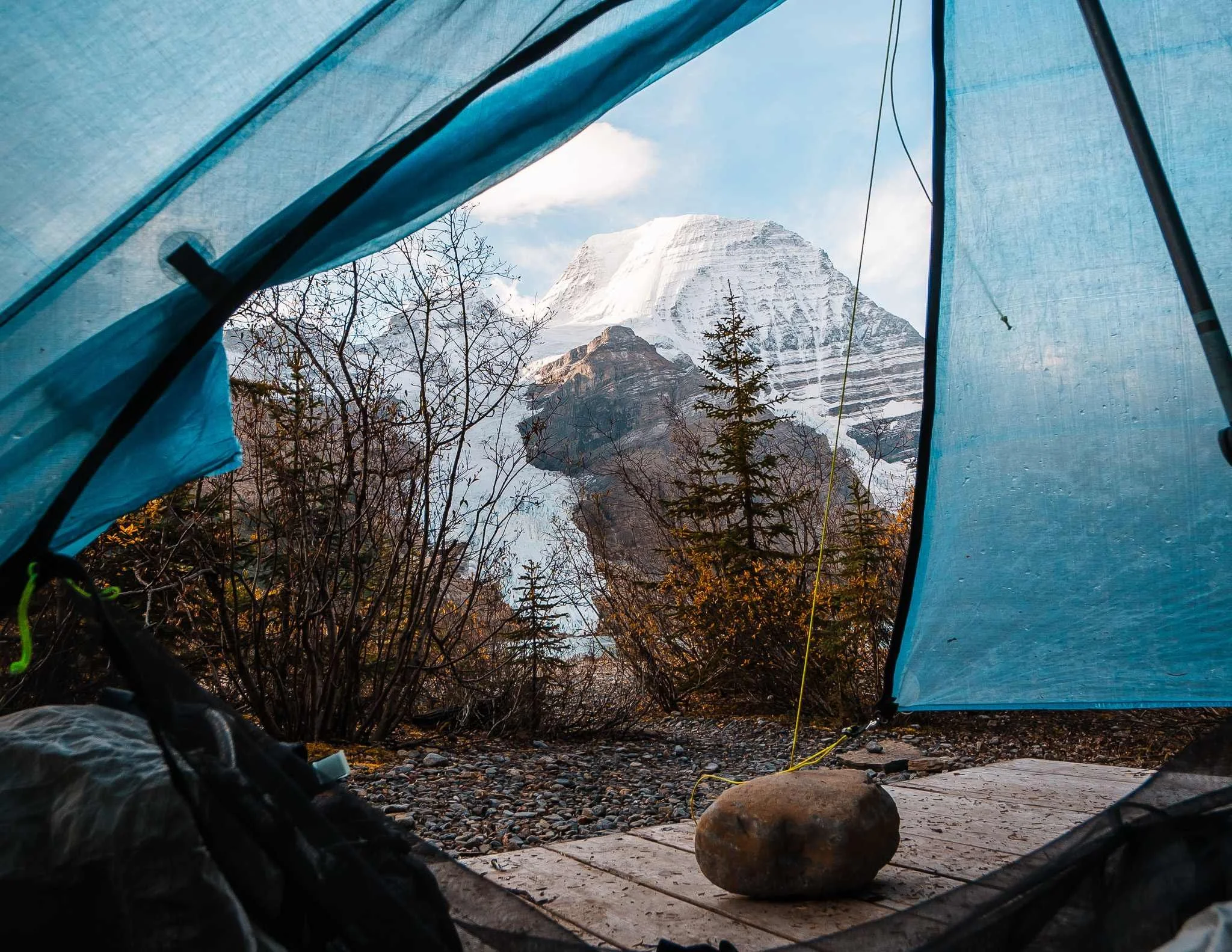
Backpacking at Berg Lake in Mount Robson Provincial Park
Backcountry Camping Permits
If you plan to camp overnight in the backcountry, you'll need a backcountry permit in addition to your Parks Canada pass or Kananaskis Conservation Pass. National parks and provincial parks use separate permit systems, so make sure you're booking through the right website for the area you're headed to — we'll link to the specific permit process for each trip when you get to the trail sections.
Backpacking Permits:
Are required for all overnight backcountry campsites
Help manage crowds and protect sensitive alpine environments
Often require advance reservations, especially during summer and fall
A Few Tips for Purchasing Passes and Permits:
Apply online or at park visitor centers as early as possible — popular trails like Berg Lake, Mount Assiniboine, and Skoki Lakes fill up fast
Each permit specifies your campsite and dates, and you must carry it with you while hiking
Fees are usually per person, per night, in addition to the standard park pass
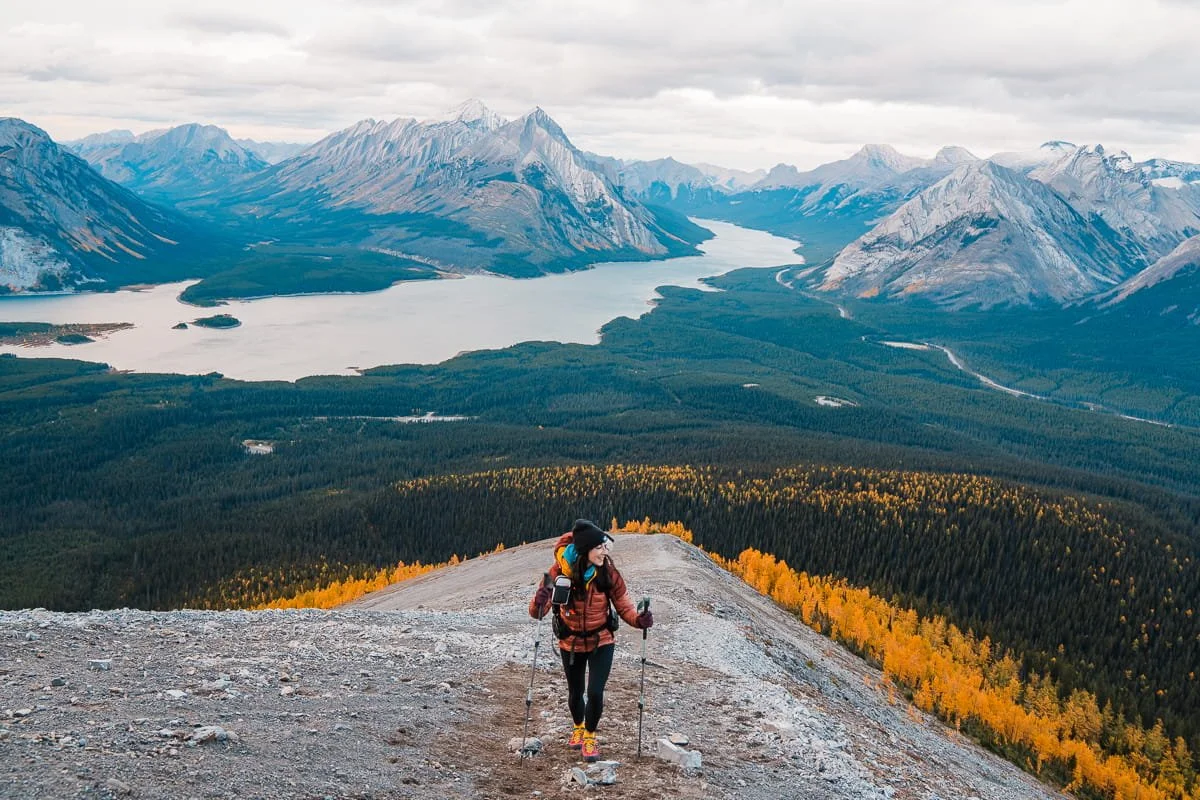
Hiking Tent Ridge in Kanananskis
The Best Hikes in the Canadian Rockies
With hundreds of trails spread across Banff, Jasper, Yoho, and Kananaskis Country, narrowing down where to hike in the Canadian Rockies can feel overwhelming, but that just means it's worth doing your research in advance. Whether you're chasing golden larches in fall, alpine lakes in summer, or dramatic mountain views year-round, every park has something unforgettable to offer.
Below you'll find some of the most scenic and worthwhile hikes across the region, plus links to our detailed guides for planning your next adventure.
→ For fall trips, make sure to check out our guide on the best fall hikes near Banff!
Best Hikes & Backpacking Trips in the Canadian Rockies
Every day hike and multi-day backpacking trip from our Ultimate Canadian Rockies Travel Guide, at a glance. Sort by distance or elevation, filter by region, or narrow down to our top picks.
| Trail | Distance & Elevation | Difficulty | Region | Parking Permit |
|---|
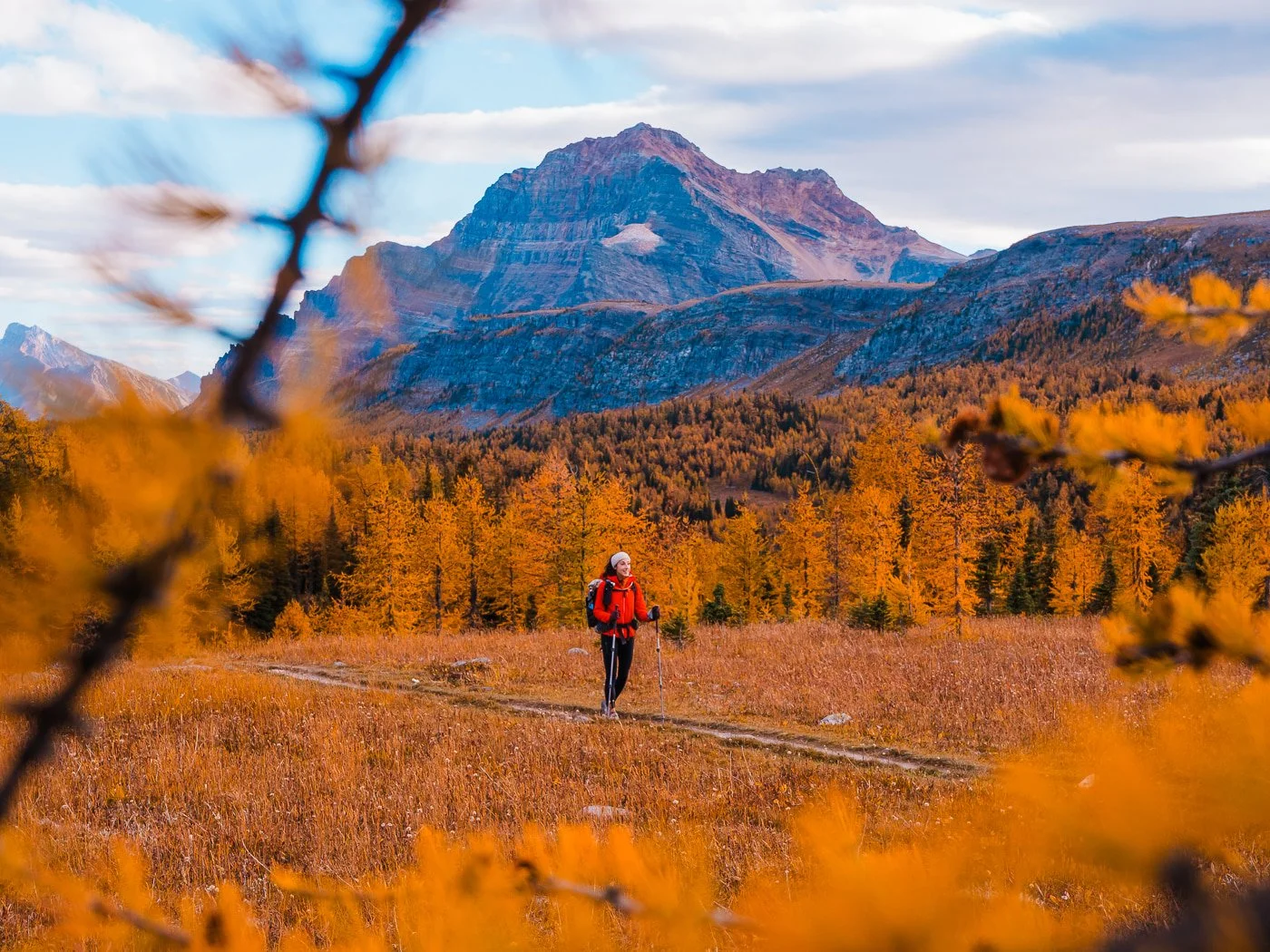
Forests of gold near Healy Pass
Must-Do Day Hikes in Banff National Park
Banff National Park is packed with bucket-list trails, from iconic viewpoints to quieter alpine valleys where you can hike for hours without seeing another person. Some of the best trails here in summer are also among the best places to see golden larches in fall.
Top Hikes in Banff:
Healy Pass | 11.2 mi (18 km) RT | 2,142 ft (652 m) gain | Moderate
A stunning alpine meadow filled with wildflowers in summer and golden larches come mid to late September. The approach climbs steadily (but at an easy grade) through the forest before opening up into the meadow, with stunning mountain views.
Lake Agnes and the Tea House Trail | 4 mi (6.4 km) RT | 1,230 ft (375 m) gain | Moderate
One of Banff's classic hikes, combining lake views, waterfalls, and a historic mountain tea house. It's one of the most crowded trails in the park, so an early start makes a real difference.
Larch Valley to Sentinel Pass | 6.8 mi (10.9 km) | RT, 2,269 ft (691 m) gain | Moderate
A must-do during larch season, with panoramic views of the Valley of the Ten Peaks. Starts from the Moraine Lake trailhead, so you'll need a shuttle reservation to get there in season.
Skoki Lakes | 14.2 mi (23 km) RT | 3,824 ft (1,166 m) gain | Difficult
A quieter backcountry trail near Lake Louise that climbs through Boulder Pass and Packers Pass, perfect for escaping the crowds — we hiked it as a day trip and got snowed on in early October, so plan around shoulder-season weather.
Jimmy Simpson Jr | 4.4 mi (7.1 km) | RT, 2,570 ft (783 m) gain | Difficult
A steep, lesser-known climb above Bow Lake right off the Icefields Parkway, with sweeping views back down over the lake, glaciers, and Bow Glacier Falls the higher you go. The trail isn't heavily maintained or well-marked in spots, so trekking poles and daylight buffer are worth planning for — it's a lot more elevation gain than the mileage suggests.
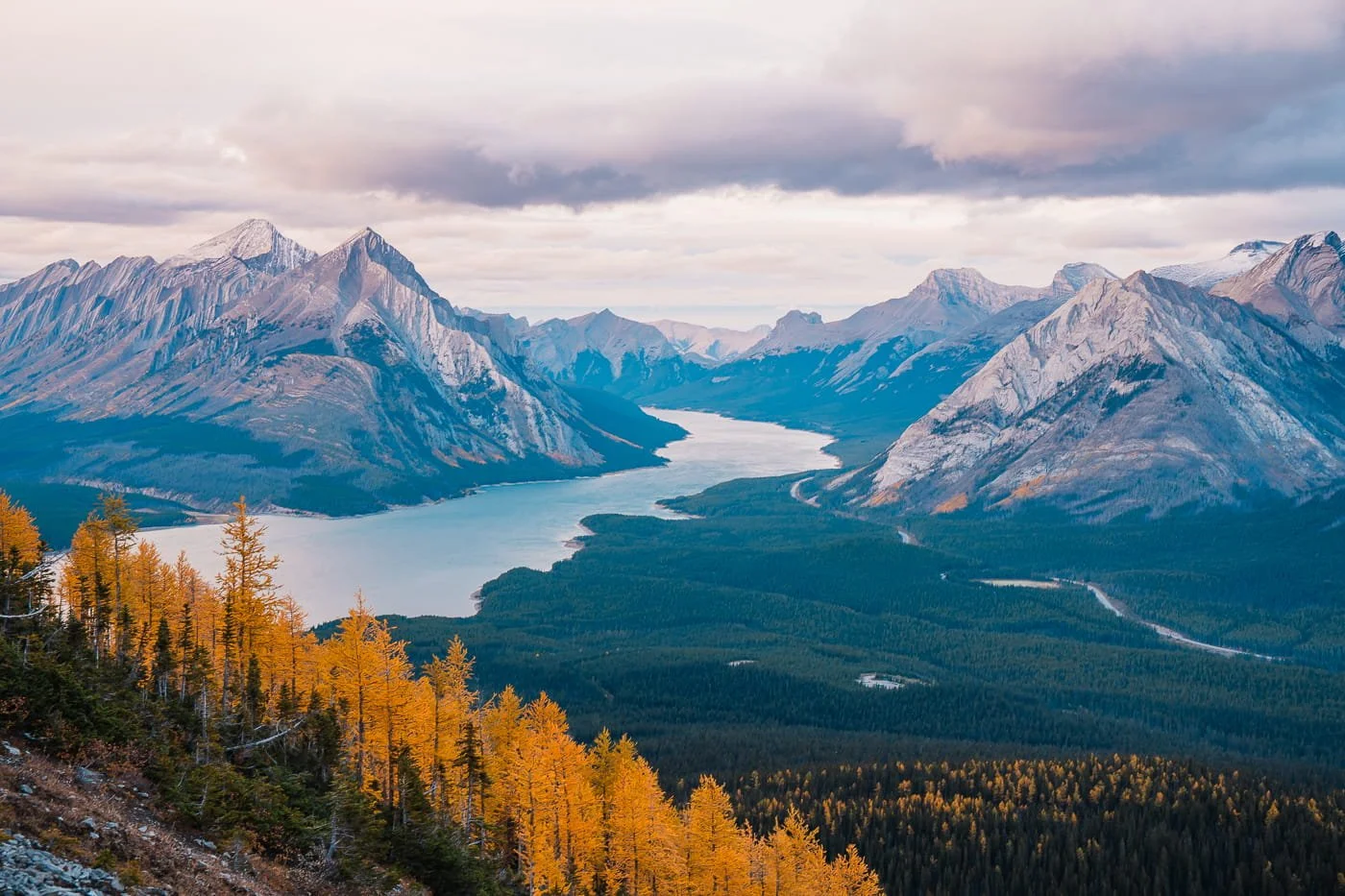
Big mountain views along Tent Ridge in Kananaskis Country
Amazing Canmore Area Trails and Kananaskis Hikes
Just outside Banff, the mountain town of Canmore and the surrounding Kananaskis Country offer some of the most rewarding hiking in the Rockies, often with fewer crowds and equally jaw-dropping views. If you're looking for ridge walks, alpine lakes, and dramatic peaks, this is the place to find them.
Top Canmore & Kananaskis Hikes:
Tent Ridge | 6.3 mi (10.1 km) RT | 2,168 ft (660 m) gain | Difficult (includes a short scramble)
A local favorite that delivers 360° mountain views for the effort. More on the scramble section and best route direction in our larch hikes guide.
Smutwood Peak | 11.1 mi (17.9 km) RT | 2,439 ft (743 m) gain | Difficult
A challenging but rewarding hike and scramble with rugged peaks and turquoise lakes below. Full route breakdown in our larch hikes guide.
Ha Ling Peak | 4.8 mi (7.8 km) RT | 2,139 ft (652 m) gain | Difficult
One of the most iconic views right outside Canmore, climbing steadily through forest before opening up to switchbacks, staircases, and sweeping views over the Bow Valley from the saddle. It's steep and relentless the whole way, but the trail is well-maintained and doesn't require any scrambling.
Arethusa Cirque: 2.6 mi (4.2 km) loop | 958 ft (292 m) gain | Easy
Short, sweet, and spectacular, especially when the larches turn gold in fall — a great pick for a short or family-friendly hike.
Pocaterra Cirque and Pocaterra Ridge | 3.2 mi (5.1 km) - 6.5 mi (10.5 km) | 346 ft (105 m) - 1,696 ft (517 m) gain | Moderate
One of the best places in Kananaskis to see larches glowing across the slopes in late September, and a stunning ridge run year-round. The distance depends on if you do an out-and-back to Pocaterra Cirque or do the full Pocaterra Ridge hike with a car shuttle. Full logistics for the point-to-point option are in our larch hikes guide.
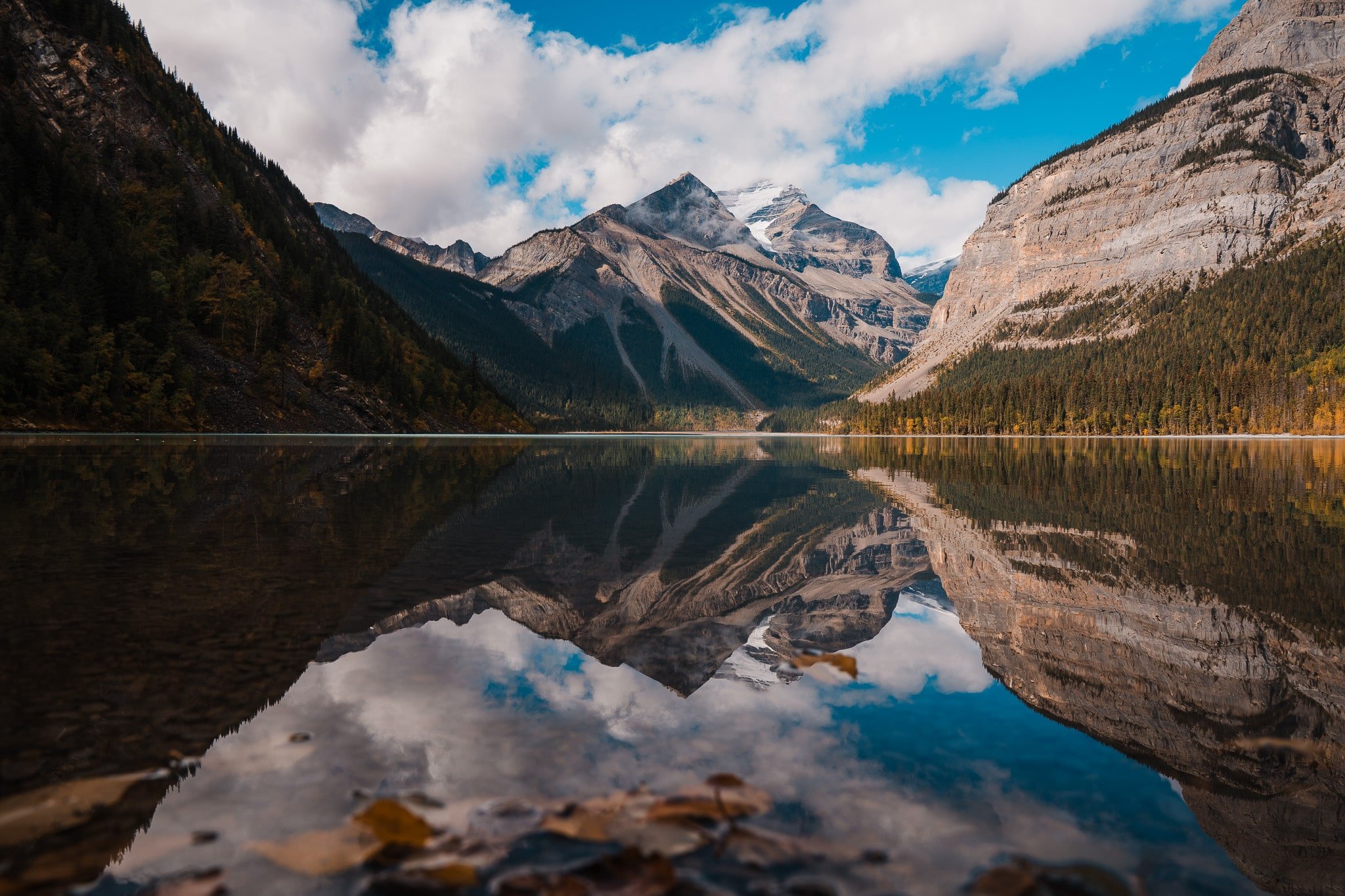
Kinney Lake in Mount Robson Provincial Park, just outside of Jasper
The Best Hikes in & Near Jasper National Park
Jasper's trails feel a little wilder and more remote than Banff's, wide valleys, glacier-fed rivers, and endless mountain views. Whether you're after a short hike to a waterfall or a multi-day backcountry adventure, Jasper National Park has it all.
Top Jasper Area Hikes:
Valley of the Five Lakes | 3.2 mi (5.1 km) loop | 237 ft (72 m) gain | Easy
A gentle loop past five distinct lakes, each a different shade of green and blue depending on mineral content and light — a great option if you want scenery without much effort.
Wilcox Pass (Athabasca Glacier) | 6 mi (9.7 km) RT | 1,187 ft (362 m) gain | Moderate
One of the best views on the entire Icefields Parkway, climbing above treeline to a wide alpine pass with sweeping views of the Athabasca Glacier — and it's a reliable spot for bighorn sheep.
Path of the Glacier and Cavell Meadows | 1.1 mi (1.8 km) RT to Angel Glacier | 5 mi (8 km) RT with 1,600 ft (487 m) gain if you continue up into Cavell meadows | Moderate
Mount Edith Cavell dominates the whole hike, with the hanging Angel Glacier visible almost the entire way.
Sulphur Skyline | 5 mi (8 km) RT | 2,000 ft (600 m) gain | Difficult
A steep climb from Miette Hot Springs to a ridge with panoramic views — and a soak in the hot springs waiting for you back at the trailhead.
Kinney Lake | 5.6 mi (9 km) RT to the lakeshore | 470 ft (143 m) gain | Moderate
In Mount Robson Provincial Park, but only an hour from the town of Jasper, this trail leads to an impossibly blue lake framed by towering peaks — one of the area's most popular day hikes. Most visitors turn around at the lakeshore, but the trail continues along the Robson River if you want to add mileage.
Athabasca Falls and Sunwapta Falls: Both short, easy stops just off the highway, but absolutely worth it for photographers and road trippers alike.
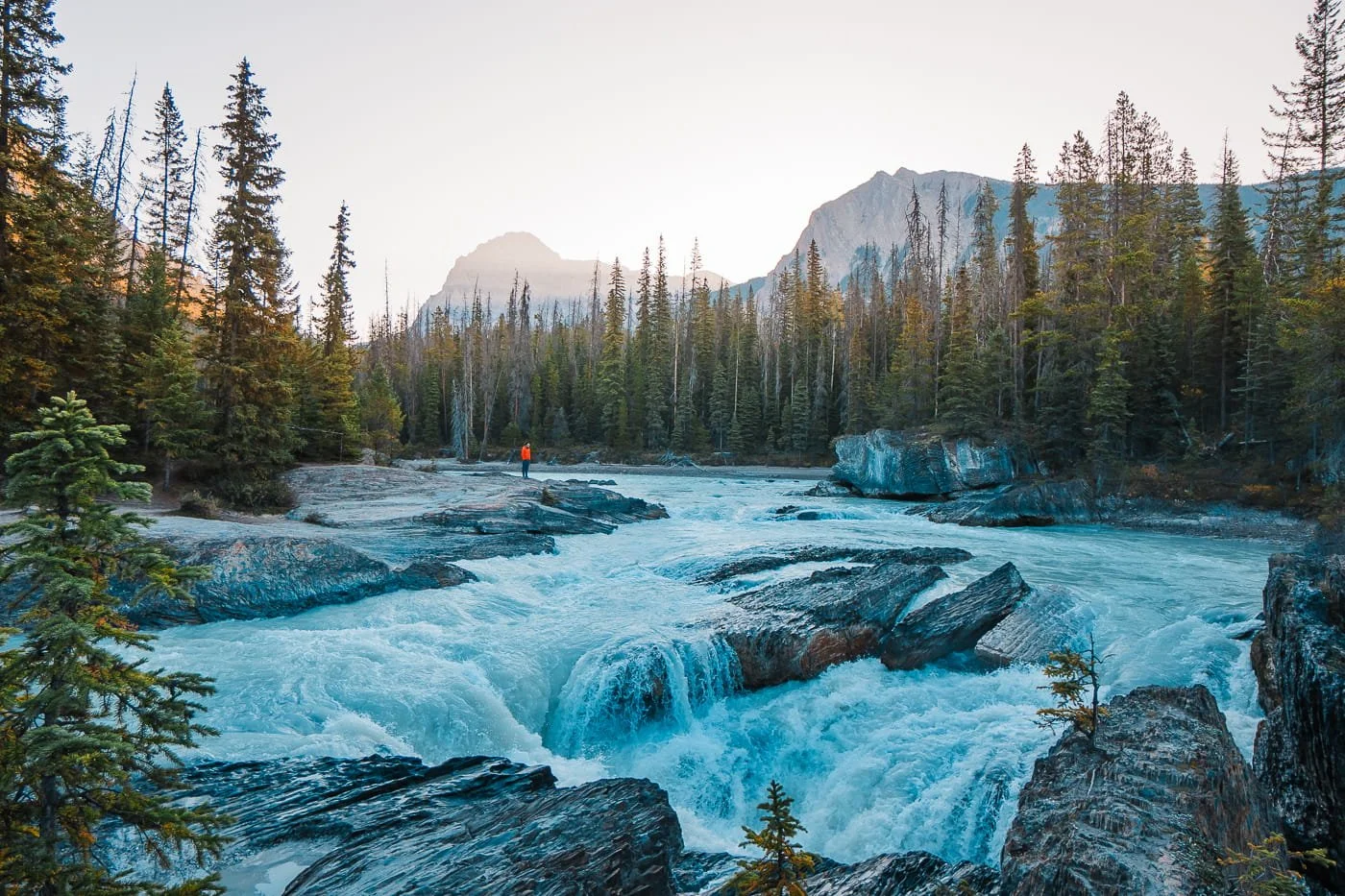
Natural Bridge in Yoho National Park near Emerald Lake
Hikes Worth More of a Drive: Yoho and Kootenay National Parks
Yoho and Kootenay don't get nearly the traffic Banff and Jasper do, which is exactly why they're worth the detour — both sit right along your route between Lake Louise and the Icefields Parkway, so you don't need to go far out of your way to add them in.
Top Yoho and Kootenay hikes:
Emerald Lake Loop: 3.1 mi (5.1 km) loop | Minimal gain | Easy
A flat, scenic walk around one of the most photographed lakes in Yoho, with the option to canoe if you want to get out on the water instead.
Iceline Trail | 12.5 mi (20 km) loop | 2,466 ft (752 m) of gain | Difficult
One of the best high-alpine day hikes in the Rockies, climbing above Takakkaw Falls to a bench of glacial moraine with sweeping views of the Emerald and Little Yoho Glaciers.
Takakkaw Falls | <1 mi (0.6 km) RT | Minimal gain | Easy
A short, paved walk to the base of one of Canada's tallest waterfalls. Worth the stop even if you're not planning a full hike day.
Stanley Glacier | 6.6 mi (10.6 km) RT | 1,729 ft (526 m) of gain | Moderate-difficult
Climbs through a burned forest that's regrowing in real time before opening into a dramatic hanging valley beneath the glacier.
Marble Canyon and the Paint Pots | <1 mi (0.6 km) RT | Minimal gain | Easy
Two short, family-friendly stops near each other in Kootenay — a narrow limestone canyon carved by Tokumm Creek, and a set of colorful iron-rich mineral springs just down the road.
Floe Lake | 12.4 mi (20 km) RT | 2,427 ft (740 m) gain | Difficult
A brutal but rewarding day hike (or the first night of the Rockwall Trail) to a stunning turquoise lake sitting right beneath a wall of red-and-grey cliffs, with icebergs often still floating in the water well into summer. Covered in more detail in our Rockwall Trail section below.
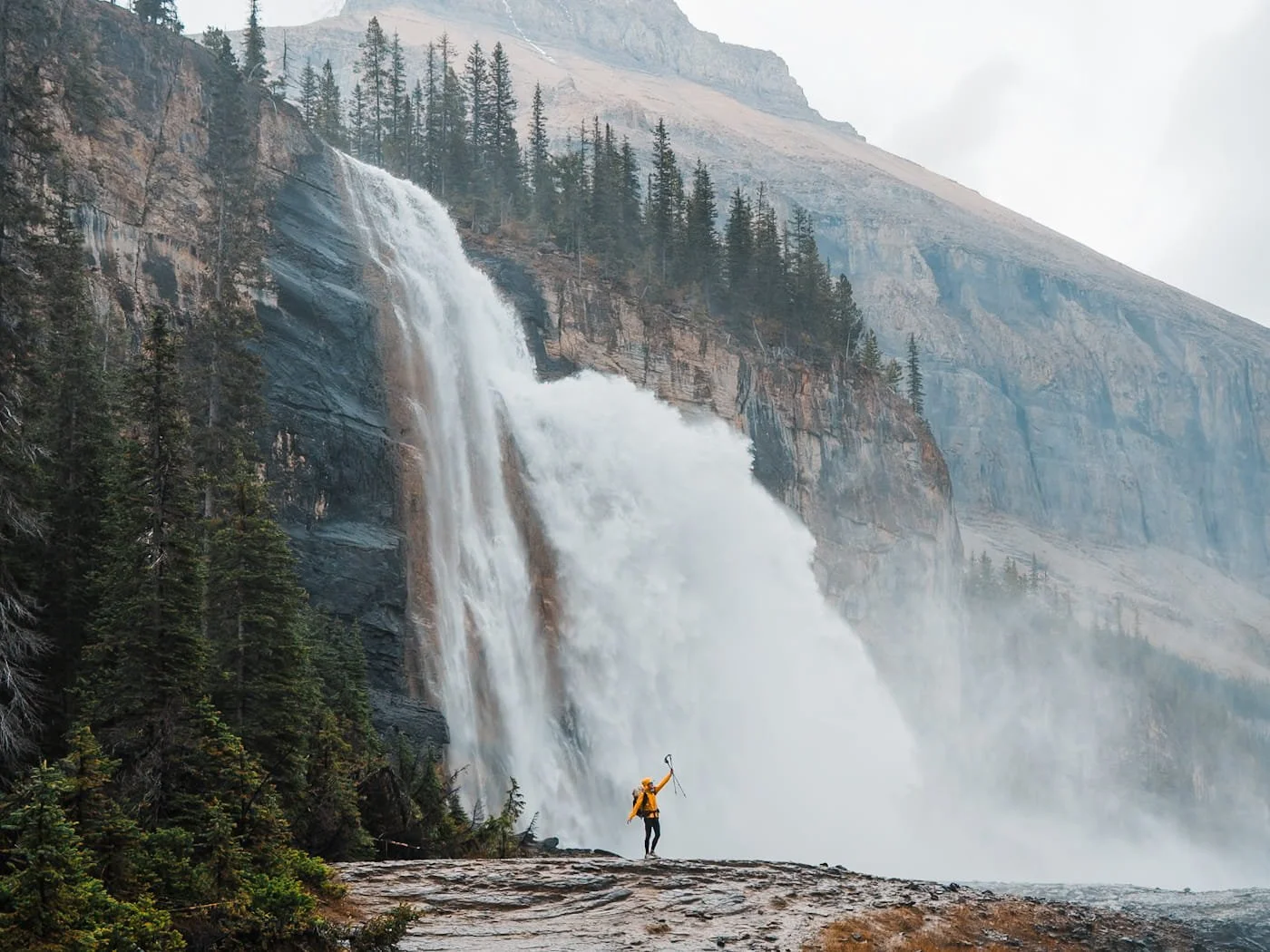
Emperor Falls in Mount Robson Provincial Park
Multi-Day Backpacking Trips in the Canadian Rockies
If you're ready to trade day hikes for backcountry campsites and star-filled skies, backpacking in the Canadian Rockies is the ultimate way to experience this landscape. These trails take you deep into alpine valleys, past turquoise lakes, and across mountain passes that feel worlds away from the crowds.
All of these routes require advance permits, and it’s worth noting that weather can change quickly even in summer, but with a bit of planning, these are some of the most rewarding adventures in Canada.
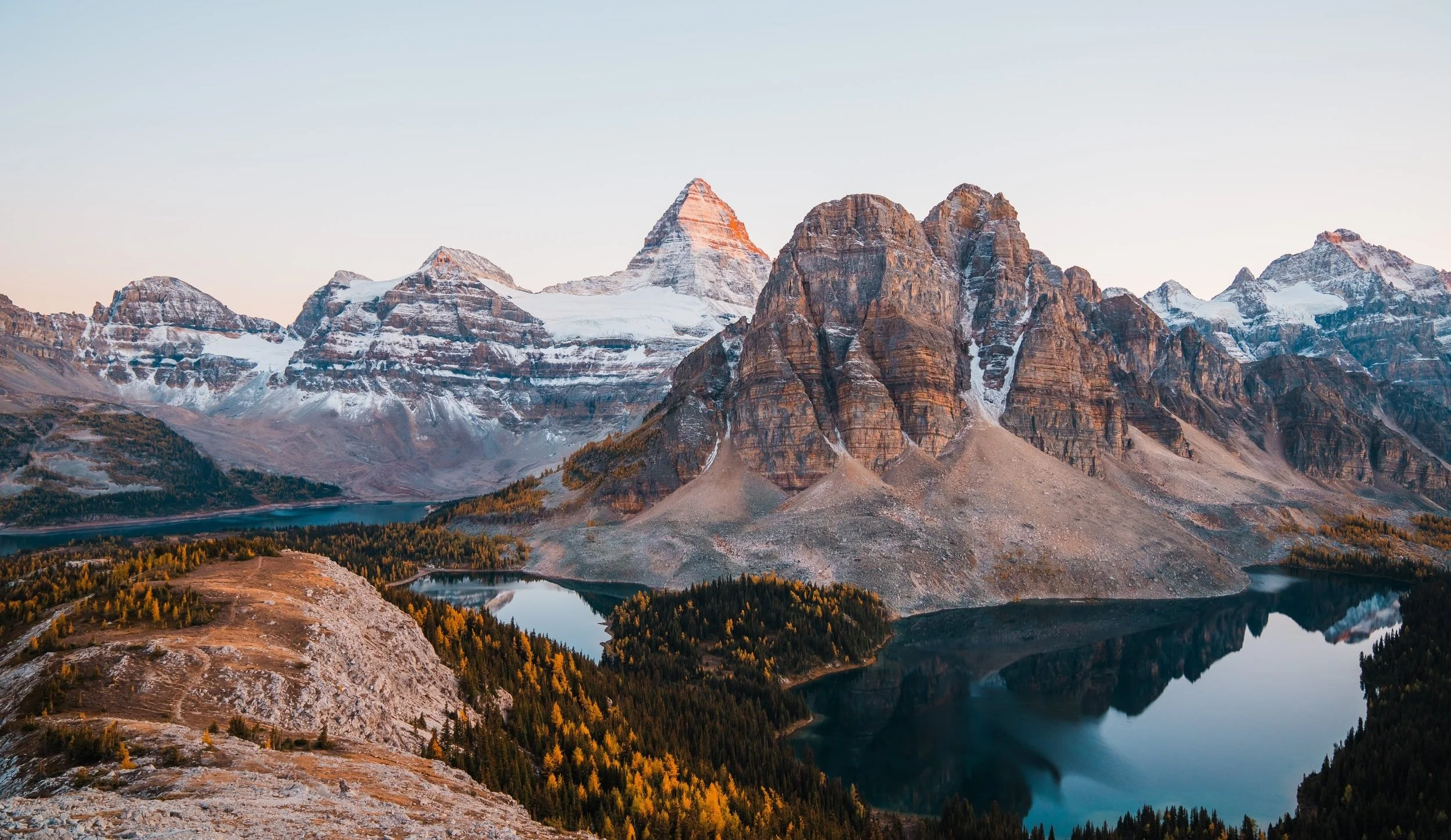
Mount Assiniboine from The Nublet
Camping at Magog Lake in Mount Assiniboine Provincial Park
Often called the Matterhorn of the Rockies, Mount Assiniboine is one of the most photographed peaks in Canada, and backpacking here is pure magic. The route to Assiniboine can be done from multiple trailheads — Mount Shark and Sunshine Village are the most common — and passes through alpine meadows, larch forests, and glacial lakes on the way in.
We backpacked in via Mount Shark and Wonder Pass on our first trip, about 33 miles (53 km) RT with 2,725 ft (830 m) of elevation gain, and we're already planning a return trip via Sunshine Village and Citadel Pass to see the approach from the other side this fall.
Camp at Lake Magog, or stay in one of the backcountry huts or the lodge for a few nights to explore the area's endless side trails and sunrise viewpoints. Permits are competitive and must be booked online through Parks Canada months in advance, so this is one to plan around rather than decide on last minute.
→ For the full trip breakdown, including permits, trailhead options, and what to expect on trail, check out our complete guide to Backpacking Mount Assiniboine.
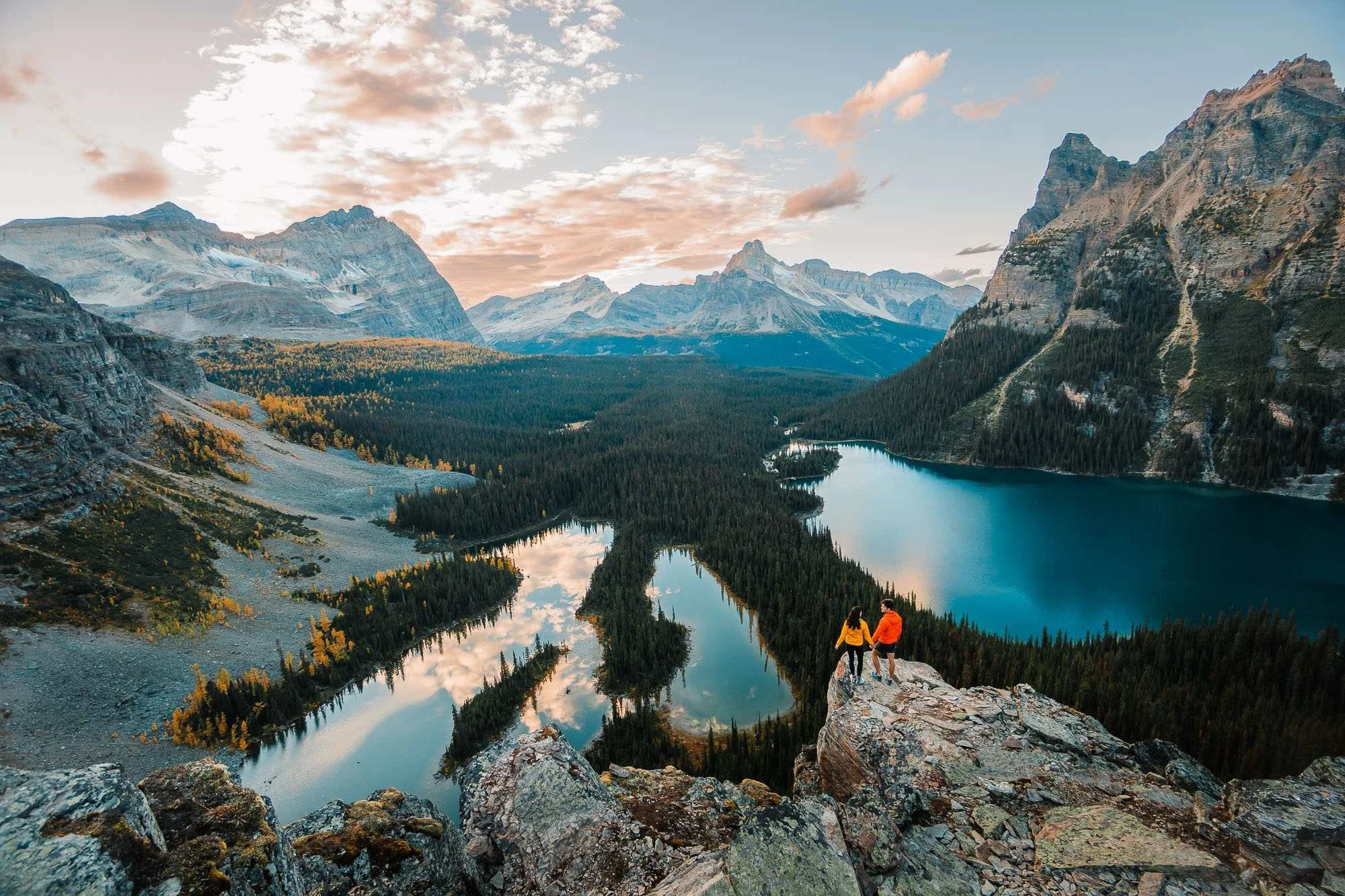
Sunset at the Lake O’Hara view point
Lake O’Hara in Yoho National Park
Lake O'Hara is one of the most spectacular and protected alpine areas in the Canadian Rockies, and getting there is half the challenge. Access is limited to a small number of daily visitors (via shuttle), and reservations for the shuttle or backcountry campsites often sell out months in advance. But you can still hike your way in up the road if you are not able to get a shuttle.
If you're lucky enough to get a spot, you can hike in as a long day trip (over 20 miles RT if you hike the access road plus the Alpine Circuit) or make it a 1-2 night backpacking trip at the Lake O'Hara Campground (shuttle included with your backpacking permit). Once there, the trails around the Opabin Plateau, Lake Oesa, and the Alpine Circuit offer some of the most jaw-dropping views in the Rockies.
We hiked to Lake O'Hara and the full Alpine Circuit in a single day in the fall without taking a shuttle — about 11 hours car to car, and completely worth it.
→ For the full breakdown of permits, the shuttle reservation system, and how to plan the day-trip version, check out our complete Lake O'Hara hiking guide.
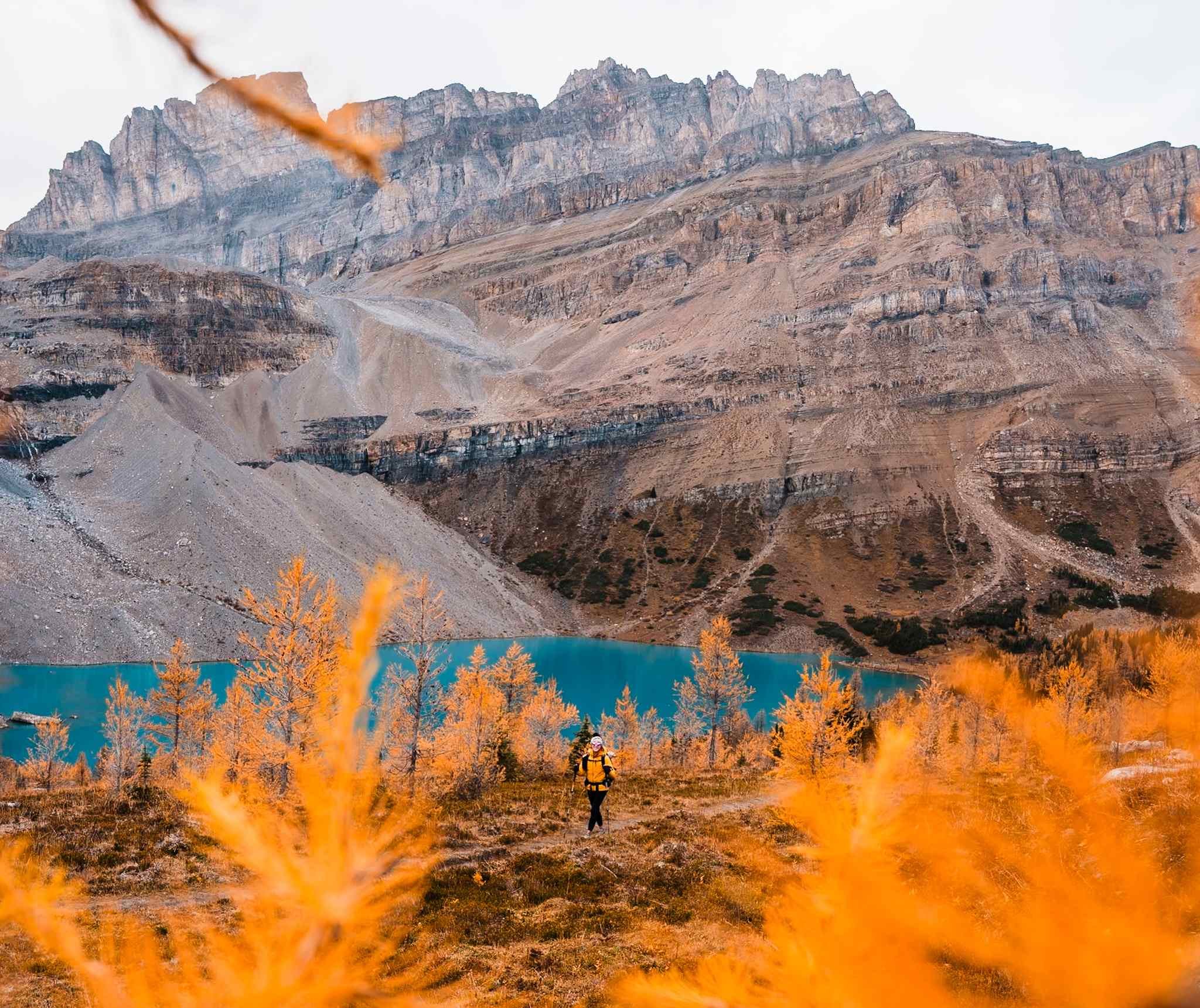
Skoki Lakes Loop
Skoki Lakes in Banff National Park
For a quieter adventure close to Lake Louise, the Skoki Lakes area can be done as a long day hike or a 2-3 day backpacking trip through alpine meadows and clear blue lakes. Starting near Temple Lodge, the trail climbs through Boulder Pass and Packers Pass into the Skoki Valley, a scenic stretch surrounded by peaks, wildflowers, and larch trees in fall.
We hiked it as a long day and got caught in snow flurries partway through — a good reminder that fall weather in the alpine can turn fast, even on a clear-looking morning. If you'd rather turn it into an overnight, there are several backcountry campsites scattered throughout the Skoki region, which lets you go deeper into the valley and explore side trails like Zigadenus and Myosotis Lakes without the long day-hike push. Either way, it's a great option for backpackers who want a taste of Banff's backcountry without the permit competition of Assiniboine or Berg Lake.
→ For more on the day-hike version, including trail conditions and what to expect, check out our larch hikes guide on this area.
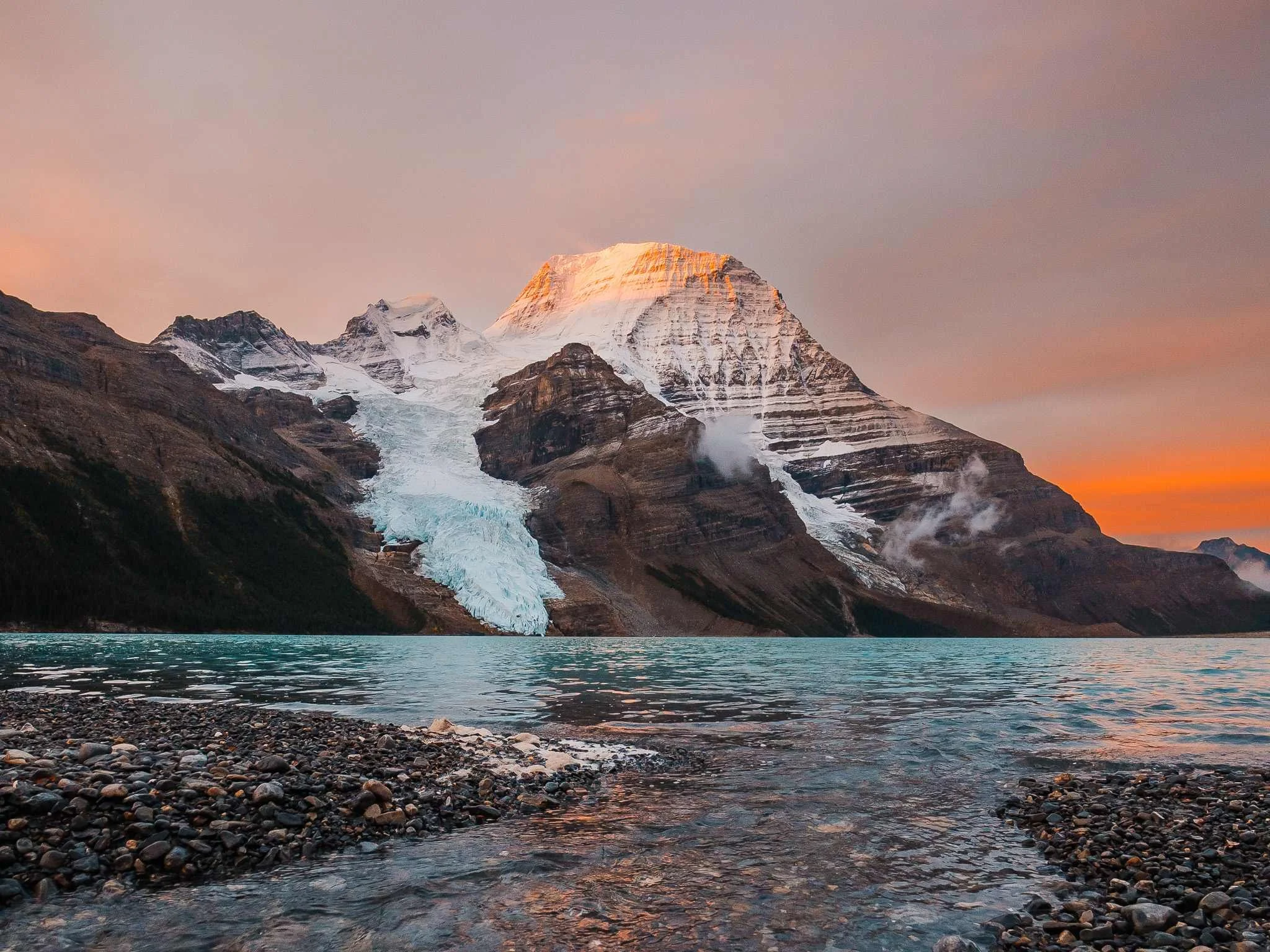
Sunrise at Berg Lake
Berg Lake Trail in Mount Robson Provincial Park
The Berg Lake Trail is one of the most iconic backpacking routes in the Canadian Rockies, and honestly one of our favorite backpacking trips of all time. The trail winds through lush valleys, waterfalls, and glaciers before reaching its namesake lake at the base of Mount Robson, the highest peak in the range.
The trail runs about 12.2 miles (19.5 km) one way, or 24.4 miles (39 km) round trip, with roughly 2,812 ft (857 m) of elevation gain. Most hikers do it in 2-4 days, with the Berg Lake Campground as basecamp for side hikes like Snowbird Pass and Mumm Basin. We backpacked in and camped right at Berg Lake, and it's worth building in at least two nights there if you can — one night alone doesn't leave enough time to explore the area properly.
Although parts of the trail were damaged by flooding in 2021, the main route has fully reopened, with just a couple of connector trails near Mumm Basin still affected. Reservations are required through BC Parks and typically sell out fast.
→ For the full itinerary, campsite breakdown, and day hike options from Berg Lake Campground, check out our complete Berg Lake Trail backpacking guide.
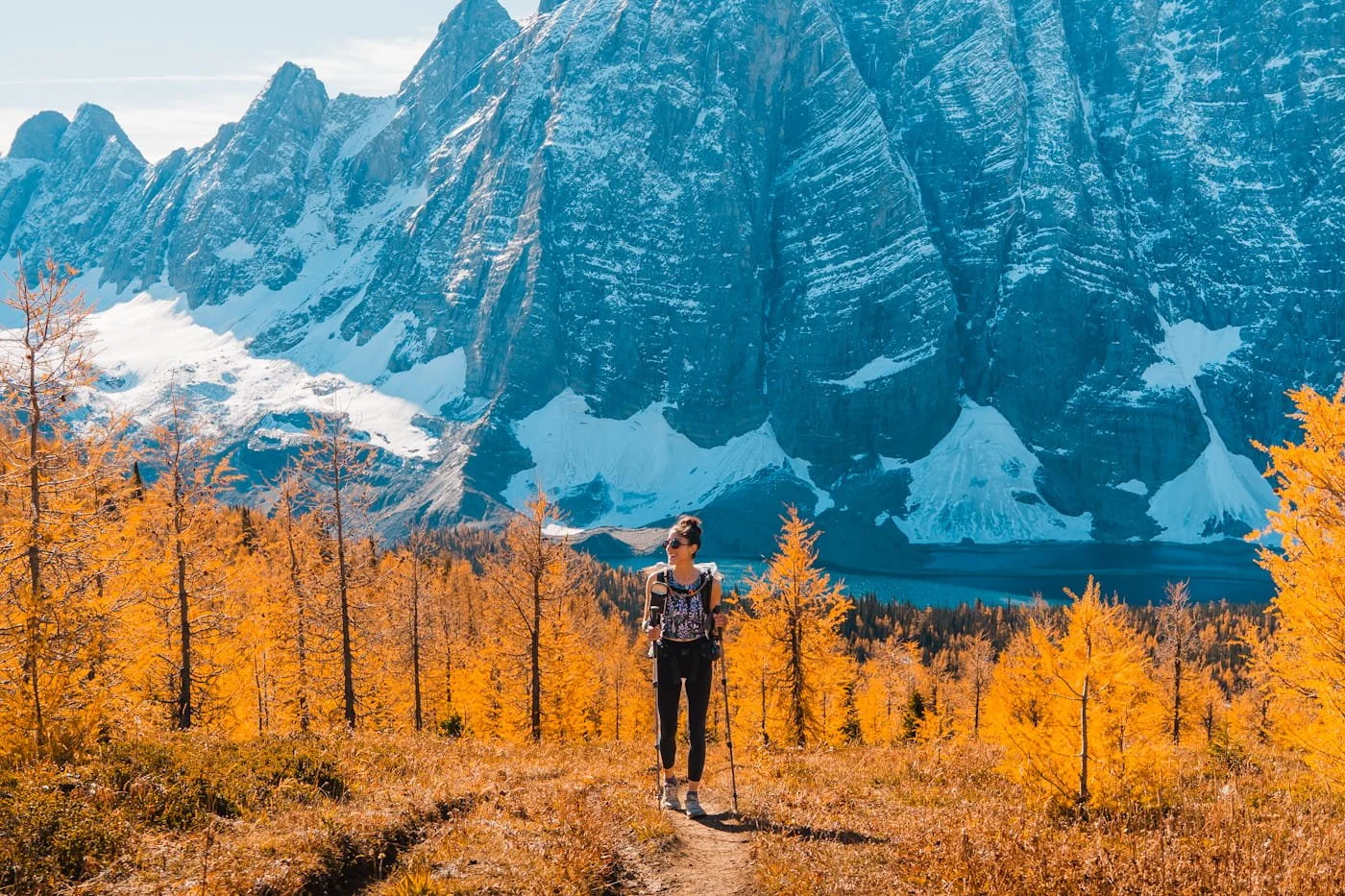
Hiking to Numa Pass along the Rockwall Trail
The Rockwall Trail in Kootenay National Park
Even though we haven't hiked the full Rockwall Trail ourselves yet, it deserves a spot on any Canadian Rockies bucket list. This 33.7-mile (54 km) route, with 7,886 ft (2,403 m) of gain, runs through Kootenay National Park, tracing beneath towering limestone cliffs and over several dramatic passes.
It's famous for its wildflower meadows, glacier views, and scenic campsites and it's high on our list for a future trip. Floe Lake, which we cover in the hikes section above, is a popular first-night stop for backpackers doing this trail, and it can also be done as a demanding standalone day hike if you're not up for the full multi-day route. We hiked to Floe Lake and Numa Pass as a day hike and it was stunning, we’re hoping to do the full trail this next year.
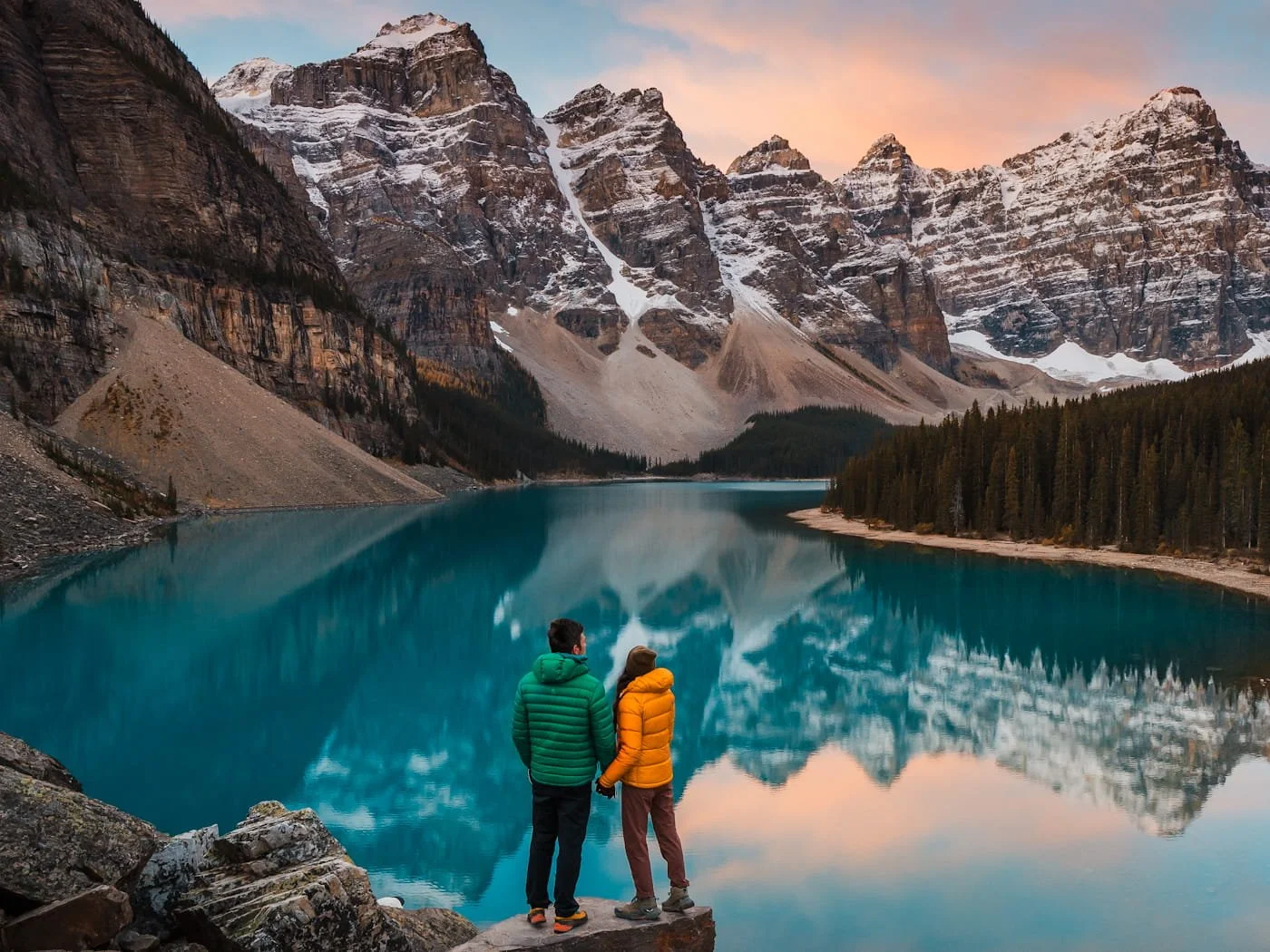
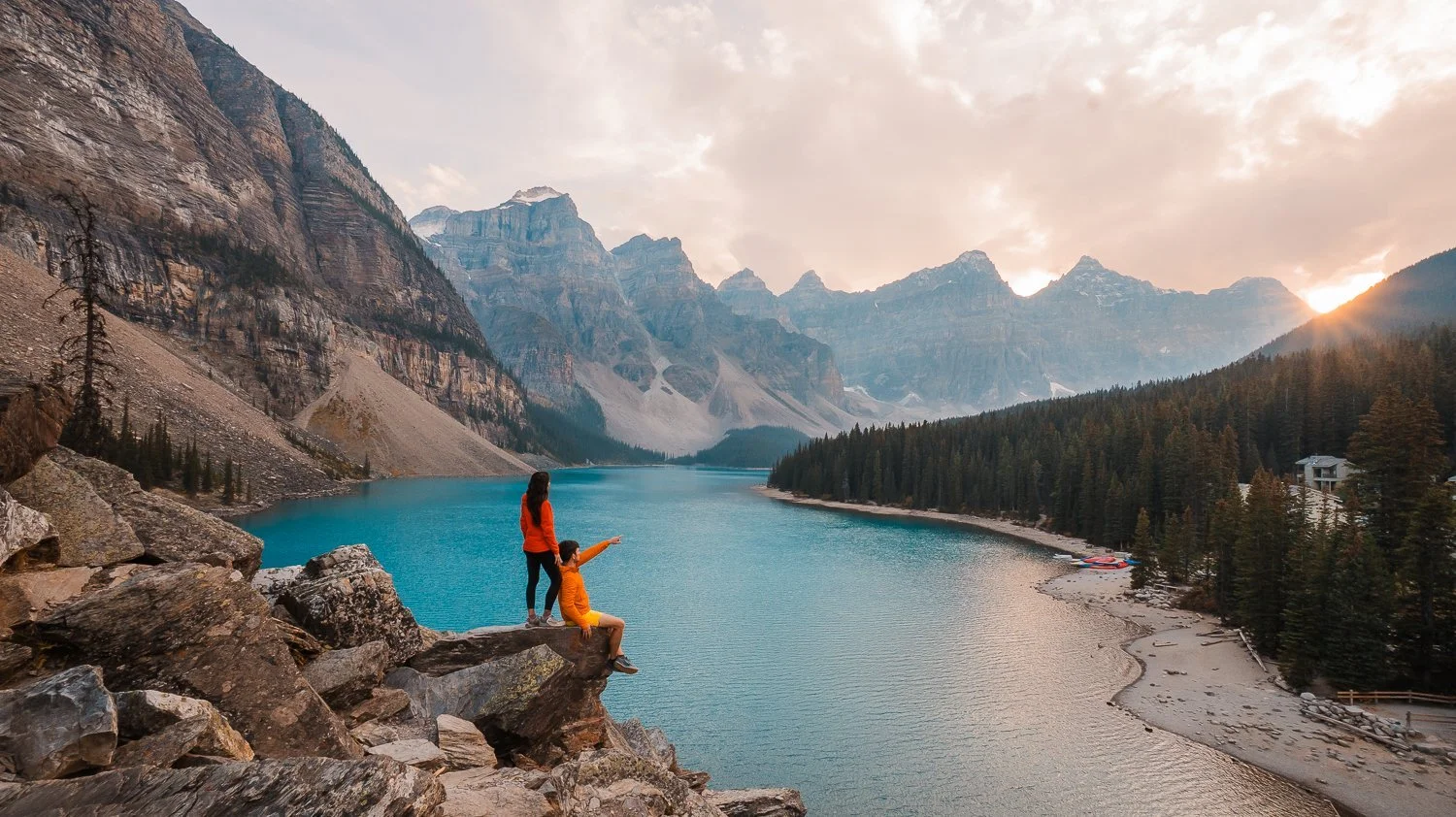
Sunrise at Moraine Lake in Banff National Park
Visiting Moraine Lake and Lake Louise for Hiking and Photography
Few places in the Canadian Rockies are as iconic — or as crowded — as Moraine Lake and Lake Louise. Both are must-visit destinations for first-time visitors and repeat travelers alike, with turquoise waters, soaring peaks, and world-famous sunrise views. Planning ahead is key, since shuttle reservations and parking limits are what keep the crowds manageable at both spots.
Moraine Lake
Known for its striking blue waters and the Valley of the Ten Peaks backdrop, Moraine Lake is a photographer's dream. Sunrise is the best time to visit if you want to capture the classic reflections, but even mid-morning photos are stunning.
You do need a shuttle reservation to get here. Passenger cars are not allowed to drive the road. We went with the Moraine Lake Bus Company last year and had a great experience, but it is cheaper to try to reserve a Parks Canada shuttle.
Tips for Getting to Moraine Lake:
Shuttle reservations are required in the summer and fall months; check Parks Canada for updated times and availability
One of the easiest ways to get there is the Moraine Lake Bus Company (we used them and had a great experience), which lets you reserve your ride both to and from the lake — a rare option that makes timing sunrise and sunset visits much easier
Arrive early if you want to hike the surrounding trails like Larch Valley or Sentinel Pass — full details on both are in our larch hikes guide
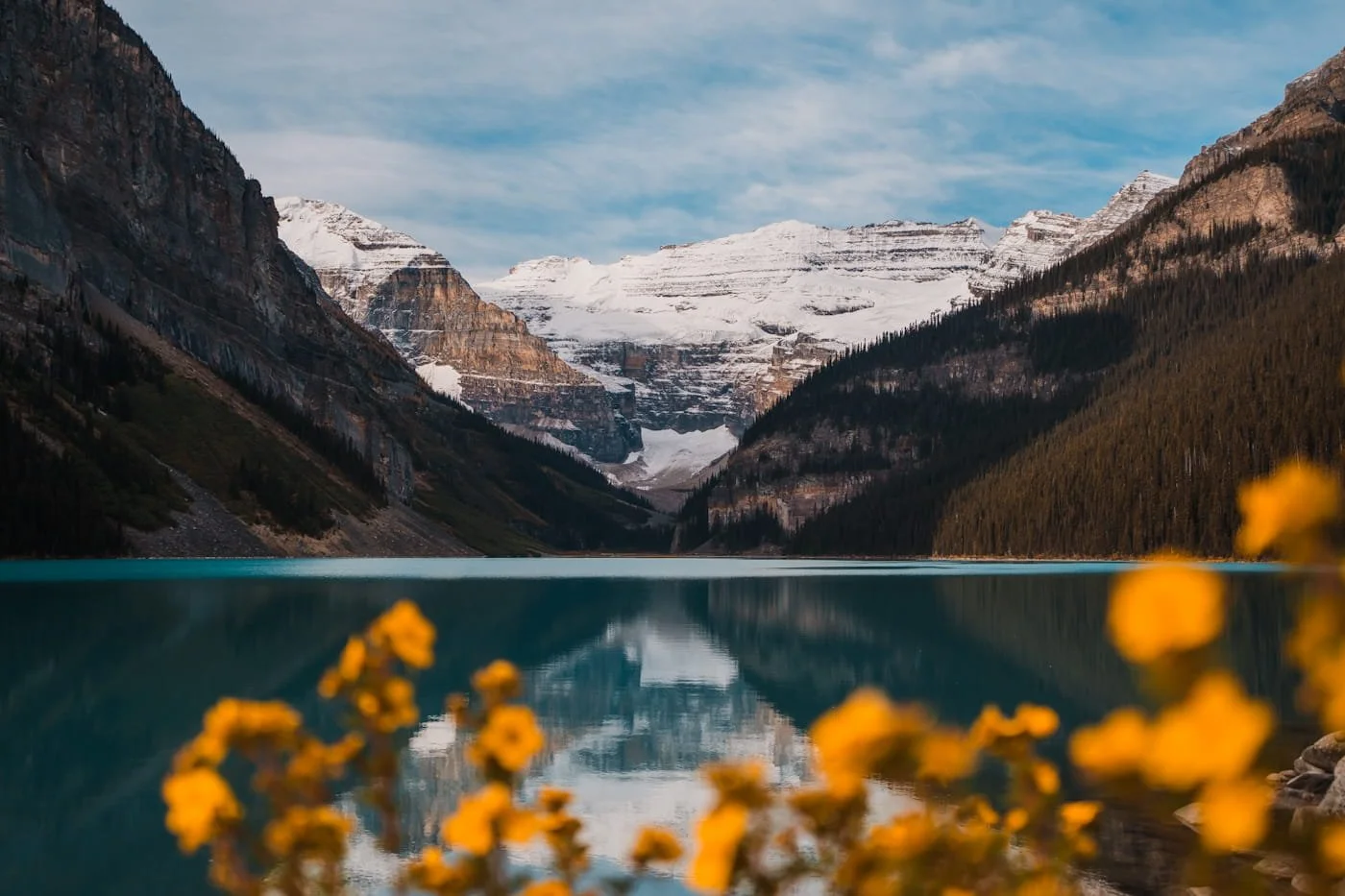
Lake Louise shoreline
Lake Louise
Just a short drive from Moraine Lake, Lake Louise is famous for its turquoise waters, the historic Fairmont Chateau, and nearby trailheads leading to Lake Agnes and the Plain of Six Glaciers. Hiking these trails gives you a chance to escape the crowds and find quiet viewpoints along the lake and mountain ridges.
Tips for Visiting Lake Louise:
Parking is limited and costs about $42 CAD for the day; consider the Moraine Lake Bus Company, which also serves Lake Louise and lets you book a return time — perfect for timing sunrise or sunset photos
Both summer and fall offer stunning scenery although fall is ideal if you want golden larches on the trails
Staying nearby makes early starts a lot easier; see our lodging section below for where to base yourself
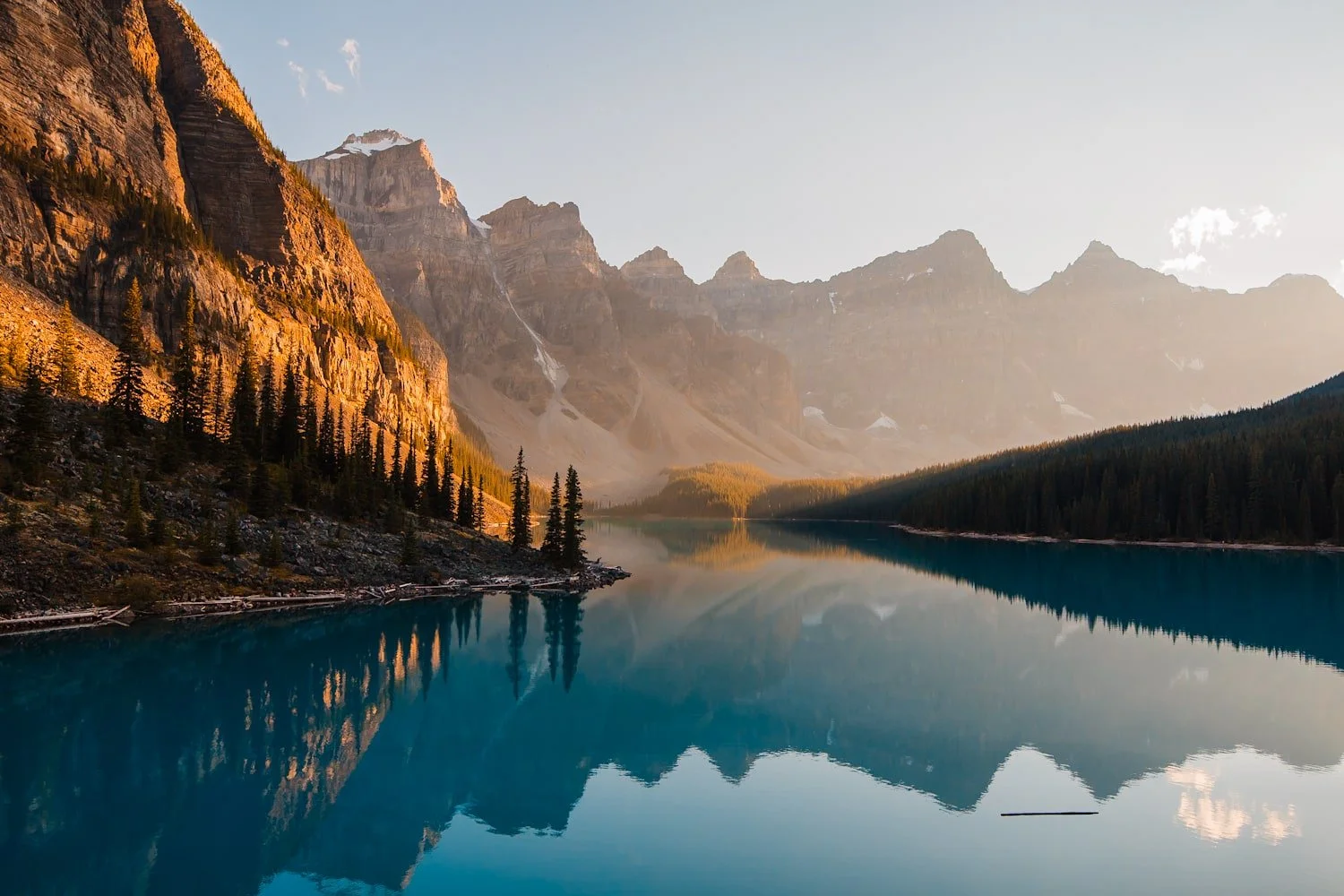
Moraine Lake at sunset
Photography Tips & Gear Suggestions
Both lakes are among the most photographed spots in the Canadian Rockies, so if you're hoping to come home with shots that stand out, a little planning goes a long way.
Sunrise and sunset offer the best light for capturing reflections and mountains
A good tripod is essential for long exposures or low-light shots before sunrise or after sunset
Wide-angle lenses help frame the lake and mountain peaks, while a zoom lens can capture wildlife or distant details
Protect your gear with a durable camera case and bring extra batteries
→ Here is all of the photography gear we normally bring with us.
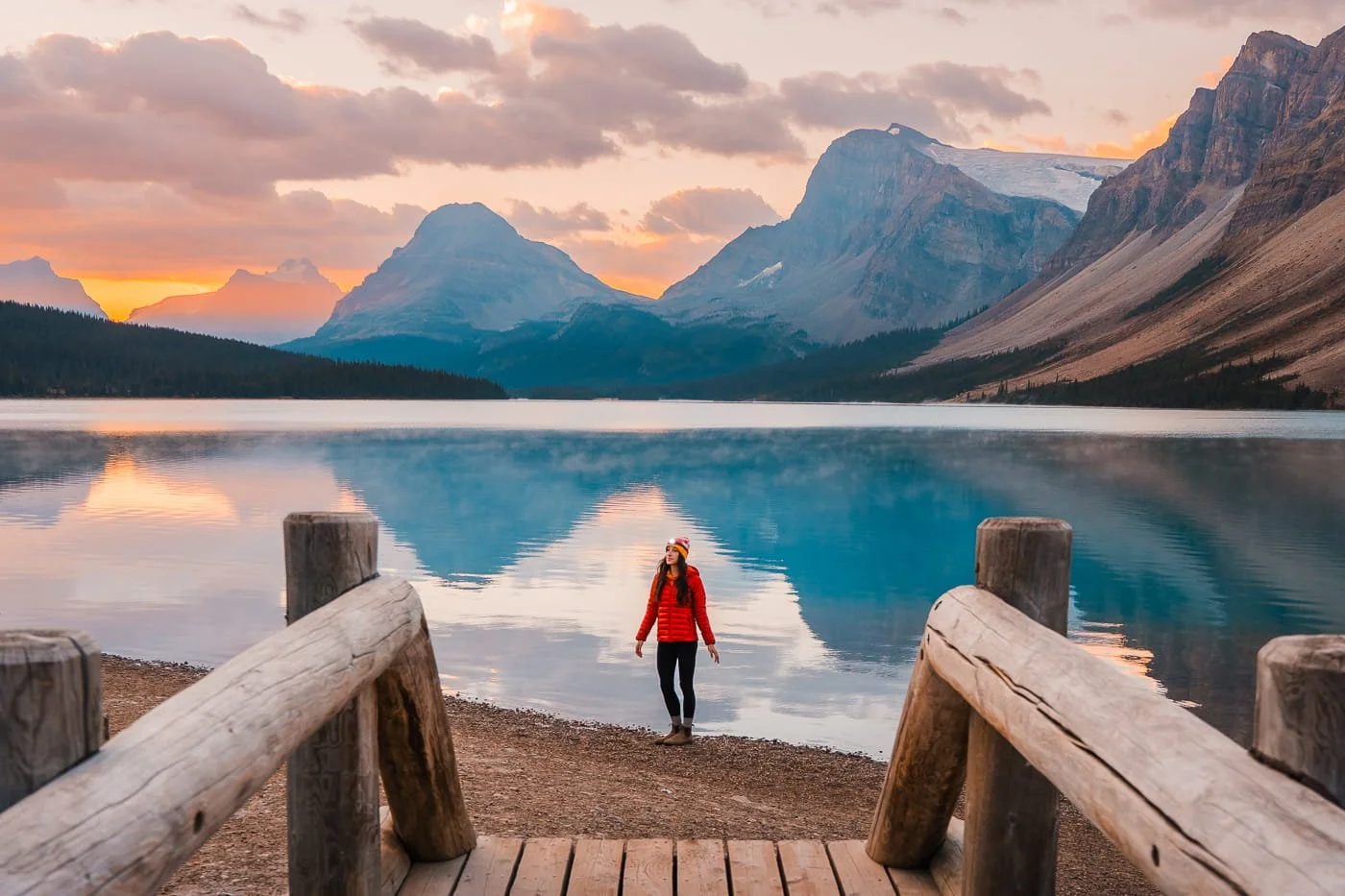
Bow Lake at Sunrise
Scenic Drives & Photo Stops Along Icefields Parkway
Stretching 232 kilometers between Banff and Jasper, Icefields Parkway (Highway 93) is often called one of the most beautiful drives in the world, and it's easy to see why. This winding high mountain road passes glaciers, turquoise lakes, and waterfalls, with dozens of places to stop and explore along the way.
Whether you're road-tripping from Banff to Jasper or making it a day drive from either direction, give yourself plenty of time — there are countless photo-worthy stops you won't want to rush. If you want to spend more time on the parkway, there are multiple campgrounds along the way that you can book in advance.
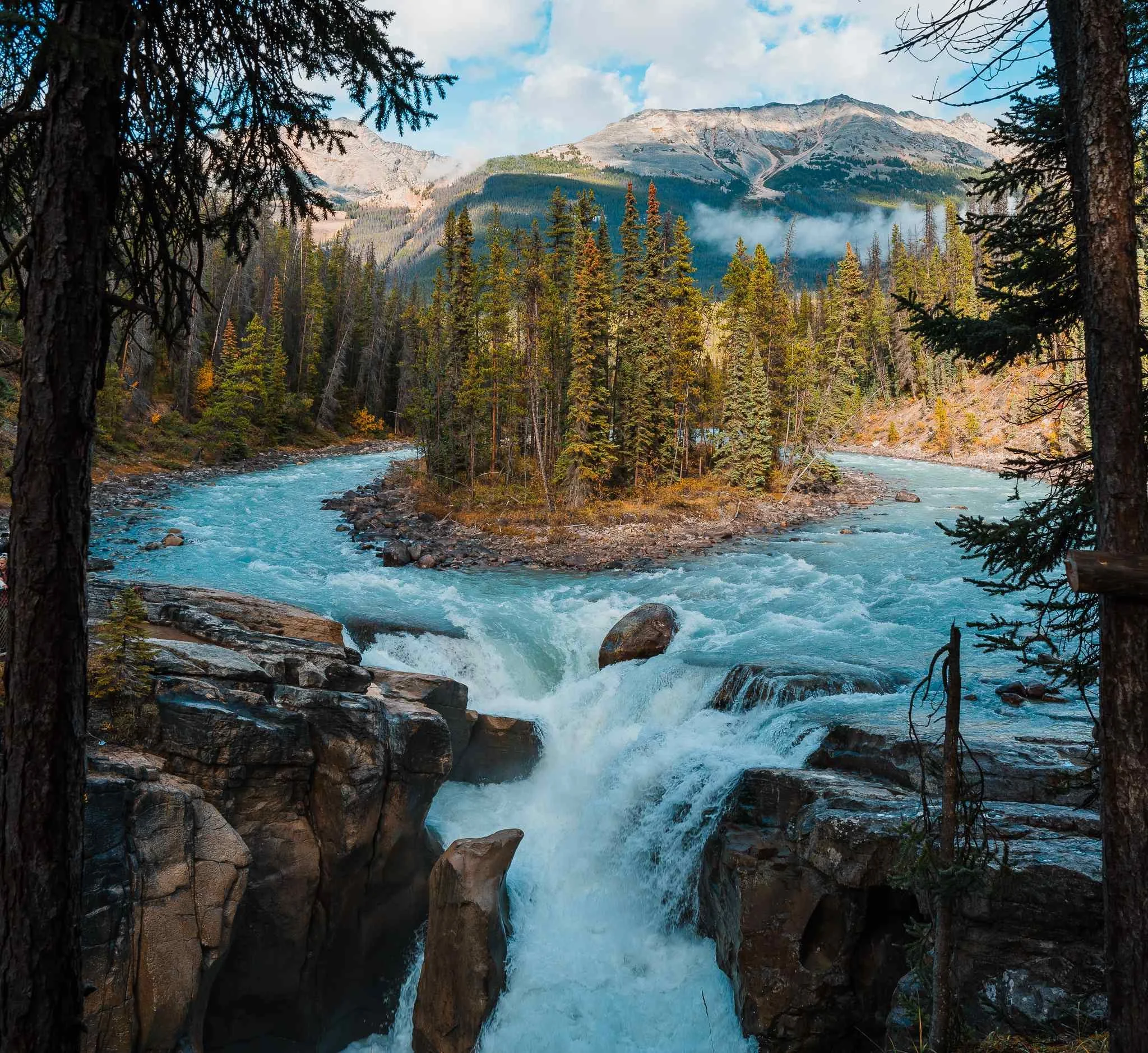
Sunwapta Falls
The Best Drive Up Stops on Icefields Parkway
Every viewpoint seems to top the last, but these are some of the most unforgettable stops worth adding to your itinerary.
Bow Lake: The first major lake heading north from Banff, framed by Crowfoot Mountain and the Bow Glacier — a solid first stop to set expectations for the rest of the drive.
Peyto Lake: Famous for its bright turquoise color and wolf-shaped outline as seen from the viewpoint above, this is one of the most photographed lakes on the entire parkway.
Mistaya Canyon: A short, dramatic walk to a narrow limestone gorge carved by the Mistaya River — one of the few canyon stops on this drive.
Columbia Icefield and Athabasca Glacier: The Icefields Parkway's namesake stop. Visit the Icefield Centre or take the short walk to the glacier viewpoint for a close look at the ice that feeds much of the region's rivers and lakes.
Sunwapta Falls: A quick roadside waterfall stop with a pedestrian bridge spanning the gorge — easy to fit in without adding much time to your drive.
Athabasca Falls: One of the most powerful waterfalls in the Canadian Rockies, just outside Jasper, with accessible viewpoints right from the parking area.
→ Looking to add a little elevation to your drive? Jimmy Simpson Jr. and Wilcox Pass are two of the best hikes right off this stretch of road — see our full hikes section above for details.
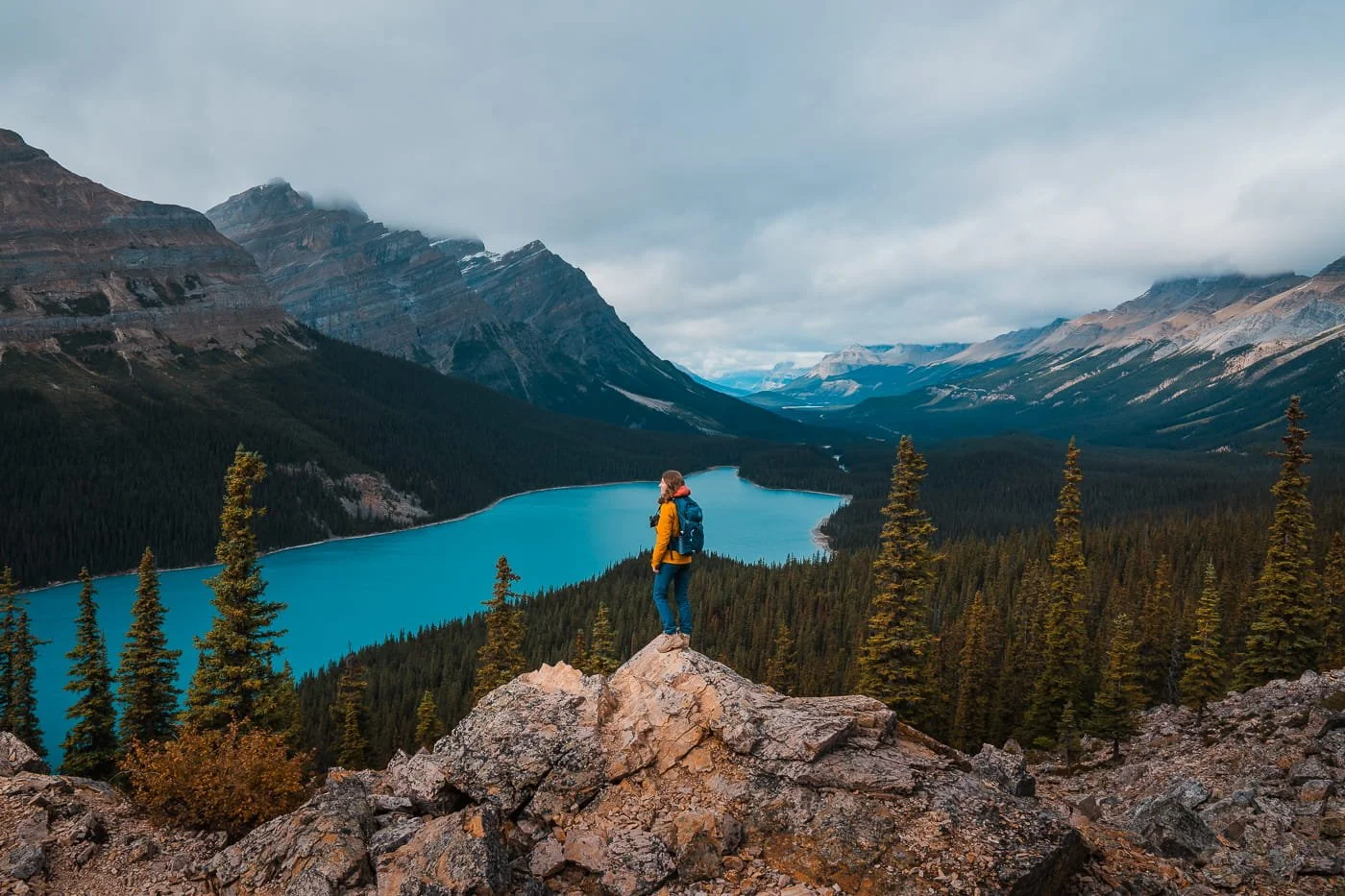
Peyto Lake vista
The Best Photography Spots on the Icefields Parkway
Icefields Parkway is one of the most photographed drives in the world, and timing matters as much as location if you want shots that stand out from the usual midday snapshot.
Best Times & Spots for Icefields Parkway Photography:
Bow Lake at sunrise: Calm water, perfect reflections, and sometimes low-lying fog rolling across the surface. Arrive early — this spot fills up fast once the light gets good
Peyto Lake at midday or sunset: The lake's color peaks when the sun is high, but the viewpoint is also one of the better sunset spots on the parkway
Tangle Creek Falls: A roadside waterfall with zero walking required — pull off and shoot straight from the highway shoulder
Sunwapta and Athabasca Falls for long exposures: Both waterfalls are ideal for slow-shutter shots. Athabasca's flow has changed somewhat since the Jasper wildfire, but it's still a dramatic subject
Photography Tips for the Icefields Parkway
Mornings offer the calmest lake reflections; mid-morning to noon tends to bring out the most vibrant lake colors if sunrise isn't in the cards
A sturdy tripod is essential for long-exposure waterfall shots and low-light sunrise scenes
A wide-angle lens is perfect for the sweeping valley views, while a zoom lens comes in handy for wildlife or distant peaks
Keep your camera protected with a durable camera case, and pack extra batteries and memory cards — you'll shoot more than you expect on this drive
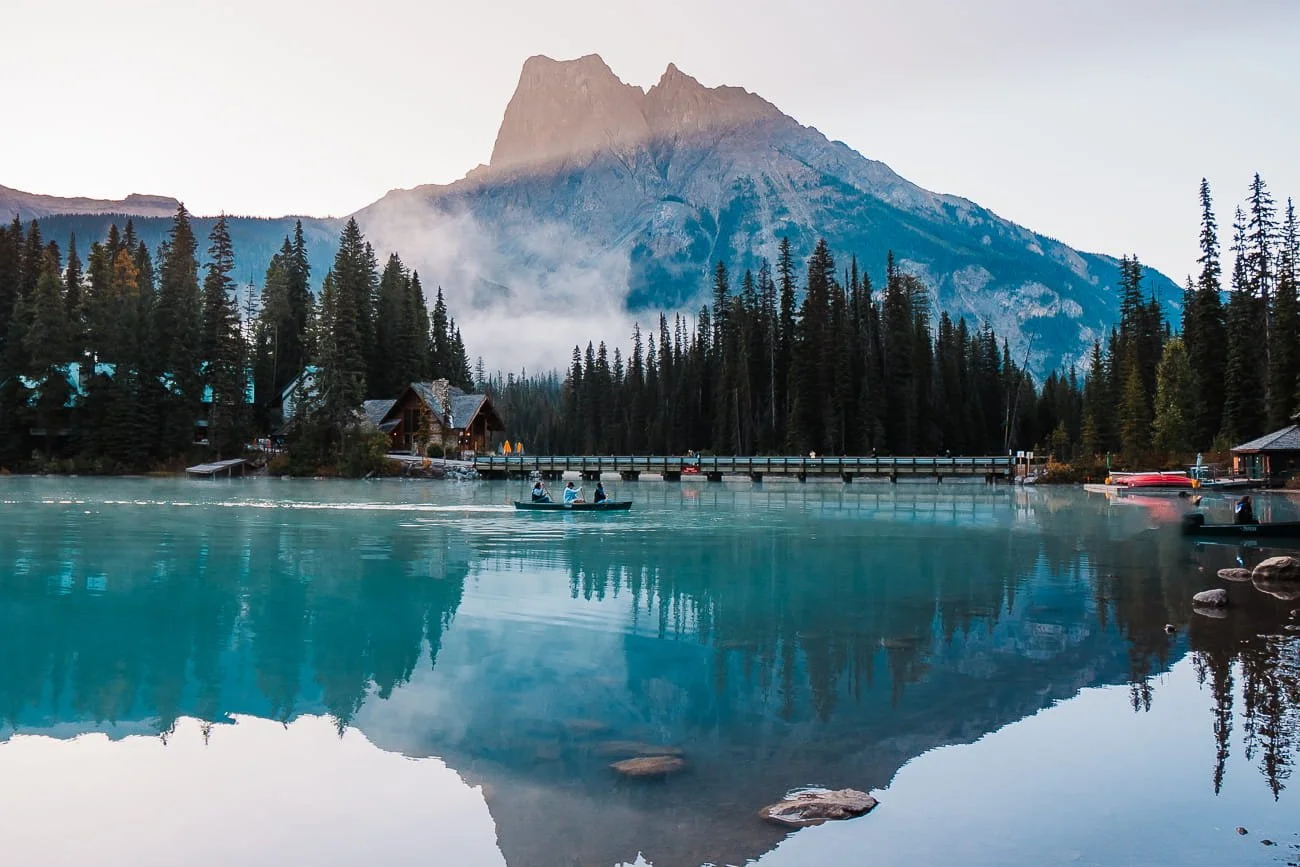
Emerald Lake at sunrise
Tours & More Things to Do in the Canadian Rockies
Not every trip to the Canadian Rockies has to center on hiking. Between glacier tours, wildlife-watching, canoeing, and guided adventures led by local experts, there's plenty to fill your itinerary even on a rest day or a stop between hikes.
Tours and Adventures in Banff and Canmore
Banff and Canmore have the widest range of guided experiences in the region, from gentle sightseeing to full-day backcountry adventures. Popular options include gondola rides up Sulphur Mountain for panoramic views without the climb, canoeing on Lake Louise or Moraine Lake, guided wildlife tours to spot elk, bighorn sheep, and if you're lucky, bears, and soaks at the Banff Upper Hot Springs after a long day on the trail.
For something more adventurous, guided ice walks, scrambles, and via ferrata routes are available through several local outfitters.
Tours and Adventures in Jasper
Jasper's tours lean a little wilder and quieter than Banff's, matching the town's more remote feel. The Jasper SkyTram offers some of the best panoramic views in the park without a full hike, while the Columbia Icefield Skywalk and glacier tours near the Icefield Centre let you get up close to the ice without technical gear. Wildlife tours, whitewater rafting on the Athabasca River, and stargazing tours (Jasper is a Dark Sky Preserve) round out some of the best non-hiking experiences in the area.
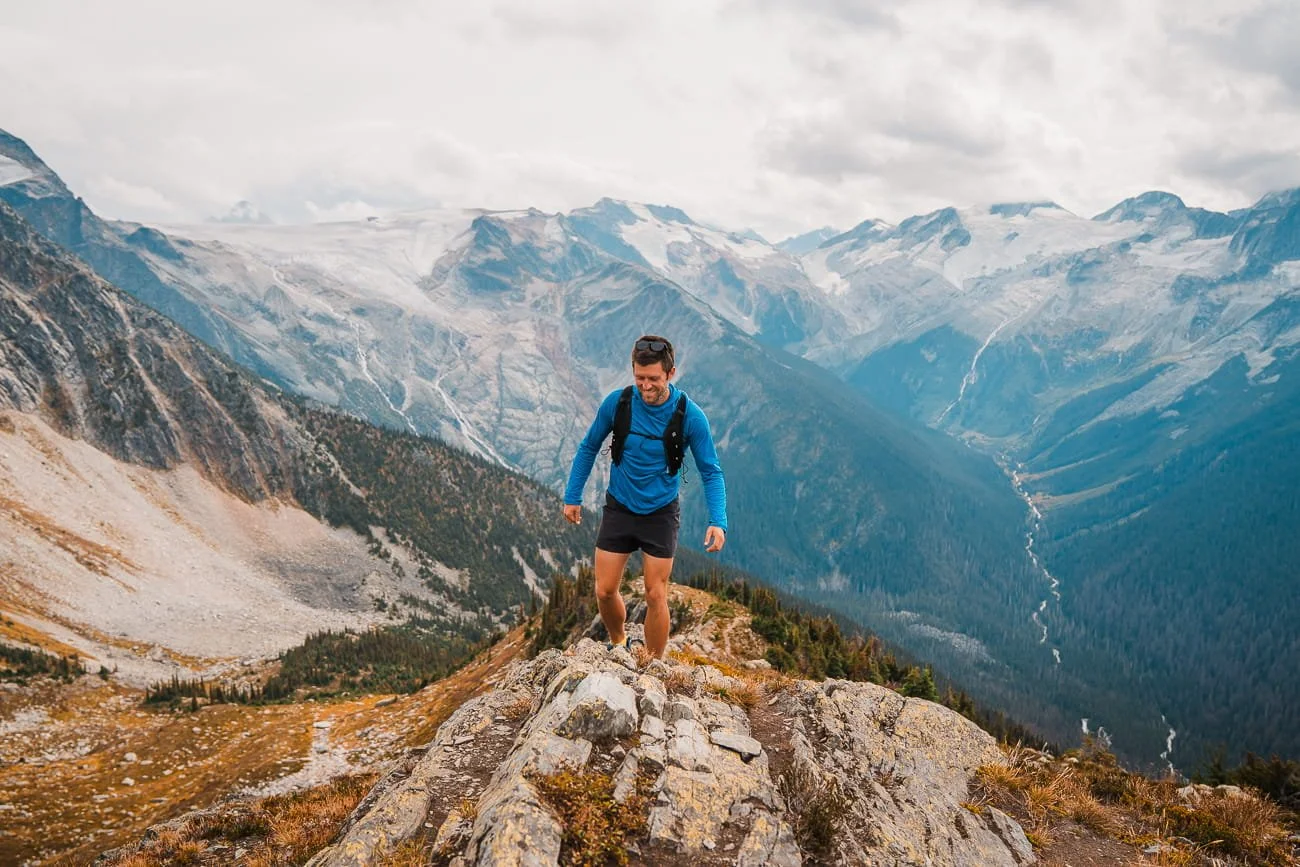
Glacier National Park Canada
Hiking & Travel Tips for the Canadian Rockies
Before you hit the trails, it’s important to plan ahead and have the right gear with you on your trip. Hiking safety in the Canadian Rockies comes down to a few consistent habits: know before you go, respect the wildlife, and be ready for weather that can shift quickly.
This region is stunning, but it's also a fragile, protected environment shared with grizzly bears, black bears, and unpredictable alpine conditions. A little preparation goes a long way toward keeping both you and the landscape safe.
Leave No Trace Principles for the Canadian Rockies
Leave No Trace matters more here than almost anywhere else in North America — this landscape sees millions of visitors a year, and small impacts add up fast in fragile alpine terrain.
Keep These LNT Principles in Mind on Every Hike:
- Travel on durable surfaces. Stay on designated trails to protect fragile alpine vegetation.
- Dispose of waste properly. Pack out everything you bring in, including food scraps and wrappers. Use designated bathroom facilities where available, or pack out toilet paper and use a WAG bag or cat hole where none exist.
- Minimize campfire impacts. Follow fire regulations and camp only in approved sites.
- Respect wildlife. Keep a safe distance from wildlife; never feed or approach animals.
- Be considerate of other visitors. Yield to uphill hikers and give trails extra space during busy seasons like larch season.
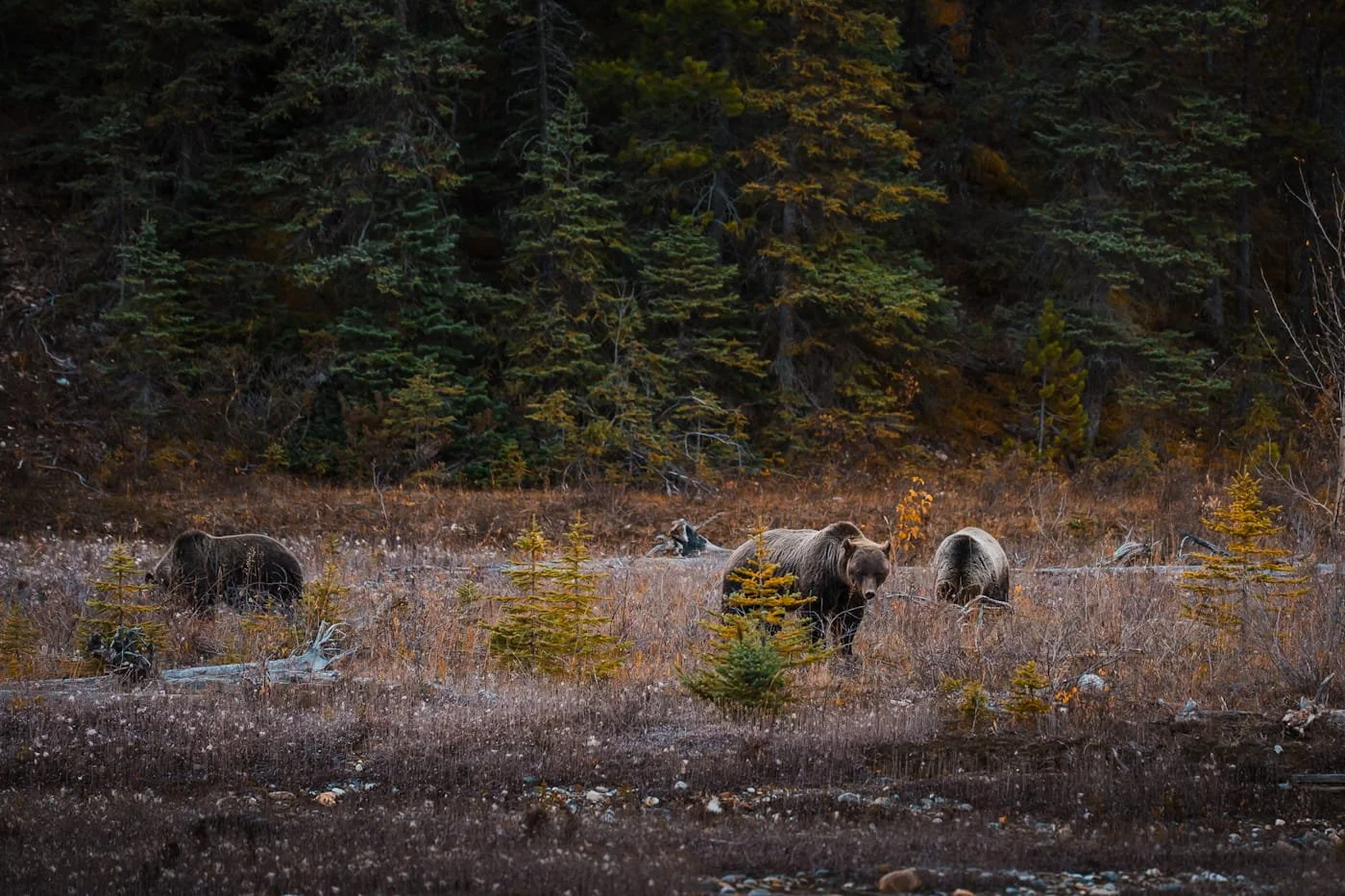
Three grizzly bears in Kootenay National Park on the other side of a river, shot from in our van with at 400mm
Bear Safety & Wildlife Awareness in the Canadian Rockies
Both black bears and grizzly bears live throughout Banff, Jasper, Yoho, and Kootenay, along with elk, moose, and mountain goats — wildlife encounters are a real possibility on almost any trail in the region, especially in spring and fall when bears are most active.
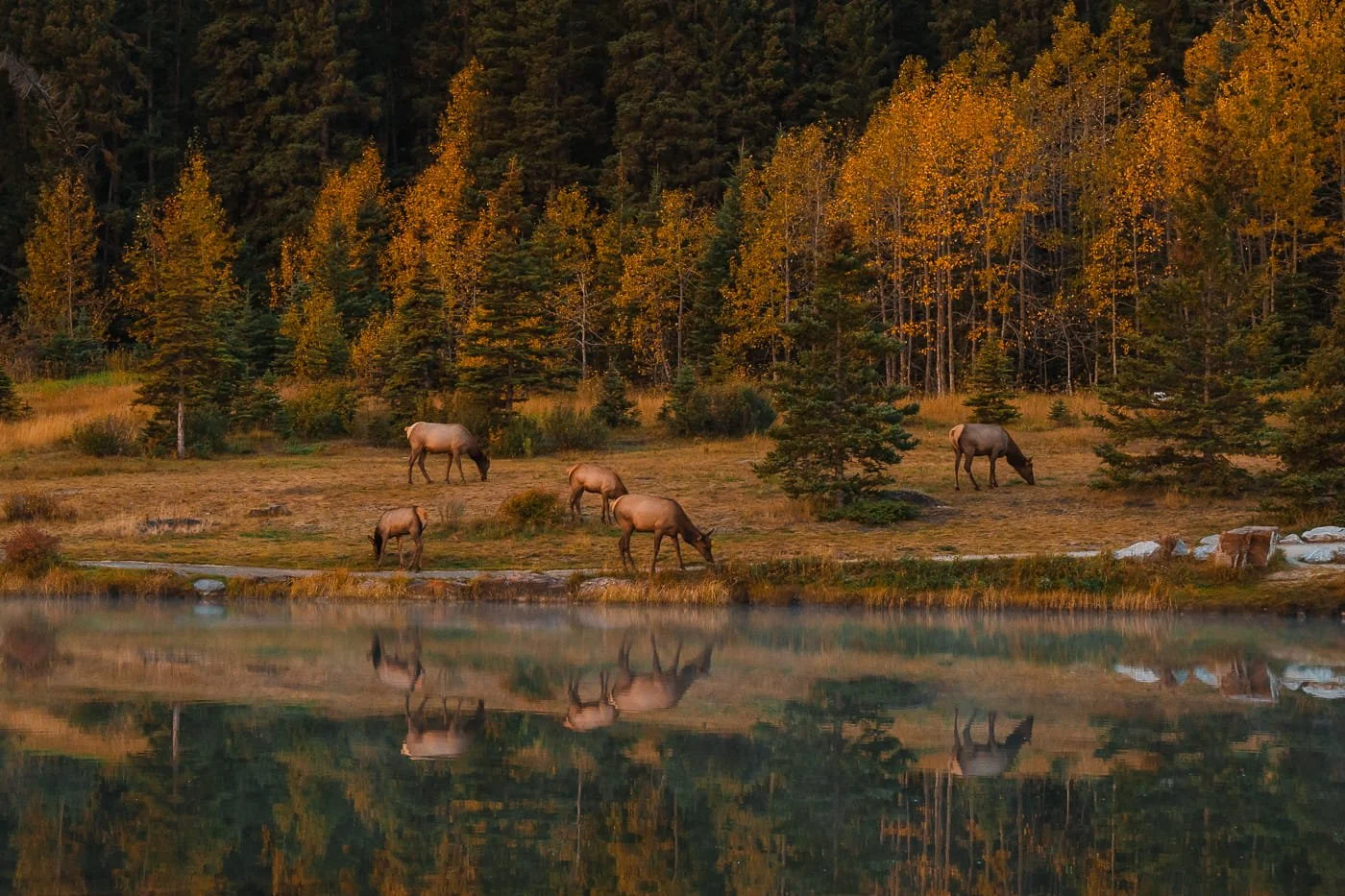
Herd of Elk grazing near Canmore
A Few Rules to Hike By:
- Keep your distance. Parks Canada recommends staying at least 100 meters from bears, wolves, and cougars, and at least 30 meters from elk, deer, and mountain goats.
- Never feed wildlife. It's illegal in national parks, and it puts the animal at risk of being relocated or put down.
- Carry bear spray on every hike, not just backcountry ones, and keep it somewhere you can reach in seconds.
- Watch for elk during rutting season (September and October), when bull elk are more aggressive and territorial.
- Make noise on trail and hike in a group when you can, especially through dense forest or near creeks.
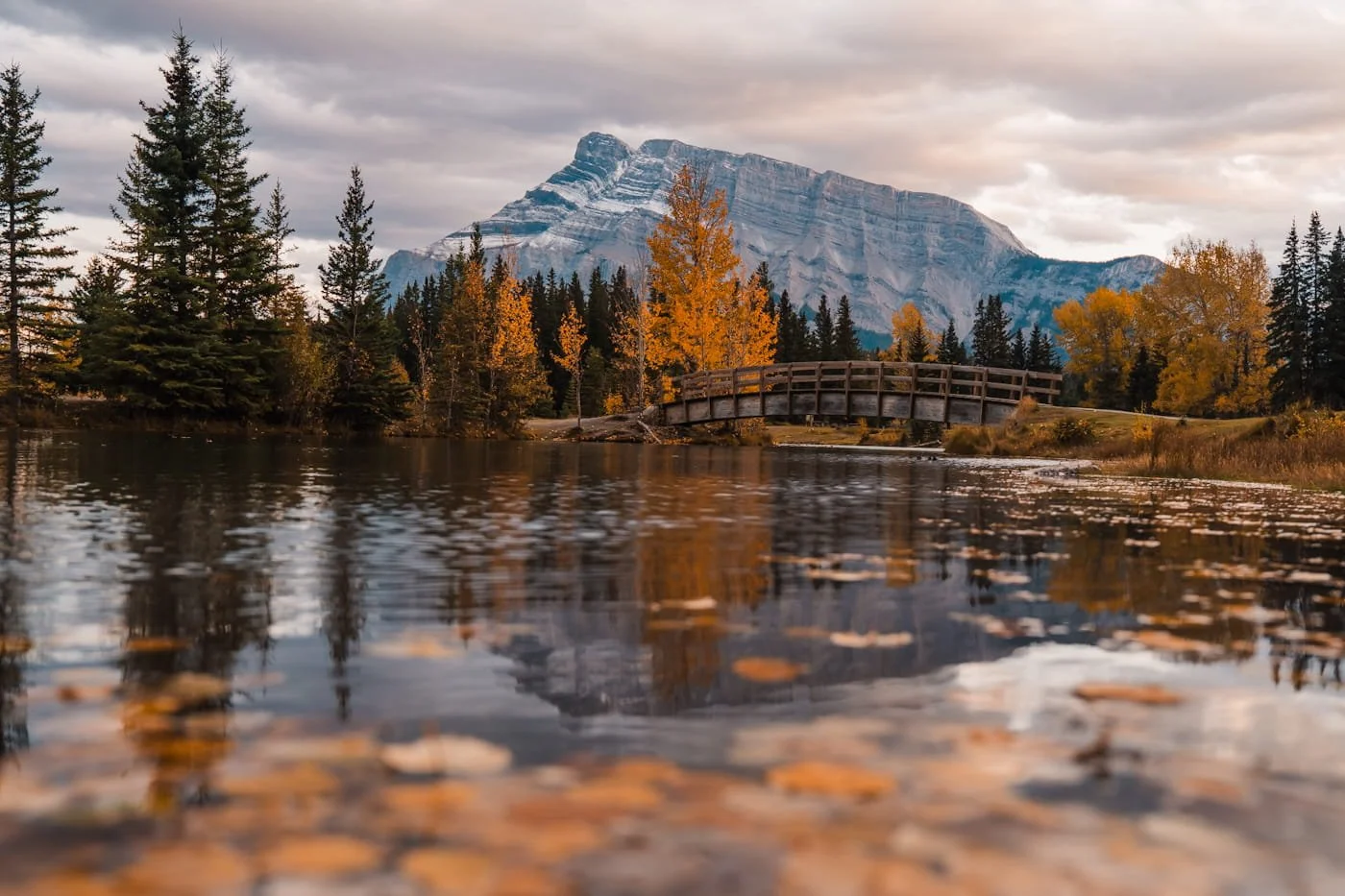
Cascade Pond in Banff National Park
Weather and Trail Conditions in the Canadian Rockies
Mountain weather in the Canadian Rockies can change within the hour, and a clear, sunny start at the trailhead doesn't guarantee clear conditions higher up. Checking the forecast and current trail reports before you go is one of the simplest ways to avoid getting caught off guard:
- Bring layers and rain gear, even in summer — temperatures drop quickly once the sun goes down or clouds roll in.
- Snow can linger on high alpine trails well into July, so trail conditions vary widely by season and elevation.
- Afternoon thunderstorms can happen in summer, especially on exposed ridges and passes — aim to reach high points before early afternoon.
- Check current Parks Canada trail reports before heading out, since closures and hazards like wildfire smoke, washouts, and shoulder-season avalanche risk can change quickly.
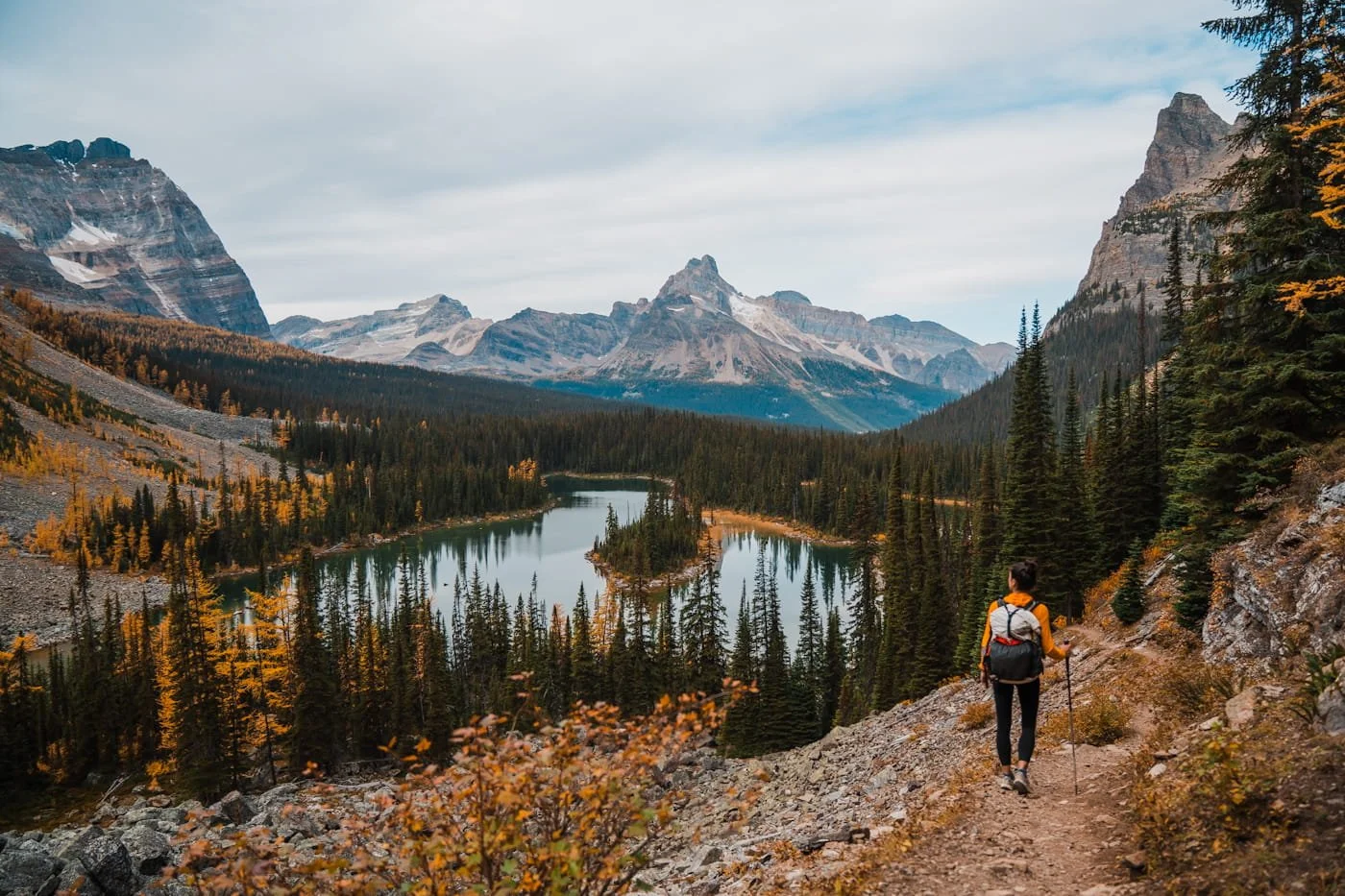
Hiking at Lake O’Hara in Yoho National Park
Hiking & Backpacking Gear to Bring to the Canadian Rockies
Having the right gear can make your trip more comfortable, safer, and more enjoyable, no matter which trails or activities you're planning. Depending on the mix of day hikes and backpacking trips you have on your itinerary, here's what we'd recommend bringing.
For More In-Depth Packing Guides Check Out:
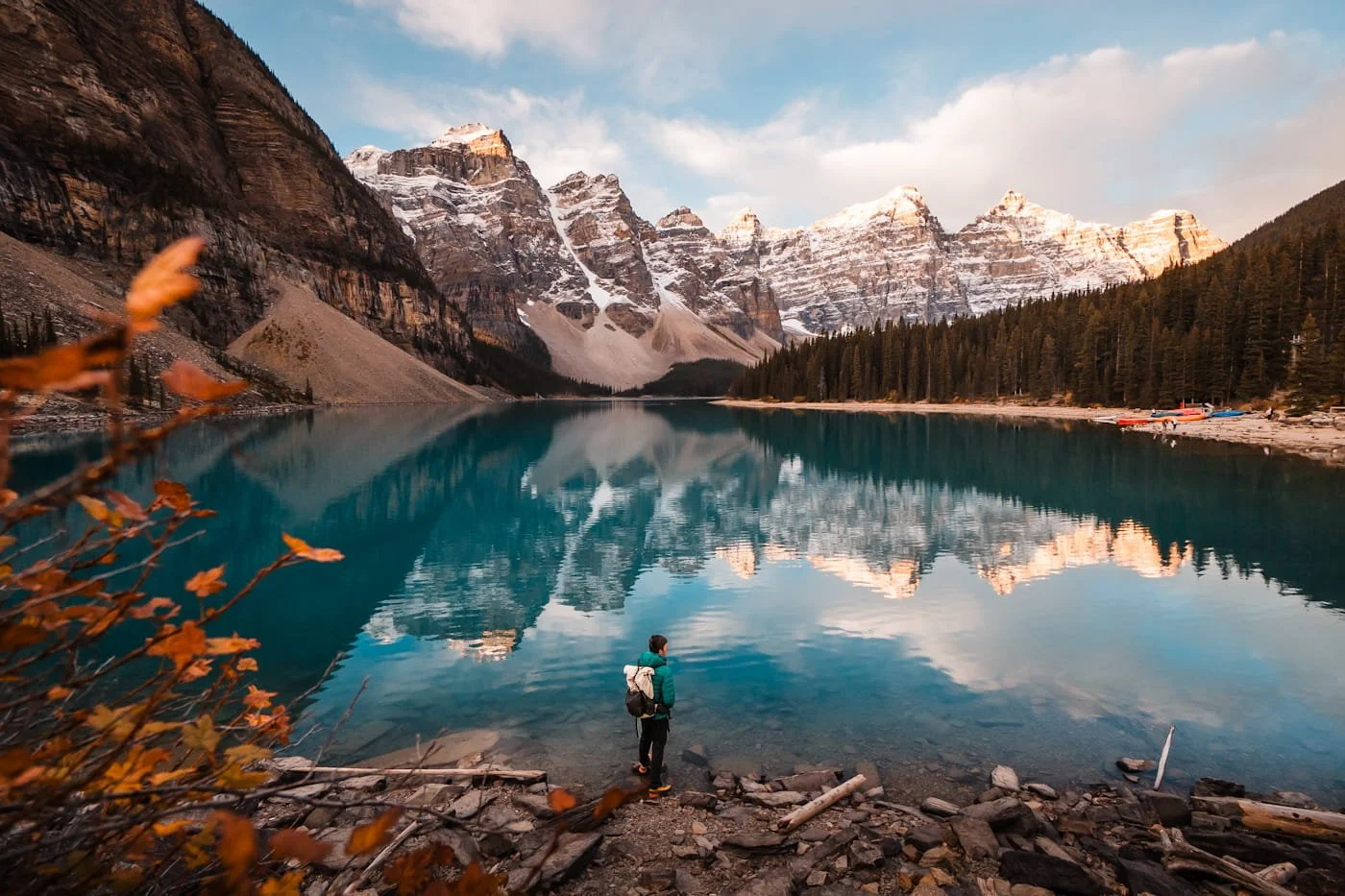
Just after sunrise at Moraine Lake
Day Hiking Essentials
Most day hikes in the Canadian Rockies involve real elevation gain and unpredictable weather, so it's worth packing more than you would for a casual walk. Check out our day hiking guide for more gear suggestions and a larger packing list.
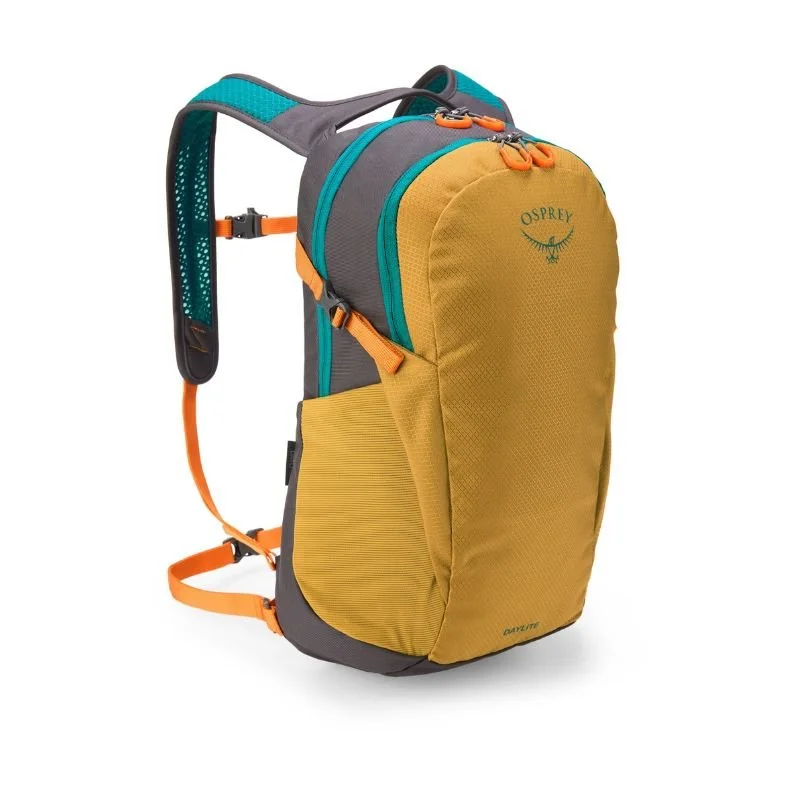
A well-fitted day pack with room for layers, water, and snacks
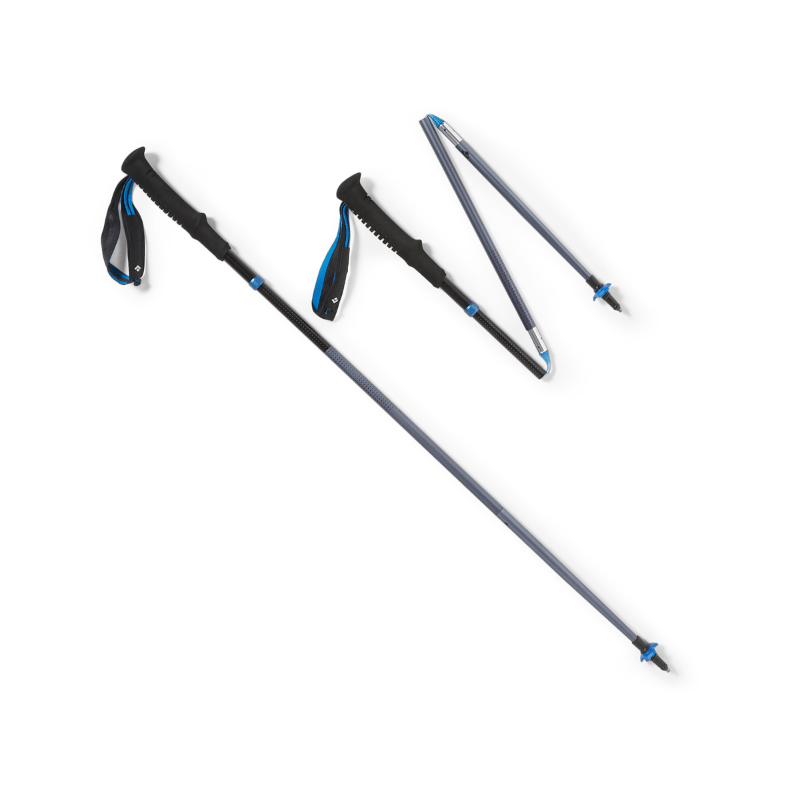
Trekking poles for steep or uneven terrain
Bear spray, kept somewhere quick to access, not buried in your pack
Layers, including a rain jacket and warm mid-layer, even in summer
A map, GPS, or offline trail app, since cell service is limited or nonexistent on most trails
Plenty of water and a way to purify more if needed
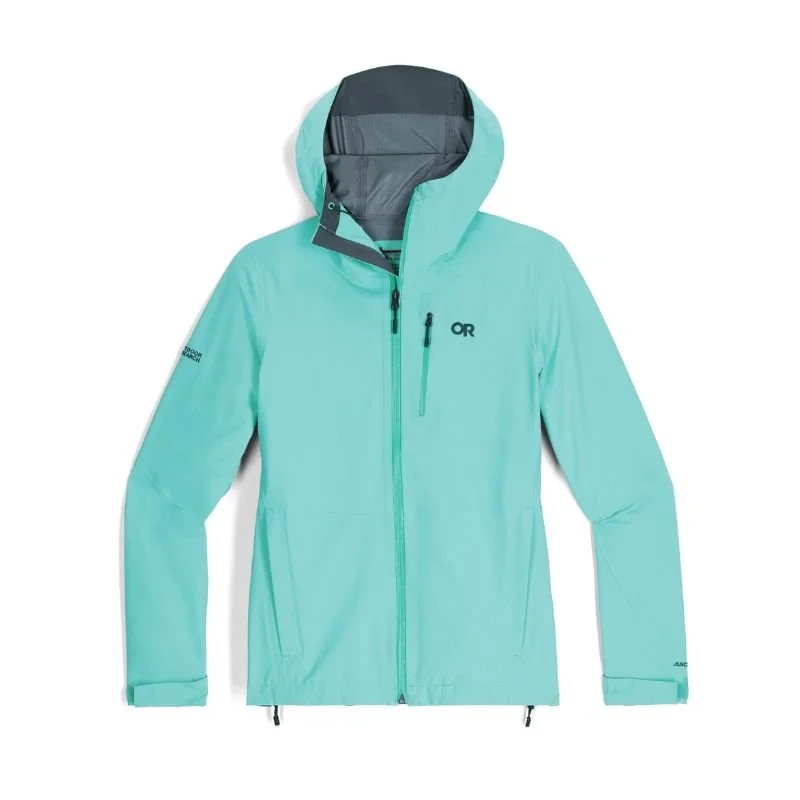
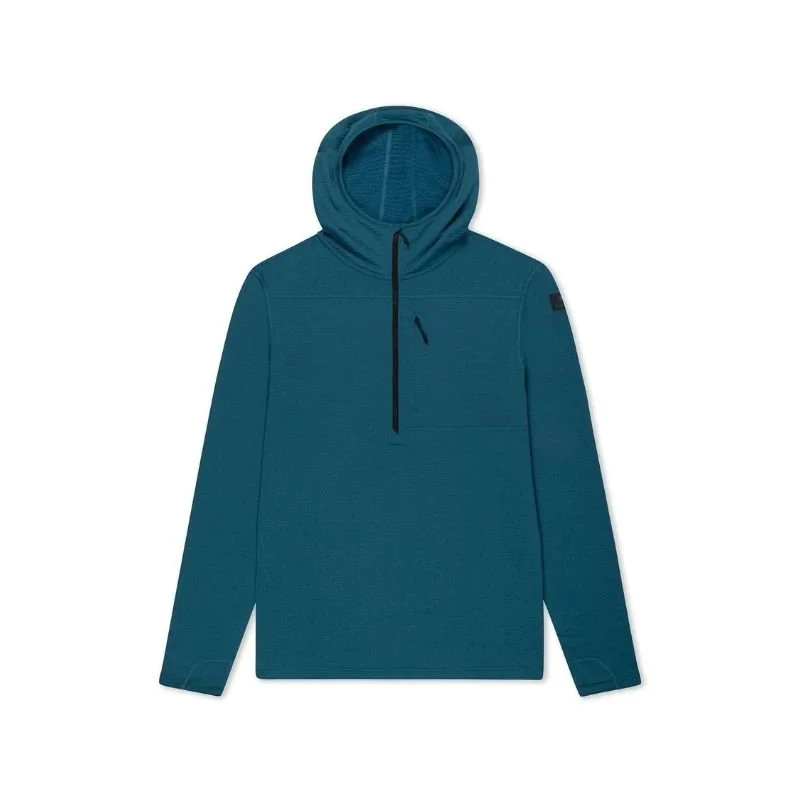
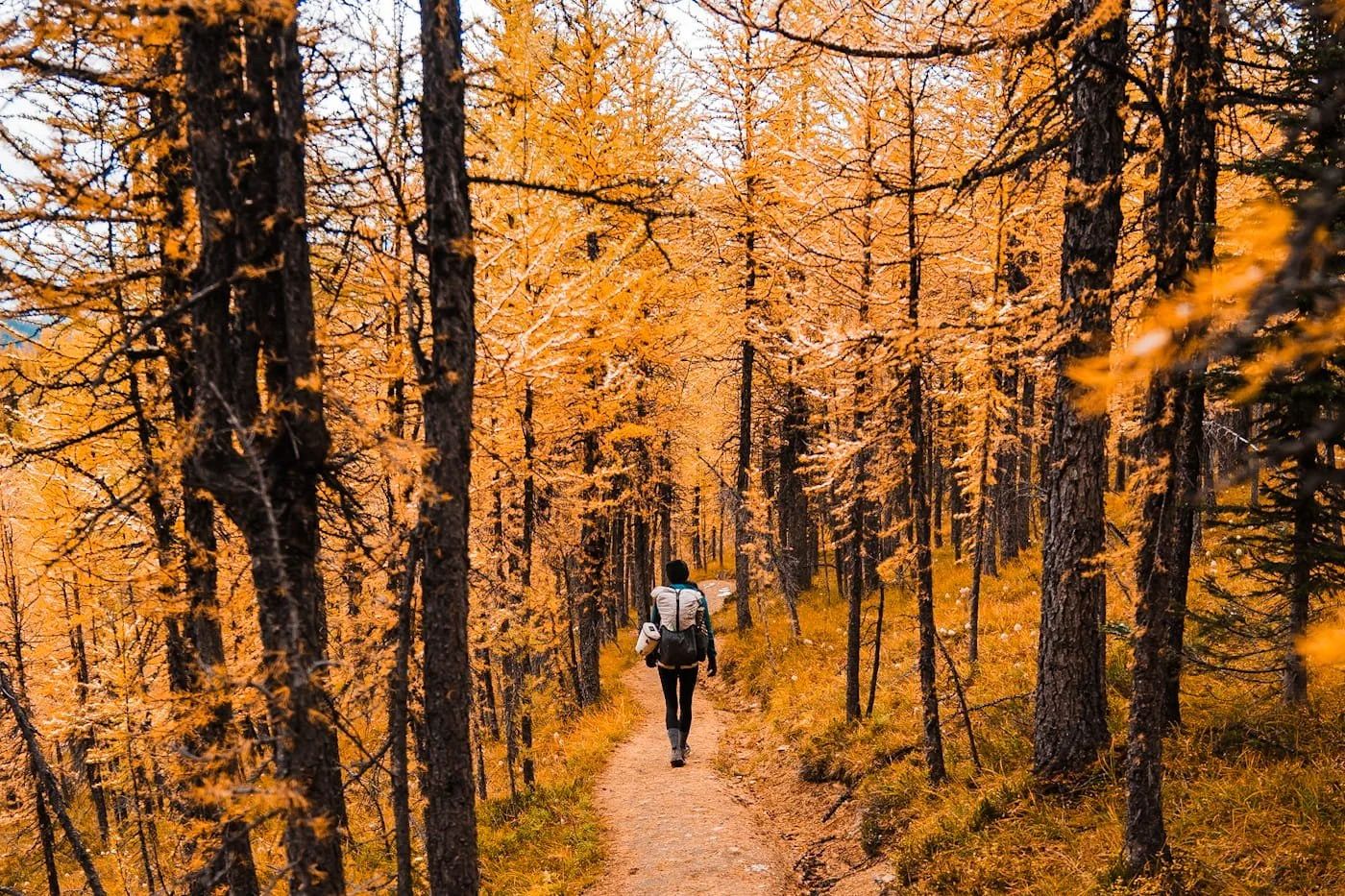
Marching through a forest of gold near Mount Assiniboine
Backpacking Gear
Once you're carrying camp with you, a few extra pieces of gear make the difference between an enjoyable multi-day trip and a miserable one.
For more details on what to pack, check out our backpacking packing guide and our deep dive into the best ultralight backpacking gear if you’re looking to lower your base weight.
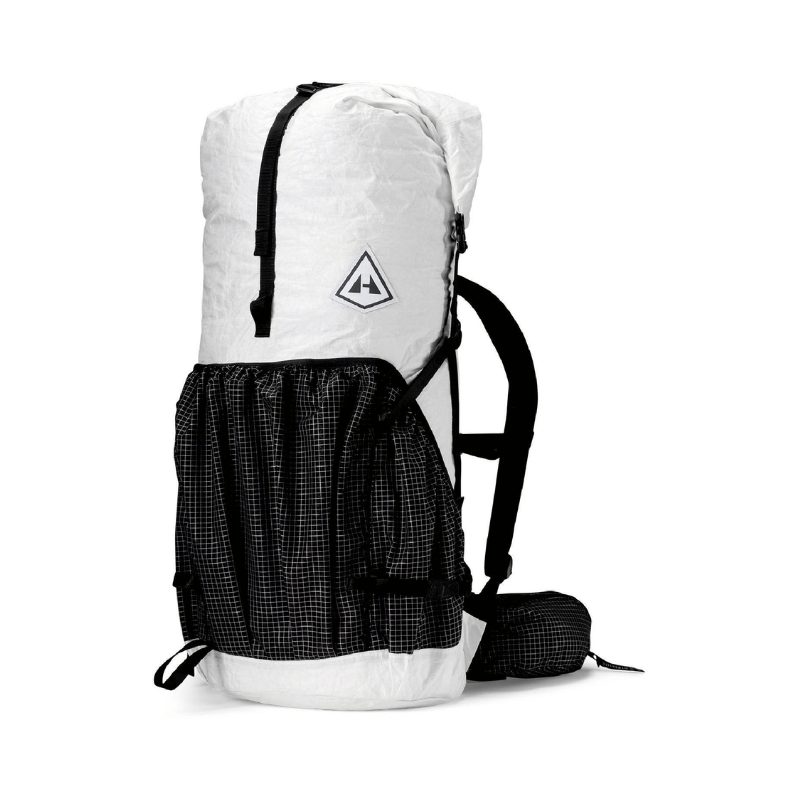
A backpacking pack sized for multi-day trips (45-60L), plus a lightweight tent or shelter
A sleeping bag or quilt rated for alpine nighttime temperatures (we usually bring 20F quilts and add a liner for fall), even in summer
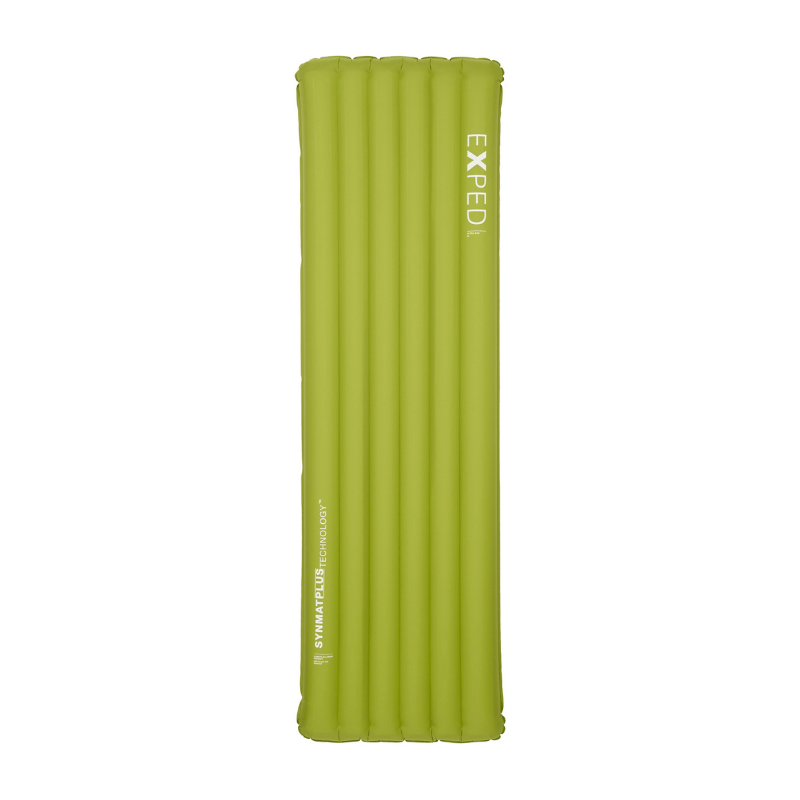
A sleeping pad with a solid R-value for insulation from cold ground
Bear-safe food storage (most backcountry campsites provide lockers, but check in advance)
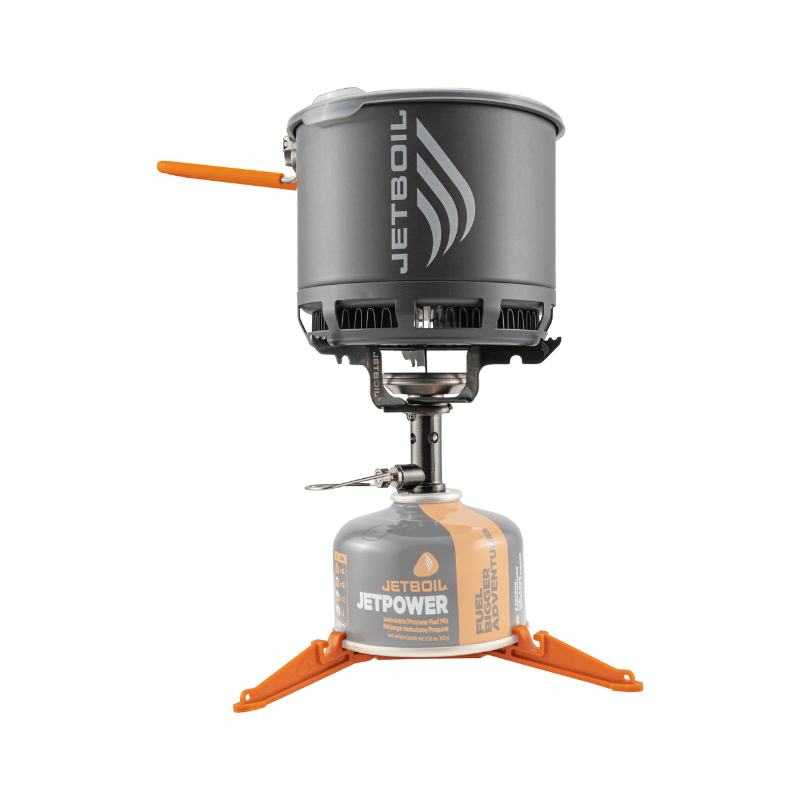
A backpacking stove, since campfires aren't permitted at most backcountry sites
A water filter or purification method for lake and stream water
Seasonal Gear Notes
What you pack should shift depending on when you're visiting, since conditions in the Canadian Rockies can vary dramatically by season, even on the same trail.
For fall trips, add a warmer mid-layer, gloves, and a hat — see our fall hiking gear guide for a full breakdown
For winter, prioritize insulated layers, traction devices, and winter-rated gear — see our Banff winter guide for more
Microspikes are worth packing in shoulder season, when trails can have icy patches even on otherwise clear days
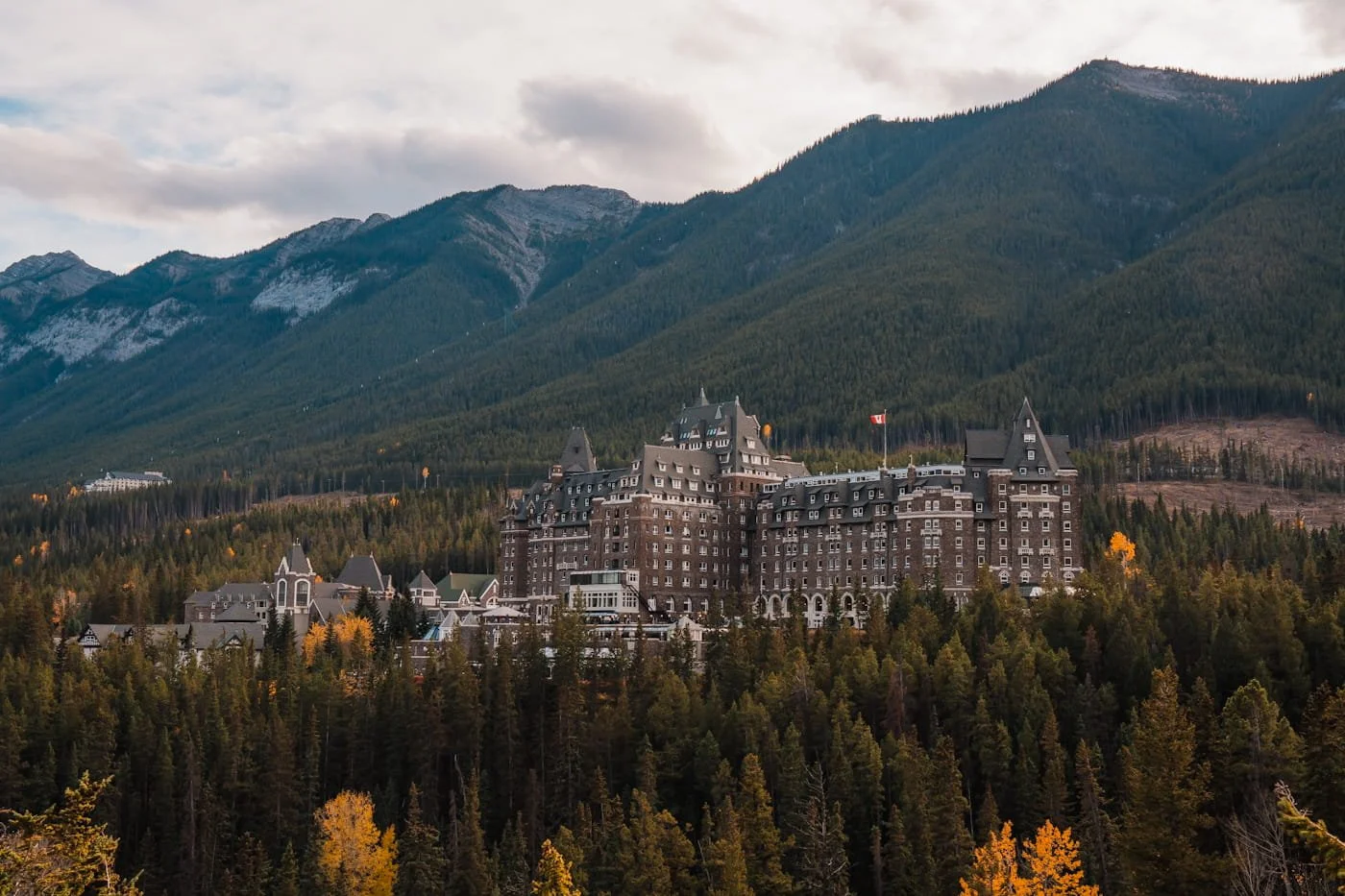
The Fairmont Banff Springs Hotel
Where to Stay in Banff, Canmore, and Jasper
Choosing the right base can make or break your Canadian Rockies trip. Whether you're after luxury, cozy cabins, or backcountry access for early-morning hikes, each town offers its own advantages.
Tips for Choosing Where to Stay When Visiting the Canadian Rockies
Proximity to trailheads: If you're planning early-morning hikes, stay as close as possible to the trails you want to explore.
Book early: Summer and fall, especially larch season, are extremely popular — reserve lodging well in advance.
Mix and match: Many travelers split their stay between Banff/Canmore and Jasper to cut down on long daily drives along the Icefields Parkway.
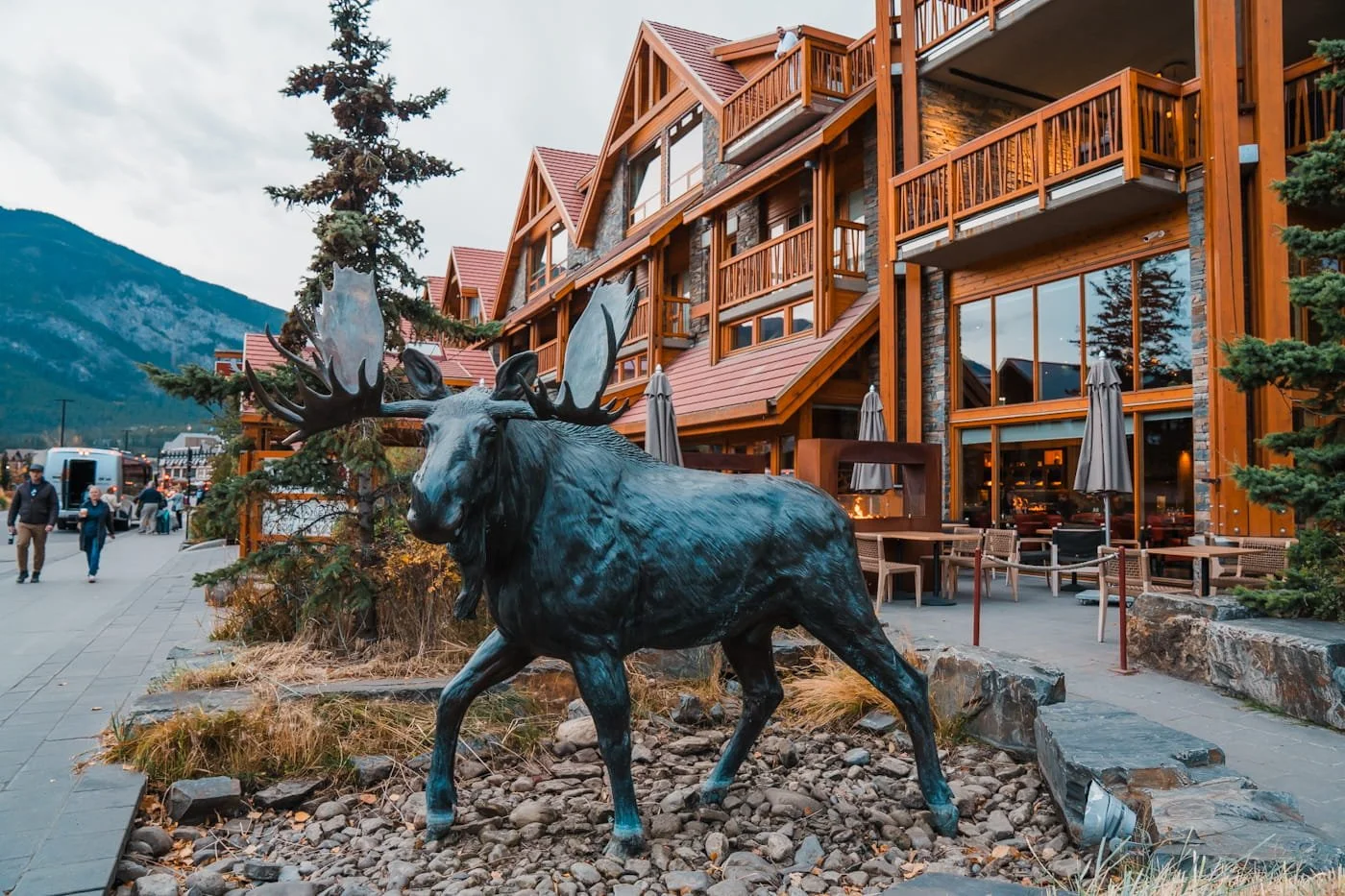
The Moose Hotel in downtown Banff
Staying in the Town of Banff
Banff is the heart of the Rockies, with easy access to iconic spots like Lake Louise, Moraine Lake, and the Icefields Parkway. Staying in town puts you close to shops, restaurants, and visitor services while still being minutes from trailheads.
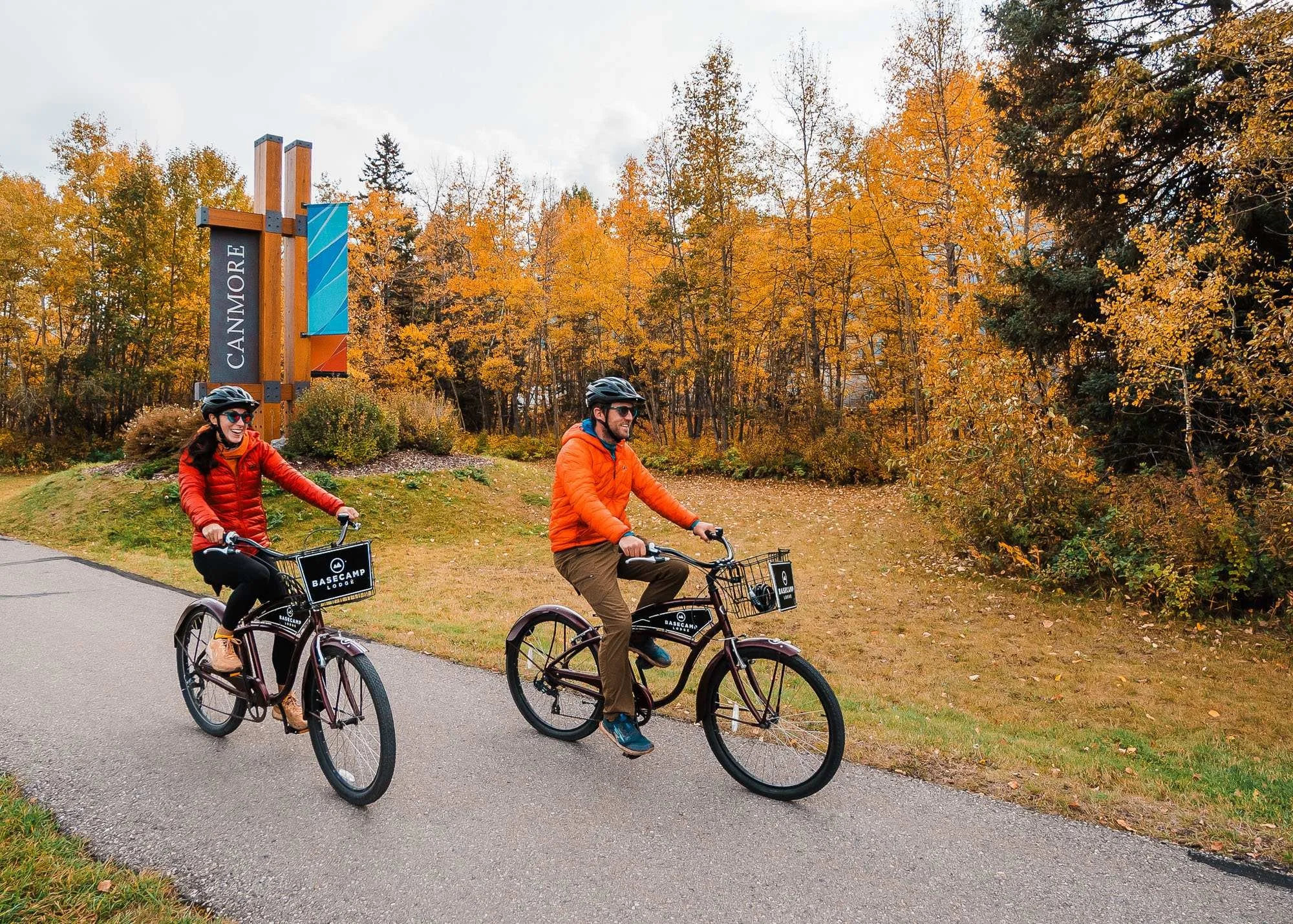
Enjoying the extensive bike paths and fall colors in Canmore
Staying in Canmore
Just a 20-minute drive from Banff, Canmore offers a quieter, less touristy vibe with incredible access to Kananaskis Country and the surrounding hiking trails. It's ideal for a mix of outdoor adventure and small-town charm.
→ For the full breakdown of hotels, cabins, vacation rentals, and campgrounds in both towns, check out our complete Banff and Canmore lodging guide.
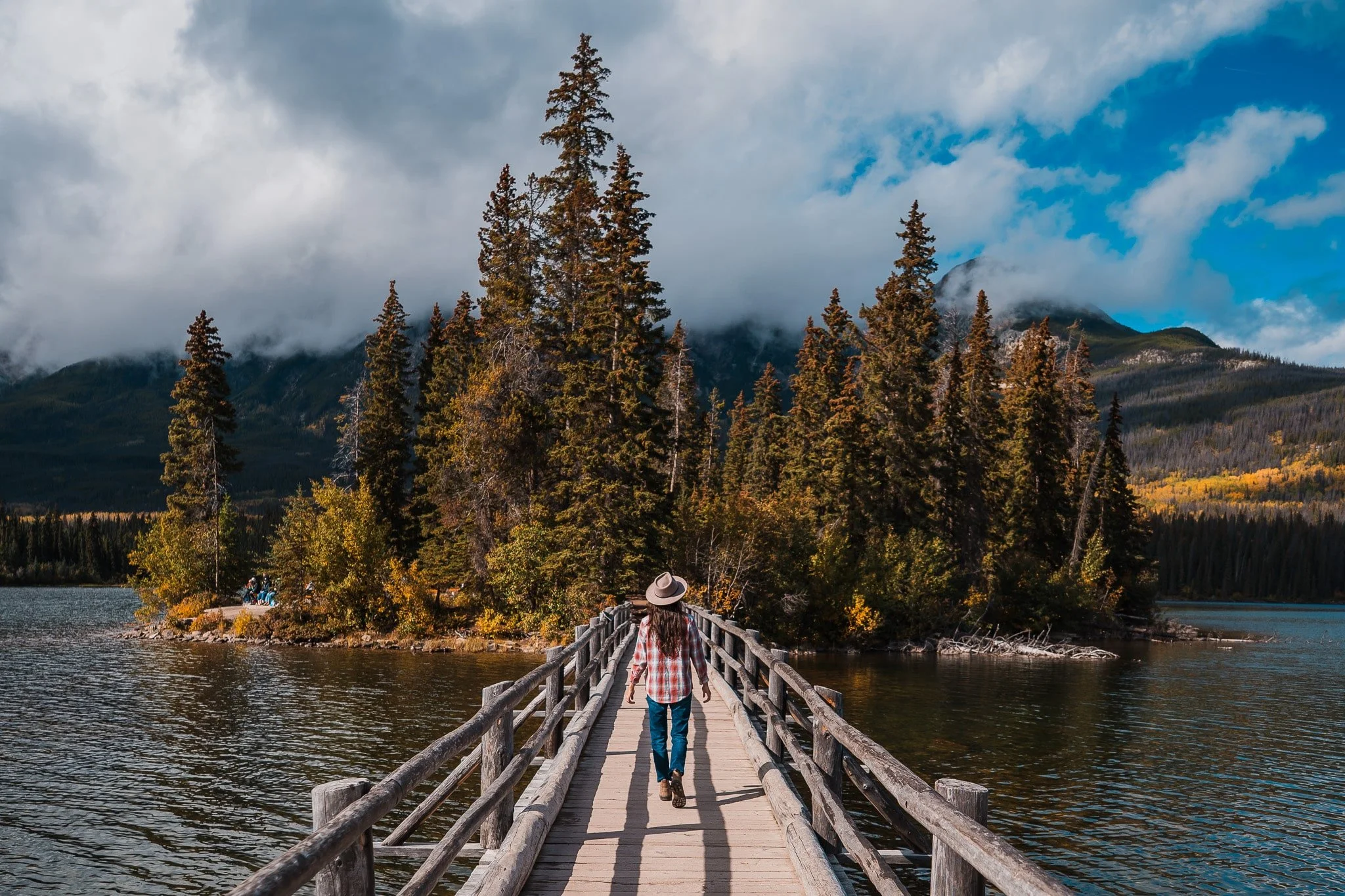
Pyramid Lake just outside Jasper
Staying in Jasper
Jasper is the gateway to northern Rockies adventures, including the Icefields Parkway, Berg Lake, and Kinney Lake. The town itself is small and walkable, making it easy to enjoy restaurants, shops, and visitor services without a car.
→ For the full breakdown of where to stay, from boutique hotels to campgrounds, check out our complete Jasper lodging guide.
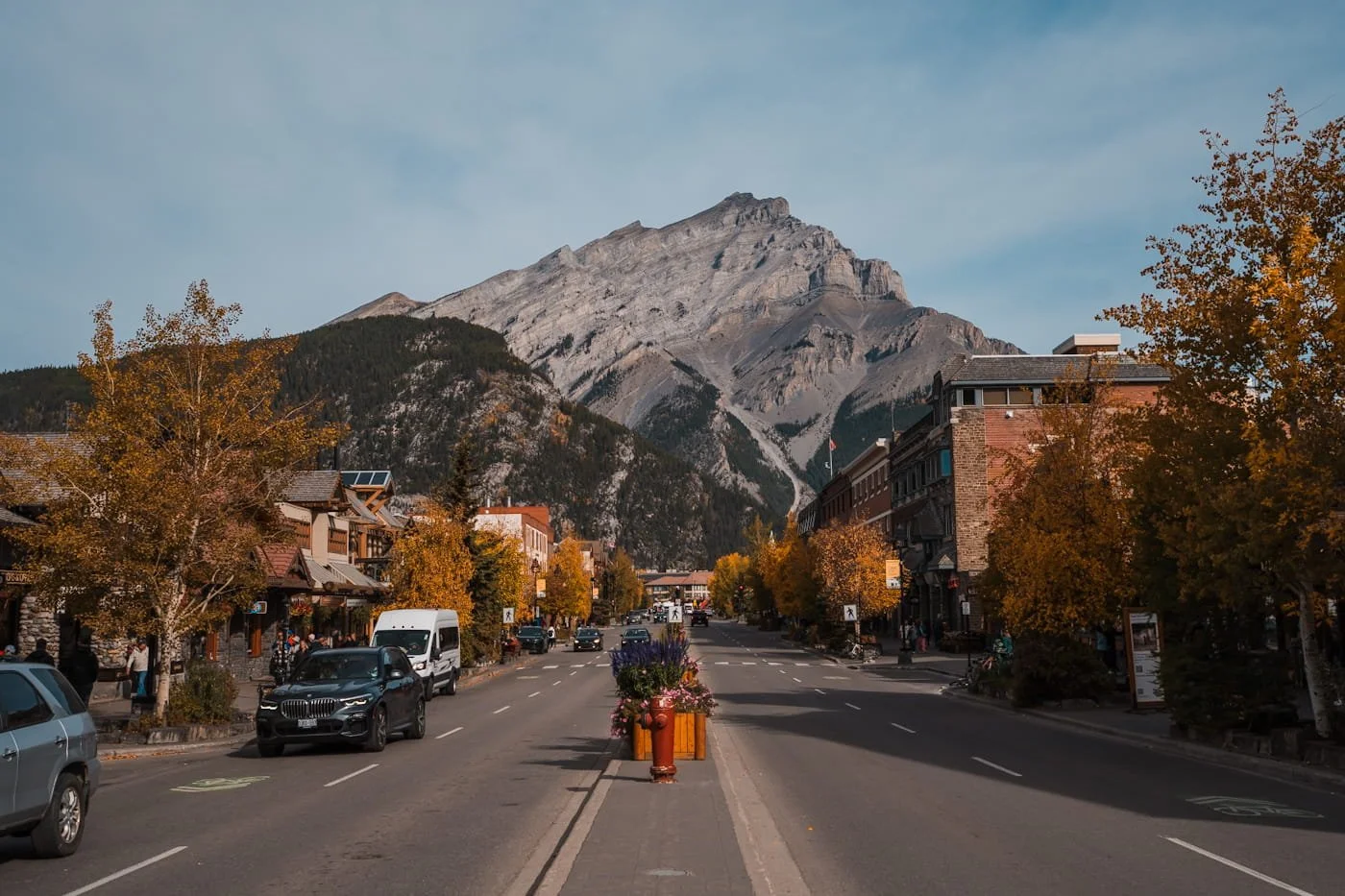
Downtown Banff
What to Do in Downtown Banff, Canmore, and Jasper
Spending time in these mountain towns can be just as fun as the hiking and sightseeing that brings most people here in the first place. Banff, Canmore, and Jasper each have their own personality, amazing restaurants, and great shopping, and all three are worth carving out time for, whether it's a rest day between hikes or you're simply looking to experience more than just the trails.
Banff is the most touristy of the three, with bigger-name shops and brands lining Banff Avenue alongside the local spots. Canmore has a more laid-back, local vibe, with small businesses, independent cafés, and noticeably fewer crowds. Jasper is the smallest and quietest of the three, but its compact downtown is still worth a full day of wandering, especially since it's the base for exploring the northern half of the Rockies.
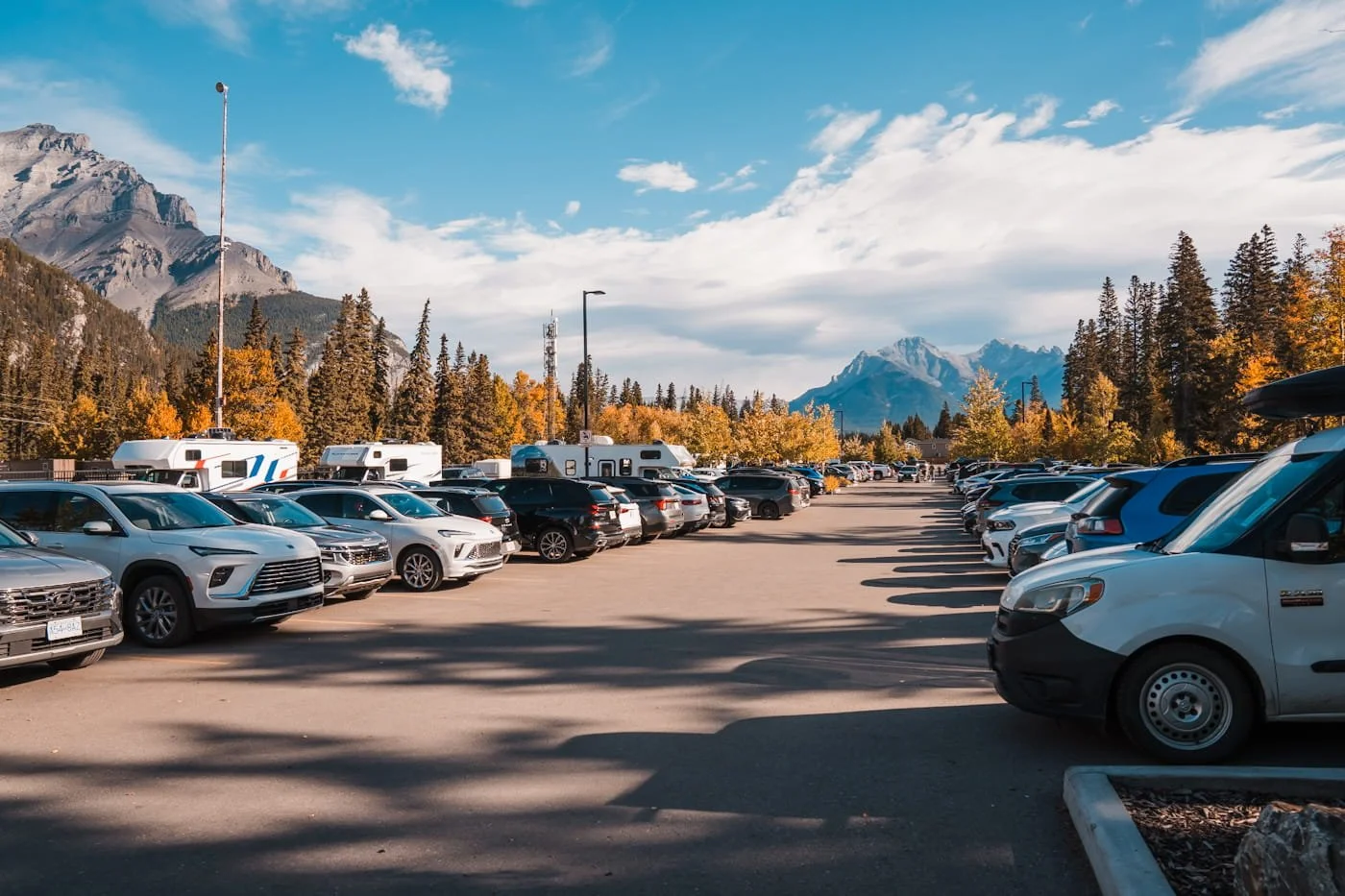
The free parking lot at the train station in Banff
Where to Park in Downtown Banff
If you're driving, there are a few paid lots along Banff Avenue, and free parking at the Banff Eco-Transit Hub on the outskirts of town. Parking is very competitive so we do recommend getting to town early in the morning to find a spot.
We always try to park at the train station/Banff Eco-Transit Hub since it is free and you can park there for up to nine hours. But there is also paid street parking around town, and a paid lot by the library. Be aware that some streets only allow locals to park, with a permit being in effect during the day. Check signage before you leave your car.
Overall, it's easy enough to park once and explore everything on foot throughout downtown Banff.
Our Favorite Restaurants, Cafés, & Bars in Downtown Banff
Downtown Banff is full of charm all year round, mountain views down every street, plenty of cozy spots to eat, drink, and shop, and a walkable layout that makes it easy to wander from spot to spot. Even on a day packed with hiking or sightseeing, the town offers a great place to refuel, grab a coffee, or unwind with a cocktail.
Stroll along Banff Avenue to browse boutiques, outdoor gear shops, and Canadian-made goods, perfect for gifts, souvenirs, or picking up something you forgot to pack.
Must-Stop Coffee Shops & Cafés in Downtown Banff
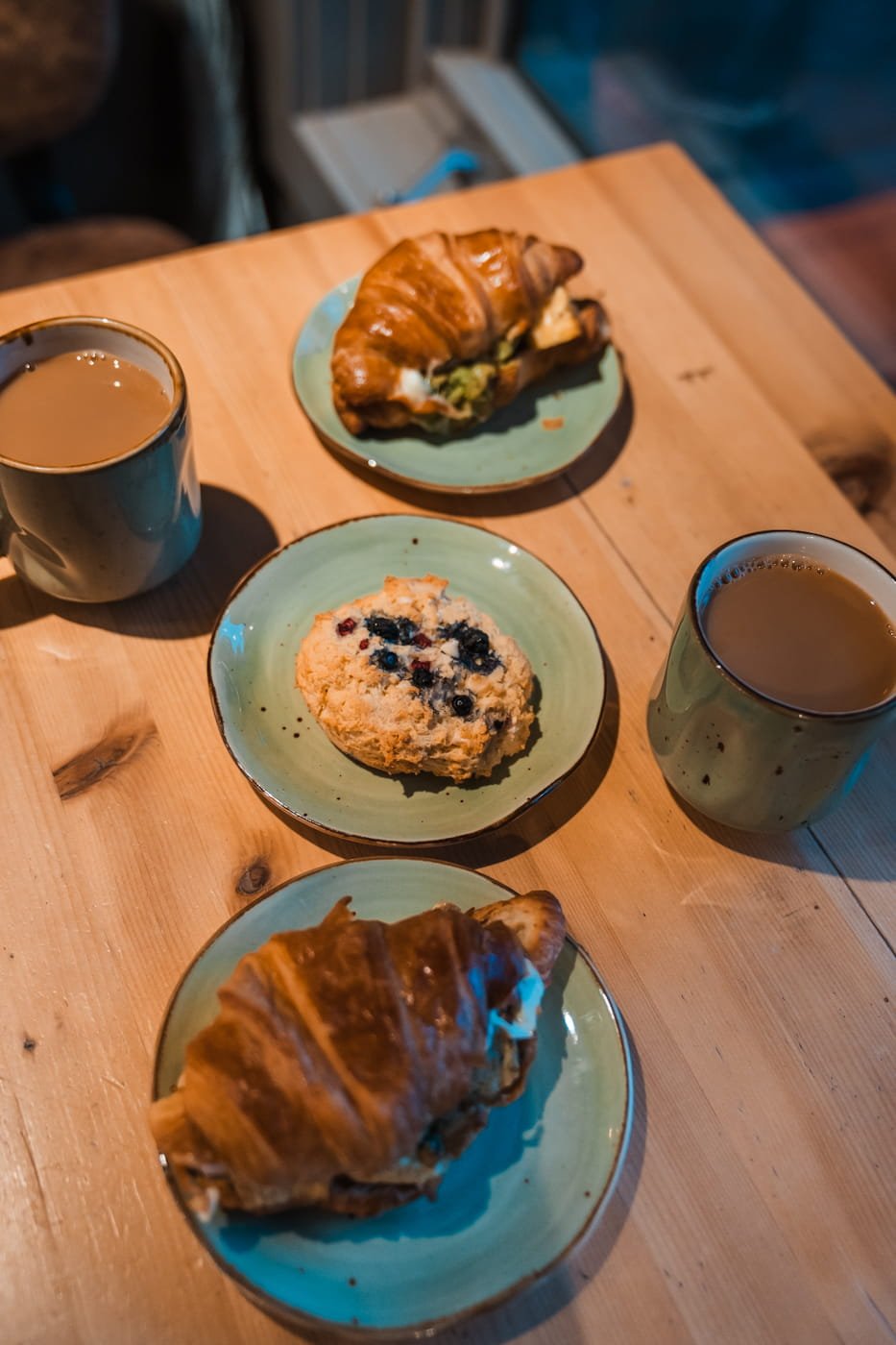
Good Earth Coffeehouse: Cozy café inside the Elk + Avenue Hotel, perfect for coffee and light bites. This is our go-to spot to grab coffee and breakfast, and even work from when we’re in town.
Analog Banff: Specialty coffee, warm drinks, and a welcoming downtown vibe
Mountain Folk Coffee Co.: Rustic café offering great coffee and pastries in a relaxed setting.
Our Favorite Restaurants & Bars
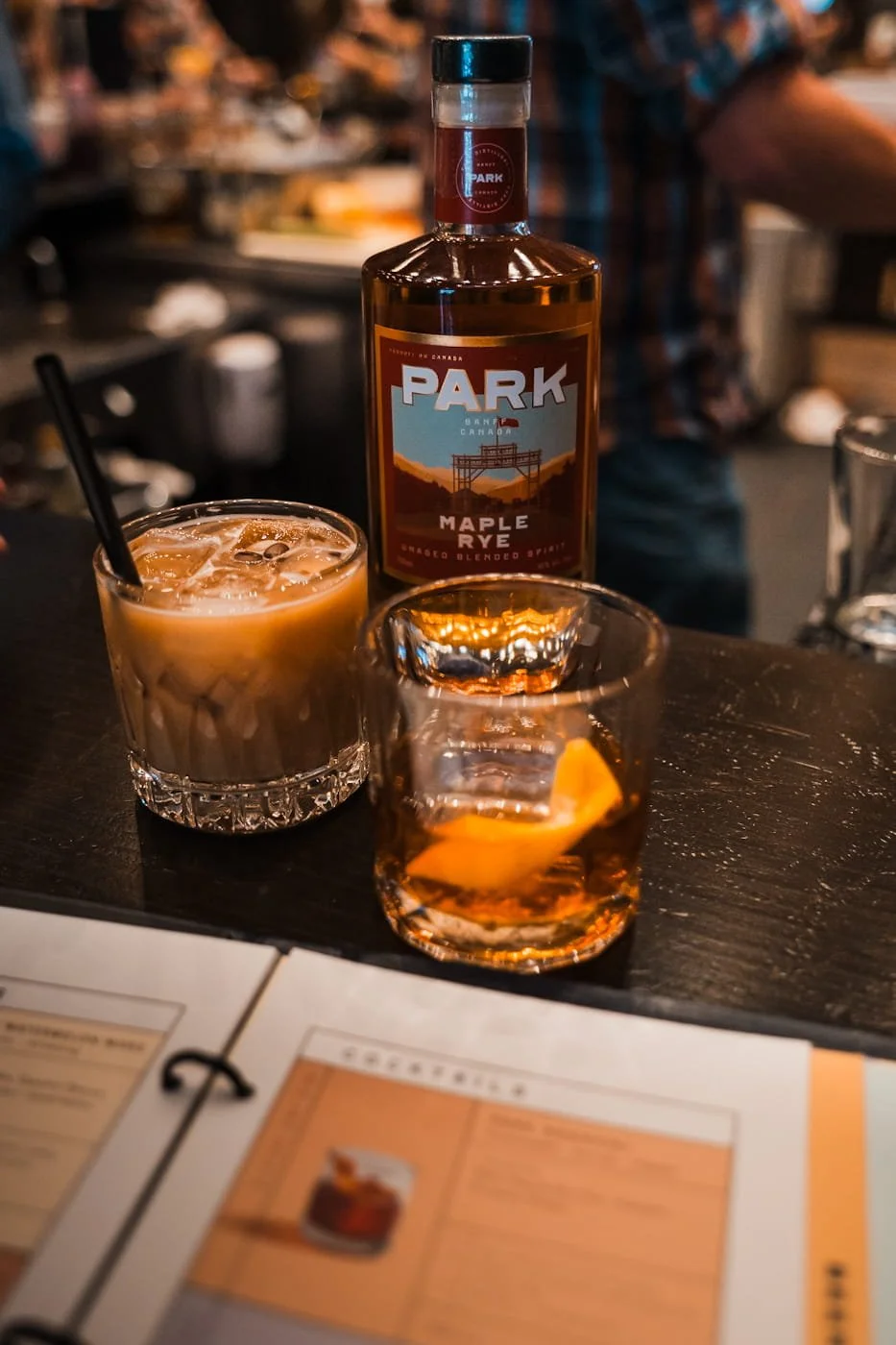
Park Distillery: Distillery, bar, and high-end restaurant with hyper-local spirits brewed in town with glacial water from Banff, and hearty food. They also offer free distillery tours, and you can add on a spirit tasting (for a fee), which we highly recommend and love doing when we visit.
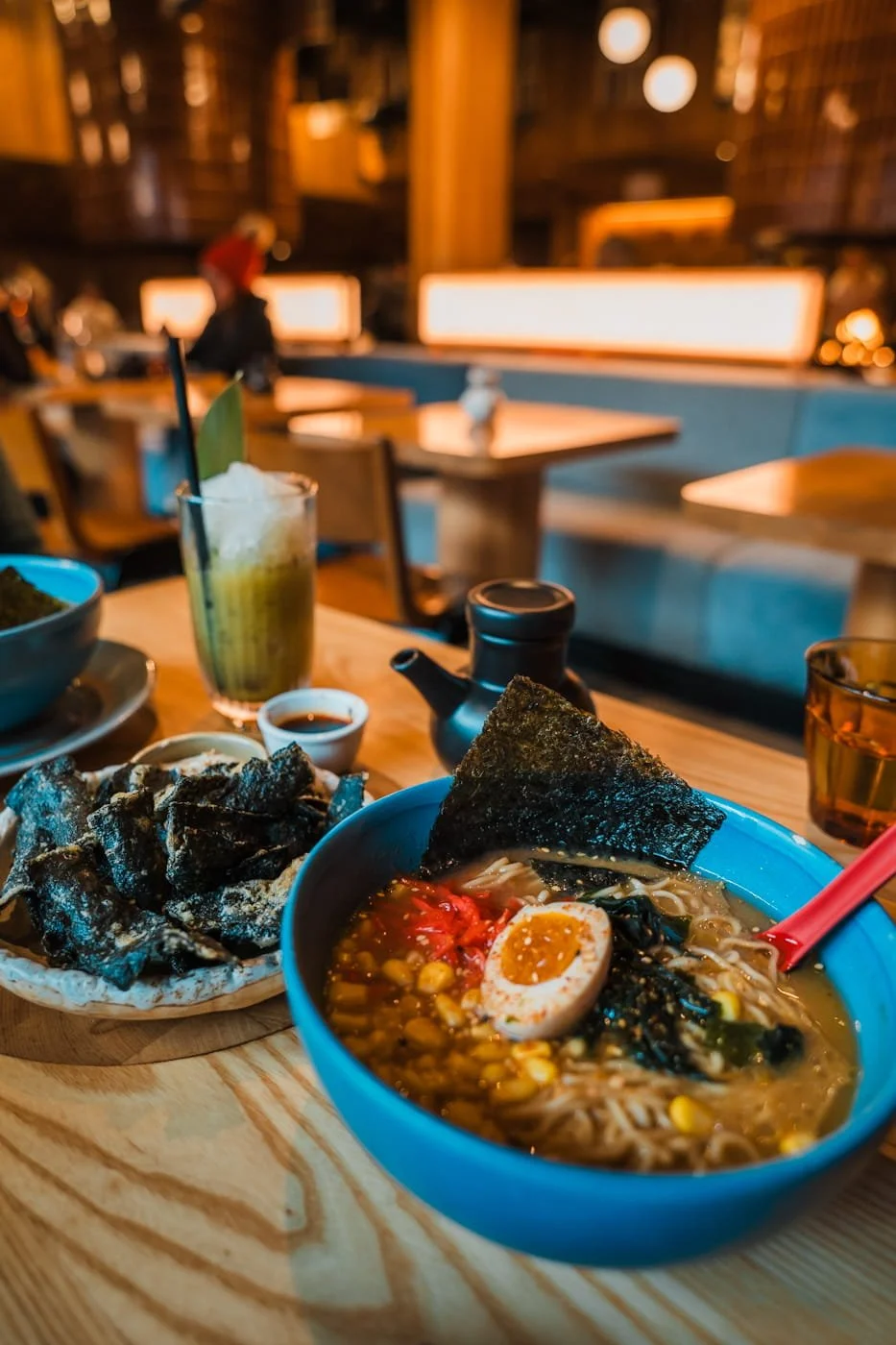
Hello Sunshine: A cozy setting for amazing ramen, sushi, and cocktails. We loved the vegetarian ramen here and the matcha colada cocktail is a must try.
Farm + Fire: Elevated comfort food with a focus on local ingredients.
Brazen: Creative dishes and a lively downtown atmosphere.
Good Folk: Casual, flavorful meals in a modern, friendly space.
The Maple Leaf: Canadian-inspired cuisine in a cozy lodge atmosphere, great for breakfast/brunch.
Banff Ave Brewing Co.: Craft beers and pub fare right in the heart of town.
Rundle Bar at Fairmont Banff Springs: Classic hotel bar with a cozy, historic vibe.
The Beaver Bar: Fun atmosphere, great cocktails, and a local favorite.
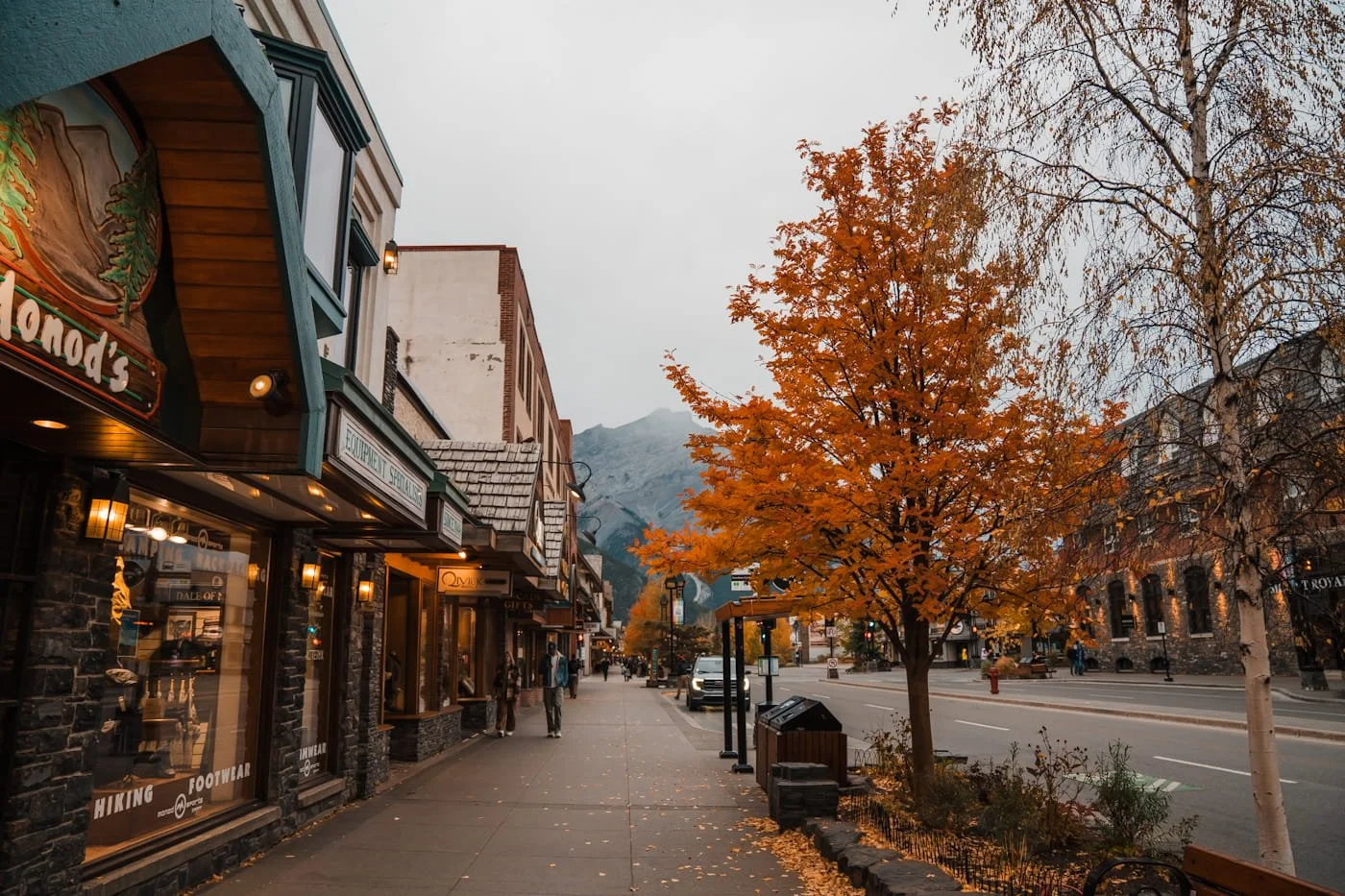
Walking down Banff Avenue in the fall
Pro Tip for Walking Around Downtown Banff
Downtown Banff is easy to explore entirely on foot. Grab a coffee and wander from spot to spot — it's part of the charm. If you’re not staying in town, get into Banff early in the morning to find parking. It can be almost impossible to find a spot mid-day in the high season (summer and fall).
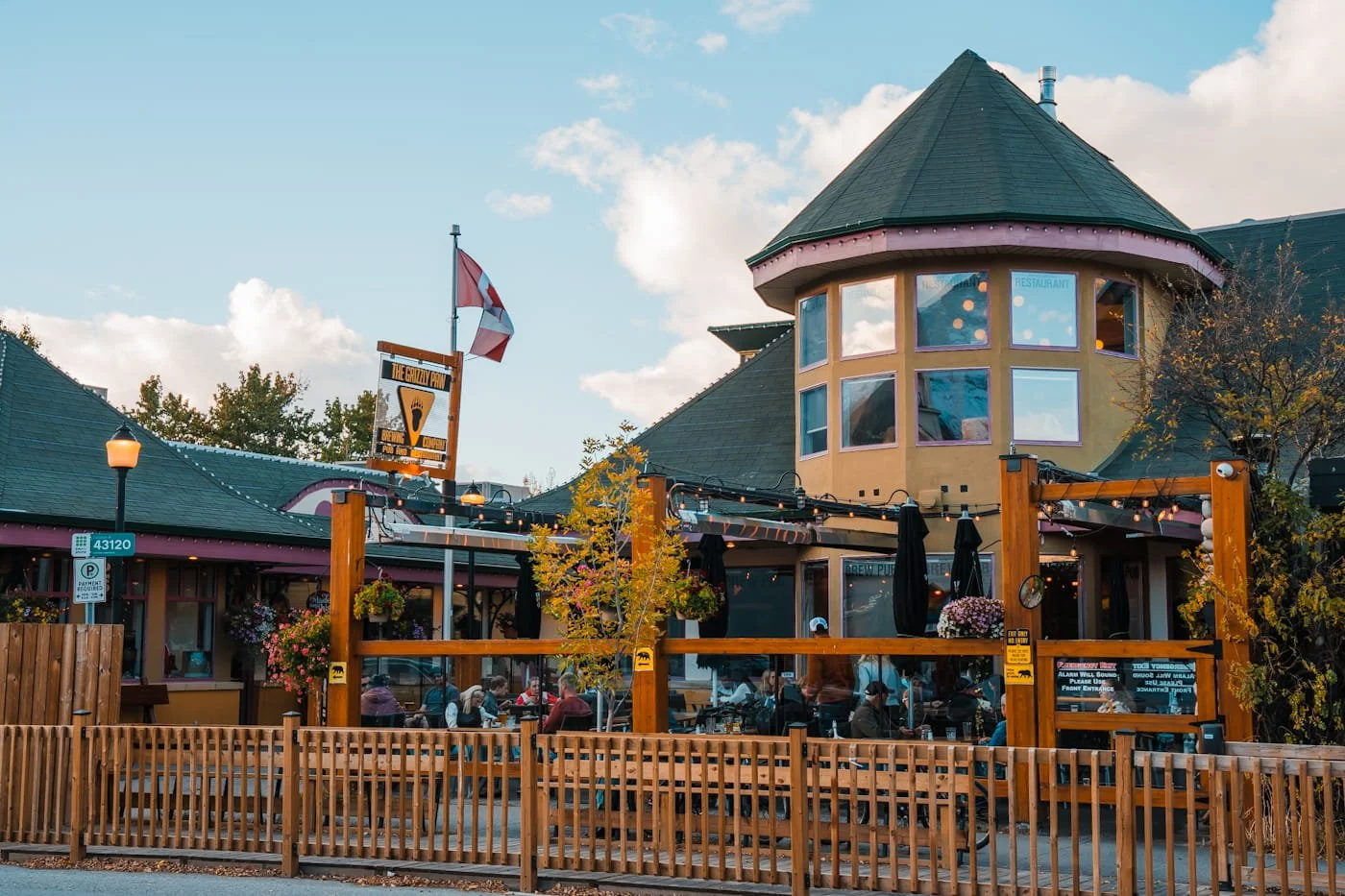
The Grizzly Paw Pub in Canmore
Restaurants, Cafés, & Bars in Canmore
Canmore's town and food scene has a distinctly local feel compared to Banff's — fewer big hotel restaurants, more independent cafés and family-owned spots that have been part of the community for years. It's an easy town to eat well in without much of a wait.
Must-Stop Coffee Shops & Cafés
Canary Coffee: A cozy neighborhood café on Main Street with limited indoor seating and a handful of outdoor tables in summer, known for well-made espresso in a low-key atmosphere.
Bicycle Cafe: Part bike shop, part coffee shop, serving Monogram Coffee alongside gear for the trail-and-bike crowd.
Communitea Cafe: A true community hub with an extensive tea menu, healthy breakfast and lunch options, and live music nights.
Bella Crusta: A family-owned focaccia, sandwich, and pizza-by-the-slice shop that's been a local staple for over 20 years — order the sandwiches on their house-made focaccia.
Eclipse Coffee Roasters: Sustainably sourced, hand-roasted coffee with three locations around town, making it easy to find no matter where you're staying.
Canmore Restaurants & Bars Worth a Stop
BLAKE Restaurant Brewhouse & Distillery: A brewery, distillery, and restaurant with globally inspired food and a huge patio with mountain views. We came here with friends right after getting engaged while backpacking at Mount Assiniboine — it's not downtown, but it's worth the stop for the food and drinks alone.
The Grizzly Paw Pub: Good beer and cocktails in a causal setting right in downtown Canmore.
Rocky Mountain Flatbread Co.: Organic, wood-fired flatbread pizzas and a build-your-own option, a longtime local favorite.
The Grande Kitchen + Bar: A solid all-around pick for a sit-down meal in the heart of town, located at the Grande Rockies Resort.
Tavern 1883: A lively bar and pub with a well-rounded menu, a Canmore staple for a casual night out.
The Market Bistro: One of the top-rated restaurants in town, known for its Italian and French-leaning menu in the Three Sisters area.
Gaucho Brazilian Barbecue: A great pick if you're after a steakhouse-style meal, serving authentic Brazilian churrasco carved tableside.
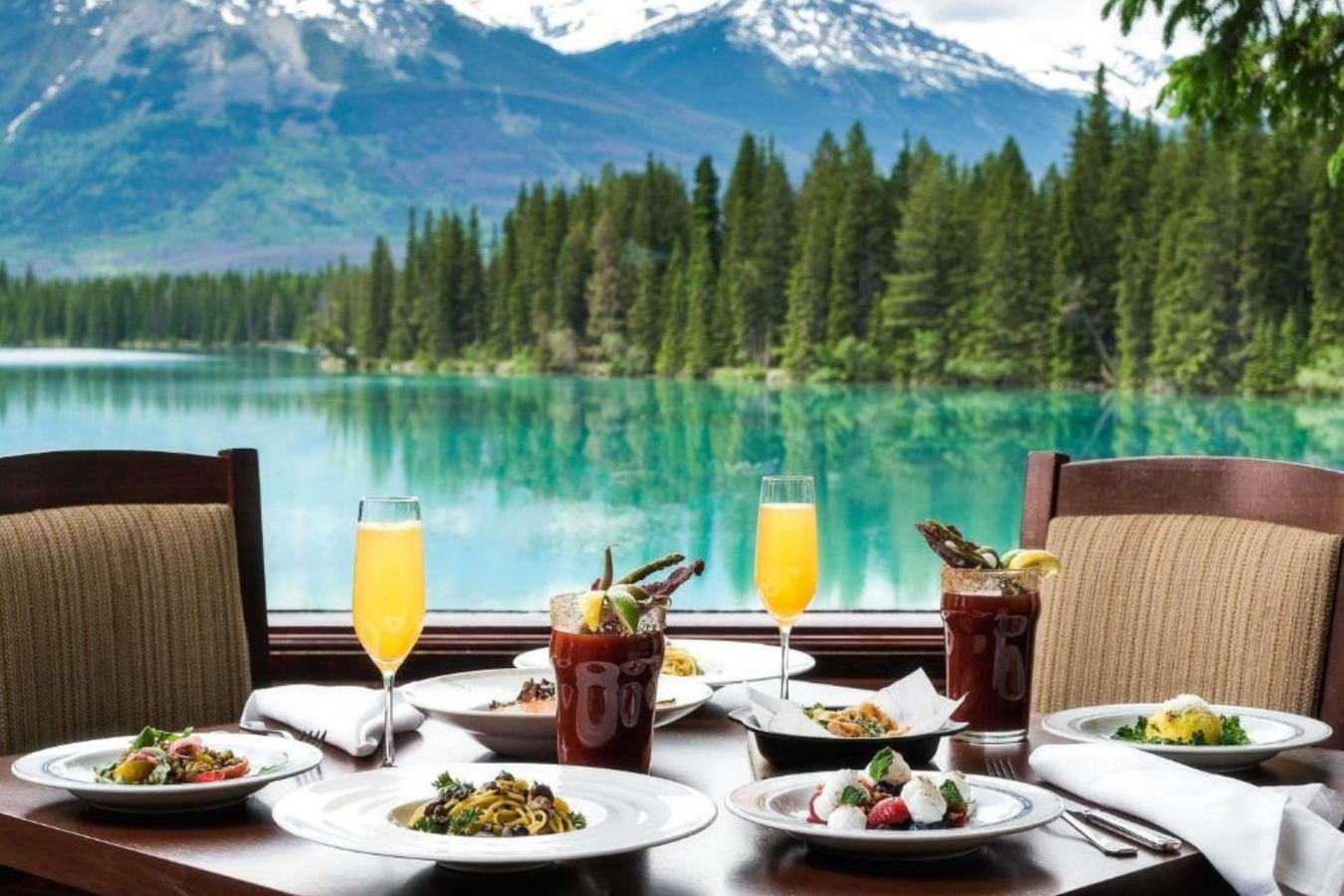
Photo credit: Booking.com Fairmont Jasper
Restaurants, Cafés, & Bars in Jasper
Jasper is a much smaller town than Banff or Canmore, so the food scene is more compact — but what's here is genuinely excellent, and the town's small size makes it easy to hit most of these spots in a single visit.
Coffee and Cafés in Jasper
Andromeda Coffee: A quiet, well-equipped café with custom espresso machines and everything baked from scratch in-house, a great spot to work or warm up.
Lostlands Cafe: A forest-inspired café on Jasper's main street serving coffee, smoothies, and sandwiches perfect for grabbing before a hike.
Jasper's Wafflato: A fun, casual spot for waffles, juices, and smoothies.
Bear's Paw Bakery: A longtime local favorite for fresh pastries, sticky buns, and coffee to start the day.
Restaurants & Bars You Will Love
Jasper Brewing Company: A reliable brewpub right on Connaught Drive, good pub fare and local beer after a day on the trail.
The Raven Bistro: An intimate, highly-rated bistro with Mediterranean-inspired dishes and mountain views, one of the most consistently well-reviewed restaurants in town.
Otto's Cache Provisions + Cafe: Part café, part provisions shop, a great stop for coffee, a quick bite, or picking up local goods.
The Grizz Jasper: Tucked inside the Fairmont Jasper Park Lodge grounds, this laid-back pub serves loaded pizzas and pub food at a fraction of the lodge's other prices — a local secret that's technically open to everyone.
Orso Trattoria: Also at the Fairmont, this is the spot for a fancier night out, with fresh Italian fare and some of the best patio views in Jasper overlooking Lake Beauvert. Reservations recommended, and it's on the pricier side, but worth it for a special night.
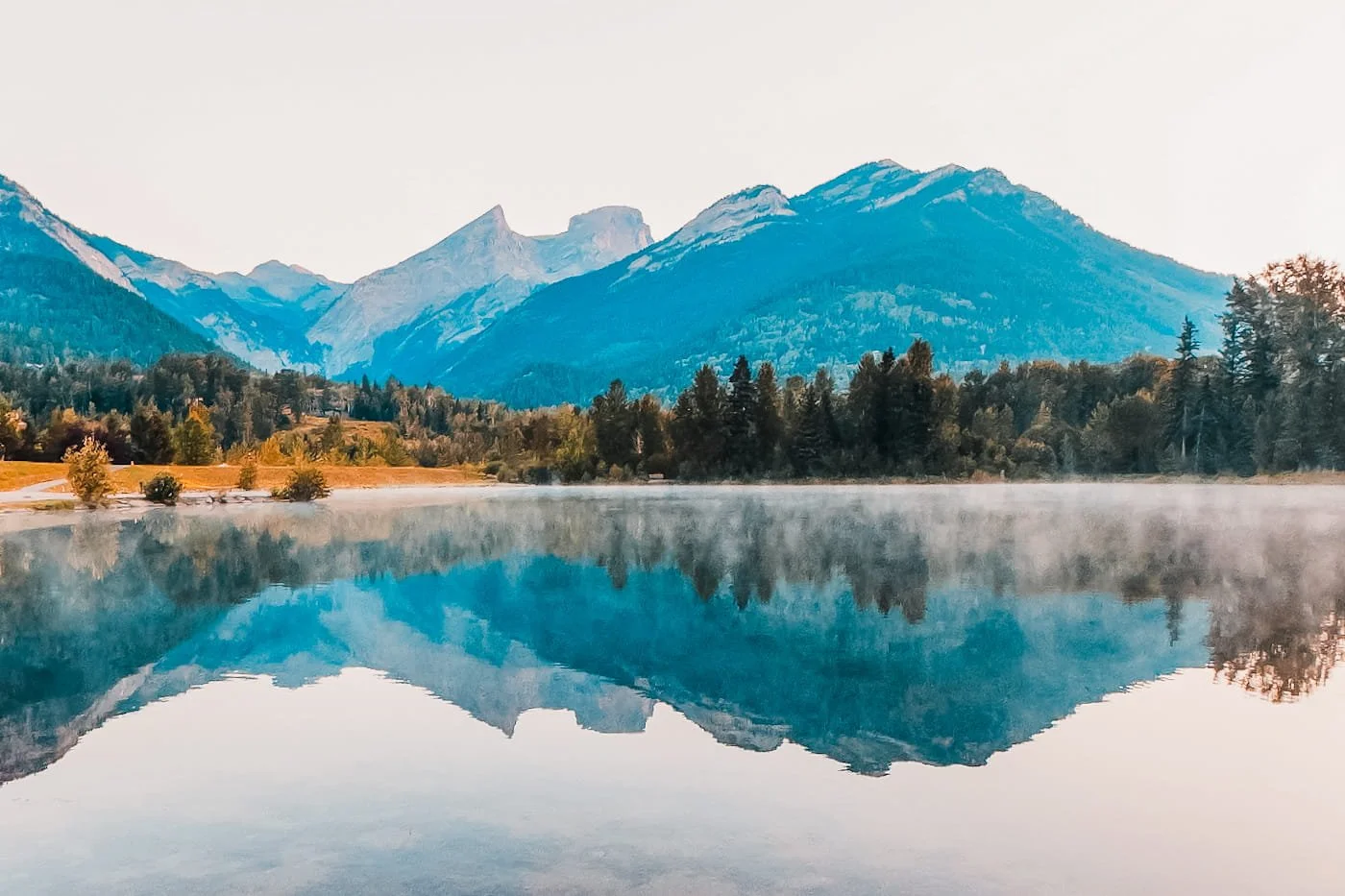
Maiden Lake in Fernie, BC
Gateway Towns Worth a Stop: Calgary, Golden, Revelstoke, Radium Hot Springs, & Fernie
Beyond Banff, Canmore, and Jasper, a handful of smaller towns around the Canadian Rockies are worth knowing about, whether as a flight gateway, a road trip stop, or a home base for exploring areas slightly off the main circuit.
Calgary: Most visitors flying into the Canadian Rockies land in Calgary, about 90 minutes from Banff. Beyond being a gateway, Calgary is worth a night on either end of your trip for its own restaurants, breweries, and the Calgary Stampede if your timing lines up in July.
Golden: Golden is worth a stop if passing through on your way to Banff from parts of Western BC and Seattle, and it's a practical stop for gas, food, or an overnight if you're spreading a longer road trip across more days. It's also close to Kicking Horse Mountain Resort for skiing or summer gondola rides.
Revelstoke: Further west than Golden, Revelstoke sits between Glacier and Mount Revelstoke National Parks, making it a worthwhile stop if you're extending your trip beyond the core Banff-Jasper corridor into BC. It's known for the Revelstoke Mountain Resort gondola, backcountry skiing, and access to two national parks most Banff-focused visitors never see.
Radium Hot Springs: Just outside Kootenay National Park, Radium Hot Springs makes a natural stop if you're driving between Banff and the southern Rockies, coming up from Idaho, or exploring Kootenay's hikes like Stanley Glacier and the Paint Pots. The hot springs themselves are worth a soak after a few days on the trail.
Fernie: Fernie sits further south, outside the core Banff-Jasper corridor, but it's worth knowing about if your trip extends into southeastern BC — known for excellent skiing in winter and mountain biking and hiking in summer, with a laid-back mountain town feel. We ran a trail race here and absolutely loved the town.
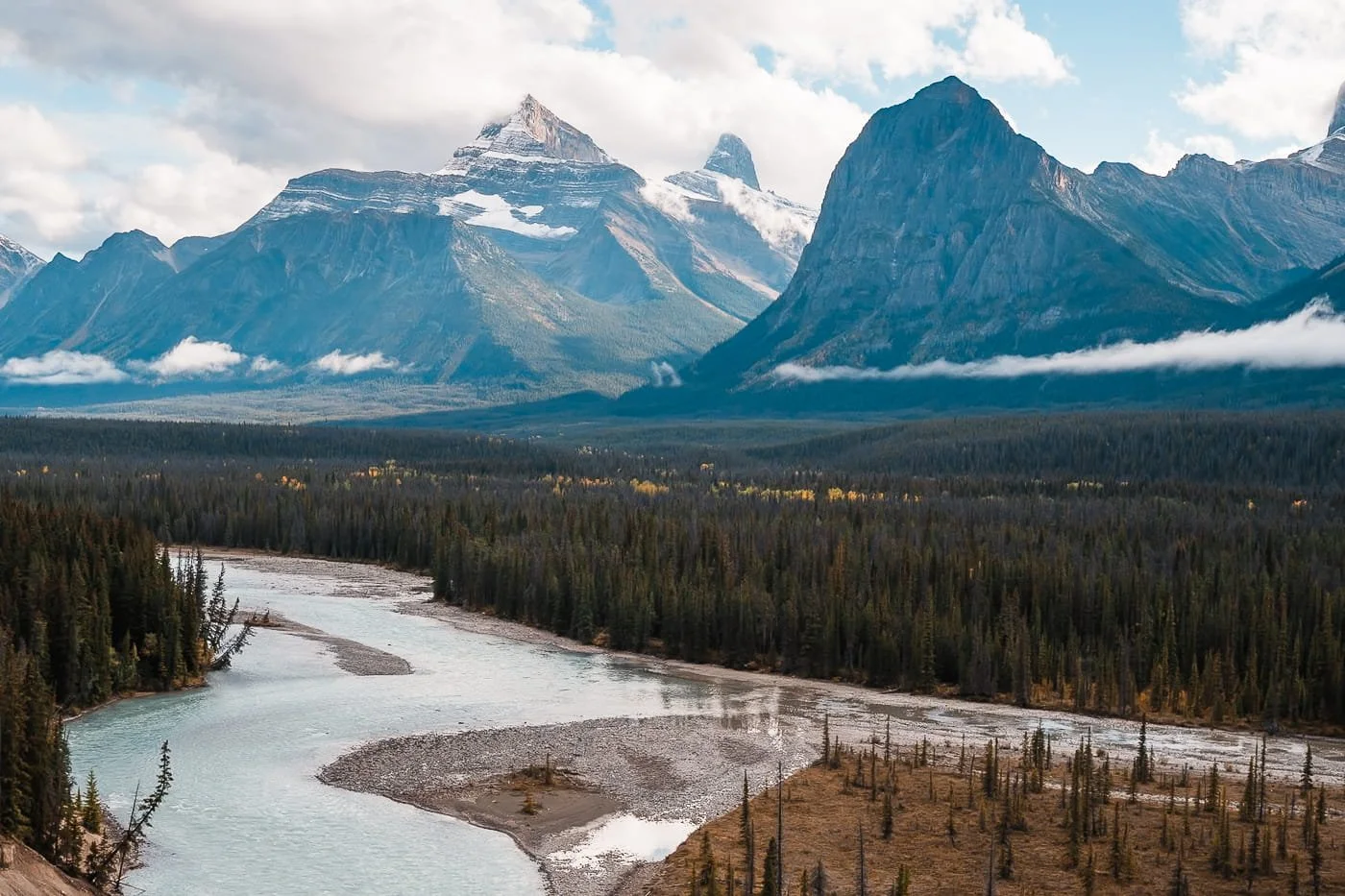
Views along Icefields Parkway
FAQ on Visiting the Canadian Rockies
How many days should you spend in the Canadian Rockies?
It depends on your pace, but 5-7 days is a solid first-timer's trip, giving you real time in Banff and Canmore plus a drive up the Icefields Parkway to Jasper. If you only have 3 days, focus on Banff and Lake Louise. With 10 or more days, you can add a multi-day backpacking trip or a detour into Yoho or Kootenay.
What's the best time of year to visit the Canadian Rockies?
Summer (June through September) has the best weather and longest days for hiking, fall brings golden larches and thinner crowds, and winter offers skiing, snowshoeing, and a completely different kind of scenery. We've visited in every season and still say fall is our favorite.
Do you need a car to visit Banff and the Canadian Rockies?
Yes. There's no train or bus network that covers the parks well enough to rely on, so renting a car (or bringing a campervan in summer) is essential for reaching trailheads, driving the Icefields Parkway, and getting between towns.
Do you need a park pass to hike in Banff or Jasper?
Yes, a Parks Canada pass is required for Banff, Jasper, Yoho, and Kootenay national parks. Hikes near Canmore in Kananaskis Country require a separate Kananaskis Conservation Pass instead.
What's the difference between Banff and Jasper National Parks?
Banff is older, more visited, and easier to access, with icons like Lake Louise and Moraine Lake. Jasper is larger, wilder, and quieter, with fewer crowds and trails that push deeper into true backcountry.
Is Lake Louise or Moraine Lake better to visit?
Both are worth visiting if you can manage it, since they're only a short drive apart. Moraine Lake has the more dramatic mountain backdrop, while Lake Louise offers easier access, more amenities, and trails like Lake Agnes and the Plain of Six Glaciers right from the lakeshore.
How do you get a Moraine Lake shuttle reservation?
You can book through the Parks Canada shuttle system, which is cheaper but sells out fast, or through a private option like the Moraine Lake Bus Company, which lets you reserve a return time and takes more of the guesswork out of timing sunrise or sunset visits.
What should you pack for hiking in the Canadian Rockies?
Layers, a rain jacket, and bear spray are must-haves on nearly every hike, even short ones. See our full hiking and backpacking gear section above for a complete breakdown by trip type and season.
Are bears a concern when hiking in the Canadian Rockies?
Yes, both black bears and grizzly bears live throughout the region. Carrying bear spray, making noise on trail, and keeping your distance from any wildlife you encounter are standard practice here, not optional precautions.
Do backcountry trips like Mount Assiniboine or Berg Lake require permits?
Yes, and they're competitive. Reservations typically open months in advance and popular sites sell out quickly, so these are trips worth planning around rather than deciding on last minute.
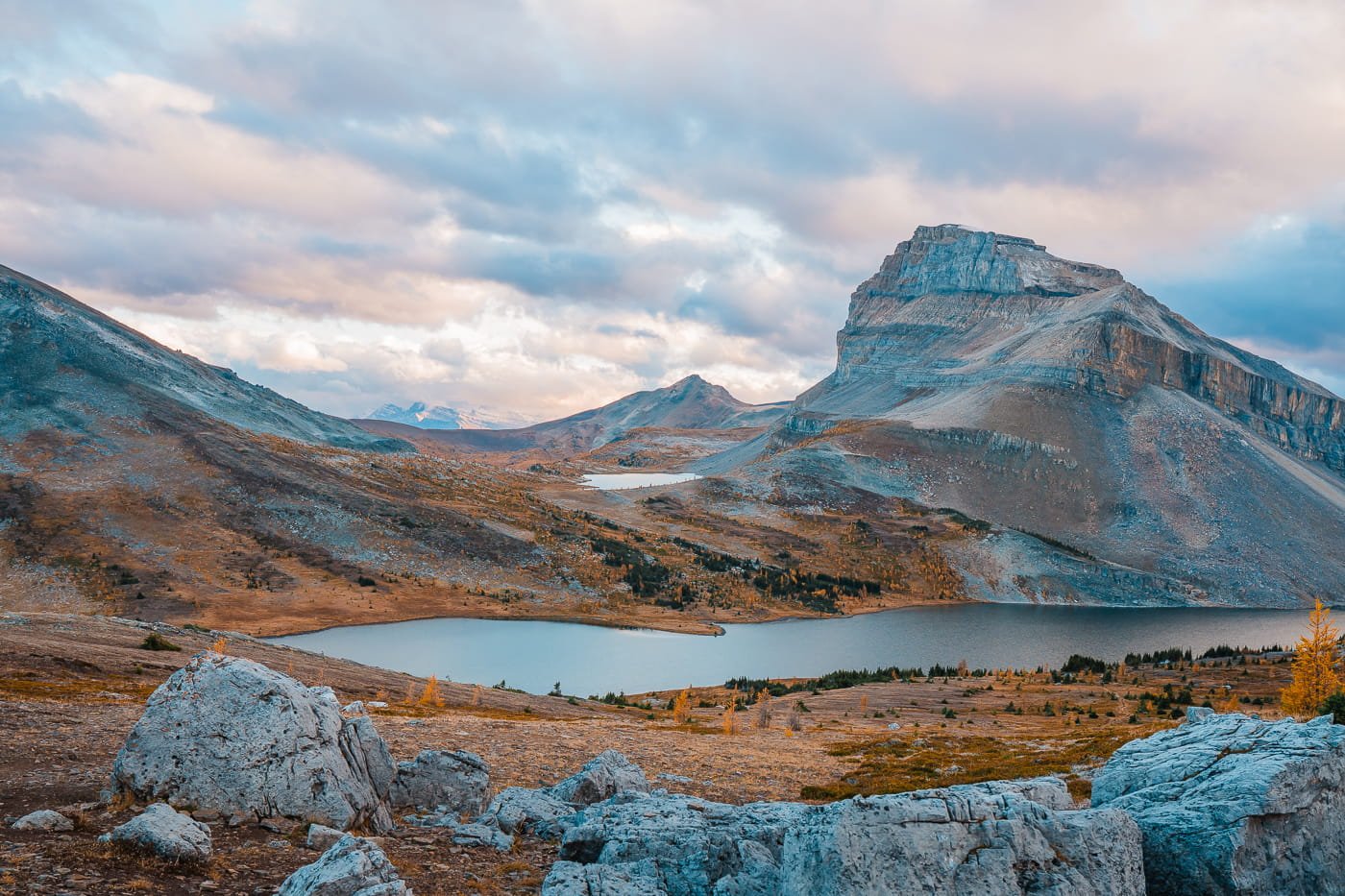
Skokie Lakes Loop
Final Thoughts on Planning Your Trip to the Canadian Rockies
The Canadian Rockies are truly a one-of-a-kind destination. From the turquoise waters of Lake Louise and Moraine Lake to backcountry adventures at Berg Lake, Mount Assiniboine, and Skoki Lakes, there's something here for every type of traveler. Whether you're chasing golden larches in fall, photographing the Icefields Parkway, or tackling a multi-day backpacking trip, careful planning makes all the difference.
Plan ahead with park passes, backcountry permits, and the Kananaskis Conservation Pass, follow Leave No Trace principles, and bring the right hiking and photography gear to keep your trip safe, comfortable, and memorable. Early mornings are best for capturing reflections on glacial lakes, while fall remains the top pick for golden larches.
Where you stay matters too — from Banff's central lodging to Canmore's quieter options and Jasper's backcountry-adjacent accommodations, choosing the right base helps you make the most of every day on the trail.
By exploring the Canadian Rockies with intention, respecting the environment, and packing the right gear, you'll come home with experiences and photos that last a lifetime.
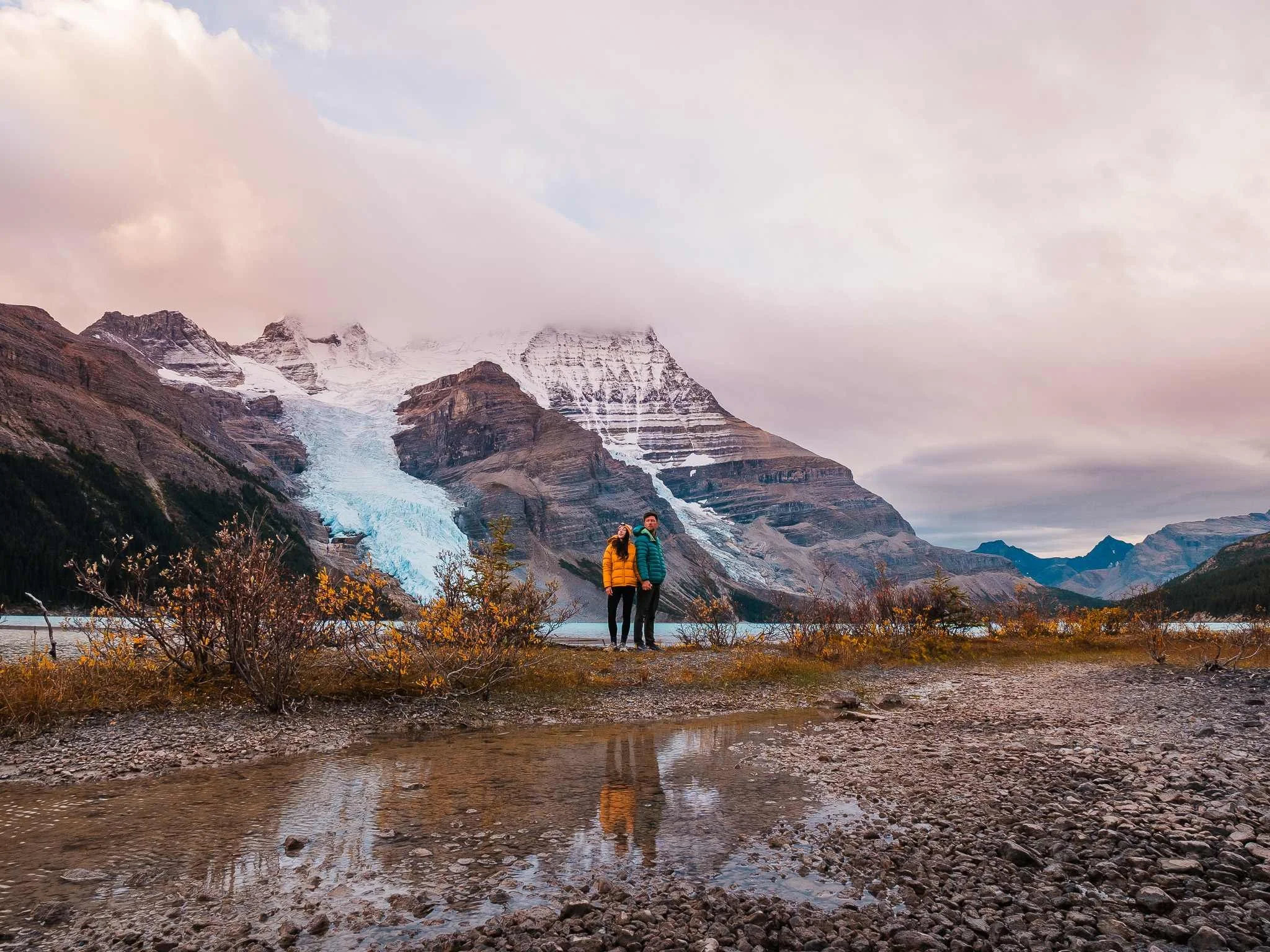
Striking the pose at Berg Lake
More Canadian Rockies Guides to Check Out Next
Hiking & Backpacking Guides:
Gear Guides & What to Pack:
Like this Guide? Pin it & Save it For Later!