
What to Pack for Banff & the Canadian Rockies: The Ultimate Packing List for Every Season
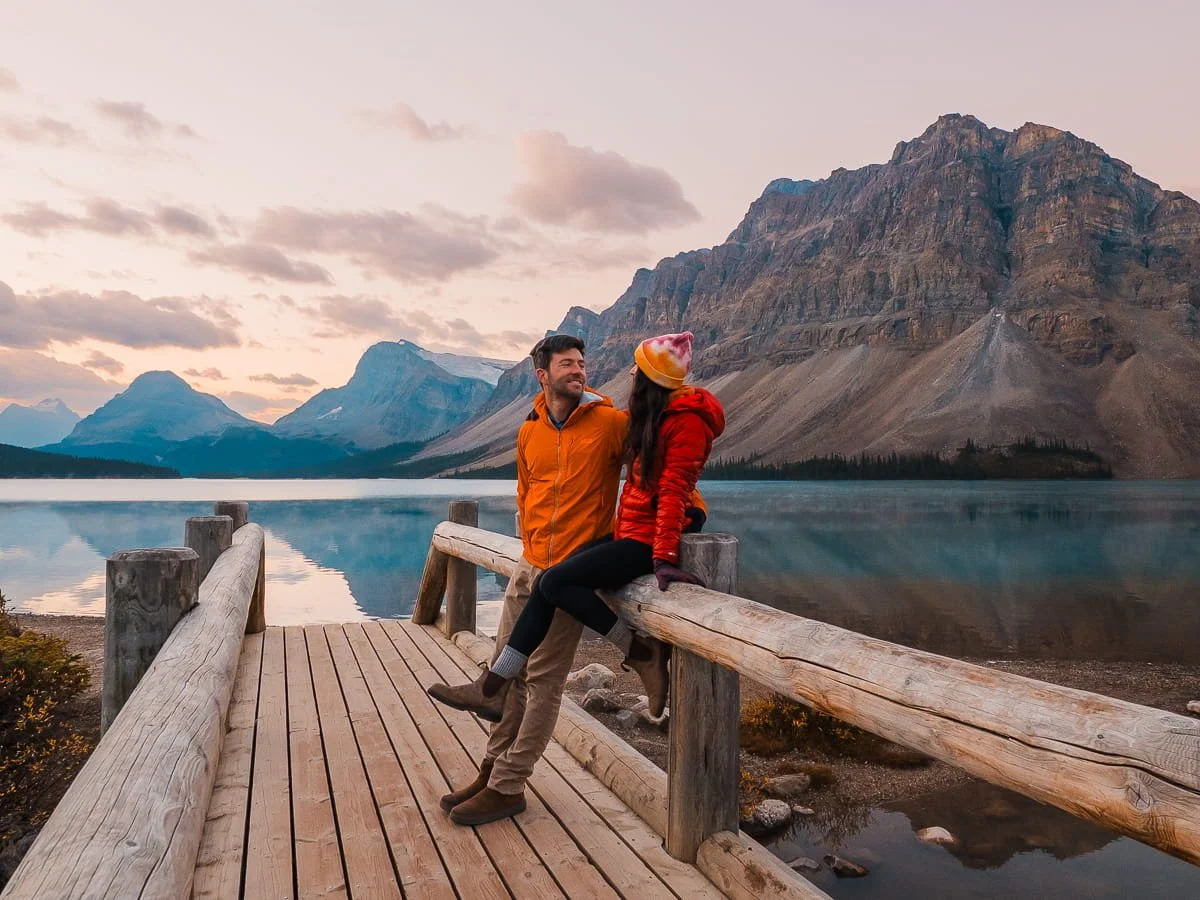
A Complete Banff Packing Guide for Every Season of the Year
Packing for Banff and the Canadian Rockies isn’t a one-size-fits-all situation. Weather can change quickly, temperatures vary widely by season and elevation, and many of Banff’s best experiences happen outdoors. The time of year you visit plays a huge role in what you should pack. Whether you’re visiting Banff in the heart of winter, hiking alpine trails in summer, or planning a fall larch trip, knowing what to pack for Banff makes a big difference in how comfortable and prepared you’ll feel.
This complete Banff packing guide covers what to wear in town, what to bring for outdoor adventures, and the essential gear to pack for hiking, camping, and backpacking throughout the year. All of our recommendations are based on countless trips to Banff and the Canadian Rockies over the years. Garrett and I visit the region annually for hiking, backpacking, and climbing, and we’ve spent extensive time exploring Banff, Canmore, and Jasper. Every item in this guide is gear we personally bring to Banff again and again, tested across multiple seasons in real mountain conditions.
Each section of this guide is broken down by season so you can pack confidently for your trip. We’ve combined spring and fall into one shoulder-season section, since the weather and layering needs are often similar during these times of year.
Disclaimer: This blog post contains affiliate links, meaning we receive a small commission of every purchase made with our links at no additional cost to you. Sometimes there is even a discount code for my readers which we specify next to the links.
Table of Contents
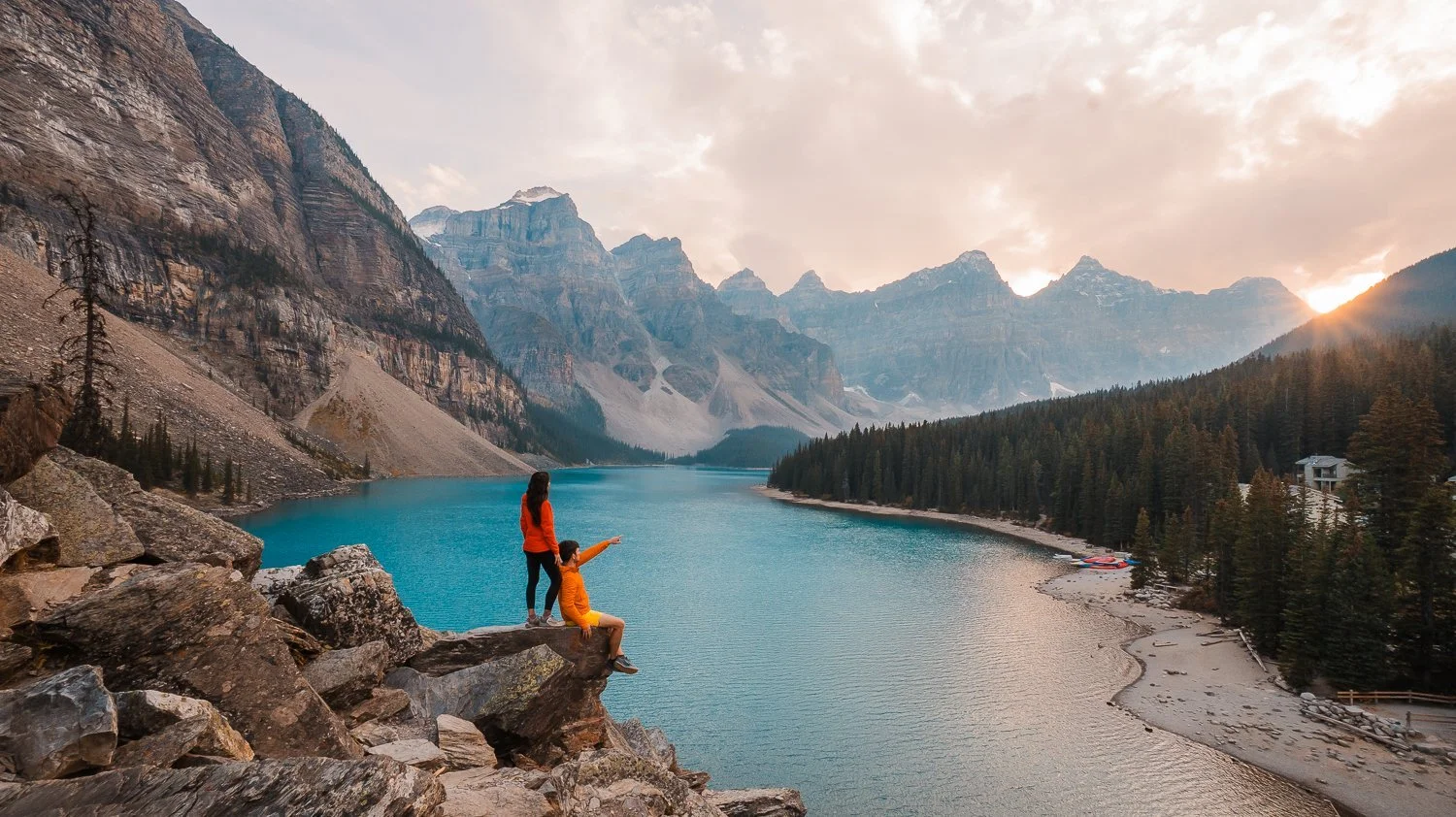
Hiking around Moraine Lake in late September
Why Packing Right for Banff and the Canadian Rockies Matters
Banff is a stunning and relatively easy place to explore, but the weather and conditions can change quickly, especially once you leave town. In the Canadian Rockies, it’s common to experience sun, wind, snow, and cold temperatures all in the same day, sometimes within just a few hours. Elevation, exposure, and time of year all play a major role in how conditions feel once you’re outside.
Packing the right clothing and gear for Banff helps you stay comfortable whether you’re walking around downtown, stopping at scenic viewpoints, heading out on day hikes, or tackling bigger multi-day adventures. Proper layers, weather-ready outerwear, and the right footwear make a noticeable difference year-round.
In the warmer months, this also means being prepared for cool mornings and evenings, fast-changing weather, and outdoor activities like hiking, car camping, or backpacking throughout the Canadian Rockies.
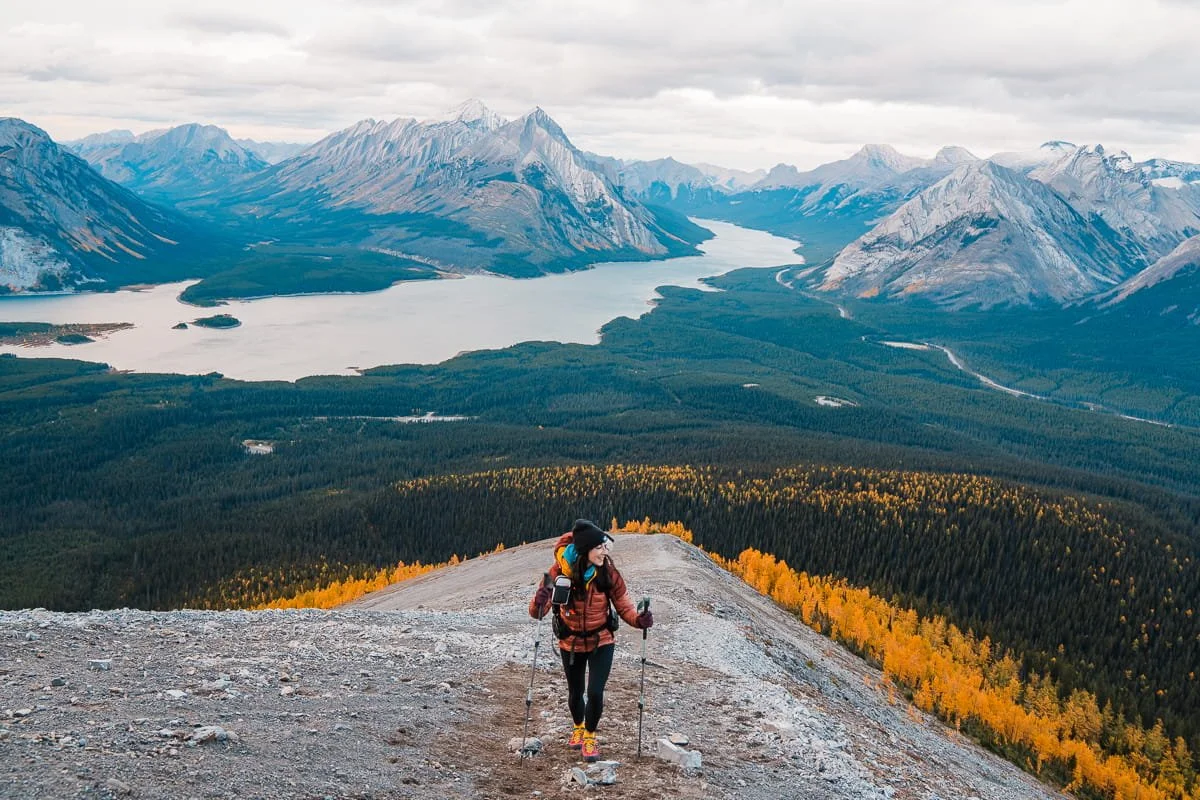
Hiking Tent Ridge in Kanananskis during larch season
What to Expect from Banff & Canadian Rockies Weather by Season
Understanding Banff’s weather is key to packing smart and staying comfortable on your trip. Conditions in the Canadian Rockies can change quickly, and each season brings its own challenges and highlights. This seasonal breakdown will help you plan what to wear and what gear to bring, so you’re ready for any adventure.
Winter Weather in Banff (November–March)
Winter in Banff is magical, but it’s also cold and conditions can change fast. Snow, ice, and wind are common, and daylight is limited, so knowing what to expect can make your trip safer and more enjoyable.
Below is a quick guide to typical winter temperatures, trail conditions, and what that means for packing and planning your outdoor adventures.
Winter Conditions in Banff
Temperatures: Typically range from -15°C to -5°C (5°F–23°F) in January, with wind chill making it feel colder.
Snow & Ice: Expect snow-covered trails, frozen lakes, and icy sidewalks. Traction devices like microspikes are recommended.
Trail & Road Conditions: Snow and ice can make hiking, snowshoeing, and driving slower; check conditions before heading out. Make sure you have tire chains and recommended winter tires. Parks Canada strongly recommends 3PMSF (three-peak mountain snowflake) tires from November 1 to March 31 on roads like the Icefields Parkway (Hwy 93) and Hwy 1 through Banff National Park.
Sun & Daylight: Short winter days mean early sunsets; the low winter sun reflects off snow, so sunglasses and sunscreen are still important.
What Winter Weather Means for Packing
Layering is key: Base layers, mid-layers, puffy jackets, and waterproof shells keep you warm and dry.
Footwear: Insulated, waterproof boots plus wool or synthetic socks; gaiters are helpful for deep snow.
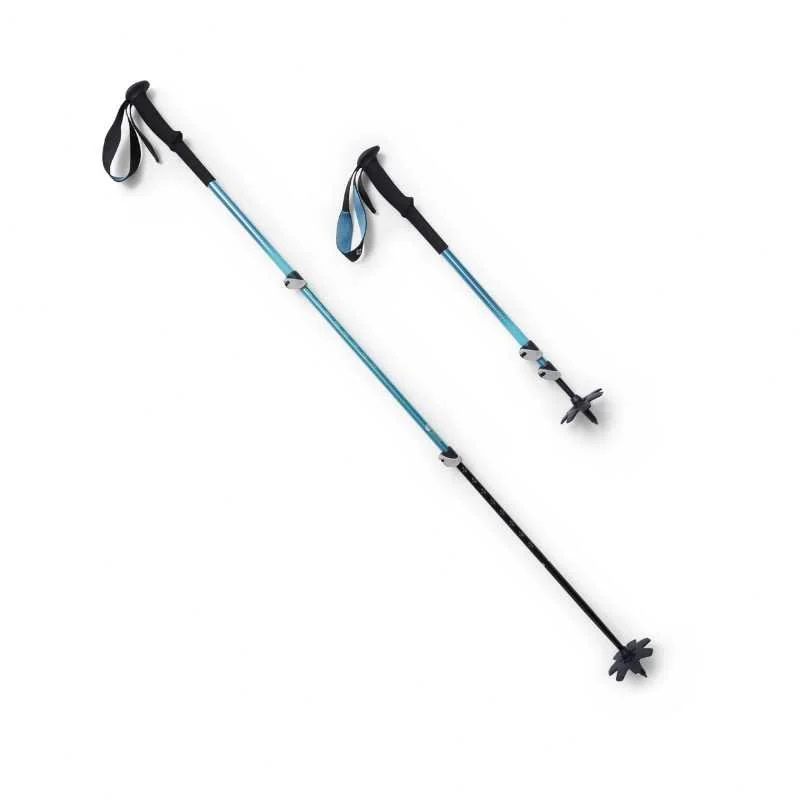
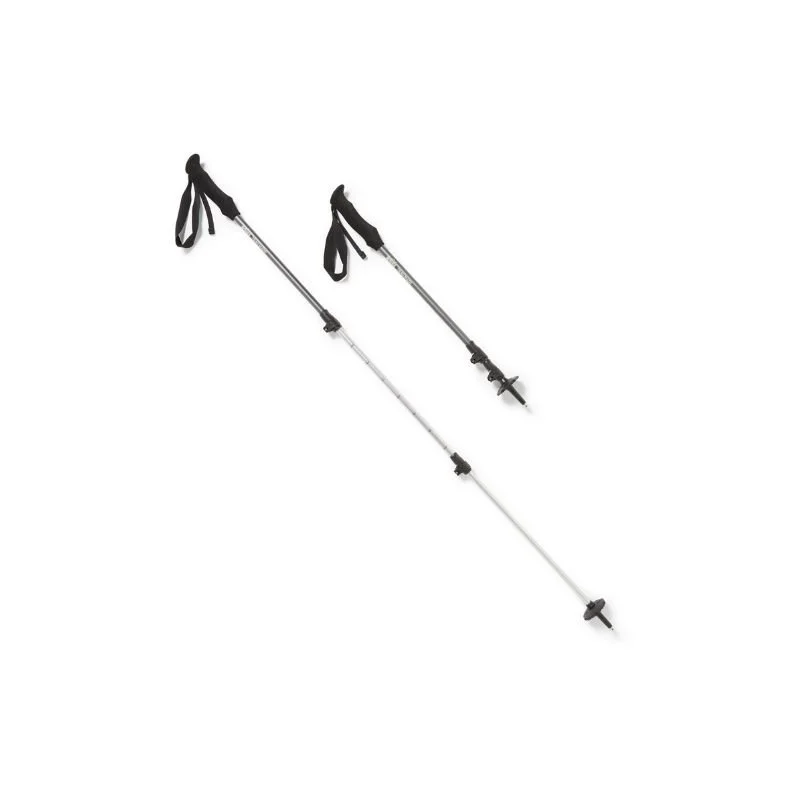
Outdoor Gear: Snowshoes, trekking poles, and microspikes are essential for winter adventures.
Safety & Essentials: Hand and foot warmers, extra camera batteries, emergency supplies, and a reliable daypack help you stay safe and comfortable.
Town vs Adventure: Pack layers that work for both exploring downtown Banff and heading out on trails or frozen lakes.
Spring Weather in Banff (April–June)
Spring in Banff is a season of transition. Snow melts in the valleys, trails can be muddy, and higher elevations may still hold snow. Temperatures slowly rise, but mornings and evenings remain chilly. Rain showers are common, and the spring sun can be surprisingly strong at altitude. Knowing what to expect helps you plan safe and enjoyable spring adventures.
Spring Conditions in Banff
Temperatures: Daytime highs range from 5–15°C (40–60°F), with cool mornings and evenings.
Snow & Ice: Snow may linger at higher elevations; trails can be muddy or slippery in lower areas.
Trail & Road Conditions: Melting snow can make hiking and driving slower; check trail reports before heading out.
Sun & Daylight: Longer days than winter, but sun at elevation can be strong.
What Spring Weather in Banff Means for Gear
Layering: Lightweight base layers or sun-hoodies, a warm mid-layer, and a waterproof/windproof shell are still useful.
Footwear: Waterproof boots or trail runners for muddy trails; gaiters help on snow patches.
Outdoor Essentials: Lightweight base layers or sun-hoodies, a warm mid-layer, and a waterproof/windproof shell are still important.
Adventure Planning: Be prepared for quickly changing conditions; early mornings can still be frosty.
Summer Weather in Banff (July–September)
Summer in Banff is warm, sunny, and ideal for outdoor adventures. Trails are mostly snow-free, lakes are thawed, and wildflowers bloom across the meadows. Afternoon thunderstorms are common, and alpine areas remain cooler. With long daylight hours, summer is perfect for hiking, sightseeing, and exploring the Rockies fully.
Summer Conditions in Banff
Temperatures: Daytime highs 15–25°C (60–77°F), cooler in alpine areas and evenings.
Trail & Road Conditions: Trails are generally dry and accessible; afternoon storms can appear suddenly.
Sun & Daylight: Strong sun at elevation; long days provide plenty of time for outdoor activities.
Water & Hydration: Warm weather increases hydration needs; water sources may be available but plan ahead.
What Summer Weather Means for Your Packing List
Layering: Lightweight, breathable shirts or sun-hoodies with a warm layer for cool evenings or alpine hikes.
Footwear: Hiking boots or trail runners; casual shoes or sandals for town.
Outdoor Essentials: Trekking poles, daypack, bug spray, and sun protection.
Fall Weather in Banff (September–October)
Fall in Banff is crisp, colorful, and often fleeting. Morning and evening temperatures drop quickly, and the first snow can appear at higher elevations. Trails are generally dry early in the season, and peak larch season brings golden forests. Shorter days and soft, golden sunlight make fall perfect for photography and quieter hikes.
Fall Conditions in Banff
Temperatures: Cool days 5–15°C (40–60°F), colder mornings and evenings; snow becomes more likely later.
Trail & Road Conditions: Trails are dry early in fall; late October may bring ice or early snow at higher elevations.
Sun & Daylight: Shorter days and lower sun angles create beautiful lighting.
Season Highlights: Vibrant larch trees and active wildlife make fall a scenic and peaceful season.
What Fall Weather Means for What to Bring
Outdoor Essentials: Trekking poles, daypack, and camera for waterfalls and wildlife.
Adventure Planning: Be prepared for quickly changing conditions; early mornings can still be frosty.
Layering: Lightweight base layers or sun-hoodies, a warm mid-layer, and a waterproof/windproof shell are still useful.
Footwear: Waterproof boots or trail runners for muddy trails, gaiters help on snow patches and potentially microspikes for slick trails
Adventure Planning: Be ready for rapidly changing weather; layers should work for both town exploration and alpine hikes.
What to Pack for Banff: A Complete Gear Guide
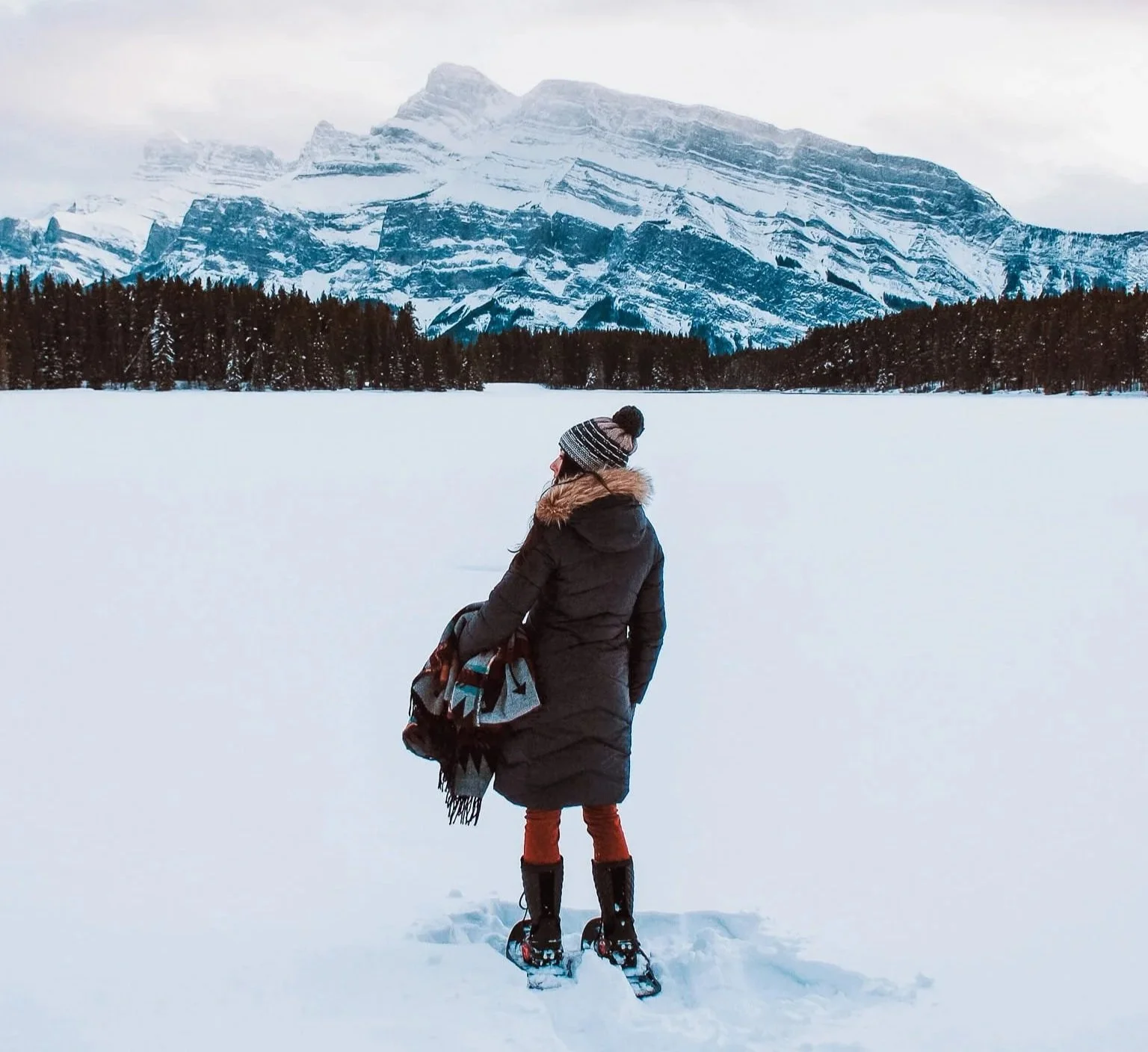
Snowshoeing around Two Jack Lake in the winter
Winter in Banff Packing List: What to Wear & Bring for Very Cold Weather Adventures
Visiting Banff in winter is incredible and very underrated, but you need to be prepared for very cold temperatures, snow, and constantly changing mountain conditions. Winter temperatures in Banff regularly dip well below freezing, and you’ll likely spend a lot of time outdoors, whether you’re snowshoeing to frozen lakes, ice skating at Lake Louise, riding the Banff or Lake Louise gondolas, or just wandering Banff Avenue with a hot coffee in hand.
This winter packing list covers exactly what to wear and bring for a comfortable, safe, and enjoyable trip. It’s based on our past winter trips to the Canadian Rockies, including a visit in February, when temperatures were cold enough to freeze my eyelashes, but still absolutely worth it.
If you’re still planning your itinerary, make sure to read The Ultimate Guide to Visiting Banff in Winter for things to do, where to stay, and winter driving tips.
Winter Clothing Essentials for Banff
Base Layers for Under Everything Else
A wool or synthetic top that is breathable and keeps you from overheating when working hard on the uphill, but also keeps you warm when spending time taking in the views is important to help regulate body temperature. If it’s sunny out, I still recommend a sun hoodie, even in fall and winter to protect your upper body from UV rays.
Merino wool base layer top – Warm, breathable, and odor-resistant, wool is always my go-to in the winter (especially for travel).
Base layer bottoms (optional) – Useful for very cold days, skiing, or wearing under snow pants. I usually only wear base layer bottoms on ski days, but if you get really cold hiking, you may want them for that as well.
Mid-Layers for Added Warmth
A mid-weight and breathable fleece or hybrid jacket is perfect for cold weather hiking, hanging out around town, or a little extra warmth on windy days. My new favorite layer is an Alpha Direct fleece, they are so light, incredibly soft, and the right amount of warmth. You can read more about fleece mid-layers in our Mid-Layer Guide.
Lightweight insulated jacket – Ideal for hiking, snowshoeing, or casual exploring.
Alpha direct or grid fleece – Lightweight, breathable, and perfect for cold-weather movement or wearing at the lodge and around town.
👉 For all of our favorite mid-layers for both men and women, check out our full fleece gear guide.
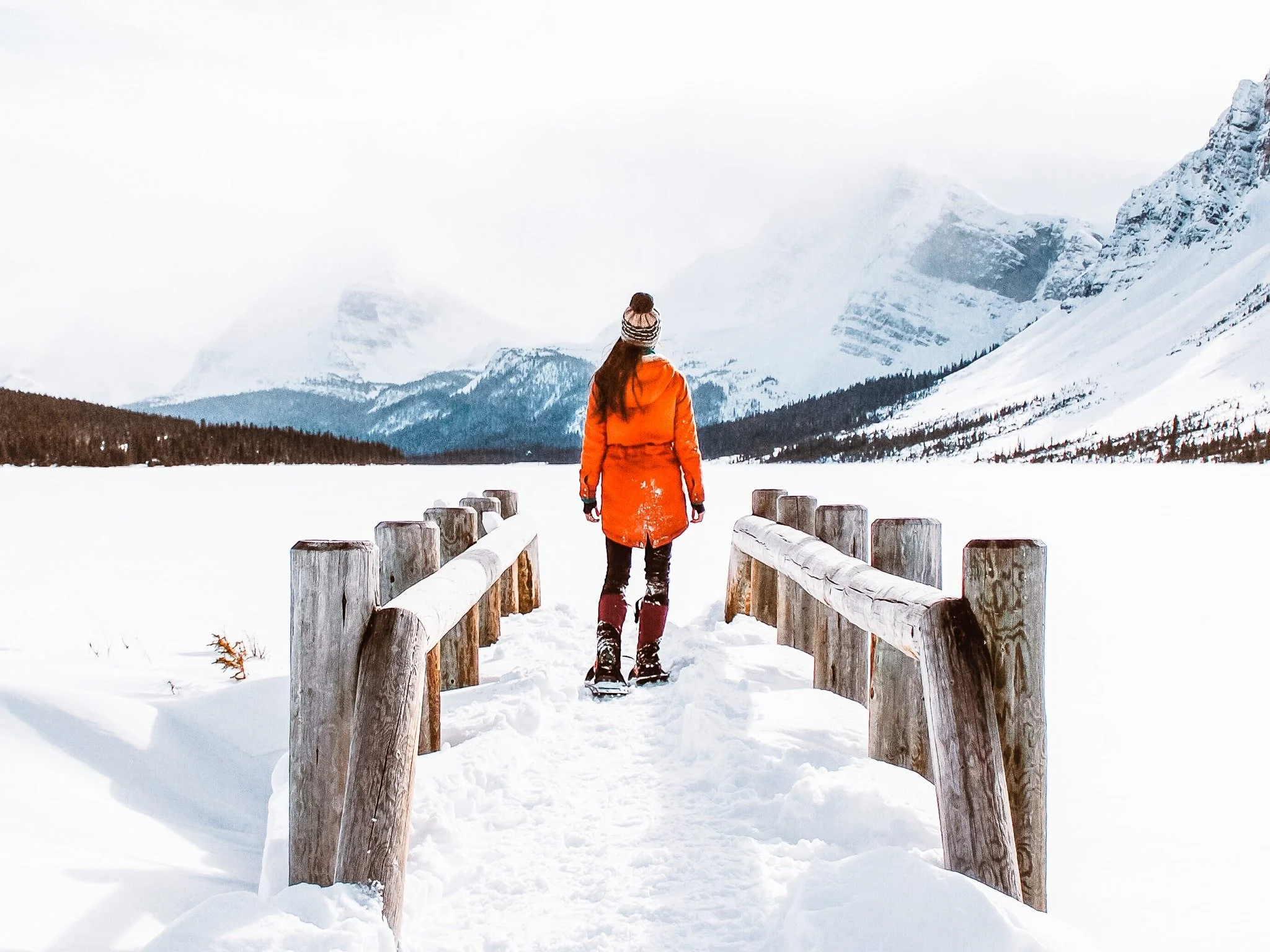
Snowshoeing around Bow Lake along Icefields Parkway in February
Insulated Jacket (Puffy or Parka)
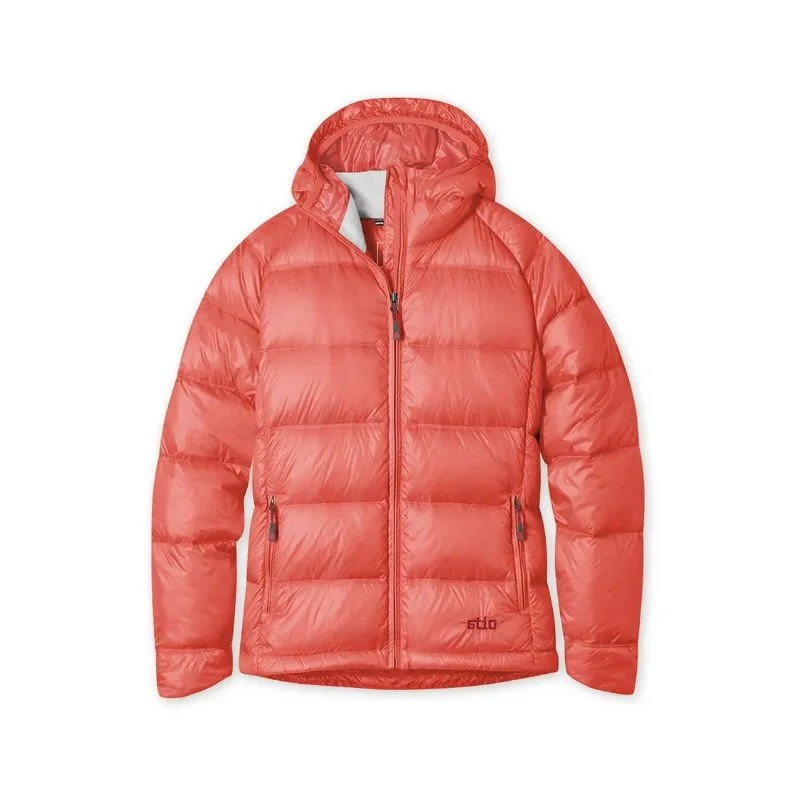
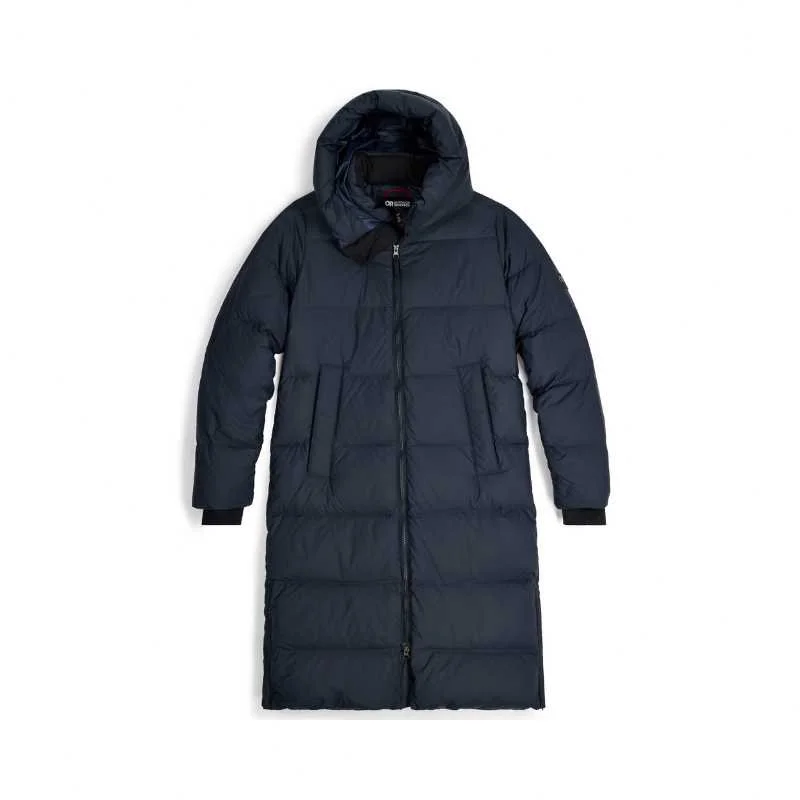
A warm down jacket and/or long down parka that provides extra insulation for freezing temps or when you’re walking around town and photo spots is a key layer for visiting Banff in the winter. When the temperatures are way below freezing, it’s nice to have most of your body covered.
Down or synthetic insulated jacket – Perfect for photo stops, viewpoints, and winter hikes.
Down parka – Full length coverage is great for walking around town or even short snowshoes and ice walks.


Pants for Adventures & Around Town
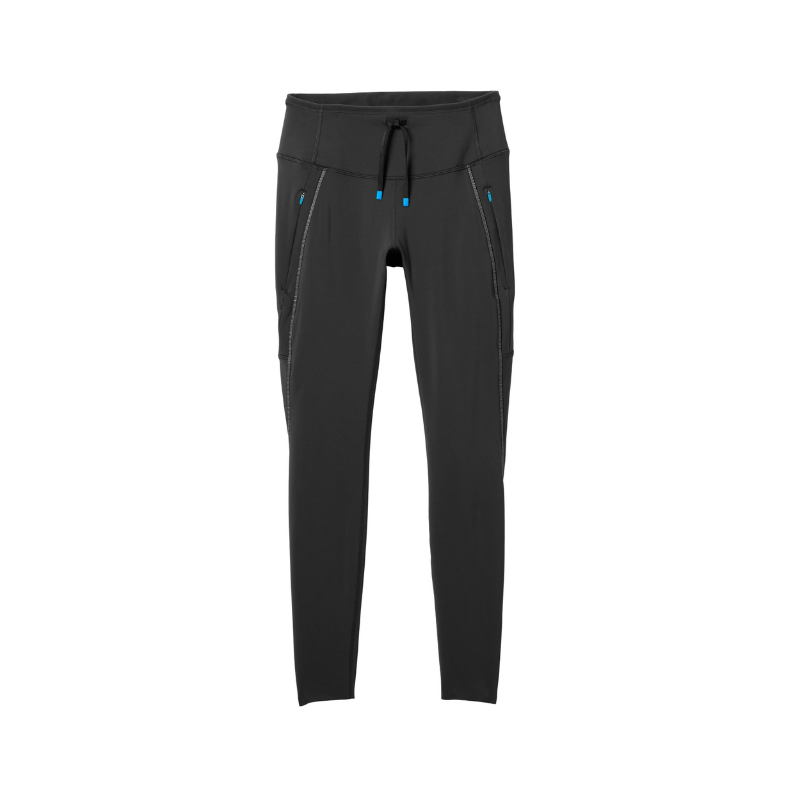
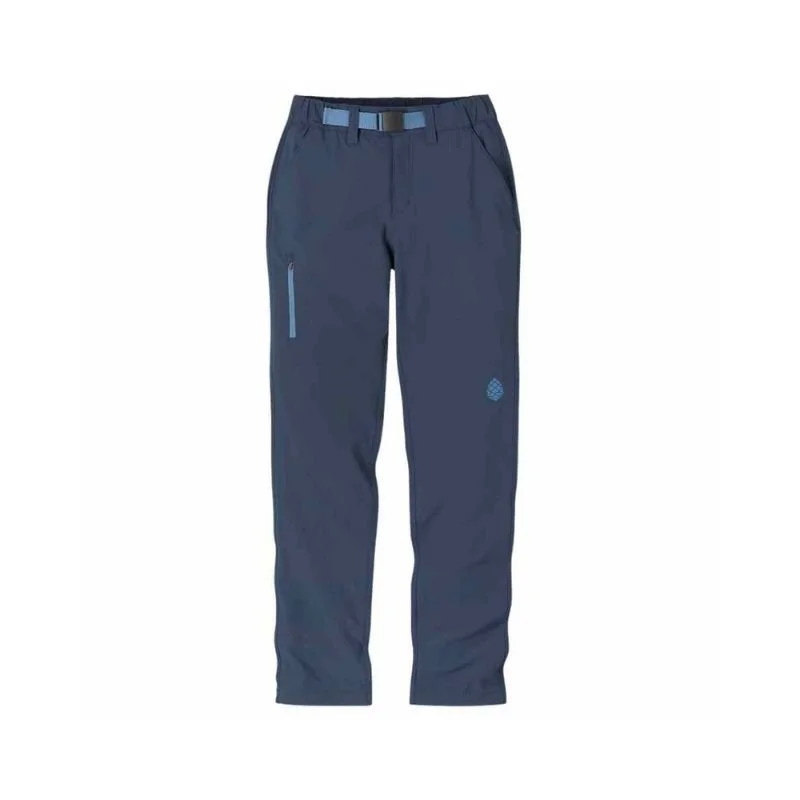
For hiking, it’s important to have either fleece lined leggings, or thick hiking pants that are wind resistant. Personally I love hiking in leggings and my favorite in winter are either brushed on the inside or fleece lined for severely cold climates. For Around town, we normally wear jeans, and this time of year, flannel lined jeans can be extra warm on cold days.
Duer Jeans - Shop our favorite jeans
Waterproof & Windproof Outer Layers
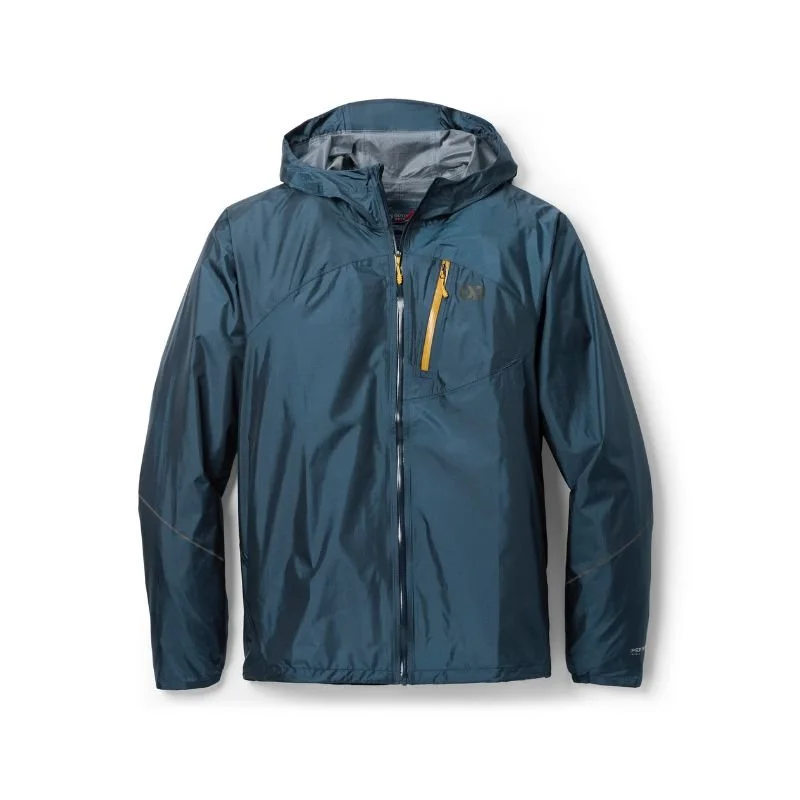
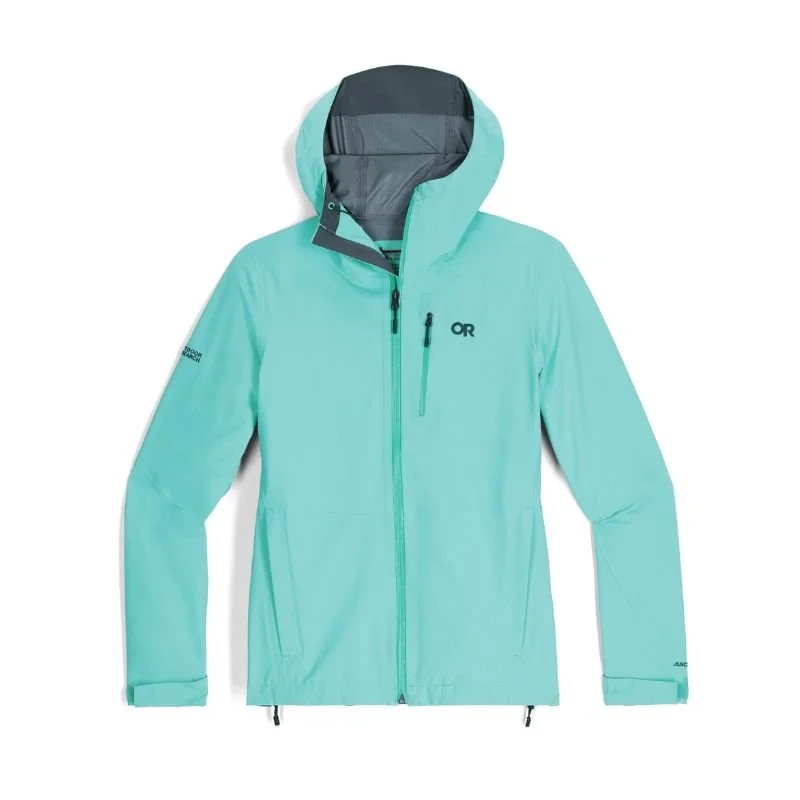
A waterproof rain jacket that blocks rain , snow, and wind, is important to keep you and your other layers dry. If it is going to be snowy on your hike, I always recommend Gore-Tex jackets since it will keep you the driest and breathes but it does come at a premium price. If you just want one to stash in your pack, the Outdoor Research Helium Rain jacket is a great, packable, and ultralight choice, and though it is waterproof, it is not Gore-Tex. If you are snowshoeing in deep snow, you may want a pair of snow pants or bibs, over base layer bottoms to help protect against the elements.
Waterproof shell jacket (Gore-Tex or similar)
Snow pants or waterproof rain pants – Needed if you snowshoe or hike regularly in deep snow, or if you are planning to ski.
Footwear for Winter in Banff
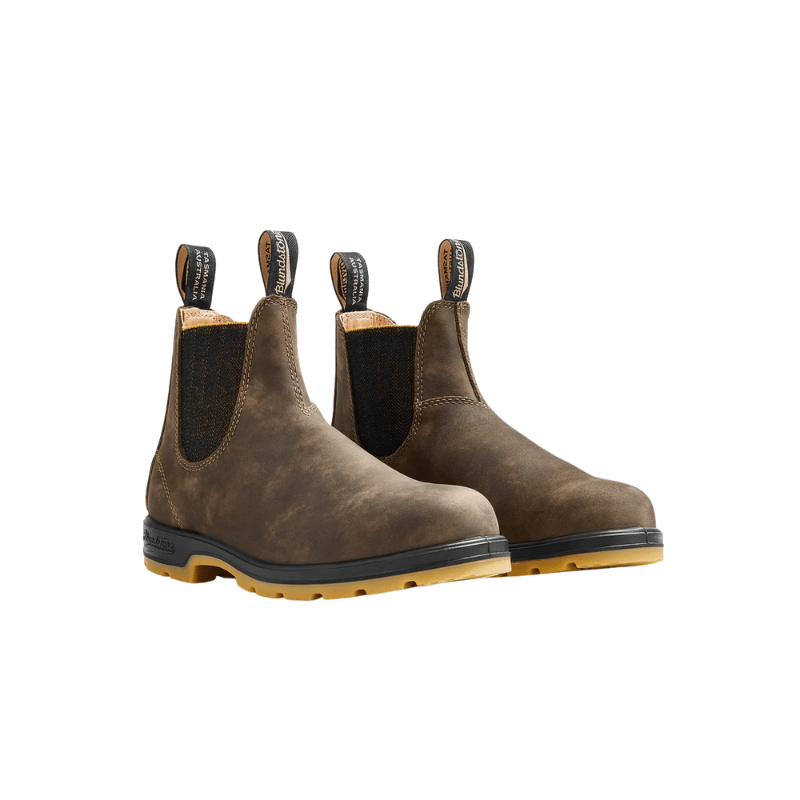
Banff streets in town and hiking trails can be snowy, slushy, or icy, so choosing the right footwear is critical. Insulated, waterproof boots are perfect for walking in snow and slushy streets. My favorite are Blundstone Thermal All-Terrain Boots for around town in the winter.
Everyday Walking Around & Time in Town
Insulated, waterproof winter boots with good traction
Warm wool socks (bring multiple pairs)
Hiking, Snowshoeing, and Uneven Terrain
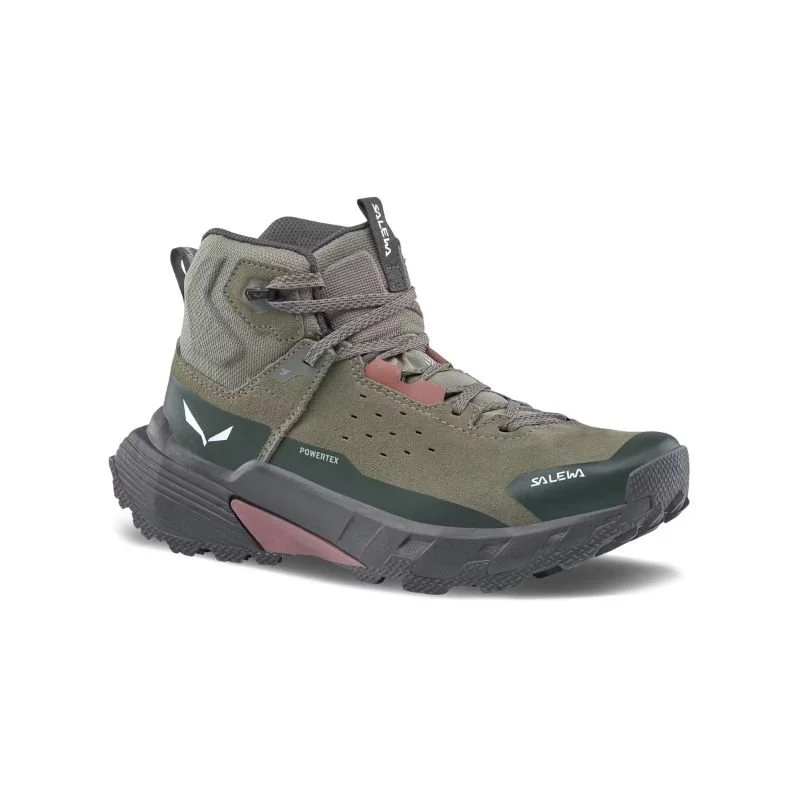
Insulated, waterproof hiking boots with strong grip
Warm boot socks and sock liners
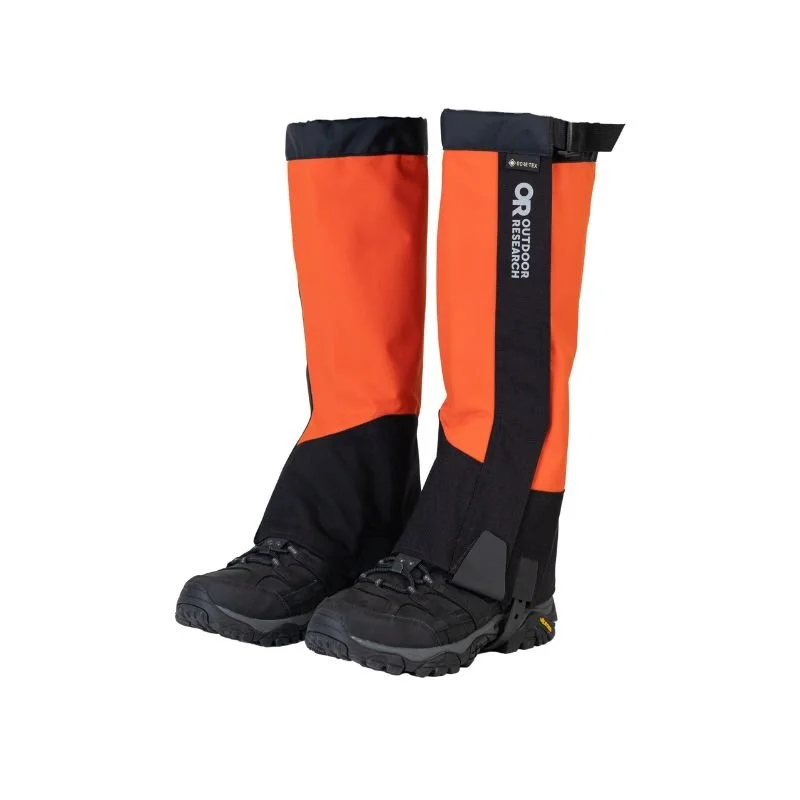
Gaiters - If you’re hiking in snow, or snowshoeing, you’ll want a good pair of gaiters to keep snow out of your boots.
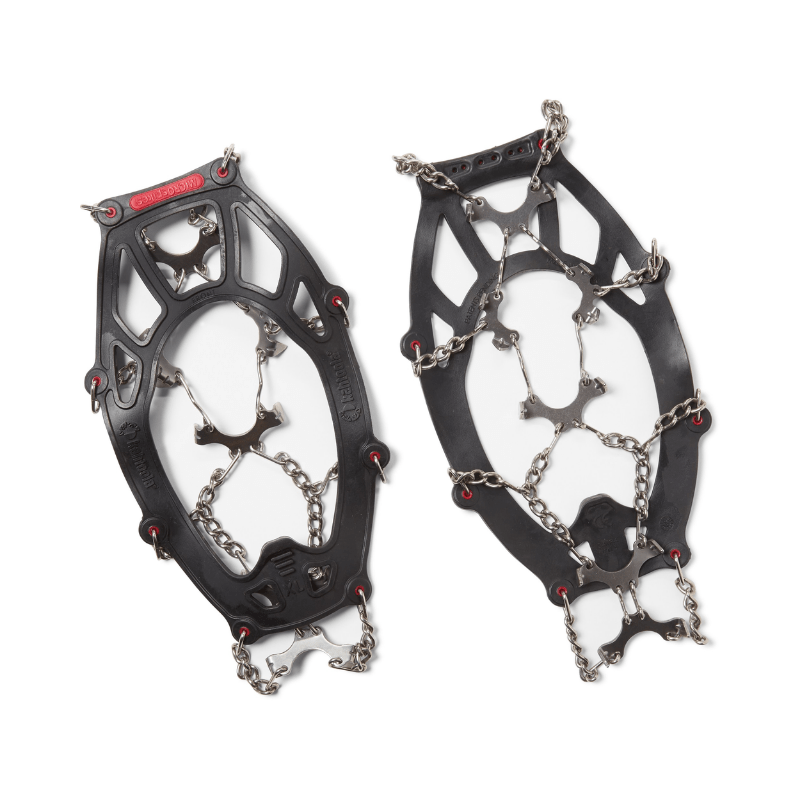
Microspikes for icy trails
Outdoor Gear for Winter Adventures in Banff National Park
Depending on your plans, these pieces of gear can significantly improve your experience when out on adventures around Banff National Park.
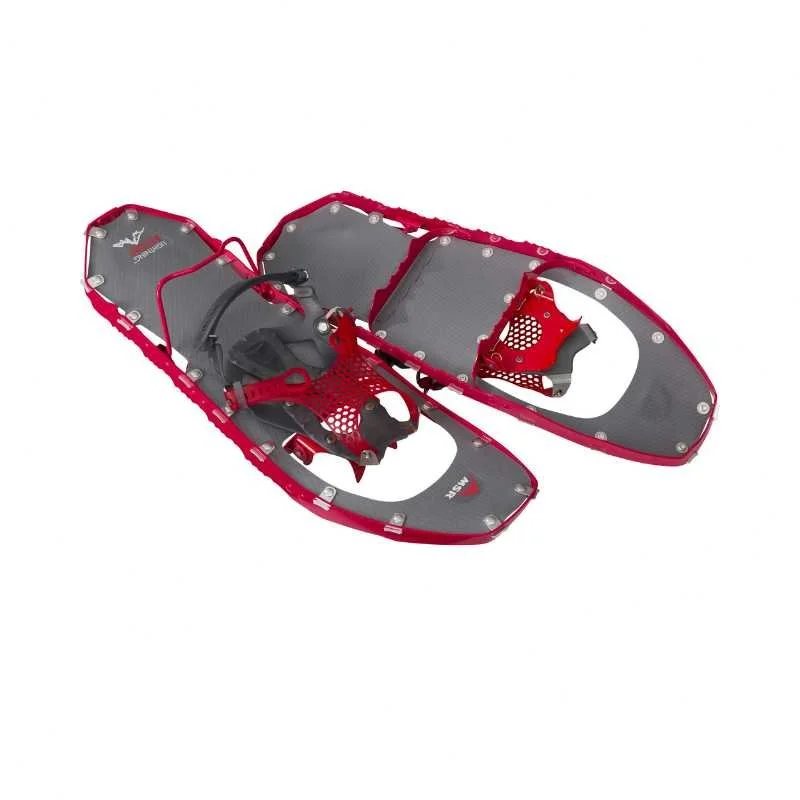
Snowshoes (bring your own with you or rent locally)
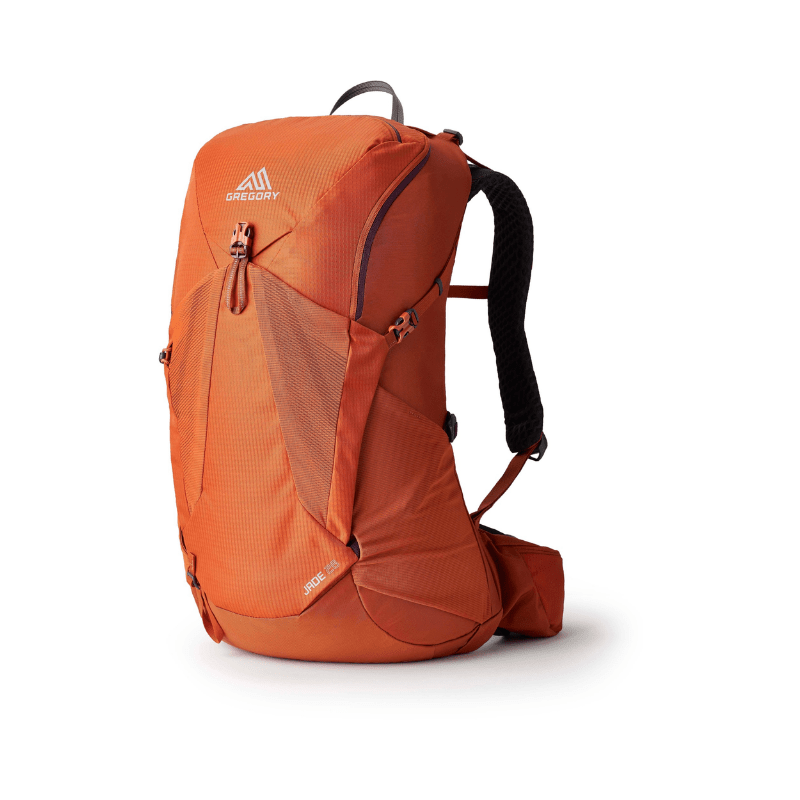
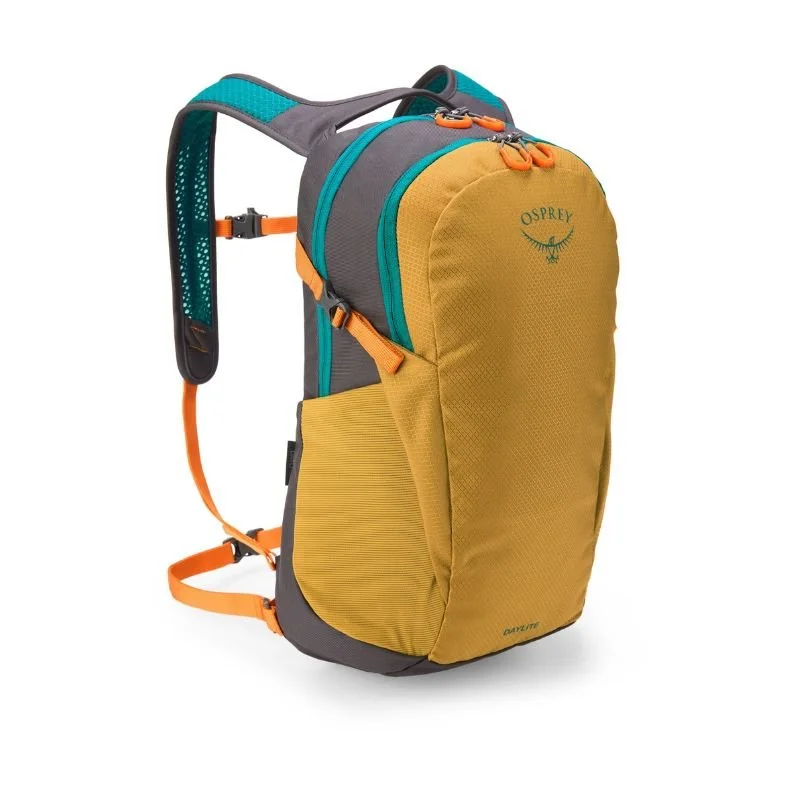
Daypack (20–30L) for layers, water, snacks, and camera gear.
Reusable water bottle to stay hydrated in cold weather.
Camera and camera gear - What I always bring with me as a photographer.
Extra camera batteries and protective gear for electronics in freezing temperatures.
Essential Winter Accessories for Banff
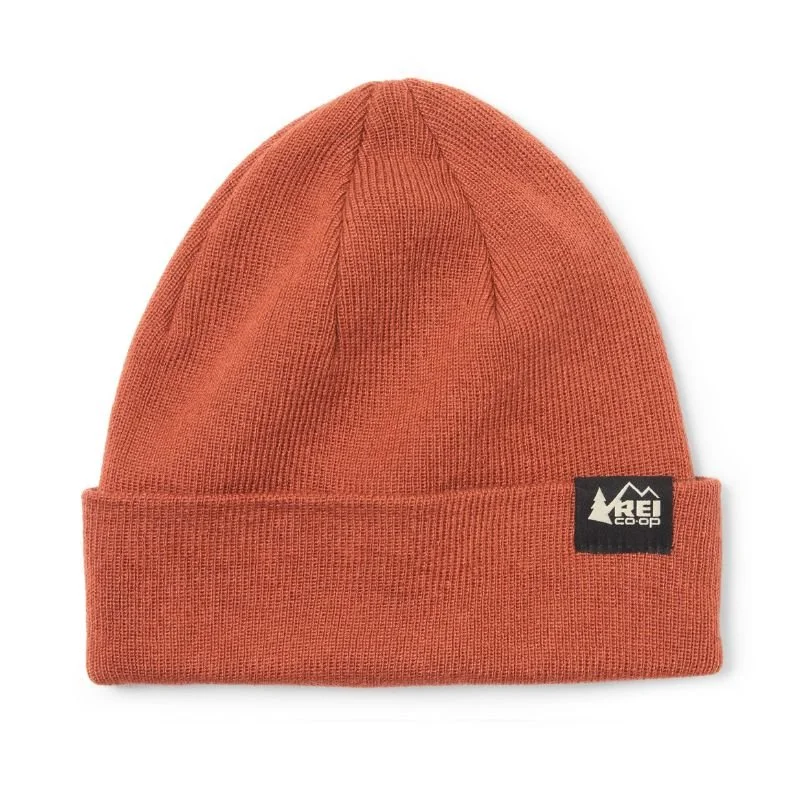
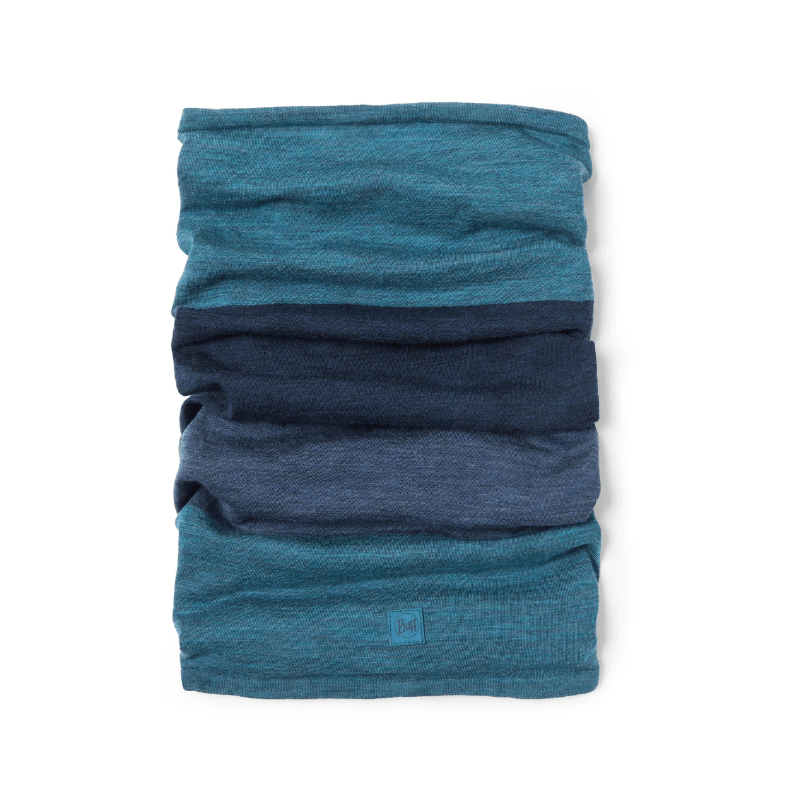
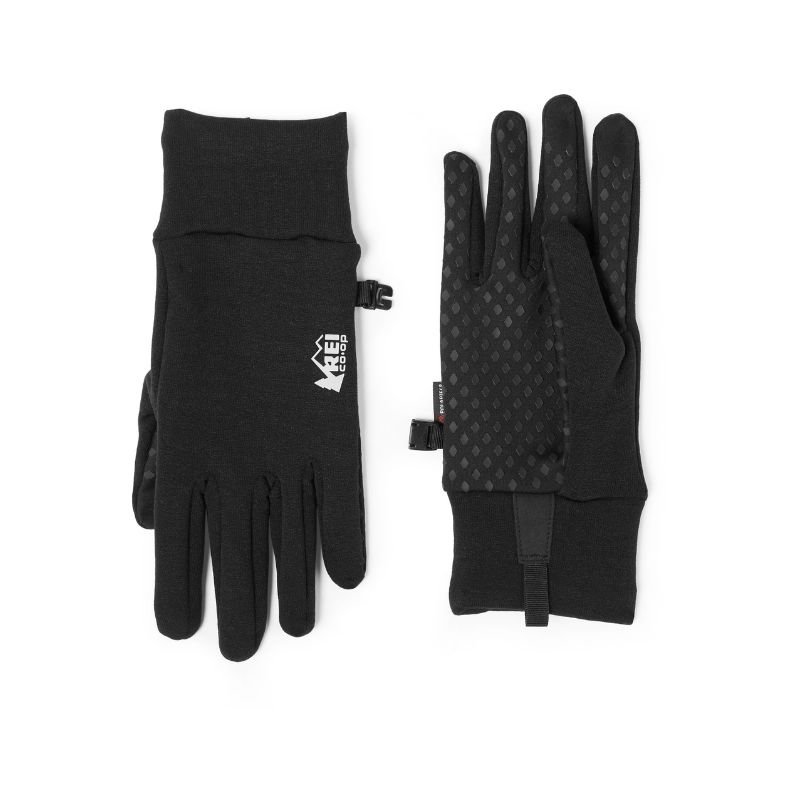
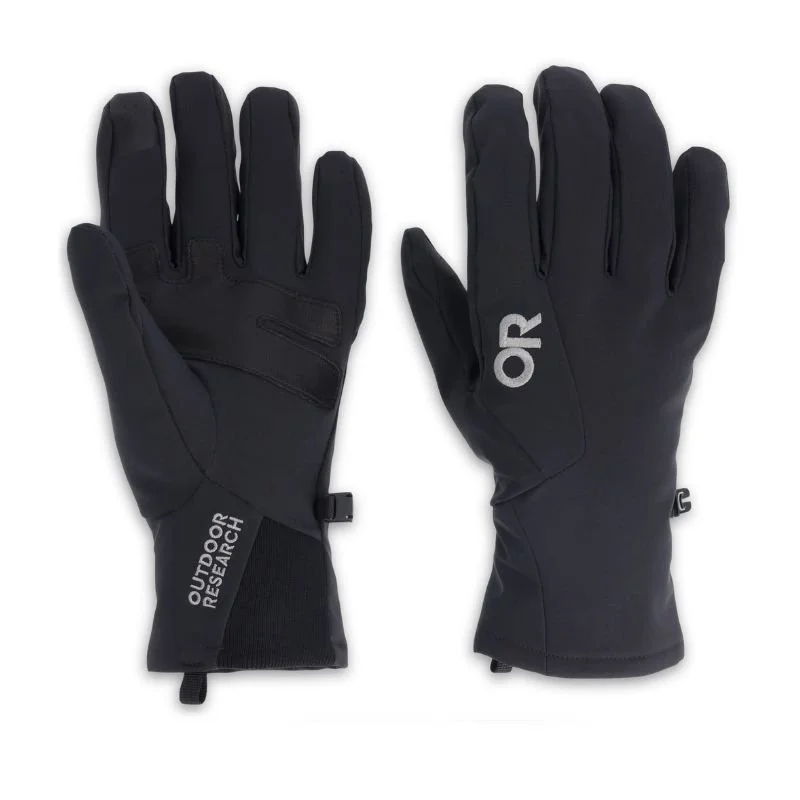
I always bring a warm hat, gloves, and a buff on all winter adventures, and then thin liner gloves work well for mild conditions, while insulated gloves keep your hands warm.
Hydration bladder with an insulated hose or a reusable water bottle to stay hydrated in cold weather.
Snacks (nuts, bars, sandwiches) - Fuel for long climbs and colder temps.
Navigation (map, compass, offline map app like Gaia GPS) - Cell service is unreliable, always download the map prior to leaving service.
Lightweight gloves – Perfect for hiking or photography.
Insulated gloves or mittens – For very cold days and long stops outside.
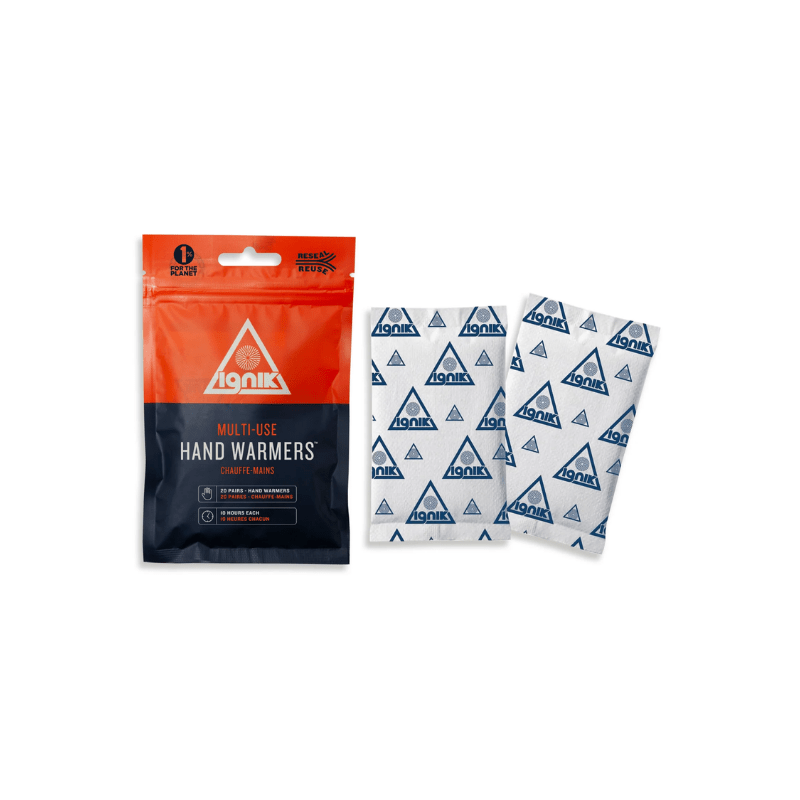
Hand & foot warmers – Especially useful for ice skating, sunrise views, or photo stops.
Sunglasses and sunscreen – Winter sun reflects off snow strongly.
An SPF lip balm – For dry, cold air and chapped lips.
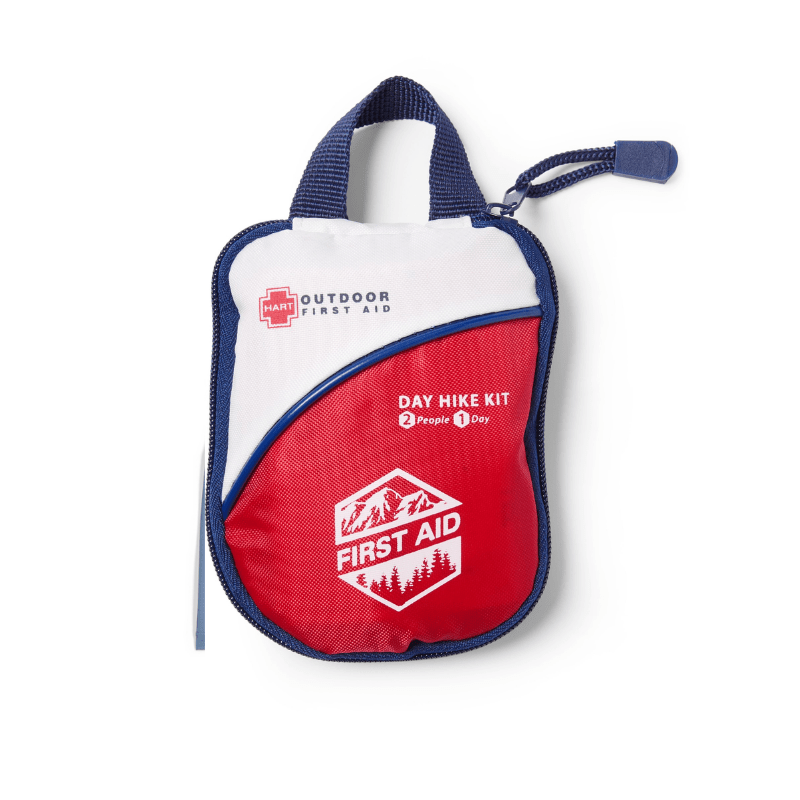
First aid kit - With an additional emergency blanket.
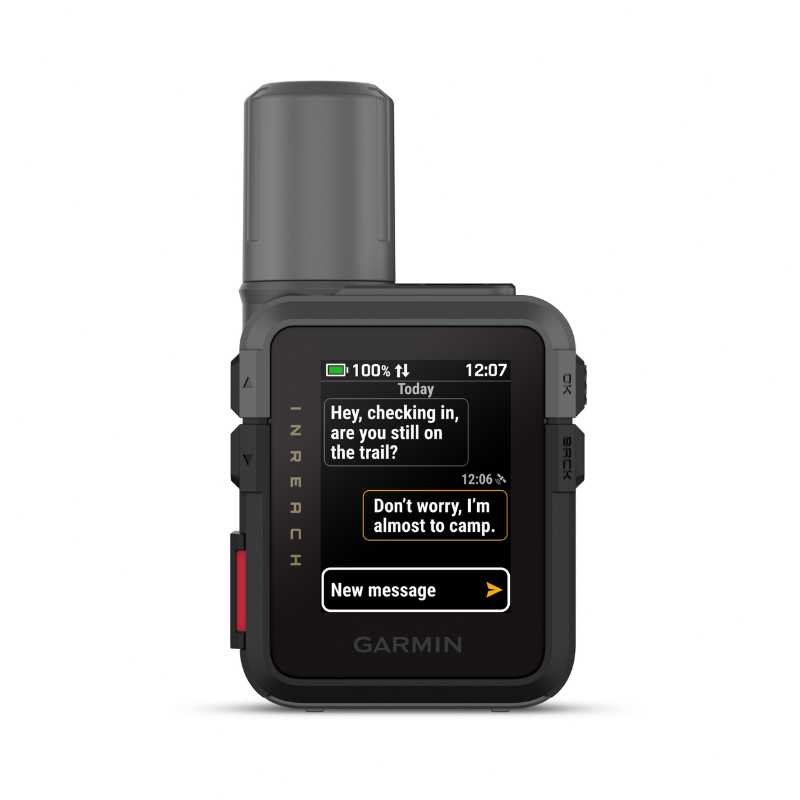
Garmin inReach Mini 3 - A compact satellite communicator that lets you send messages, share your location, and call for help, even when you're far off the grid.
Headlamp - For early morning or late hikes, the sun rises late and sets very early in the winter, so you want to be prepared for hiking out in the dark.
Buff - Works great in cooler weather and for skiing, it can also double as a snot rag…
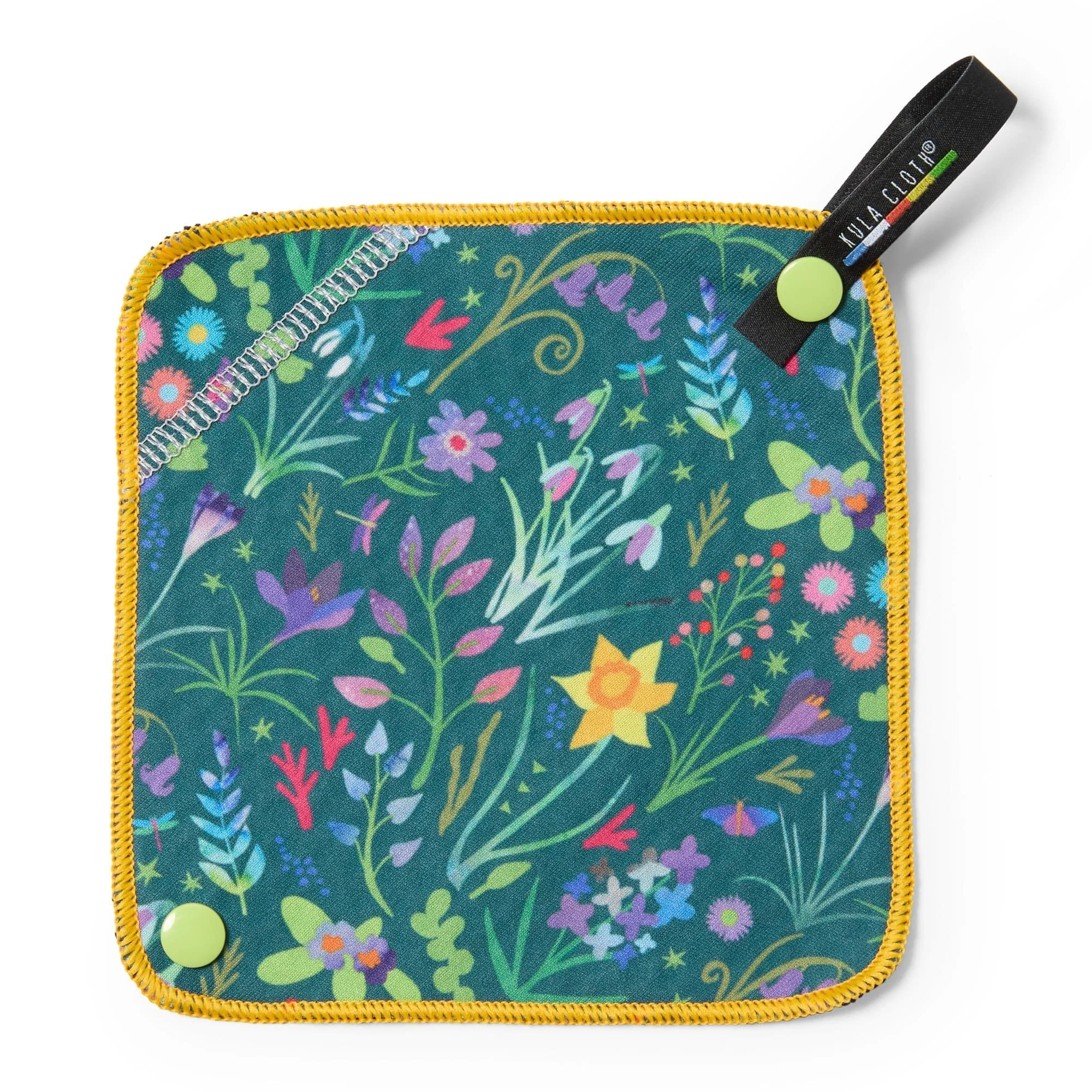
Kula Cloth (for the ladies) - An antimicrobial pee cloth that clips to the outside of your pack and dries while you are hiking. I use the same one for three day trips, and then bring a second for longer trips to swap out when needed.
What to Pack for Banff in Spring & Fall
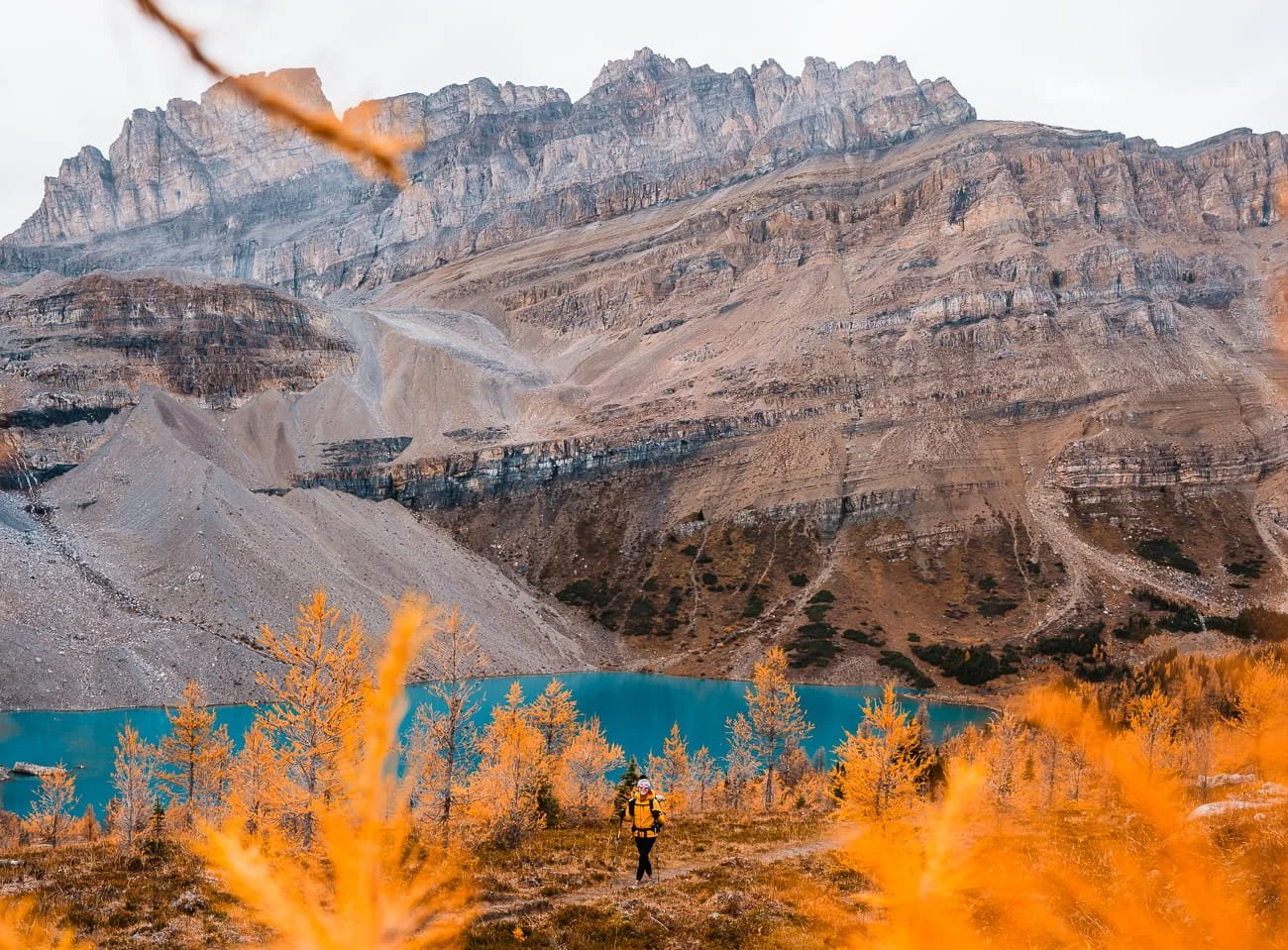
Hiking Skoki Lakes in Banff during larch season in the fall
Shoulder Season Packing Essentials for Spring & Fall in Banff
Spring in Banff brings milder temperatures, melting snow, and increasingly accessible trails, but conditions can still be unpredictable. Snow often lingers at higher elevations, while lower trails can be muddy as the snow melts. Fall brings crisp air, fewer crowds, and stunning colors, but also colder temperatures, rain, and the chance of early snowfall.
Whether you’re hiking, wildlife spotting, or exploring town, packing layers and versatile gear is essential for a comfortable and safe visit to Banff and the Canadian Rockies during the shoulder seasons.
Visiting Banff in the fall? Check out our Banff Larch Hiking Guide to see the best fall colors in and around Banff National Park.
Clothing & Layers for Shoulder Season Adventures
Base Layers
Lightweight base layers are better for regulating temperature on active days and warmer seasonal temperatures.
A sun hoodie or sun shirt, breathable and moisture-wicking for warmer sunnier days.
Mid-Layers for Added Warmth in Cool Temperatures
Spring and fall mornings and evenings can still be cool (to downright cold), fleece and wind-resistant mid-layers are essential to adjust your body temperature on the go.
Fleece jacket or lightweight insulated layer – Easy to add or remove when temps change.
Softshell or wind jacket – Wind-resistant and ideal for spring weather hikes
👉 Check out our full guide on The Best Fleece Mid-Layers for Hiking & Backpacking
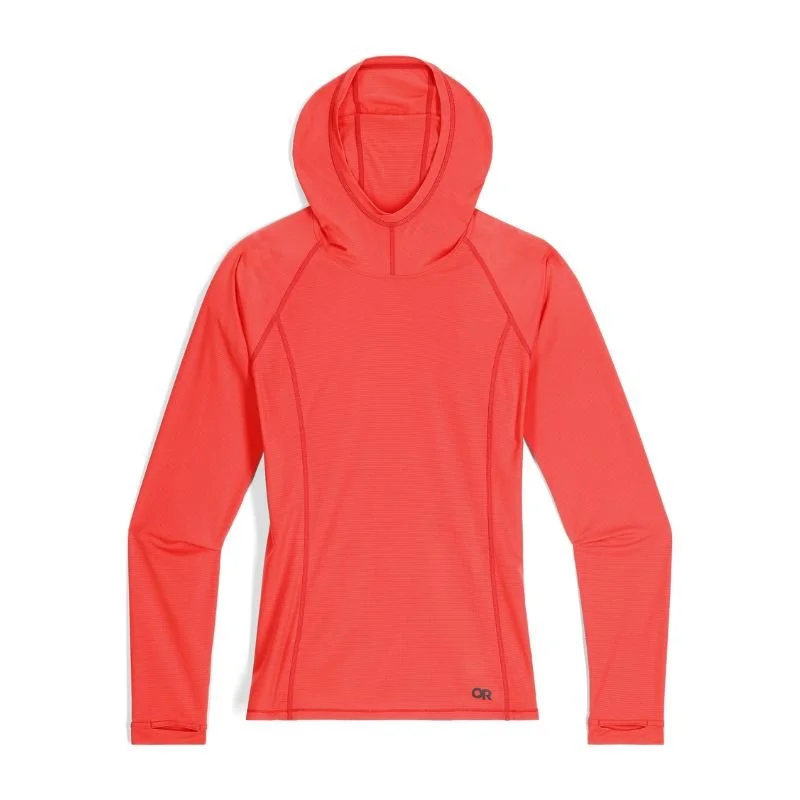
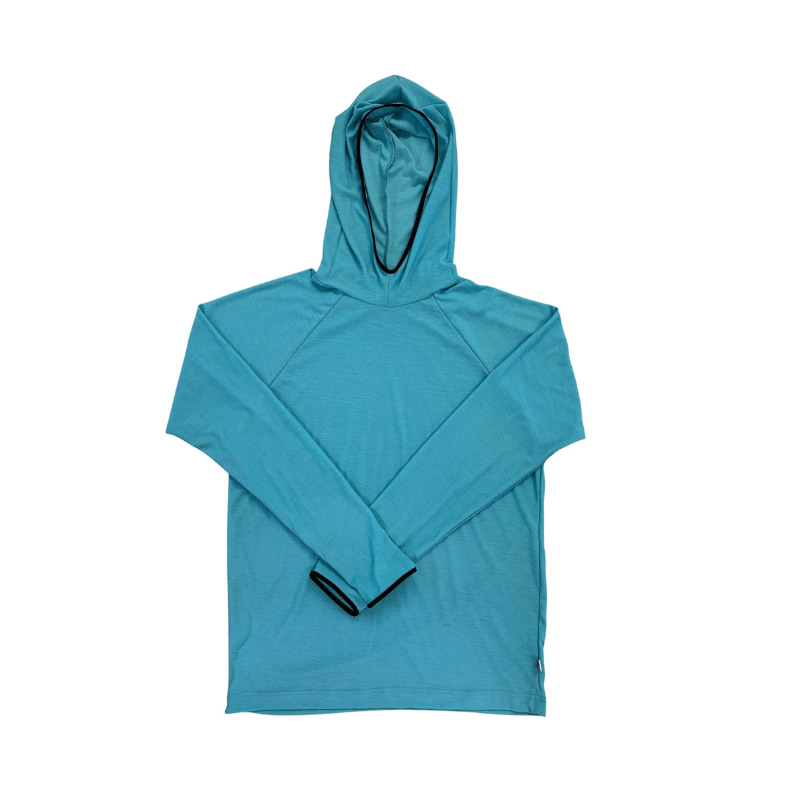
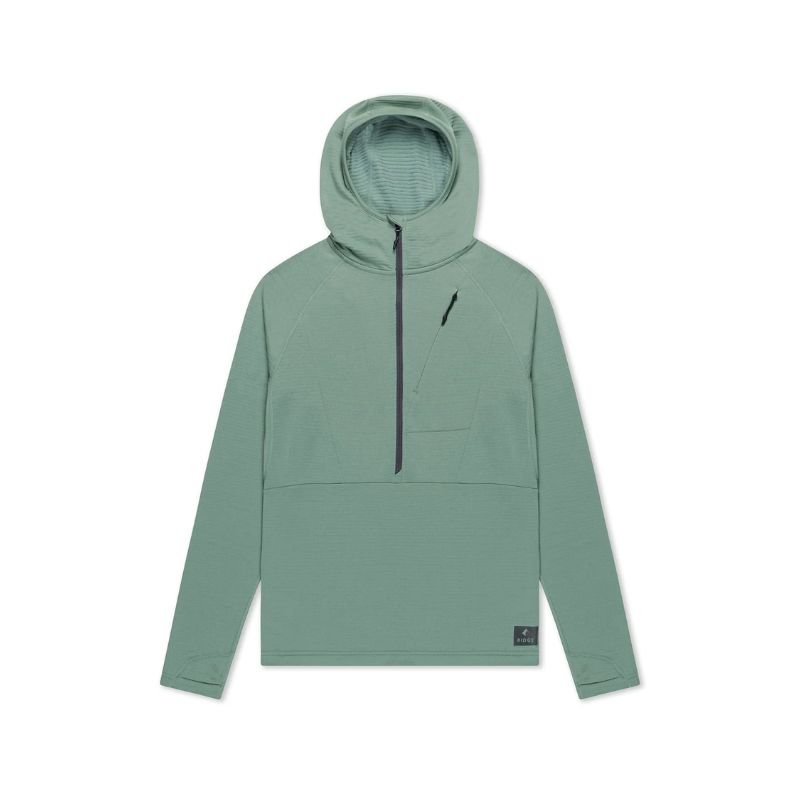
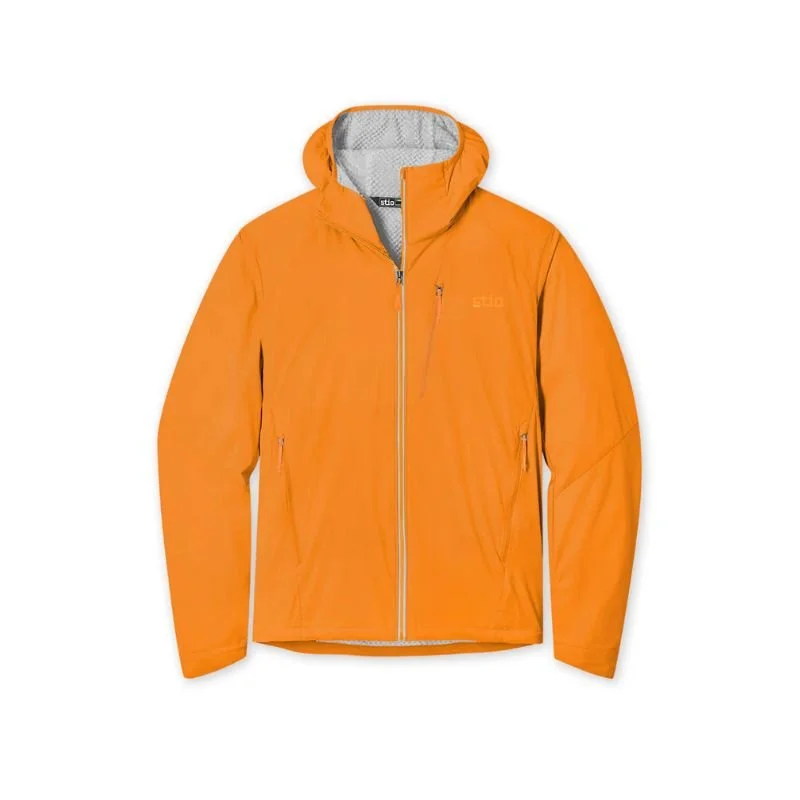
The Best Outer Layers for Spring & Fall Weather
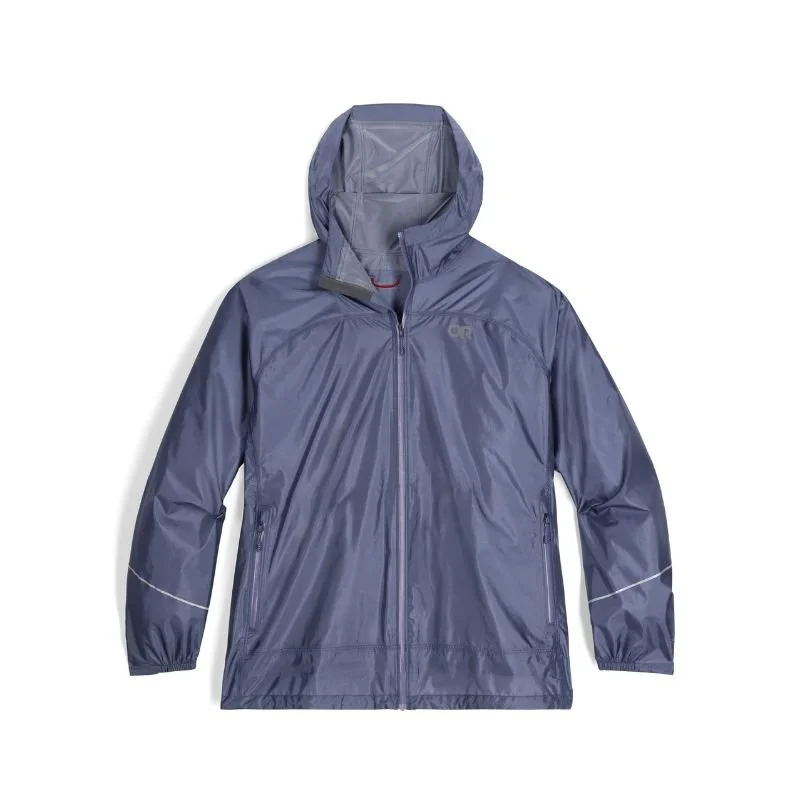
Protect against rain, wind, and occasional snow, which can happen all year round in the mountains of the Canadian Rockies.
Waterproof shell jacket (Gore-Tex or similar)
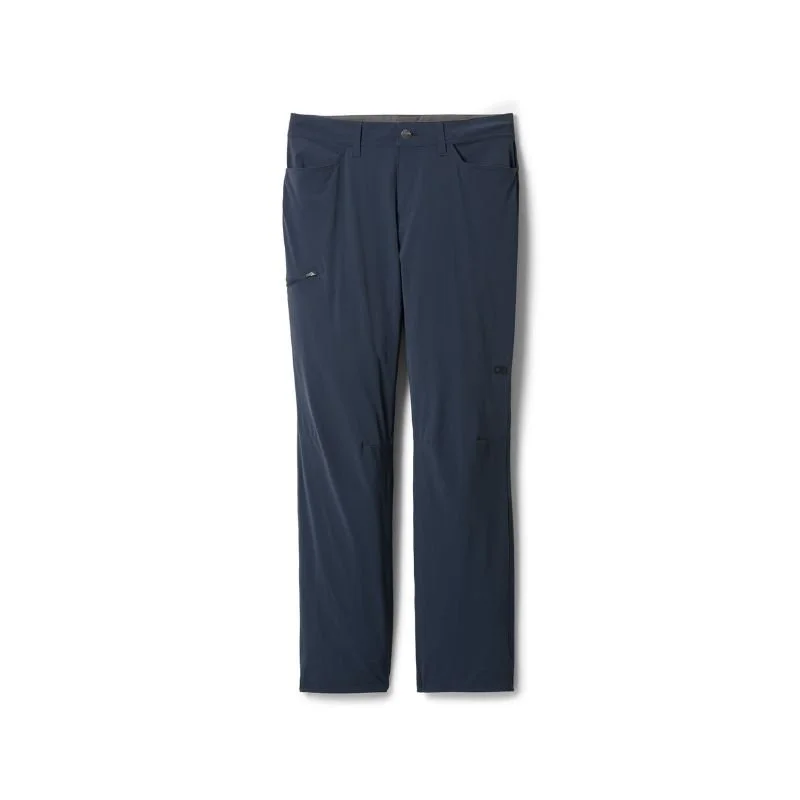
Lightweight rain pants or water-resistant hiking pants
Footwear for Spring or Fall in Banff
Spring conditions vary from muddy trails to leftover snow patches, and fall can mean a lot of rain and snowfall, so versatile footwear is important in the shoulder seasons.
Shoes for Hiking & Uneven Terrain
Waterproof hiking boots or lightweight trail runners for comfort on muddy or wet trails.
Salewa Pedroc 2 Leather Mid Powertrex Boots - Men’s | Women’s - These are by far the most comfortable hiking boots I have ever worn, and I have tried a ton over the years. We both love these for shoulder season and winter hiking.
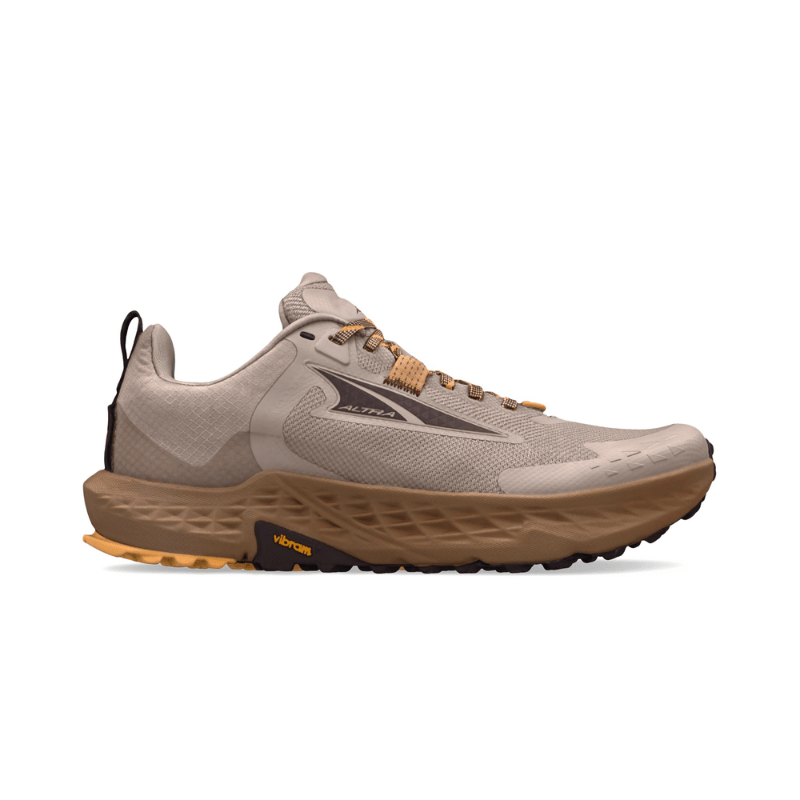
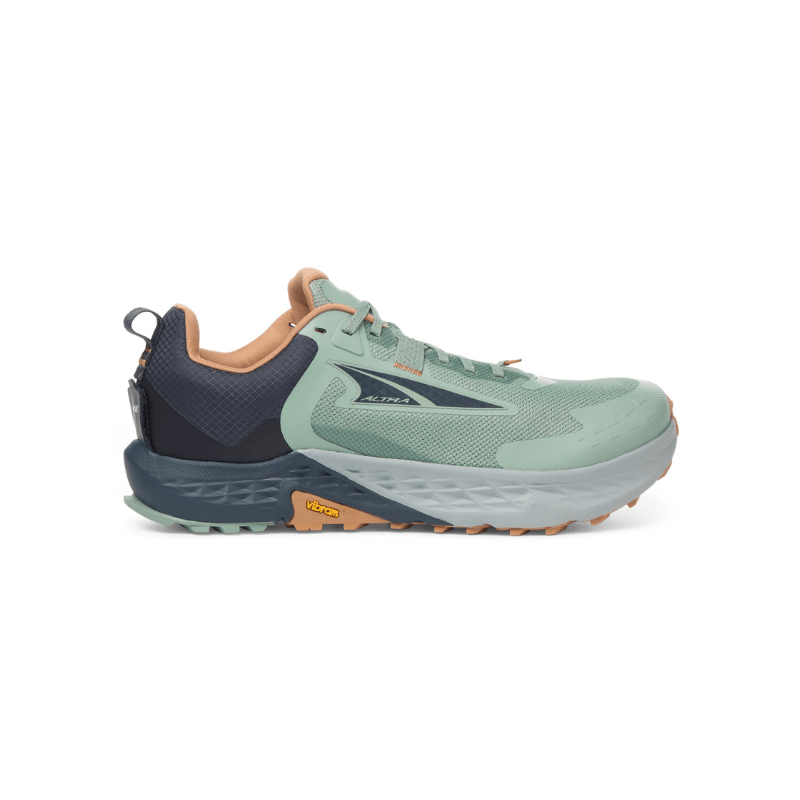
Altra Timp 5 Trail Runners (Skye’s top pick) - Men’s | Women’s
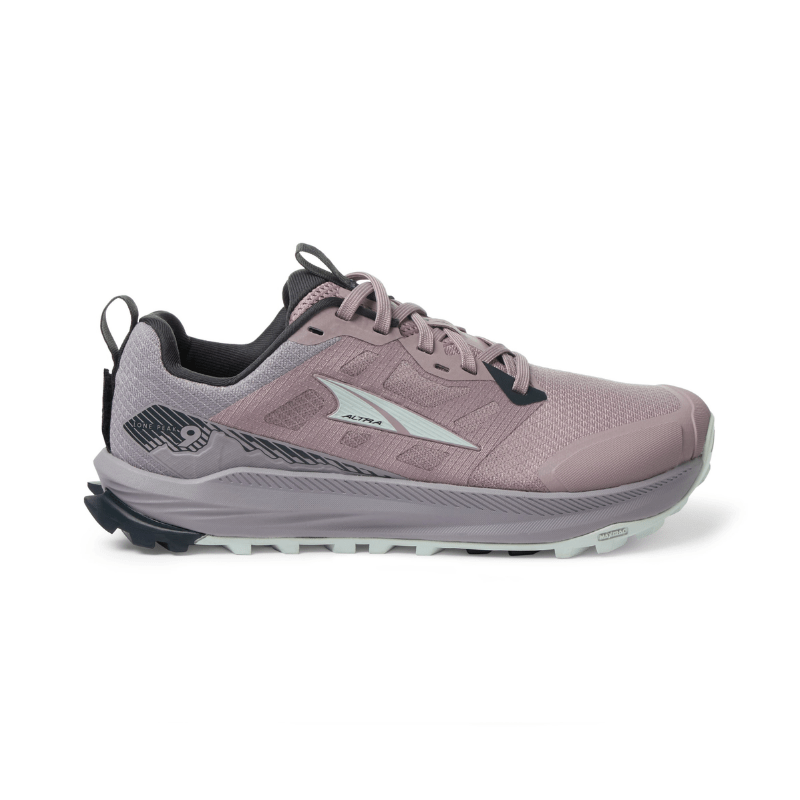
Altra Lone Peak 9 Trail Runners (Garrett’s top pick) - Men’s | Women's - Garrett’s favorite for his wide feet
Lightweight gaiters to keep dirt and melting snow out of boots.
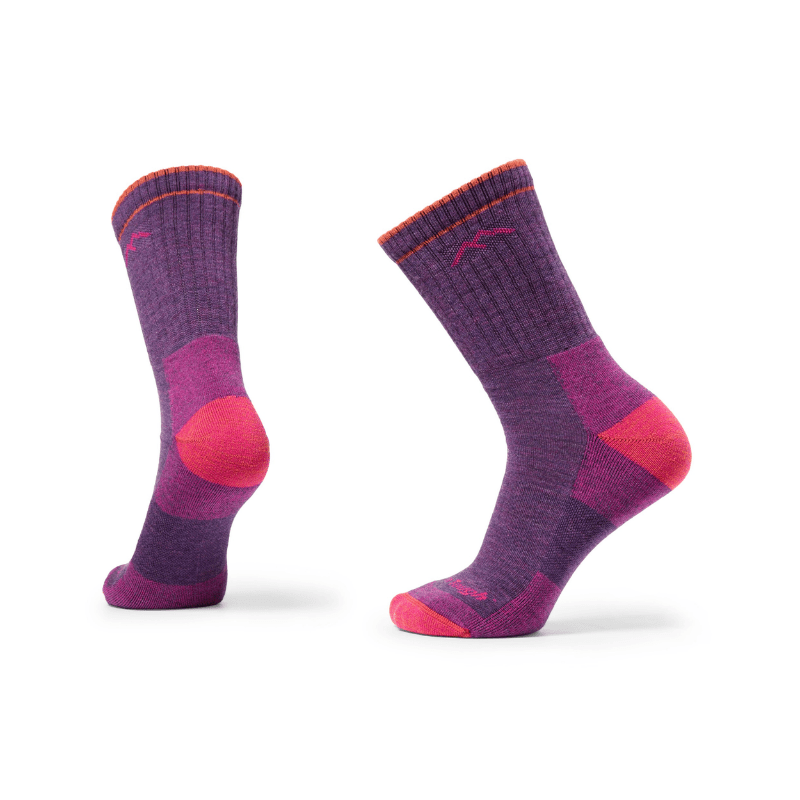
Warm hiking socks for toasty, blister free feet. We both really like to use a sock liner and then a wool sock when hiking in colder weather.
Microspikes if venturing onto icy trail remnants or dealing with fall snowfall.
Outdoor Gear for Spring & Fall Adventures in Banff
Hydration bladder or a reusable water bottle to stay hydrated.
Snacks (nuts, bars, sandwiches) - Fuel for long climbs and colder temps.
Navigation (map, compass, offline map app like Gaia GPS)
Daypack (20–30L) for layers, water, snacks, and camera gear.
First aid kit with an additional emergency blanket
Lightweight gloves – Perfect for hiking or photography.
Sunglasses and sunscreen
Garmin inReach Mini 3 - A compact satellite communicator that lets you send messages, share your location, and call for help, even when you're far off the grid.
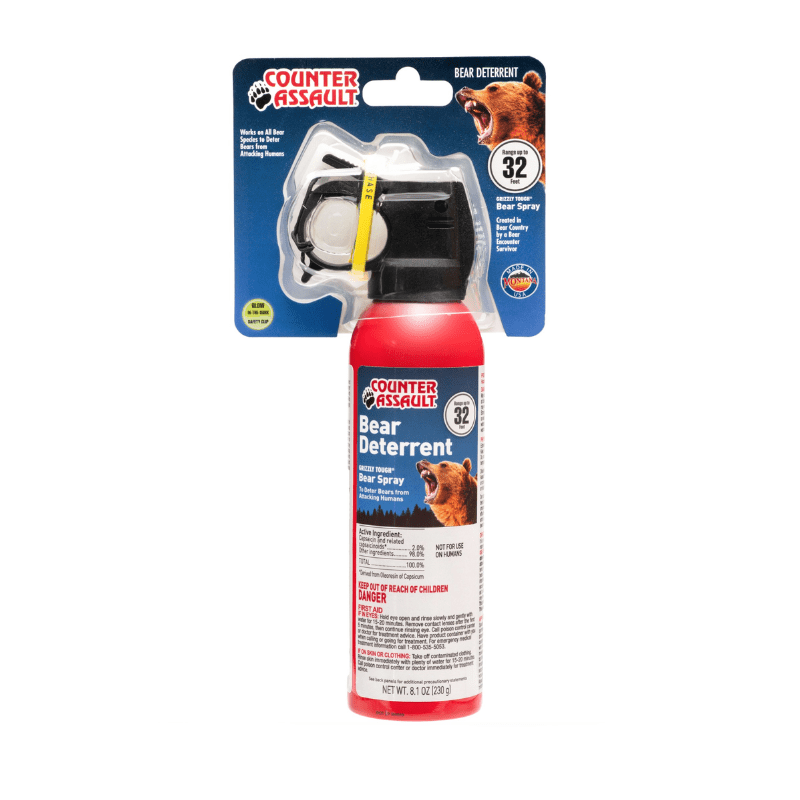
Bear Spray - Very important to have on all hikes in the Rockies.
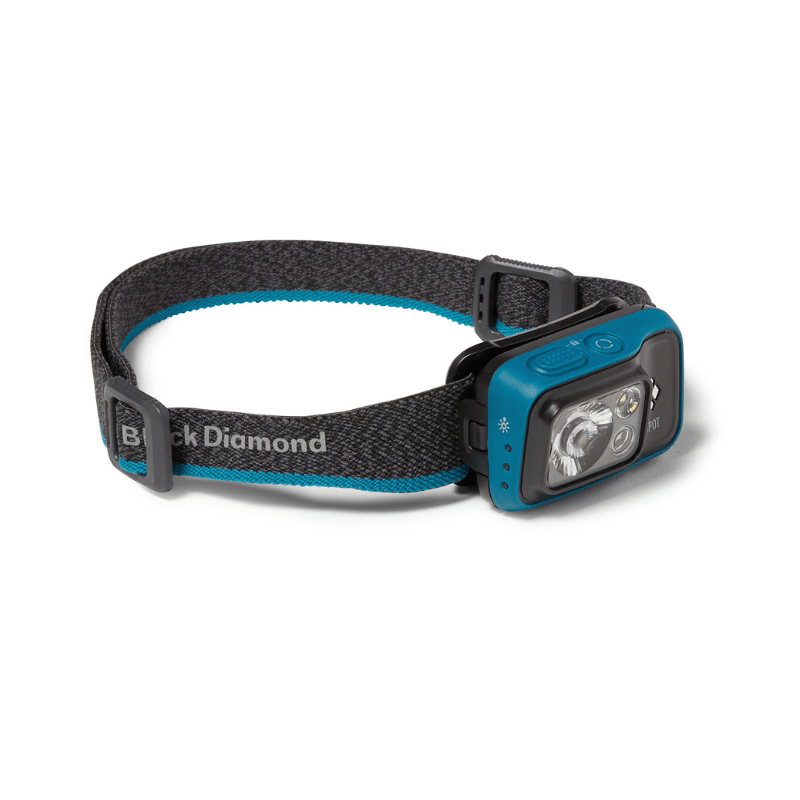
Headlamp for early morning or later sunset hikes.
Buff - Works great in cooler weather, doubles as a snot rag.
Kula Cloth (for the ladies) - An antimicrobial pee cloth that clips to the outside of your pack and dries while you are hiking. I use the same one for three day trips, and then bring a second for longer trips to swap out when needed.
What to Pack for Banff in the Summer
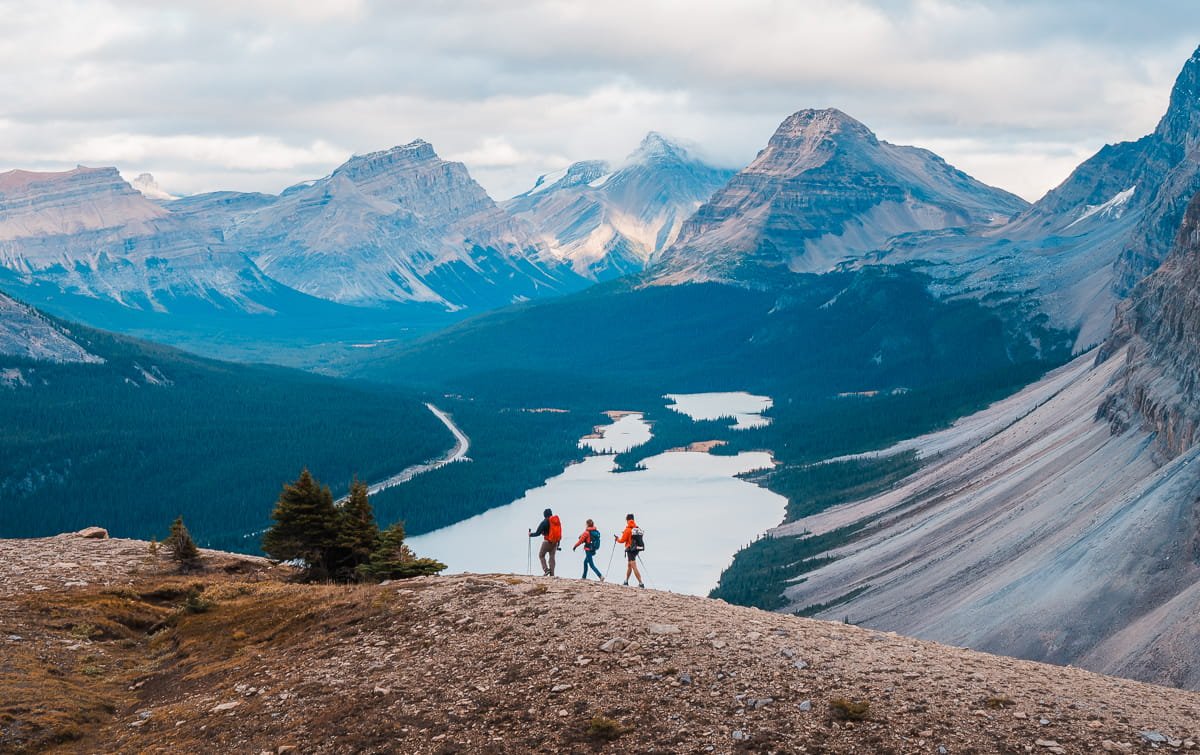
Hiking above Bow Lake
Summer Packing Essentials for Banff & the Canadian Rockies
Summer in Banff is peak adventure season. Trails are mostly snow-free, alpine lakes are accessible, and long daylight hours make it easy to pack in full days of hiking, sightseeing, and time outside. While daytime temperatures are generally comfortable and warm, weather in the Canadian Rockies can still change quickly, especially at higher elevations, making smart layering and sun protection essential.
Whether you’re hiking to turquoise alpine lakes, backpacking in the mountains, or spending long days exploring the town of Banff and the Lake Louise area, this summer packing list covers exactly what to bring to stay comfortable, protected, and prepared, from valley hikes to cool alpine evenings.
👉 Heading on a backpacking trip while in Banff National Park? Check out our guide on What to Pack for Backpacking.
Clothing & Layers for Summer Adventures
Base Layers
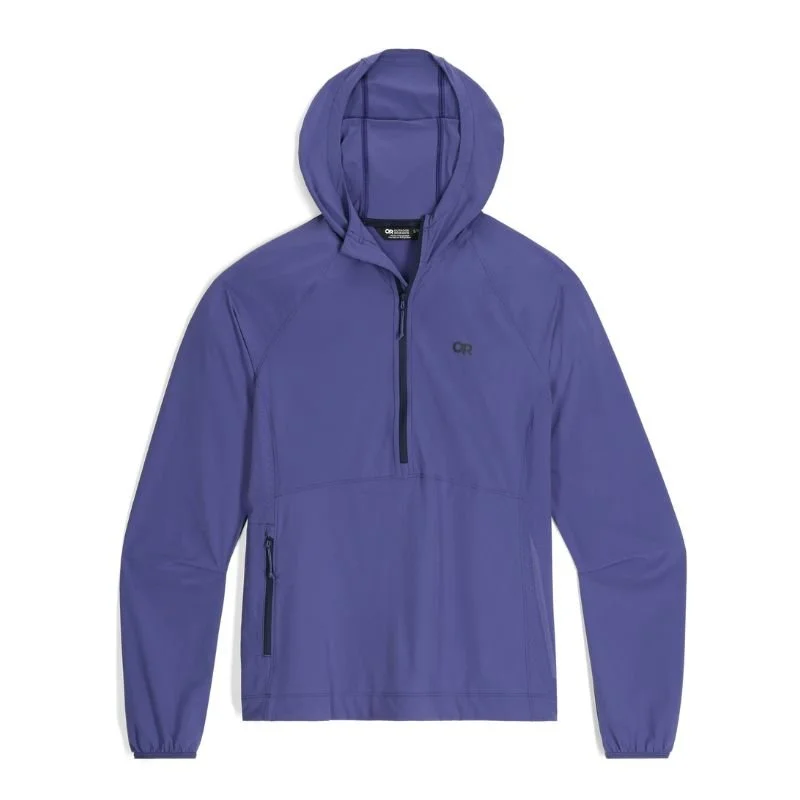
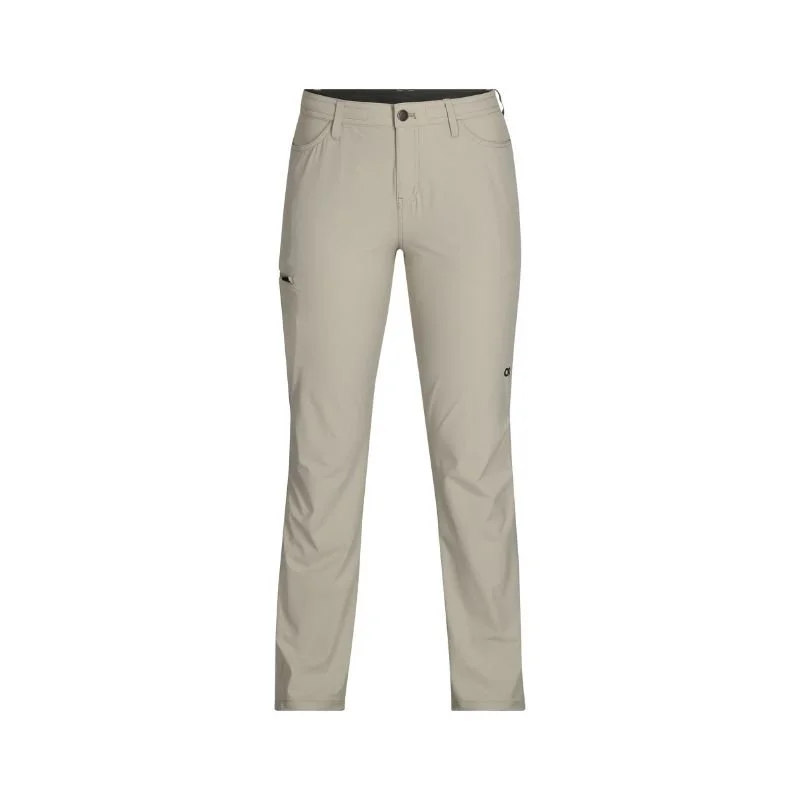
Lightweight, breathable clothing is essential for summer in Banff. Long sleeves may seem counterintuitive, but they’re often more comfortable than tank tops thanks to sun protection and cooling fabrics.
A sun hoodie or sun shirt – Breathable and moisture-wicking for warmer sunnier days.
Lightweight hiking pants or shorts
Sports Bra
👉 Check out our full blog on The Best Sun Hoodies for Hiking, Backpacking and Climbing

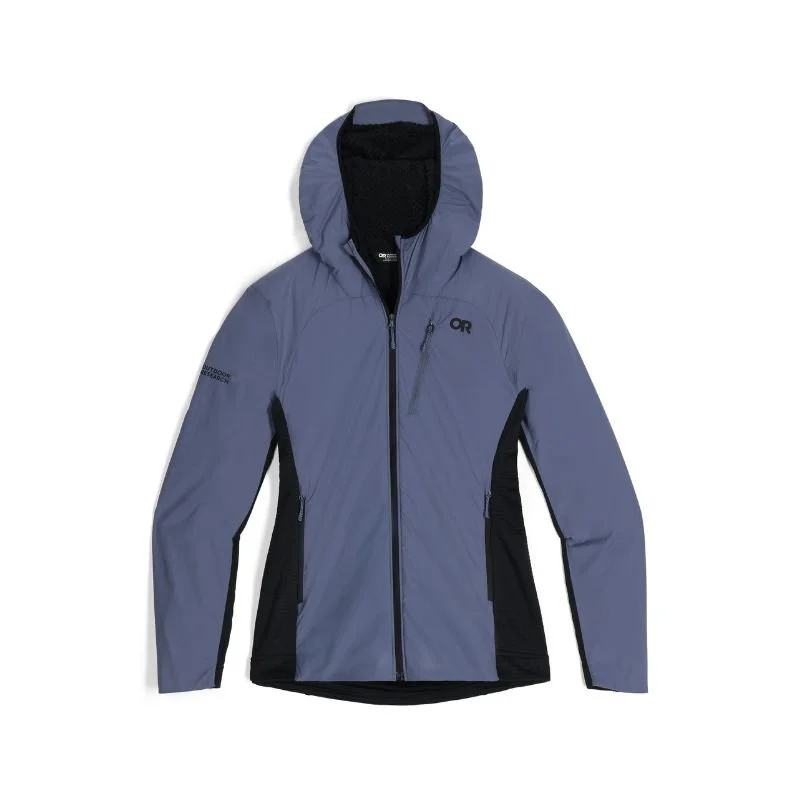
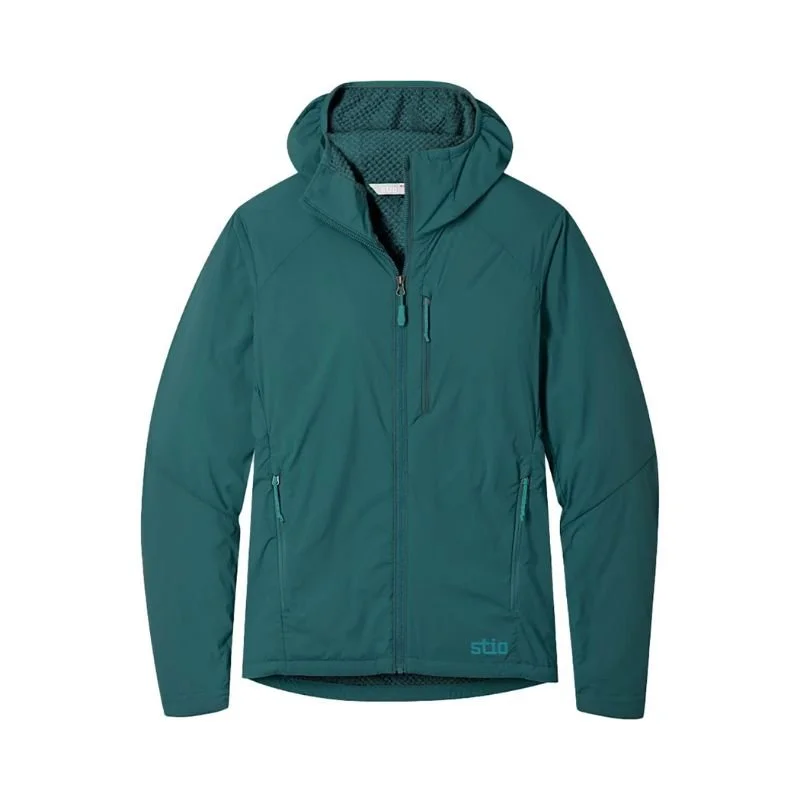
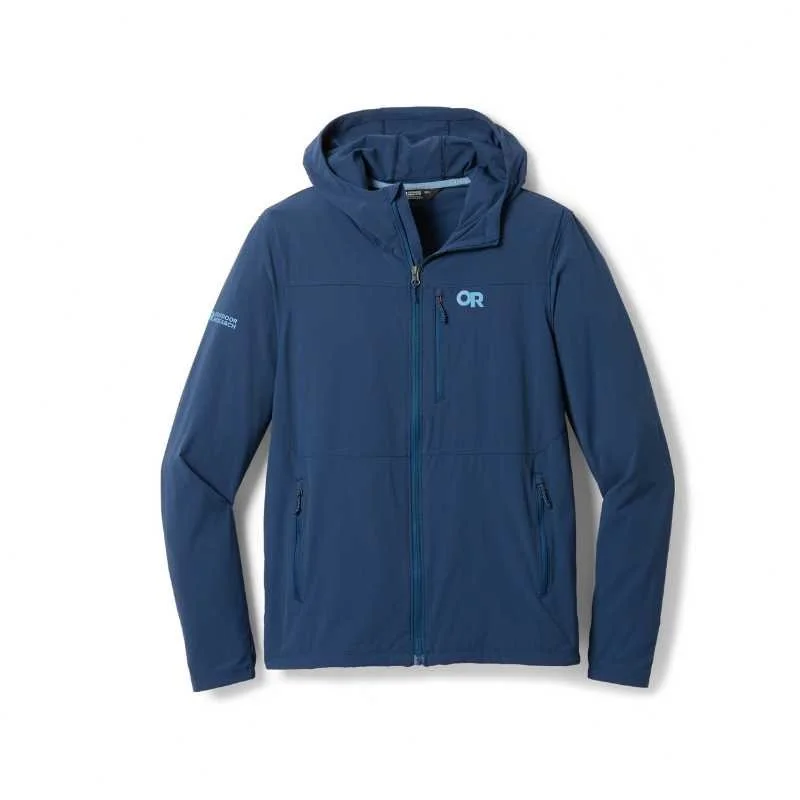
Breathable Mid-Layers for Warmth When Not Moving
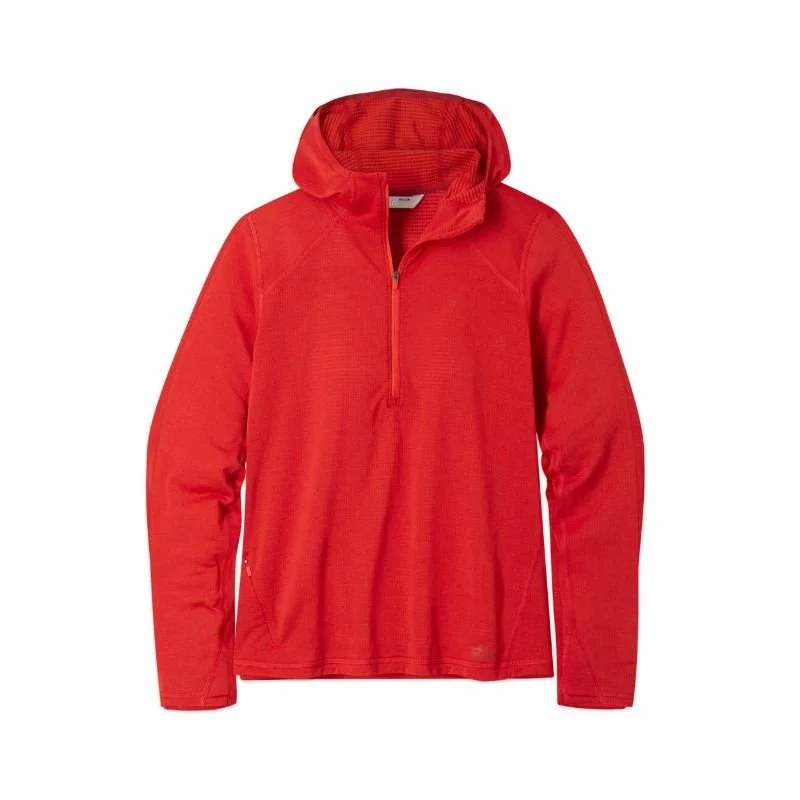
Even in summer, temperatures can drop quickly in the mountains, especially early mornings, evenings, or on exposed ridge lines. Fleece and wind-resistant mid-layers are still great for wearing around at night or on breezy days.
Fleece jacket or lightweight insulated layer – Easy to add or remove when temps change
Softshell jacket – Light weight and wind-resistant and ideal for breezy summer days
👉 For all of my favorite mid-layers, check out our guide on The Best Fleece Mid-Layers for Hiking & Backpacking
Outer Layers for Around Town and At Camp
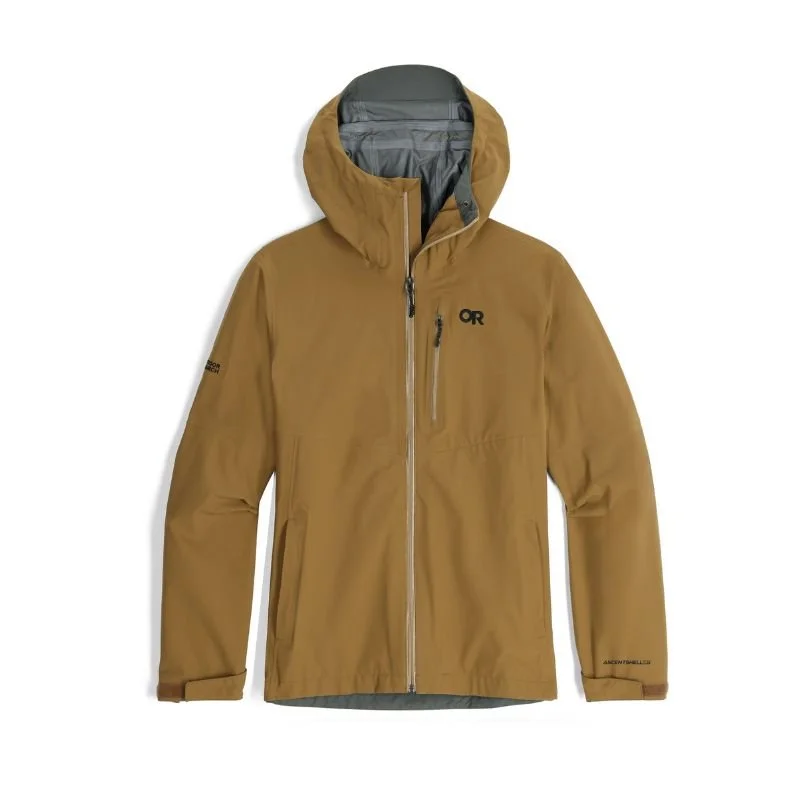
Afternoon thunderstorms are common in summer, and a reliable rain shell is non-negotiable in Banff National Park.
Waterproof rain shell jacket (Gore-Tex or similar)
Footwear for Summer Hiking in Banff
Trail conditions are generally dry in the summer, but terrain can still be rocky, uneven, and steep. Hiking boots or trail runners both will work well depending on your personal preference, choose based on your comfort and planned mileage. Trail sandals are also great for camp, lake days, or letting your feet breathe after long hikes.
Hiking boots, lightweight trail runners and trail sandals
Salewa Pedroc 2 Leather Mid Powertrex Boots - These are by far the most comfortable hiking boots I have ever worn, and I have tried a ton over the years - Men’s | Women’s
Altra Lone Peak 9 Trail Runners - Men’s | Women's - Garrett’s favorite for his wide feet
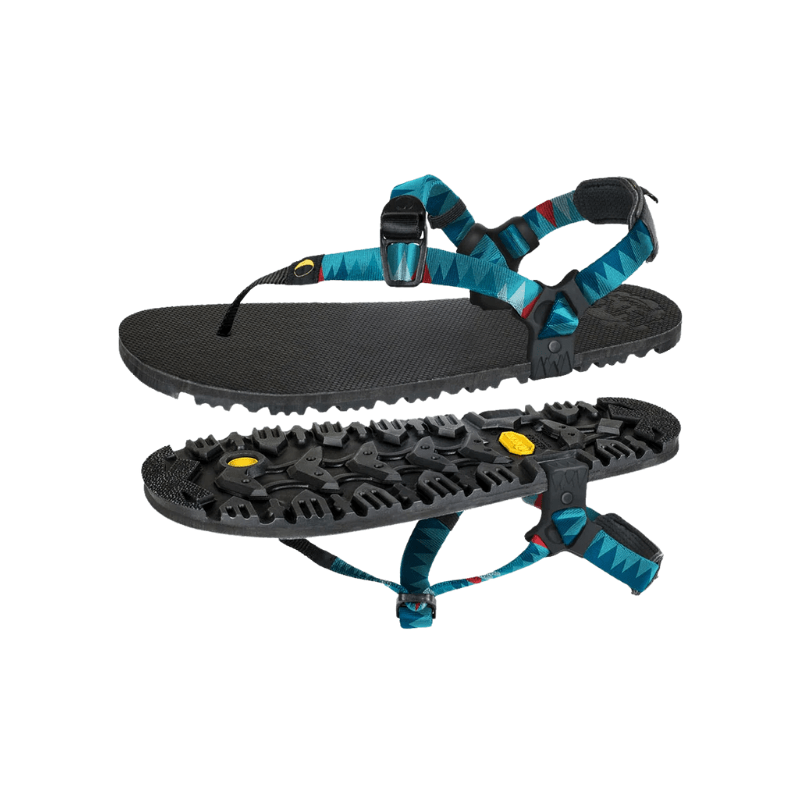
LUNA Sandals Oso Flaco Winged Edition - Unisex - (click here for 15% off)
Light hiking socks - For toasty, blister free feet.
Injinji Ultra Run Mini‑Crew - The most padding, my favorite for hiking and backpacking.
Injinji Run Lightweight No-Show - Lightweight, thinner option.
Outdoor Gear for Summer Adventures in and Around Banff
Summer is prime time for long hikes, backpacking trips, and early sunrise starts, having the right gear keeps your summer trip to Banff running smooth and safe. These are all necessary pieces of gear for summer adventures.
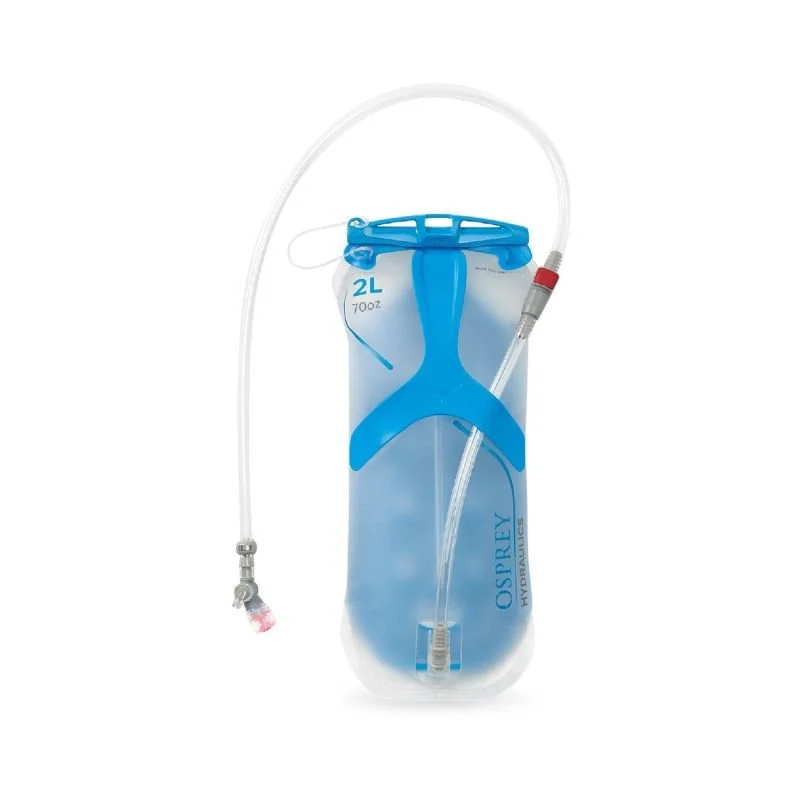
Hydration bladder or a reusable water bottle to stay hydrated.
Daypack (20–30L) for layers, water, snacks, and camera gear.
Overnight Pack (35L - 55L)
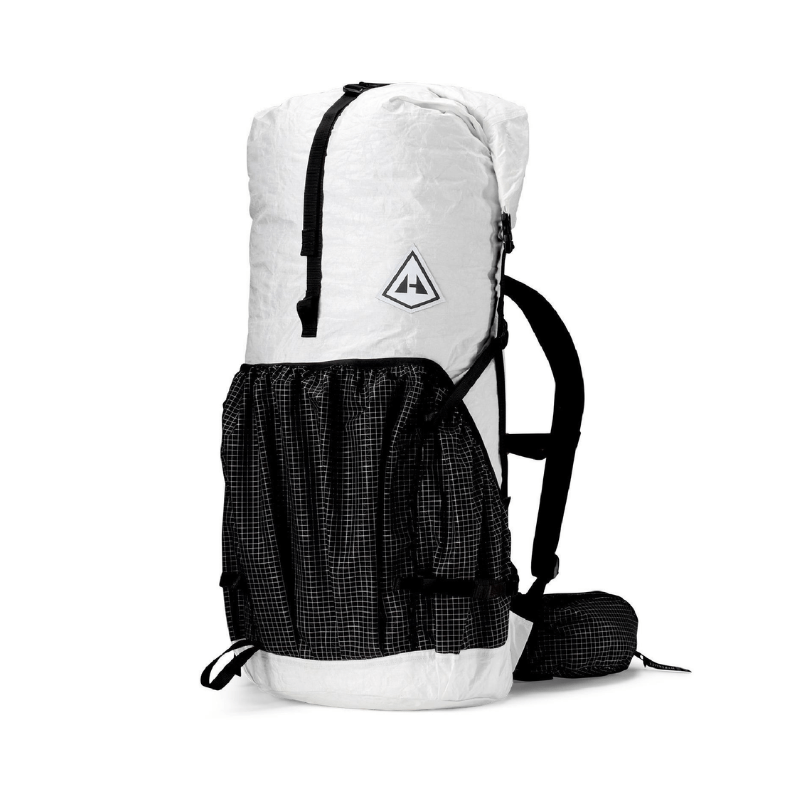
Hyperlite Southwest 55L -Our all- time favorite ultralight overnight pack for all backpacking trips.
Garmin inReach Mini 3- A compact satellite communicator that lets you send messages, share your location, and call for help, even when you're far off the grid.
Sunglasses and sunscreen
Lip balm- Ideally with SPF.
Bear Spray- Needed on all trails in and around the Canadian Rockies, you will be in grizzly country.
Headlamp for early morning or late sunset hikes.
Buff - Works great in cooler weather, doubles as a snot rag.
Kula Cloth (for the ladies) - An antimicrobial pee cloth that clips to the outside of your pack and dries while you are hiking. I use the same one for three day trips, and then bring a second for longer trips to swap out when needed.
Check out our day hiking guide for a full day hike packing list!
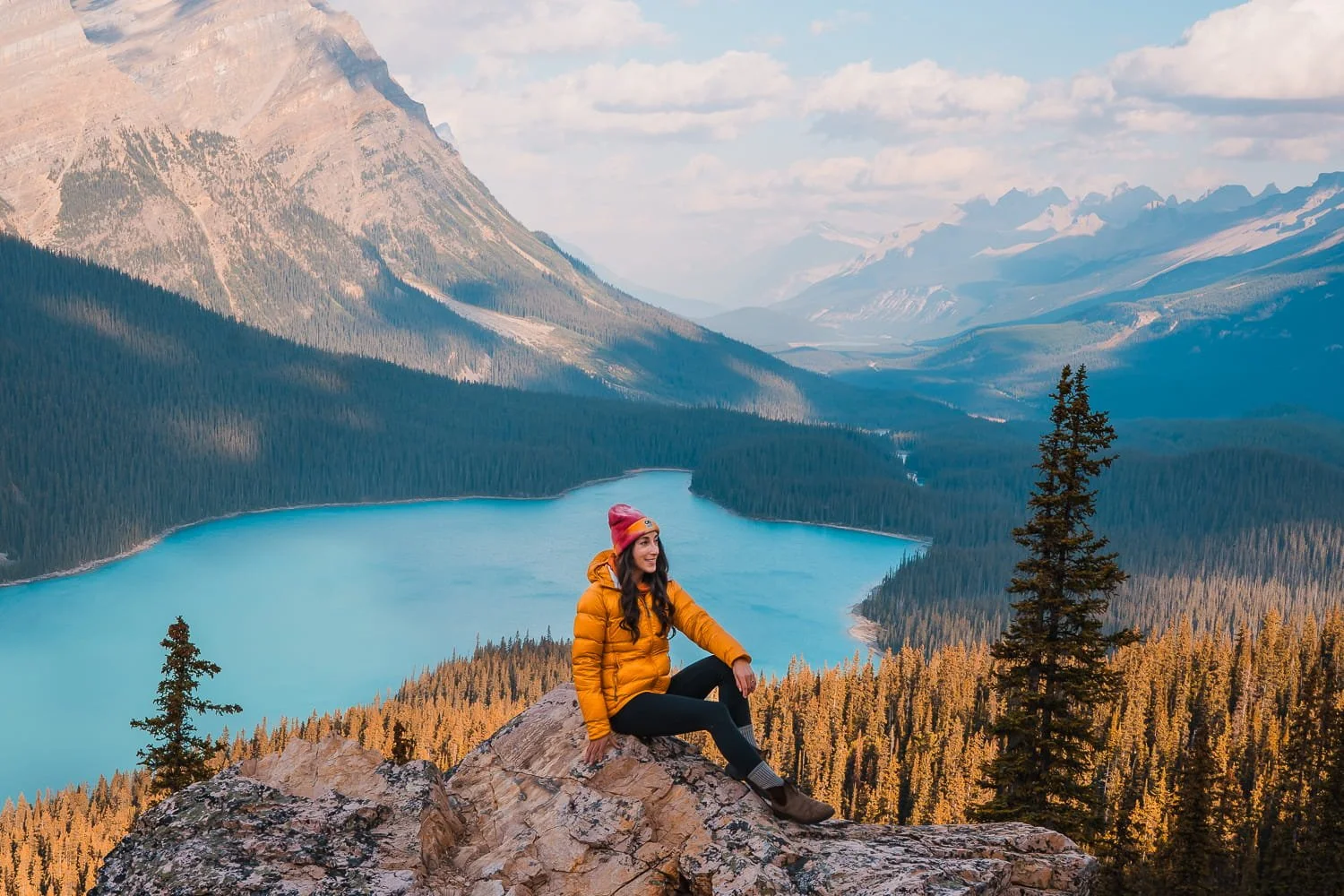
Peyto Lake viewpoint along Icefields Parkway
Frequently Asked Questions About Packing for Banff, Alberta
What should I pack for Banff year-round?
No matter when you visit Banff, you should always pack layers, a waterproof shell, comfortable walking or hiking shoes, and sun protection. Weather in the Canadian Rockies can change quickly, and even summer days can feel cool at higher elevations or in the evenings.
Do I need hiking boots for Banff?
Hiking boots aren’t mandatory for every trip, but they’re highly recommended if you plan to hike. Many Banff trails are rocky, uneven, or steep, and proper footwear helps with comfort and stability. Trail runners work well for summer, while insulated waterproof boots are best for winter and shoulder seasons.
What should I wear in Banff in the summer?
In summer, lightweight and breathable clothing works best. Pack sun hoodies or light long sleeves for UV protection, hiking shorts or pants, and a warm mid-layer for cooler mornings and evenings. A waterproof rain jacket is essential for afternoon thunderstorms.
What should I pack for Banff in winter?
Winter in Banff requires warm base layers, insulated jackets, waterproof outer layers, and insulated boots with good traction. Accessories like gloves, hats, microspikes, and hand warmers make a big difference when spending time outdoors in cold temperatures.
Is bear spray necessary in Banff?
Yes. Bear spray is strongly recommended for hiking in Banff and the surrounding Canadian Rockies, especially from spring through fall. You don’t need to pack it from home, bear spray is easy to rent or purchase locally in Banff, Canmore, and Lake Louise.
Can I wear jeans in Banff?
Jeans are fine for walking around town, restaurants, and casual sightseeing. For hiking or outdoor activities, technical fabrics and hiking pants are far more comfortable, especially in changing weather or on longer days.
Do I need a rain jacket in Banff?
Absolutely. Rain, or snow, can happen in any season in the Rockies. A lightweight, waterproof rain jacket is one of the most important items to pack year-round.
How cold does Banff get at night?
Even in summer, evening temperatures in Banff can drop significantly, especially at higher elevations. In winter, temperatures regularly fall well below freezing. Packing a warm layer is always a good idea, regardless of the season.
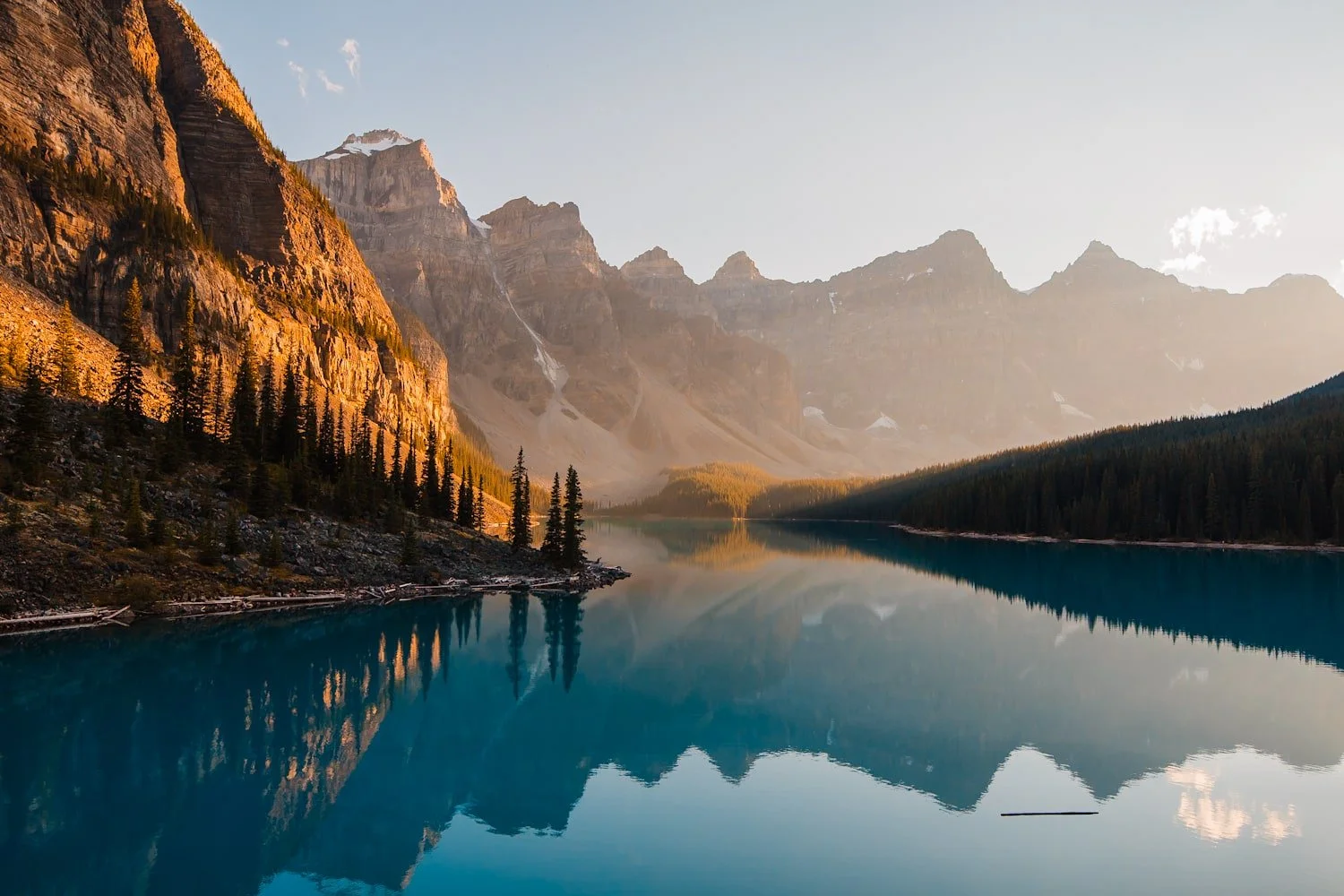
Moraine Lake at sunset
Final Thoughts: Packing Smart for Banff & the Canadian Rockies
Packing for Banff and the Canadian Rockies is all about being prepared for variety. No matter the season, weather can shift quickly, temperatures can change with elevation, and many of the best experiences happen outside. With the right layers, footwear, and a few key essentials, you can stay comfortable and enjoy everything this region has to offer.
Whether you’re visiting in the depths of winter, hiking alpine trails in summer, or timing your trip for larch season, I hope this packing list helps you feel confident and ready for your adventure. Remember to focus on versatile layers, weather protection, and trail-tested gear, and you’ll be set for everything from downtown Banff strolls to big days in the mountains.
If you’re still planning your trip, be sure to check out the related guides linked below for trail recommendations, itineraries, and seasonal tips to help you make the most of your time in the Canadian Rockies.
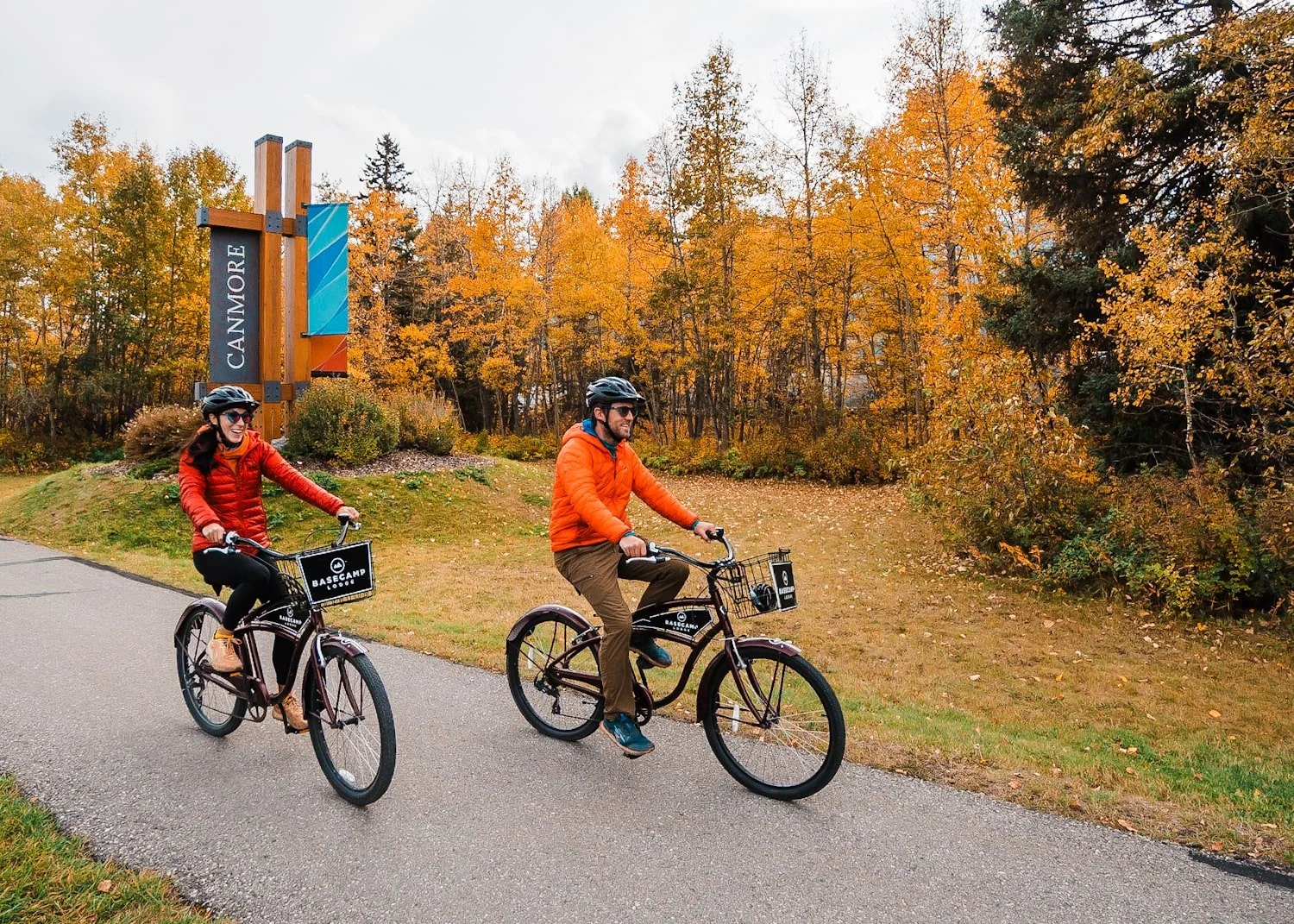
More Travel Guides on the Canadian Rockies
Outdoor Gear Guides
Gear Discount Codes and Links
I’ve partnered with a few of my favorite outdoor brands to hook you up with exclusive discounts on trail-tested gear. These are companies I actually use and love, and when you shop through the links below, you’ll get a deal and help support my blog. Win-win!
20% off SkyGOAT (grid fleece) - Click the link and add code SKYEGOAT to your cart at checkout to get 20% off your order.
15% off Stio with code SKYE15 - Click the link and enter the code SKYE15 in your cart.
15% off Burgeon Outdoors with code SKYE- Click the link and enter the code SKYE at checkout.
Liked this Post? Pin it & Save it for Later
The Ultimate Guide to Visiting Banff in Winter
Where to Stay in Jasper National Park: Ultimate Guide to Hotels and Campgrounds
This image is copyrighted and owned by Skye Stoury Photography and skyestoury.com, if you would like to licence any images on this site, please email us at hello@skyestoury.com