
What to Wear Backpacking and Hiking: The Best Clothing and Shoes for on Trail and at Camp
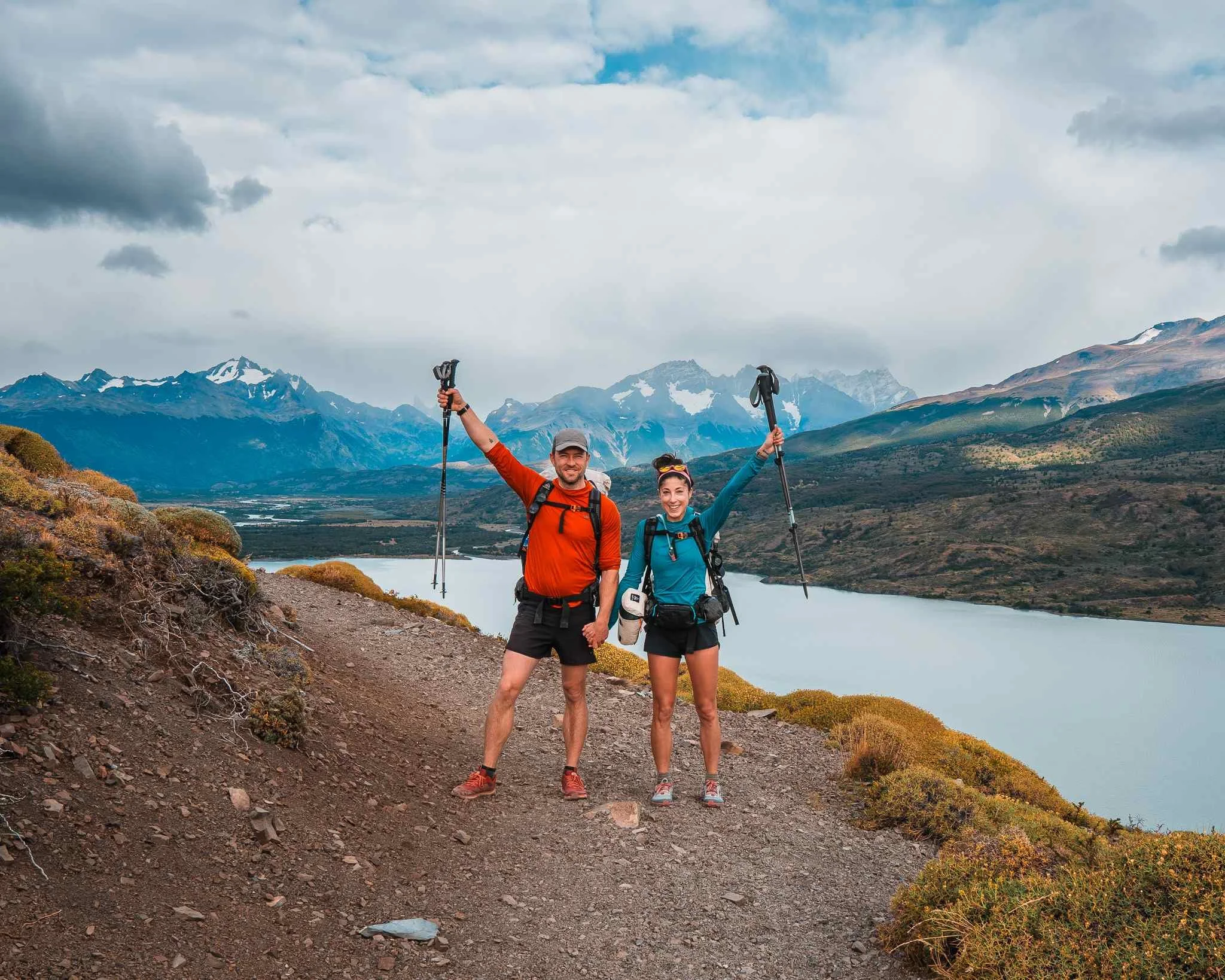
Tested and trusted trail outfits, sleep layers, and lightweight footwear for backpacking trips, day hikes, and everything in between.
If you’re wondering what to wear backpacking, or what clothing to pack to stay comfortable on trail and at camp, you’re in the right place. With over a decade of backpacking experience, I’ve tested a lot of hiking clothes and shoes (boots and trail runners) in every kind of terrain and weather, and this is gear that works hard without weighing you down.
Whether you’re new to backpacking or just looking to dial in your gear list, this guide breaks down exactly what to wear and pack on trips, from the lightweight sun hoodies for hiking in, to cozy sleep layers for at camp. You’ll find trail-tested recommendations for hiking clothes, backpacking shoes, what to pack, and a few small extras that make a big difference.
Everything here is gear I’ve personally used and trusted over hundreds of miles, and my goal is to help you build a backpacking clothing system that works for you. Whether you’re prepping for your first overnight or planning your next long-distance trek, I hope this helps you get outside feeling confident, comfortable, and ready for whatever the trail throws at you.
Disclaimer: This blog post contains affiliate links, meaning I receive a small commission of every purchase made with my links at no additional cost to you. Sometimes there is even a discount code for my readers which I specify next to the links.
Table of Contents

Backpacking the Wind River High Route in Wyoming
What to Wear While Hiking: Trail Clothing and Footwear That Actually Works
When you're out hiking all day, whether it’s a local loop or a high-mileage thru-hike, you need clothing that can handle sun, sweat, rain, and everything in between. Over the years, I’ve tested a ton of hiking outfits, and I always come back to the same simple setup: breathable, moisture-wicking layers that dry fast and ideally don’t chafe.
In this section, I’m sharing the exact hiking clothes and trail shoes I wear on backpacking trips, but they work great for day hikes too. I’ll help you choose a hiking outfit that’s comfortable, durable, and easy to repeat every day without needing a change. Whether you're gearing up for your first overnight trip or looking to streamline your system, these are the pieces I’d recommend again and again.
*This guide has been updated for the 2026 hiking and backpacking season.
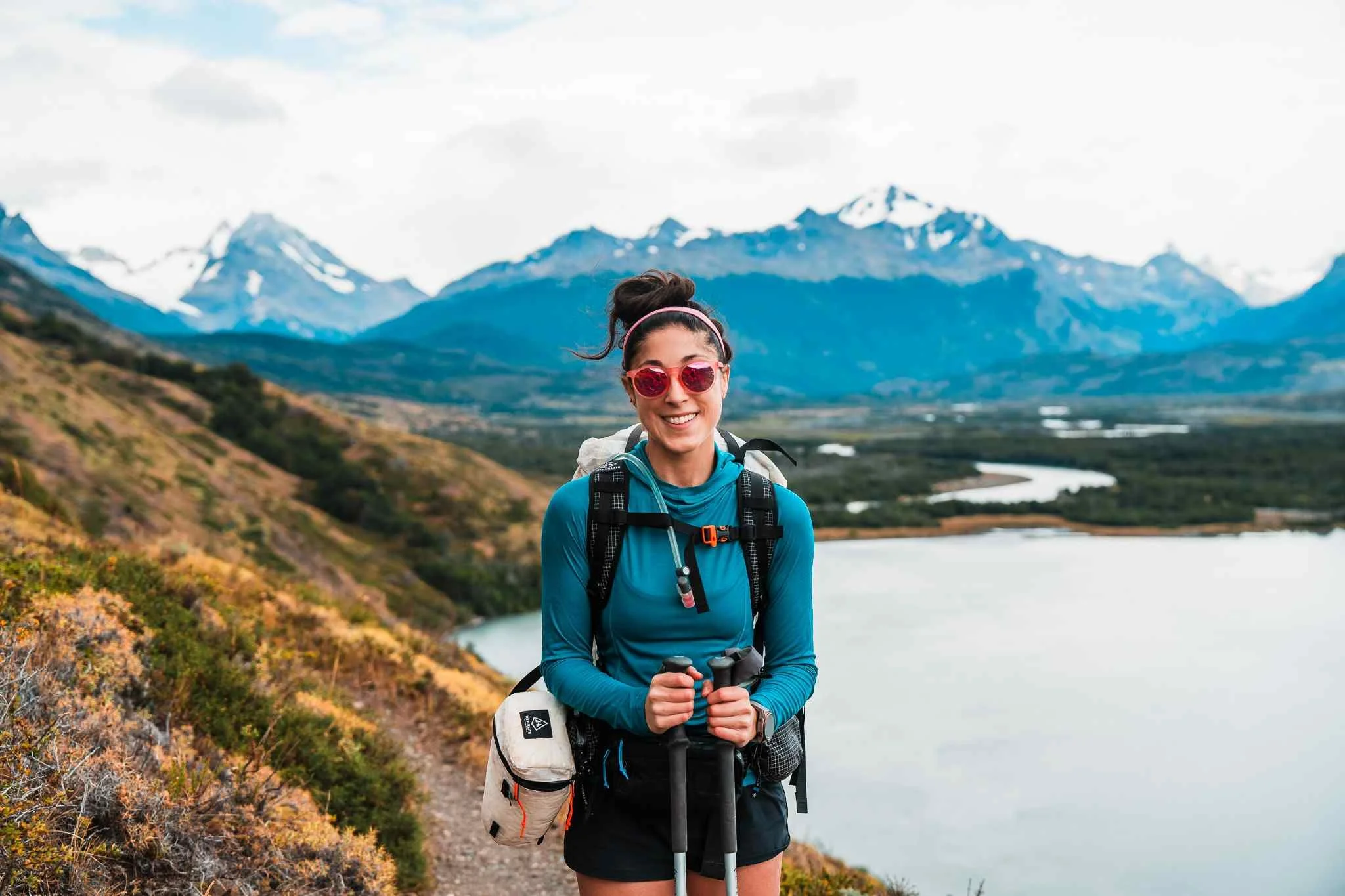
Wearing an OR Echo Sun Hoodie while backpacking The O in Patagonia
Sun Hoodies: The Best Layer for Hiking in Sun and Heat
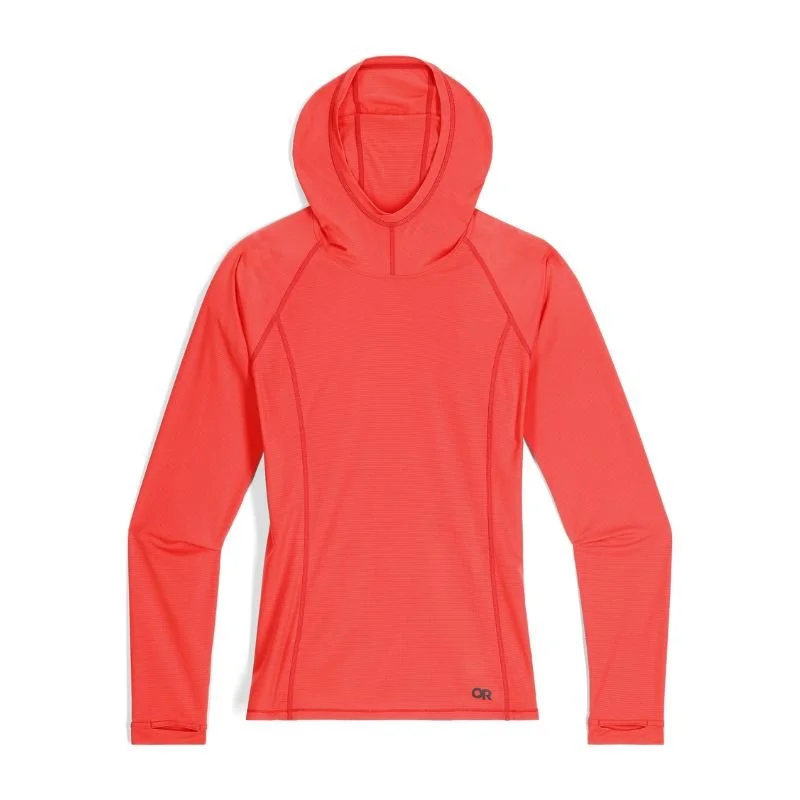
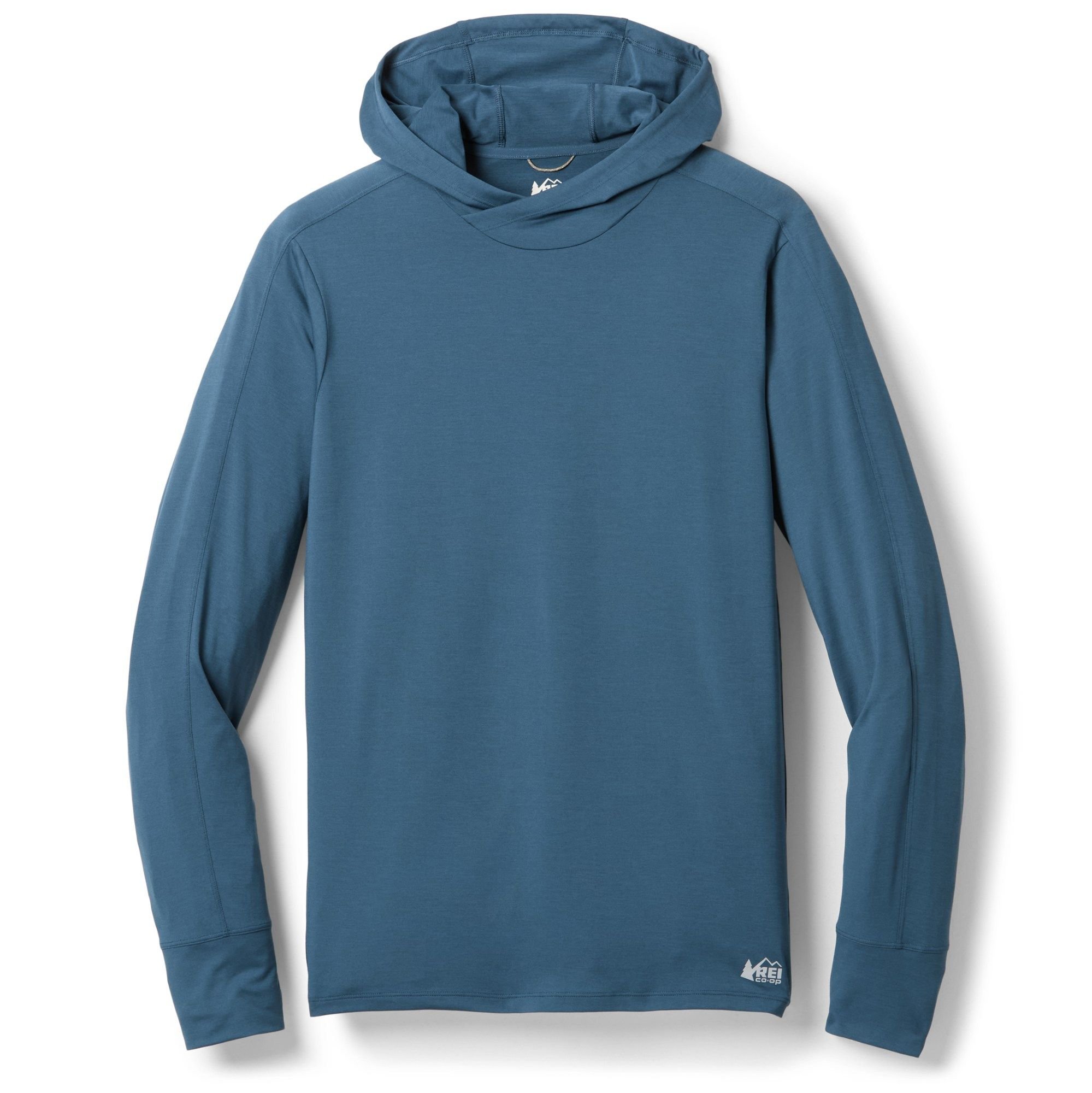
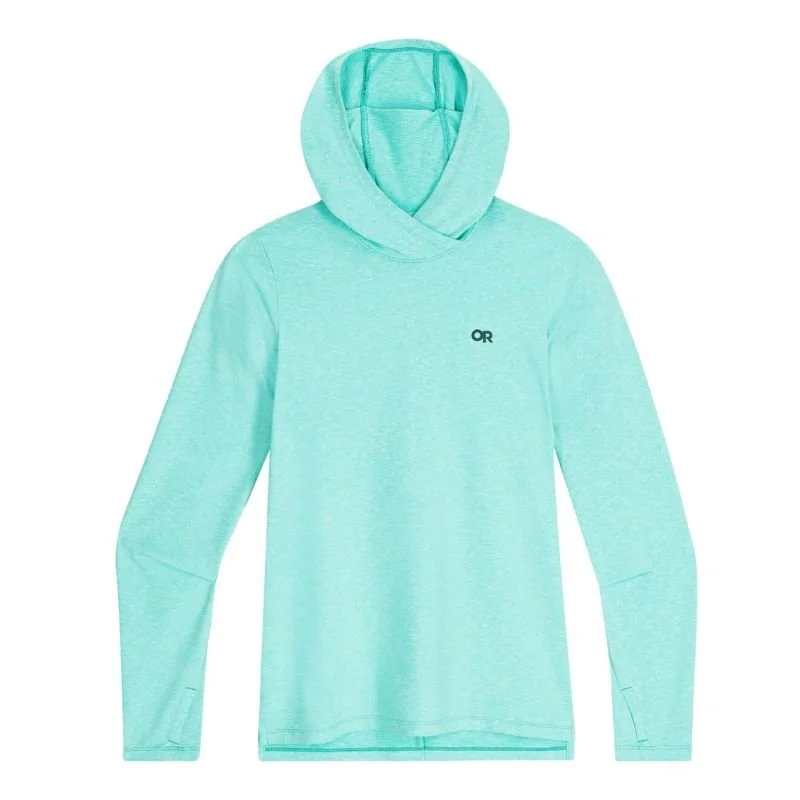
If you’re not hiking in a sun hoodie yet, trust me, you’re missing out. Sun hoodies are a backpacker’s best friend for long days on exposed trails. My top picks are ultra-lightweight, quick drying, and feel cool against your skin, even in heat. They give you full sun protection (with UPF) without needing constant sunscreen reapplication, and a slightly roomier fit lets you stay breezy, not sweaty.
Not sure which sun hoodie to choose? Check out our gear review guide on Sun Hoodies for Hiking and Backpacking.
The Best of the Best Sun Hoodies for Hiking:

Hiking Shorts: Lightweight, Quick-Dry Comfort for the Trail
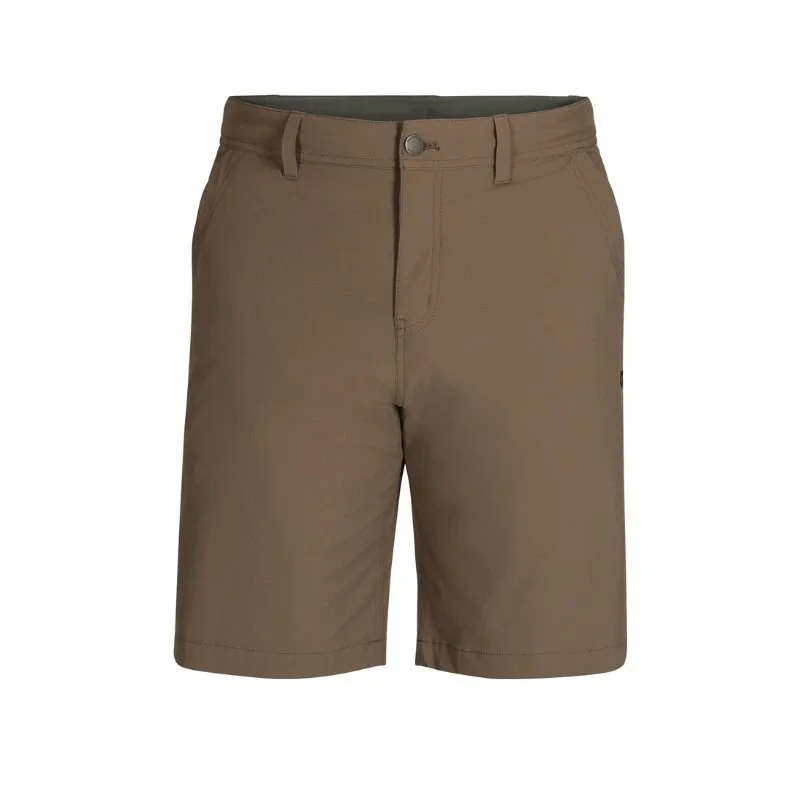
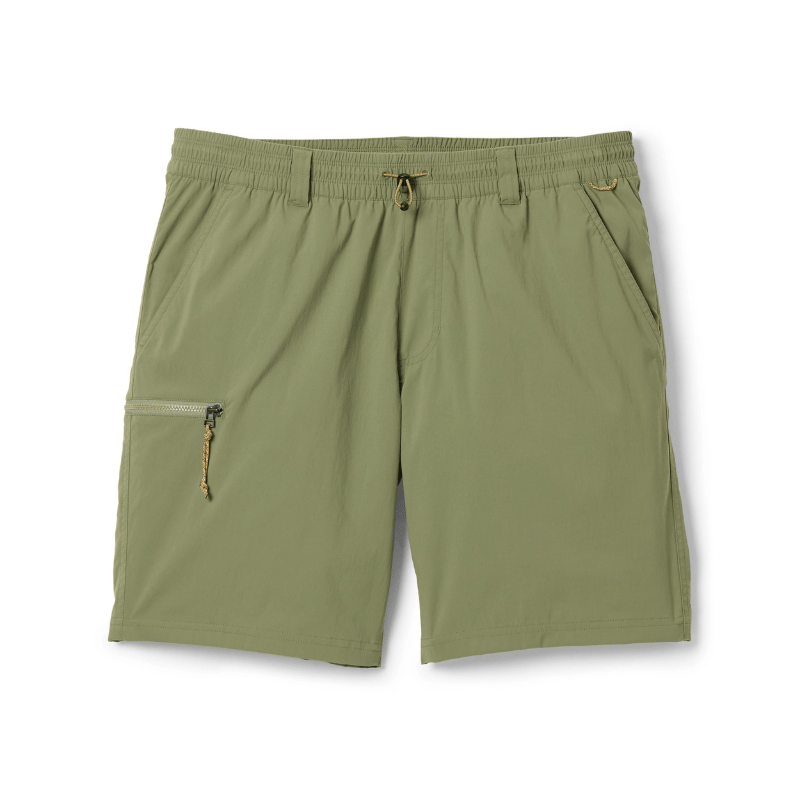
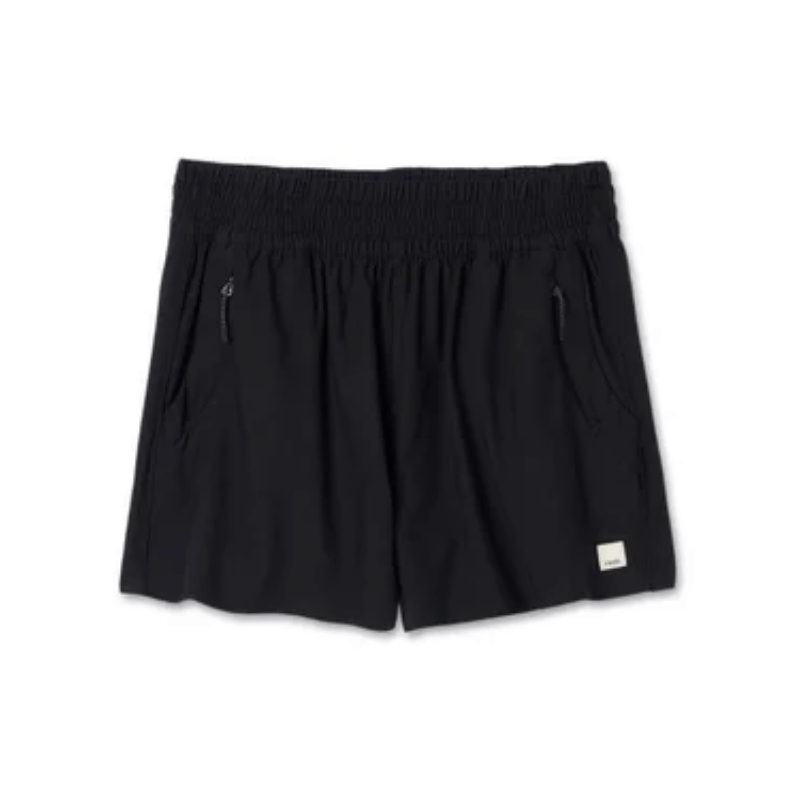
A good pair of hiking shorts should be breathable, lightweight, and move with you on trail. I look for quick-drying fabric, a comfortable waistband, and a cut that works for climbing over rocks or crossing rivers and streams. Whether you’re into loose athletic styles or a more fitted look, the right pair of shorts can make all-day hiking a lot more comfortable.
Shorts I Personally Recommend for Backpacking and Men’s Versions Garrett Wears:

Hiking Pants: Lightweight Protection for Cool Weather and Covered Legs
If shorts aren’t your thing, or you’re heading out in cooler weather, hiking pants are a great alternative for the trail. I exclusively backpack in shorts in the summer, but like wearing pants/leggings for fall backpacking trips, overnight mountaineering trips, or anytime I want a little more coverage from brush or bugs. They also double as a comfy layer at camp, especially when temps start to drop. Look for hiking pants that are lightweight, breathable, and made with quick-drying fabric.
If You Need to Wear Pants, These are Great Options:

Garrett wearing Injinji Ultra Run socks and Altra Lone Peak trail runners
Trail Runners vs. Hiking Boots: Why You Should Choose Trail Runners for Backpacking
For most backpacking trips, both Garrett and I reach for trail runners over traditional hiking boots. They’re lighter, more breathable, and dry way faster, plus they’re way more comfortable for long mile days. If you’re still hiking in stiff boots, switching to trail runners might be the biggest upgrade you make all year.
Our Favorite Trail Runners for Backpacking:
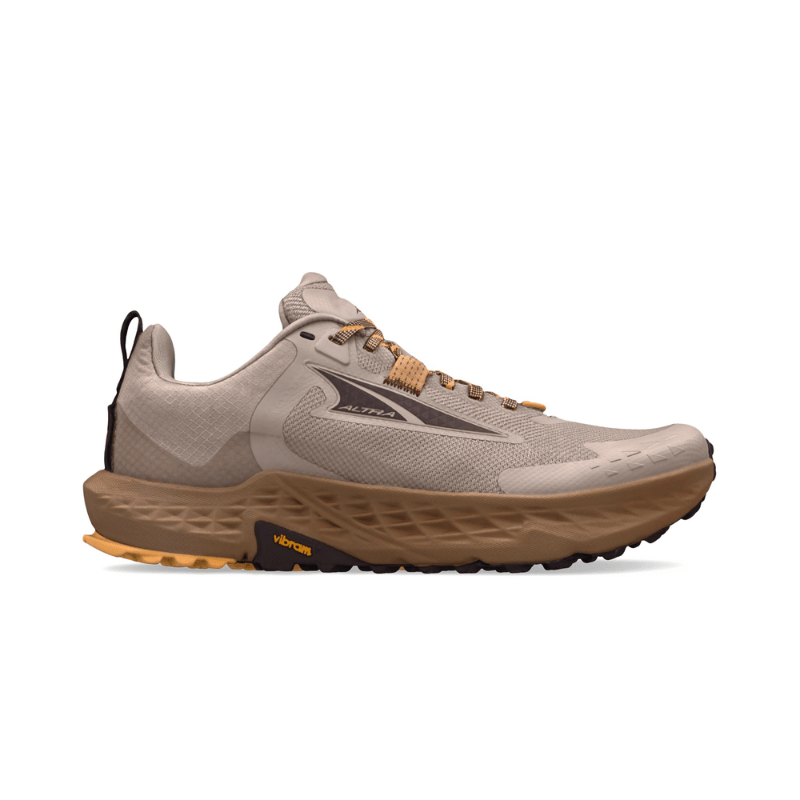
Altra Timp 5 Trail-Running Shoes - Men’s | Women's - My all time favorite
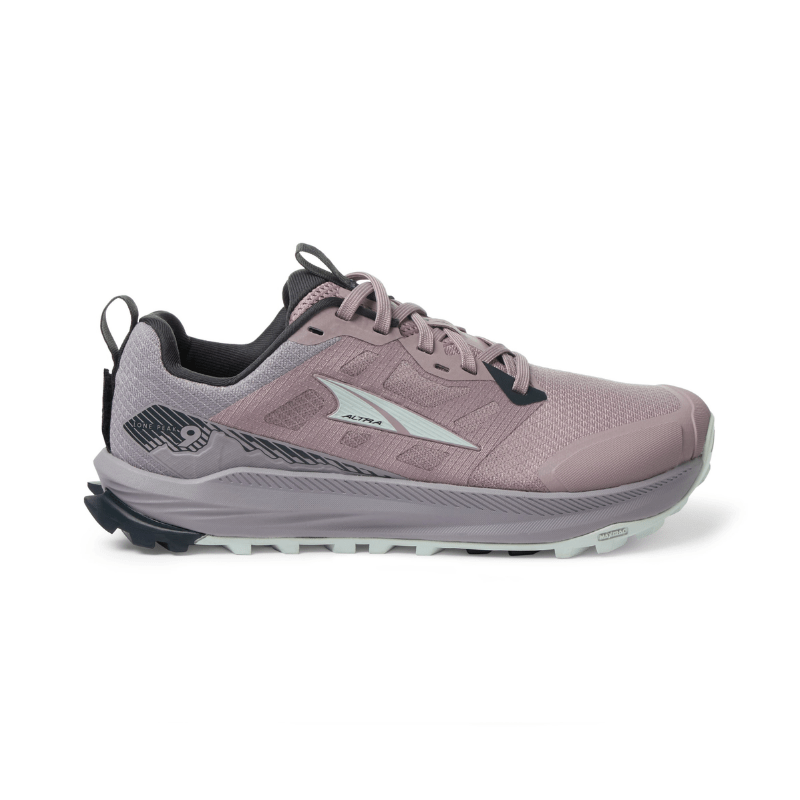
Altra Lone Peak 9 Trail-Running Shoes - Men’s | Women's - Garrett’s favorite
Toe Socks for Hiking: Why I Switched to Injinji and Never Looked Back
After years of trail miles and too many blisters at first, I made the switch to Injinji toe socks, and I haven’t gotten a single blister since (at least 5 years blister free, even on 20+ mile days with wet feet). These socks separate your toes to prevent friction, reduce hot spots, and help keep your feet dry on long hikes. They’re especially great if you hike in sandals or want to avoid blisters in humid or wet conditions.
Trust Me, You Need to Try These Socks:
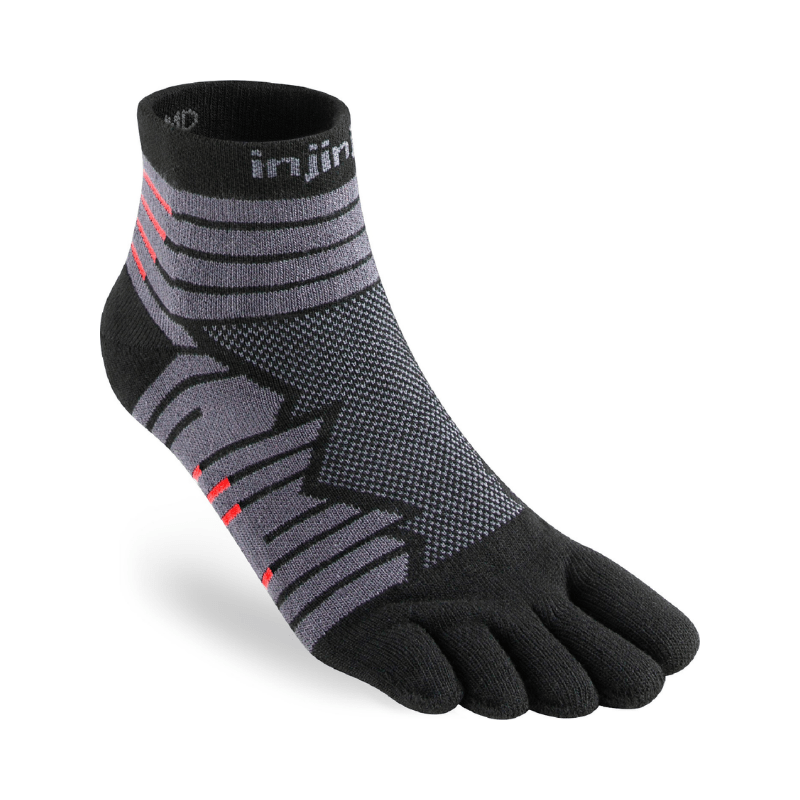
Injinji Ultra Run Mini‑Crew - The most padding, my favorite for hiking and backpacking.
Injinji Run Lightweight No-Show- Lightweight, thinner option.
Injinji Outdoor Midweight Mini-Crew Wool - Thin, wool sock, great for hiking and don’t get smelly.
Hiking Sandals: Trail-Worthy Sandals for Real Miles
Yes, you can actually hike in sandals, and for some trips, they’re the perfect option. Hiking sandals are a great alternative to trail runners in hot weather, on river-heavy routes, or when you just want more airflow and less bulk. Not all sandals are created equal, though, so if you're going this route, make sure you choose a pair designed for actual trail use.
I personally love LUNA Sandals for their minimalist, grippy design and barefoot feel—especially the Oso Flaco, which handles tough terrain and water crossings like a champ. But if you prefer something with more structure and cushion, Teva Hurricane XLTs and other trail-ready Tevas are also great choices for hiking sandals with a little more support.
If you’re sandal-curious but not sure where to start, I recommend testing them out on shorter hikes first. Add a pair of Injinji toe socks for extra comfort and blister prevention, and you might be surprised how freeing it feels to ditch heavy shoes and let your feet breathe on trail. Get 15% off LUNA Sandals by clicking this link!
Hiking Sandals:
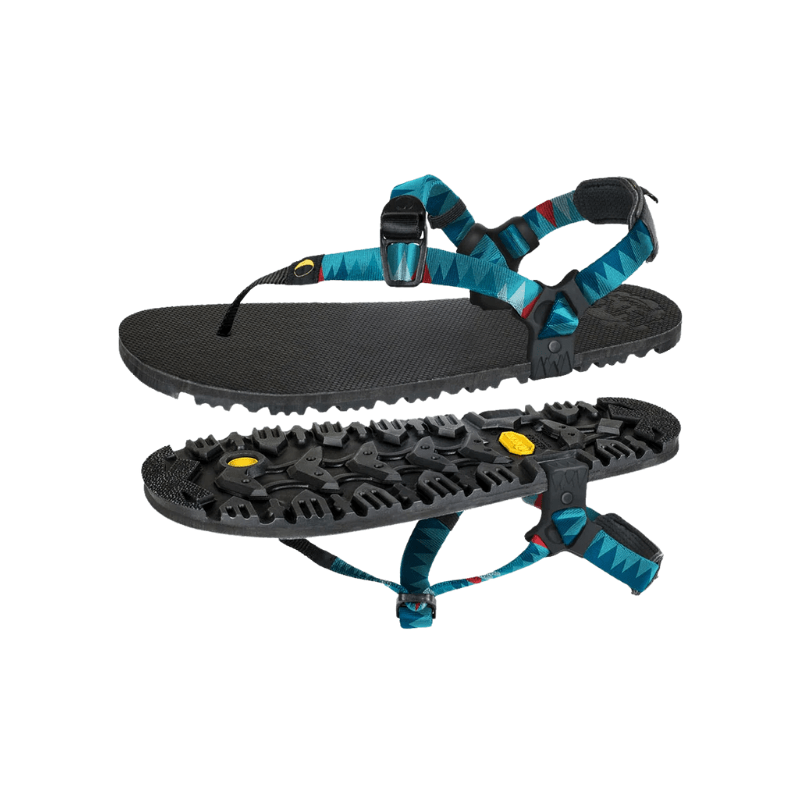
LUNA Sandals Oso Flaco Winged Edition Unisex Sizing - (click here for 15% off)
LUNA Mono Winged Edition Unisex Sizing - (click here for 15% off)
Sun Hats and Visors: Keep the Sun Off Your Face On Trail
A good sun hat or visor is a backpacking essential, especially on exposed trails where shade is hard to come by. I love ultralight visors for airflow and breathability on hot summer hikes, and I usually keep one clipped to my pack when it’s not on my head. For more coverage, a full-brim hat or cap helps protect your face, neck, and ears from sunburn and saves you from reapplying sunscreen every hour.
Look for hats made from quick-drying, moisture-wicking materials that can handle sweat and even light rain. Bonus points for styles that pack down small and don’t look totally ridiculous in trail photos.
Ultralight Visors and Sun Hats:
GPS Watch for Hiking and Backpacking: Why I Always Wear a Garmin Fenix
I’ve worn a Garmin Fenix on every backpacking trip and hike for the past 10+ years, and I wouldn’t hit the trail without one. These GPS multisport watches are built for outdoor adventures, with topo maps, route tracking, elevation data, and reliable navigation when you’re deep in the backcountry. I used the Fenix 3 for years, upgraded to the Fenix 7S Sapphire Solar (which I currently use and love), and the most current model is the Garmin Fenix 8 (which looks even better and has scuba dive capacity).
A GPS watch isn’t just for tracking miles, it can help with navigation, pace, sunrise/sunset timing, weather, and even route-finding on off-trail terrain. If you’re serious about hiking, backpacking, or mountain adventures, it’s one of the most helpful tools you can have on your wrist.
My Favorite Watch for Hiking, Backpacking, and Alpine Climbing:
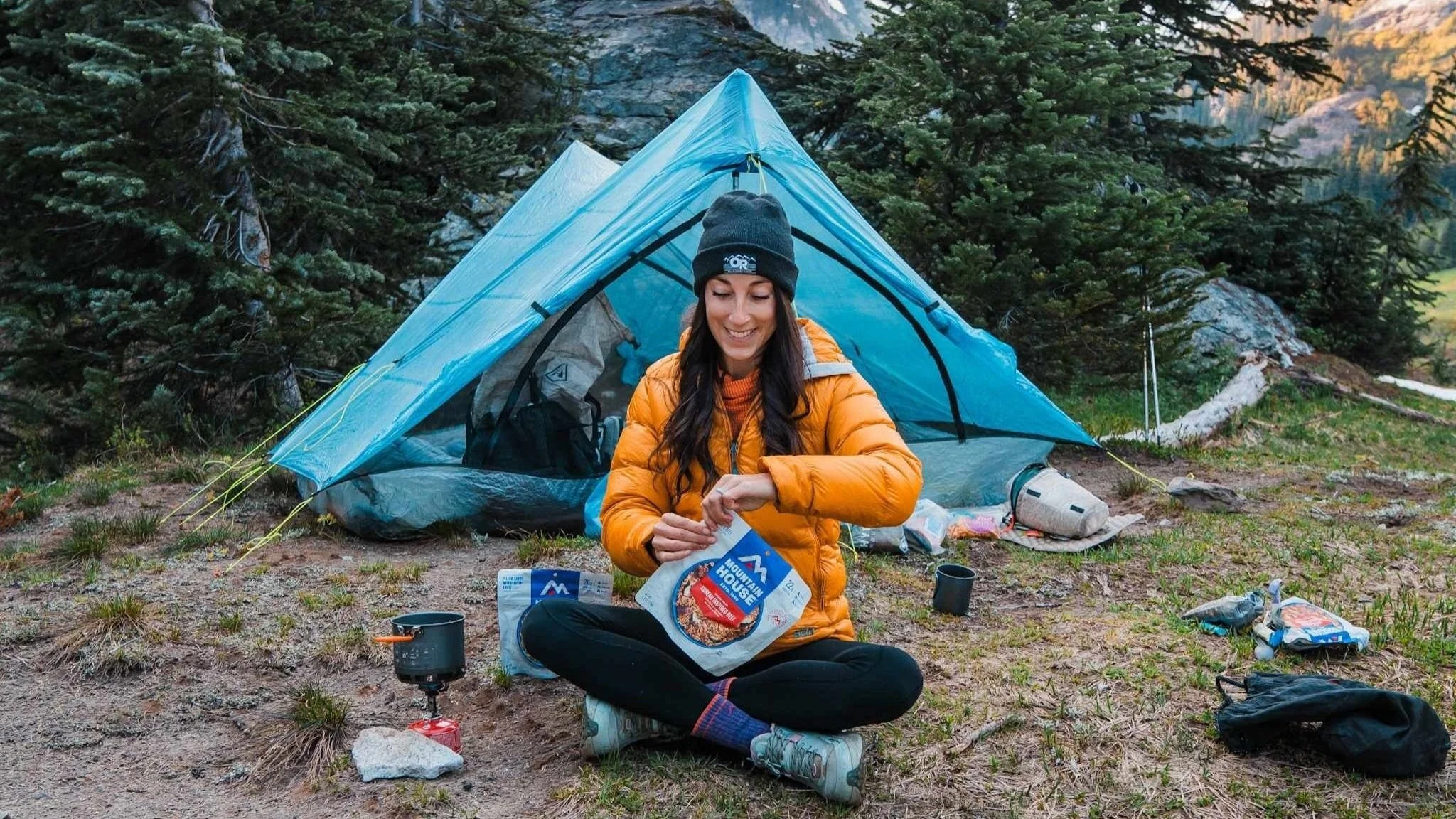
Wearing the Stio Hometown Down Hoodie and wool base layer bottoms
What to Pack for Camp and Sleep: Ultralight Layers to Stay Warm and Comfortable
After a long day on trail, there’s nothing better than changing into clean, cozy clothes at camp. But the trick is packing just enough to stay warm, without overloading your backpack. I keep my sleep and camp clothing simple: one warm layer for evenings, a dedicated base layer top and bottom for sleeping, and a down jacket that pulls double duty as a pillow.
In this section, I’ll walk you through what to pack to stay warm at night and comfortable around camp, all while keeping your pack weight low. If you’re not sure what layers you really need, or worried about overpacking, this will help you build a camp clothing system that works for your next trip.
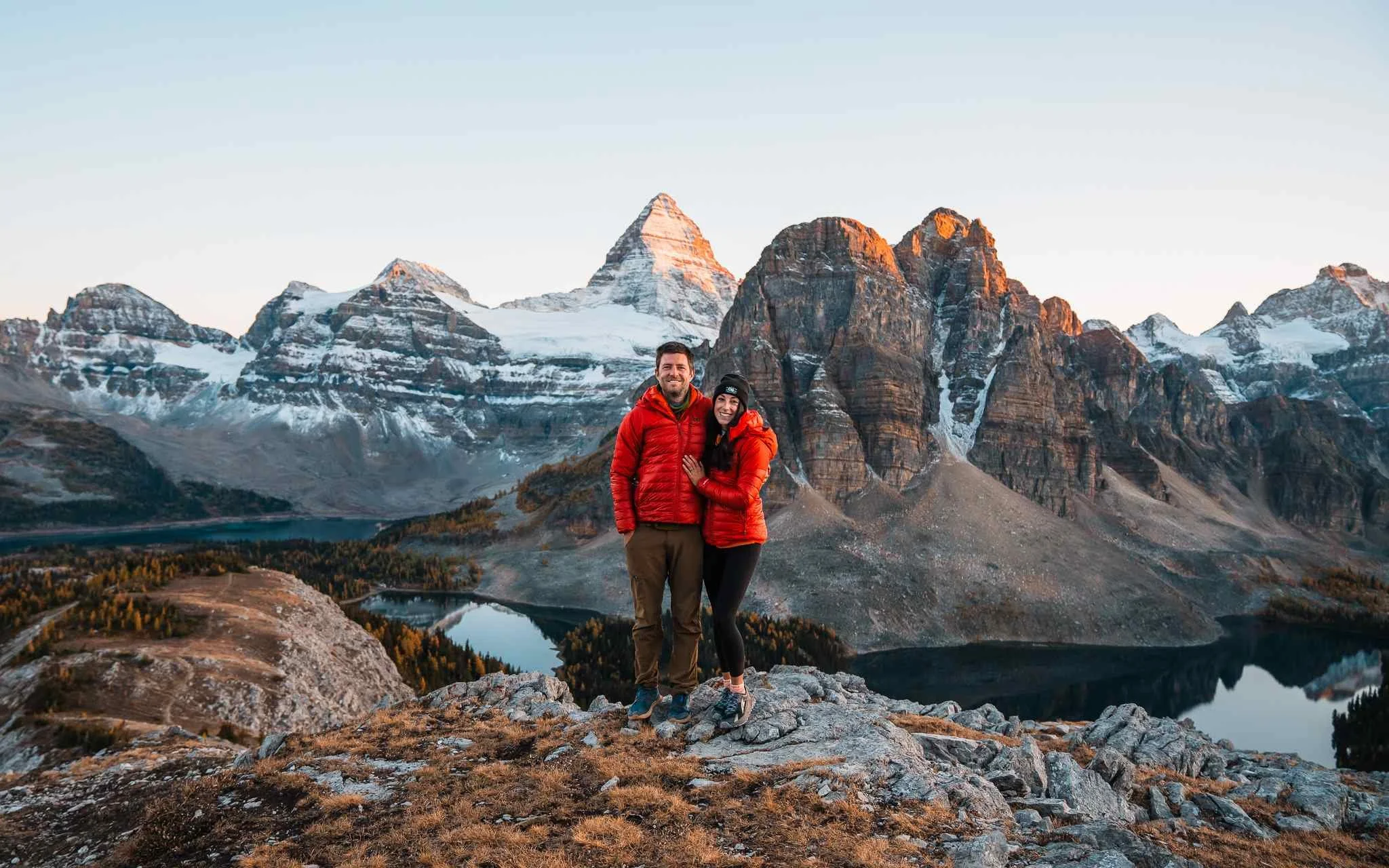
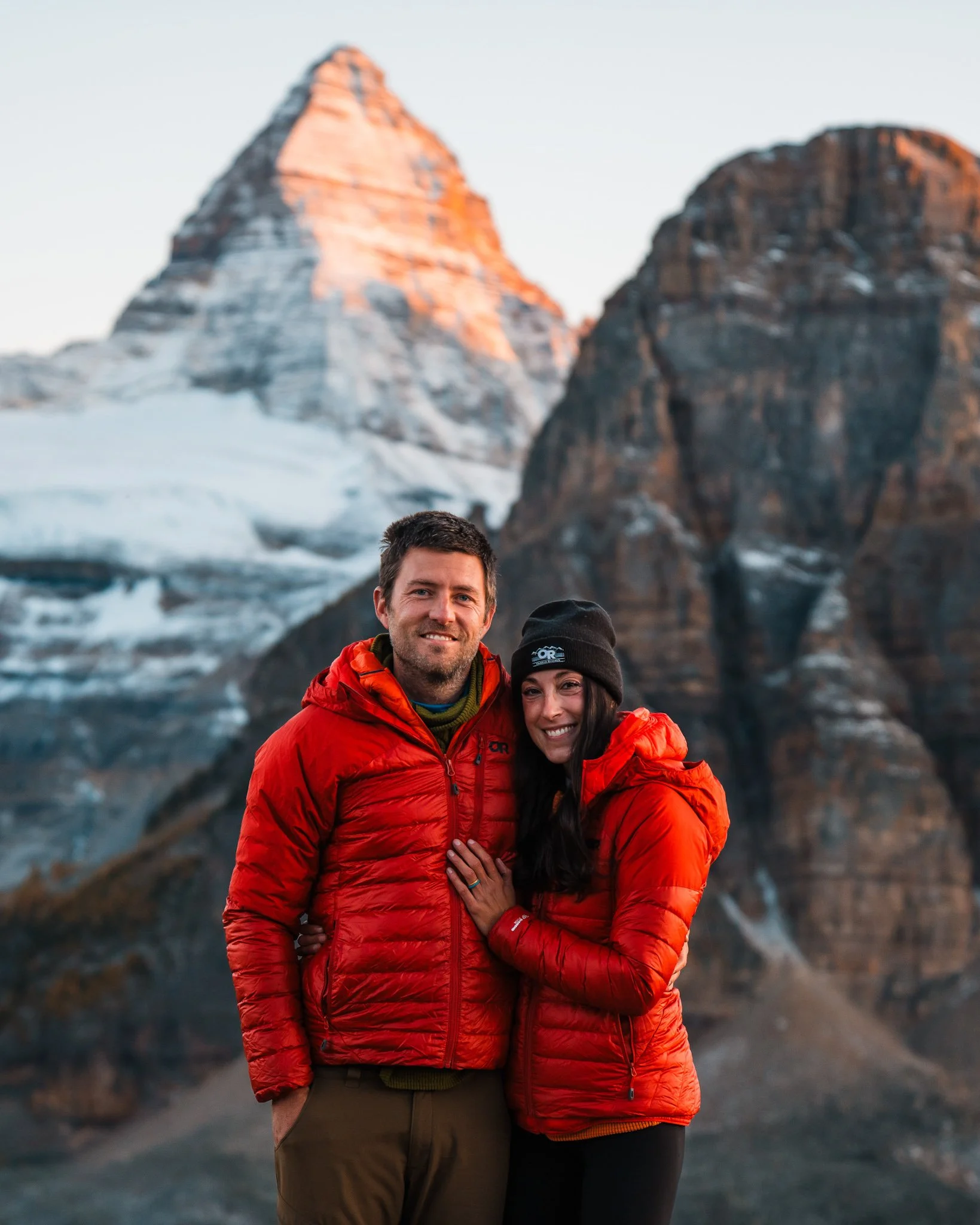
Wearing Outdoor Research Helium Down Hoodies backpacking at Mount Assiniboine
Down and Synthetic Jackets: Ultralight Warmth for Camp and Cool Mornings
A down jacket (or synthetic) is one of the most important layers in your pack. A good lightweight jacket can be incredibly warm for the weight, packs down tiny, and doubles as a pillow in your sleep system. Wear it around camp or on chilly mornings before the sun hits, but it also comes in handy for weather changes at elevation.
Look for jackets with responsibly sourced down and a good warmth-to-weight ratio. Whether you’re hiking in shoulder season or just want to stay cozy after sundown, this is one layer you don’t want to leave behind. If it’s really cold, and for fall backpacking, I like to double up an OR Helium Down Hoodie with the OR SuperStrand which is an ultralight synthetic puffy.
Puffy Jackets for Backpacking:
OR Helium Down Hoodie - Men’s | Women’s - Ultralight and packable, what I bring on all trips.
OR SuperStrand LT Hoodie - Men’s | Women's - Ultralight synthetic puffy for when you don’t need something very warm, or as a mid layer under a down jacket on cold trips.
Stio Hometown Down Jacket - Men’s | Women's - Warmer than the OR Helium Down, this is both our go-to for fall/spring overnight trips when we need extra insulation.
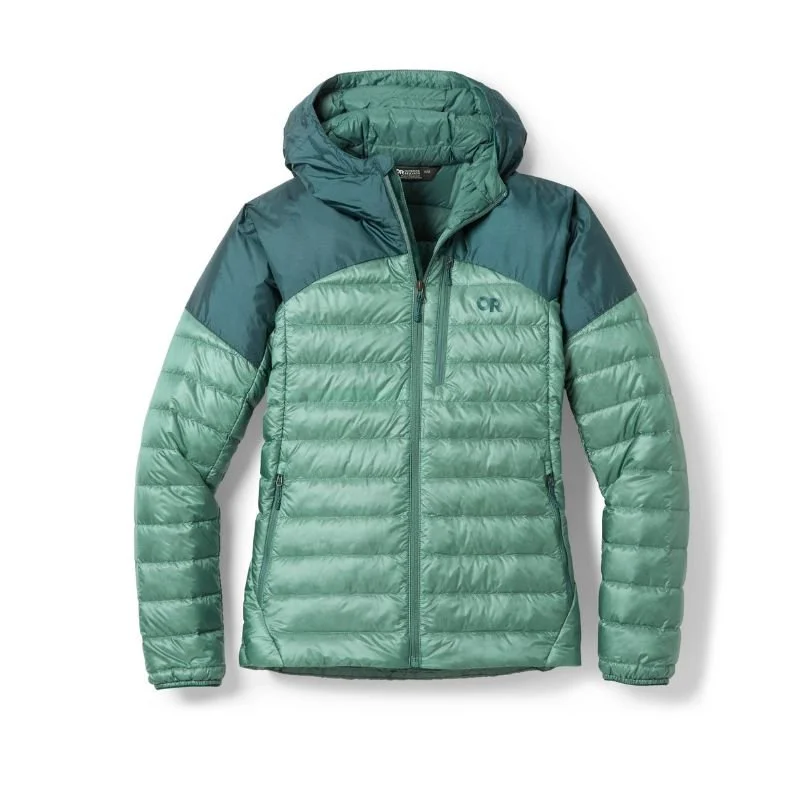
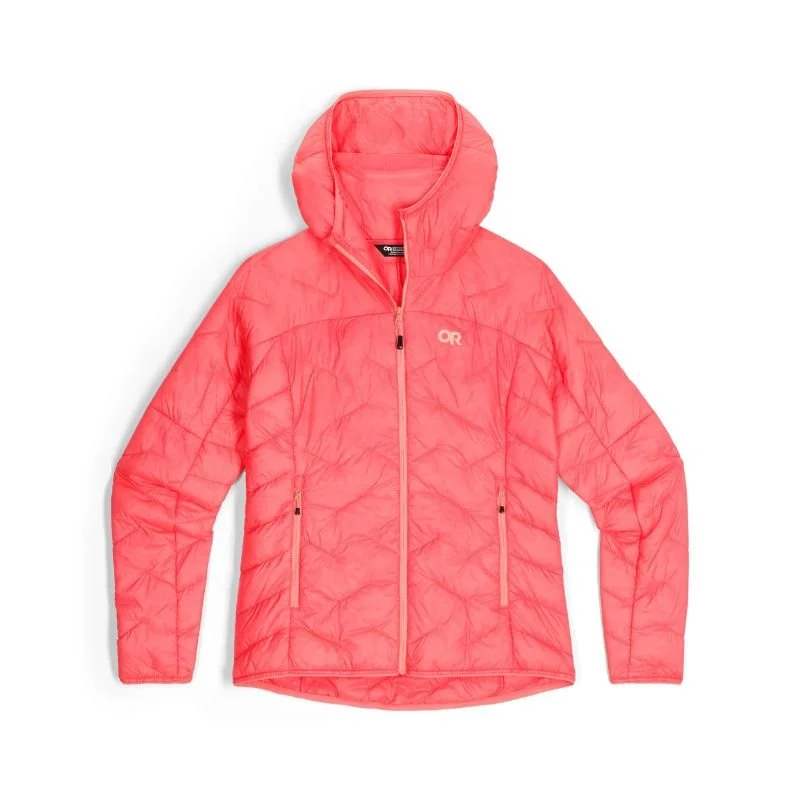

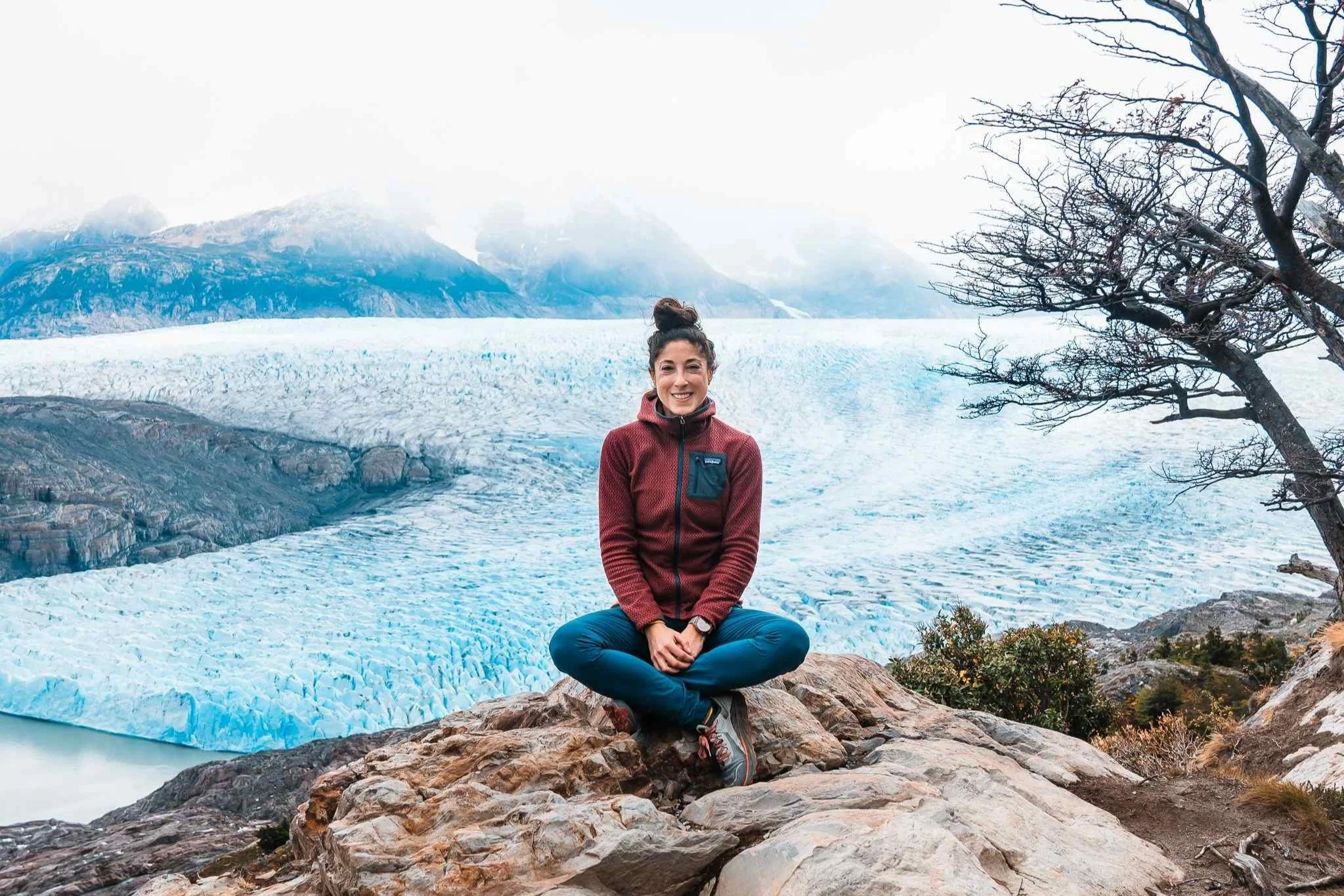
Wearing a Patagonia R1 Air full zip hoodie
Fleece Mid-Layers: Versatile Warmth for Hiking and Camp
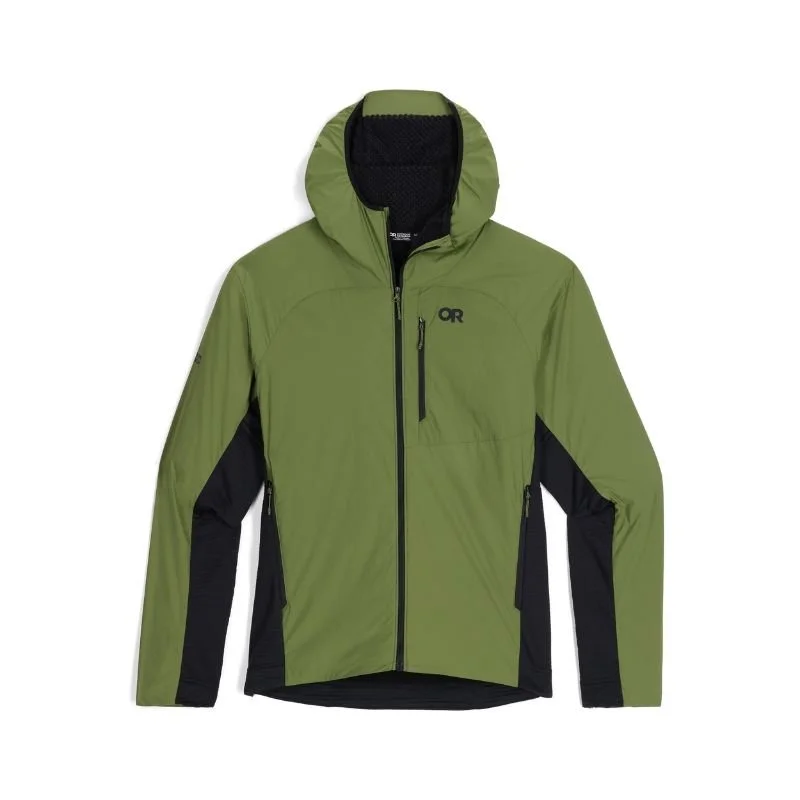
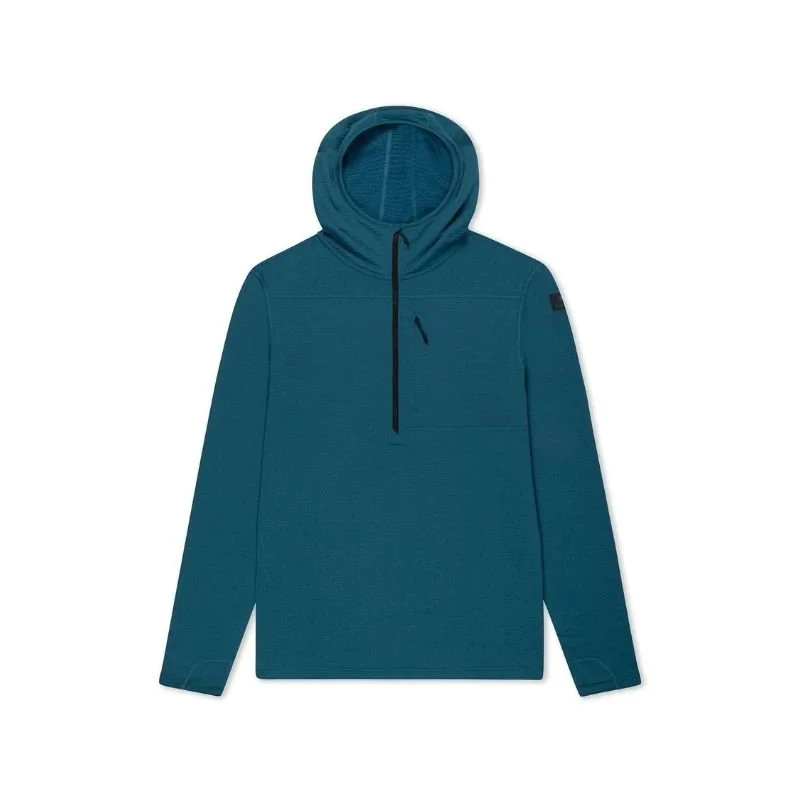
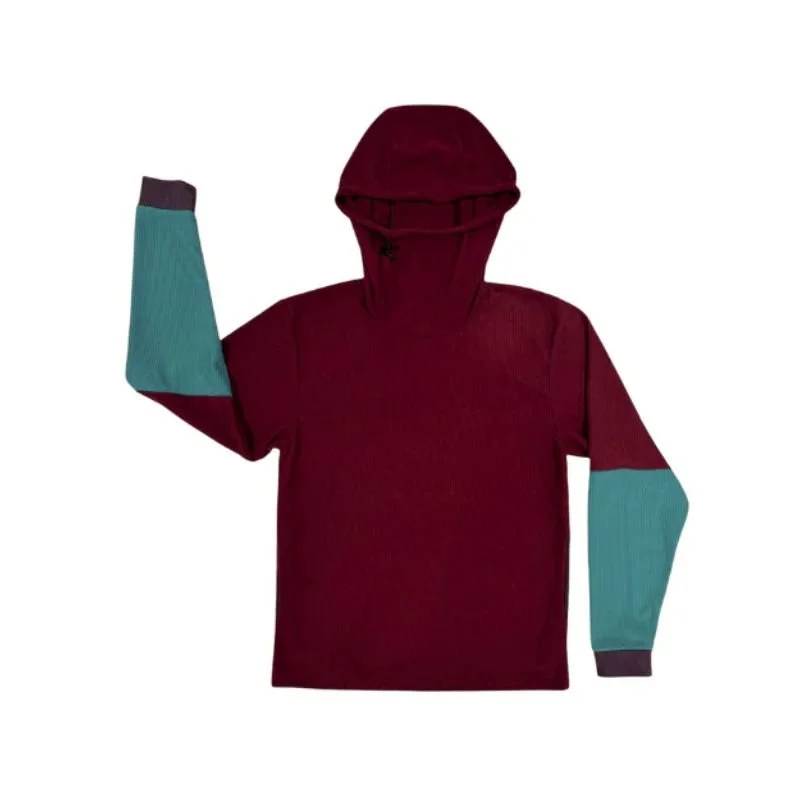
A good fleece mid-layer gets worn more than almost anything else I pack in my backpack. It’s perfect for layering under a shell, throwing on over a sun shirt when temps drop, or keeping warm at camp without needing the full down jacket. On cooler or fall hikes, I’ll even wear it during the day, especially if there’s wind.
I personally love micro-grid fleeces because they’re lightweight and breathable but still trap heat really well. If you’re someone who runs cold like me, this is an easy layer to justify packing, even on short trips. To learn more about fleece mid-layers and how to choose the best one for you, check out my Mid-Layer Gear Guide for Hiking and Backpacking.
Lightweight Fleece Mid-Layers You Will Love:

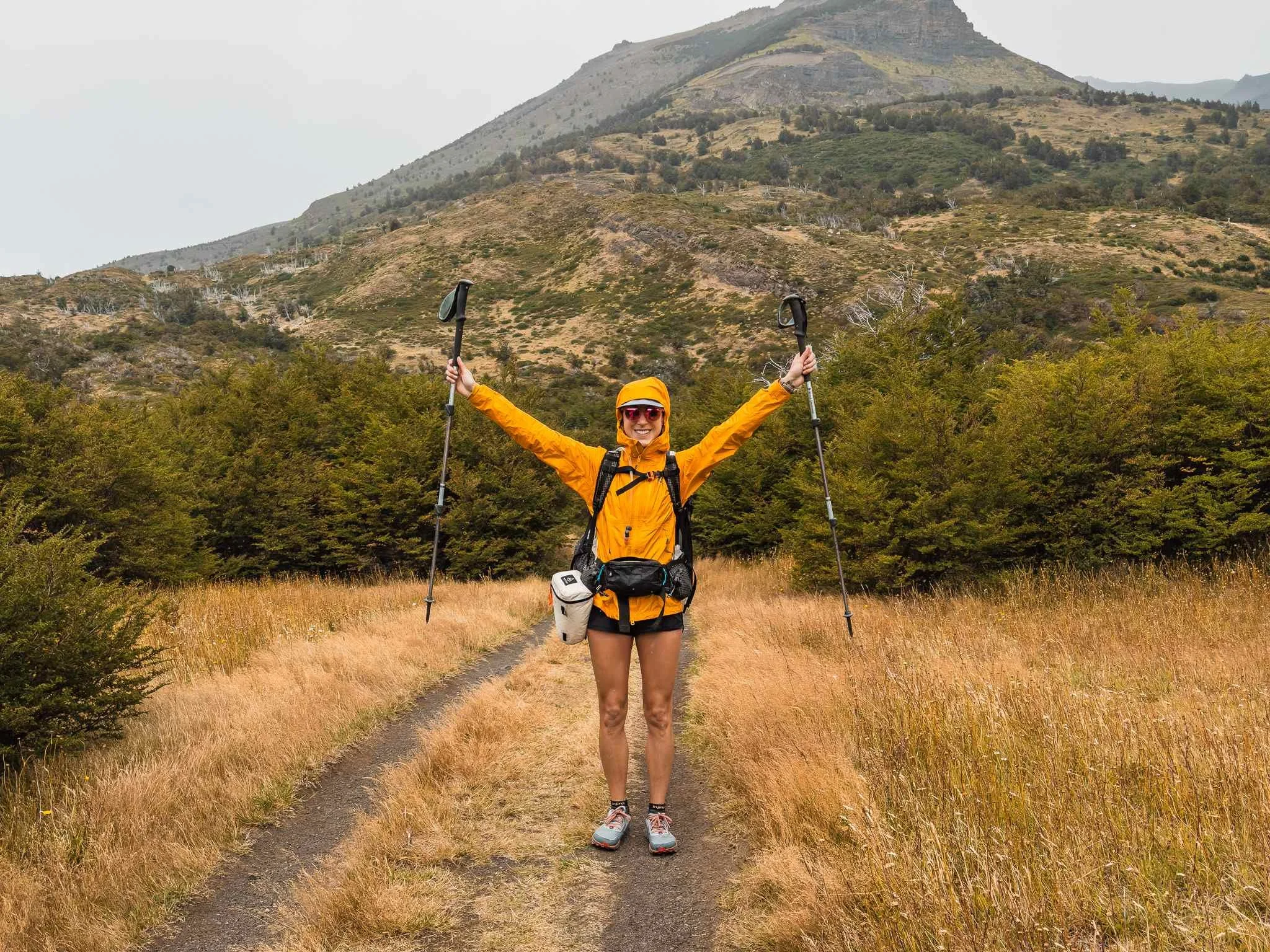
Wearing the Outdoor Research Helium Rain Jacket in Patagonia
Rain Jackets: Lightweight Insurance for Wet Weather
Even if the forecast looks clear, I always bring a rain jacket. Weather in the mountains can change fast, and a light waterproof shell doesn’t add much weight but could make a huge difference in comfort and safety. It’s also great for wind protection, especially on exposed ridgelines or breezy evenings at camp. And can help if the mosquitos are really bad at camp as well, since they can’t bite through a hard shell.
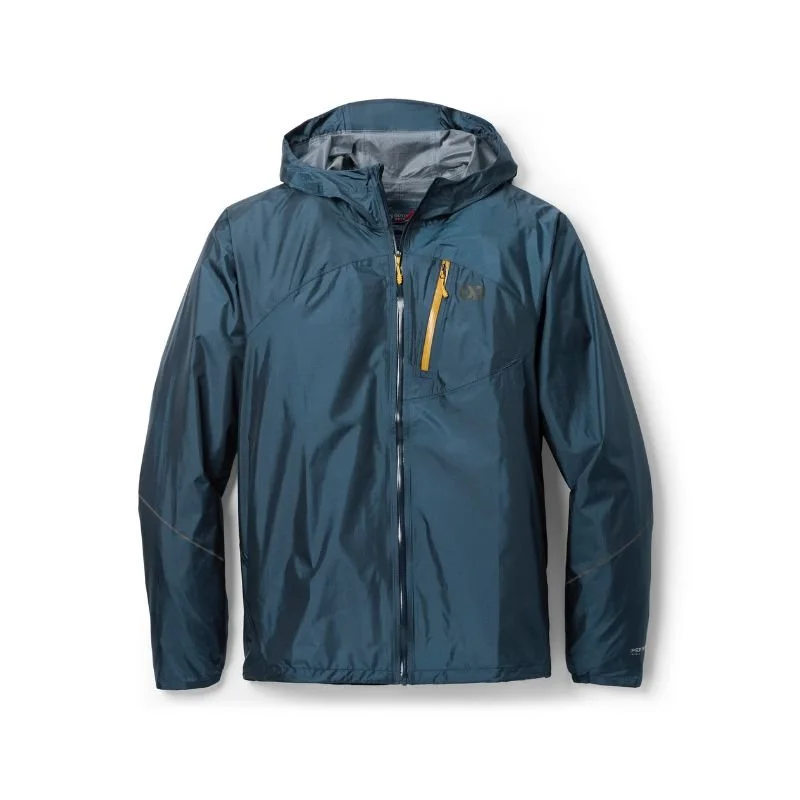
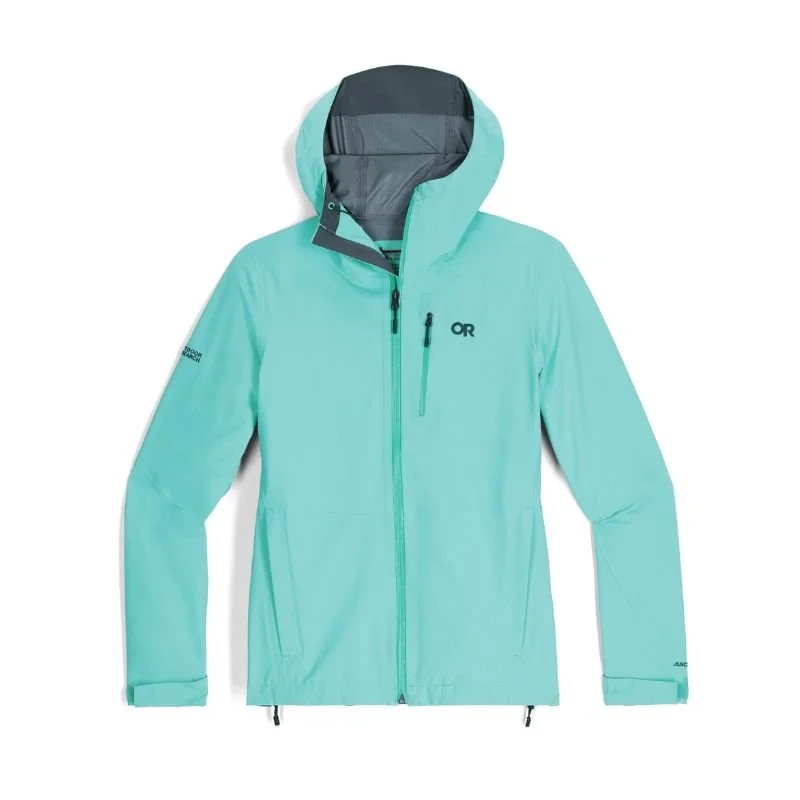
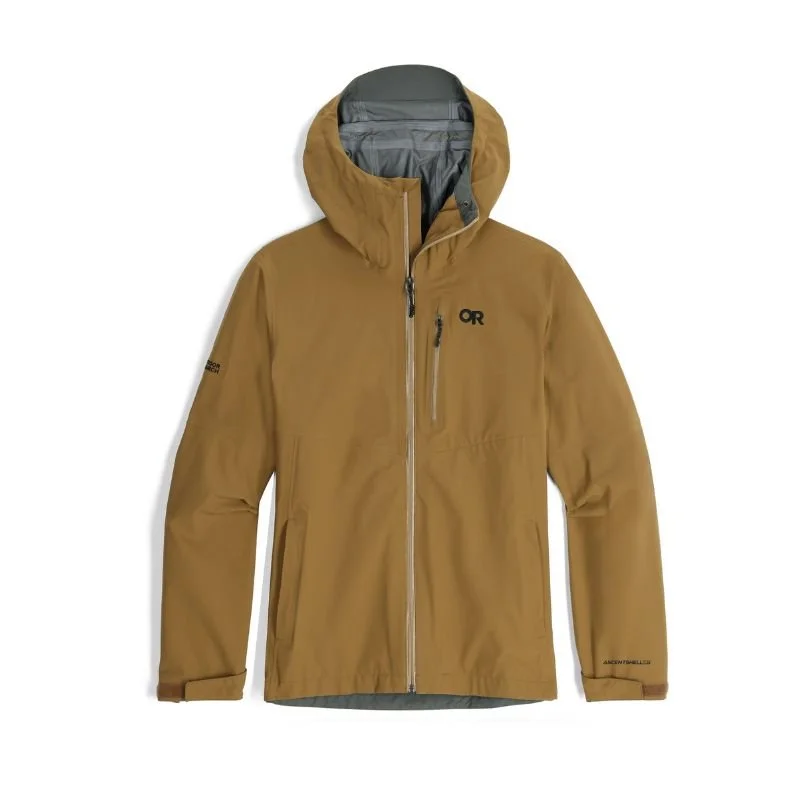
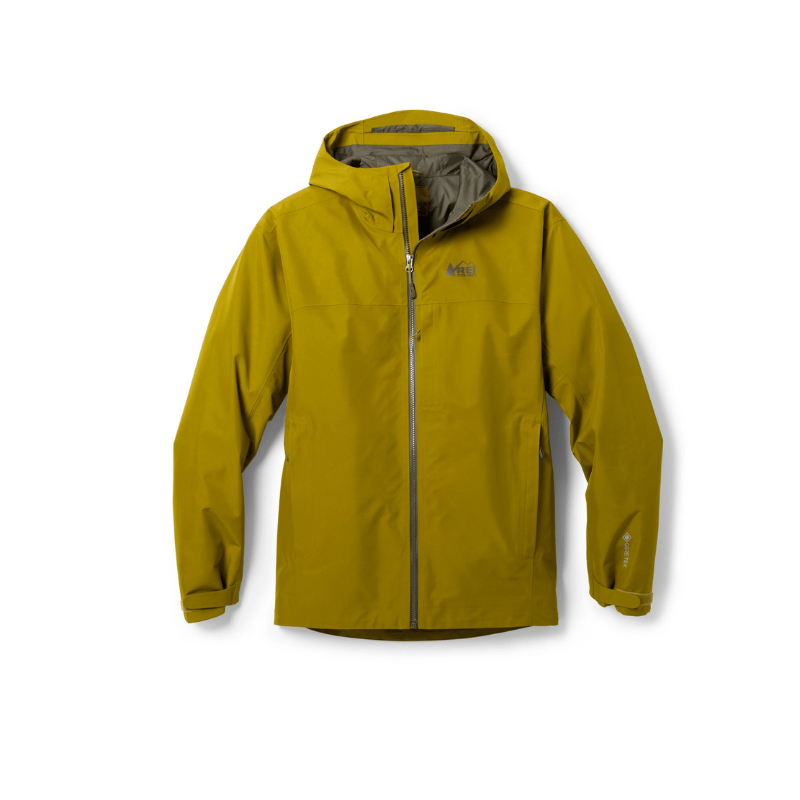
Look for a rain jacket that’s waterproof, breathable, and packs down small. You don’t need anything bulky, just something reliable that you’ll be glad to have when unexpected rain comes your way. Below are the best rain jackets for backpacking and hiking.
The Best Lightweight Rain Jackets for Backpacking:
Sleep Clothes: Base Layers and Clean Socks for a Better Night’s Rest
Having a dedicated set of sleep clothes is one of my favorite backpacking tips. It keeps your sleep system cleaner, helps regulate your temperature at night, and just feels so good to change into after hiking all day. I always pack a lightweight merino or synthetic base layer top and bottom, plus a clean pair of socks that I only wear for sleeping.
Merino wool is my favorite for sleep layers because it’s naturally odor-resistant, warm, and super comfy. Trust me, clean, dry clothes at night can totally change your backpacking experience.
Backpacking Base Layers and Socks for Sleeping in:
Outdoor Research Alpine Onset Merino Base Layers:
Smartwool Classic Thermal Merino Base Layers:
REI Brand Polyester/Spandex Base Layers:
Sleeping Socks:

Wearing LUNA Sandals Venado 2.0 at camp
Camp Shoes: Lightweight Comfort for the End of the Day
After hiking all day, nothing feels better than kicking off your trail shoes and slipping into something light and comfy. Camp shoes are one of those luxuries that are totally worth the weight, and there are some ultralight options out there that won’t add much to your base weight. Having a pair of camp shoes or sandals lets your feet air out after being sweaty or wet all day on trail.
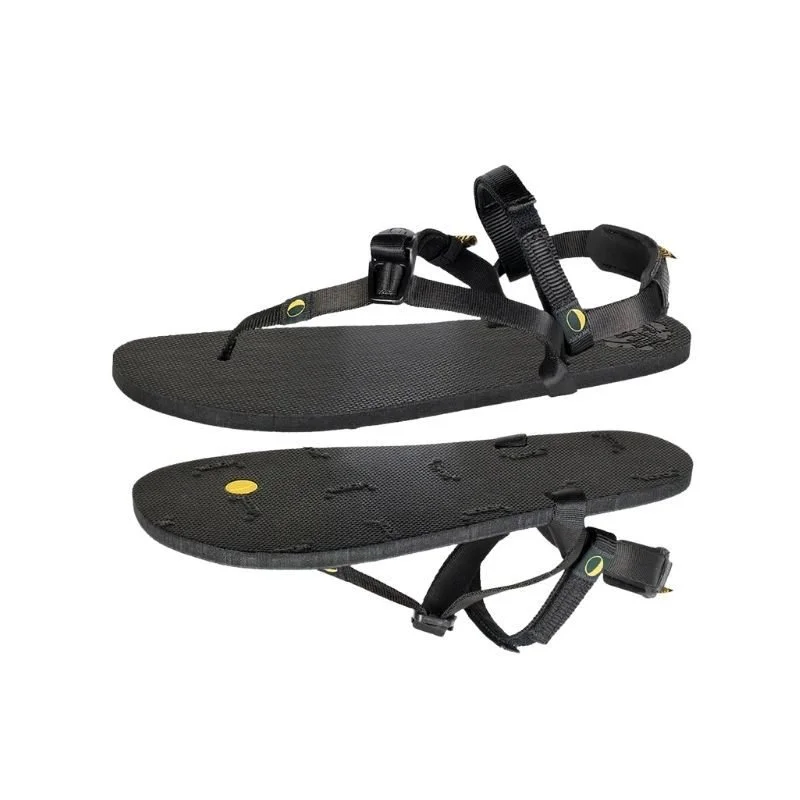
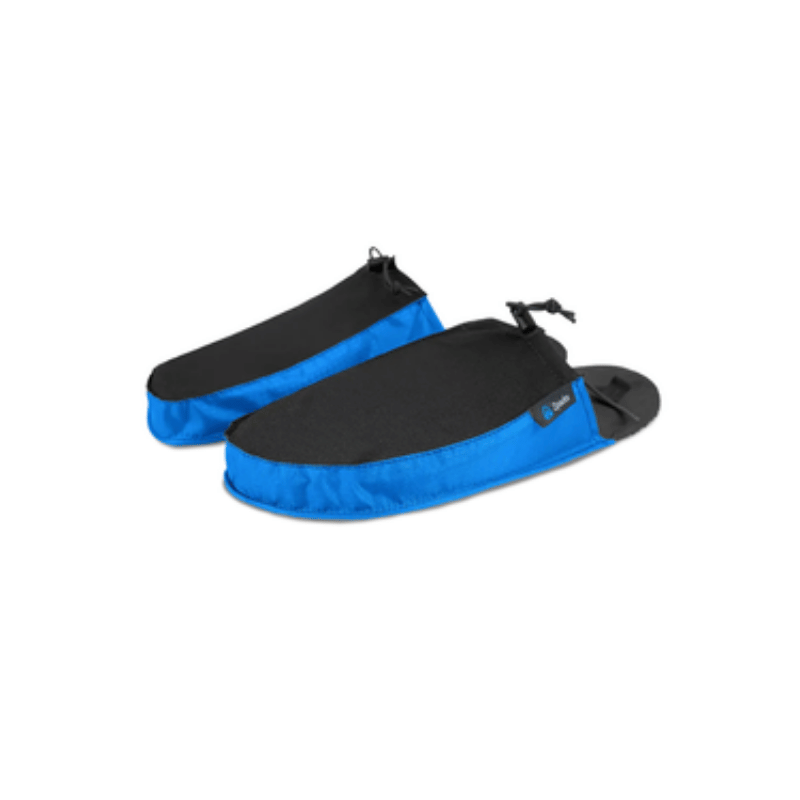
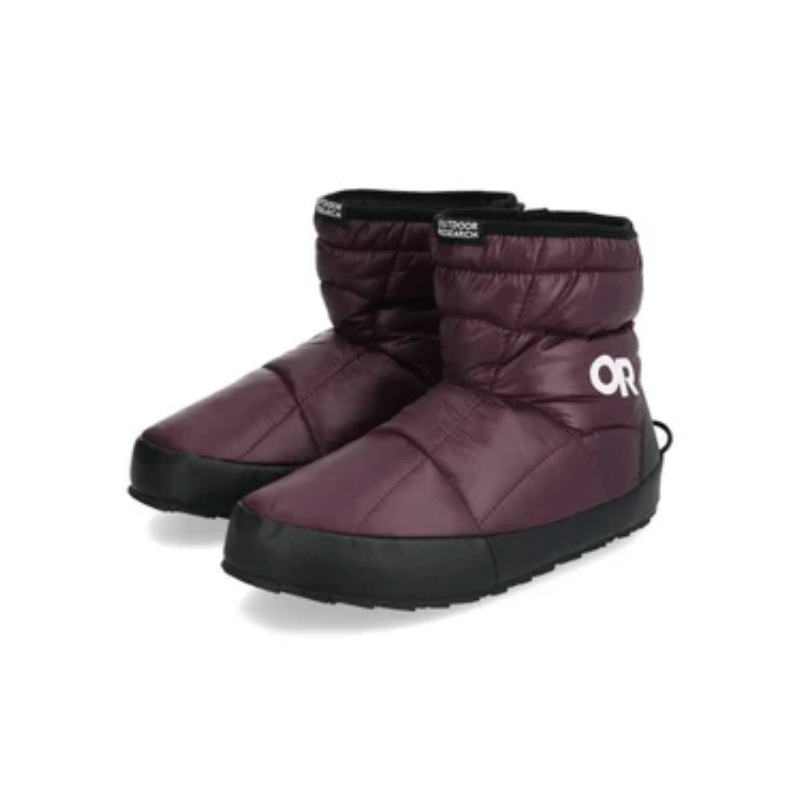
For minimalist comfort, I like packing ultralight sandals like the LUNA Venado 2.0 or Zpacks’ ultralight camp shoes, both weigh almost nothing and pack down tiny. If you want more warmth, down booties are a cozy option for chilly nights at elevation, and they double as extra insulation for sleeping.
Whatever you choose, your feet will thank you when you’re walking around camp, making dinner, or heading out for a midnight bathroom run. Bonus: having a second pair of shoes also gives your trail shoes time to air out and dry overnight. If you go for LUNA Sandals, get 15% off with this link.
The Best Lightweight Camp Shoes:
LUNA Venado 2.0 - These are the lightest LUNA makes and they are super small and minimal to pack, which makes them the perfect camp shoe. You can also hike in them if needed, which you can’t do with the others below.
Zpacks Camp Shoes - If sandals aren’t your thing, Zpacks makes uber ultralight slip on camp shoes that pack down tiny.
OR Down Booties - There’s all different kinds and some even have soles on the bottom for walking around camp. I also love a lightweight pair of down booties for sleeping in while snow camping.
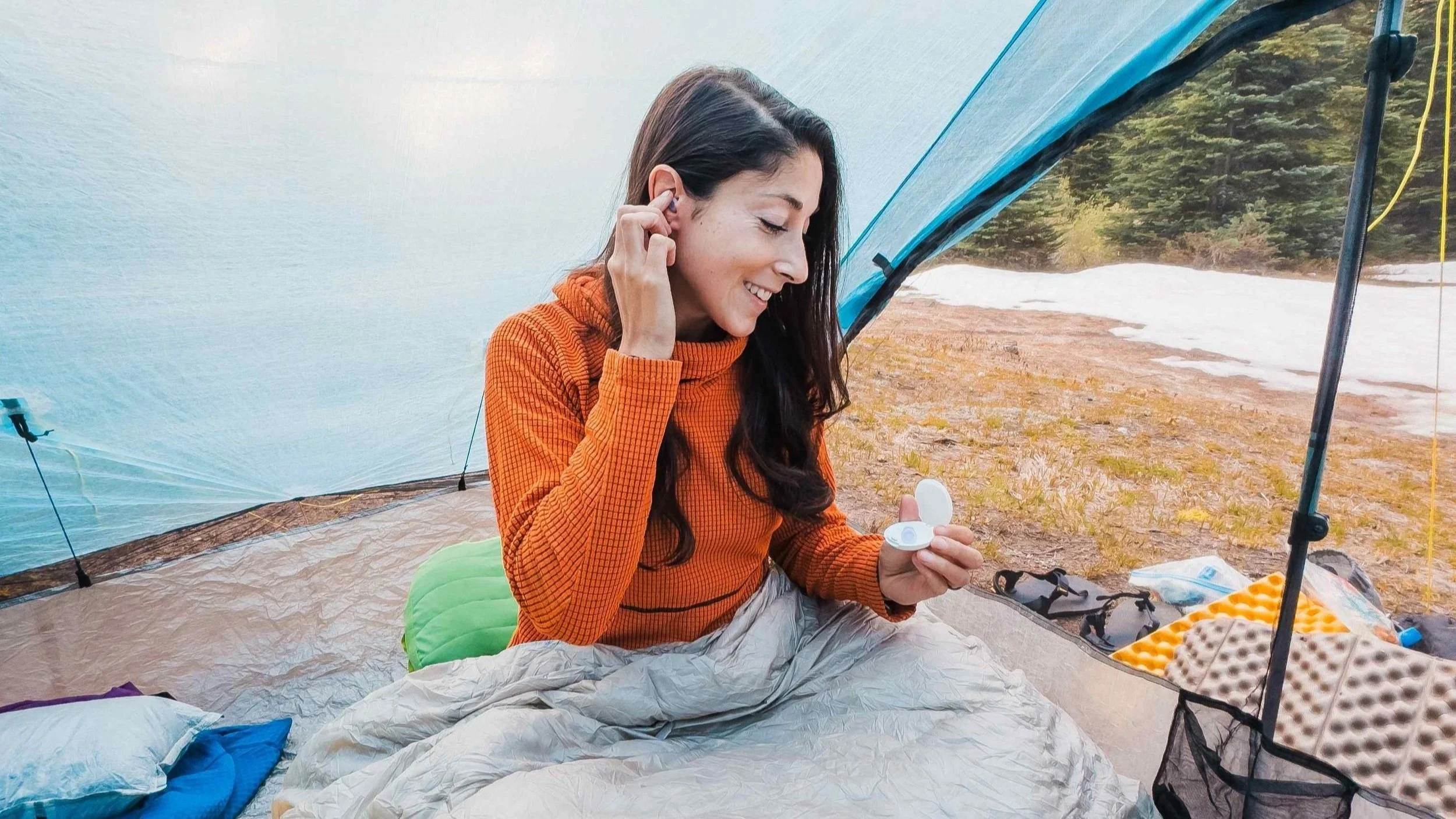
Using Loop Dream earplugs for sleeping at camp
Backpacking Extras You Didn’t Know You Needed
Backpacking extras I don’t leave home without (or at least consider packing). These small-but-mighty add-ons aren’t always essentials, but they do make a big difference in comfort, cleanliness, and organization on the trail. I bring most of these on every trip, others, like a swimsuit or towel, come along when the adventure calls for it.
Here’s What I Like to Add to My Packing List:
Garmin inReach Mini 2 - A compact satellite communicator that lets you send messages, share your location, and call for help, even when you're far off the grid.
Goodr Sunglasses - My favorite that are lightweight, cute with fun colors, and cheap.
Earplugs for sleeping at camp - I’ve been loving the Loop Dream earplugs as a reusable option, so you don’t need to throw them away after use and they last a very long time. Get 10% off with code SKYE10
UL towel - A necessity if you’re planning to swim or have river crossings, this one is the lightest option and packs down tiny.
Swimsuit - Only if you are going to an alpine lake and planning to swim.
Shower wipes - These are my favorite for backpacking, they are so refreshing after a long day on trail, and are individually packaged so you can easily pack them.
Kula Cloth (for the ladies) - An antimicrobial pee cloth that clips to the outside of your pack and dries while you are hiking. I use the same one for three day trips, and then bring a second for longer trips to swap out when needed.
Buff - Works great in cooler weather, doubles as a snot rag and can be used as a sleep mask if it is too bright in your tent.
Stuff sacks - These are all ultralight and will last for years, use them for packing gear and clothing in your pack. The Stuff Sack Pillow is a stuff sack in your pack and turns into a soft fleecy pillow at night, highly recommend.
Trekking poles - Make your trip easier when carrying an overnight pack, plus they double as tent poles if you are using a trekking pole tent.
Gear Discount Codes and Links
I’ve partnered with a few of my favorite outdoor brands to hook you up with exclusive discounts on trail-tested gear. These are companies I actually use and love, and when you shop through the links below, you’ll get a deal and help support my blog. Win-win!
20% off SkyGOAT (grid fleece) - Click the link and add code SKYEGOAT to your cart at checkout to get 20% off your order.
15% off LUNA Sandals - Click the link and the discount will be added to your cart automatically.
15% off Stio with code SKYE15 - Click the link and enter the code in your cart.
10% off Will and Bear hats with code SKYESTOURY - Click the link and the discount will be added to your cart automatically.
20% off Wild Deodorant with code SKYESTOURY- Must enter the promo code at checkout to receive discount. They make a deodorant mini that is perfect for backpacking, it’s the size of a lip balm.
10% off Loop Earplugs with code SKYE10 - Enter the promo code at checkout. I use their Dream earplugs for sleeping both backpacking and car camping.
Final Thoughts on What to Wear Backpacking
What You Wear Backpacking Matters, But Keep It Simple
You don’t need a closet full of fancy hiking clothes to enjoy the trail, you just need the right layers that keep you comfortable, dry, and warm when it counts. I’ve dialed in my system over years of backpacking and hiking, and I hope this post helps you find what works for you too.
The gear listed here is what I reach for trip after trip, whether I’m heading out for a weekend backpacking loop or a longer trek. Stick with the basics, invest in pieces that do more than one job, and don’t overthink it, your future trail self will thank you.
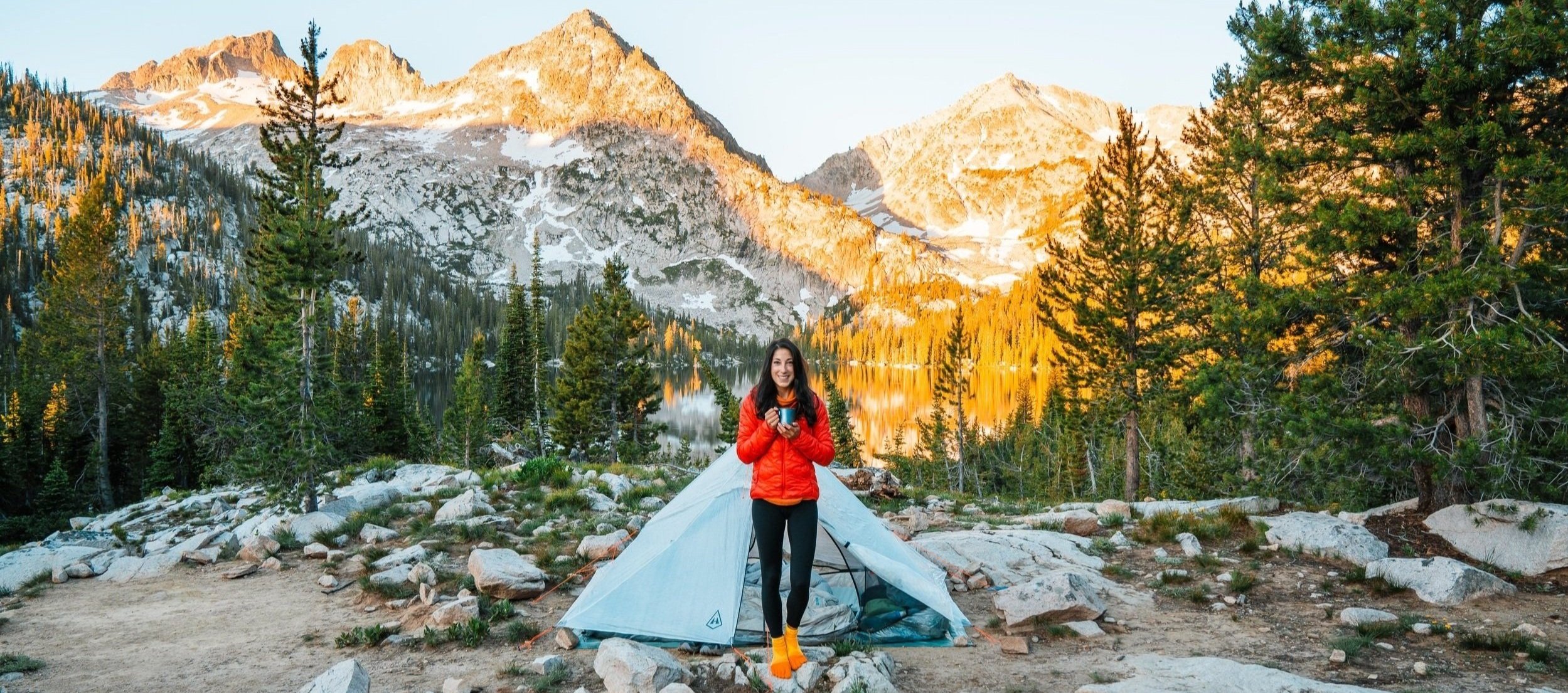
Backpacking the Alice-Toxaway loop in the Sawtooth Mountains
Other Backpacking Posts to Check Out
The Best Ultralight Gear of 2025 - Field tested gear with my reviews
Save this Post for Later


The Ultimate Lake O’Hara Day Hike Guide: How to Hike the Alpine Circuit & See Fall Colors in Yoho National Park
The Best Sandals for Hiking, Backpacking, Camp, and Travel (Trail Tested and Reviewed)
This image is copyrighted and owned by Skye Stoury Photography and skyestoury.com, if you would like to licence any images on this site, please email us at hello@skyestoury.com