
The Ultimate Lake O’Hara Day Hike Guide: How to Hike the Alpine Circuit & See Fall Colors in Yoho National Park

A Comprehensive Guide to Hiking Lake O’Hara and the Alpine Circuit in a Day, Without a Shuttle or Camping Permit
Lake O’Hara is honestly one of my favorite all time hiking areas and it should be on your hiking and backpacking bucket list! We’ve hiked all over Canada, extensively in the Banff area, and this is by far the most amazing place, not just in Canada, but a top hiking spot in the world (and we’ve hiked in Patagonia, Europe, the US, and Canada). Whether you are planning to day hike the Alpine Circuit, or have a backpacking reservation, this is the guide for you. We cover everything from how to hike here in just one day, to even tips for backpacking.
Campground reservations and shuttle reservations are hard to come by, especially at the end of September when the larches are in their prime gold color. But, guess what? It is totally doable to hike to Lake O’Hara AND to hike the Alpine Circuit in a day. We did it last fall and it took our group about 11 hours total to hike 21.5 miles (34 km) car to car. You need to be in good hiking shape for this, as it is a very long day, but it’s so worth it to get to see all of the alpine lakes with fall colors.
*Updated for the 2026 hiking and backpacking season.
Table of Contents
Why Lake O’Hara is One of the Best Hiking Destinations Near Banff
Hiking Lake O’Hara and the Alpine Circuit in a single day is no small feat, but the payoff is incredible. Lake O’Hara in general offers some of the most stunning scenery in the Canadian Rockies, from turquoise alpine lakes and towering peaks to golden larch trees in fall that light up the trails in late September.
The Alpine Circuit is the best day hike from Lake O’Hara itself and no matter if you are camping, staying at the lodge, or doing it all in a day, it is worth adding to your list. We hiked the Alpine Circuit clockwise, which takes you past all of the best alpine lakes and viewpoints, and gets you to the ledges at sunset if you time it right. The trail winds past bright blue lakes, dramatic viewpoints, and through groves of larches that will be golden in the fall. Limited shuttle bus spots and camping reservations mean the area feels peaceful and uncrowded, giving you plenty of room to soak in the beauty.
If you’re in good hiking shape, this Yoho National Park hike is one of the most unforgettable ways to experience the Rockies and see the best fall hiking trails in Canada.
Before you hit the trails, it’s important to know how to get to Lake O’Hara, including shuttle bus options, trail access, and what to do if you don’t have a camping permit, all key details for planning a successful day hike in Yoho National Park.
Affiliate disclaimer: This blog post contains affiliate links, meaning I receive a small commission of every purchase made with my links at no additional cost to you. Sometimes there is even a discount code for my readers which I specify next to the links.
Everything You Need to Know to Day Hike and Backpack at Lake O’Hara in the Canadian Rockies

How to Get to Lake O’Hara in Yoho National Park (Access & Reservations)
Getting to Lake O’Hara can feel like part of the adventure. The area is protected, so access is limited, which is why the shuttle bus system and camping reservations are in high demand, especially during larch season in late September. If you don’t have a shuttle spot, don’t worry: it’s still possible to hike the access road (about 6.8 miles/11 km) to the lake on your own and start your Lake O’Hara day hike from there. Planning ahead and knowing your options is key to making the most of this Yoho National Park hike, whether you’re aiming for a shorter lakeside stroll or the Alpine Circuit.
The most popular way to reach Lake O’Hara is by shuttle bus, which runs from the parking lot near the Trans-Canada Highway. Spots on the shuttle are limited and must be reserved far in advance, often months ahead, so if you’re hoping to catch fall larch colors, booking early is essential. If you can’t snag a shuttle (we weren’t able to), you can hike the access road instead, it’s a steady climb, but perfectly doable for a Lake O’Hara day hike. Hiking in gives you flexibility on timing and lets you enjoy the scenery without rushing, plus it’s a great way to warm up before tackling the Alpine Circuit trail. Both options lead to the same incredible alpine lakes and viewpoints, so whether you ride or hike, the Yoho National Park adventure awaits. No matter which option you choose, don’t forget the bear spray.
Hiking The Alpine Circuit: Lake O’Hara’s Signature Hike

Once you arrive at Lake O’Hara, the Alpine Circuit trail is the ultimate way to experience the area in a single day. This Lake O’Hara day hike loops around the high alpine peaks, taking you past stunning lakes that are all a different shade of blue, dramatic viewpoints and overlooks, and groves of golden larch trees in fall. It’s a long and challenging route, roughly 6 miles (9 km), not including hiking into Lake O’hara itself, with significant elevation gain, but it rewards every step with some of the most stunning scenery in the Canadian Rockies. Whether you’re after the famous alpine lakes, sweeping mountain vistas, or just a full day immersed in Yoho National Park’s hiking trails, the Alpine Circuit delivers it all.
Our group decided to hike the trail clockwise so that we would end up at the popular view point ledges on the Opabin plateau section of the trail.
Quick Details and Trail Stats
There are multiple versions of the Alpine Circuit online, we decided on the version above based on our view point and photography objectives, and the fact that we also hiked all the way in and out from the parking lot. If you are camping and have more time, you can do a longer variation of this hike. Since we only had so many hours of daylight in late September, we opted for the shorter version that still hits up all of the best photo spots along the trail.
The trail stat and details below are based on the track my group hiked, pictured in the Gaia GPS map above. These stats do not include the road walk. That takes the total mileage to 21.5 miles (34.6 km) for our full day.
I highly recommend using the Gaia GPS map for hikes, and the paid membership allows you do download areas and tracks onto your phone (what I do for all my hikes) for when you are out of service.
Trail Stats:
Distance: about 6 miles (9 km)
Elevation Gain: 2,150 feet (655 m)
Difficulty Rating: Moderate to Difficult depending on fitness
Time/Duration: 5-8 hours depending on how many times you stop for photos…
Hiking Direction: I recommend hiking the loop clockwise, that is what our group did.
Permits and Fees: National Park entry fees to park and recreate ($10.50 CAD/person/day or $21/car/day). Reservations and fees ($17.14/person) are required for the shuttle bus to get to Lake O’Hara.
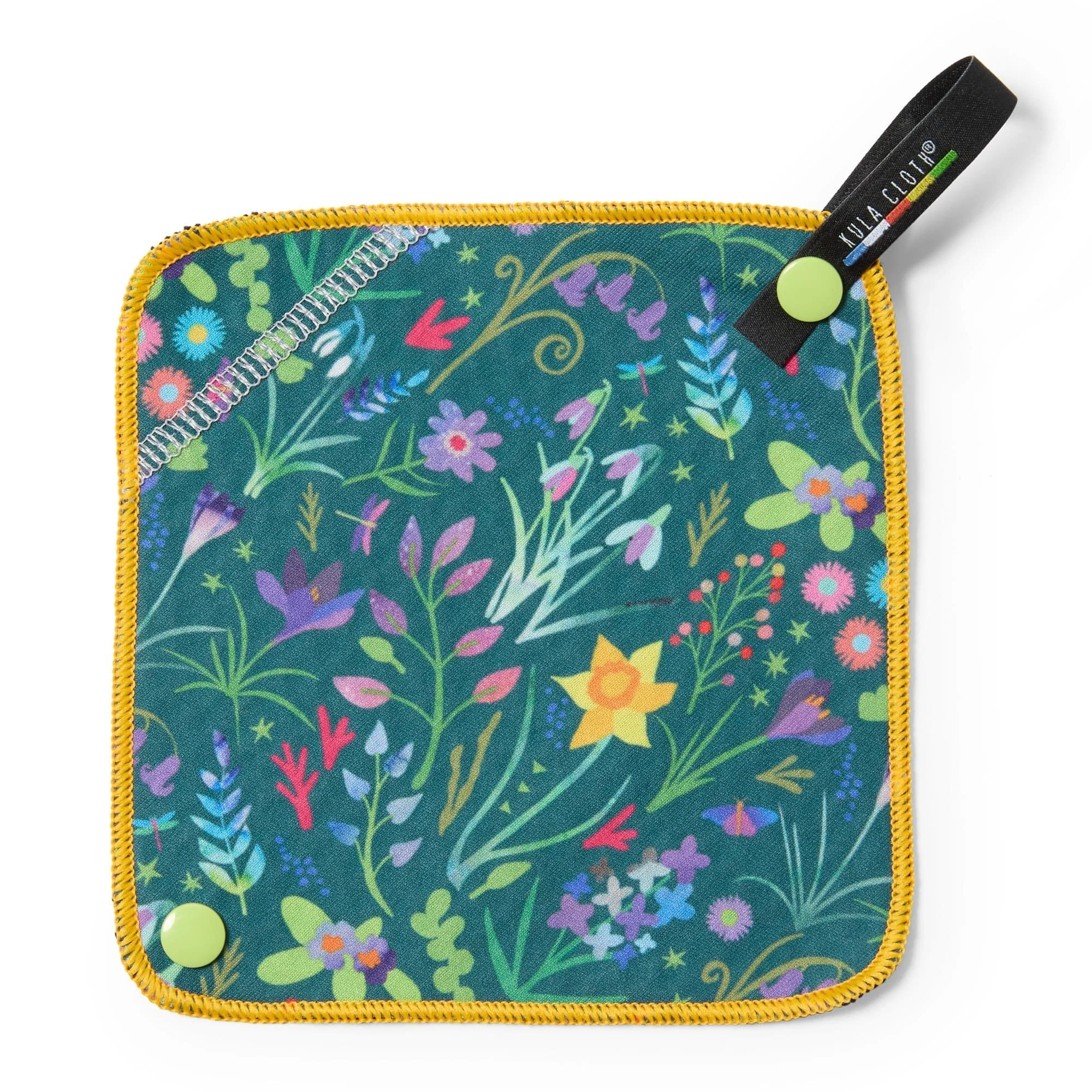
Toilets: Pit toilets are near the campground, bus pick up and drop off location near the trailhead and at the lodge. There are no toilets on the Alpine Circuit, so please be prepared with a wag bag to pack it all out. Yes, even your toilet paper and poop as this is a fragile alpine environment. Ladies, a Kula Cloth is a great option for peeing in the backcountry and not needing toilet paper.
Alpine Lakes and Scenic Highlights on the Lake O’Hara Alpine Circuit

On the clockwise Alpine Circuit, the trail winds past a series of distinct alpine lakes, each with its own character and surrounding terrain. Some are tucked into valleys, others perched below dramatic cliffs, and together they create a natural rhythm that guides you through the heart of the Lake O’Hara backcountry. In this section, I’ll highlight the standout spots to watch for, with tips for timing your visit and taking in the best views along the way.
Yukness Lake

Starting clockwise from the main trailhead, the first lakes you’ll encounter are Yukness Lake and Victoria Lake. Yukness is a small alpine lake that sits in a quiet alpine basin with reflections of surrounding peaks on its clear water. It’s a peaceful spot to pause early in the day and get a sense of the scale and serenity of Lake O’Hara’s Alpine Circuit.
Victoria Lake

Just a short distance from Yukness Lake, Victoria Lake is slightly smaller but honestly more scenic with its bright blue water. The trail skirts its edge, offering framed views of the surrounding ridges. In fall, you might catch early patches of golden larches, making it a perfect spot for a quick photo before climbing toward Lake Oesa.
Lake Oesa
From Victoria Lake, the trail climbs to Lake Oesa, whose waters sit beneath dramatic peaks. One of the larger lakes in the area, makes for a great spot for a picnic break before heading to Opabin Lake and the Plateau below.
Opabin Lake & Plateau

This is the main photo spot you have probably seen that made you want to do this hike to begin with, and yes it is worth it. From Lake Oesa, the trail climbs to the Opabin Plateau, where Opabin Lake sits tucked among rocky ledges. This section offers sweeping alpine views and is one of the most scenic stretches of the Lake O’Hara day hike. Fall larches here make it particularly magical. We stayed at this view point for sunset and it was magical. Side note: If you’re camping or staying at the lodge, this can be a short sunset or sunrise hike on it’s own without having to complete the full loop.
Mary Lake
Continuing along the clockwise loop, you’ll descend toward Mary Lake. This peaceful alpine lake is framed by peaks and smaller larch groves — a quieter spot to catch your breath and enjoy the reflections on calm water.

What to Bring for a Lake O’Hara Day Hike (Fall Hiking Gear & Essentials)
Hiking Lake O’Hara and the Alpine Circuit in Yoho National Park is an incredible experience, but being prepared makes the day so much more enjoyable. Even in late September, fall weather in the Canadian Rockies can be unpredictable, so packing the right gear is key for a safe and comfortable Lake O’Hara day hike.
I’ve linked to some of my favorite hiking gear and essentials below everything I brought on my Lake O’Hara day hike and other fall adventures in the Canadian Rockies. These are tried-and-true items that make a long day on the trails more comfortable and enjoyable, and if you decide to pick up any for your own hike.
If you enjoy my blog posts, please consider purchasing gear through my links, as I may earn a small commission at no extra cost to you, which helps me fund running this blog.
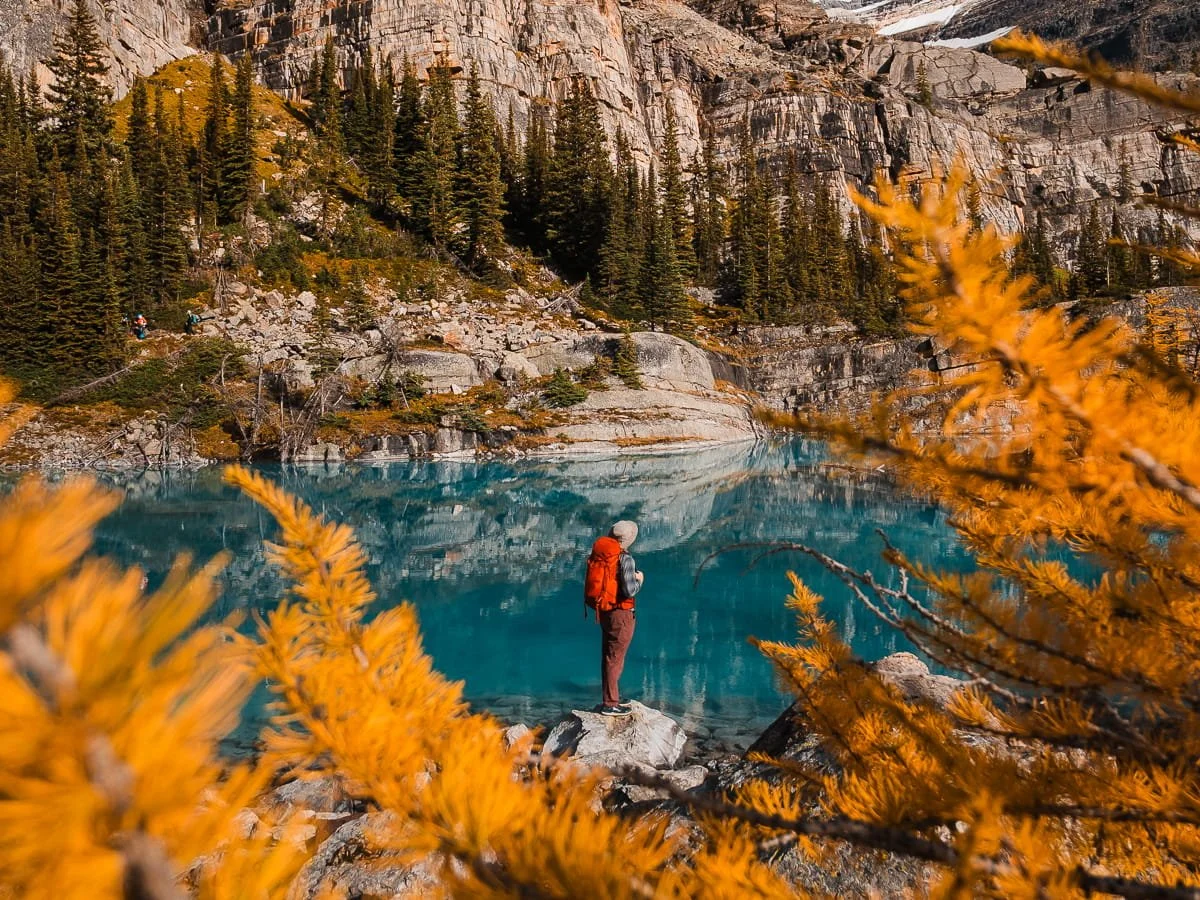
Clothing & Layers for Hiking at Lake O’Hara
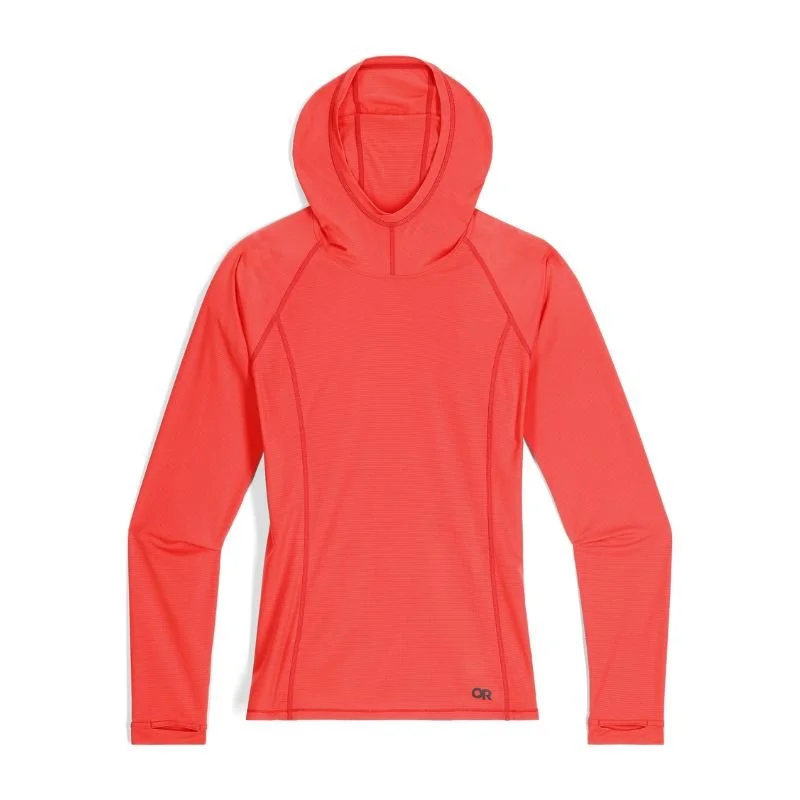
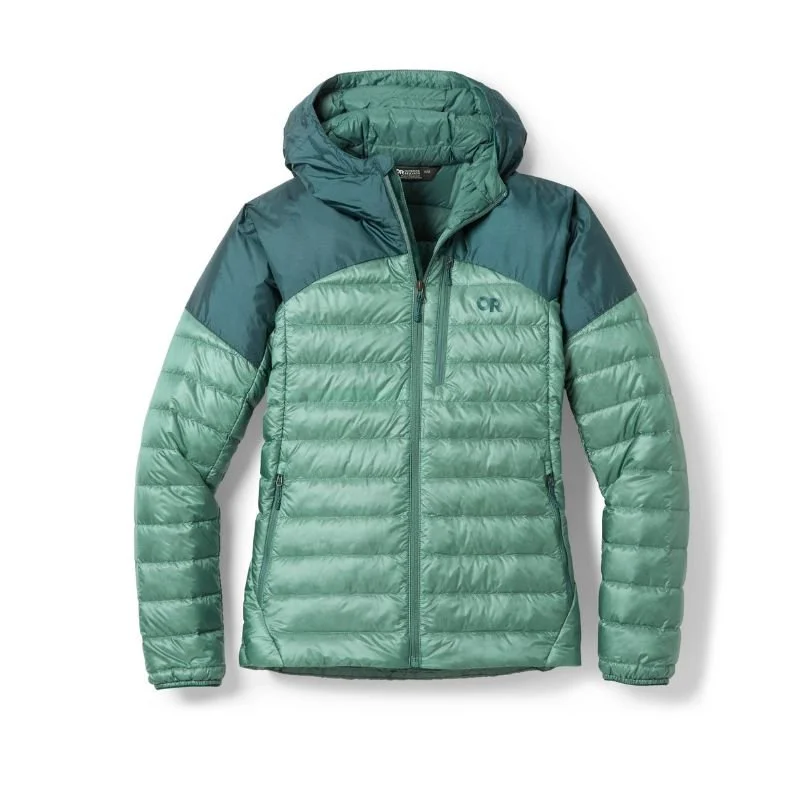
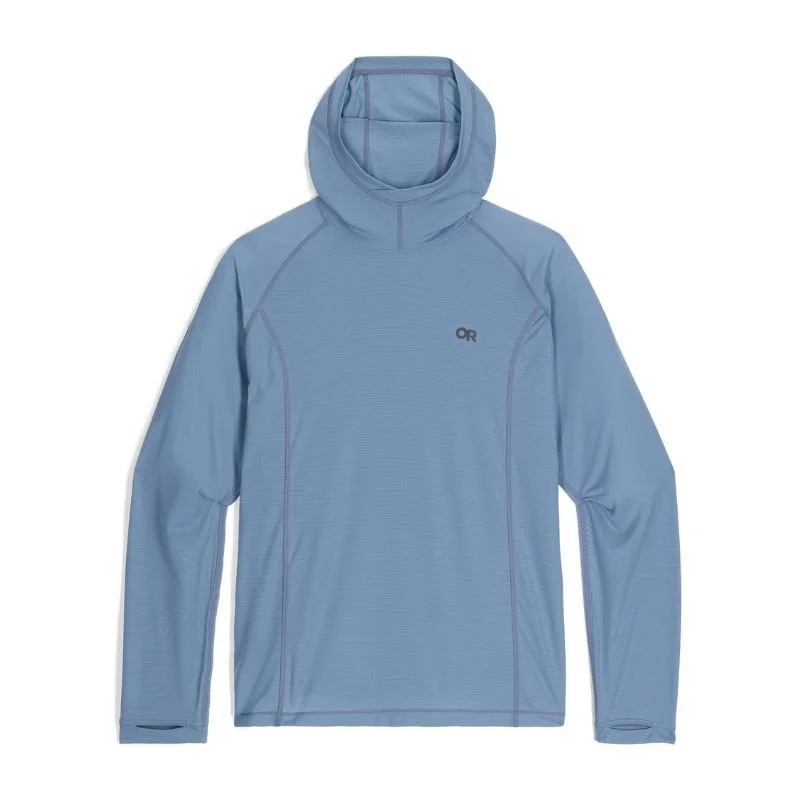
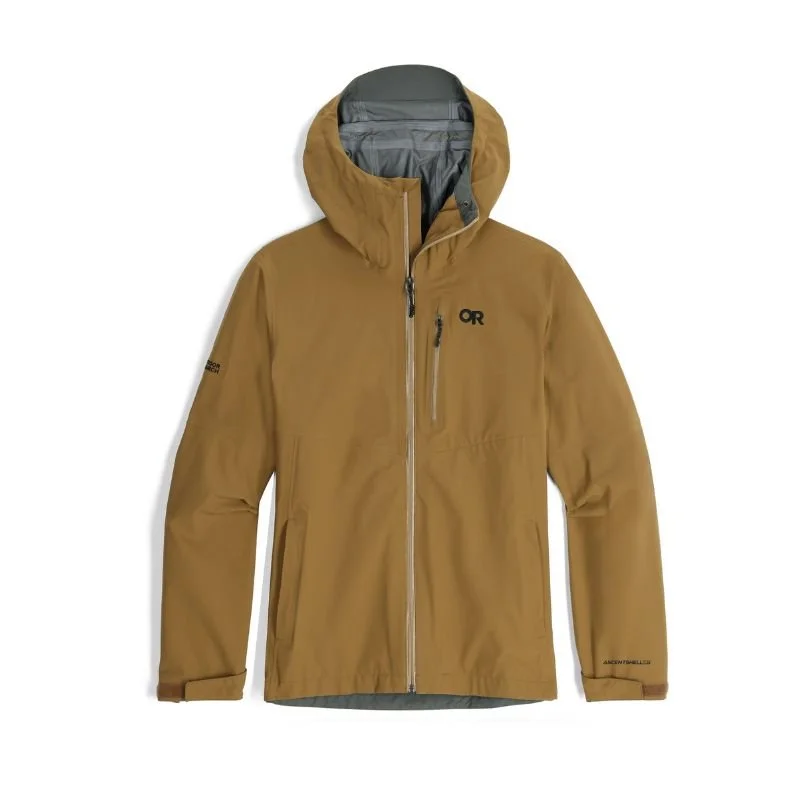
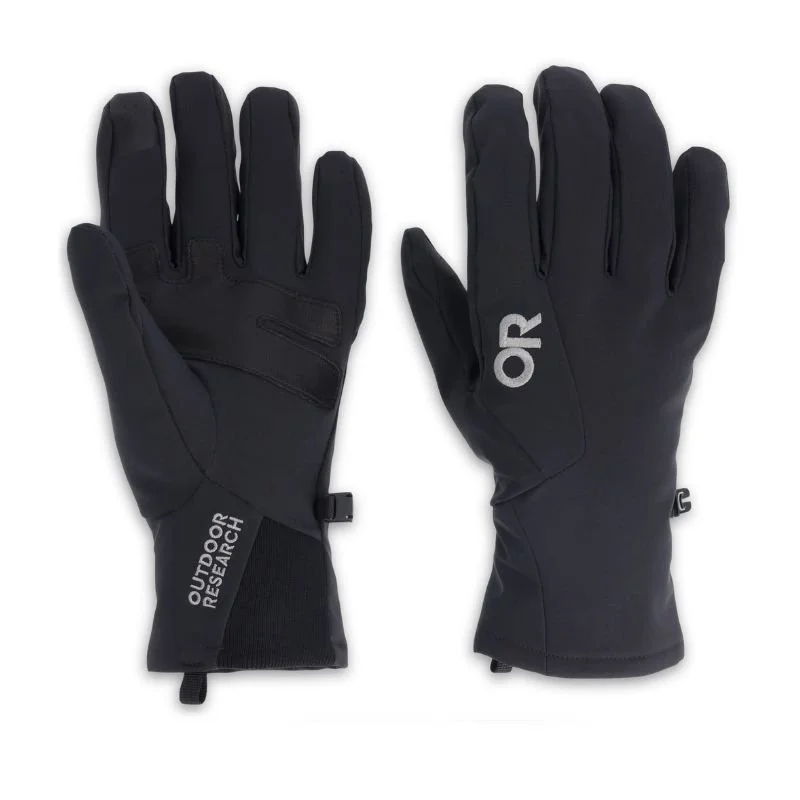
Temperatures can swing quickly in the alpine, so I always recommend layering. A moisture-wicking base layer, insulating mid-layer, lightweight down jacket, and a waterproof shell are essential for fall hiking. Don’t forget a hat and gloves, even a sunny fall day can get chilly above the tree line. For a full list of hiking gear, check out our guide on What to Wear for Hiking & Backpacking, and if you’re visiting in the fall when it’s colder, check out the Fall & Winter Hiking Gear Guide.



Footwear for Hiking & Backpacking
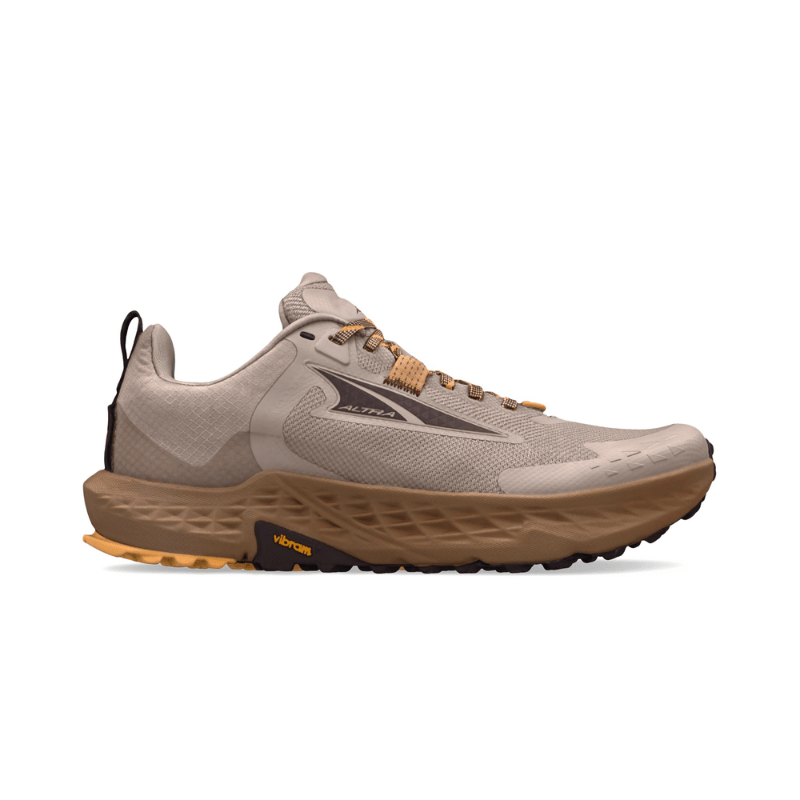
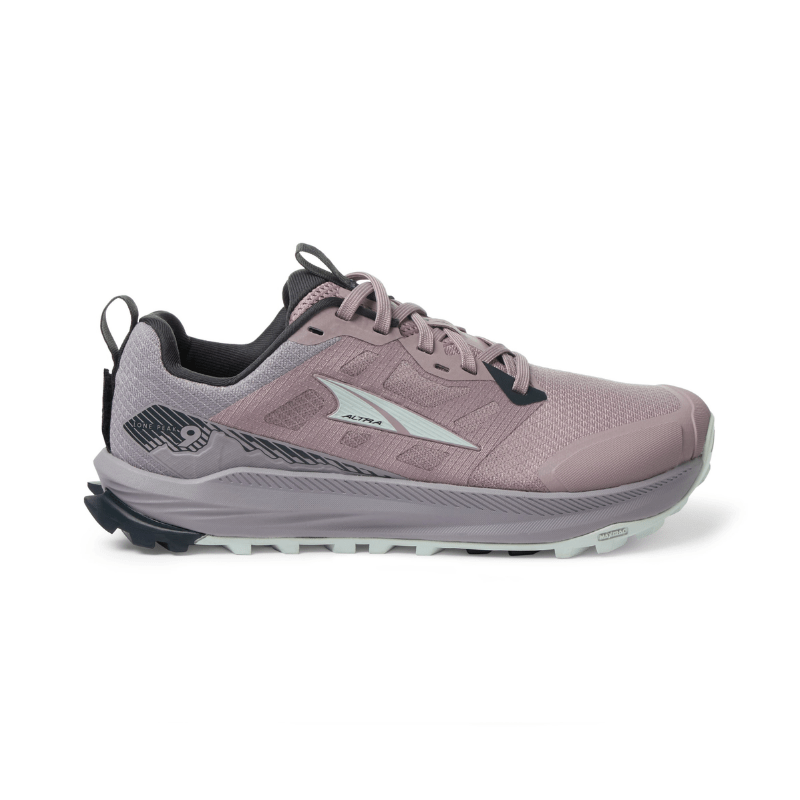
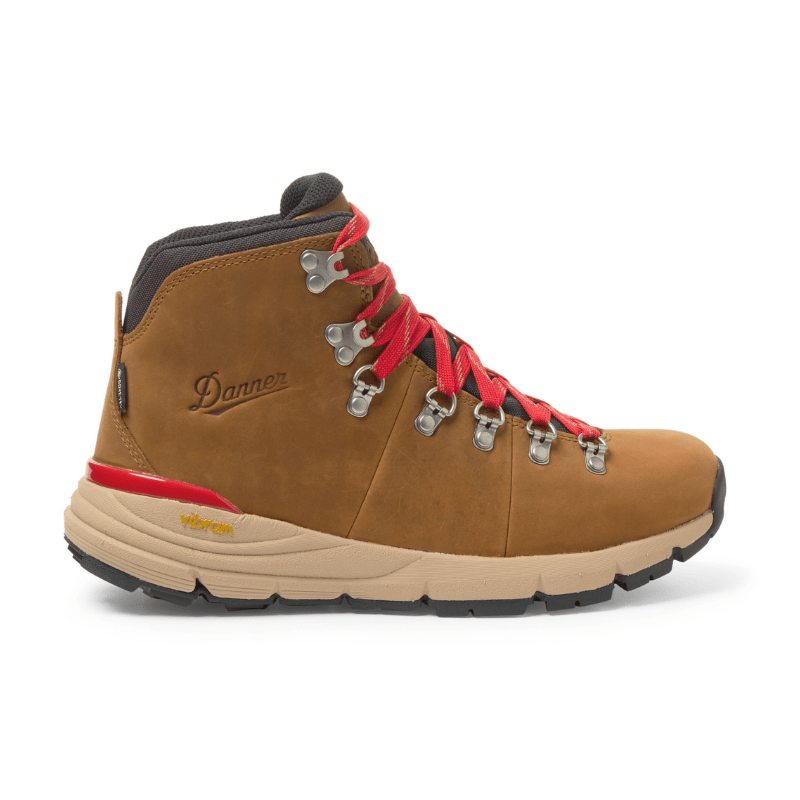
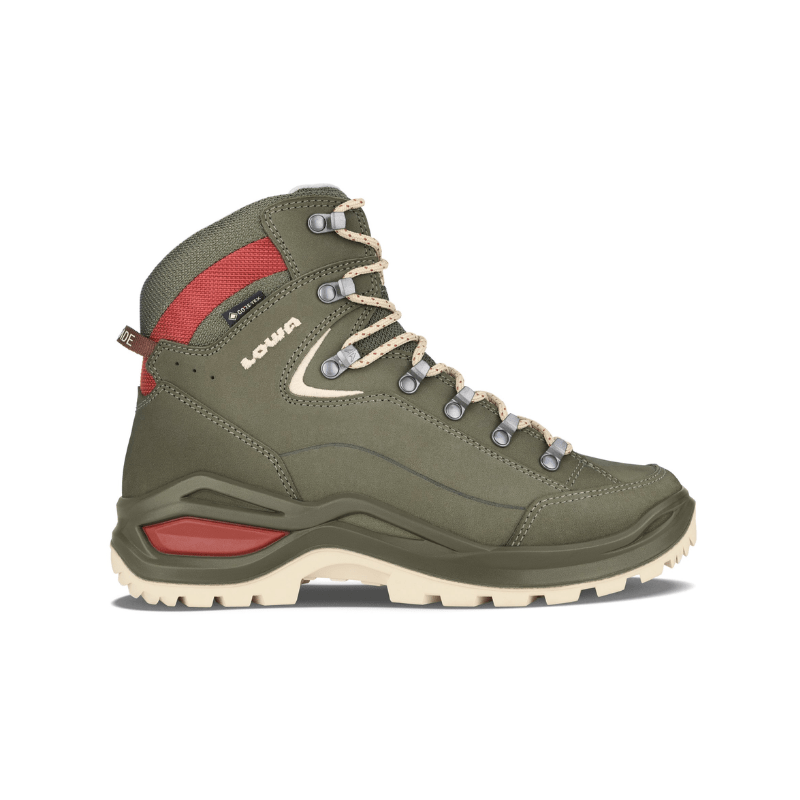
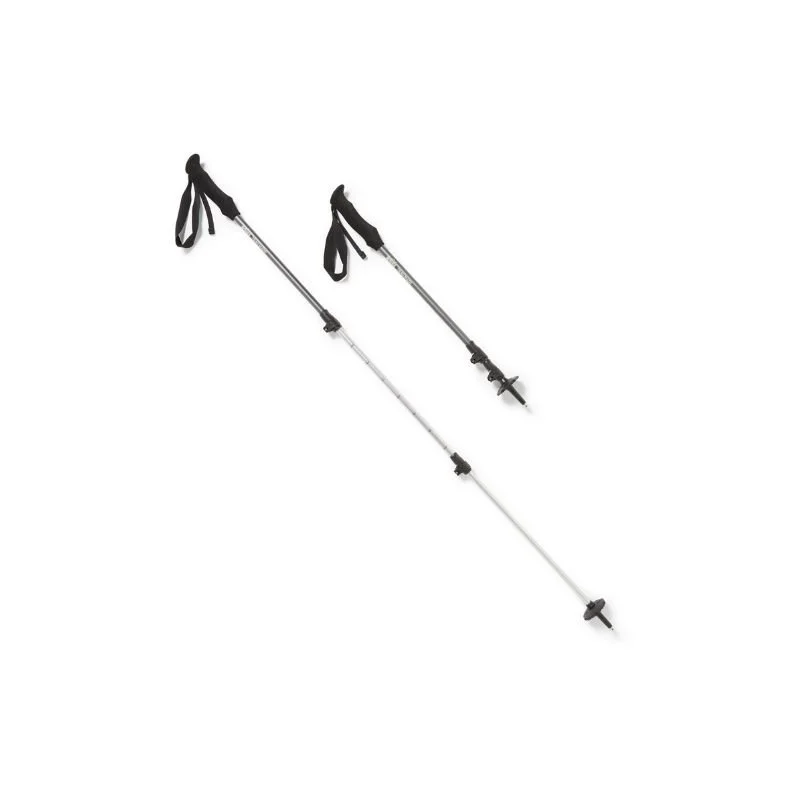
Personally I always prefer to hike in trail runners, even in the fall, but boots work as well, especially if there is any snow in the forecast or on the ground. Sturdy hiking boots or trail shoes with good grip will make the rocky sections of the Alpine Circuit trail much easier. If you’re bringing trekking poles, they also help reduce strain on your knees during descents. I’d also add in gaiters and microspikes if you are expecting snow.
Food & Hydration on the Trail
Pack plenty of water and bring a water filter so you don’t have to carry as much with you. There are plenty of lakes on this hike to filter from along the way, my favorite water filter that I bring on all my hikes and backpacking trips is the BeFree 1L. For food, high-energy snacks and gels will keep you fueled on a long day. A small lunch and some extra snacks are perfect for enjoying at one of the alpine viewpoints or lakes along the trail.
Navigation & Safety While Hiking in the Backcountry
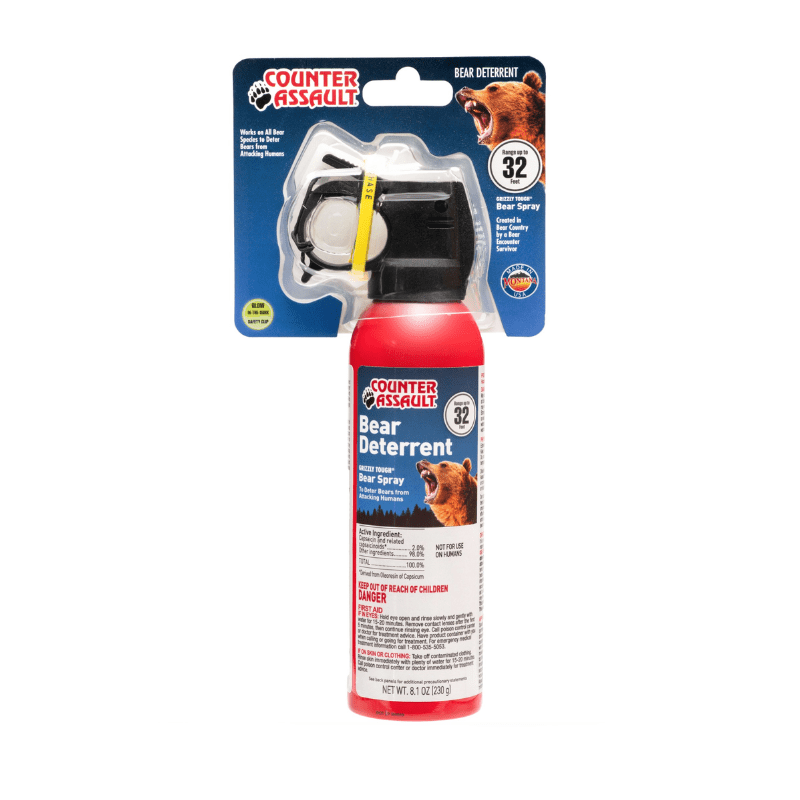
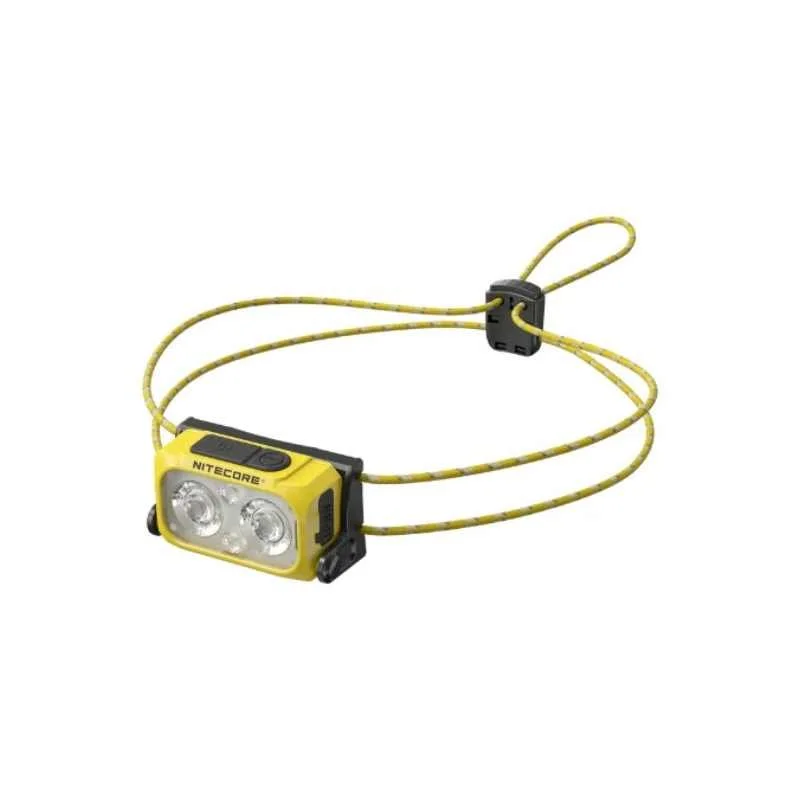
Even though the trails are well-marked, having digital maps of the area and where you are planning to hike is important. Personally I like Gaia GPS the best. And don’t forget essentials for hiking in the Canadian Rockies like bear spray, a basic first-aid kit, and a headlamp in case your day goes longer than expected. When we did this hike car to car, we did hike our in the dark, so having a well charged headlamp is important. I also always bring my Garmin InReach Messenger in case of emergency.


Gear and Accessories for Hiking in the Canadian Rockies
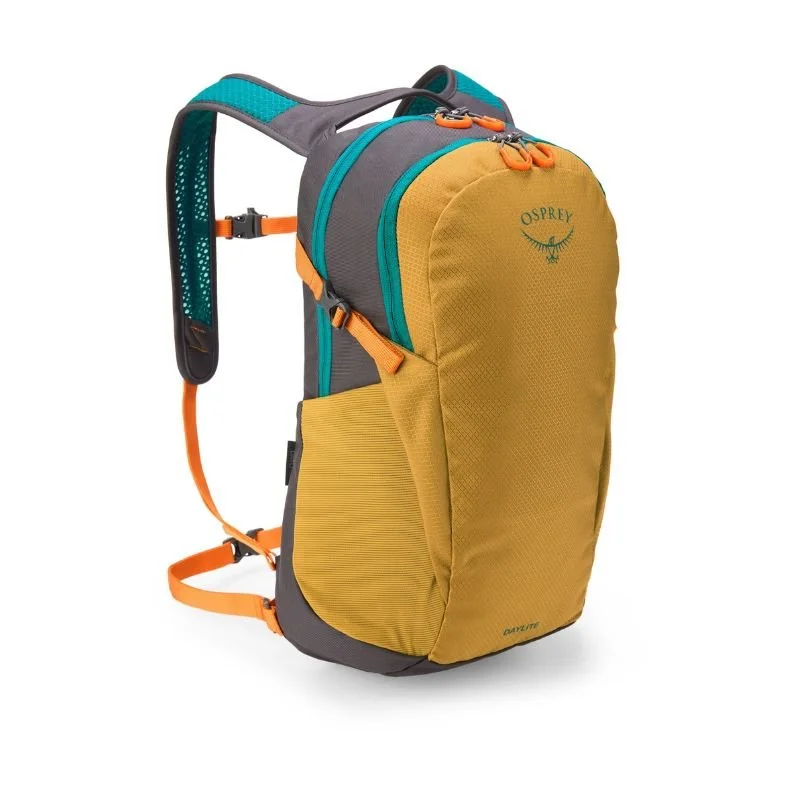
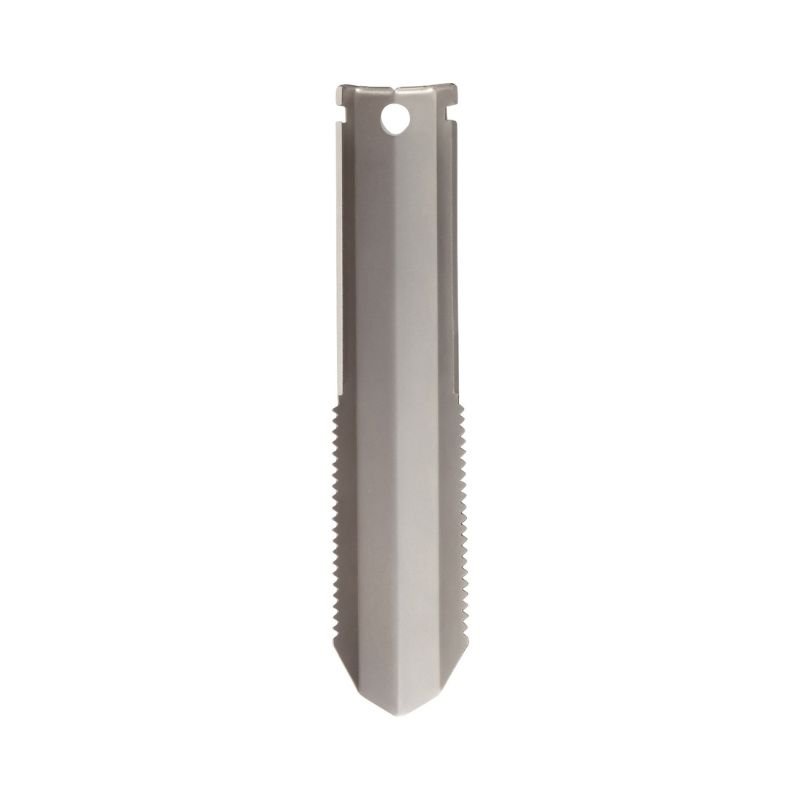
Late September is prime larch season, so bring a camera or phone to capture the golden trees. Sunglasses are useful as well, and a lightweight daypack will hold all your gear comfortably. I also love hiking with trekking poles to make the hike easier and save my knees on steep sections. Aside from that I always bring a backcountry toilet kit, which includes an ultralight trowel (only for use in areas where you are allowed to dig a cat hole), toilet paper, a ziplock bag to pack out used toilet paper, a wag bag for packing out your poop in the alpine, and a Kula Cloth for pee.

Tips for Hiking to Lake O’Hara in One Day
Hiking Lake O’Hara and the Alpine Circuit in a single day is absolutely doable, but it’s a long, challenging route, so planning is key. Start early to make the most of daylight, and pace yourself, the clockwise loop gives you a steady climb at the beginning and saves some of the most iconic viewpoints for later in the day.
Make sure you’re carrying enough water and snacks, as there aren’t any services along the trail. There is a restaurant at the lodge and a small store near the campground. Don’t rely on either being open or having what you need, but they are available and open for part of the day. There is a water fill area near the lodge and if you bring a water filter, you can fill up at lakes along the hike.
Wearing layers is essential, since weather in the Canadian Rockies can change quickly, even in late September, mornings and high passes can be surprisingly chilly. Trekking poles can help reduce fatigue on steep climbs and rocky descents, and a lightweight daypack will keep all your essentials accessible without slowing you down.
Lastly, give yourself some flexibility. Some viewpoints, like the Opabin Plateau or the high passes, are worth lingering at, even if it means taking a slightly longer day. With the right preparation, this Lake O’Hara day hike can be one of the most rewarding experiences in Yoho National Park, letting you soak in turquoise lakes, alpine peaks, and golden larches in fall without needing a camping permit.
With these tips in mind, let’s dive into some of the most common questions hikers have about tackling Lake O’Hara and the Alpine Circuit in a day, from shuttle logistics to the best time to see the fall larches.
FAQ About Hiking & Backpacking at Lake O’Hara
Is Lake O’Hara worth it for just one day?
The short answer: absolutely! I thoroughly enjoyed our Lake O’Hara day hike, and for long-distance hikers like my husband and me, it was a perfect single-day adventure. If you’re not up for the full mileage but can secure a shuttle reservation, that’s another great way to experience the Alpine Circuit trail in a day. Of course, overnight camping lets you explore even more trails in the area, but if you can’t get a camping permit or are pressed for time, a day hike is more than enough to see all of Lake O’Hara’s highlights.
How long does it take to hike the Alpine Circuit?
Timing really depends on your fitness level and hiking pace, but for most people, expect anywhere from 4 to 8 hours for the Alpine Circuit in Yoho National Park. We did 11 hours car to car, including the access road, and spent about 6 hours on the Alpine Circuit itself, plenty of time for photo stops, enjoying alpine lakes, and soaking in the fall larches along the way.
Where can you see larches in Yoho National Park?
Lake O’Hara is hands-down one of the best spots to see fall larches in Yoho National Park, especially in late September when the golden color peaks. Other nearby hikes that showcase stunning larches include Lake Louise, the Big Beehive and Lake Agnes trails, Floe Lake in Kootenay National Park, and Arnica Lake between Banff and Kootenay. For a full list, check out my blog on Must Do Larch Hikes Near Banff and Canmore for more ideas.
How do you hike Lake O’Hara without a shuttle?
If you can’t secure a shuttle bus reservation to Lake O’Hara, it’s still possible to hike the 6.8 mile (11 km) access road from the parking lot near the Trans-Canada Highway. This approach adds some mileage and elevation to your Lake O’Hara day hike, but gives you full flexibility on timing and allows you to enjoy the Alpine Circuit trail at your own pace.
When is the best time to see larches at Lake O’Hara?
Late September is prime larch season in Yoho National Park, when the golden larches along the Alpine Circuit trail and around the lakes are at their peak. In past years I have seen larches in their prime between September 20th and 28th, but it always depends on the year. Visiting during this window ensures the most vibrant fall colors for photography and scenic views.
Is the Alpine Circuit trail suitable for families or beginner hikers?
The Alpine Circuit is long (about 6-12 miles / 9–20 km depending on your route) with significant elevation gain, making it better suited for experienced hikers in good shape. Families or beginners can still enjoy Lake O’Hara by hiking shorter sections, like the trails around Lake Oesa or Mary Lake, which showcase alpine lakes and larches without committing to the full circuit.

Camping & Backpacking at Lake O’Hara
For those who want to extend their adventure beyond a day hike, camping at Lake O’Hara is a fantastic option. The Lake O’Hara Campground is managed by Parks Canada and requires advance reservations, which fill up quickly, especially during larch season in late September. If you’re interested, you can find full details on permits, availability, and regulations on the official Parks Canada Lake O’Hara page. Camping allows you to explore the Alpine Circuit trail and surrounding hikes at a more relaxed pace, and catch sunrise and sunset over the alpine lakes.
Whether you’re camping at Lake O’Hara or staying nearby, proper planning ensures you can make the most of your day hike on the Alpine Circuit and enjoy all the highlights the park has to offer.

Where to Stay Near Lake O’Hara
If camping isn’t an option or you prefer a comfortable bed after a long day on the trail, there are several great lodging options near Lake O’Hara and the surrounding area. We normally stay in Banff or Canmore to be close to hiking, but there are also a lot of amazing hotel options closer to this area, near Lake Louise. A great and more affordable hotel option that we loved when we stayed in Canmore is the Basecamp Lodge. And if you’re looking for luxury, the Fairmont Château Lake Louise is beautiful and set on the shore of Lake Louise, which is a destination in and of itself.
For a full list of lodging options we recommend near Banff and Lake O’Hara, check out our Banff Lodging Guide.
Here are some great lodging options:
Lake Louise: Just a short drive away, Lake Louise offers hotels and lodges with stunning mountain views and easy access to the Icefields Parkway.
Moraine Lake: The iconic Moraine Lake Lodge provides cozy accommodations and quick access to Moraine Lake’s iconic turquoise waters and hiking trails. Staying at the lodge is the only way to actually be able to drive up to Moraine Lake without taking a bus or riding a bike up the road.
Banff: For a wider selection of hotels, motels, and bed & breakfasts, Banff is about an hour’s drive and gives you access to restaurants, shops, and other amenities while still being close to Yoho National Park.
Canmore: A bit farther from Yoho than the rest, but Canmore is at the base of Kananaskis which offers a large amount of fall larch hikes as well. And, Canmore is a super cute mountain town with a lot of lodging options, restaurants, shopping, and it’s less touristy than Banff.
Not into hotels? There are plenty of VRBO rental options in the area as well as full service campgrounds in Yoho and Banff National Parks that have hot showers.
Staying in these areas lets you combine a Lake O’Hara day hike with other Canadian Rockies adventures, whether it’s chasing larches, exploring alpine lakes, or tackling nearby trails.
Responsible Hiking at Lake O’Hara: Leave No Trace in Yoho National Park
Lake O’Hara is one of the most fragile and beautiful corners of the Canadian Rockies, and its limited access is part of what makes the area feel so special. To help protect it for future visitors, be sure to follow Leave No Trace principles: pack out everything you pack in, stay on marked trails to avoid damaging alpine plants, and respect the quiet wilderness setting. Camping is only allowed at the campground, and wildlife should always be observed from a distance. By recreating responsibly, you’ll help ensure Lake O’Hara and the Alpine Circuit remain pristine for generations of hikers.
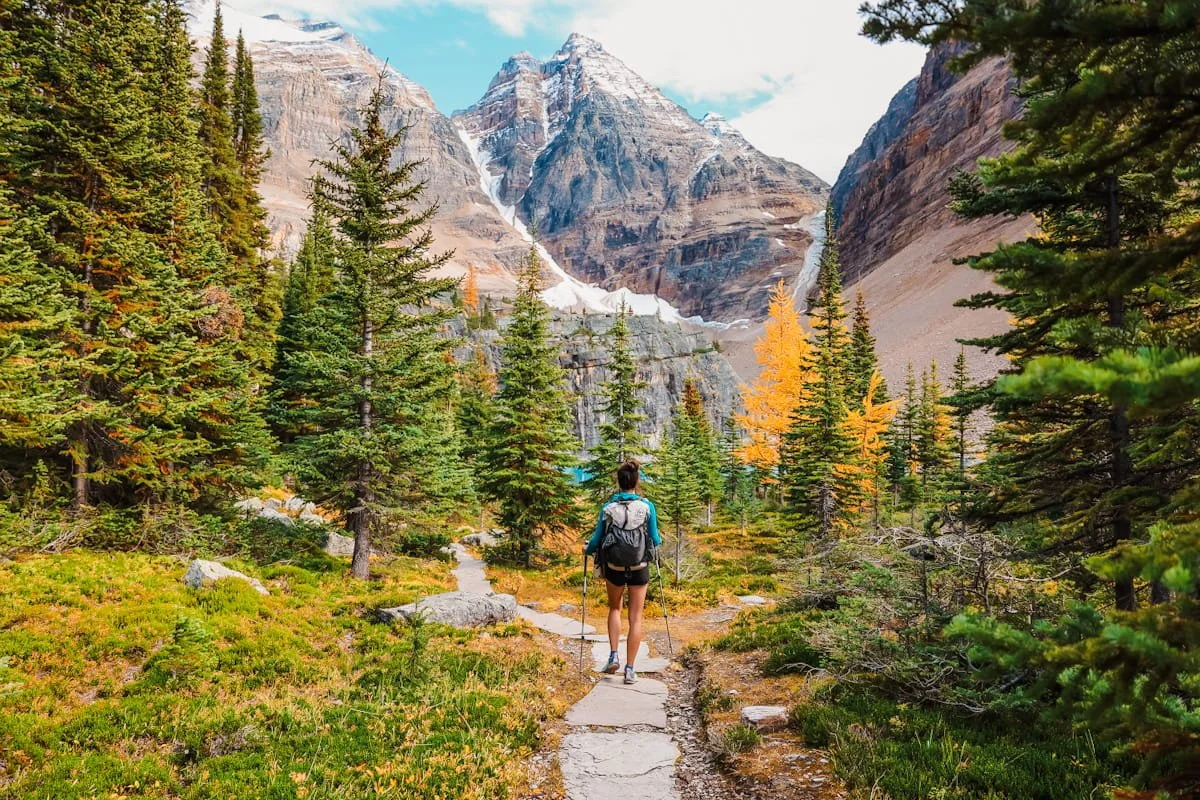
Final Thoughts on Hiking Lake O’Hara in a Day vs. Camping
Hiking Lake O’Hara and the Alpine Circuit in a single day is challenging, but the reward is some of the most breathtaking scenery in the Canadian Rockies. From turquoise alpine lakes to panoramic high pass viewpoints and golden larches in fall, this hike delivers a full day of adventure without needing a camping permit.
If you’re planning your visit, start early, pace yourself, and make sure you’ve got the right gear to fully enjoy the experience. Whether you’re a seasoned hiker or just chasing those iconic fall larch colors, Lake O’Hara is one of the most unforgettable Yoho National Park hikes you can do in a day.
For more fall hiking inspiration, check out my guides on must-do larch hikes near Banff and Canmore, there are plenty of stunning trails to explore in the Rockies beyond Lake O’Hara.
More Canadian Rockies Hiking and Backpacking Guides
Save this Post for Later


The Best Sun Hoodies and Sun Shirts for Hiking, Backpacking, and Climbing (2026)
What to Wear Backpacking and Hiking: The Best Clothing and Shoes for on Trail and at Camp
This image is copyrighted and owned by Skye Stoury Photography and skyestoury.com, if you would like to licence any images on this site, please email us at hello@skyestoury.com