
Ultimate Guide to Backpacking The Enchantments in Washington State
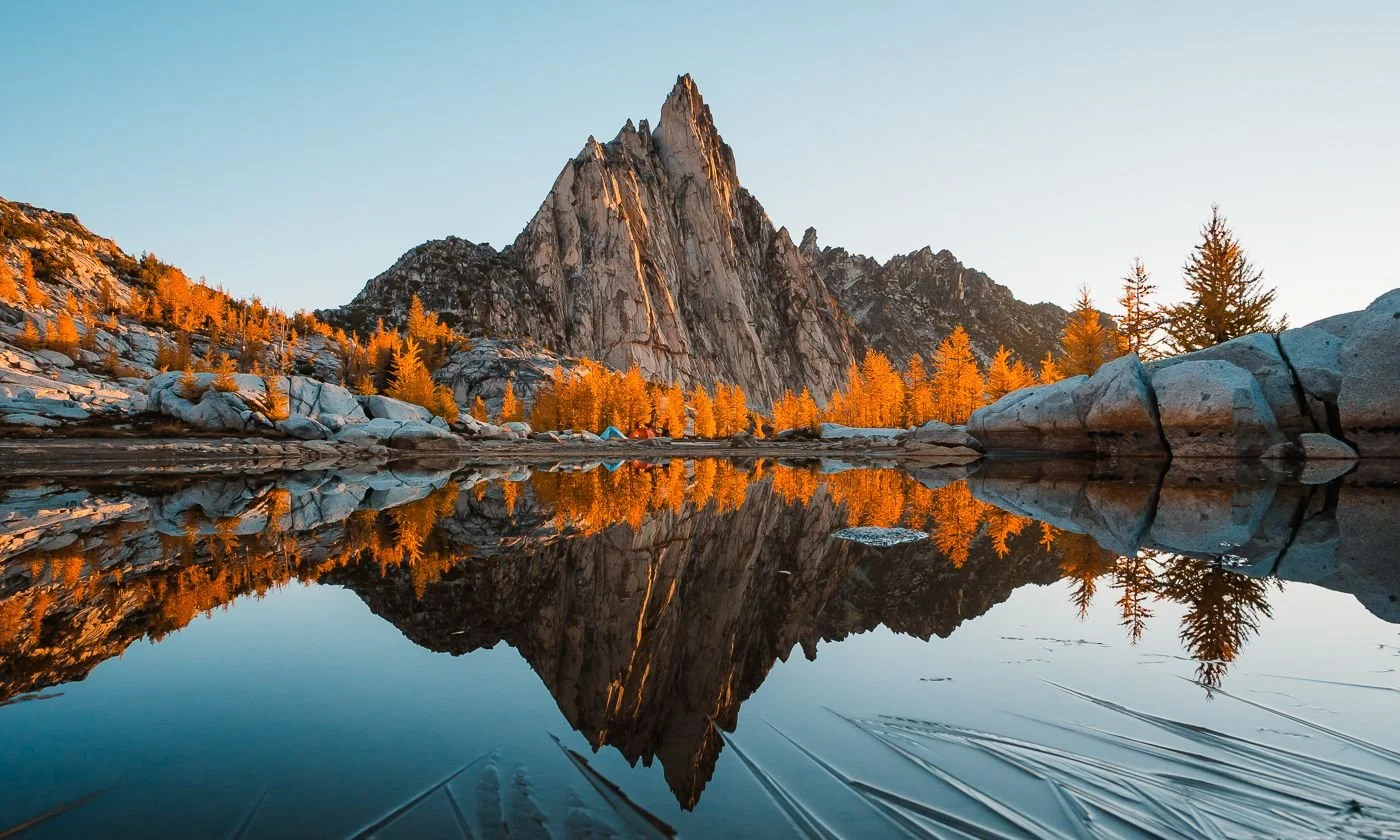
Backpacking the Enchantments: Complete 2026 Trail & Permit Guide
The Enchantments is a very special area in the Alpine Lakes Wilderness of Washington State, offering pristine high alpine lakes, dramatic mountain views, and true backcountry beauty. It's a bucket-list backpacking trip for most backpackers, and anyone interested in visiting the Cascade Mountains, exploring Pacific Northwest alpine lakes, or tackling one of the most stunning hikes in Washington.
Why trust this guide? We have backpacked into the Core Enchantments multiple times, both in summer and fall, climbed alpine peaks in the permit area, thru-hiked the full trail in a day, and have done countless day hikes to Colchuck Lake and even into the Core. We’re Washington locals with extensive knowledge on the permit process (we’ve won permits for the Core Zone three times now and gone additional times on friends’ permits), and we are very experienced backpackers and alpine climbers. We put everything we wish we knew when we first heard about The Enchantments into this guide, and will be updating it every year with new information. Our goal is for you to have the best and most responsible recreation in The Enchantments after reading this guide.
A little background on our Enchantments experience: I first heard about The Enchantments while exploring the Pacific Northwest, and when we first started dating, Skye had already backpacked into the Core with friends and climbed Colchuck Peak. The photos alone were enough to make this a bucket-list priority, and hearing Skye gush about how amazing the area was, put it on our list for our first summer of dating in 2018. Somehow that first time applying, we both won Core permits in the lottery, mine in August, and Skye’s in October. Since then, Skye and I have visited The Enchantments numerous times, and it’s one of our favorite places in all of Washington.
Even though this isn't a technical mountaineering route or scramble (if you stick to the main trail), depending on the season and distance, this can be a very challenging backpacking trip. Whether you're through hiking The Enchantments, doing an out-and-back to the Core Zone, or planning a multi-day adventure in the Core Zone in the Alpine Lakes Wilderness, we hope this guide helps in your trip planning process.
Below you will find everything you need to know about backpacking the Enchantments, including permit zones, the Enchantments lottery for 2026, route options, Aasgard Pass difficulty, what to pack, and the best time to go.
If you are interested in doing the full Enchantments thru-hike in a day, check out our full day hike guide with everything you need to know. We also have a backpacking guide to Colchuck Lake if you have permits for that zone, and a day hiking guide dedicated to Colchuck Lake as well.
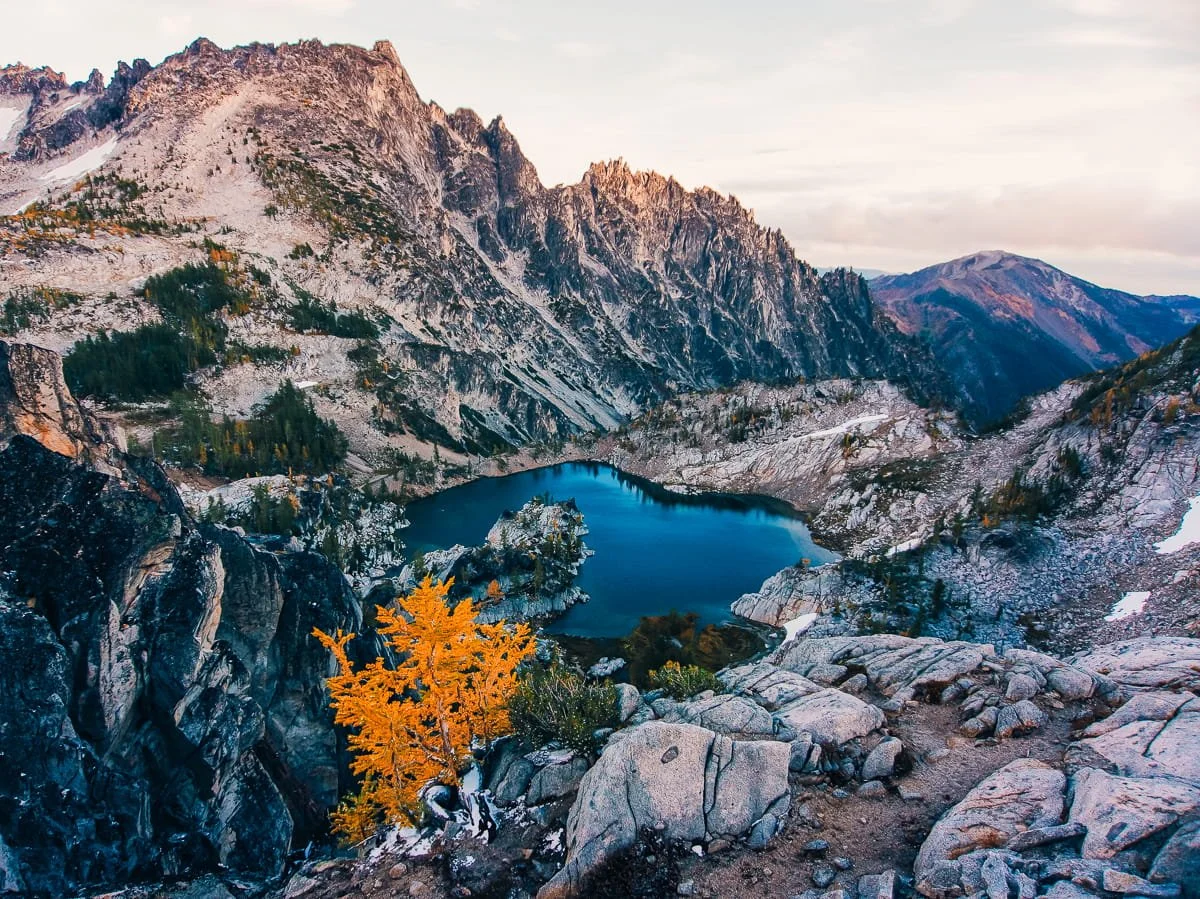
Look down at Crystal Lake from the upper core
Quick Facts on Backpacking the Enchantments in Washington’s Alpine Lakes Wilderness
Location: Alpine Lakes Wilderness, Leavenworth, Washington
Best Time to Go: Mid-July to early September; late September–early October for larch season
Permit Required: Yes — overnight permits required May 15–Oct 31 (via advanced lottery that runs Feb. 15-Mar. 1); day hikes require a free self-issued permit at the trailhead
Distance: ~18–19 miles for the full thru-hike; 8 miles round trip to Colchuck Lake
Elevation Gain: ~6,500–7,000 feet total; Aasgard Pass gains ~2,200 feet in under 1 mile
Highest Point: Aasgard Pass (~7,800 ft)
Difficulty: Very difficult — steep terrain, loose rock, and sustained climbing
Main Routes: Colchuck Lake out-and-back, Colchuck to Core Zone, full thru-hike (Colchuck to Snow Lakes)
Most Challenging Section: Aasgard Pass to get into the Core
Permit Zones: Core, Colchuck, Snow Lakes, Stuart, Eightmile/Caroline
Dogs Allowed: No, rangers will ticket you if they see you with a dog anywhere in The Enchantments
Water Availability: Abundant in Core Zone; limited on Snow Lakes descent
Cell Service: Minimal to none
Looking for more backpacking inspiration in Washington, without the permit hassle? Check out the Cathedral Pass Loop in the Pasayten Wilderness.
Affiliate Disclaimer: This blog post contains affiliate links, meaning we receive a small commission of every purchase made with our links at no additional cost to you. Sometimes there is even a discount code for our readers which we specify next to the links.
Table of Contents
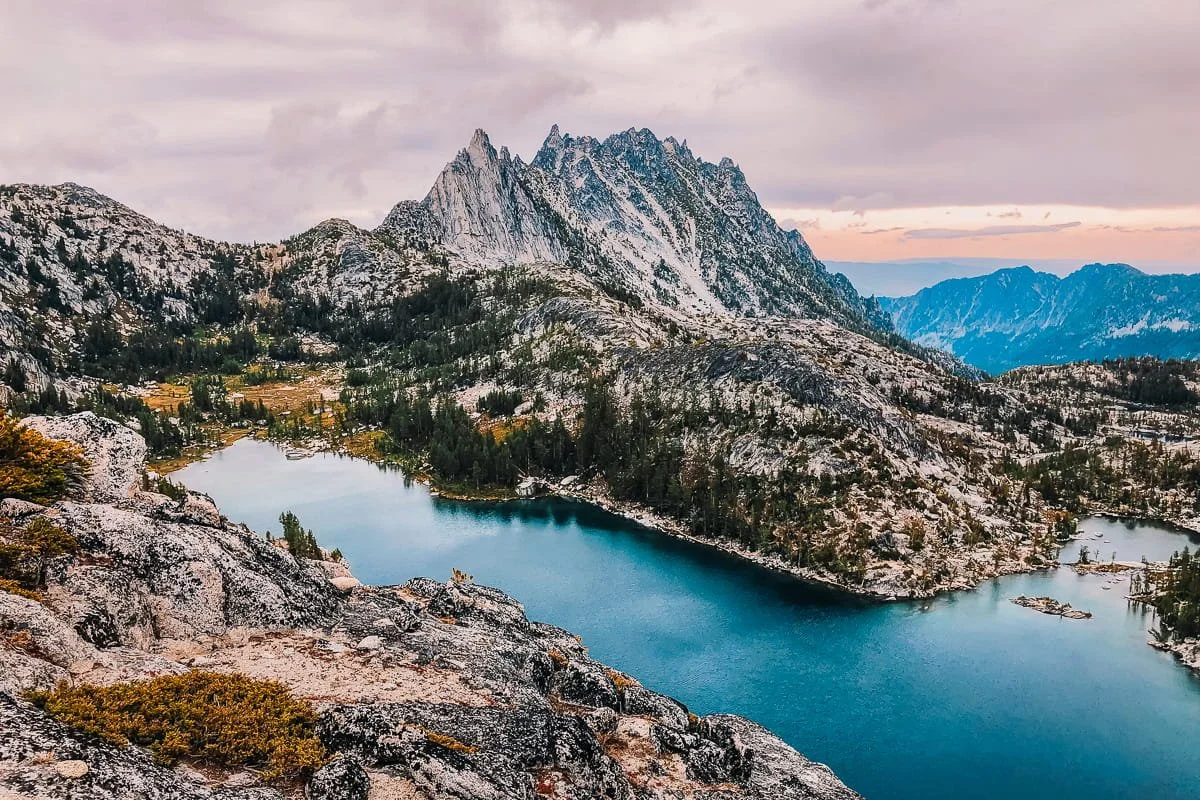
Looking down at Perfection Lake and Prusik Peak from our campsite in the Core
Where Are the Enchantments Located?
The Enchantments sit in the Alpine Lakes Wilderness within the Okanogan-Wenatchee National Forest, about 15 miles southwest of Leavenworth, Washington. This spectacular high alpine basin in the Cascade Mountain range is surrounded by some of the most dramatic peaks in the Pacific Northwest and is easily accessed from the town of Leavenworth, making it a prime base for exploring this iconic stretch of the Washington Central Cascades.
How to Get to The Enchantments in Leavenworth, Washington
Leavenworth is centrally located in Washington State on US Highway 2, making it accessible from major cities across the Pacific Northwest. Below you will find driving directions to get you to the trailhead.
Driving to Leavenworth from Major Cities Near the Area
From Seattle, WA (2.5 hours, 117 miles): The most common route is via US-2 East over Stevens Pass. From Seattle, take I-5 to I-405 North, merge onto WA-522 East toward Woodinville/Monroe, then follow US-2 East through the Cascades. This scenic route takes you over Stevens Pass with stunning mountain views.
Alternative route: Take I-90 East over Snoqualmie Pass to Exit 85 (Cle Elum), then head north on WA-970 and WA-97 over Blewett Pass to US-2. Turn left (west) on Highway 2 toward Leavenworth. This route adds about 30 minutes but can be faster during heavy traffic or if Stevens Pass has road closures.
From Portland, OR (5-6 hours, 280-300 miles): Two main options: Take I-84 East to US-97 North, then US-2 West to Leavenworth. Or drive north on I-5 to Seattle and follow the Seattle route above. Both offer diverse scenery from forests to high desert.
From Spokane, WA (3-3.5 hours, 193 miles): Head west on US-2 or take I-90 West. The US-2 route is more direct and takes you through central Washington's beautiful high desert and mountain landscapes.
Flying into Leavenworth from Out of State
The closest major airport to Leavenworth is Seatac, but if you don’t want to drive all that way, you can get a connecting flight into Wenatchee, the closest mid-sized city to Leavenworth. For that option you will still need to fly into Seattle and connect from there. A lot of our friends who are Leavenworth and Wenatchee locals tend to drive to and from Seattle instead of flying. But if you don’t want to rent a car when coming from out of state, flying to Wenatchee is a great option.
Seattle-Tacoma International Airport (SEA): 130 miles from Leavenworth The largest international airport in the Pacific Northwest. From Sea-Tac, rent a car for the scenic 2.5-hour drive to Leavenworth. This is the best option for travelers flying from outside the region.
Pangborn Memorial Airport (EAT): 30 miles from Leavenworth Located in East Wenatchee, Pangborn offers daily flights to and from Seattle via Alaska Airlines. This small regional airport is convenient if you're already in the Seattle area and want to skip the drive, though rental car availability is limited.
Public Transportation and Getting Around
If you don’t have a car, or fly into Seattle and don’t want to rent, taking the train is a great option. But a car is highly recommended to get to and from the trailhead.
Amtrak Empire Builder: The Amtrak line stops twice daily at Leavenworth's Icicle Station, once westbound toward Seattle (around 6:00 AM) and once eastbound toward Spokane/Chicago (around 8:00 PM). The scenic 3-4 hour train ride from Seattle is a relaxing alternative to driving. Book tickets in advance at Amtrak.com
Northwestern Trailways and Link Transit offer bus service from Seattle and regional cities, though schedules are limited. Check current routes and times before planning to rely on bus transportation.
Getting Around Leavenworth: Downtown Leavenworth is compact and walkable with hotels, restaurants, and shops. However, reaching the Enchantments trailheads requires a vehicle or shuttle. The Stuart/Colchuck Lake Trailhead and Snow Lakes Trailhead are accessed via Icicle Creek Road, a scenic mountain road southwest of town. Hitchhiking is possible as Snowlake Trailhead is at the start of the popular Icicle Creek valley but we haven’t tried it.
Car Rentals and Trailhead Shuttles: Rent a car is highly recommended for accessing trailheads and exploring the area. Rentals are available at Sea-Tac and Pangborn airports. There are no car rental agencies in Leavenworth. Booking a trailhead shuttle may be possible via local companies:
Getting to the Trailhead
Trailhead Access from Leavenworth: From downtown Leavenworth, the Enchantments trailheads are 15-20 minutes away:
Drive southwest on Icicle Creek Road (Forest Road 76)
Stuart Lake Trailhead (starting your hike to Colchuck Lake or Stewart Lake): ~8 miles from Leavenworth
Snow Lakes Trailhead (starting or ending your hike if doing the full thru-hike): ~4 miles from Leavenworth
Icicle Creek Road is paved and well-maintained but can be narrow and winding. The final section to the Stuart Lake trailhead is a steep gravel road. All vehicles can access the trailheads in summer, but high-clearance vehicles are recommended in early season when potholes, washboarding and washouts may be present.
Having a personal car is highly recommended for accessing trailheads and exploring the area. Rentals are available at Sea-Tac and Pangborn airports. There are no car rental agencies in Leavenworth. Booking a trailhead shuttle may be possible via local companies:
Hitchhiking is possible since the Snow Lake Trailhead is at the start of the popular Icicle Creek valley. We haven’t tried it, but have heard others have done it.
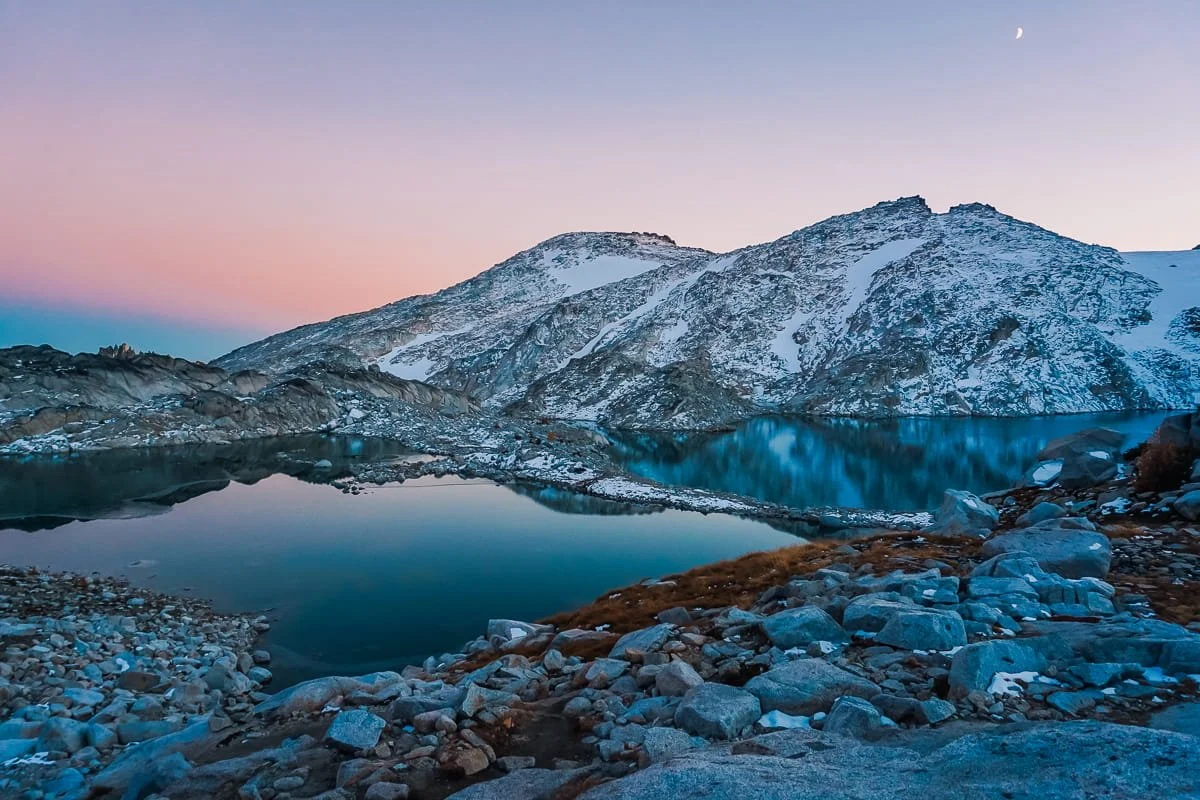
Lakes Olrun & Sigrun in the upper core
What You Need to Know Before Backpacking the Enchantments
Backpacking the Enchantments is an incredible experience, but it's also one of the most sought-after and physically demanding backpacking trips in Washington State. Before you start your trip, it's important to understand the unique challenges of traveling through such a pristine alpine environment in the Cascade Mountains. The considerations below can and should shape your itinerary, the gear you bring, and your overall safety.
When to Hike & Backpack Through The Core Enchantments
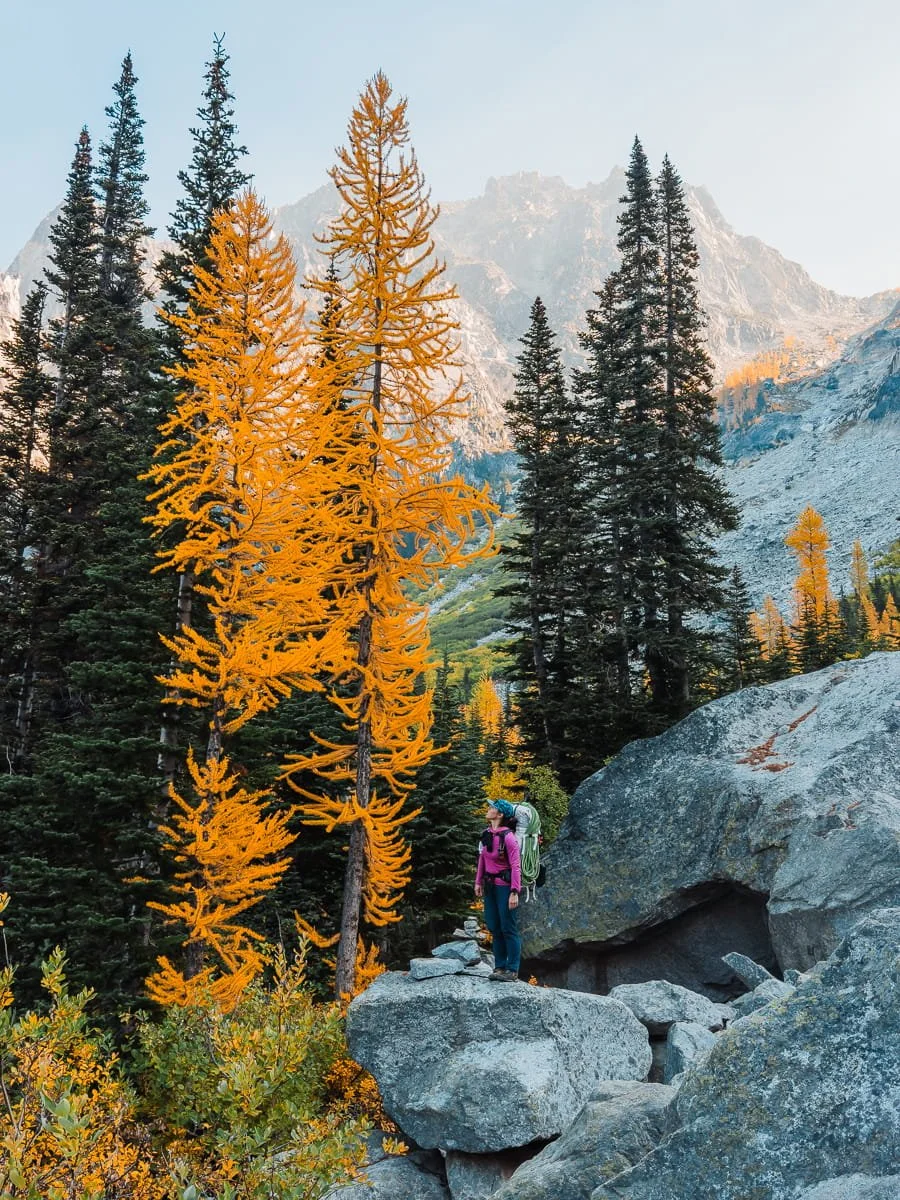
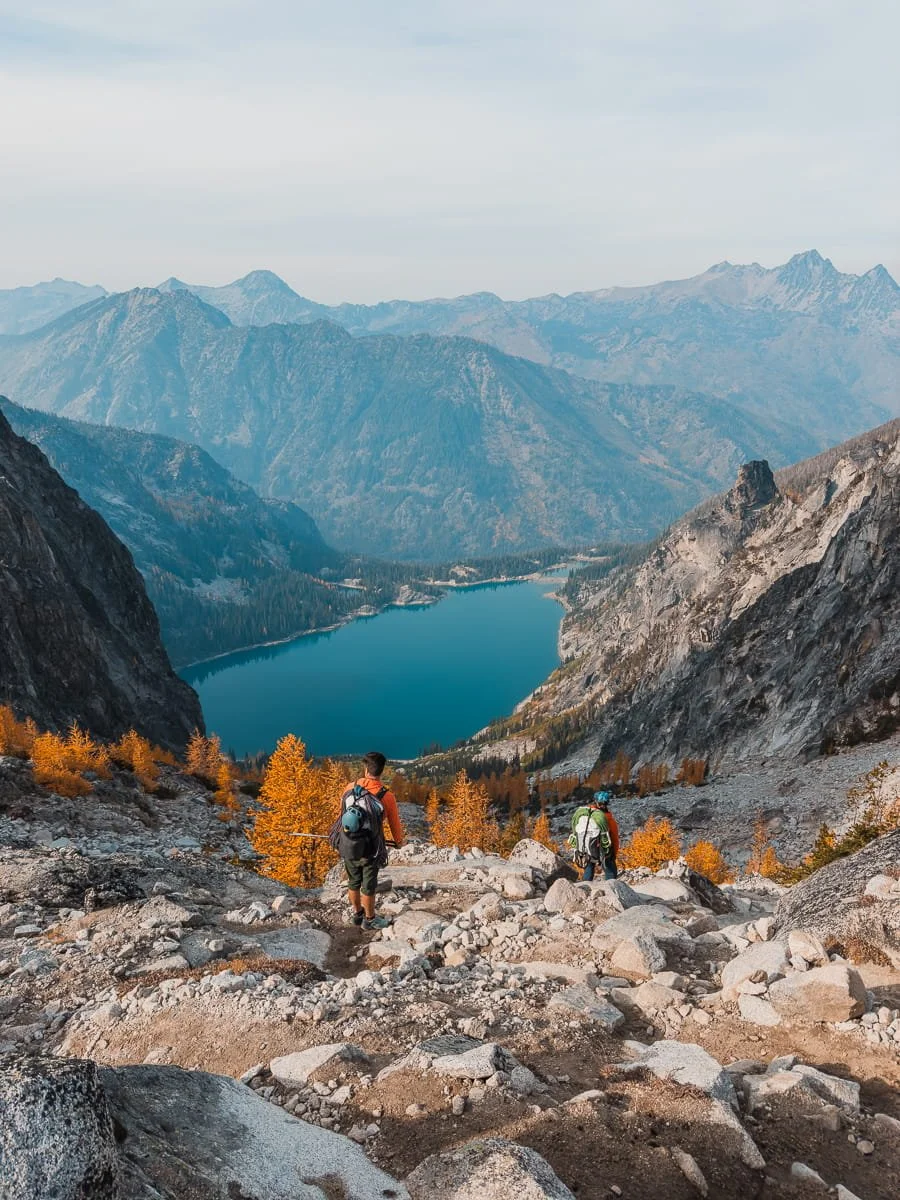
The best time to hike The Enchantments is mid-July through September when most snow has melted and temperatures are warm. Late September to early October offers the famous golden larch season (our favorite time to visit) but comes with colder temperatures and potential for early season snow. May and June typically still have significant snow coverage requiring mountaineering skills, an ice axe, and crampons.
Trail Safety: Aasgard Pass, Weather Considerations, & Alpine Risks
Backpacking in The Enchantments is as demanding as it is beautiful. Steep terrain, rapidly changing alpine weather, and the notorious climb over Aasgard Pass make this route very different from a typical backpacking trip. Understanding the key safety considerations, including route-finding, weather exposure, and seasonal hazards, will help you plan responsibly and reduce risk in one of Washington’s most rugged alpine environments.
Aasgard Pass - The Most Difficult Section of Trail
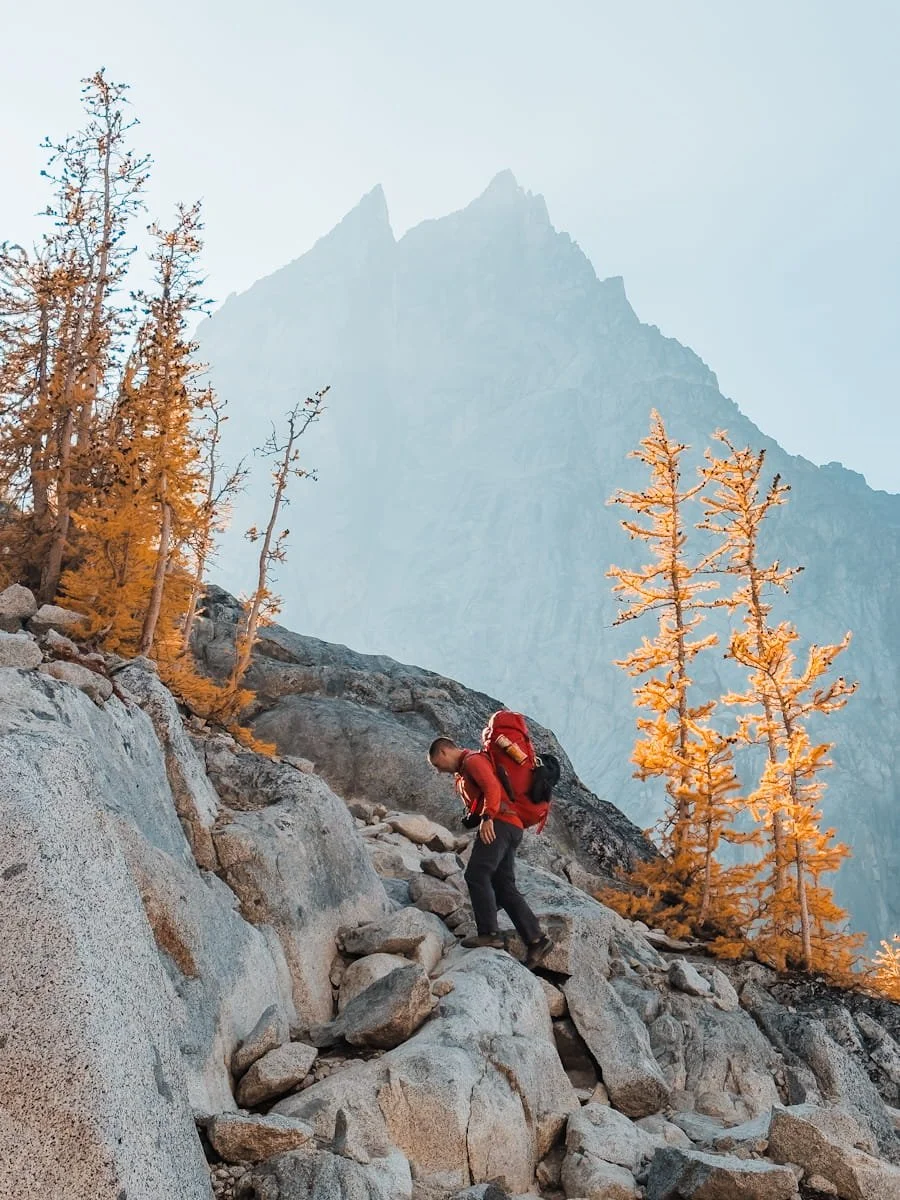
This is the crux of any Enchantments thru-hike and one of the steepest passes in Washington. The pass gains 2,200 feet in less than a mile, with steep scrambling over loose talus and boulders. Early season (May-June) will include snow, ice, and potentially avalanche danger, and even snow bridges over running water. Late season can be snowy or icy and treacherous when descending. This section requires careful footing, especially with a heavy backpack.
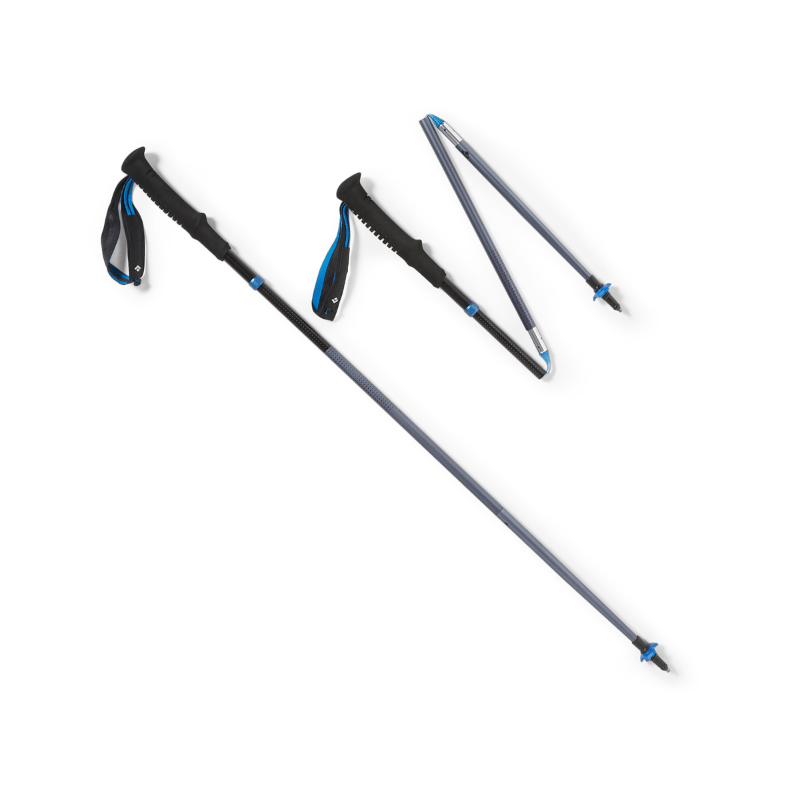
Gear we recommend for hiking Asgard Pass: trekking poles (all year round), ice ax (seasonal), microspikes or crampons and gaiters (seasonal).
Navigation Challenges
While the route is well-cairned, sections through boulder fields and across granite slabs can be confusing, especially in poor weather or at the top of the pass. Make sure to have a GPX track downloaded of the route on your phone, so you can check if you feel you may be off route. There are some scramble sections near the top that you will need to use your hands on, but they are very short and easy to get up and over, on the way down it can be a little harder. We use GaiaGPS with a downloaded track to navigate and highly recommend it for route-finding confidence.
View and download all our GaiaGPS Enchantments tracks and waypoints.
Weather Variability
Alpine weather in the Cascades can change almost in an instant. Although afternoon thunderstorms are infrequent in Washington, the temperatures can swing from hot sun to near-freezing at night, even in the summer. We were snowed on when we camped in the Core in late August one year, and snow can happen at higher elevations just about any time of year. In white-out conditions, having GPS navigation is essential.
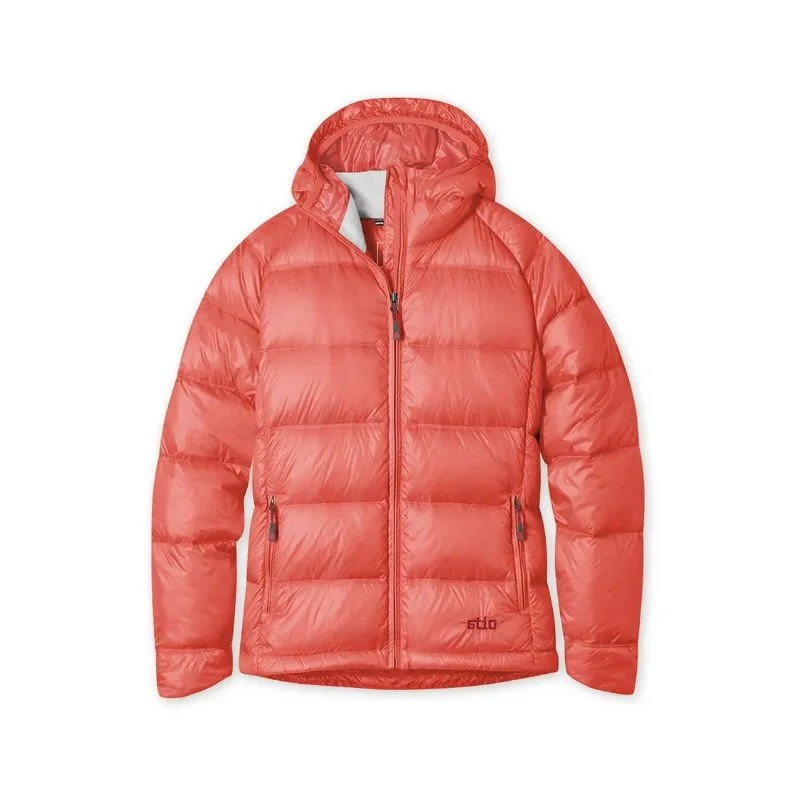
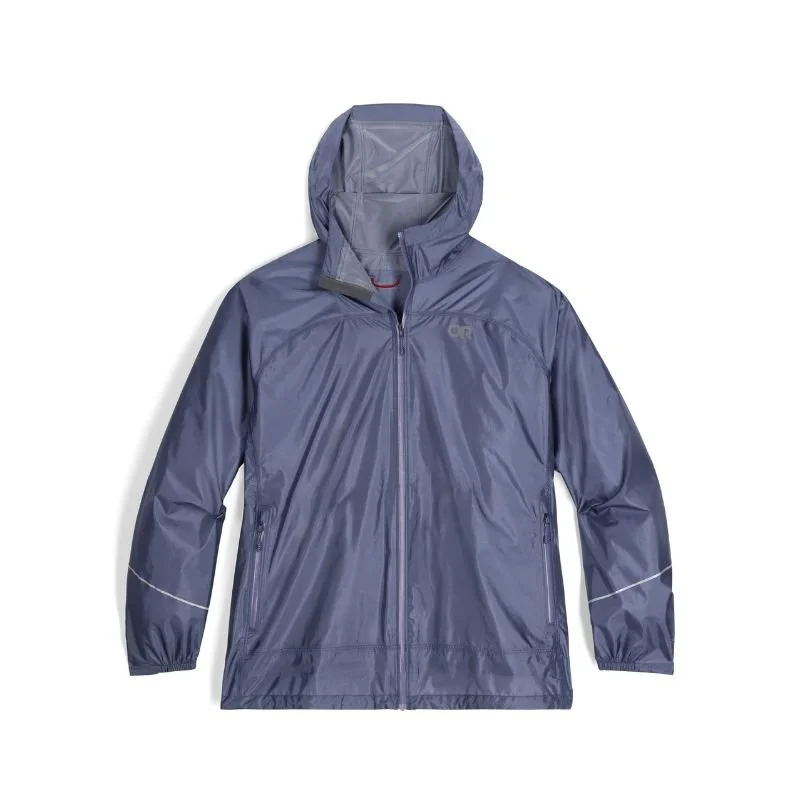
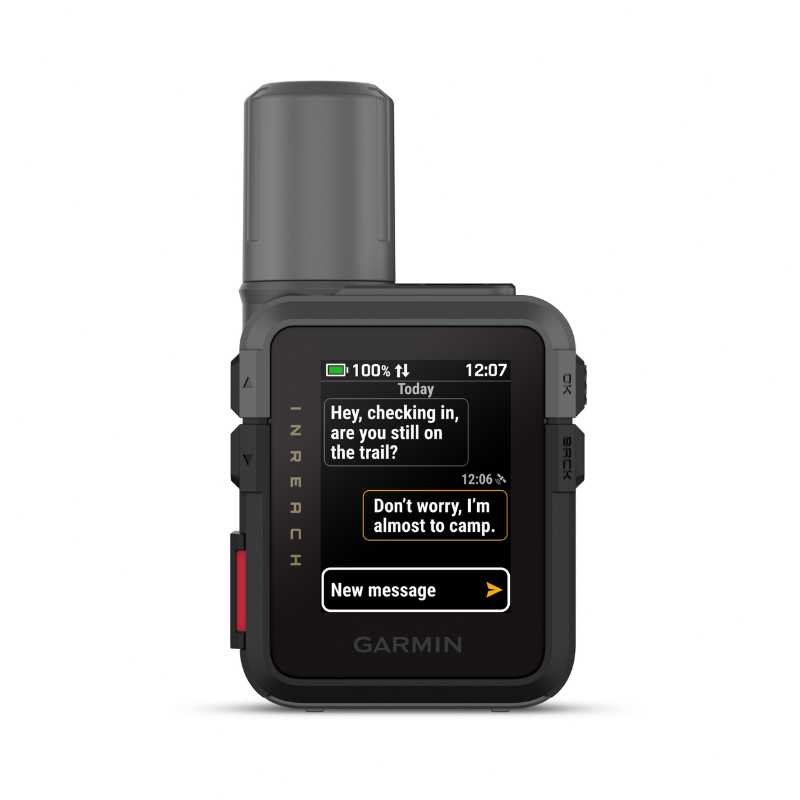
Gear we use and recommend: OR Helium Rain Jacket, Stio Hometown Down coat, Garmin InReach Mini 3 for weather updates.
Water Scarcity on the Descent
Water sources are abundant in the Colchuck and Core Zones, but the descent from Snow Lakes to the trailhead can be pretty dry. Make sure to filter enough water before starting your descent.
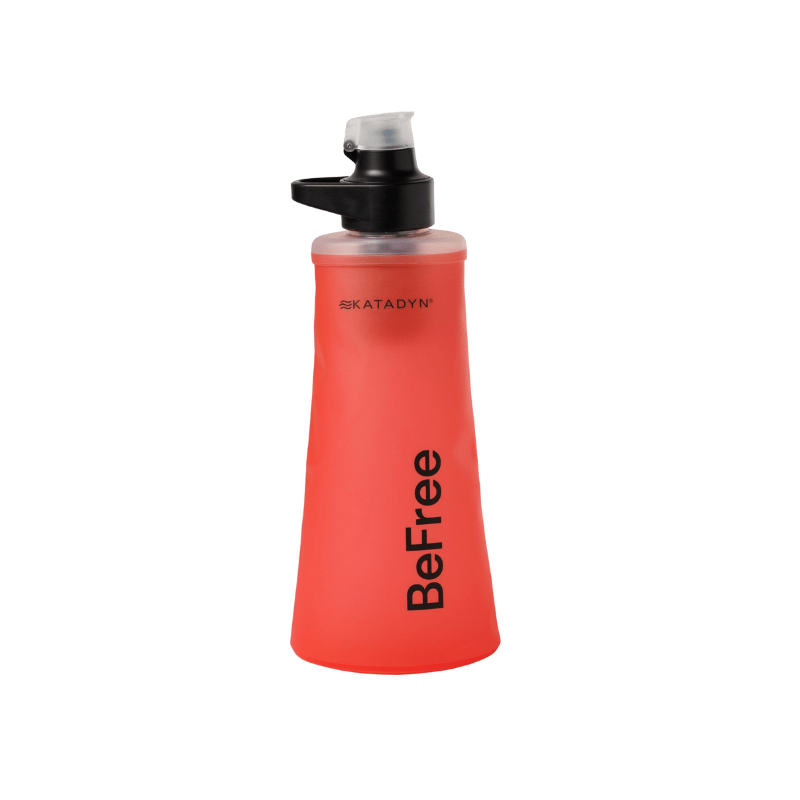
Recommended Gear: Katadyn BeFree
Altitude
The highest point on trail, Aasgard Pass, reaches 7,800 feet. While not extreme, some people may feel effects of altitude, especially when carrying a heavy pack up steep terrain and coming straight from sea level.
Permit Competition and Crowds
The Enchantments see heavy use during permit season and summer months in general. Even with overnight permits limiting access, popular camping areas can feel crowded, especially on weekends in July and August during peak Washington hiking season. Plan a few campsites in advance, they will show up on Gaia maps, and then be ready to find a back up spot if the ones you were wanting are already occupied.
Responsible Hiking and Leave No Trace in the Enchantments
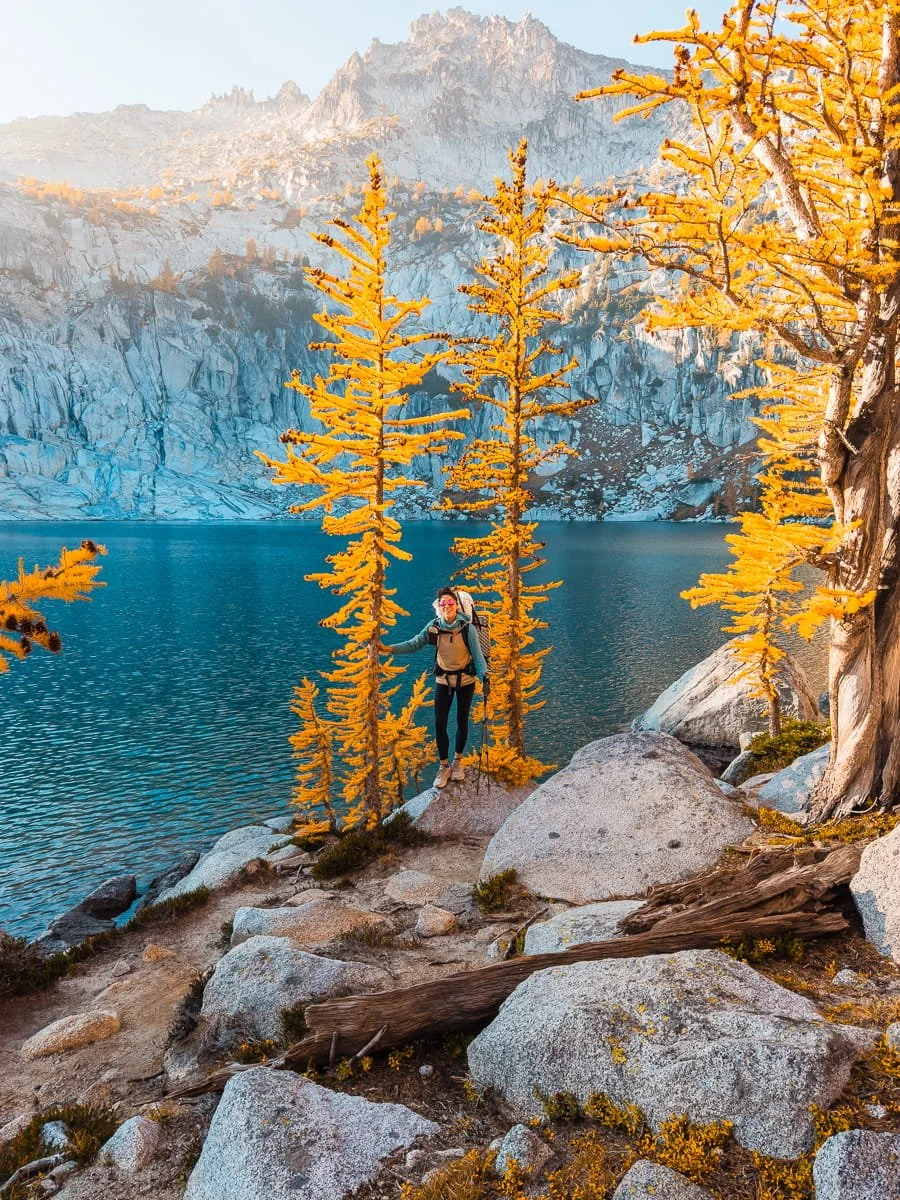
The Enchantments are a fragile alpine ecosystem, and with thousands of visitors each year, following Leave No Trace principles are absolutely critical. The permit system exists to protect this area, but that only works if every visitor does their part to minimize impact. Whether you’re day hiking or backpacking, please read through the information below on how to recreate responsibly in The Enchantments and everywhere you hike.
Key Guidelines for Responsible Recreation in The Enchantments
Plan ahead and prepare: Check weather forecasts, know your route, understand permit regulations, and be ready for alpine conditions.
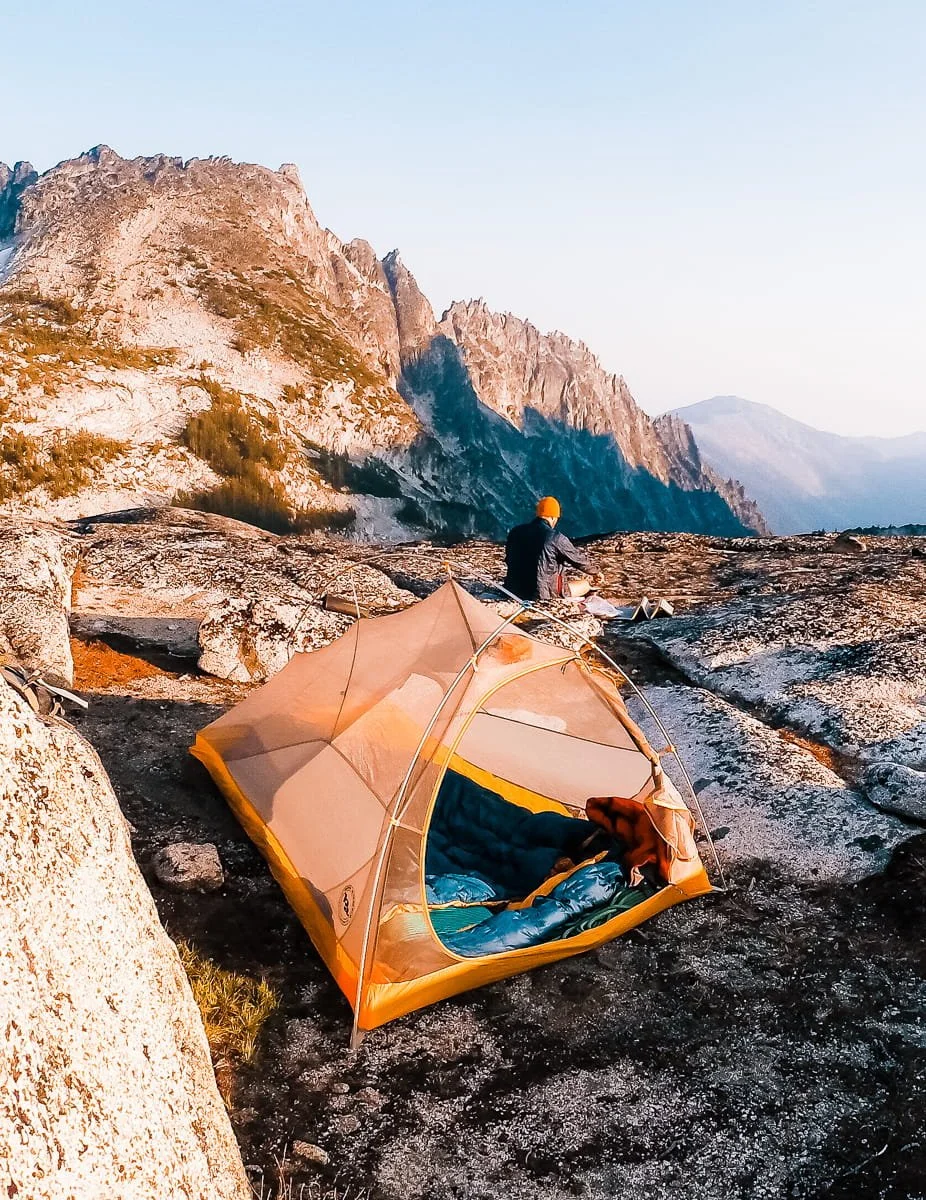
Travel and camp on durable surfaces: Camp only in established sites on rock, gravel, or sand. Never camp on vegetation or meadows. The alpine environment is extremely slow to recover from damage. Stay on trails and rock surfaces when traveling through the area.
Dispose of waste properly: Pack out all trash, food scraps, and toilet paper. Use forest service provided pit toilets or human waste must be buried in a cat hole 6-8 inches deep, at least 200 feet from water sources and camps.
Leave what you find: Do not build cairns, move rocks, or alter campsites. Don't pick flowers or remove any natural objects. This includes stacking rocks, while you may see cairns marking the trail, building decorative rock stacks damages the environment.
Minimize campfire impact: Campfires are prohibited in the Core Enchantments Zone and at Colchuck Lake. Use a lightweight backpacking stove for cooking.
Respect wildlife: Do not feed animals. Store all food in your bear proof containers, never leave food out open and unattended.
Be considerate of others: Camp away from trails and other groups when possible. Keep noise down, sound carries in the alpine. Yield to uphill hikers on steep sections.
Use Bear canisters or bear bags: Store ALL scented items inside (food, toiletries, sunscreen, bug spray). Even small critters like marmots and chipmunks will chew through packs to get to food.
Stay on Trail: Shortcutting switchbacks causes erosion. On Aasgard Pass, strive to stay on established routes.
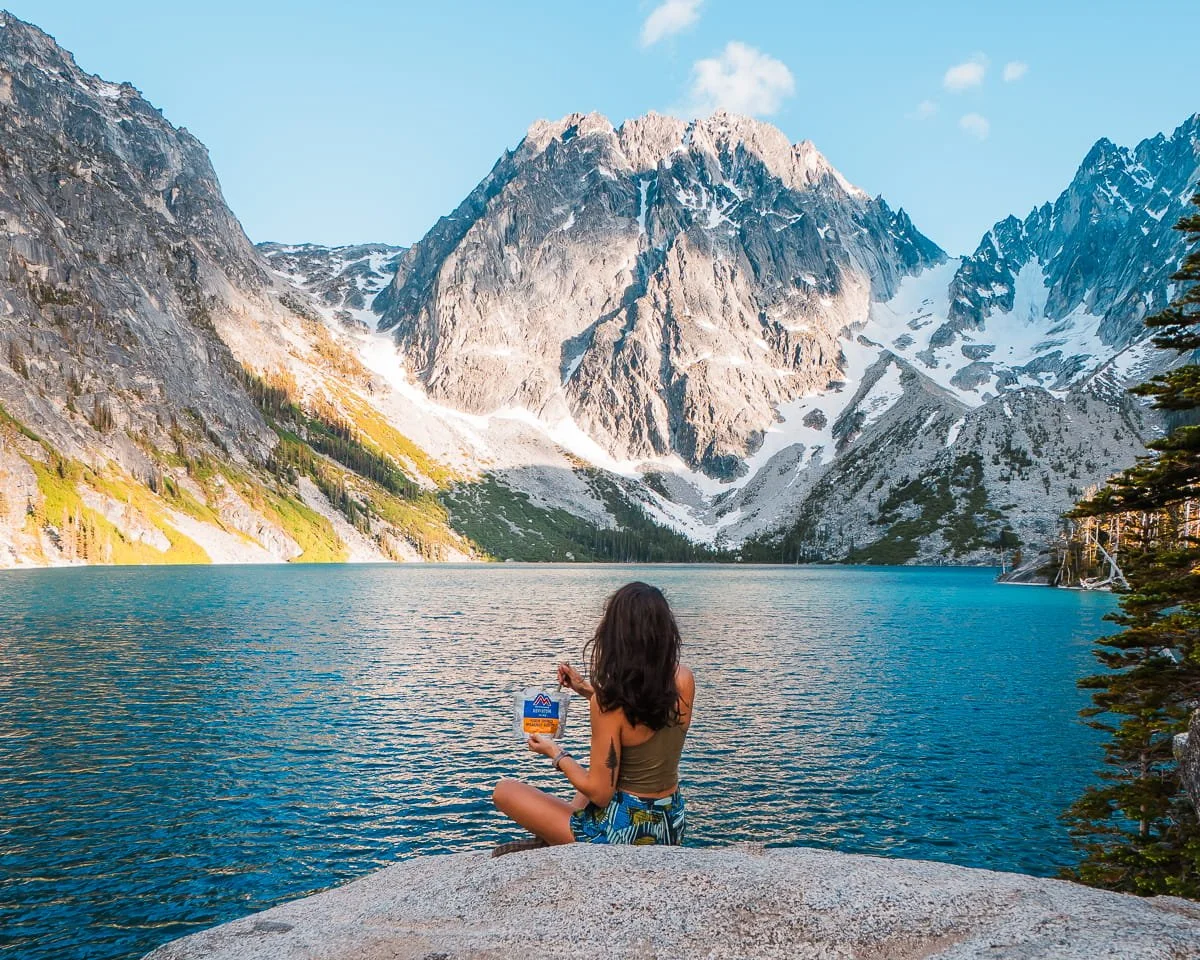
Day hiking to Colchuck Lake in the summer
Enchantments Permit Zones Explained (Core, Colchuck, Snow Lakes & More)
Before diving into route planning, it's helpful to understand how The Enchantments are divided. The entire permit area is split into five distinct zones, and where you camp depends on which permit zone you secure. This can seem confusing at first, but understanding the zones is key to planning your trip and applying for the right permits if you hope to spend the night in the area.
Day Hiking Tip: If you plan to complete the entire hike in one day, a self-issued permit at the trailhead is required.
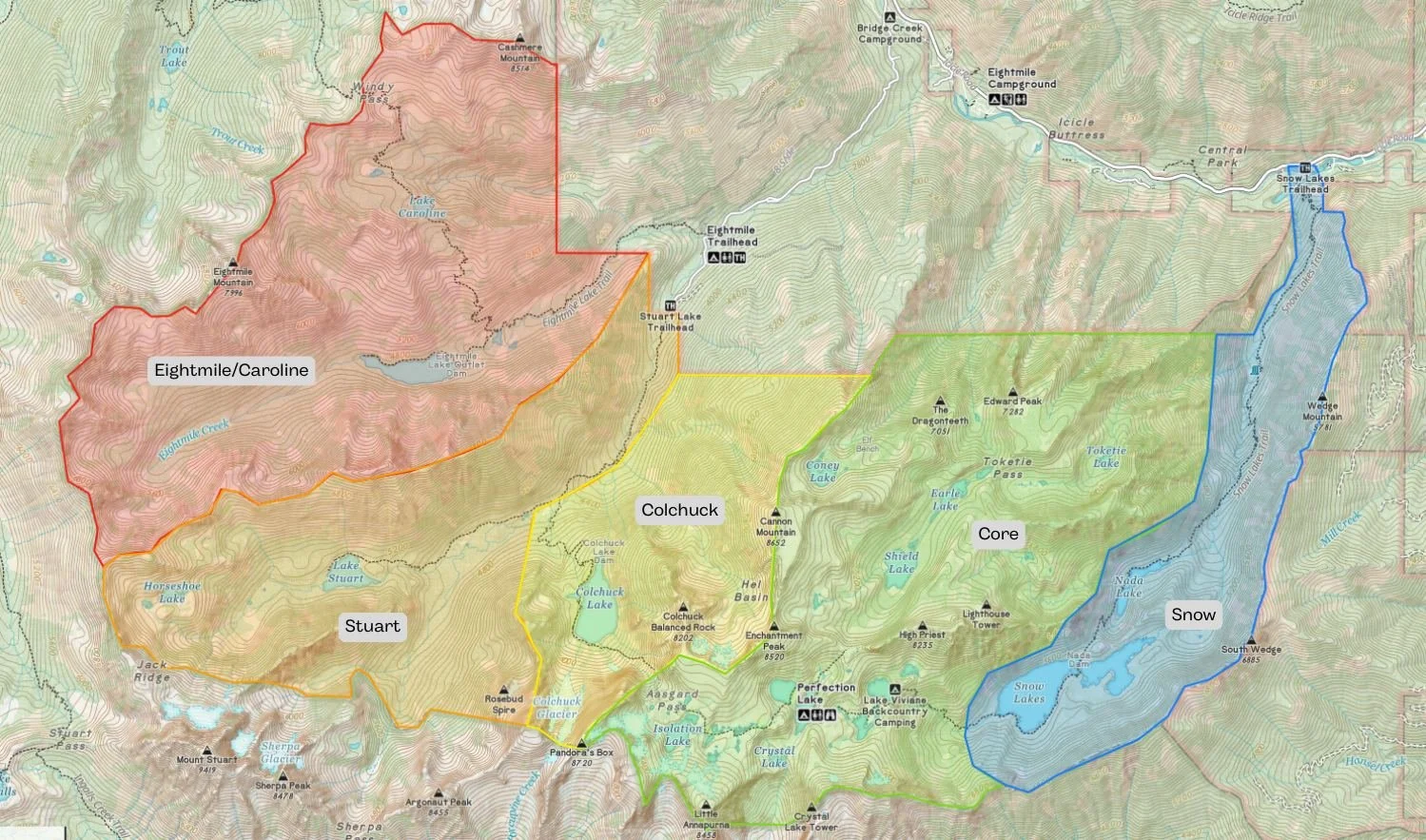
The Five Enchantment Zones (from Highest to Lowest Elevation)
Core Enchantments Zone - The Most Coveted Backpacking Permit
This is the crown jewel area that everyone hopes to get a permit for. The Core encompasses the high alpine basin between Aasgard Pass and Upper Snow Lake, including the famous crystal-clear lakes: Isolation, Tranquil, Inspiration, Perfection, and Crystal. This zone sits above treeline with dramatic granite peaks, alpine meadows, and jaw-dropping scenery at every turn. Core Zone permits are the most competitive but also the most flexible, if you have a Core permit, you can camp anywhere in any of the five zones, but you should want to camp in the Core itself.
Colchuck Zone - A Stunning & Popular Zone
This zone centers around stunning Colchuck Lake, sitting in a dramatic cirque below Aasgard Pass and surrounded by towering granite spires. Colchuck permits allow you to camp near the lake and day-hike up and over Aasgard Pass to explore the Core Zone without the commitment of carrying your full pack over the pass. This is a great option if you want access to the Core for a day trip and prefer a slightly less strenuous approach with a lighter pack.
It’s also a great base camp for those looking to climb Colchuck Peak or any of the alpine rock routes on Dragontail. For a full breakdown of camping logistics, campsite selection, and gear, see our dedicated guide to backpacking Colchuck Lake.
Snow Lakes Zone
This zone includes Upper Snow Lake, Lower Snow Lake, and Nada Lake. These larger and lower elevation lakes sit in a more forested setting below the Core Enchantments. Snow Lakes permits are popular because you can set up a base camp and day-hike up into the Core Zone to explore. The scenery here is still beautiful, just less alpine and dramatic than the Core. These permits are a lot easier to get, but you will have to hike in and out via the Snow Lakes trail, which is not as scenic as heading in through Colchuck and is a steady climb on the way in.
Stuart Zone
Lake Stuart sits in a separate drainage from the main Enchantments basin. While beautiful, it's not part of the classic Colchuck-to-Snow-Lakes experience most people envision. Stuart Zone permits are easier to obtain but don't provide access to the iconic Core lakes. It’s definitely worth a day hike to, though maybe not trying for overnight permits if your goal is to get into the Core.
Eightmile/Caroline Zone
This zone covers Eightmile Lake and Caroline Lake, which are in a completely different area from the main Enchantments corridor. These are lovely Alpine Lakes Wilderness destinations but not part of the classic Enchantments through hike. Permits here are the easiest to get. Do not expect to get into the main Enchantments area or the Core zone from these lakes. Great as day hikes or backpacking trips in their own right, but they are not a part of The Enchantments thru-hike.
Which Zone Should You Apply For?
For the classic Enchantments through hike experience (Stuart/Colchuck trailhead to Snow Lakes trailhead), you'll want either a Core Zone permit (most flexible, most competitive) or a Snow Lakes permit (allows day-hiking into the Core, easier to obtain). If you're doing an out-and-back from Stuart/Colchuck trailhead, a Colchuck Zone or Core Zone permit works best.
We'll dive deeper into permit strategies and zone details later in this guide, but understanding these zones now will help you make sense of the route options and itineraries below.
Full Hiking Guide to The Enchantments in Washington
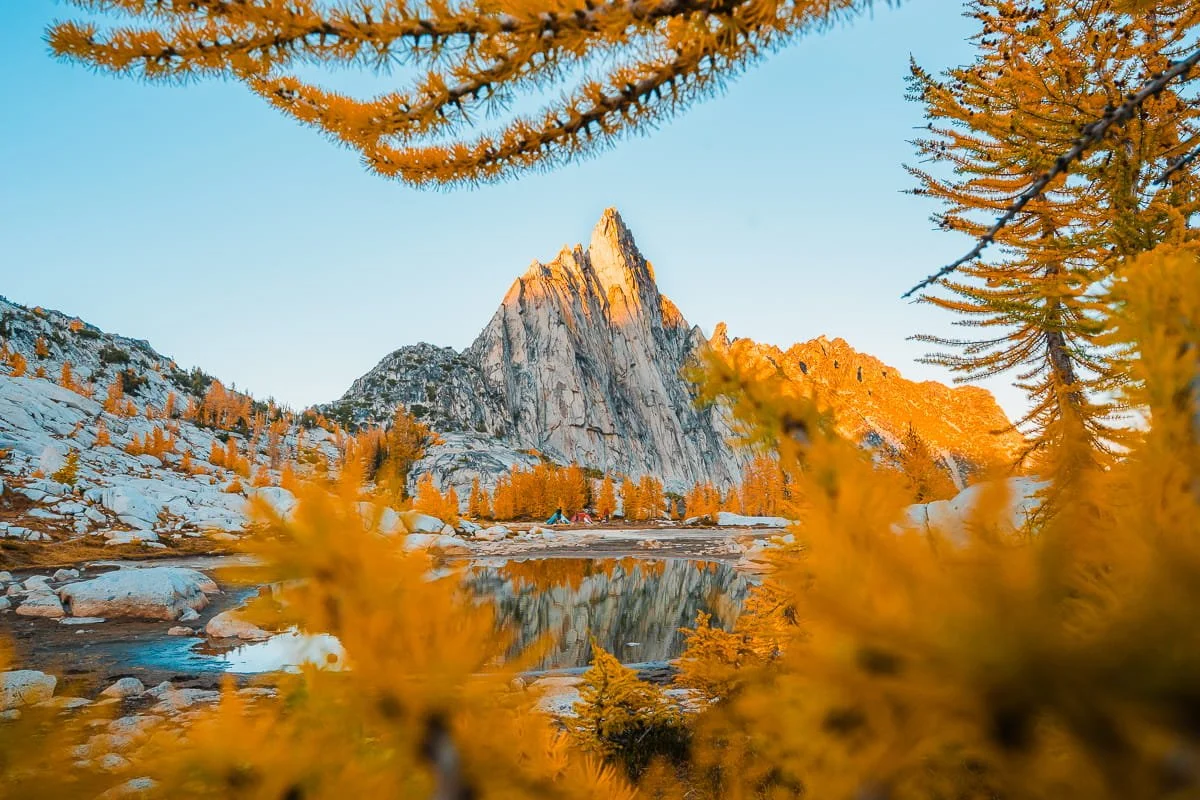
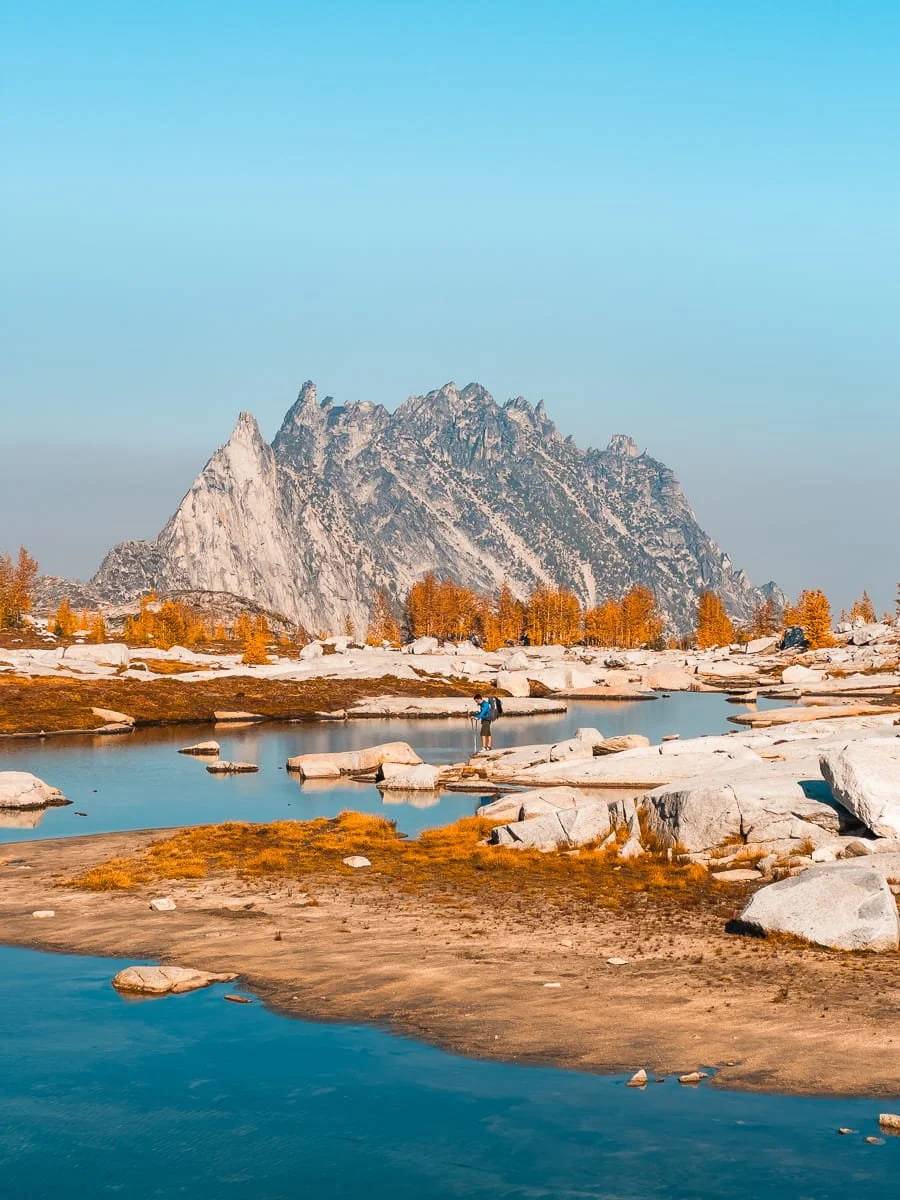
Camping below Prusik Peak during prime larch season in October
Enchantments Hiking Routes: Distance, Difficulty & Trail Options
There’s no single way to experience The Enchantments, even if you are not looking to backpack, there are a lot of great day hike options. From a straightforward hike to Colchuck Lake to the full Colchuck-to-Snow Lakes thru-hike, each route varies significantly in distance, elevation gain, and overall difficulty. Choosing the right option depends on your fitness, permit situation, and how much alpine terrain you’re ready to take on.
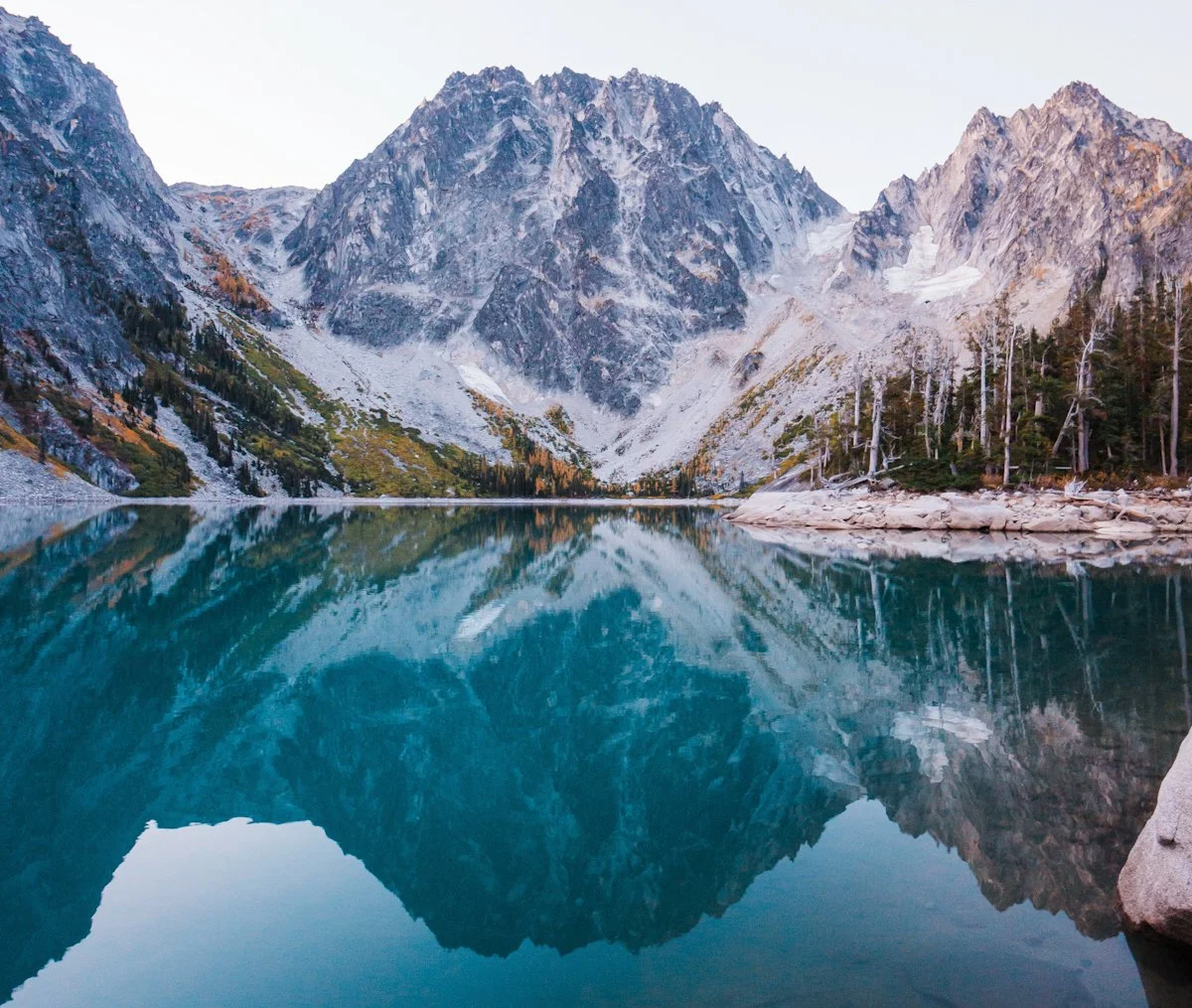
Sunrise at Colchuck Lake on our thru-hike in a day
Colchuck Lake Out-and-Back (Day Hike or Overnight Backpack)
If you want a taste of The Enchantments without committing to a full through hike, the Colchuck Lake out-and-back is the most popular and accessible way to experience this area. Starting at the Stuart/Colchuck Lake Trailhead, the trail climbs steadily through forest before emerging at one of Washington's most stunning alpine lakes. This is a VERY popular day hike, so if you go on a weekend, expect the parking lot to be full by 7 or 8am. It can be a great option for sunset, as most hikers start in the morning and are gone by the late afternoon. We will only do this as a day hike on weekdays now with how busy it has gotten in summer months.
Colchuck Lake sits beneath the towering spires of Dragontail Peak and Colchuck Peak, with brilliant turquoise water that's unforgettable. This is also where you'll see Aasgard Pass looming above on the opposite side of the lake. Most day hikers turn around here, but if you have a Colchuck Zone overnight permit, you can camp near the lake and either day-hike up Aasgard Pass into the core Enchantments or simply enjoy the spectacular lakeside setting.
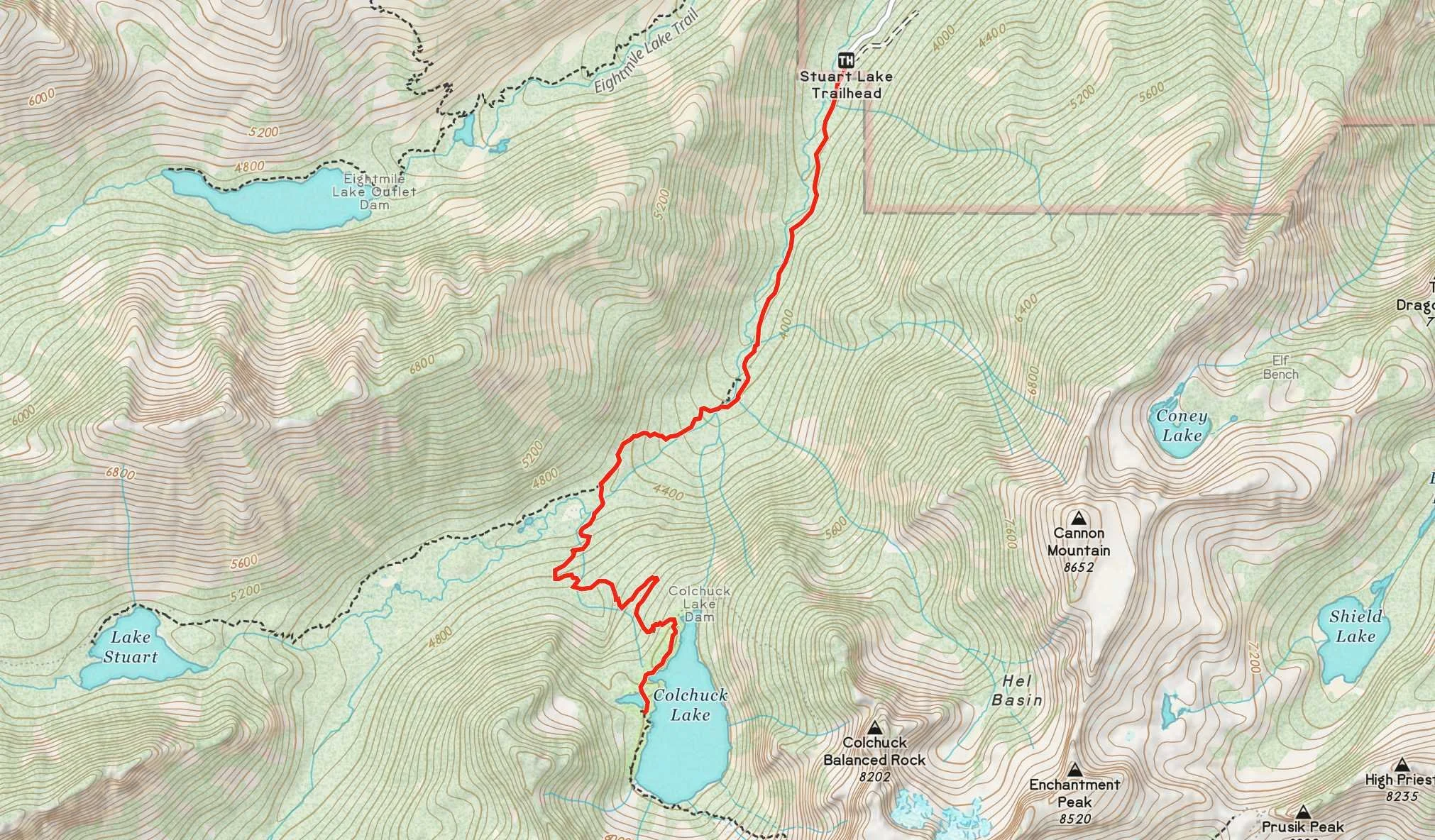
Stuart/Colchuck Lake Trailhead to Colchuck Lake
Colchuck Lake Hike Details
Trailhead: Stuart Lake Trailhead (start on the Stewart Lake trail and then fork off to Colchuck)
Difficulty: Moderate to difficult. Steady uphill climb with some rocky sections.
Total Distance: 8 miles (12.8 km) round trip to Colchuck Lake
Elevation Gain: ~2,700 feet (822 m)
Duration: 3-7 hours depending on pace and time spent at the lake
Use Permit: Free day-use permit available at the trailhead (self-issue)
Parking Permit: Northwest Forest Pass ($5 day pass or $30 annual pass) or America The Beautiful Pass
Hiking Route: View and download all our GaiaGPS Enchantments tracks and waypoints
Dedicated Hiking Guide: Day Hike Colchuck Lake Guide
Dedicated Backpacking Guide: Backpacking Colchuck Lake
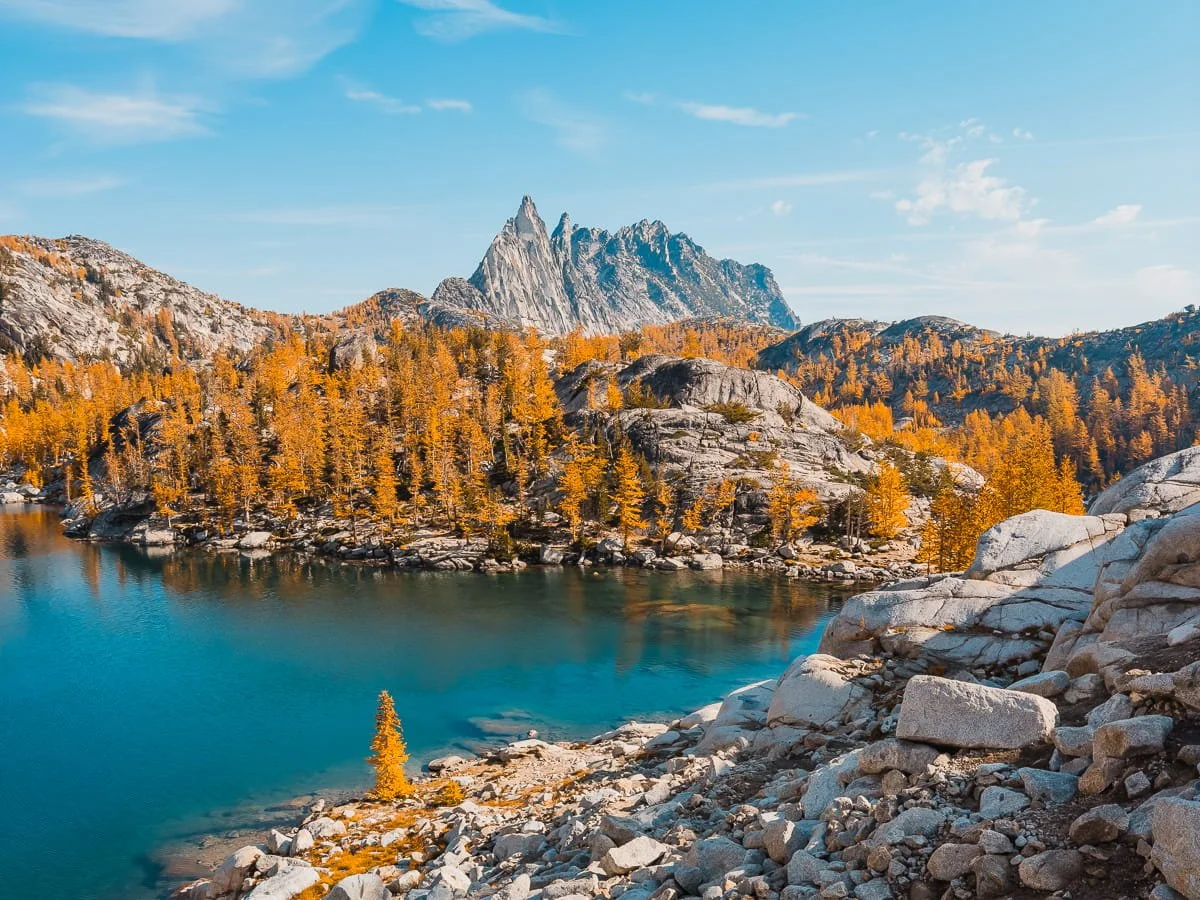
Looking down at Inspiration Lake and Prusik Peak from the main trail in the Core
Colchuck to Core Zone Backpack or Day Hike (1-2 Nights, or Long Out-and-Back)
For backpackers (or day hikers) who want to experience the Core Enchantments but prefer not to arrange a car shuttle, an out-and-back trip from the Colchuck Trailhead is an excellent option. This is our favorite way to backpack into the core after years of Core permits and trying all different options including this, the full thru-hike, and hiking in and out the Snow Lakes trail (do not recommend unless Colchuck is closed). This route takes you to Colchuck Lake, over Aasgard Pass, and into the heart of the Core Zone where you can explore pristine alpine lakes like Isolation Lake, Tranquil Lake, Inspiration Lake, Perfection Lake, and Crystal Lake.
This option requires either a Core Zone permit (allowing you to camp anywhere in the core basin) or a Colchuck Zone permit combined with ambitious day-hiking. With a Colchuck permit, you'd camp at Colchuck Lake and make a long day trip up and over Aasgard Pass to explore the Core Zone, then return to your camp. With a Core Zone permit, you can camp anywhere in the alpine basin itself (in pre-established campsites).
The advantage of this route is you get to experience the best scenery, Colchuck Lake and the Core Zone, twice, and you don't need to coordinate a trailhead shuttle. The downside with the overnight Core option is you'll be going up and down Aasgard Pass with your full pack, which is significantly more challenging than just going over it once. If you day-hike from Colchuck, then you’re just hiking up/down with a day pack.
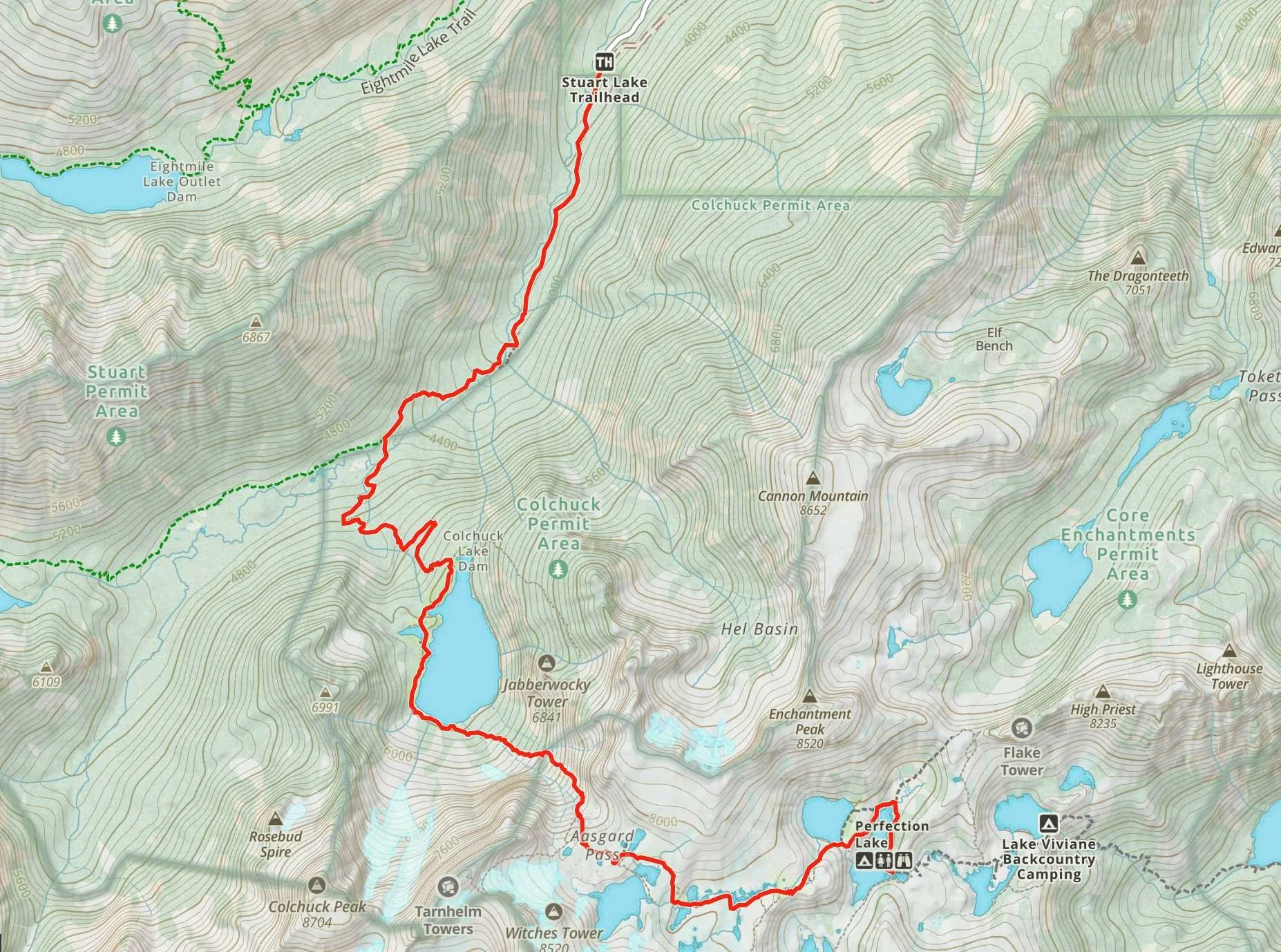
Stuart Lake Trailhead to Perfection Lake
Core Enchantments 1-2 Night Trail Details
Trailhead: Stuart Lake Trailhead (start and end)
Difficulty: Very difficult, especially with overnight packs over Aasgard Pass (bring trekking poles)
Total Distance: ~15.5 miles (25 km) to reach Perfection Lake and back
Elevation Gain/Loss: ~6,800 feet (2072 m) of gain
Duration: 1-2 nights
Backcountry Campsites: Colchuck Lake (if you have a Colchuck permit) or various sites throughout the Core Zone
Water Sources: Colchuck Lake, abundant alpine lakes and creeks in the Core
Camping Permit: Overnight permit required. See the "Overnight Camping Permits" section below.
Parking Permit: Northwest Forest Pass ($5 day pass or $30 annual pass) or America The Beautiful Pass
Hiking Route: Download all our GaiaGPS Enchantment tracks and waypoints
What you Need to Know For a 1-2 Night Trip to The Enchantments
Camping: If you have a Colchuck Zone permit, you'll camp near Colchuck Lake and day-hike into the Core. There are established sites around the lake, though finding a good spot can be competitive on busy weekends. If you have a Core Zone permit, you can camp anywhere in the upper basin, with popular sites around Perfection Lake, Inspiration Lake, and near the Crystal/Perfection saddle.
Water Sources: Water is abundant throughout this route. Colchuck Lake provides water, and once in the Core Zone, you'll have access to numerous alpine lakes and streams. All water should be filtered or treated.
Aasgard Pass: This is the defining challenge of this route. From the south end of Colchuck Lake, you'll navigate a boulder field before starting the climb up Aasgard Pass. The route gains 2,200 feet (670 m) in less than a mile, scrambling over talus and loose rock. The path is marked with cairns, but route-finding can be tricky. Stay climbers left of the larch grove about halfway up to avoid steeper, impassable terrain. Descending requires extreme care as loose rocks can roll under your feet. Take your time, test each foothold, and consider using trekking poles for stability.
Key Points to Consider When Hiking Aasgard Pass:
Stay to the left of the larch grove about halfway up to avoid steeper, impassable terrain
DO NOT venture climbers right of the pass, near the falls. Early season snow conceals a dangerous waterfall hole.
Take frequent breaks and stay hydrated
Start early in the day to avoid afternoon heat and storms
In early season, carry microspikes or crampons and an ice axe for snow/ice.
Physical Difficulty: This is a strenuous route, especially with overnight packs. The pass is exhausting even with a day pack, and adding 25-35+ pounds makes it significantly harder. Only attempt this if you're an experienced backpacker in excellent physical condition and comfortable with steep, loose terrain.
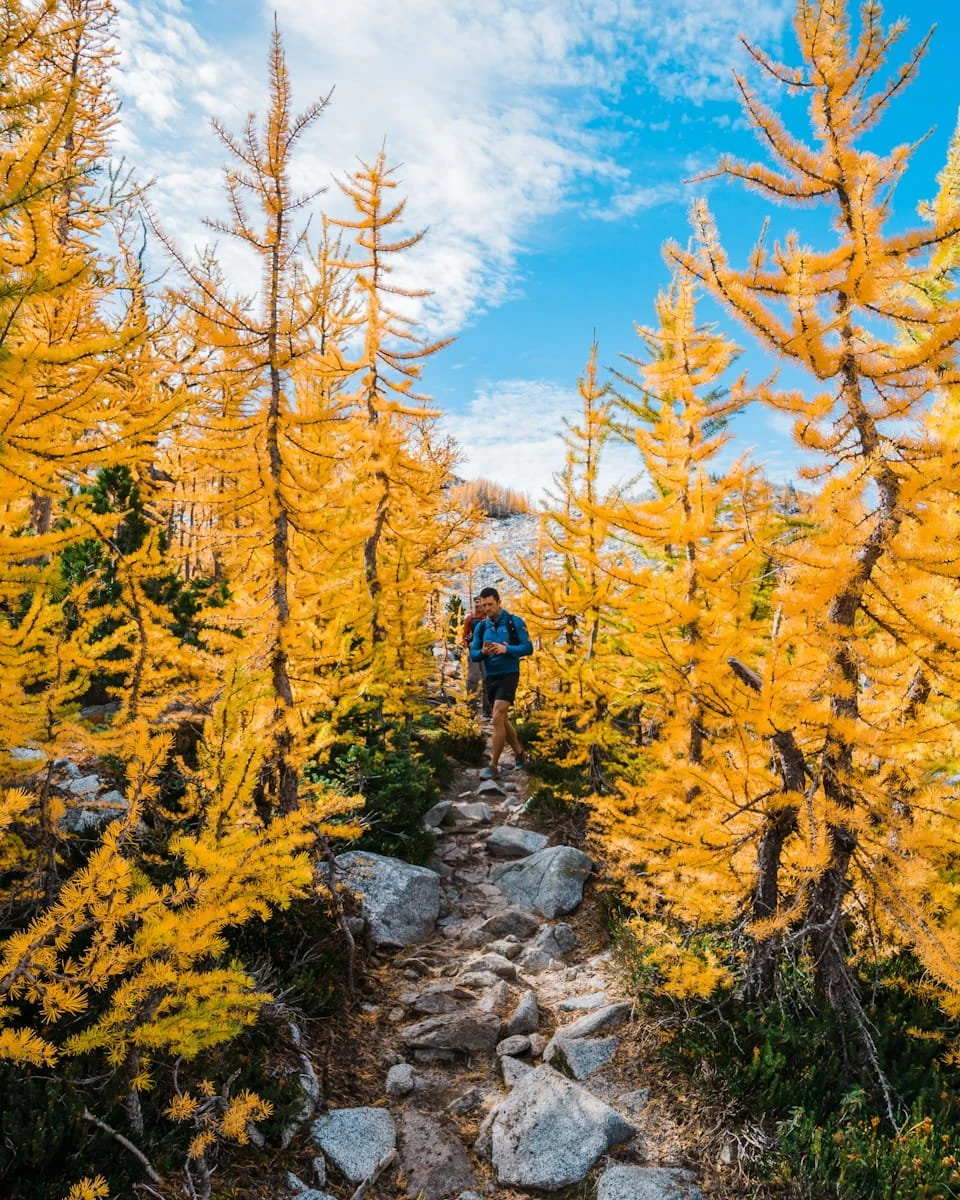
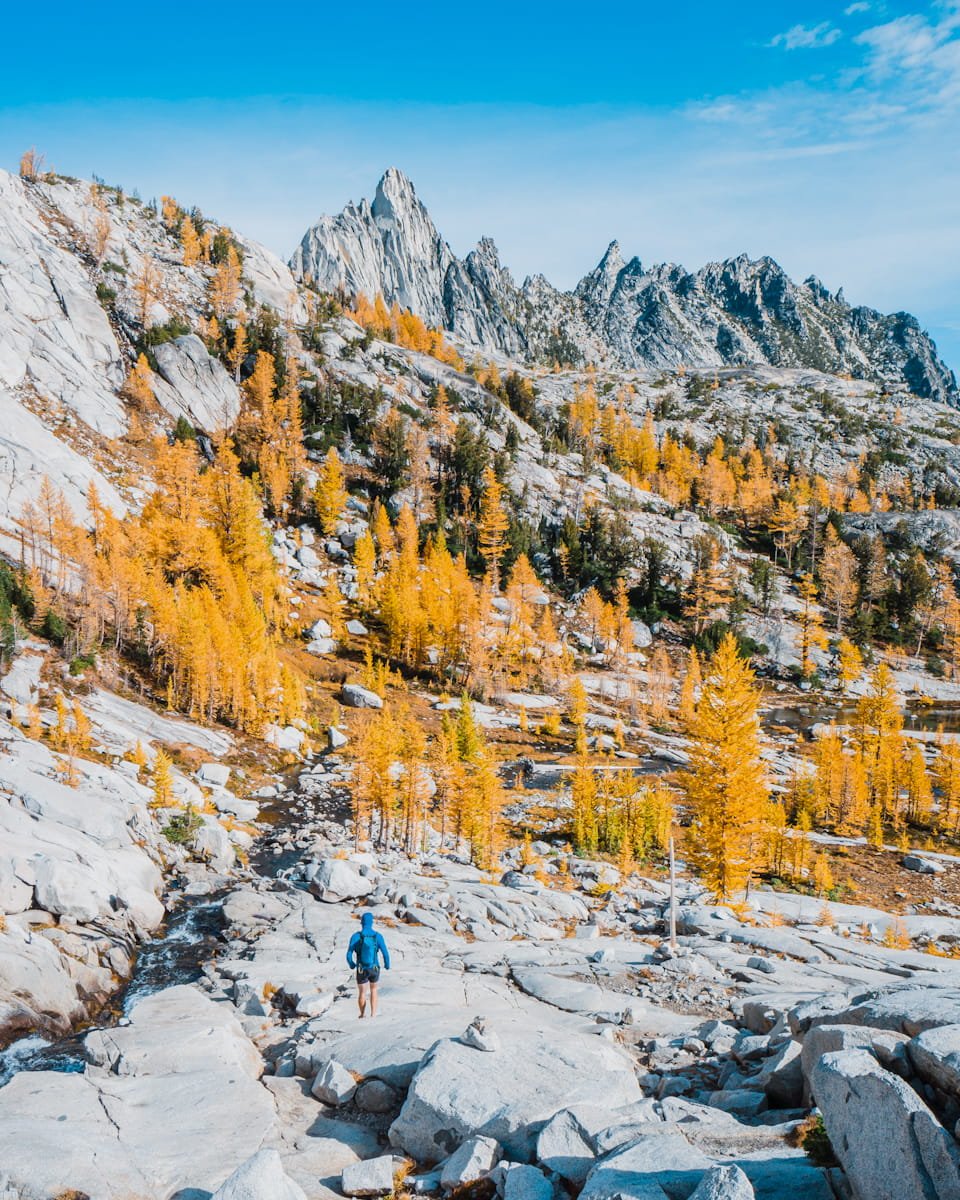
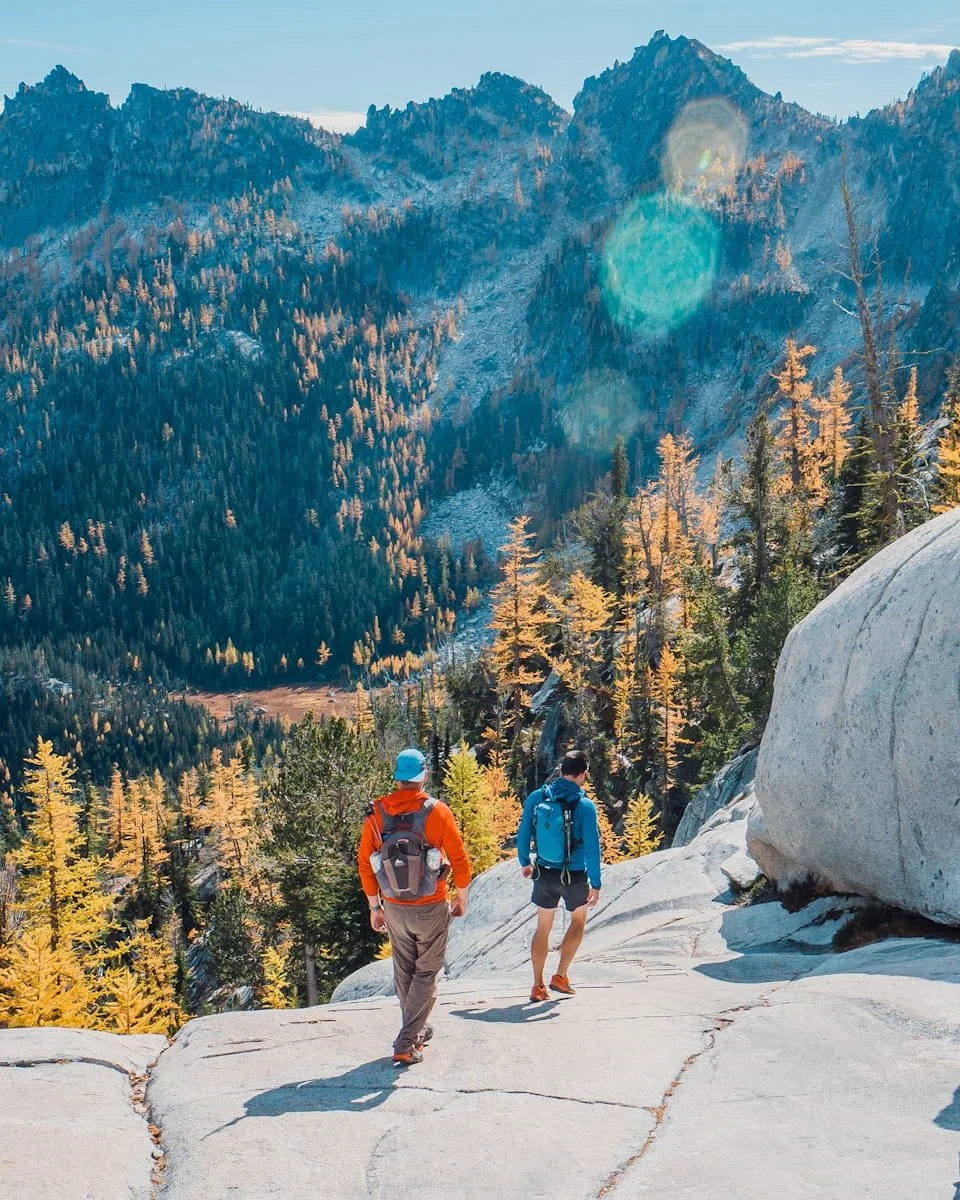
Full Through Hike: Colchuck Trailhead to Snow Lakes Trailhead (Car Shuttle)
The classic Enchantments thru-hike is the ultimate way to experience this alpine wonderland. This point-to-point route takes you from the Stuart Lake Trailhead, up and over Aasgard Pass, through the entire Core Enchantments basin, past Snow Lakes, and down to the Snow Lakes Trailhead. This route showcases everything the Enchantments have to offer: pristine alpine lakes, granite peaks, cascading streams, and expansive mountain views.
Most hikers complete this route in 1-3 days depending on pace and how much time they want to spend exploring. It’s possible to complete this in a day and without an overnight permit, we did this in October one year to see the full Core with larches. The through hike requires a car shuttle (or paid shuttle service, listed below) to connect the two trailheads, which are a 30-minute drive apart.
The route is typically done from Colchuck to Snow Lakes for good reason: the Colchuck Trailhead sits about 2,000 feet higher in elevation than Snow Lakes, reducing total elevation gain. More importantly, you'll tackle Aasgard Pass early in your hike when you're fresh, and most of the descent happens on the second half of the trip when your legs are tired.
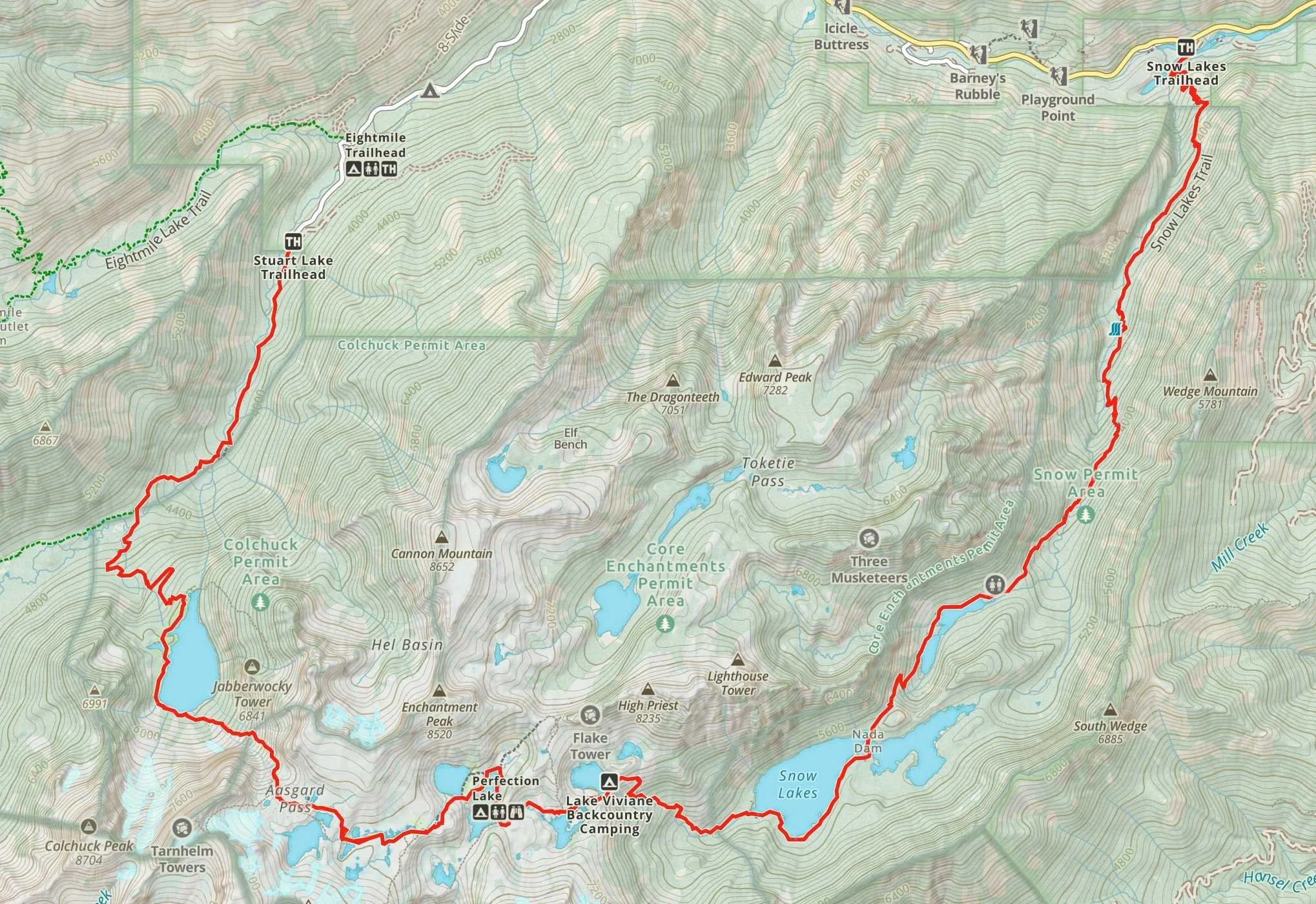
Enchantments Thru Hike - Stuart/Colchuck Lake Trailhead to Snow Lakes Trailhead
Full Enchantments Thru-Hike Details
Trailheads: Stuart Lake Trailhead (start) and Snow Lakes Trailhead (end)
Difficulty: Very difficult
Total Distance: ~18.3 miles (29.4 km)
Total Elevation Gain: ~6,740 feet (2,054 m)
Total Elevation Loss: ~8,827 feet (2,690 m)
Highest Point: Aasgard Pass at 7,800 feet (2,377 m)
Duration: 1-3 days
Backcountry Campsites: Various sites in Colchuck, Core Zone or Snow Lakes depending on your permit zone
Water Sources: Abundant lakes and streams throughout the route.
Camping Permit: Overnight permit required. See the "Overnight Camping Permits" section below.
Parking Permit: Northwest Forest Pass ($5 day pass or $30 annual pass) or America The Beautiful Pass at both trailheads.
Hiking Route: View and download all my GaiaGPS Enchantment tracks and waypoints
Full Hiking Guide: Day Hiking the Enchantments Thru Hike
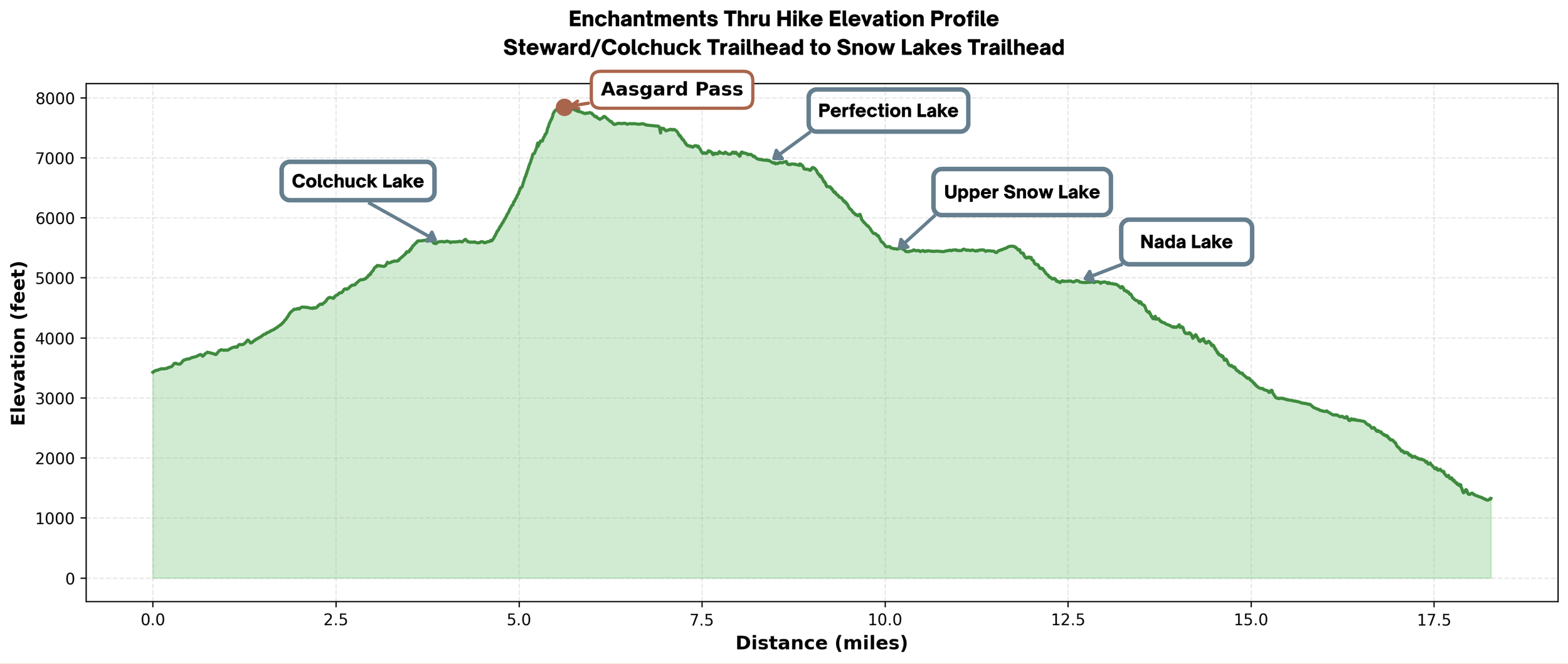
What You Need to Know for the Full Enchantments Thru-Hike Route
Route Overview: From the Stuart/Colchuck Trailhead, you'll hike 4 miles to Colchuck Lake with ~2,200 feet of elevation gain. After circling around the lake (1.25 miles), you'll begin the steep ascent of Aasgard Pass—2,200 feet in less than a mile. Once over the pass, you enter the Core Enchantments. From there, you'll gradually descend past Inspiration Lake, Perfection Lake, and through the lower Enchantments to Snow Lakes. The final stretch drops steeply down to the Snow Lakes Trailhead.
Camping Zones and Permits: Where you camp depends on your permit zone. Core Zone permits allow camping anywhere in the alpine basin, making this the most flexible and desirable permit. Snow Lakes permits (reverse your approach and start at the Snow Lakes trailhead) require you to camp near Upper Snow Lake, Nada Lake, or Lower Snow Lake. From Snow Lakes, you can day-hike up into the Core Zone.
Water Sources: Alpine lakes and streams provide water throughout the route.
Aasgard Pass: This is the defining challenge of this route. From the south end of Colchuck Lake, you'll navigate a boulder field before starting the climb up Aasgard Pass. The route gains 2,200 feet (670 m) in less than a mile, scrambling over talus and loose rock. The path is marked with cairns, but route-finding can be tricky. Stay climbers left of the larch grove about halfway up to avoid steeper, impassable terrain. Descending requires extreme care as loose rocks can roll under your feet. Take your time, test each foothold, and consider using trekking poles for stability.
Key Points for Aasgard Pass:
Stay to the left of the larch grove about halfway up to avoid steeper, impassable terrain
DO NOT venture climbers right of the pass, near the falls. Early season snow conceals a dangerous waterfall hole.
Take frequent breaks and stay hydrated
Start early in the day to avoid afternoon heat and storms
In early season, carry microspikes or crampons and an ice axe for snow/ice.
Shuttle Logistics: You'll need to arrange transportation between trailheads. Options include:
Two cars: Leave one at Snow Lakes Trailhead, drive together to Stuart/Colchuck Trailhead
Paid shuttle service: Several companies offer shuttles (see below)
Bike shuttle: Leave a bike at Stuart/Colchuck Trailhead, drive to Snow Lakes Trailhead, bike back after the hike (note: this adds ~8 miles of biking on gravel and paved roads)
Paid Shuttle Services:
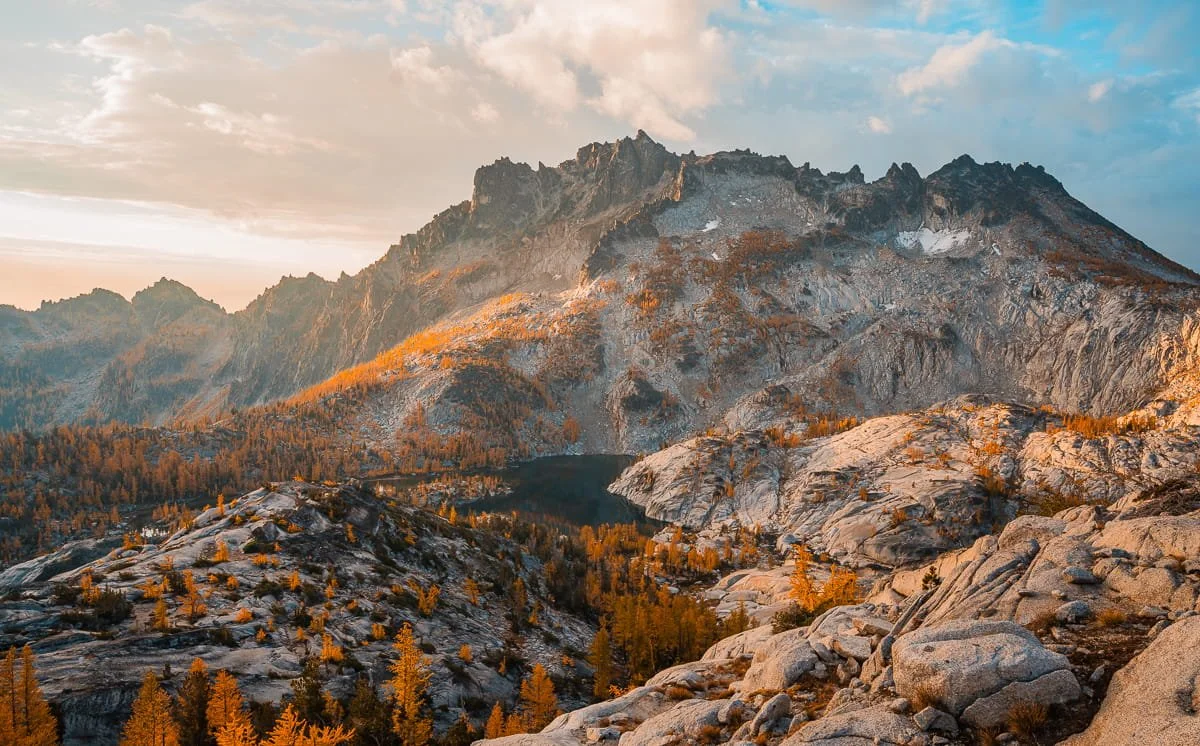
Looking out at McClellan Peak and Leprechaun Lake
Full Enchantments Sample Itineraries
1-Day Thru-Hike of the Core (strenuous)
Day 1: Start before sunrise at Stuart Trailhead and through hike to Snow Lakes Trailhead
Plan to reach Colchuck Lake before sunrise ~4 miles
Ascend Aasgard Pass and eat lunch near Perfection Lake ~4 miles
Reach Snow Lakes Trailhead and shuttle back to Stuart/Colchuck Lake Trailhead ~10.3 miles
Check out the full guide on how Thru-hike the Enchantments in One Day
2-Day Enchantments Core Zone Itinerary (ambitious)
Day 1: Hike to Colchuck Lake, over Aasgard Pass, camp in Core Zone (near Perfection or Inspiration Lake) ~8 miles
Day 2: Explore the Core Zone in the morning, then hike out to Snow Lakes Trailhead ~10 miles
3-Day Core Zone Itinerary (casual)
Day 1: Hike to Colchuck Lake, over Aasgard Pass, camp in Upper Core Zone ~6 miles
Day 2: Explore the basin, relocate camp to Lower Core/Upper Snow Lakes area ~4 miles
Day 3: Hike out to Snow Lakes Trailhead ~7 miles
3-Day Snow Lakes to Core Itinerary (casual)
Day 1: Hike to Upper Snow Lake and camp ~6.5 miles
Day 2: Day hike up into Core Enchantments (leave camp set up) ~8 miles round trip
Day 3: Hike out to Snow Lakes Trailhead ~6.5 miles
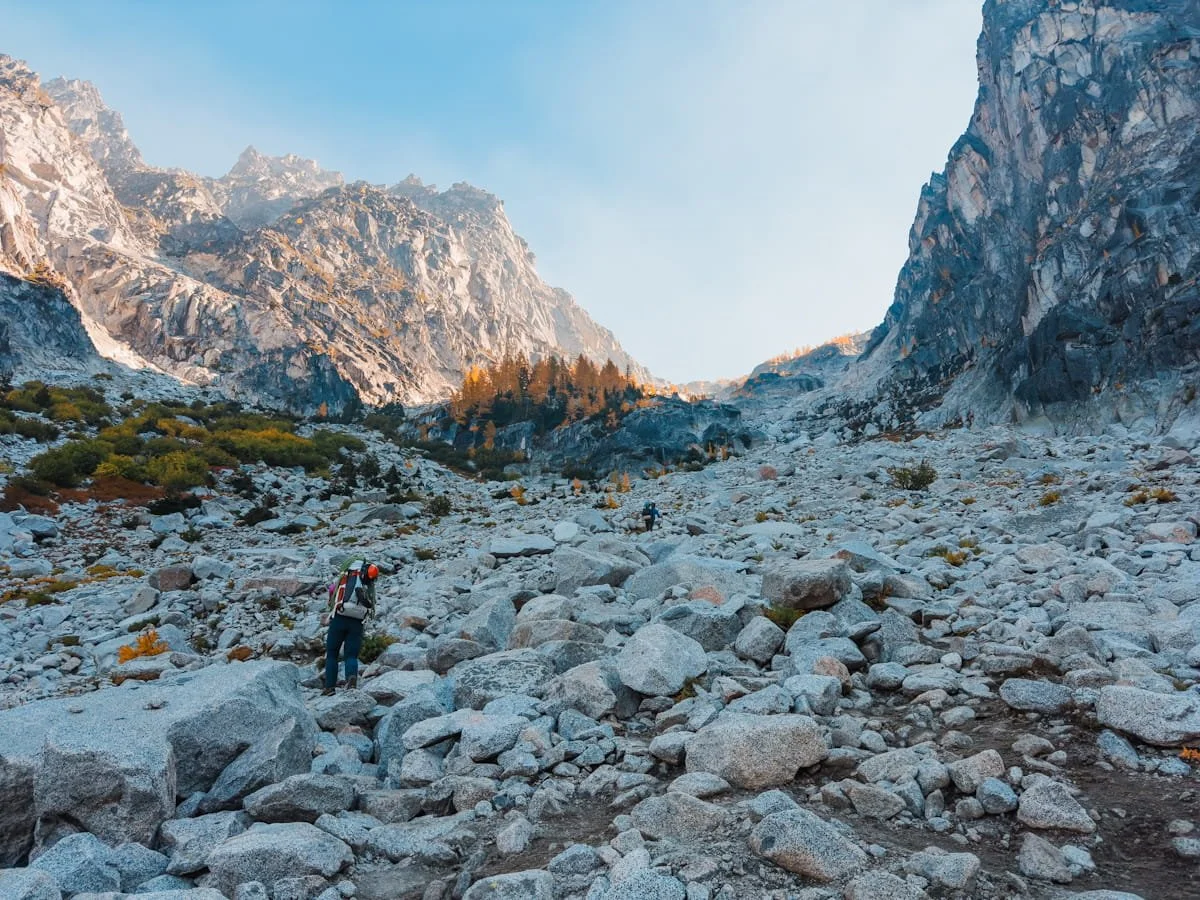
Backpacking up Aasgard Pass with overnight gear plus climbing gear in October of 2025
Hiking Aasgard Pass: Difficulty, Route Tips & Ascending vs. Descending
Aasgard Pass is the gateway to the Core Enchantments, as mentioned above, it is often considered the most difficult section of backpacking The Enchantments. We wanted to give this part special attention because it's the defining challenge of any Enchantments through hike and a major factor in planning your route direction.
Aasgard Pass gains 2,200 feet in just a mile. The route goes over loose talus and sections of granite slabs. The pass is marked with cairns, but route-finding requires attention since there is a spiderweb of trails and no official route up. The most common mistake is veering too far climbers right (toward the runoff stream and larch grove), which leads to steeper, impassable terrain. Early season snow can also conceal a dangerous waterfall trap that is easy to miss from above. The correct route stays climbers left/skiers right of the larch grove in the center of Aasgard.
The question always comes up on which way is the best? Is it better to go up and down Aasgard Pass to and from the Core Zone? Or is it better to do a complete through hike from Stuart/Colchuck Trailhead to Snow Lakes Trailhead? The answer is specific to each group and depends on your fitness level, experience, seasonality and permit situation. We have done every way possible over the years, and when we have Core permits, we will always now choose to go up and down Asgard.
Ascending Aasgard Pass (Colchuck Lake to Core Zone)
Ascending Aasgard Pass from Colchuck Lake is the most common and generally recommended direction for hiking Aasgard Pass, especially for first-timers. While the climb is brutally steep, tackling Aasgard Pass uphill allows for better route-finding, safer footing on loose talus, and more control over your pace, making it the safer and more manageable option for most backpackers heading into the Core Enchantments.
Pros:
Psychologically easier to climb up than down
Better visibility of the route ahead as you climb
You tackle the hardest section early in your trip when you're fresh and energized
Cooler morning temperatures if you start early
Starting at Stuart/Colchuck Trailhead gets you 2,000 feet higher than Snow Lakes and gets the elevation gain over quickly.
Cons:
Can be extremely exhausting with a full overnight pack (25-35+ lbs)
Can require frequent rest breaks, making it slow going
If you're not in excellent shape, the sustained steepness can be demoralizing
If it’s crowded with people going up and down, tumbling rockfall and scree can be dangerous.
Early season visits (May-June) will require an ice axe and self arresting skills.
Descending Aasgard Pass (Core to Colchuck)
Descending Aasgard Pass is often tempting for those finishing a through hike, but it demands confident footwork and strong downhill hiking skills. The combination of loose rock, steep slabs, and exposure makes descending Aasgard Pass significantly more hazardous, especially in early season conditions or when snow and ice linger on the route.
Pros:
Your pack will be lighter if you've already consumed food and fuel from camping in the core
Can be faster than ascending if you're confident with your footing
Much more scenic decent than Snow Lakes route.
Cons:
Significantly more dangerous, loose rocks and rock talus and snow fields
Harder to see the route and find safe footing while facing downhill
Exposure feels more intense when looking down and it can be nerve-wracking for anyone uncomfortable with heights or exposure
Snow or ice makes descending extremely hazardous and requires ice axe self arrest skills.
Hard on knees
If it’s crowded with people going up and down, tumbling rockfall and scree can be dangerous.
Our Recommendation for Hiking Aasgard Pass
We think the best option to ascend Aasgard Pass first (Colchuck to Snow Lakes direction).
Going up Aasgard is safer and more manageable than going down, even though it's incredibly strenuous. Since the Stuart Lake trailhead start 2,000 feet higher than the Snow Lake trailhead that is less overall elevation gain for the entire hike.
We'd only recommend descending Aasgard Pass is if you're experienced with steep, rocky terrain and you don’t want to arrange a car shuttle.
If you're uncertain about your ability to handle Aasgard Pass at all (in either direction), consider:
Doing an out-and-back to Colchuck Lake instead
Getting a Snow Lakes overnight permit and day-hiking up toward the Core Zone without going all the way over the pass
Building up experience and fitness on other steep alpine trails first
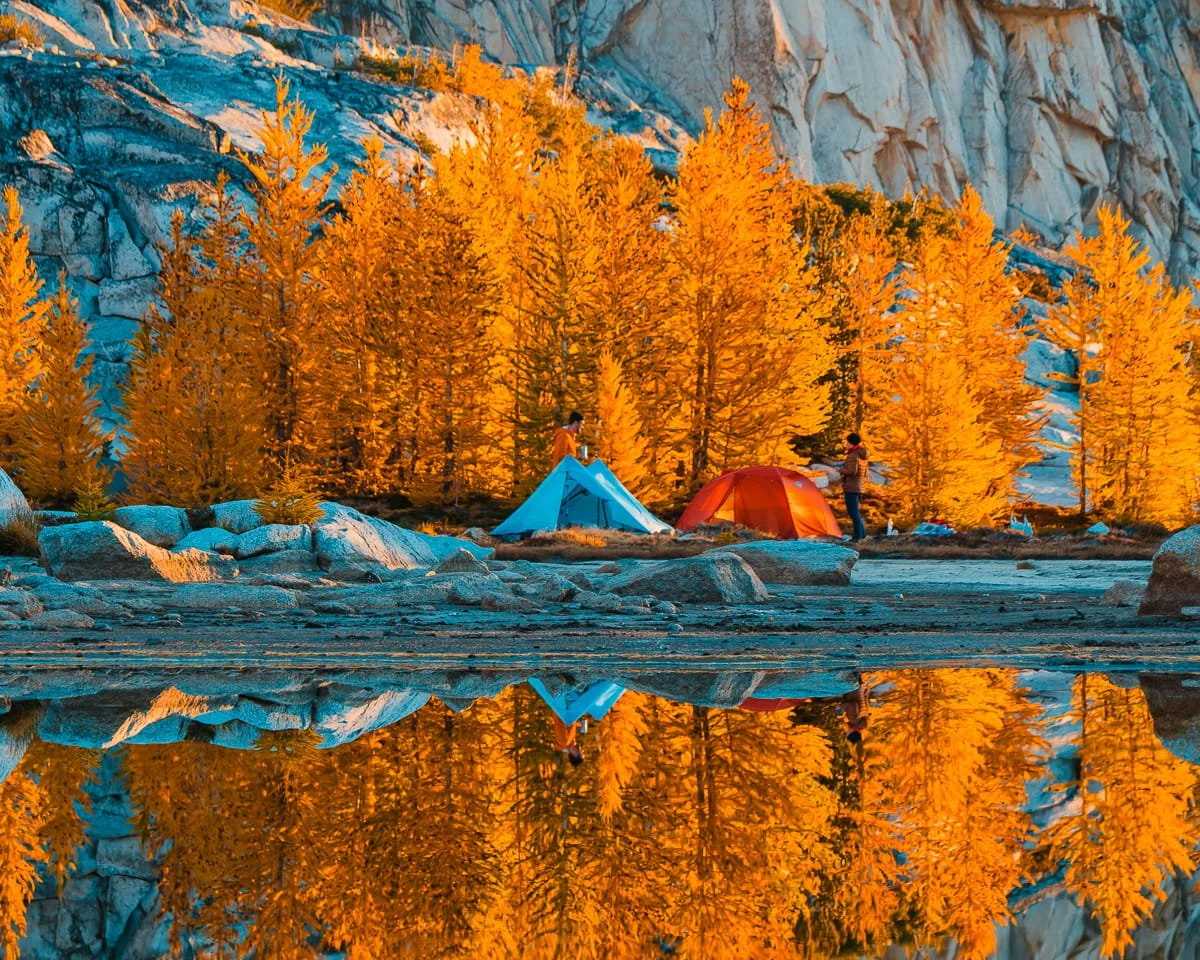
Our campsite in the Core Zone during larch season (October, 2025)
Enchantments Permit Lottery 2026: How to Get Overnight Camping Permits
If you're planning to backpack the Enchantments, an overnight backcountry permit is required between May 15 and October 31. The Enchantments permit system is one of the most competitive in the United States. Permits help preserve this delicate alpine environment and ensure the wilderness doesn't become overcrowded.
How to Get a Backpacking Permit
All overnight trips require a backcountry permit reserved in advance. Permits are issued by permit zone (more on zones below), and the majority, if not all, are distributed through the annual enchantments permit lottery system. Applications are accepted from February 15 through March 1 each year. Lottery results are announced March 17, and successful applicants must confirm and pay for their permits by the end of March.
Most years they do hold some permits for walk-ups the day before the trip start date, but in 2025 they did not allow any walk-up permits. In 2026 there is a daily lottery on recreation.gov that happens the morning before the day you want to start your backpacking trip.
Pro Tip: Applying early during the lottery window does not give you better odds. All applications submitted during the 2-week window have equal chances.
The Enchantment Permit Zones
The Five Permit Zones Explained
The Enchantments Permit Area is divided into five zones. You must camp in the zone specified on your permit each night (with one exception—see Core Zone below).
1. Core Enchantments Zone (Most Competitive)
Covers the high alpine basin between Aasgard Pass and the upper Snow Lakes
Includes all the most famous lakes: Isolation, Tranquil, Inspiration, Perfection, Crystal
Core Zone permit holders can camp in ANY of the five zones (most flexibility)
Lottery success rate: <3% and accounts for >80% of applicants
2. Colchuck Zone (Very Competitive)
Camps near Colchuck Lake
Can day-hike up Aasgard Pass to explore the Core Zone
More accessible than Core but still challenging
Lottery success rate: ~8-10%
3. Snow Lakes Zone (Competitive but Easier to Get)
Camps at Upper Snow Lake, Lower Snow Lake, or Nada Lake
Can day-hike up into Core Zone
More forested, less alpine than Core
Avoids Aasgard Pass if you hike out/back from Snow Lake Trailhead.
4. Stuart Zone (Moderate Competition)
Camps near Stuart Lake
Beautiful but not part of the classic Enchantments experience
Easier to obtain
5. Eightmile/Caroline Zone (Easiest to Obtain)
Camps near Eightmile or Caroline Lakes
Separate area from the main Enchantments
Good option if you want an overnight Alpine Lakes Wilderness experience with better permit odds
Permit Rules and Group Size Summary
Maximum group size: 8 people
Only one permit per group (no splitting into multiple permits to travel together)
Core Zone permits are issued per person, you must specific your intended party size when entering the lottery and group size cannot be increased after the advanced lottery.
Other zones allow adding people to permits up to the max of 8
Dogs are not allowed anywhere in the Enchantments
Permit Lottery Timeline and Fees
Timeline
Lottery Opens: February 15, 2026 at 12:01 AM PT
Lottery Closes: March 1, 2026 at 11:59 PM PT
Results Announced: March 17, 2026
Permit Confirmation Deadline: March 31, 2026
Cost
Lottery application fee: $6 (non-refundable, per application)
Permit fee: $5 per person, per day (paid only if you win)
Permit Pickup
Permits are now print-at-home via Recreation.gov. You no longer need to pick them up in person at a ranger station. Make sure to print your permit and have it with you on the trail, along with your free overnight parking pass which needs to be displayed in your car’s windshield while you are backpacking (included with your permit). Do note, you still need a valid parking pass (NW Forest Pass or America The Beautiful) along with your overnight parking pass.
Alternative Ways to Get Permits
Unclaimed Permits (April 1st): After the lottery deadline passes, any permits that weren't confirmed are released back into the system on April 1st. These go FAST—be logged into Recreation.gov and ready to book right at 7:00 AM PT. This is how we got our first Enchantments permit after striking out in the lottery for years.
Cancellations Throughout the Season: Occasionally, people cancel permits and they become available. Check Recreation.gov frequently. There's no schedule for cancellations, so you have to get lucky.
Daily Lottery: A small number of permits are available through a daily lottery online. Daily lottery availability varies by year and you must be within a one-mile geofence from the Leavenworth Ranger Station to enter the lottery. This is back for the 2026 season and how we just got a Core permit in late June.
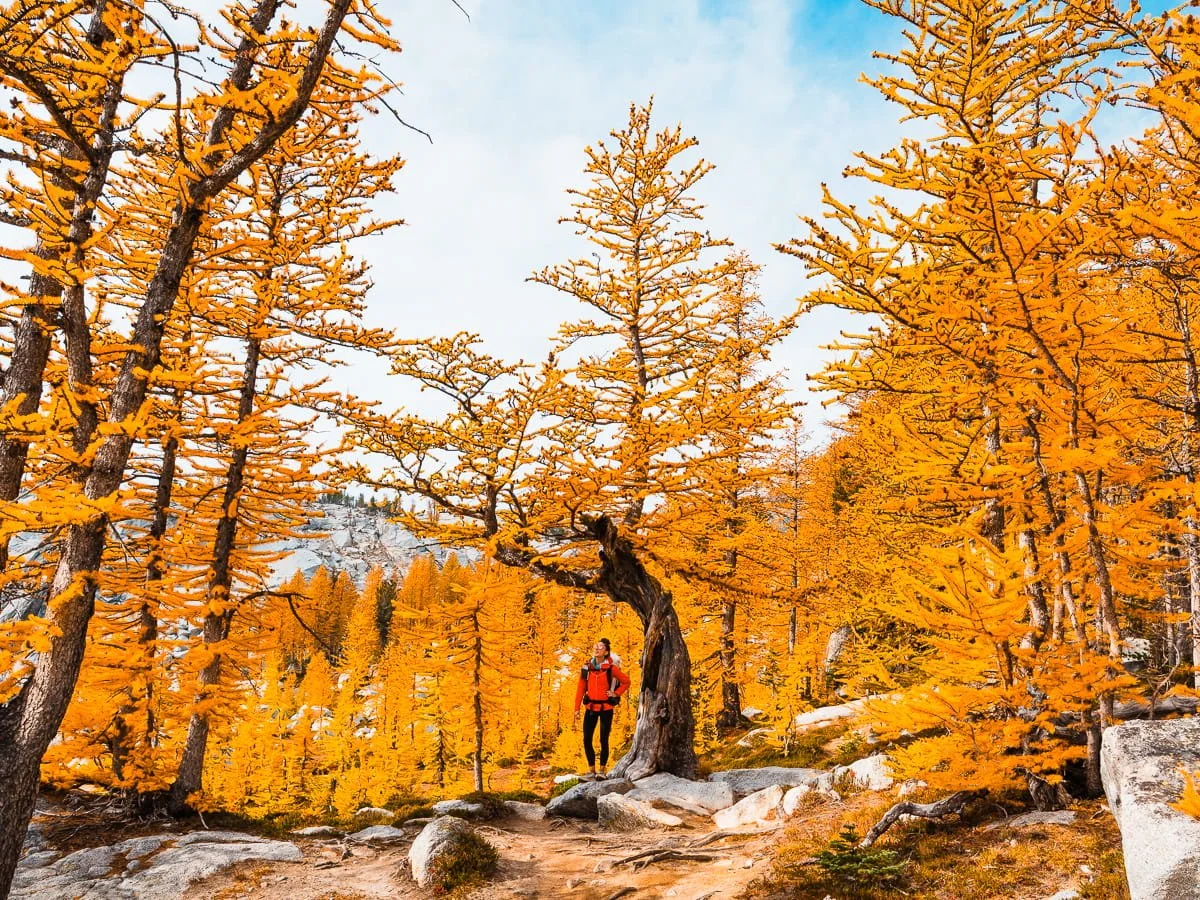
Hiking through the Core Enchantments with golden larches in October, 2025
When to Visit the Enchantments: Seasonal Permit Strategy
Timing your Enchantments trip isn't just about weather and conditions, it also dramatically affects your permit chances. Understanding seasonal differences can help you choose dates that balance good hiking conditions with realistic permit odds. If you are mainly focused on backpacking or alpine climbing, and want the best weather window, mid July through August will be your best bet. But if you want to see golden larches throughout the Core zone, you will want to try for a permit or to plan your thru-hike in a day for early October. Fall is Skye’s favorite time to visit as a photographer, but I would opt for August for good alpine climbing weather. We did climb Prusik Peak in October, 2025 and it was doable but freezing.
| Season | Conditions | Recommended Gear | Recommendation |
|---|---|---|---|
| Early Season Late May – June Advanced |
|
|
Best for experienced mountaineers comfortable with snow travel who want solitude. Permit odds are better than summer, but only attempt this season with the proper skills and gear. |
| Peak Summer July – Mid-August Beginner |
|
|
Great for most hikers, with clear trails and no technical gear required. Permits are toughest to land here — apply for weekdays and multiple dates, and consider early July or mid-August to dodge the biggest crowds. |
| Late Summer Top Pick Late August – Early September Intermediate |
|
|
Our top pick for balancing permit odds with conditions.Apply here first, or use it as a strong backup if you don't land your first-choice dates. |
| Larch Season Late September – Early October Advanced |
|
|
Worth the gamble for photographers and experienced backpackers chasing incredible scenery. Apply for weekdays, stay flexible with dates, and have a backup plan since permits are extremely hard to get. |
| Shoulder Season Mid-October – November Advanced |
|
|
Only for very experienced alpine travelers comfortable with winter conditions. Permits are easy to get, but conditions demand real skill. |
| Winter November – April Expert |
|
|
This is a serious mountaineering expedition, not a backpacking trip. Expert winter mountaineers only. |
Our Recommendation for Best Time to Visit
For your best chance at permits with reliably good conditions, apply for late August or early September to either Core or Colchuck. You'll have better permit odds than peak summer (July), while still enjoying excellent weather, clear trails, and beautiful scenery. For those who want something more data driven, others have done deep statistical dives on chances and best dates to request to increase their chances.
If you're willing to gamble for the best scenery but low probability, go for late September/early October larch season, but apply for multiple weekday dates and have alternatives ready since permit competition is fierce.
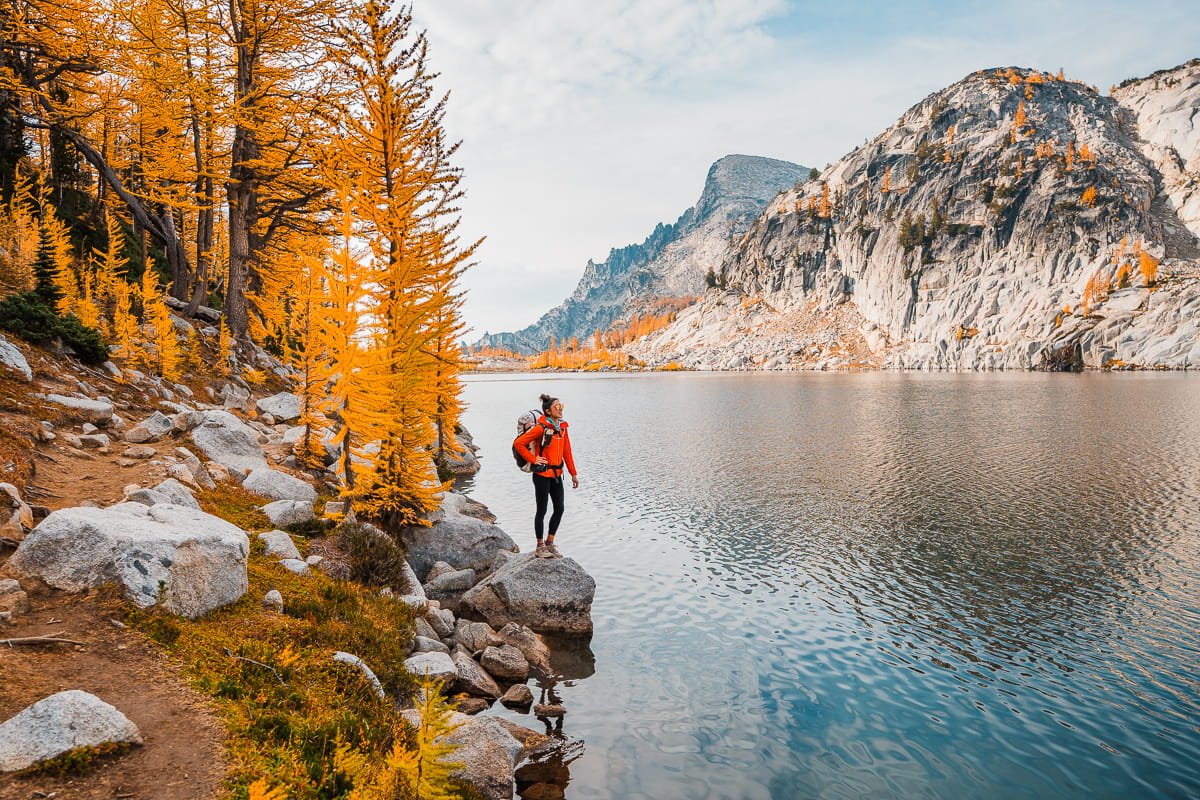
Backpacking through the lower Core during larch season
What to Pack for Backpacking The Enchantments (Essential Gear List)
Packing the right gear is essential for The Enchantments, where high alpine conditions, steep terrain, and variable weather demand preparation beyond a typical backpacking trip. Lightweight, durable gear is key since you'll be carrying everything over Aasgard Pass, and every pound matters on that brutal climb.
Layers are critical, temperatures can swing from hot sun to near-freezing at night, and afternoon storms can happen. We recommend a solid layering system including a warm puffy jacket for camp. Trail runners or lightweight hiking boots work well for most people, though some prefer approach shoes for the boulder scrambling. Trekking poles are highly recommended for stability on Aasgard Pass and the steep descent to Snow Lakes.
Below are our gear recommendations, products we regularly use on all of our backpacking trips, and what we find necessary after numerous backpacking trips through The Enchantments. For a complete list of what to pack, check out our guide on What to Pack for Backpacking The Enchantments that includes everything, and for gear, you’ll want to go through The Best Ultralight Backpacking Gear for 2026.
Backpacking Big Three: Backpack, Tent, and Sleep System
Your big three — backpack, tent, and sleep system — are the foundation of your gear. For the Enchantments, ultralight gear makes a huge difference when climbing Aasgard Pass. For a complete list of the best ultralight backpacking gear, check out our Ultralight Backpacking Gear Guide.
The Big Three We Use and Recommend
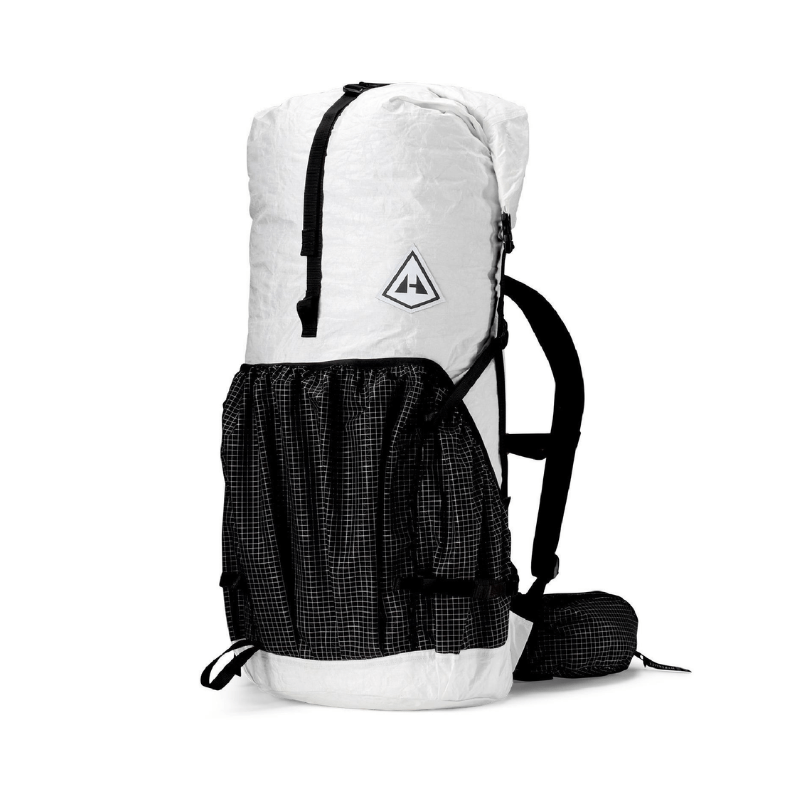
Backpack: A comfortable, ultralight pack in the 50-60L range is ideal for a 2-4 day trip. Our all-time favorite backpacking pack is the Hyperlite Mountain Gear Southwest 55L, we both brought ours on this trip and it was perfect in size and comfort. It's waterproof, lightweight, and comfortable even when loaded for Aasgard Pass.
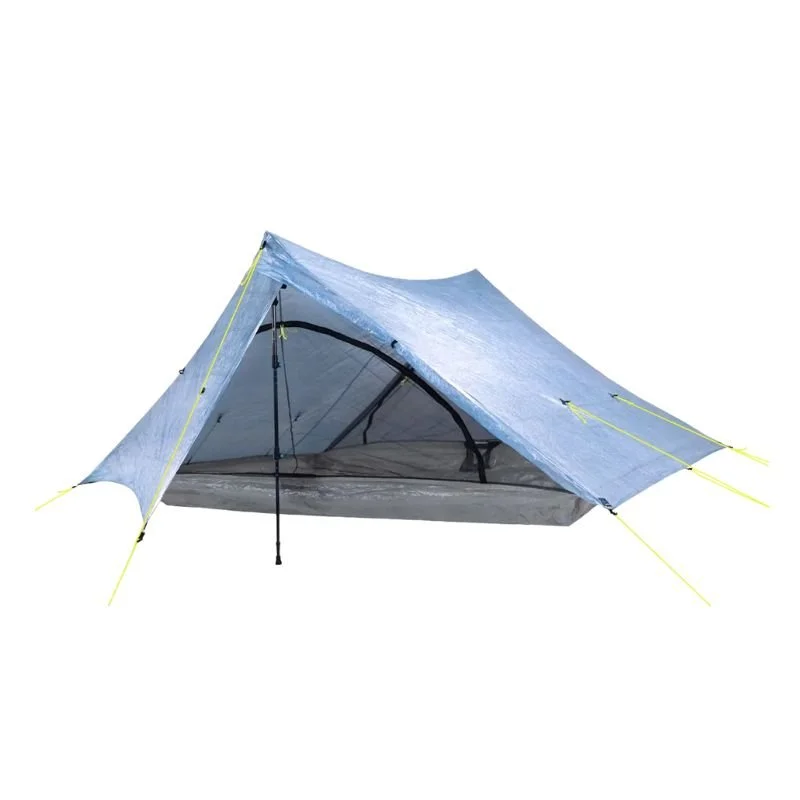
Tent/Shelter: We love light weight trekking pole tents for backpacking, they are spacious and packdown small. Just make sure you have your own extendable trekking poles to pitch your tent with. Our two favorites are the Zpacks Triplex and Hyperlite Unbound 2—both are spacious, under 1.5 lbs and pack down small.
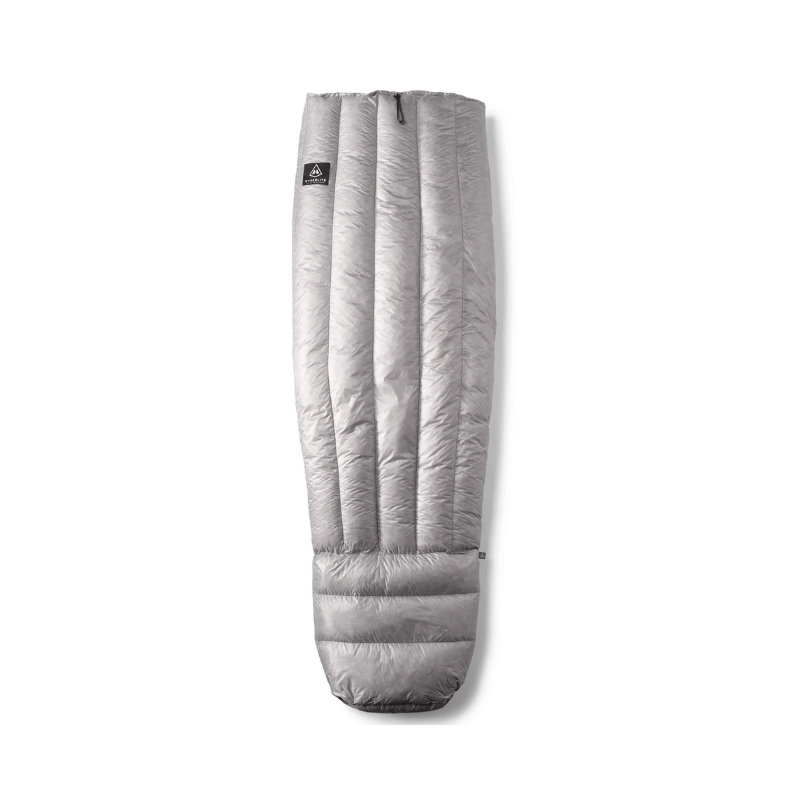
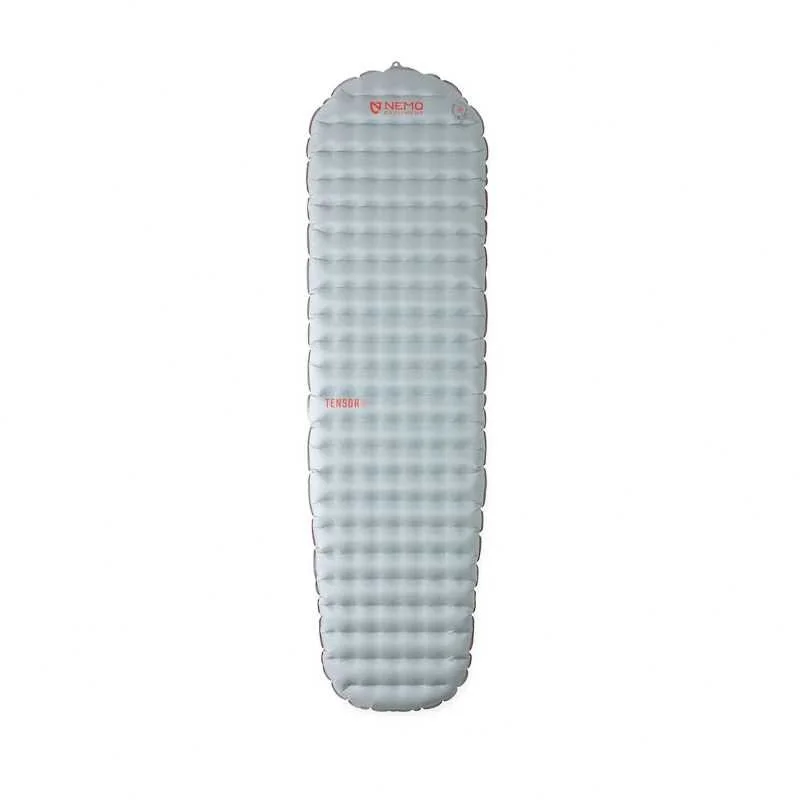
Sleeping Bag or Quilt & Sleeping Pad: We both use lightweight quilts and brought our 20-degree Hyperlite and Therm-a-Rest quilts for our latest October 2025 trip. Even in summer, temps can drop near freezing at night in the Core Zone. Don't skimp on warmth. A good insulated sleeping pad like the Nemo Tensor All Season is essential for comfort on rocky ground.
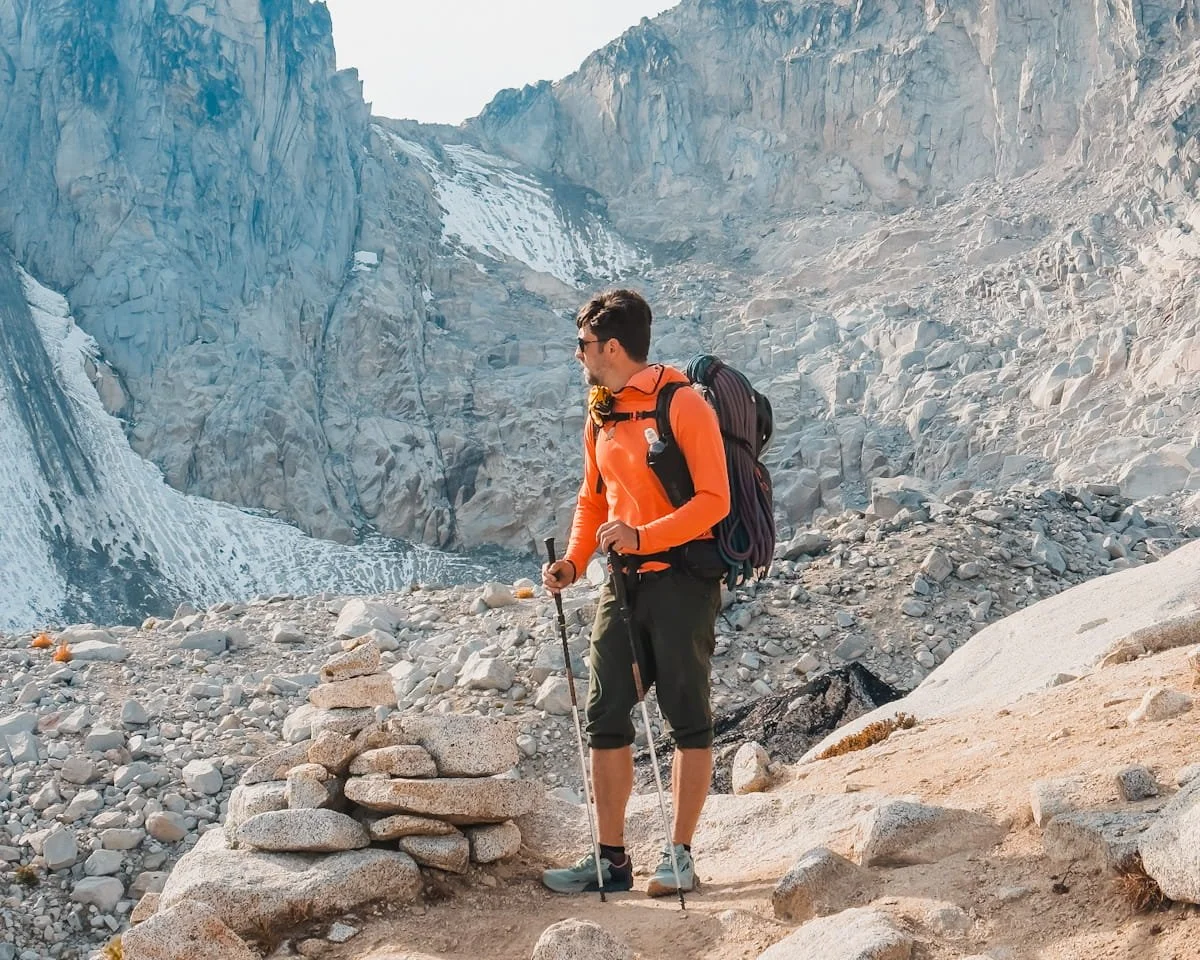
Just on the top of Aasgard Pass in the Upper Core
Gear We Actually Used Backpacking the Enchantments
Backpacking in alpine terrain is different from forest trails. The Enchantments require sun protection, warm layers for cold mornings and evenings, and gear that can handle rocky scrambling. For a full guide on typical backpacking clothing, check out our What to Wear for Backpacking and Best Ultralight Gear guides, which covers some of our favorite gear picks.
For a more comprehensive gear list specific to backpacking the Enchantments, check out our full packing list.
Essential Gear to Pack for Alpine Backpacking:
Trekking Poles: Essential for climbing steep sections and stability with a heavy pack
Sun Protection: High-SPF sunscreen (Dermatone Sport SPF 50)
Anti-Chafe Stick: High millage in hot conditions can make for some gnarly chaffing situations. Love putting a Dermatone travel size Anti-Chafe Stick in our hip belts.
Sunglasses: Love our Ombraz for their compact size, adjustable cord and eco conscious business practices.
Water Filter: Katadyn BeFree 1L is compact and easy to filter and drink extra on-the-go.
Bear Cannister or Bear Bag: There are no formal bear hangs or bear boxes in the enchantments, proper food storage is essential.
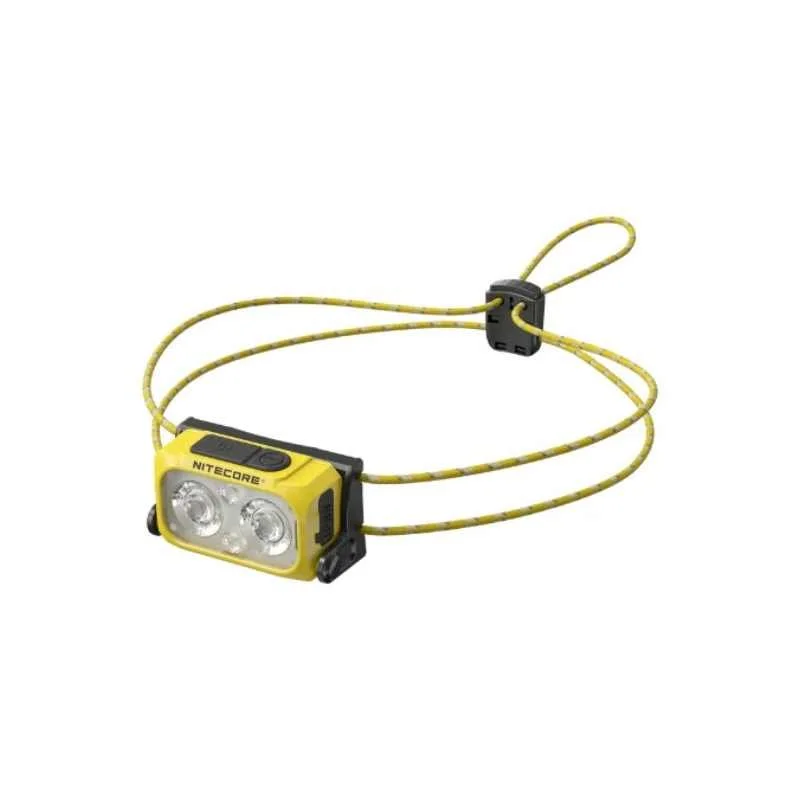
Headlamp: Nitecore NU25 400 is one of the lightest and brightest rechargble headlamps out there.
Navigation: GaiaGPS or similar downloaded maps. Cell service is unreliable.
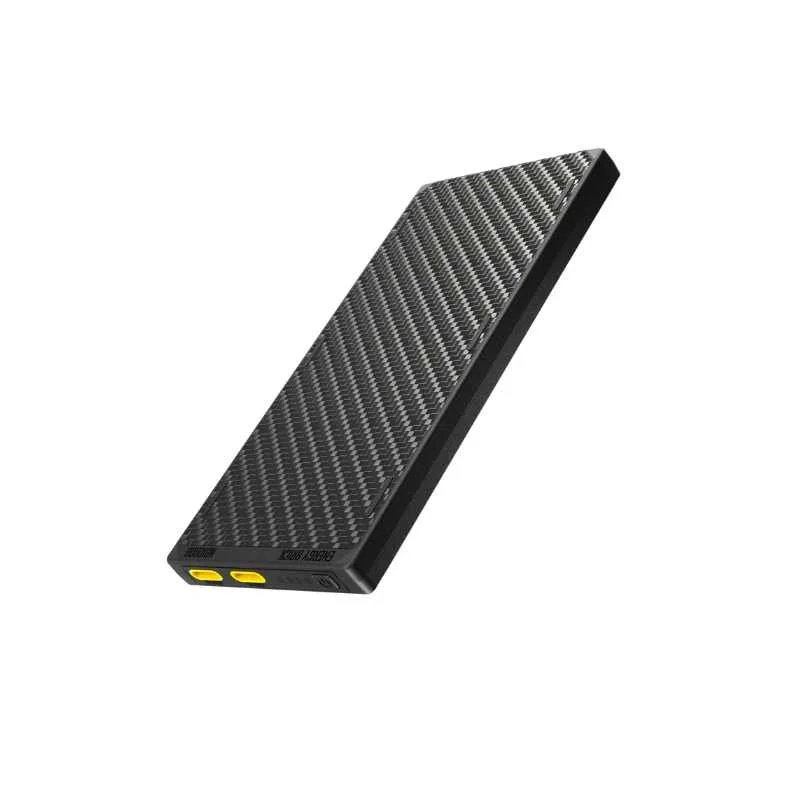
Power Bank: For recharging phone/GPS, the UL Nitecore 10000 powerbank is one of the lightest and gives ~2 iPhone charges.
Garmin InReach Mini 3: A small lightweight locator and satellite messenger for emergencies, we never go into the backcountry without it.
Microspikes or Crampons (seasonal): Essential for early season (May-June) or late season (mid-Oct) if snow/ice is present.
Ice Axe (seasonal): Essential for early season dates (May-June), know how to self arrest and stow your axe on your pack safely before heading out.
Gaiters (seasonal): To keep snow out of your boots. We take our OR Crocodile Gaiters on all our snowy alpine ascents
For a full packing list for backpacking the Enchantments, check out what we actually brought and recommend, with seasonal additions for early summer and fall.
Hiking Clothing to Wear and Pack:
Sun Hoodie or Sun Shirt: The UV rays are no joke in the alpine, so wearing a lightweight sun shirt while hiking is key.
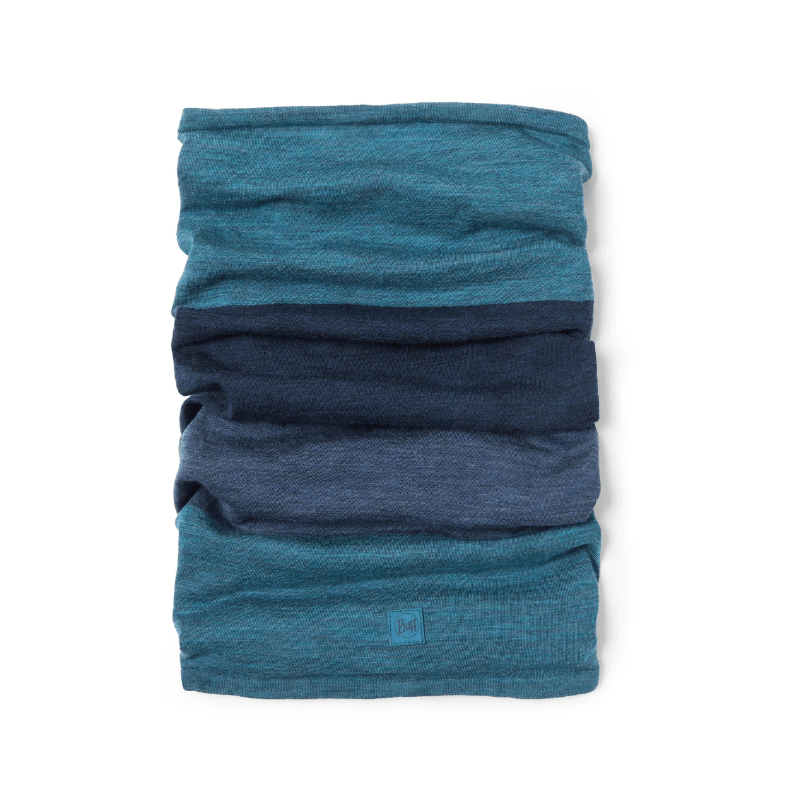
Buff:Great for additional face protection, improvised headband or night time sleep mask.
Fleece Mid-Layer: For breathable warmth while moving through windy or cold conditions and to wear at camp.
Insulated Puffy Jacket: Nights are cold, we bring our Stio Hometown down jackets.
Rain Jacket: Windy days and alpine storms are common, the lightweight OR Helium is easy to tuck into your pack.
For a full packing list for backpacking the Enchantments, see our What to Pack guide and for clothing, check out our What to Wear for Hiking & Backpacking guide. We also have gear reviews on Sun Hoodies and Mid-Layers for hiking and backpacking that are based on years of gear testing and trial and error with different brands.
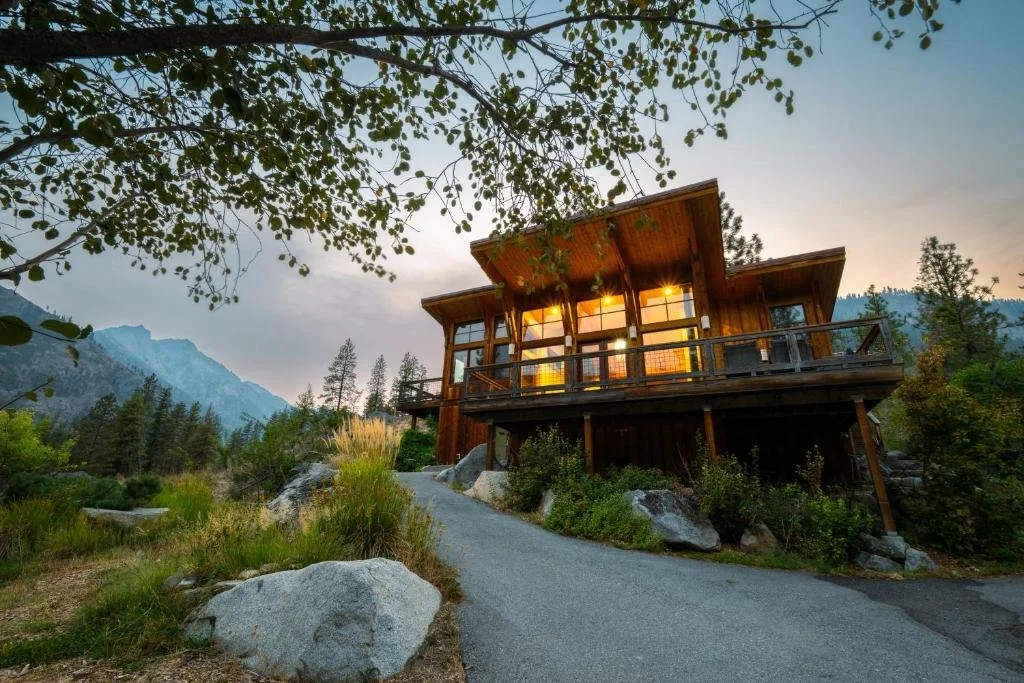
Credit: Sleeping Lady Mountain Resort (via Booking.com)
Where to Stay Near the Enchantments: Leavenworth Hotels & Camping
Most visitors base themselves in Leavenworth, Washington, a charming Bavarian-themed town about 15 miles from the trailheads. Leavenworth offers everything from luxury lodges to budget motels, plus excellent restaurants, gear shops, and a lively outdoors scene.
Even if you are not planning to stay in town before or after your hike, it’s still worth a stop for brats and beers after your trip. We absolutely love Leavenworth and spend a lot of time there in the spring and summer. Check out our Leavenworth Lodging Guide for more in-depth details on the best hotels and campgrounds in the area.
Hotels and Lodging in Leavenworth, Washington
Leavenworth has a wide range of accommodations for every budget. Whether you want to splurge after a tough hike or keep it simple, you'll find options close to the trailheads.
Luxury Lodging Options
Sleeping Lady Mountain Resort - Beautiful mountain resort with spa, farm-to-table dining, and a peaceful setting along the Icicle Creek. Perfect for relaxing post-hike. We cannot recommend this place enough, it is a stunning property with an amazing restaurant on-site.
Enzian Inn - Bavarian-style boutique hotel with an outdoor pool, hot tub, and mountain views. Amazing buffet style breakfast in their loft dining room. This is Skye’s favorite place to stay in town.
Mid-Tier Hotels
Hampton Inn & Suites Leavenworth - Reliable chain hotel with comfortable rooms, indoor pool, and hot breakfast. Great location near downtown and the Safeway. Skye stayed here with friends after her first ever backpacking trip in the Core.
Leavenworth Village Inn - Charming Bavarian-style inn with spacious rooms and convenient access to shops and restaurants.
Icicle Village Resort - Affordable cabins and hotel rooms with pools and hot tubs. Family-friendly and good value.
Budget Options
Leavenworth doesn’t have any hostels or true budget options as an area that caters to tourism and luxury visits. You can find more affordable chain hotel options in the nearby town to Wenatchee (30min drive).
La Quita Inn & Suites (Wenatchee) - Reliable chain option with breakfast included.
Fairfield Inn & Suites (Wenatchee) - Breakfast, fitness center, location next to the Fred Meyer.
Vacation Rentals
VRBO - Leavenworth has tons of cabins, condos, and houses available for rent. Great if you're traveling with a group or want a full kitchen to cook post-hike meals.
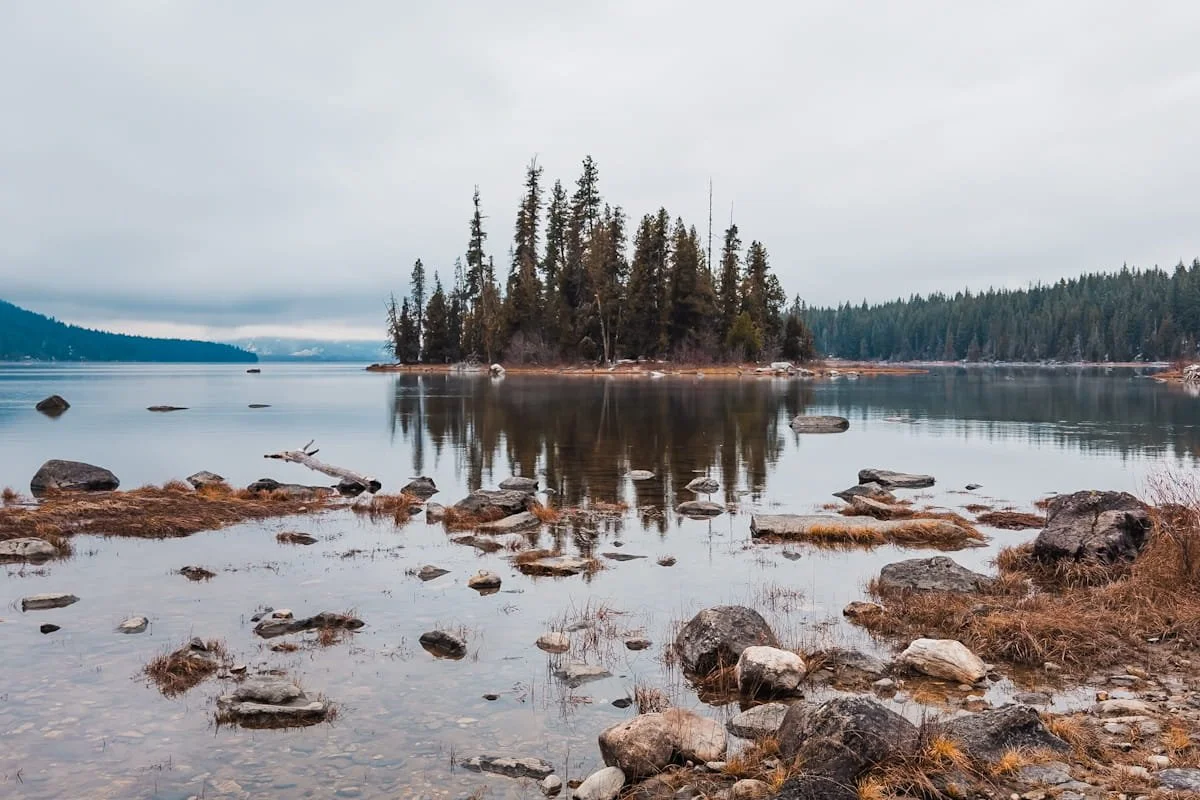
Lake Wenatchee State Park
Campgrounds Near the Enchantments
If you're road-tripping or want to save money, camping near the Enchantments is a great option. You'll find both established campgrounds and dispersed camping opportunities.
Eightmile Campground - The closest campground to the trailheads, located along Icicle Creek Road. Picnic tables, fire rings, and vault toilets. This is an excellent base camp for the Enchantments.
Bridge Creek Campground - Another popular option along Icicle Creek Road with similar amenities. Also first-come, first-served.
Lake Wenatchee State Park Campground - A bit further from the trailheads but still convenient, with running water and more developed facilities. Can be reserved in advance.
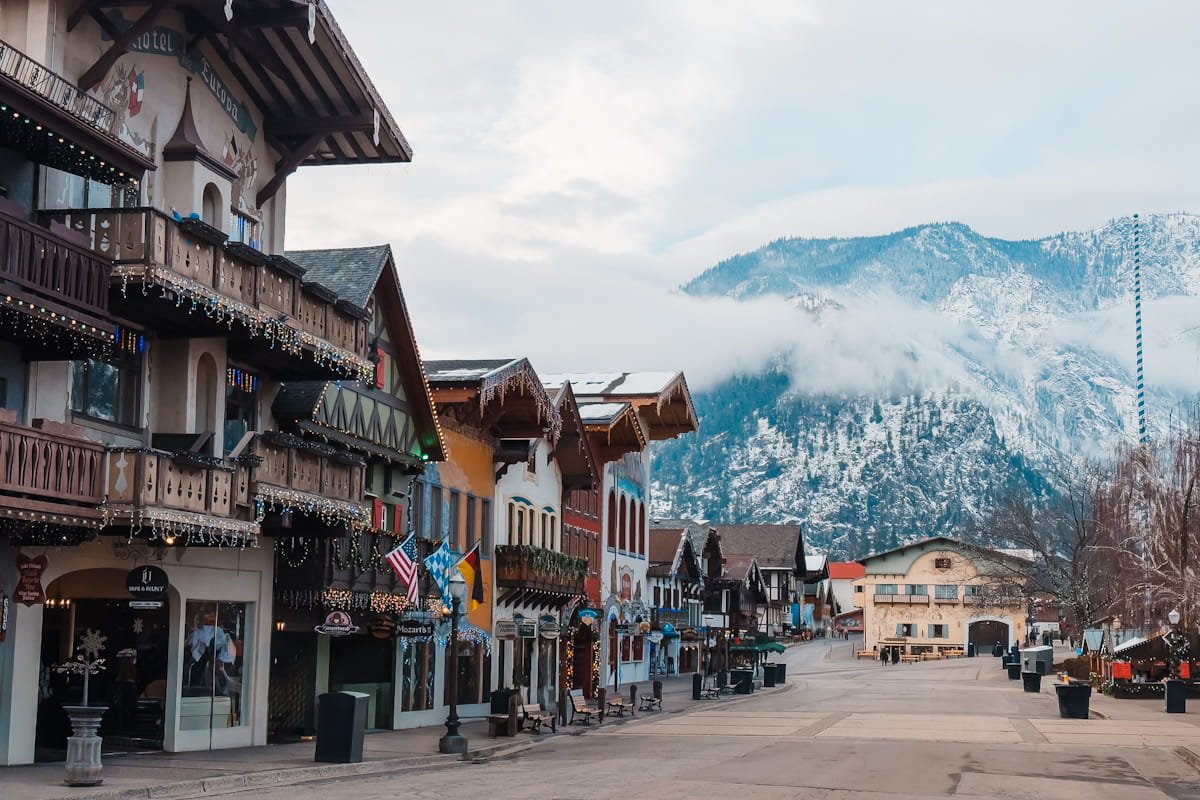
Downtown Leavenworth, WA
Extending Your Trip - Tours and Guided Trips in the Leavenworth Area
If you want to explore more of the Leavenworth area? This is a adventurers paradise and it’s worth spending a few days or a weekend in town. The surrounding area offers incredible hiking, rock climbing, and alpine lakes worth exploring.
Nearby Adventures
Icicle Ridge - A beautiful ridgeline hike that overlooks Leavenworth. (6.0 miles, roundtrip, 1,800 feet of gain)
Lake Wenatchee State Park - Camping, water access and flat forested hikes. Great spot to spend the day and it’s family friendly.
Explore Downtown Leavenworth - This Bavarian themed town features a wide range of coffee shops, restaurants, stores and breweries
Float the Wenatchee River - An scenic float along the calmer portion of the Wenatchee river. Starts at the edge of town and ends near downtown Leavenworth.
White Water Rafting- For the more adventurous, spend the day rafting the white waters of the Wenatchee river.
Rock Climbing - Leavenworth is a world-class climbing and bouldering destination. Bring your gear or book a guided trip through American Alpine Institute, Mountain Madness or the NW Mountain School
FAQ: Backpacking The Enchantments
Do I need a permit to hike The Enchantments?
Yes. Day hikes require a free self-issued permit at the trailhead. Overnight trips between May 15 and October 31 require an advance overnight permit obtained through the lottery or cancellation system.
Where is The Enchantments Ranger Station?
The Enchantments are managed by Wenatchee River Ranger District, the nearest ranger station is located at 600 Sherbourne St, Leavenworth, WA 98826.
How long is The Enchantments through hike?
The Enchantments through hike is approximately 18–19 miles long with 6,500–7,000 feet of elevation gain, depending on route and starting trailhead.
How many days does it take to hike The Enchantments?
The Enchantments thru-hike typically takes 1–3 days, depending on your pace, route, and how much time you want to spend in the Core Zone. Most hikers complete it in 2 days, while experienced hikers can do it in 1 day. If you’re doing an out-and-back from Colchuck Lake or staying in the Core Zone, plan for 1–2 nights.
What is the difficulty level?
Very difficult. The Enchantments require excellent physical fitness, comfort with steep scrambling (Aasgard Pass), and experience with alpine backpacking.
What are the main risks of hiking in The Enchantments?
Aasgard Pass: Steep scrambling over loose rock; dangerous if descending
Weather: Rapid changes, afternoon thunderstorms, snow possible even in summer
Navigation: Route-finding on granite slabs and boulder fields
Exposure: Drop-offs and steep terrain, especially on Aasgard Pass
Is water available in The Enchantments?
Yes, water is abundant in the Core Zone and around lakes. However, the descent from Snow Lakes to the trailhead can be dry. Always filter water before drinking.
Can I hike with kids or dogs?
Dogs are NOT allowed anywhere in the Enchantments Permit Area. Kids can hike the lower sections (Colchuck Lake is doable for fit older kids), but Aasgard Pass and the full through hike are not recommended for children due to the difficulty and exposure.
When is the best time to hike The Enchantments?
Mid-July through early September: Best for warm weather and minimal snow
Late September to early October: Golden larch season (spectacular but colder, higher permit competition)
May-June: Snow and ice still present, requires mountaineering skills and gear
October-November: Possible snow, very cold nights
Do I need special gear?
Yes. Bear cannisters or bear bags should be used. Trekking poles are highly recommended for Aasgard Pass. Microspikes or crampons and an ice axe are essential for early/late season snow. Bring warm layers even in summer. For everything you will want to pack, check out our Packing List for Backpacking the Enchantments.
Do you need bear spray in The Enchantments?
Bear spray is not required for hiking in Washington State and we never carry bear spray in this area. The area is bear habitat, and while encounters are rare, carrying bear spray can add an important safety layer if you are worried about it. Bear spray is most effective when used properly and should be paired with proper food storage (bear canister or approved bear bag).
Which direction should I hike the through hike?
Most people hike from Colchuck to Snow Lakes because ascending Aasgard Pass is safer and less strenuous than descending it. This direction also has less total elevation gain.
Can I camp wherever I want?
No. You must camp in the zone specified on your permit and camp only in established sites on rock, gravel, or sand. Core Zone permits allow camping anywhere in the alpine basin. Other zones restrict you to specific areas.
Are campfires allowed?
No. Campfires are prohibited in the Alpine Lakes Wilderness above 5,000 feet. Use a backpacking stove for cooking.
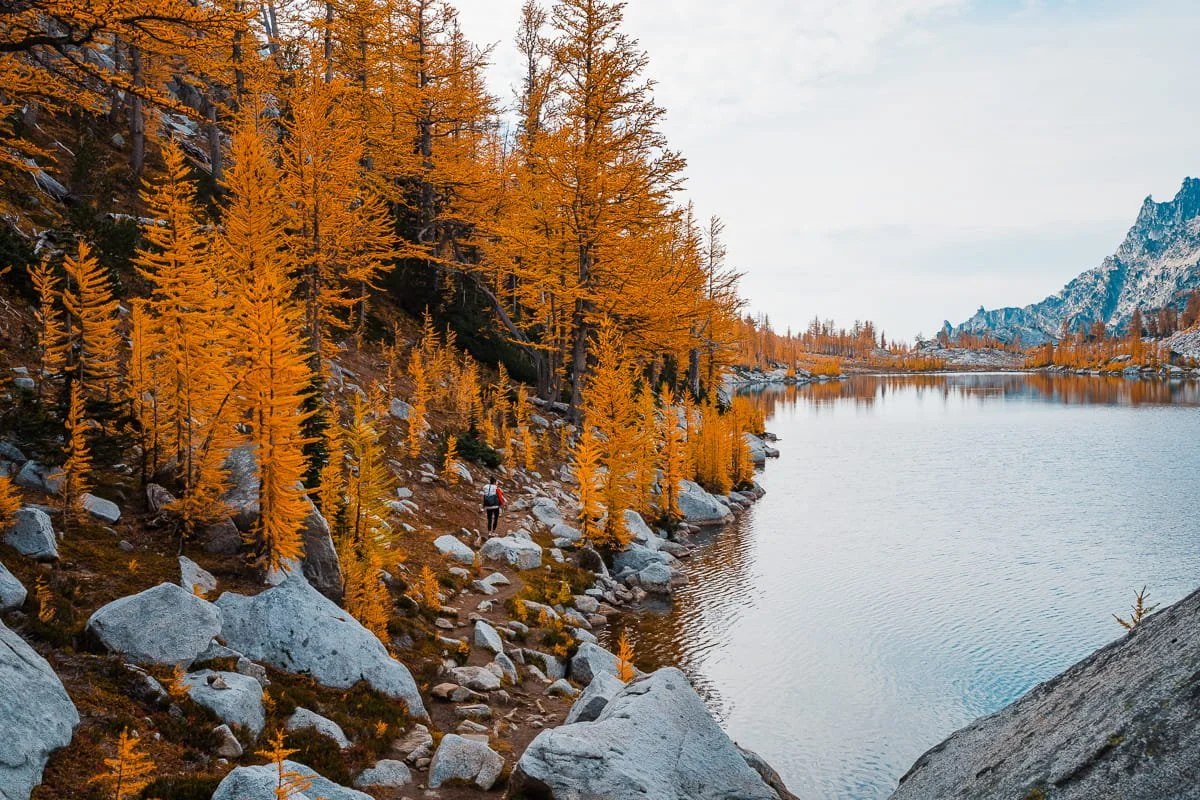
Backpacking around Perfection Lake in the lower Core Enchantments
Final Thoughts: Are The Enchantments Worth the Hype?
The short answer is yes! As Washington locals we still apply for permits just about every year and even after at least five trips into the Core, it still does not feel like enough. The Enchantments are one of the most stunning backpacking destinations in the United States, offering an alpine experience that rivals anywhere in the world. From the turquoise waters of Colchuck Lake to the dramatic ascent of Aasgard Pass and the pristine granite basins of the Core Zone, every mile delivers jaw-dropping scenery.
But the Enchantments demand respect. The terrain is challenging, the permit system is competitive, and the weather can be unpredictable. Proper planning, physical preparation, and the right gear are non-negotiable if you want to complete this bucket-list hike safely and successfully.
Whether you choose the ambitious through hike from Colchuck to Snow Lakes, the out-and-back to the Core Zone, or a more relaxed overnight at Colchuck Lake, this trip will reward you with memories that last a lifetime. For anyone seeking a bucket-list backpacking adventure in the Pacific Northwest, the Enchantments absolutely belong at the top of your list.
Looking for more backpacking inspiration in Washington? Check out the Cathedral Pass Loop in the Pasayten Wilderness.
Backpacking the O-Circuit in Torres del Paine, Patagonia
Related Posts & Gear Guides to Check Out Next
More Enchantments Guides:
Similar Backpacking Trips to Add to Your List:
Backpacking Gear Guides & What to Pack:
Gear Discount Codes and Links
We’ve partnered with a few of my favorite outdoor brands to hook you up with exclusive discounts on trail-tested gear. These are companies we actually use and love, and when you shop through the links below, you’ll get a deal and help support our blog. Win-win!
20% off SkyGOAT (grid fleece) - Click the link and add code SKYEGOAT to your cart at checkout to get 20% off your order.
15% off LUNA Sandals - Click the link and the discount will be added to your cart automatically.
15% off Stio with code SKYE15 - Click the link and enter the code in your cart.
10% off Will and Bear hats with code SKYESTOURY - Click the link and the discount will be added to your cart automatically.
20% off Wild Deodorant with code SKYESTOURY- Must enter the promo code at checkout to receive discount. They make a deodorant mini that is perfect for backpacking, it’s the size of a lip balm.
10% off Loop Earplugs with code SKYE10 - Enter the promo code at checkout. I use their Dream earplugs for sleeping both backpacking and car camping.
Like this Post, Pin it & Save it For Later

Where to Stay in Leavenworth, Washington: Best Hotels, Cabins, Vacation Rentals & Camping
The Ultimate Guide to Visiting Banff in Winter
This image is copyrighted and owned by Skye Stoury Photography and skyestoury.com, if you would like to licence any images on this site, please email us at hello@skyestoury.com