
The Ultimate Guide to Visiting Banff in Winter
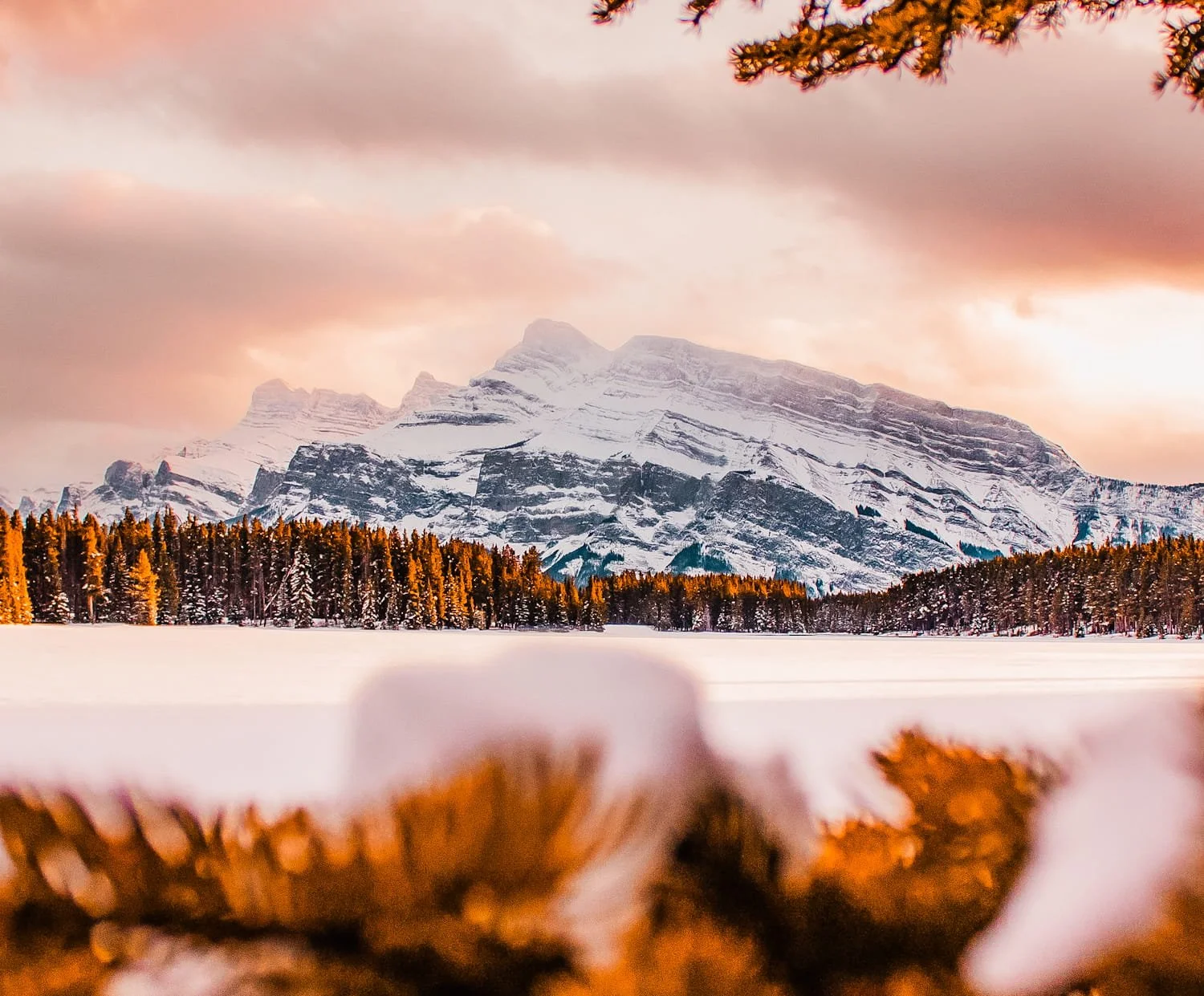
Winter in Banff: A Complete Travel Guide for Outdoorsy Adventures
Winter in Banff is cold, very cold, but it’s also one of the most beautiful and rewarding times to visit Banff National Park. Snow transforms the Canadian Rockies into a true winter wonderland, with frozen lakes, snow-covered peaks, and far fewer crowds than the summer months. If you’re willing to bundle up, visiting Banff in the winter means breathtaking scenery, world-class skiing, and a quieter, more peaceful experience of some of the park’s most iconic spots. Not a skier? That’s ok, there are plenty of fun, winter activities for everyone; from snowshoeing, ice skating, and even taking a gondola up for amazing views and good food. You don’t have to ski to have an amazing time in Banff in the winter.
We’ve both been visiting Banff and the Canadian Rockies for over 15 years and now spend more than a month in this area every year. Garrett has been visiting Banff since he was a little kid on annual family trips, and I’ve been exploring the area regularly since around 2015, including a February winter trip that completely changed how I see Banff. This guide is based on firsthand experience visiting Banff in winter, with practical tips to help you decide if it’s the right season for you and how to make the most of your trip once the snow starts falling.
Table of Contents
A winter travel guide to Banff National Park, from world-class skiing to unforgettable snowy adventures for non-skiers
Disclaimer: This blog post contains affiliate links, meaning we receive a small commission of every purchase made with our links at no additional cost to you. Sometimes there is even a discount code for my readers which we specify next to the links.
Why Winter is One of the Best Times to Visit Banff
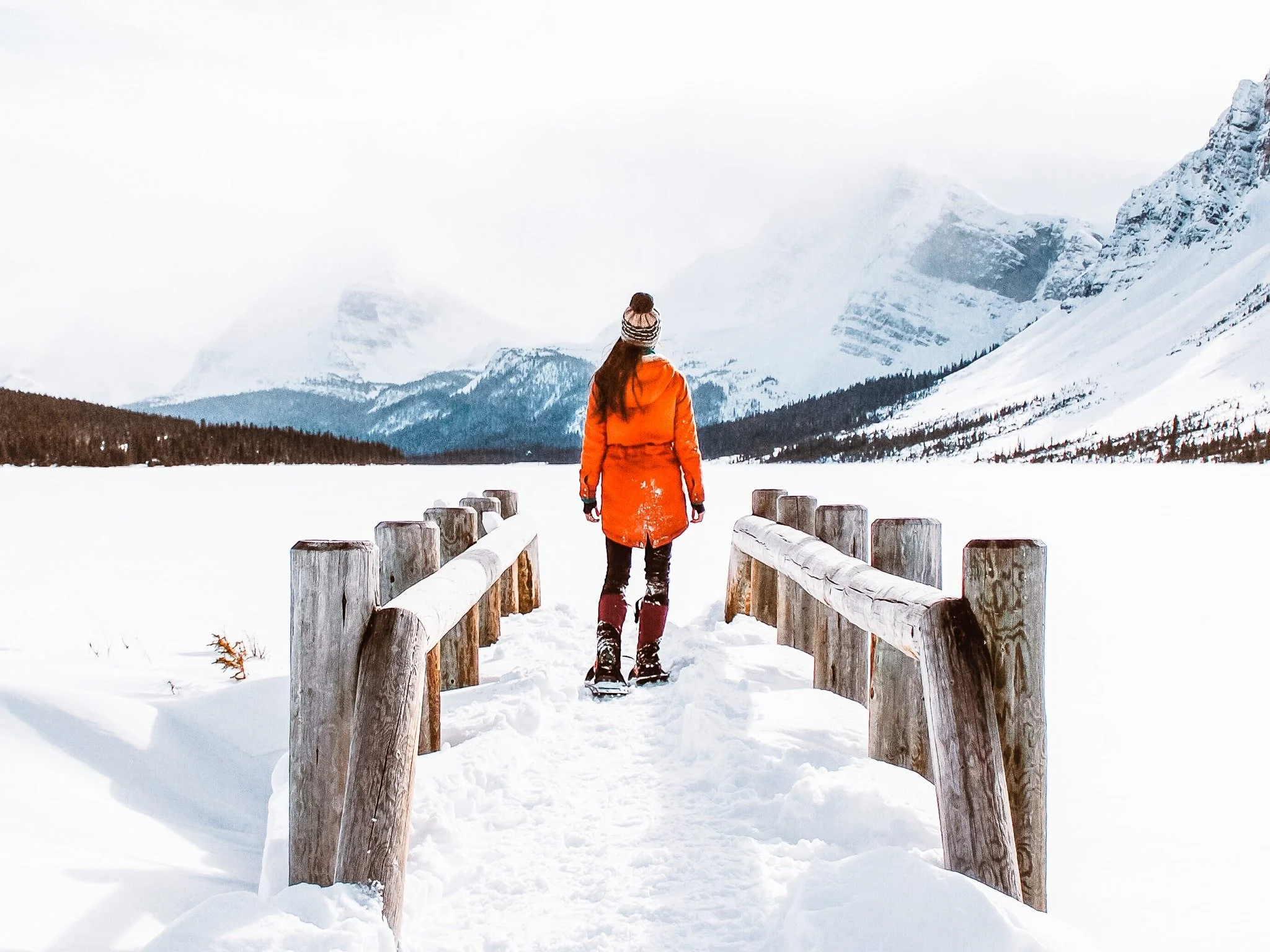
Visiting Banff in the winter is extremely underrated, and I hope we can change your mind on that, and show you all of the amazing things this area has to offer in the winter months. Banff in winter offers a quieter, more dramatic side of Banff National Park. Snow-covered peaks, frozen lakes, and fewer crowds make it one of the best times to experience the Canadian Rockies without the summer rush. Popular spots like Lake Louise and the Icefields Parkway feel more peaceful in winter, giving you space to take in the scenery at a slower pace.
Winter is also prime time for adventure in Banff. The area is home to world-class ski resorts like Banff Sunshine Village and Lake Louise Ski Resort, along with plenty of non-ski activities such as snowshoeing, ice skating, and soaking in the Banff Upper Hot Springs. While cold temperatures and winter driving require a bit of planning, the snowy landscapes and cozy mountain-town atmosphere make visiting Banff in winter well worth it.
The Best Time to Visit Banff in Winter
The winter season in Banff typically runs from November through April (though many years it snows in September), and each part of the season offers something a little different. Here’s a quick guide to help you pick the best time for your trip:
Early Winter (November–December): Fresh snow, fewer crowds, lower prices, but shorter daylight hours.
Peak Winter (January–February): Ideal for skiing and snow sports with reliably snowy conditions and full winter landscapes.
Late Winter (March–April): Slightly warmer days, longer daylight, and still plenty of snow for outdoor adventures.
No matter when you visit, it’s important to be prepared for cold temperatures and variable conditions. We’ve visited Banff in February, and while the days are crisp and cold, the snowy scenery, frozen lakes, and quiet trails make it one of the most rewarding times to explore the Canadian Rockies.
What to Know for Visiting Banff and Canadian National Parks in 2026
In 2026, the Government of Canada is offering free admission and a 25% discount on fees for camping and overnight stays in Canadian National Parks during specific times of year, this program is called the Canada Strong Pass. This means, you do not need a Parks Canada pass to visit during the times listed below, and you can get a discount on camping at Parks Canada campgrounds as well. Full details and everything you need to know can be found here, on the Parks Canada website.
Dates With Free National Park Admission:
December 12, 2025 to January 15, 2026
June 19 to September 7, 2026
Regular fees apply from January 16 to June 18, 2026. This is only for National Parks and regular fees will still apply to Provincial Parks. When the Canada Strong Pass is not in effect, and in all other years, you do need a parks pass to even drive through or park in downtown Banff since it is inside of Banff National Park.
How to Plan the Perfect Winter Trip to Banff National Park
Credit: Fairmont Chateau Lake Louise (via Booking.com)
Top Things to Do in Banff in the Winter
Banff in winter offers far more than just world-class skiing. From frozen lakes and snow-covered trails to scenic drives and cozy mountain-town experiences, winter is an incredible time to explore Banff National Park. Whether you’re chasing adventure or simply want to soak in the snowy scenery, these are the best things to do in Banff in winter.
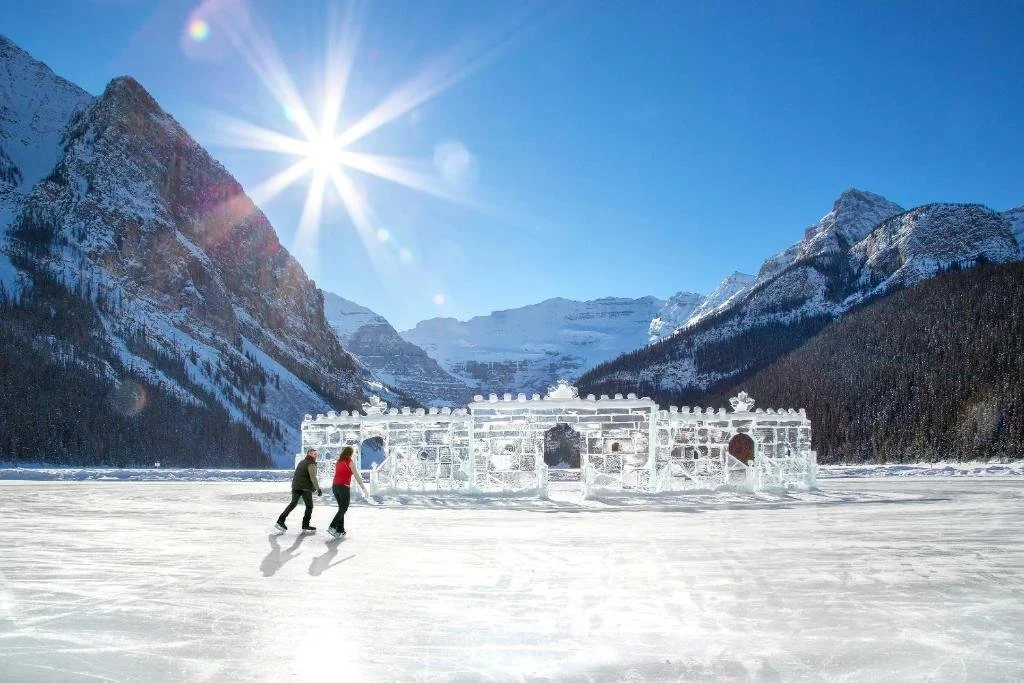
Ice Skating on Frozen Lakes in Banff and Lake Louise
Banff is home to some of the most picturesque skating spots in Canada. Lake Louise and Lake Minnewanka transform into natural ice rinks, surrounded by towering snow-covered peaks. Even if you’re new to skating, gliding across these frozen lakes is a magical way to experience Banff in winter.
Snowshoeing & Winter Hiking Around Banff
If you prefer exploring on foot, Banff offers countless snowshoeing trails and winter hikes suitable for all levels. Popular routes include Johnston Canyon Icewalk and the Tunnel Mountain Trail, where you can take in frozen waterfalls and snow-laden forests. Snowshoe rentals are available in town, making it easy to get started even if you didn’t bring your own gear.
Skiing & Snowboarding in Banff
For snow sports enthusiasts, Banff is home to world-class ski resorts like Banff Sunshine Village, Lake Louise Ski Resort, and Mt. Norquay. From beginner slopes to challenging runs, these resorts offer something for everyone. Skiing in Banff combines epic mountain scenery with reliable snow conditions that keep you coming back year after year.
Cross-Country Ski Trails in and Near Banff
Cross-country skiing is one of the best ways to explore Banff National Park in winter at a slower, more scenic pace. The park offers a wide range of groomed and backcountry trails, from flat riverside routes to rolling terrain with mountain views. Popular areas like the Bow Valley Parkway, Moraine Lake Road, and Lake Louise Nordic Centre make Banff an excellent destination for both beginners and experienced cross-country skiers.
Banff Upper Hot Springs
After a day in the snow, there’s nothing better than soaking in the Banff Upper Hot Springs. Surrounded by snowy peaks, the naturally heated waters are perfect for warming up and relaxing while still enjoying the crisp mountain air.
Scenic Drives Along Icefields Parkway
Winter drives in the Rockies are a must-do for stunning scenery. Icefields Parkway is especially breathtaking when snow blankets the mountains and frozen waterfalls dot the landscape. Remember to check road conditions and allow extra time for winter driving.
Visiting Abraham Lake with Ice Bubbles
A day trip to Abraham Lake is worth the drive from Banff for its surreal winter scenery. In winter, the lake freezes and traps methane bubbles under the ice, creating a unique and stunning visual effect. It’s a photographer’s dream and also a peaceful spot for snowshoeing or simply taking in the surrounding Rockies. The drive along Icefields Parkway and Highway 11 offers scenic views, and while it’s a longer outing, it’s very doable as a day trip from Banff.
Ice Climbing in Banff and Canmore
Banff and nearby Canmore are world-renowned destinations for ice climbing, with frozen waterfalls and canyon routes drawing climbers from around the world each winter. From beginner-friendly guided climbs to advanced multi-pitch routes, the area offers options for all experience levels. Even if you’re new to ice climbing, joining a guided tour is a safe and unforgettable way to experience one of the most unique winter activities in the Canadian Rockies.
Winter Specific Tours in and Around Banff
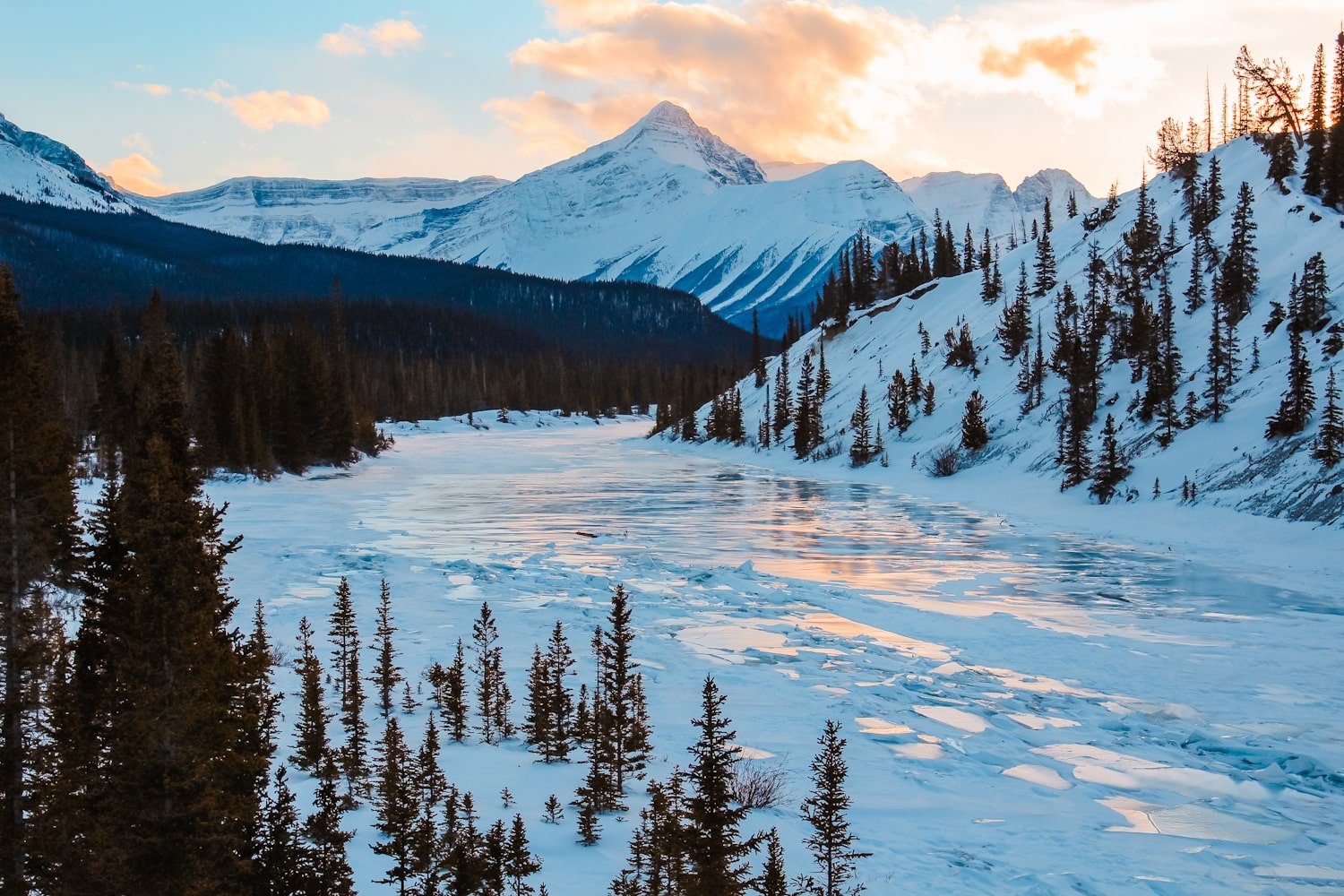
Top Winter Photo Spots & Viewpoints in Banff and Surrounding Areas
Banff in winter is a photographer’s dream, with snow-covered peaks, frozen lakes, and icy waterfalls creating endless opportunities for stunning shots. Many of these spots are easy to reach by car or a short hike, making them accessible even in cold conditions. Whether you’re a serious photographer or just want some Instagram-worthy pics, these locations are must-visits for capturing Banff’s winter magic.
Lake Louise: One of the most iconic winter locations in Banff. The frozen lake, snow-dusted mountains, and often soft morning light make for breathtaking photos. Drive-up access plus easy walks along the shore.
Moraine Lake: Another iconic lake with incredible winter reflections. Note that there is no road access in winter so you would need to ski or snowshoe up the road to get to the lake.
Johnston Canyon: A short, family-friendly hike leads to frozen waterfalls and dramatic ice formations—a perfect winter adventure for photos.
Bow Falls & Bow River Viewpoints: Right near Banff town, these easily accessible spots offer scenic river and mountain shots without much walking.
Banff Gondola / Sulphur Mountain: Take the gondola for sweeping panoramic views of Banff, the surrounding Rockies, and winter landscapes. A great way to get a bird’s-eye perspective.
Lake Minnewanka: A large, frozen lake with stunning mountain backdrops. Several pull-offs make it easy to stop and capture the view.
Two Jack Lake: A quieter alternative to the more popular lakes, with serene winter reflections and minimal crowds. Short walks along the shore are perfect for capturing peaceful winter scenery.
Driving Icefields Parkway: add in text about the below view points being along that road
Peyto Lake: Famous for its bright turquoise waters in summer, Peyto Lake transforms into a snowy winter landscape with dramatic mountain backdrops. A short viewpoint walk makes it easy to capture.
Bow Lake: A beautiful lake along the Icefields Parkway, framed by mountains and glaciers. Winter offers peaceful, snow-covered scenery perfect for photography.
Abraham Lake: Famous for its frozen methane bubbles in winter, Abraham Lake offers one-of-a-kind photo opportunities with icy patterns and snow-covered mountain backdrops. It’s a longer drive from Banff but doable as a day trip.
Photography Pro Tips:
Early mornings often give the best light and fewer crowds.
Bring a tripod if you want crisp shots of frozen waterfalls or low-light landscapes.
Dress warmly, even quick photo stops can get chilly in winter!
Bring extra camera gear like a wide angle lens and zoom lens. If you’re just getting started, check out the gear I shoot with.
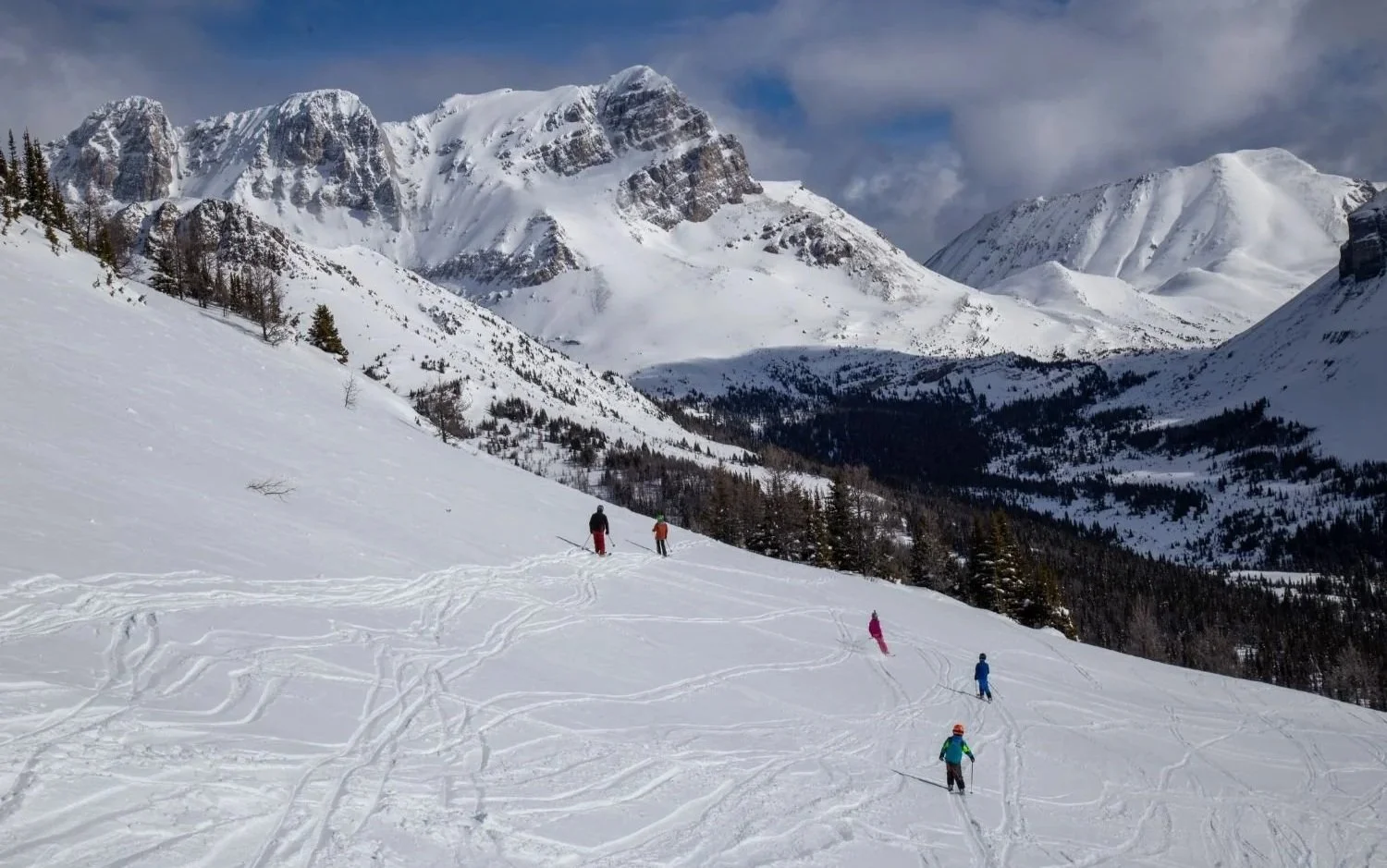
Ski Resorts Near Banff
Banff is home to some of Canada’s most famous ski resorts, offering everything from beginner slopes to advanced terrain and breathtaking mountain scenery.
Banff Sunshine Village: One of the largest ski areas in the Rockies, Sunshine Village offers long runs, reliable snow, and stunning views. It’s perfect for both skiers and snowboarders of all levels.
Lake Louise Ski Resort: Known for its vast terrain and world-class powder, Lake Louise is ideal for advanced skiers and anyone looking for epic mountain scenery.
Mt. Norquay: Smaller but convenient, Mt. Norquay is just minutes from Banff town and offers night skiing, family-friendly slopes, and a classic mountain vibe.
Whether you’re visiting for a single day of skiing or a full winter getaway, these resorts provide unforgettable experiences in Banff’s winter wonderland.
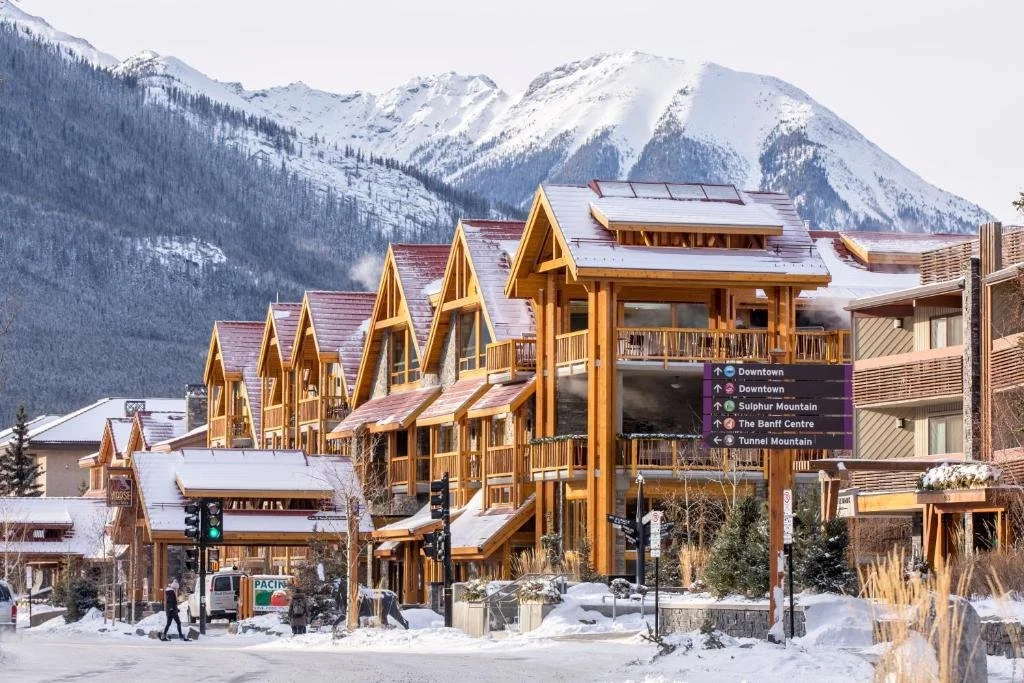
Credit: Moose Hotel and Suites (via Booking.com)
What to Do in Downtown Banff in the Winter
Downtown Banff is full of charm all year round, but even more so in the winter, with snow-dusted streets, twinkling lights, and plenty of cozy spots to eat, drink, and shop. Even if you’re spending your days on the slopes or exploring the outdoors, the town offers a warm retreat where you can enjoy local flavors, sip hot drinks, or unwind with a cocktail after a day in the cold. Stroll along Banff Avenue to browse unique boutiques, outdoor gear shops, and Canadian-made goods, perfect for gifts, souvenirs, or winter essentials.
Must-Dine Restaurants & Cafés in Banff
Coffee Spots
Good Earth Coffeehouse – Cozy café inside the Elk + Avenue Hotel, perfect for coffee and light bites. This is our go-to spot to grab coffee and breakfast, and even work from.
Analog Banff – Specialty coffee, warm drinks, and a welcoming downtown vibe.
Mountain Folk Coffee Co. – Rustic café offering great coffee and pastries in a relaxed setting.
Restaurants
Farm + Fire – Elevated comfort food with a focus on local ingredients.
Brazen – Creative dishes and a lively downtown atmosphere.
Good Folk – Casual, flavorful meals in a modern, friendly space.
The Maple Leaf – Canadian-inspired cuisine in a cozy lodge atmosphere.
Bars & Après-Ski Spots in Banff
Park Distillery – Distillery, bar, and high end restaurant with hyper local spirits brewed in town with glacial water from Banff, and hearty food. They also offer free distillery tours and you can add on a spirit tasting, which I highly recommend.
Banff Ave Brewing Co. – Craft beers and pub fare right in the heart of town.
Rundle Bar at Fairmont Banff Springs – Classic hotel bar with a cozy, historic vibe.
The Beaver Bar – Fun atmosphere, great cocktails, and a local favorite.
Pro Tip for Walking Around Downtown Banff
Downtown Banff is super walkable in the winter. Bundle up, grab a coffee or hot chocolate, and wander from spot to spot, it’s part of the charm. If you’re driving, there are a few paid lots along Banff Avenue, and also free parking at the Banff Eco-Transit Hub on the outskirts of town, if you are not staying at a hotel Downtown. But overall, it’s easy enough to park once and explore everything on foot.
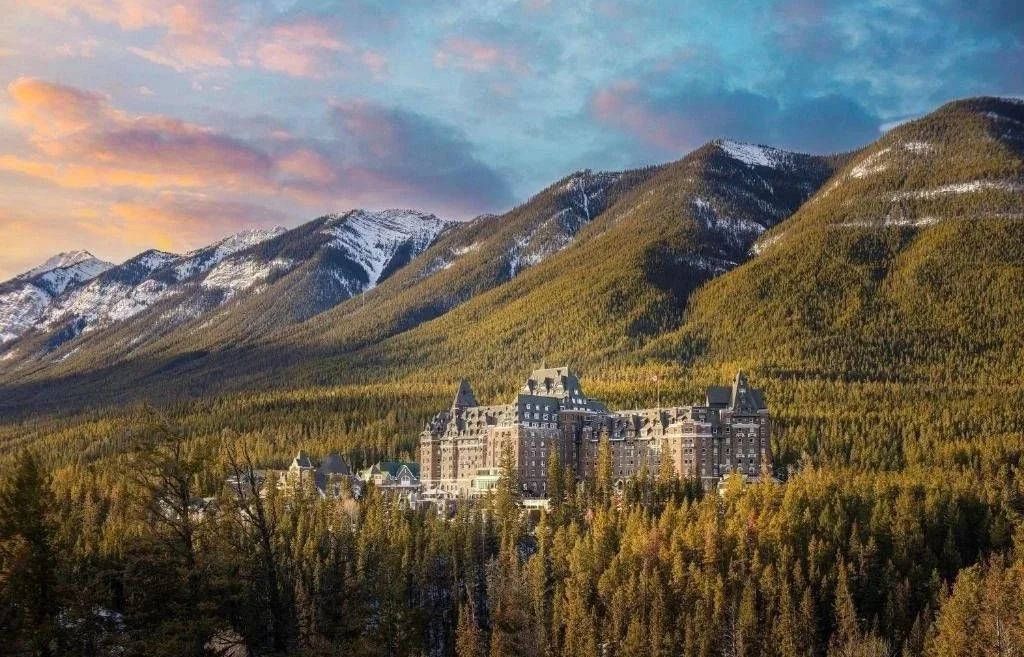
Credit: Fairmont Banff Springs (via Booking.com)
Where to Stay in Banff in Winter
Winter lodging in Banff ranges from cozy mountain lodges to luxury hotels, giving you plenty of options depending on your style and budget. Staying in Banff town puts you close to shops, restaurants, and ski shuttle services, while Lake Louise and Canmore offer a quieter, more scenic base with easy access to winter adventures.
For a complete list of our favorite winter-friendly hotels and lodges, check out our Banff Hotel Guide. From ski-in, ski-out resorts to cozy cabins, you’ll find the perfect spot to warm up after a day in the snow.
A Quick Guide to Top Hotels in Banff
The Best Luxury Hotels in Downtown Banff:
Fairmont Banff Springs - Often referred to as the “Castle in the Rockies,” the Fairmont Banff Springs is one of the most iconic hotels in Canada. Set above the Bow River with sweeping mountain views, it’s known for its historic charm, spa, golf course, and unbeatable setting. This is a destination in itself and ideal if you want a truly memorable stay.
Rimrock Resort Hotel - Located above Banff town center with incredible views of Mount Rundle and the Bow Valley, the Rimrock offers a quieter, more refined experience while still being close to Banff Avenue. It’s a great option if you want luxury without being right in the middle of the crowds.
Hotel Canoe & Suites - A stylish new luxury hotel right on Banff Avenue designed for outdoor adventurers and comfort seekers alike. Guests love the rooftop hot pools, sauna, and lounge areas, perfect for soaking tired legs after a day on the trails, plus Sudden Sally, an on-site restaurant serving elevated comfort food and cocktails. The contemporary mountain design and modern suites make this a great choice if you want both convenience and quality in one package.
The Best Mid-Tier and Boutique Hotels in Downtown Banff:
Moose Hotel & Suites – A perennial favorite with spacious rooms, a rooftop hot pool, and one of Banff’s best central locations.
Banff Aspen Lodge – Great location right in town with outdoor hot tubs, comfortable rooms, and solid value for the price.
Forest Park Hotel – A locally loved mid-range option with comfortable rooms, a cozy lounge, and easy walkability to shops and restaurants.

Credit: Fairmont Chateau Lake Louise (via Booking.com)
Spending the Holidays in Banff
Banff becomes extra magical during the holiday season, with snowy streets, twinkling lights, and festive events that make it feel straight out of a postcard. Christmas in Banff is perfect for cozying up by a fireplace in a mountain lodge, exploring holiday markets, or taking in the festive lights along Banff Avenue. Families and couples alike can enjoy seasonal activities like horse-drawn sleigh rides, ice skating, or exploring winter trails in a quiet, snowy landscape.
New Year’s Eve in Banff is equally special, with celebrations ranging from ski resort parties and fireworks to intimate dinners in cozy mountain restaurants. Even if you prefer a low-key night, watching the snow fall around the town or soaking in the Banff Upper Hot Springs is a memorable way to ring in the new year. Spending the holidays in Banff is a unique way to combine winter adventure with festive cheer, creating experiences you won’t forget.
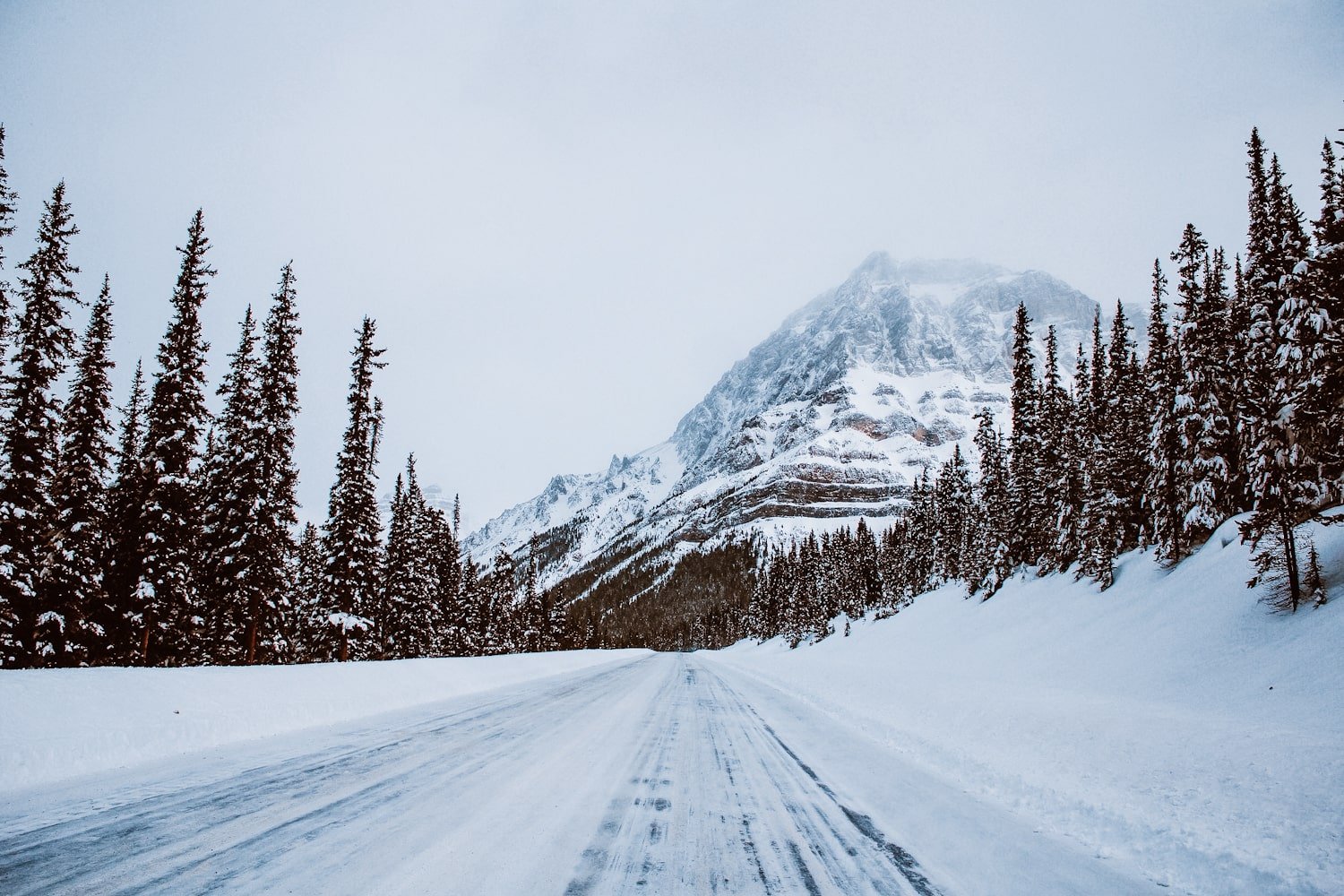
Driving down Icefields Parkway in the winter
Winter Driving Tips for Banff & the Canadian Rockies
Driving in Banff during winter can be stunning, but it comes with unique challenges. Snowy roads, icy stretches, and changing weather mean preparation is key. Follow these tips to stay safe and enjoy the journey:
Use winter tires: Essential for traction on icy roads, especially on the Icefields Parkway and mountain passes.
Check road conditions: Websites like DriveBC provide up-to-date road reports for the Rockies.
Drive cautiously: Allow extra time, reduce speed on curves, and leave plenty of space between vehicles.
Carry emergency supplies: Blankets, snacks, a flashlight, and a charged phone are must-haves for winter driving.
Consider guided tours or shuttles: If you’d rather avoid driving in heavy snow, many local companies offer safe transport between Banff, Lake Louise, and the ski resorts.
With the right preparation, driving through Banff’s winter landscapes can be one of the most memorable parts of your trip—just don’t underestimate the icy conditions!
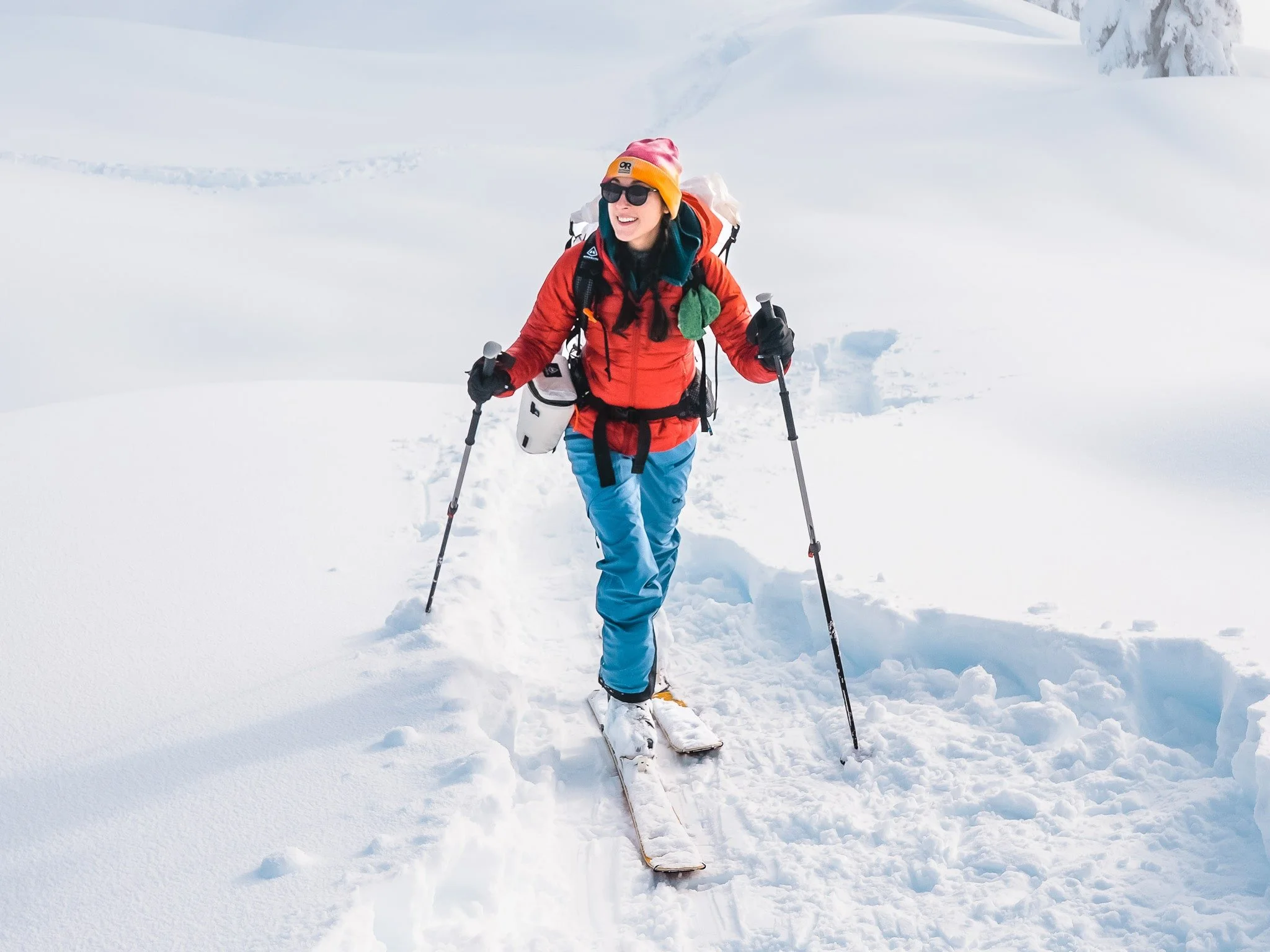
What to Pack for Banff in Winter
Packing for Banff in winter means preparing for cold temperatures, snow, and lots of time outdoors. You’ll definitely want solid layers, good winter boots and a down puffy jacket for sub-zero temps. Full coverage of what to wear and our favorite winter gear is beyond the scope of this blog. If you’re looking for our full gear list and recommendations, head over to our Banff Packing List.
Below is a very brief overview of what we always bring to stay warm, safe, and comfortable while enjoying the Canadian Rockies. For a fully comprehensive packing list, check out our guide on What to Pack When Visiting Banff, it has a full winter section with all the clothing and gear you will want to have with you.
If you are looking for winter outdoor gear for hiking and snowshoeing, make sure to check out our guide on Fall and Winter Hiking Basics.
Clothing & Layers for Winter in Banff
Base Layer Top or Sun Hoodie: A wool or synthetic top that is breathable and keeps you from overheating when working hard on the uphill. If it’s sunny out, I still recommend a sun hoodie, even in fall and winter to protect your upper body from UV rays.
Fleece Mid-Layer: A lightweight and breathable fleece for cool mornings, cold weather hiking, hanging out at your destination, or a little extra warmth on breezy days. My new favorite layer is an Alpha Direct fleece, they are so light, incredibly soft, and the right amount of warmth. Pick the best fleece for you with our Mid-Layer Gear Guide.
Puffy Jacket: A lightweight down or synthetic jacket that provides extra insulation for changing temps or when you’re not moving.
Hard Shell Rain Jacket: A waterproof rain jacket that blocks rain , snow, and wind, to keep your other layers dry. If it is going to be rainy or snowy on your hike, I always recommend Gore-Tex since it will keep you the driest. But if you just want one to stash in your pack, the Outdoor Research Helium Rain is a great, packable, and ultralight choice.
Extra Cold Weather Layers & Accessories: Always bring a warm hat, gloves, and a buff. Thin liner gloves work well for mild conditions, while insulated gloves keep your hands warm at windy or exposed summits.
Hiking Pants: What you will wear most of the time, opt for pants that are breathable and water-resistant.
Snow pants: If you are snowshoeing in deep snow, you may want a pair of snow pants or bibs, over base layer bottoms to help protect against the elements.
Footwear for Snowy Hikes & Around Town in Banff
Insulated, waterproof boots: For walking in snow and slushy streets. My favorite are Blundstone Insulated Chelsea Boots for around town in the winter.
Salewa Pedroc 2 Leather Mid Powertex Boots - Men’s | Women’s (these are by far the most comfortable hiking boots I have ever worn, and I have tried a ton over the years)
Blundstone Thermal All-Terrain Boots- Men’s | Women’s (best for walking around town in winter)
Traction devices / microspikes / crampons: Helpful for icy sidewalks and trails.
Gaiters: If you’re hiking in snow, or snowshoeing, you’ll want a good pair of gaiters to keep snow out of your boots.
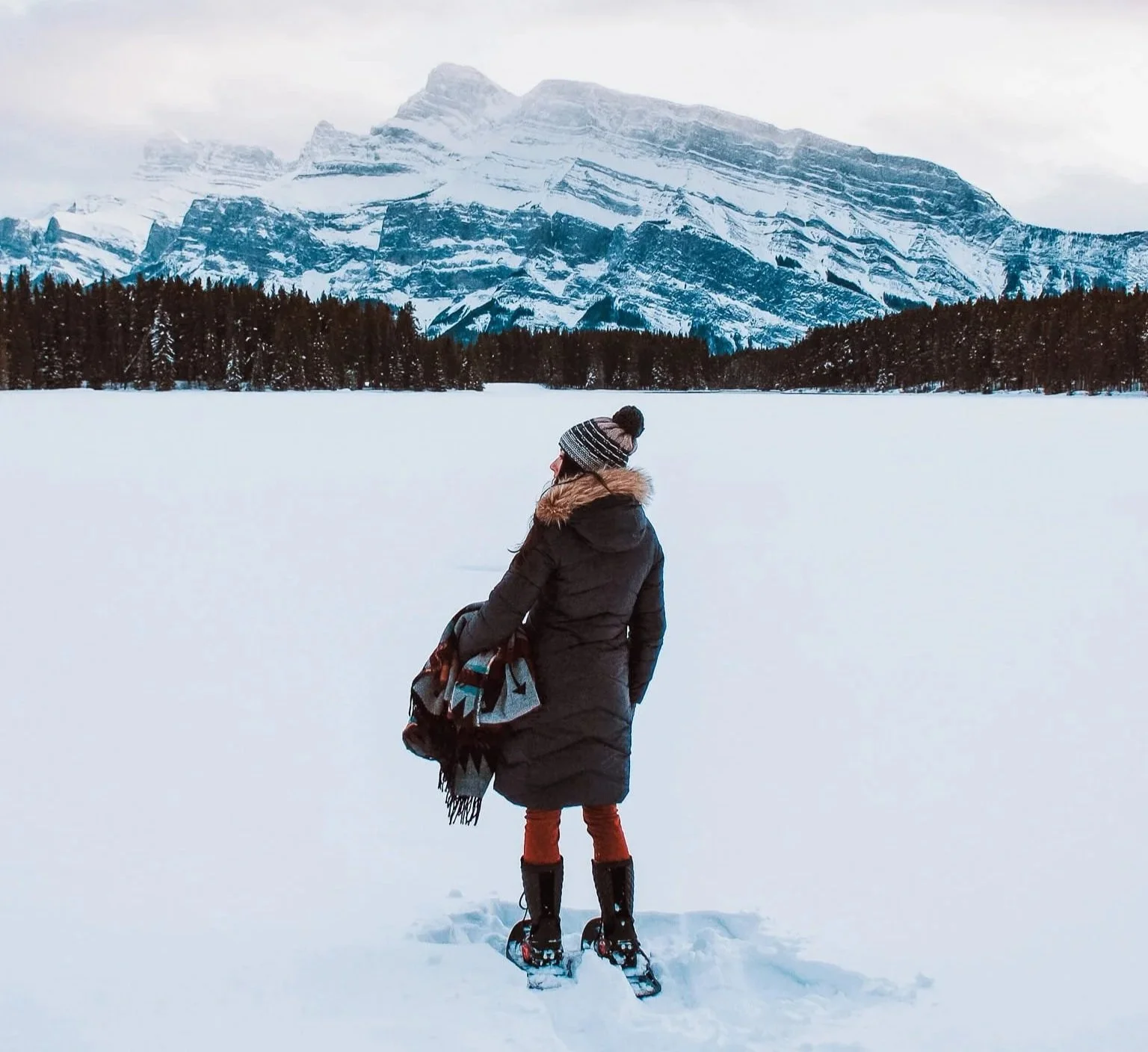
Snowshoeing around Two Jack Lake in Banff
Is Banff Worth Visiting in Winter?
Absolutely. While winter in Banff can be cold, it’s also one of the most magical times to experience the Canadian Rockies. Snow-covered peaks, frozen lakes, and fewer crowds make popular spots like Lake Louise and the Icefields Parkway feel more serene and spectacular. Whether you’re skiing world-class slopes, snowshoeing through pristine trails, or relaxing in the Banff Upper Hot Springs, Banff in winter offers unforgettable experiences that are hard to match any other season.
With proper preparation, warm layers, winter driving knowledge, and the right gear, Banff becomes a winter wonderland worth exploring. For those willing to embrace the cold, the payoff is snowy landscapes, cozy mountain towns, and memories that last a lifetime.
FAQ: Banff Winter Travel
What is the coldest month in Banff?
January is typically the coldest, with average temperatures ranging from -15°C to -5°C (5°F–23°F). February is slightly warmer and still perfect for snow sports.
Do I need a 4x4 to drive in Banff in winter?
Not necessarily, I visited in the winter in my front wheel drive Ford Focus and it did great with chains. Winter tires are essential, and careful driving is more important than a 4x4. However, a 4x4 or AWD can give extra confidence on icy or snowy roads.
Can you visit Banff in the winter without skiing?
Absolutely! Banff offers ice skating, snowshoeing, winter hikes, hot springs, scenic drives, and cozy mountain towns for non-skiers.
When is the best time to visit Banff in winter?
Early winter (Nov–Dec) for fewer crowds, peak winter (Jan–Feb) for skiing and snow adventures, and late winter (Mar–Apr) for slightly warmer days and longer daylight.
Are the roads safe to drive in Banff during winter?
Yes, with proper preparation. Check road conditions before heading out, drive cautiously, and carry emergency supplies for safety.
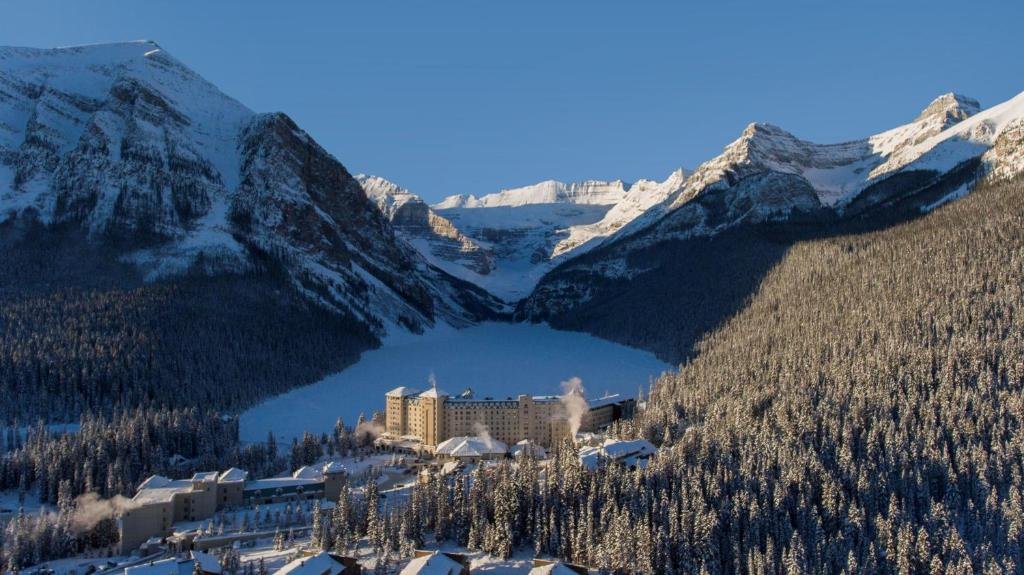
Credit: Fairmont Chateau Lake Louise (via Booking.com)
Final Thoughts on Visiting Banff in Winter
Winter in Banff is truly a magical experience for anyone who loves snowy landscapes, outdoor adventures, and cozy mountain towns. From skiing world-class slopes to exploring frozen lakes and quiet trails, Banff offers something for every winter traveler. While the cold and winter driving require a bit of planning, the rewards, breathtaking scenery, fewer crowds, and unforgettable memories, make it one of the best times of year to visit the Canadian Rockies. With the right gear and preparation, your Banff winter trip can be as comfortable as it is spectacular.
More Canadian Rockies Guides to Help Plan Your Trip
Banff Lodging Guide: Top Hotels & Campgrounds in and Around Banff
Fall and Winter Hiking Guide - Gear, Tips, and More for Cold Weather Hikes
The Complete Guide to Backpacking Mount Assiniboine - Kanananskis
Best Larch Hikes Near Banff - Fall Hiking Guide
How to Hike Lake O’Hara in a Day - Yoho National Park
Backpacking the Berg Lake Trail - Mount Robson Provincial Park
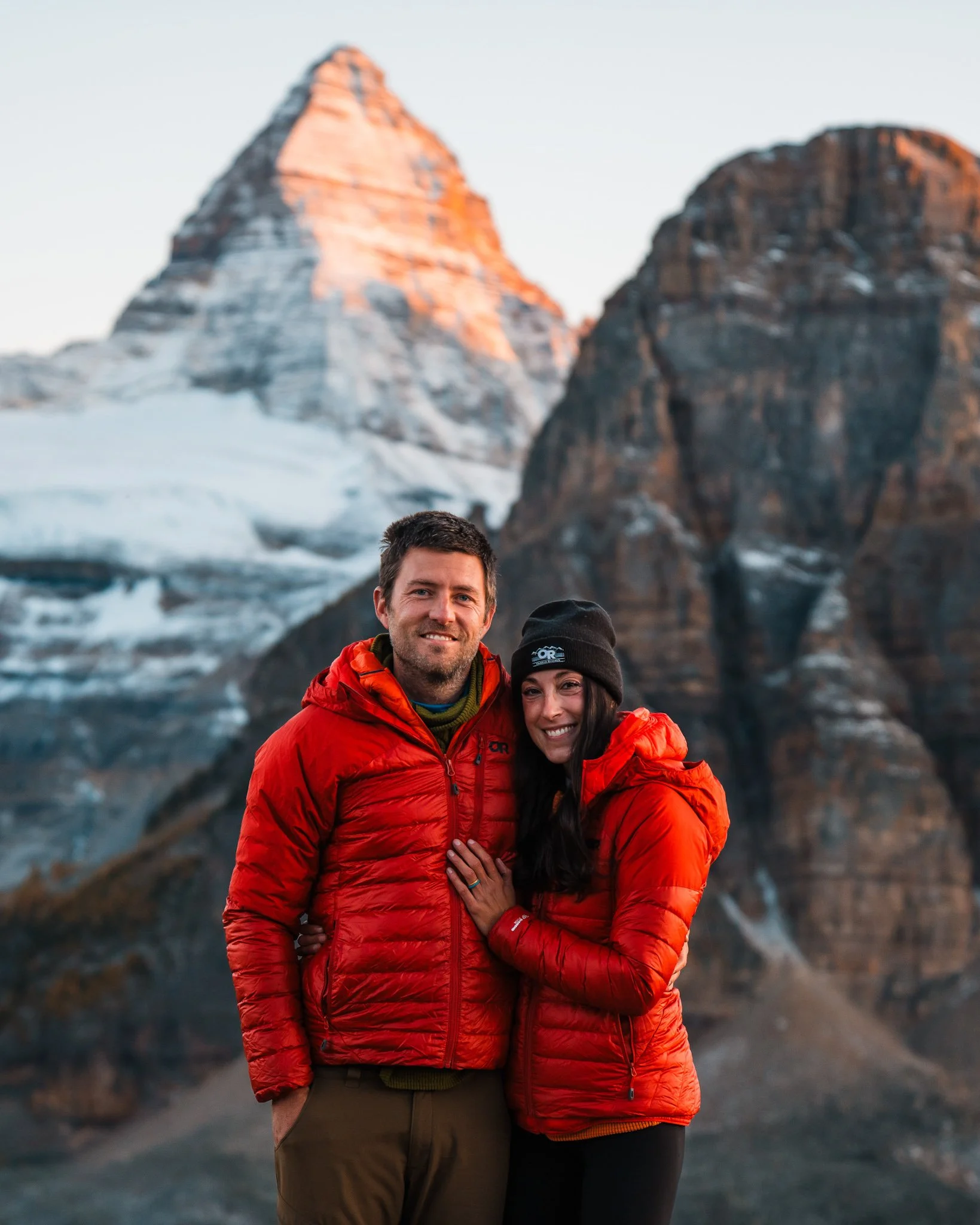
Like this Post? Pin it & Save it for Later
Ultimate Guide to Backpacking The Enchantments in Washington State
What to Pack for Banff & the Canadian Rockies: The Ultimate Packing List for Every Season
This image is copyrighted and owned by Skye Stoury Photography and skyestoury.com, if you would like to licence any images on this site, please email us at hello@skyestoury.com