
How to Prepare for Your First International Trip (Beginner Travel Guide)
Your Beginner-Friendly Guide to Planning, Packing, and Feeling Confident on Your First Trip Abroad
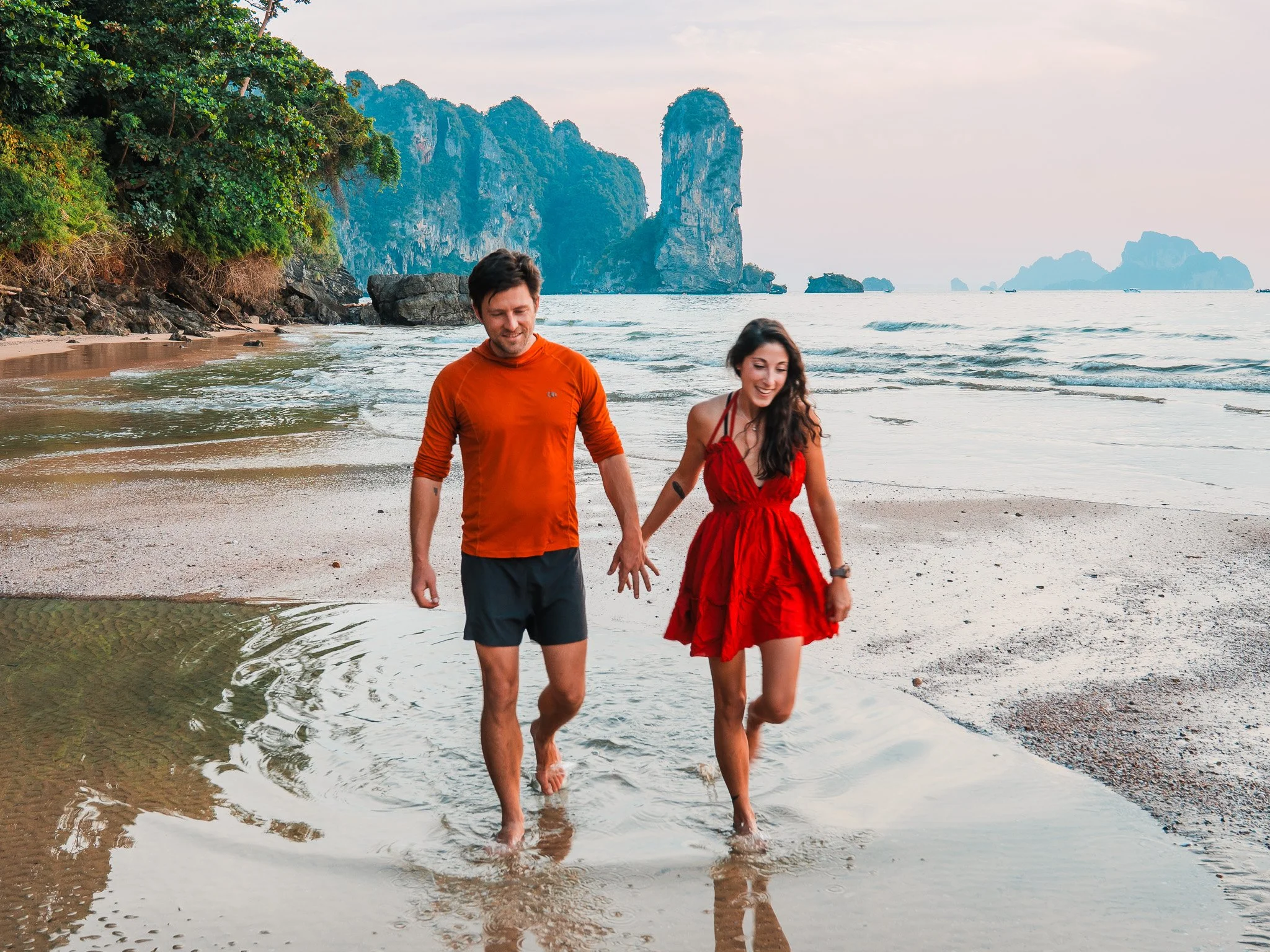
Travel Abroad Like a Total Pro
If you’re new to international travel, this guide covers everything I wish I’d known before taking my first trip abroad.
Planning your first international trip can feel exciting, overwhelming, and a little intimidating all at once, and that’s totally normal. New languages, different transportation systems, and unfamiliar customs can make the whole experience feel like a big leap. But with a few key tips and some thoughtful planning, your first international adventure can be fun, smooth, and way less stressful than you might imagine.
In this guide, I’m breaking down everything I wish I’d known before traveling abroad for the first time, from choosing the right destination to booking lodging, navigating airports, and packing the travel gear that actually makes a difference. Whether you’re traveling solo, with a partner, or with friends, this post will help you feel confident, prepared, and excited for the adventure ahead.
Disclaimer: This blog post contains affiliate links, meaning I receive a small commission of every purchase made with my links at no additional cost to you. Sometimes there is even a discount code for my readers which I specify next to the links.
Table of Contents
International Trip Planning 101: What to Do First

Tips for if You’ve Already Picked Your Destination
Congrats, your first international adventure is officially happening! Now that you know where you’re going (or maybe you’ve already booked your flights), it’s time to sort out the important details: lodging, transportation, what to book ahead, and how to prepare before you leave.
Here are a few things to think through as you plan your trip:
1. What type of lodging do you want?
If you haven’t booked a place yet, consider your comfort level and your budget. For your first couple of nights abroad, I always recommend choosing lodging that’s a little nicer or more comfortable than usual — jet lag is real, and it feels amazing to start your trip well-rested.
2. Will you need a rental car?
And if so, do you need an international driver’s permit? Some countries require it, some don’t — but it’s always good to check before you show up at the counter.
3. Are any vaccines or health documents required?
You can find country-specific recommendations online or by asking your primary care doctor or a travel clinic. Many destinations require nothing, but it’s good to double-check early.
Tips for if You Still Need to Choose a Destination
If you haven’t landed on a destination yet, that’s totally normal, there are so many incredible places to go for your first international trip! The trick is narrowing it down to what fits you and the type of travel experience you want.
When I planned my first big trip abroad, I knew I wanted to visit a country where I could speak (or at least loosely understand) the language. English and Spanish were the easiest for me, and that alone helped narrow down my options.
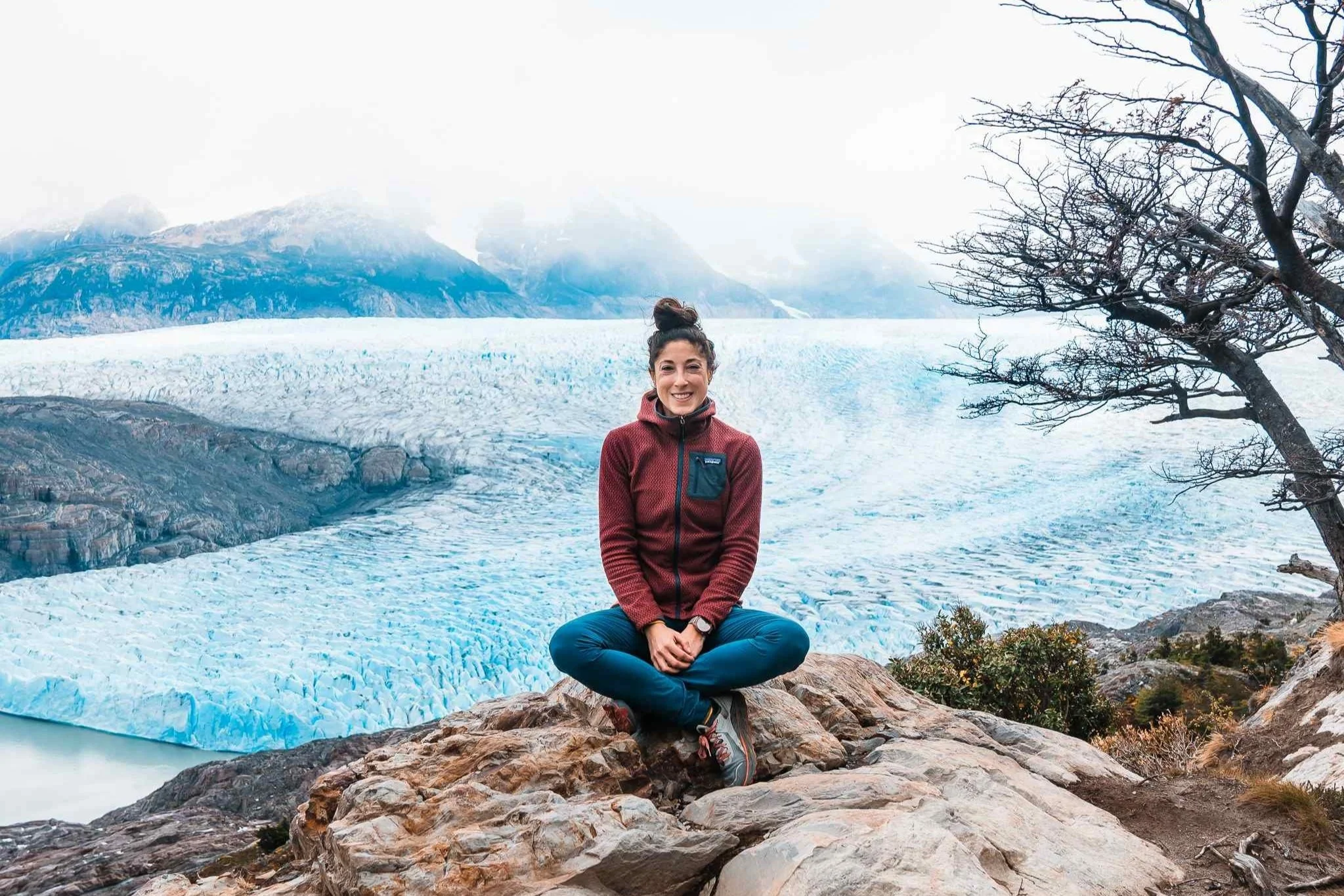
From there, Patagonia had been at the top of my list for years. We had unlimited time (had recently decided to take a year off work to travel), were starting our trip in February (perfect season), and we wanted a mix of backpacking and road-tripping. So Chile and Argentina made perfect sense, but every traveler is different, and so is every trip.
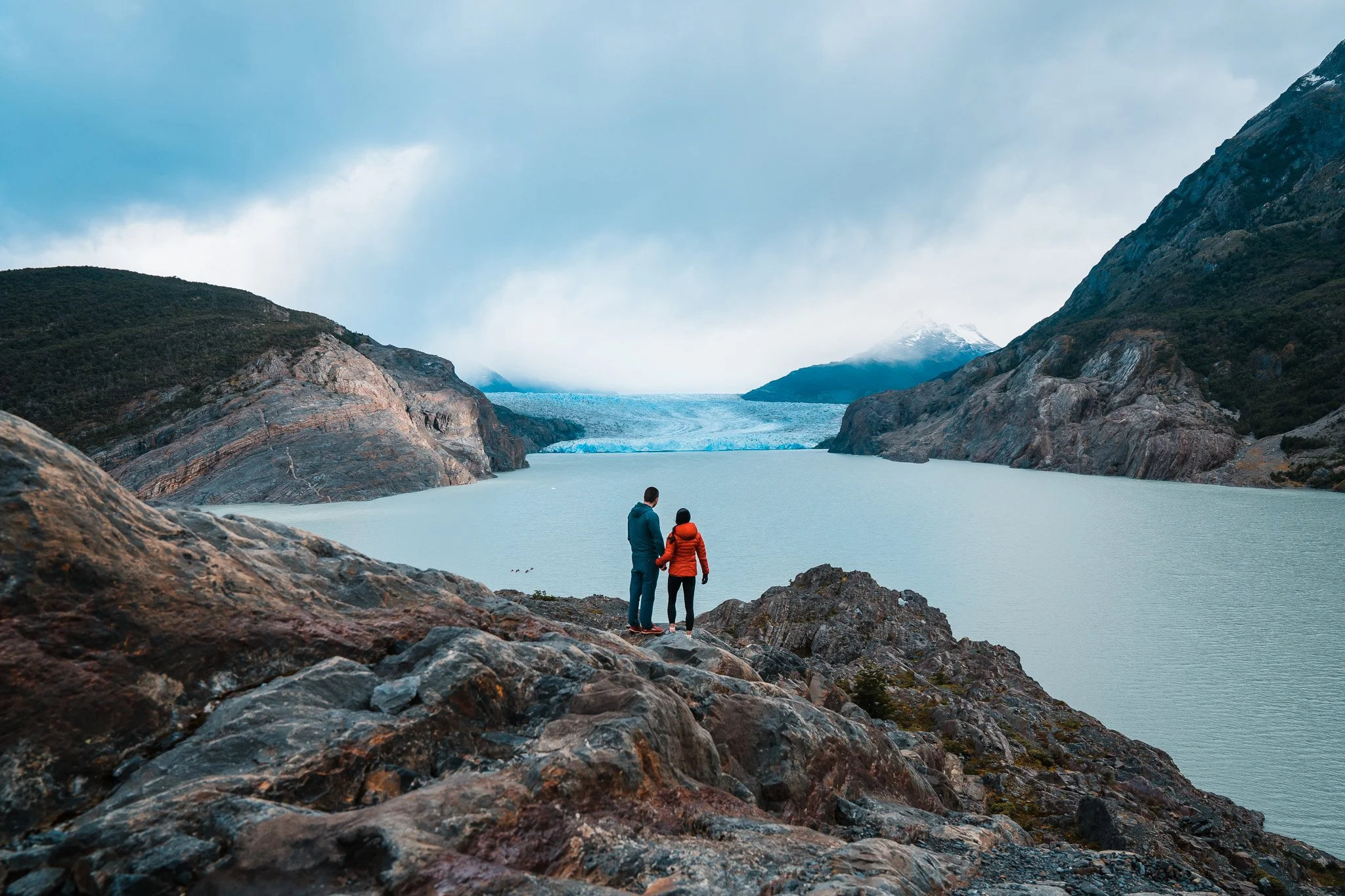
For my first big trip, after we decided on Patagonia as our main destination, we picked backpacking in Torres del Paine and spending two weeks in the Chilean side of Patagonia, and two weeks hiking and backpacking in El Chalten, Argentina. We also decided to add in a two week road trip from Santiago, up the coast of Chile and to the Atacama Desert (highly recommend). Because we had unlimited time, this trip worked, and it was so amazing! But if you are planning on a week or two, definitely take that into consideration while planning your trip.
Here are some helpful questions to guide your decision:
1. Language + Comfort Level
Do you want to be able to read signs or communicate easily with locals? (Not required, but for beginners it can make things smoother.)
2. How much time do you have?
And how many travel days are you willing to lose to flights, long connections, or jet lag?
3. Jet Lag Reality Check
Are you okay doing an 8–12 hour time difference, or would a closer destination (6–8 hours) feel less overwhelming?
4. What’s your travel budget?
Do you want to backpack on a shoestring or enjoy more comfort with direct flights and nicer accommodations?
5. One country or multiple stops?
For beginners, I don’t recommend more than one country unless you have at least 2 weeks.
6. How will you get around?
Rental car? Bus? Domestic flights? And if you do rent a car:
Do you know how to drive manual?
Are you comfortable driving on the opposite side of the road?
Will you need an international driver’s license?
7. What’s your goal for this trip?
Adventure? Relaxation? Food? Culture? Hiking? Photography? Your intention helps narrow down the right destination.
8. Who’s coming with you?
And are they aligned with your budget, pace, comfort level, and overall trip style?
9. Seasonality + Weather
Is your dream location in-season when you can travel? Off-season can be amazing (fewer crowds!), but check ahead for potential closures, some destinations truly shut down.
10. Visa Requirements
Most countries don’t require a visa for U.S. travelers, but some do. Always check entry rules early and confirm how long your visa is valid if you’re traveling for more than a week or two.
Check out my top trip itineraries for international travel:
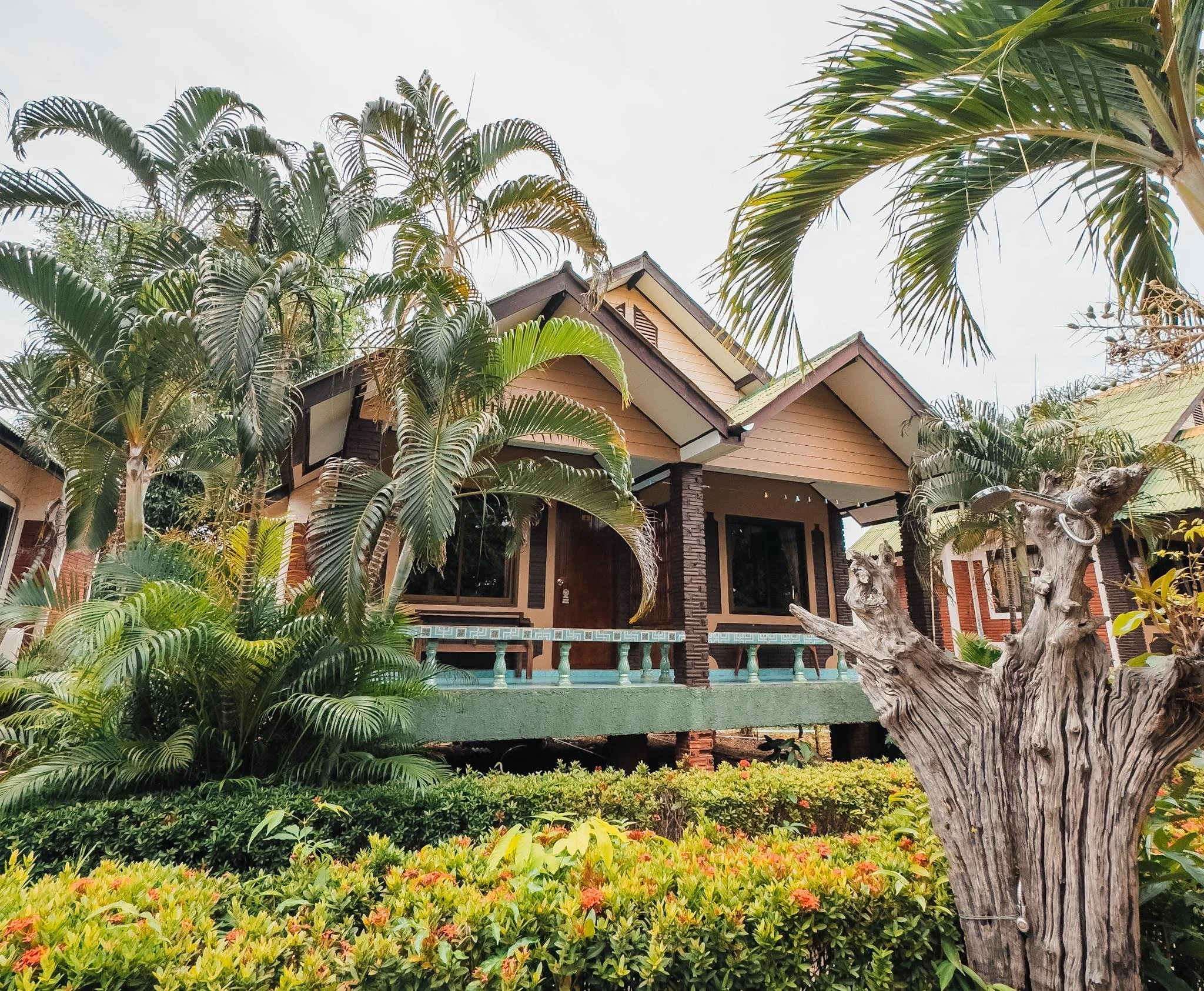
Where to Stay on Your First International Trip (Beginner-Friendly Guide)
Choosing the right lodging can make or break your first international adventure. Your accommodation sets the tone for your trip, from convenience and comfort to your overall experience. Here’s a breakdown of the most common options and tips on deciding what’s right for you.

Types of Lodging and Why to Consider Each Kind
Hostels: Budget-Friendly and Social
Hostels often get a bad rap, but many are surprisingly comfortable and well-equipped. Some even offer private rooms with en suite bathrooms and fully stocked kitchens where you can cook your own meals.
When we traveled through South America, most hostels included a delicious breakfast, making mornings easy. For reviews and bookings, we’ve had consistent luck with Hostelworld.
Pro Tip: Hostels are great for meeting other travelers, saving money, and still enjoying some creature comforts, especially on your first trip abroad.
Hotels vs. Airbnbs: Convenience and Comfort
Deciding between a hotel and an Airbnb often comes down to cooking needs and lifestyle preferences.
Hotels: Look for studios or rooms with a kitchenette if you want to prepare simple meals. Booking sites like Booking.com often offer discounts.
Airbnbs: Ideal if you want a full kitchen, a more home-like vibe, or space for longer stays.
For first-time travelers, hotels and Airbnbs provide a comfortable balance between convenience, privacy, and flexibility. We usually use Booking.com or Agoda to book hotels at a discounted rate.
Resorts: Luxury and All-Inclusive Experiences
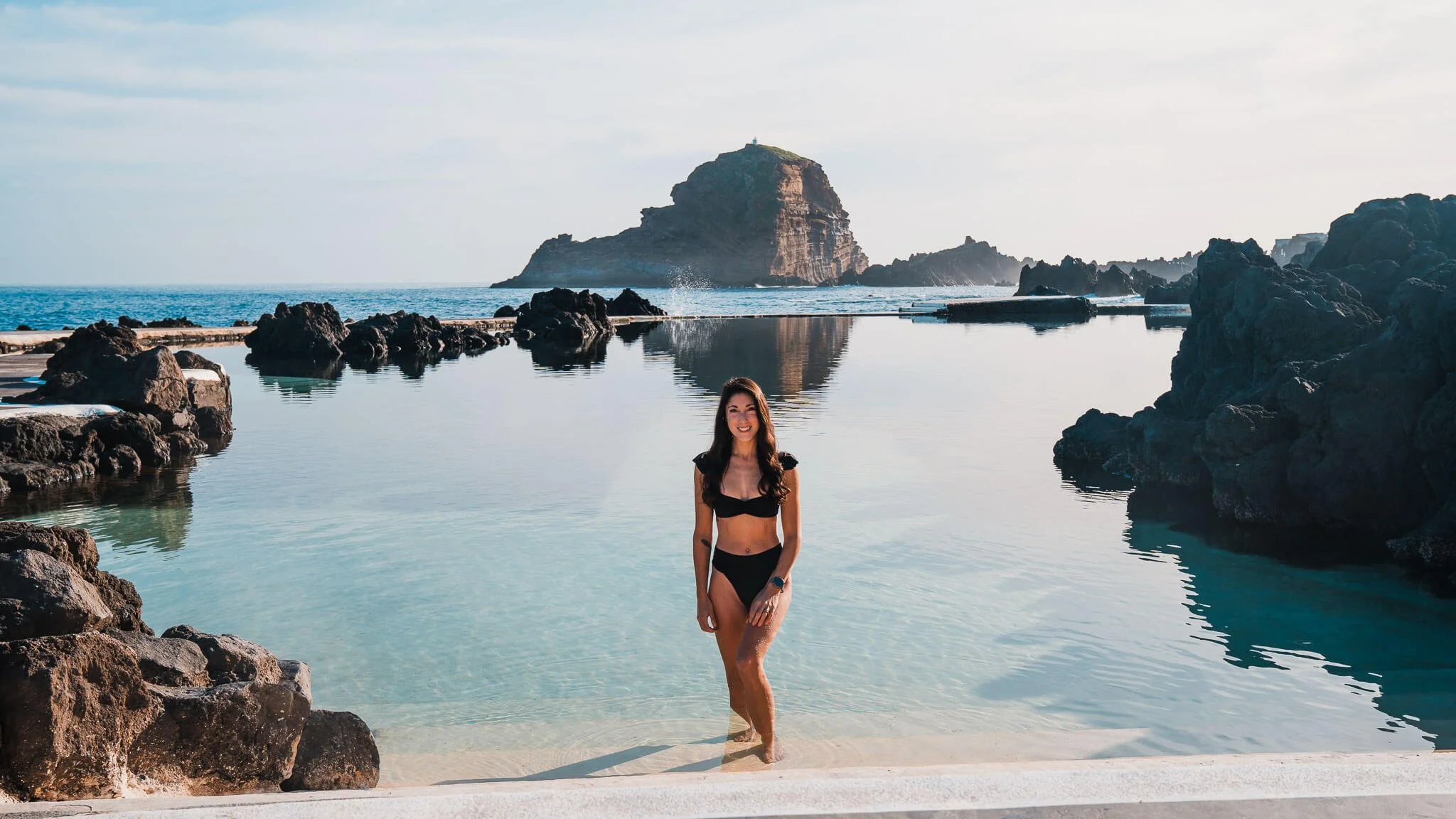
If you have the budget to splurge, resorts, or all-inclusive hotels can make your trip feel extra special. We only did this once, in Madeira for a pre-honeymoon celebration, and it was incredible. I will 100% do more all-inclusive stays in the future.
All-inclusive resorts are great for stress-free meals and amenities, but if your goal is to explore local food or culture, booking restaurants and street food separately might give you a richer experience.
Pro Tip: Consider a resort for a short, celebratory portion of your trip rather than the whole stay, so you can still explore the local culture.
Quick Tips for Choosing Where to Stay
Check location: proximity to attractions, public transport, and safety.
Consider your comfort vs. budget: first-time trips are easier with at least a couple nights of extra comfort.
Think about your trip style: socializing (hostels), flexibility (Airbnb), or indulgence (resorts).
Meal plans: pick what matches your travel style and daily itinerary.

Understanding What Meals Are Included in Your Stay
Many lodgings offer different meal plans, knowing what’s included can help you save money and plan your days better:
Breakfast Only: I highly recommend staying at places that include breakfast. It saves money and makes mornings much easier.
Half Board: Includes breakfast and dinner at your lodging. Drinks are usually not included; some hotels may even charge for water if you don’t bring your own.
Full Board: All meals included (breakfast, lunch, and dinner), but drinks are still extra. Some hotels will prepare a sack lunch if you ask the day before, which is great for day trips.
All-Inclusive: All meals, snacks, and drinks (including select alcoholic beverages) are included. Perfect if you plan to stay mostly on-site or close to the resort, and want a completely hassle-free experience.
Pro Tip: For first-time international travelers, breakfast or half board is usually enough, unless you’re planning a resort stay where you’ll spend most of your time on-site.
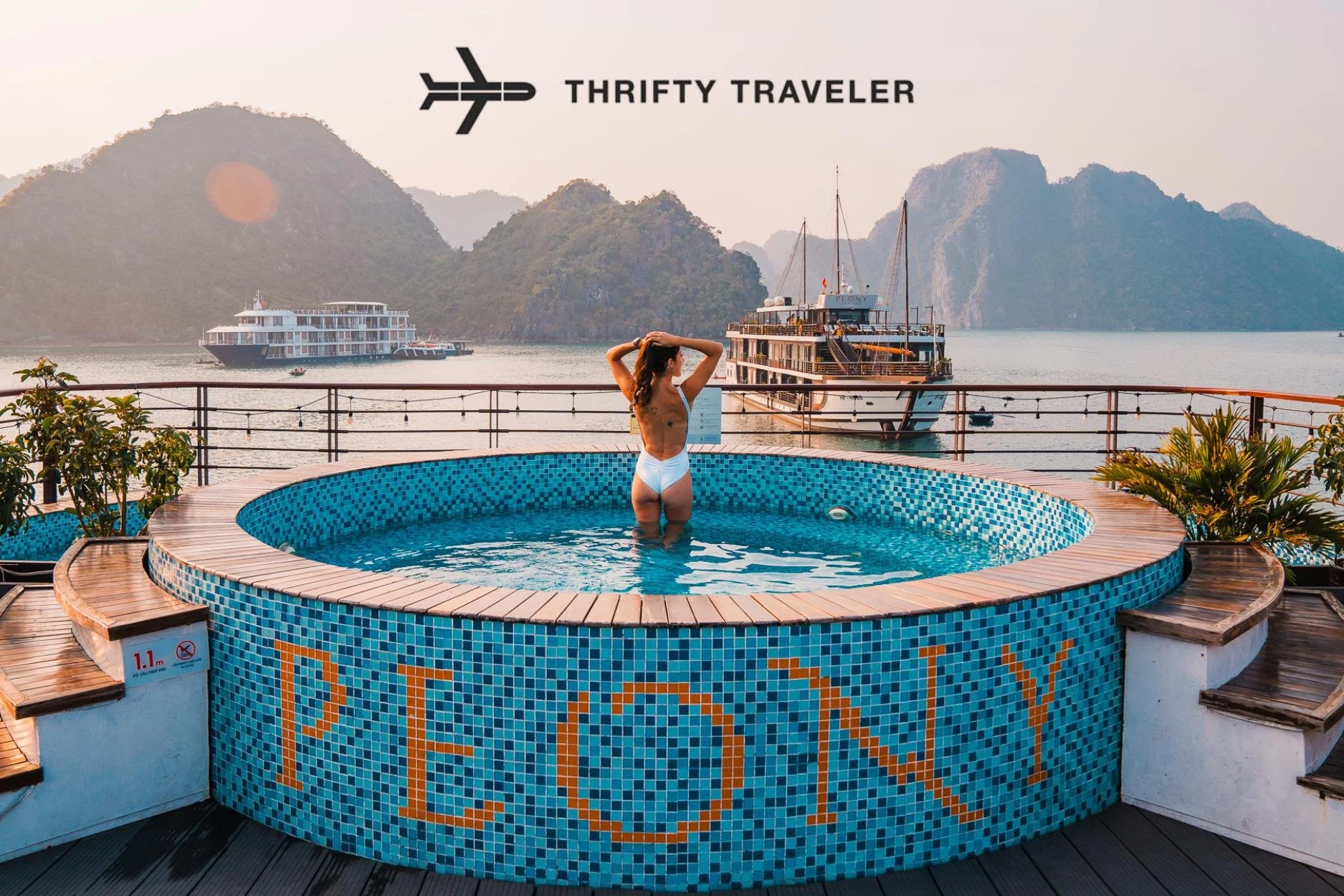
How to Book Flights for Your First International Trip (Budget + Points Tips)
Booking your first international flight can feel overwhelming, especially if you’re trying to get the best deal. Between deciding when to fly, which airline to choose, and whether to use cash or points, there’s a lot to consider. Here’s what’s worked for me, plus some tips to make your life easier and your wallet happier.
Find the Best Deals with Thrifty Traveler
We started using the Thrifty Traveler Premium Membership, a deal-finding service that alerts you to the cheapest flights (cash or points) from your home airport. It even includes big name hotel deals as well.
For a small annual fee, you get:
Real-time notifications for flight deals
Alerts for points and miles redemption opportunities
Tips on hotel deals linked to your flights
It’s a game-changer for first-time international travelers who want to save money without spending hours scouring flight search engines. You can use code SKYESTOURY for $20 off your first year of Thrifty Traveler Premium or Premium+
Additional Tips for Booking Flights on a Budget
Even if you’re using a service like Thrifty Traveler, it’s helpful to know some general flight-booking strategies:
Book Early, But Not Too Early: For international trips, aim for 2–6 months in advance for the best combination of price and availability.
Be Flexible with Dates: Shifting your trip by just a day or two can save hundreds. Mid-week departures are often cheaper than weekend flights.
Use Points or Miles Wisely: If you’re using frequent flyer miles, compare options across airlines, sometimes a slightly longer layover saves thousands of points.
Consider Nearby Airports: Flying into or out of a nearby city can significantly lower costs.
Set Alerts: Even if you don’t have Thrifty Traveler, use Google Flights or Hopper to track prices and get notified of drops.
Pro Tip for First-Time Travelers - Airport Lounges
First-time international travelers often focus on price alone, but also consider flight duration, layovers, and arrival times. Overnight flights or red-eye connections can save money but might leave you jet-lagged on arrival. Balancing convenience with cost will make your trip feel much smoother.
Getting access to an airport lounge, either through your credit card, or a program like Priority Pass can be a game changer on long layovers. We regularly use lounges so we don’t have to spend money on food at the airport, and have a nice place to relax. If you don’t have a credit card that gives you lounge access, you can sign up for Priority Pass and get access to premium lounges all around the world.

Travel Hacks That Make Your First International Trip Easier
Traveling internationally for the first time can feel overwhelming, but a few smart travel hacks make everything easier, from packing to staying safe and saving money.
Travel Credit Cards: Maximize Points and Perks
A good travel credit card can save you money, give you perks like lounge access, and provide insurance coverage.
Capital One Venture - Low $95 annual fee, bonus points at signup, points for booking travel, and access to the Capital One lounge (for a fee). This is the best beginner travel card. We use it and love it for travel, if you are interested in this card, here is a referral link that will get you a bonus when approved.
Capital One Venture X - Higher annual fee of $395, unlimited Capital One lounge access, Priority Pass lounge access, and extra travel perks.
Pro Tip: Look for cards with no international transaction fees, travel and rental car insurance, and bonus points on travel purchases.
Travel Insurance: Protect Yourself Abroad (Yes, You Need This)
Even on a first trip, insurance is worth it. Options vary based on your activities:
Basic coverage: Good for general travel.
Activity-specific coverage: Necessary if you plan backpacking, climbing, canyoning, or other high-risk activities.
Pro Tip: Research multiple providers and pick one that fits your itinerary and adventure level.
Simple Travel Hacks to Make Life Easier
Always carry snacks, hangry moments are no fun.
Organize important documents: Keep your passport and wallet in the same spot to avoid stress.
Pack light: If possible, stick to a carry-on, it makes airports and connections much easier.
Before You Fly: Key Preparations
Passport check: Ensure it won’t expire within six months of travel.
Travel insurance: Activate it starting your first flight day (we usually start a day early).
International driver’s license: Get this in advance if needed, Garrett got his at our local AAA a month before our trip.
eSIM or international phone plan: I like airalo, they are easy to use and you can add it to your phone while you’re still in the US so it’s ready to activate when you land at your destination. Even if you have an international plan, check into an eSim, they can be cheaper for more data.
Power adapters/converters: Make sure they match your destination; universal converters work well.
AirTag your luggage: Peace of mind for connecting flights.
Document backups: Take photos of your passport and important documents, save in Google Drive/Dropbox, and share with a trusted friend/family member.
Trip itinerary: Leave a copy with someone you trust.
Useful Apps: Download WhatsApp for messaging and Google Translate (download the language offline).
Language prep: Brush up with Duolingo or learn a few key phrases: “hello”, “thank you”, “I have a reservation”, etc.
After You Arrive at Your Destination: Settling In
Once your plane lands, you should have wifi at the airport. Use this to activate your eSIM if you purchased one. You’ll then go through customs, follow signs to make sure you’re in the correct line. This will vary by country: in South America, they asked where we were staying and how long we’d be in the country; in Europe (Spain), they simply stamped our passports.
After customs, pick up any checked baggage and arrange transportation to your hotel or lodging. I recommend Uber or local ride apps rather than taxis, as taxis can be confusing, overpriced, or unsafe for first-time travelers. Using a ride app gives you a verified driver, upfront pricing, and directions all in one. We’ve used Uber in both South America and Europe, and it makes traveling much less stressful.
By the time you reach your accommodations, you’ll likely be exhausted. Settle in, grab some food, and decide whether to sleep or stay awake to adjust to local time. Jet lag is real, for me, I usually rest first and get on the local schedule within a day or two.
Quick Post-Landing Checklist
eSIMActivate your eSIM at airport wifi.
Navigate customs; have your accommodation info ready.
Arrange transportation with verified ride apps like Uber.
Pick up checked baggage and double-check it’s yours.
Get settled in your accommodations; grab food and rest.
Decide on jet lag strategy: rest vs. staying awake to adjust.
What to Pack for Your First International Trip
Packing for your first international trip can feel overwhelming, but it doesn’t have to be. Think of this as your beginner-friendly guide to bringing everything you need without overpacking. I’ve included the essentials I always travel with, from clothing and toiletries to tech and travel gear, plus a few extra tips that make life on the road easier.
Whether you’re a minimalist carry-on traveler or planning to check a bag, this list will help you feel prepared, organized, and confident before you leave home.
Beginner’s Packing Checklist for International Travel:
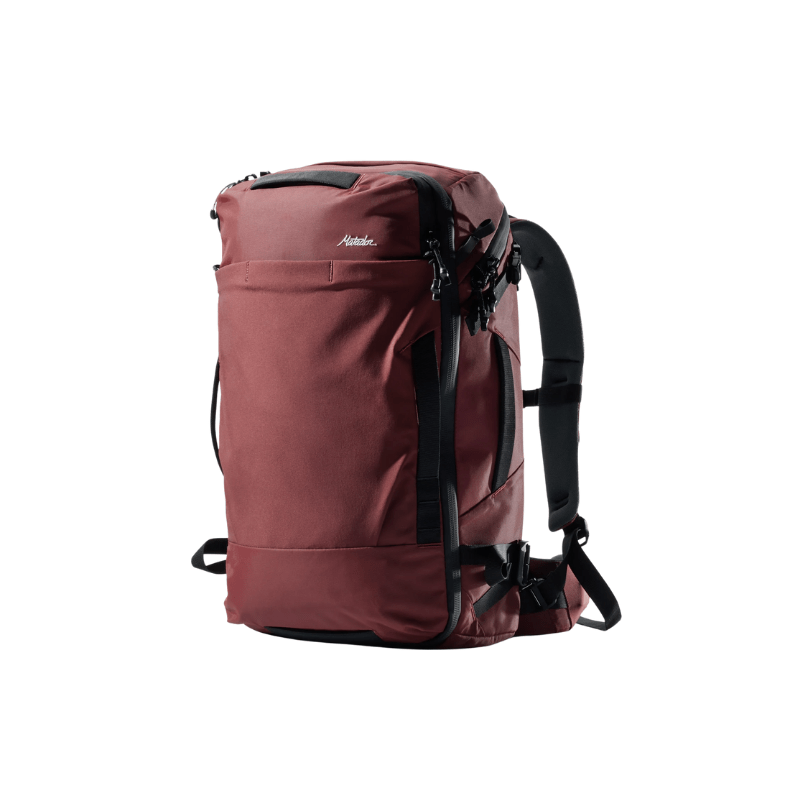
A reliable Travel Bag, I’ve loved my Matador GlobeRider35 Backpack, but if you’re planning to backpack or hike, I highly recommend the Hyperlite Southwest 55L (pictured above)
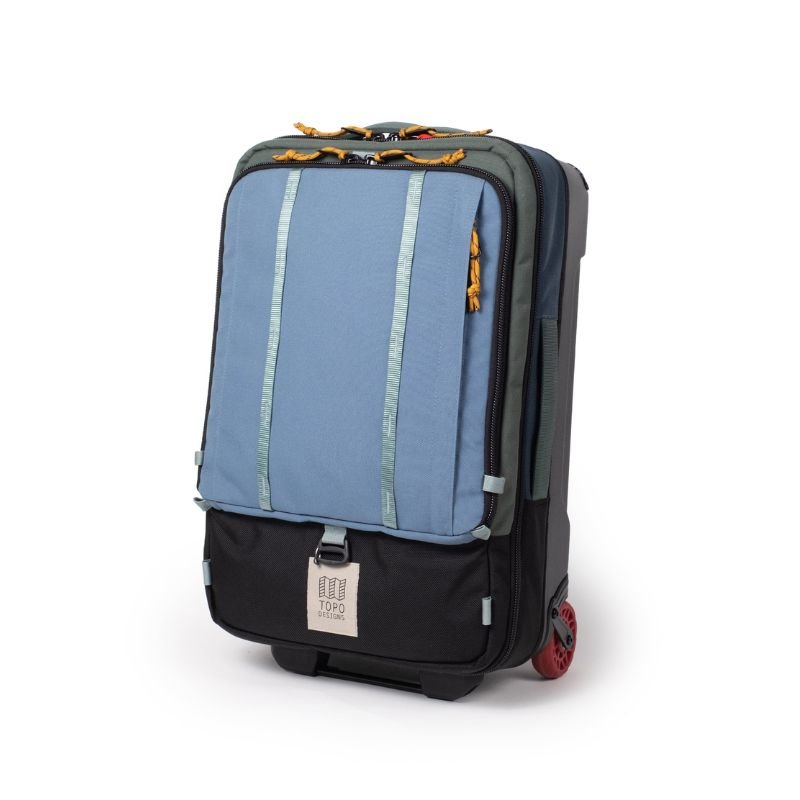
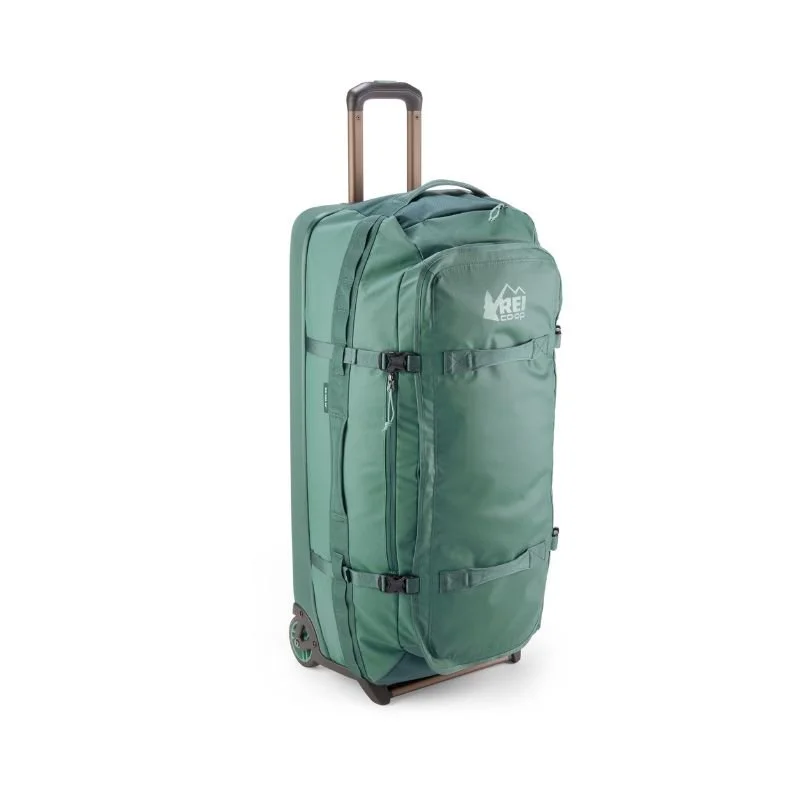
If you plan to check a bag or like your travel pack a little bit larger and with wheels, I also recommend the Topo Designs Global Travel Bag Roller or the REI Rolling Duffel
Medications and vitamins you may need
The following over the counter meds may be hard to find so I recommend bringing some with you: dramamine for motion sickness, decongestants, Benadryl, ibuprofen, Pepto Bismol, tums/anti-acids
Any prescriptions you take, and bring at least a week or two extra, just in case
Sleep aids like melatonin, I’ve found low dose in other countries but nothing as strong as in the US
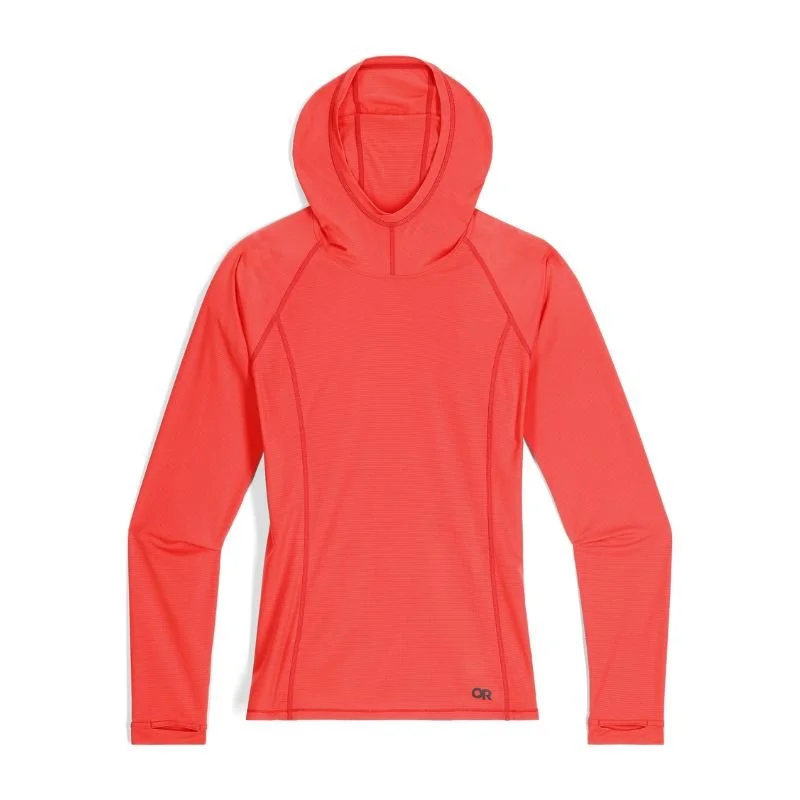
Quick dry clothing - easy for hand washing and air drying, I love the Echo collection by Outdoor Research
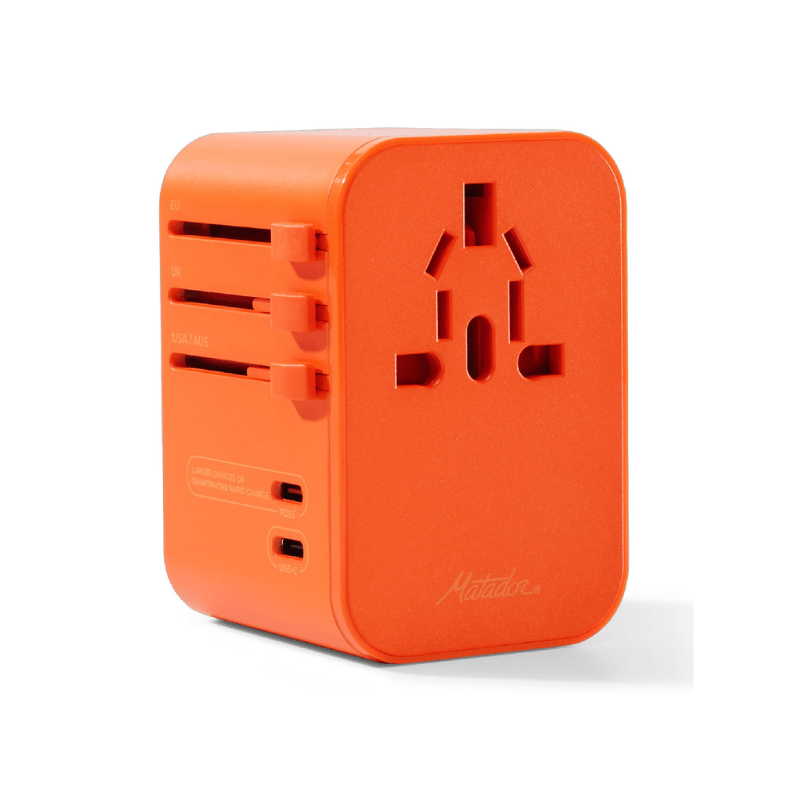
Outlet converters + phone and camera charging cords
Reusable water bottle - Nalgene so you can wash and refill it
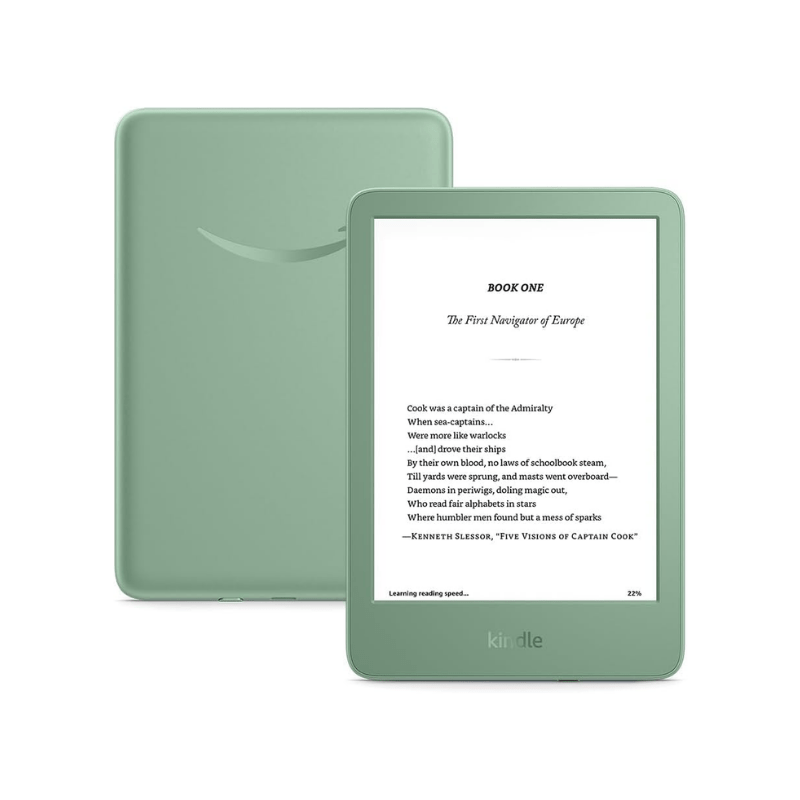
A book or kindle for the flight
Headphones, and if they are bluetooth, an adapter like airfly for the plane so you can watch movies
A lock in case you rent a locker while you are backpacking or hiking if you don’t have a hotel
A pack of playing cards, we made friends on the O Trek in Patagonia by teaching others card games at dinner
Comfortable shoes for walking and hiking, I like trail runners
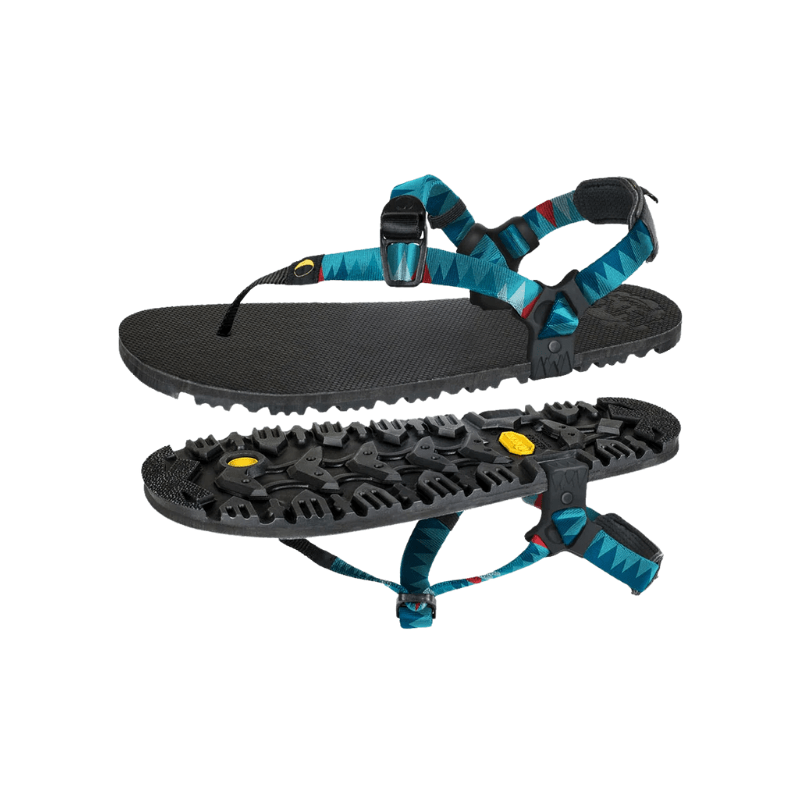
Sandals for around town but that also work for hiking and shower shoes, I really like Luna Sandals, and you can get 15% off your order with my link
Travel sized shampoo, lotion, etc. It was hard to find travel sized items in Spain and parts of SE Asia
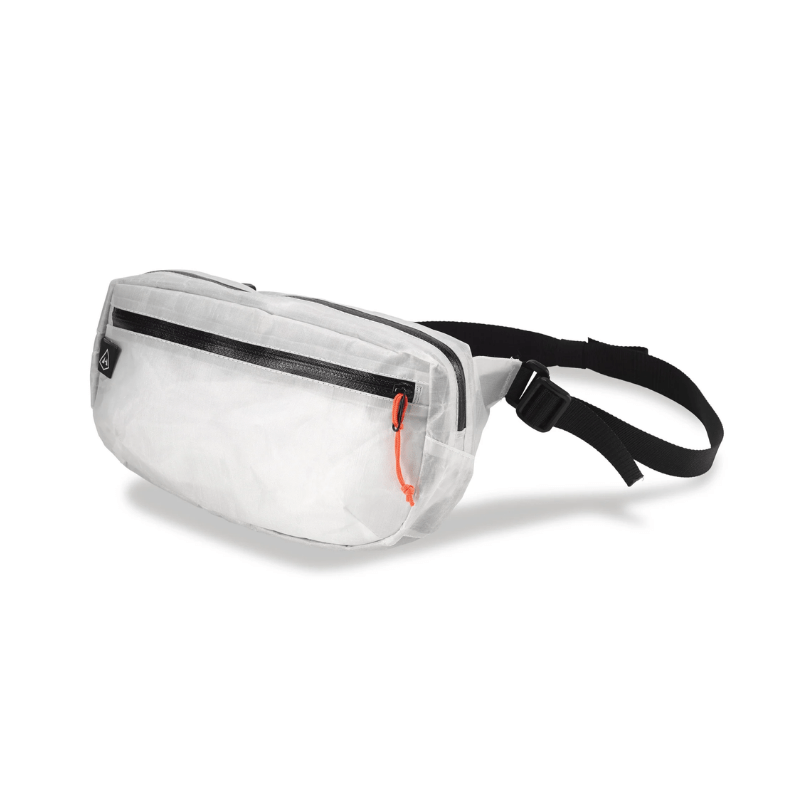
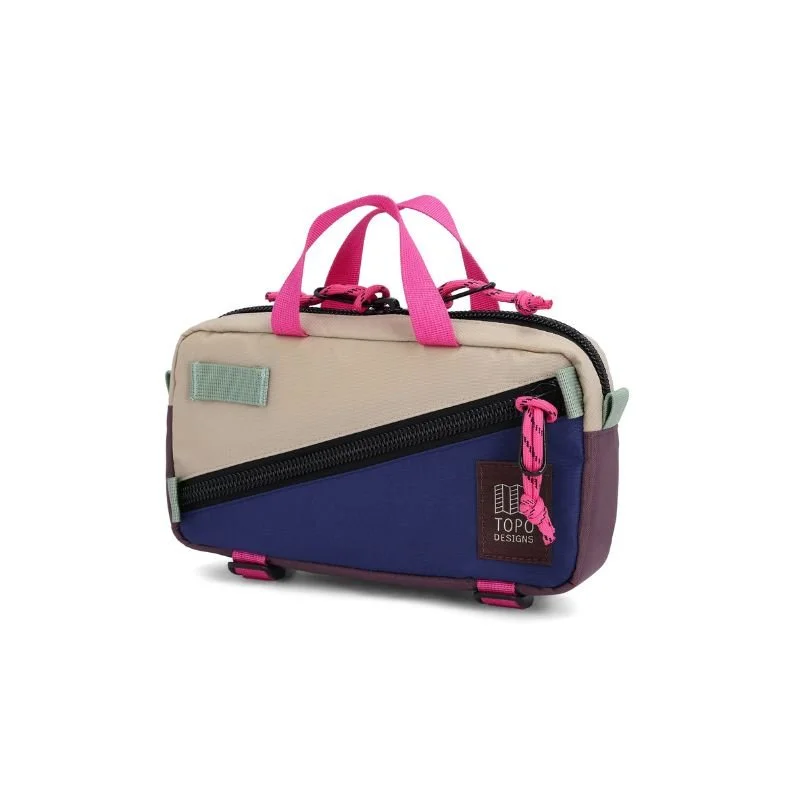
A fanny pack/belt bag for the trail or around town small travel essentials
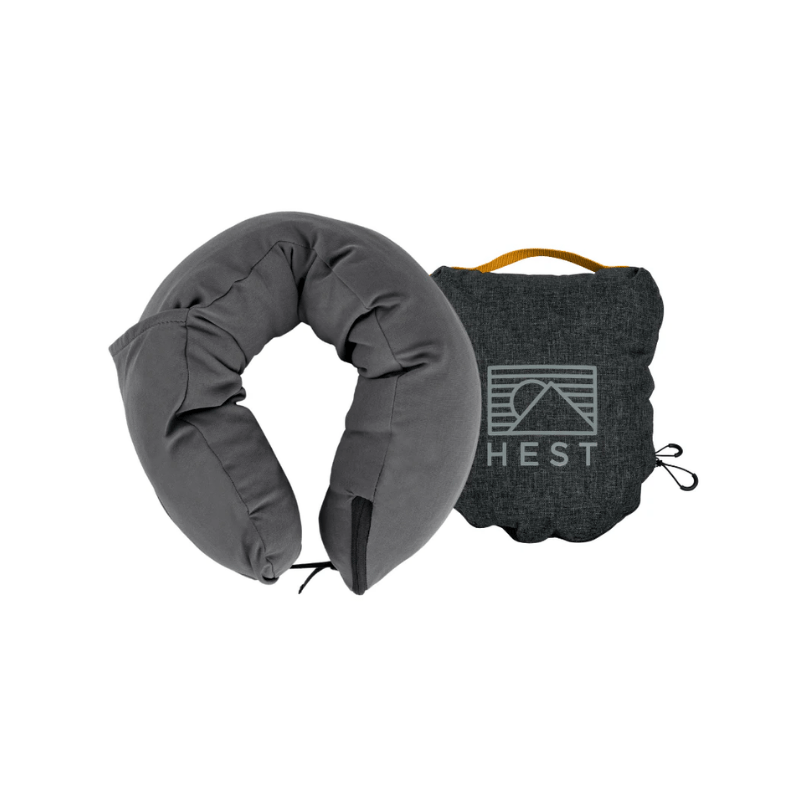
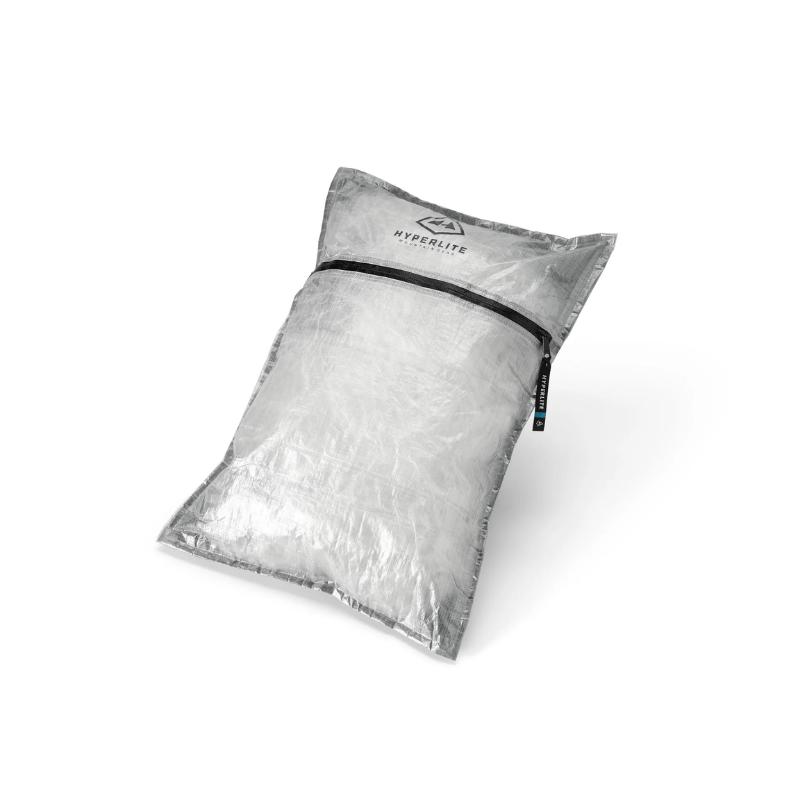
A travel pillow or neck pillow and sleep mask for the long flight, I really like bringing my Hyperlite Stuff Sack Pillow since it doubles as a packing cube
Ear plugs for sleep, and for minimizing noise on travel days if you are trying to read, Use code SKYE10 for 10% off Loop Ear Plugs

Items You Can Buy After Arriving Abroad
Even if you pack carefully, there are a few items that are easy to pick up once you arrive at your destination. Buying these locally can save space in your luggage, and sometimes you’ll find them at better prices than at home.
Here are the essentials I usually purchase upon arrival:
Sunscreen: If you forgot yours, local options are available, though quality may vary by country.
Bug spray: We found brand-name DEET in Thailand at a fraction of the U.S. price.
Disposable ear plugs: Handy for flights, hostels, or noisy hotel rooms.
Makeup remover and skincare products: If you prefer to travel light, these are easy to pick up locally.
Pro Tip: Buying these items locally also gives you a chance to try products specific to the region, which can be a fun part of the travel experience.
Heading Somewhere Tropical? Gear for Islands and Beach Adventures
If your first international trip includes tropical destinations, islands, or beach adventures, packing the right gear can make a huge difference. Here are my must-have items for enjoying the sun, surf, and sand without overpacking:
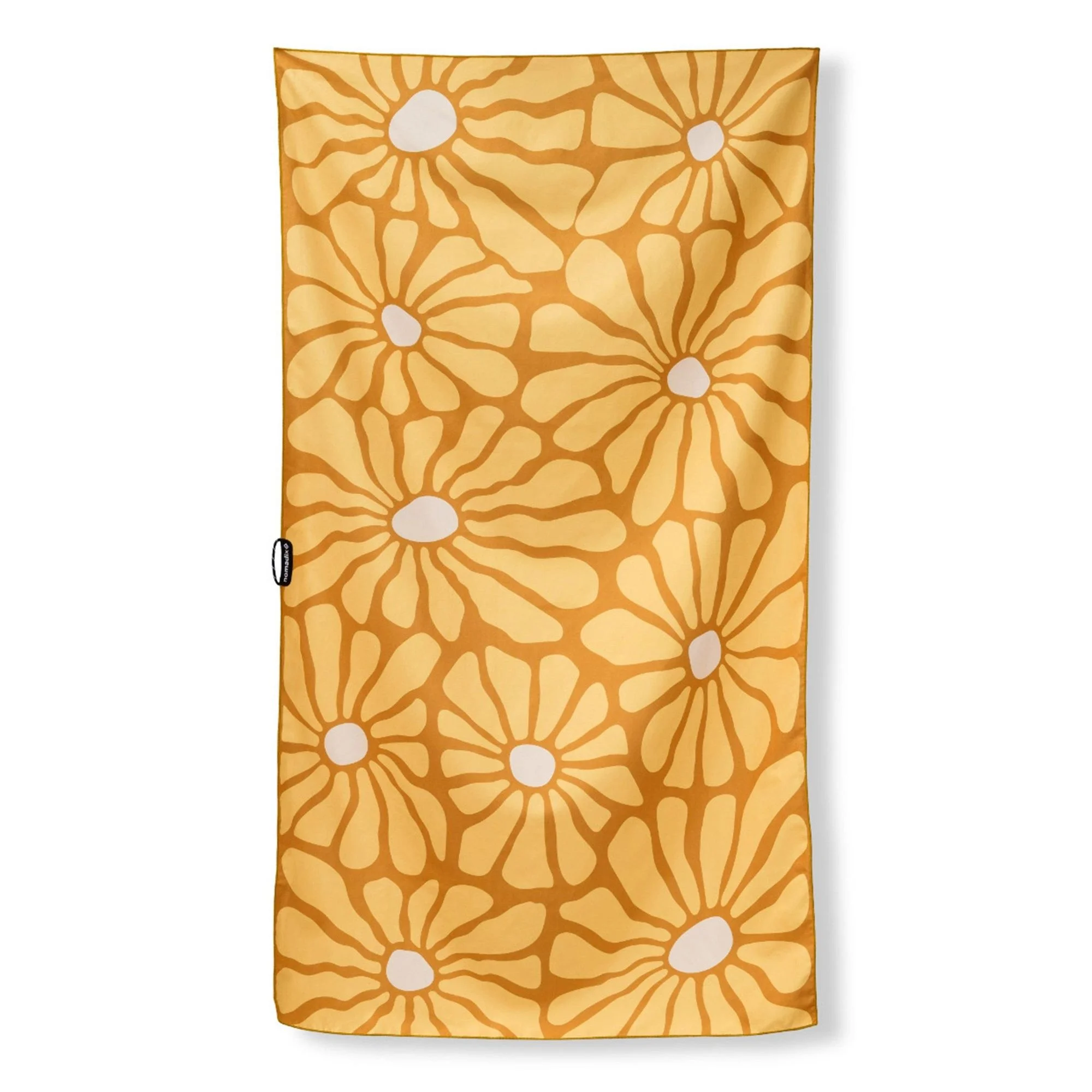
Ultralight travel towel - Compact, quick-drying, and perfect for beaches or pools.
Swimsuits - Pack a few versatile options; I love Left on Friday (for women) for travel-friendly styles.
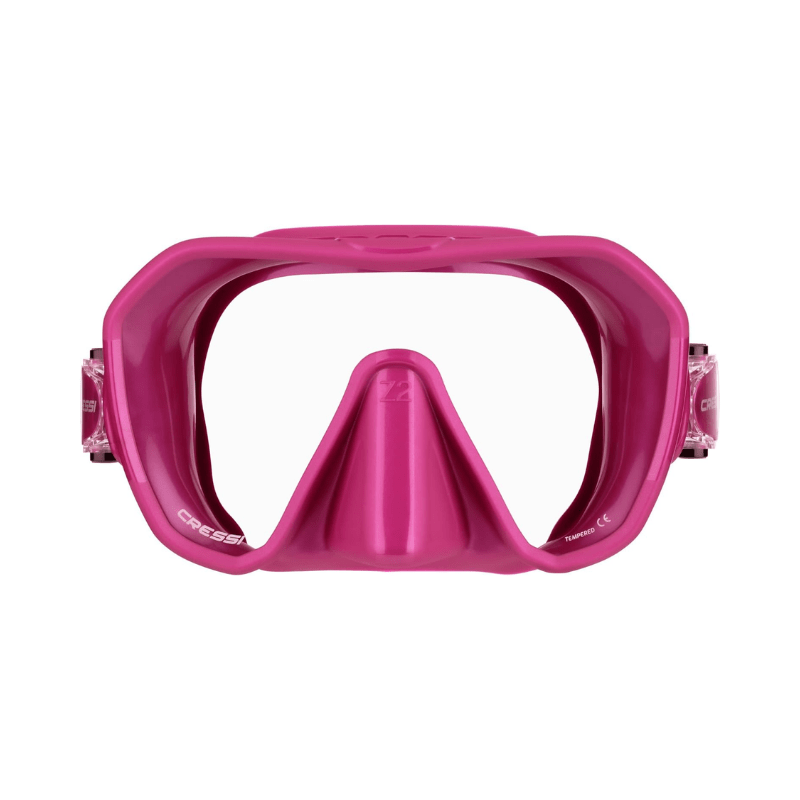
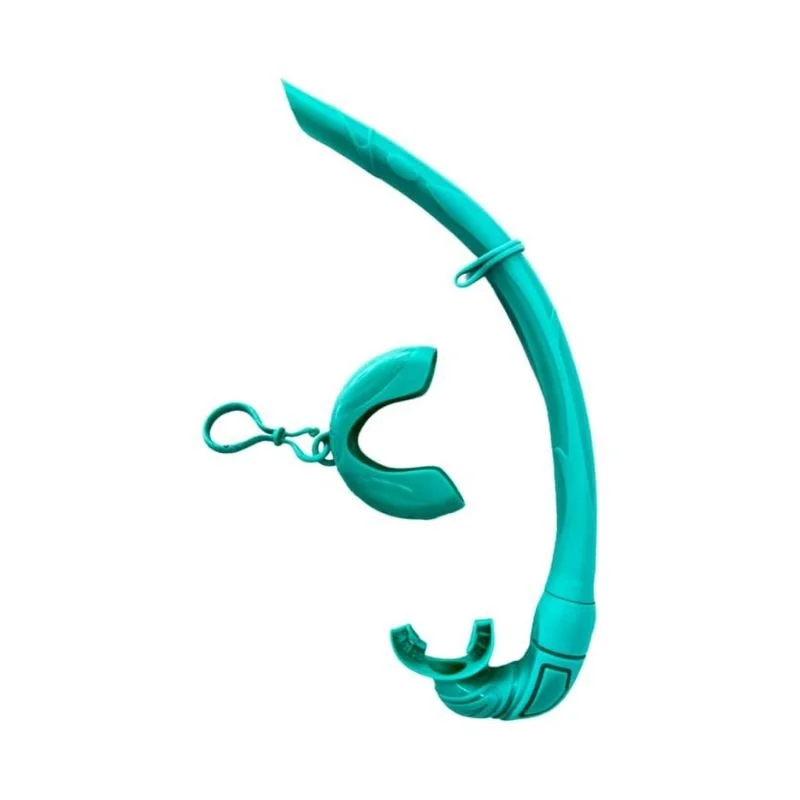
Dive mask & travel snorkel combo - Ideal for snorkeling adventures without bulky gear.
Swimming/snorkeling rashguard - Protects from sunburn and adds extra comfort for long swims.
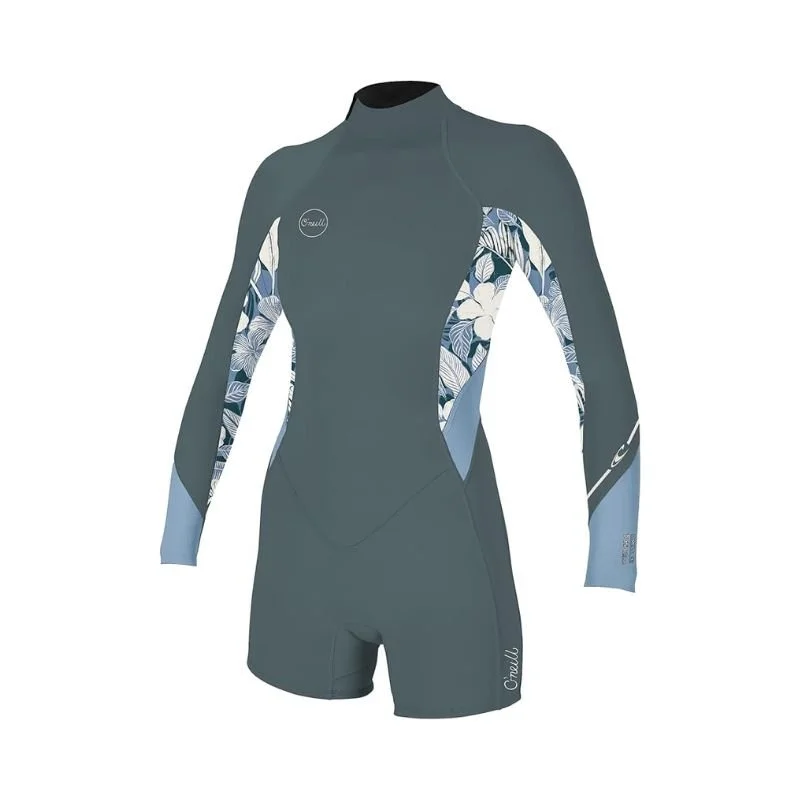
Long sleeve shorty wetsuit - Great for cooler water or extra sun protection while surfing or snorkeling.
Reef Safe sunscreen - Protect your skin and the ocean, essential for tropical destinations.
Water Proof Bags - Booe bags are great to keep your personal items off the beach on you while swimming.
Pro Tip: Choose lightweight, multi-use items when packing for islands to save space and stay organized.
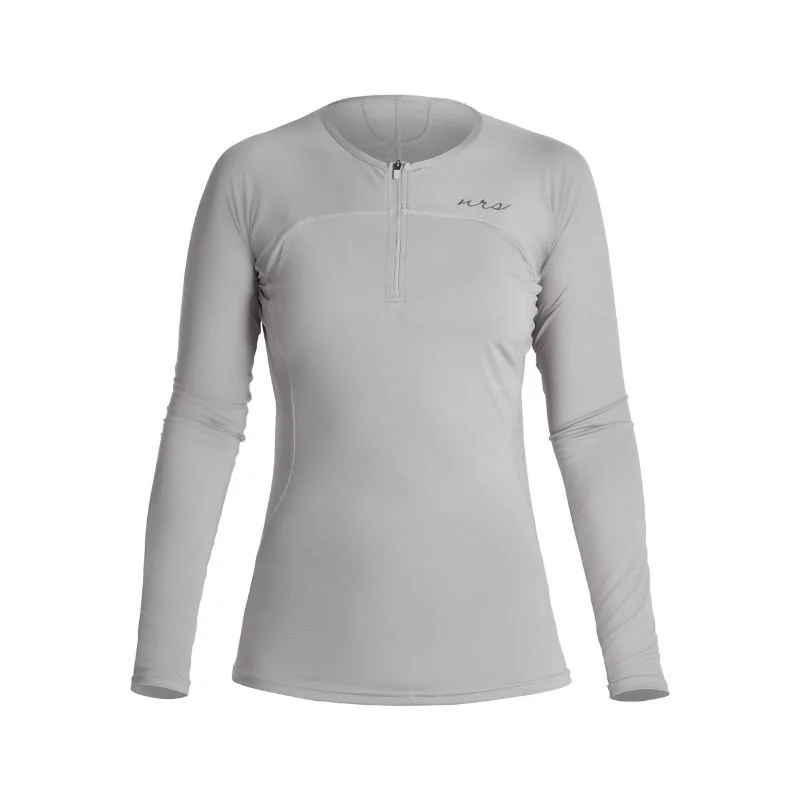
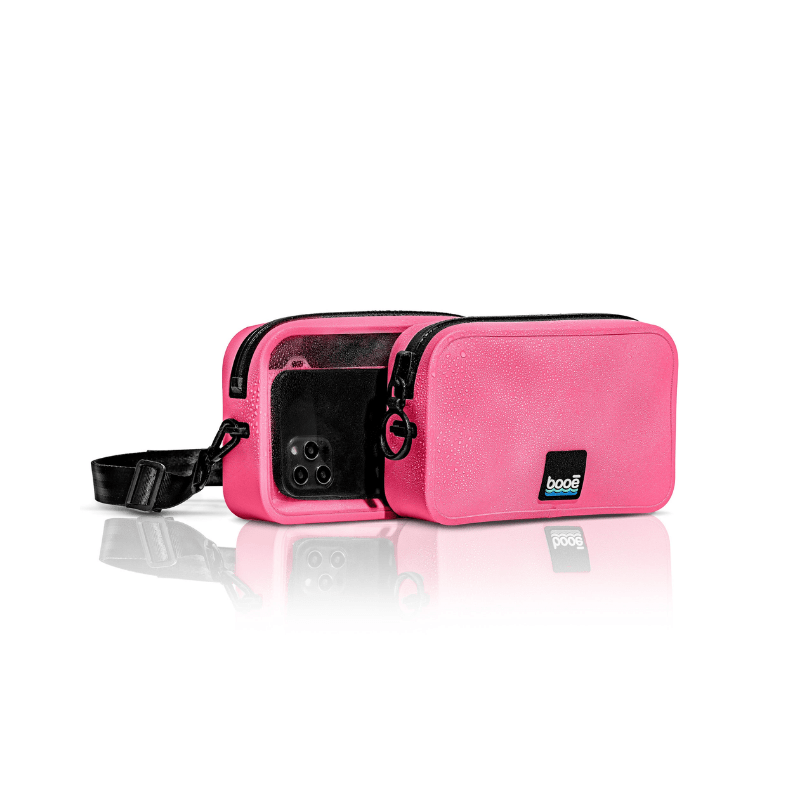
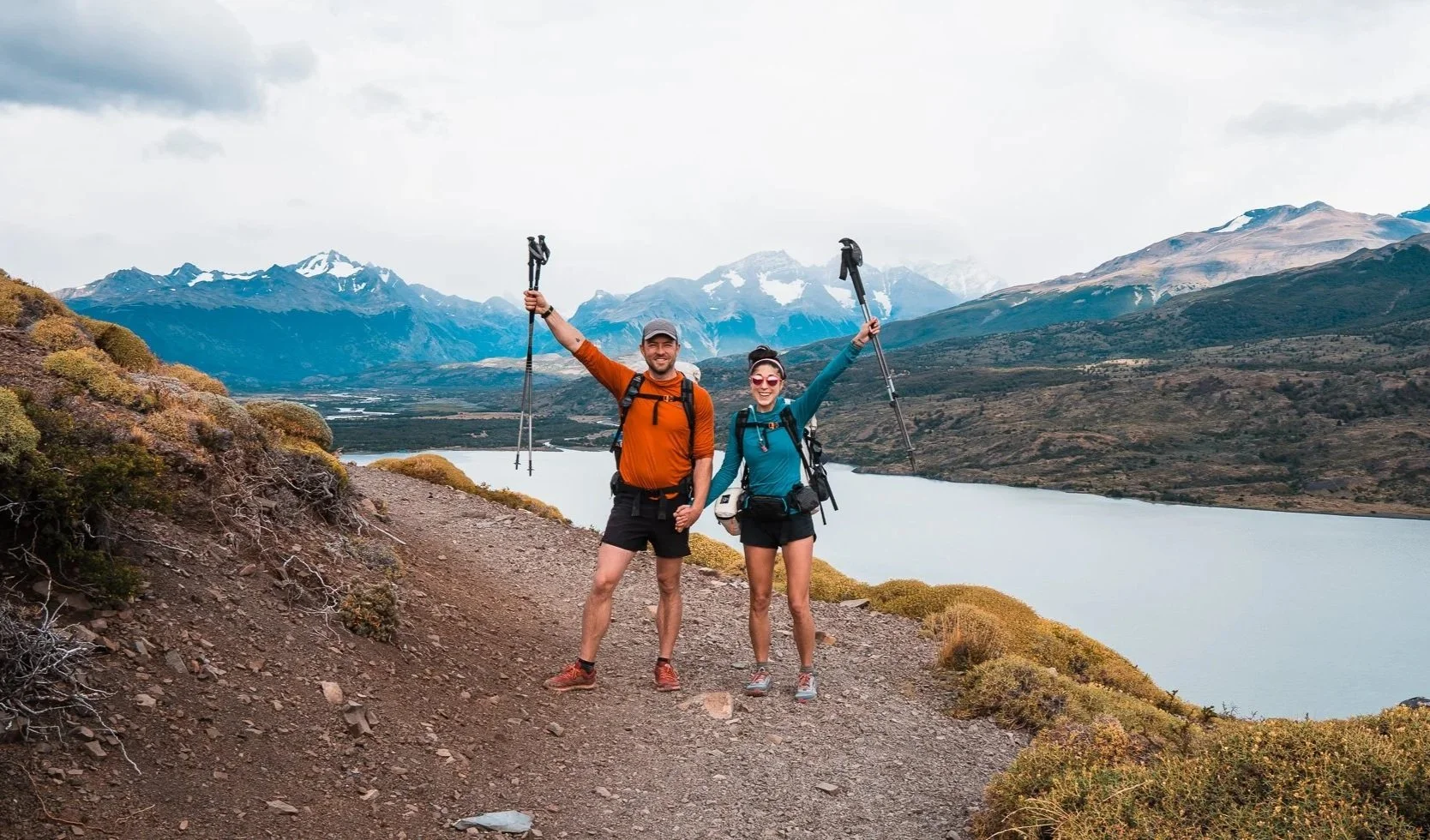
Heading Somewhere Outdoorsy? Essential Gear for Hiking & Backpacking
If your international trip includes hiking, trekking, or time in the mountains, having the right layers and trail-ready gear makes a huge difference. From moisture-wicking clothing to reliable footwear and weather protection, you’ll want pieces that keep you comfortable across changing conditions. I’ve put together a full breakdown of exactly what to pack for outdoor adventures, check it out below!
The Importance of Slow Travel: Why Taking Your Time Makes Every Trip Better
What Slow Travel Means, and Why You Should Want to Travel This Way
Slow travel isn’t about how long you’re gone, it’s about how intentionally you choose to experience a place. After a full year of traveling, I’ve truly fallen in love with this style. When you stay longer, you move beyond checking sights off a list and start to experience a destination: the rhythm of local life, the culture, the food spots you stumble upon twice because you loved them so much. Even on a one-week vacation, you can travel slow just by choosing to visit fewer places and giving yourself permission to settle in rather than sprint around.
This winter, we spent seven days on Tenerife, a gorgeous Canary Island packed with hiking, climbing, canyoning, and beaches. It was incredible, but with so much to do, the days flew by. I kept thinking, “We could’ve used just a few more.” So for Madeira, a similarly sized island in Portugal, we intentionally booked three weeks. That extra time gave us room to relax, soak in the towns we stayed in, and fully enjoy every adventure. It felt like a luxury, but honestly, it made the entire experience more meaningful.
For me, slow travel means being intentional with your itinerary. If I have a week, I pick one destination. If I have two weeks, I’ll visit one or two places close together. It saves you from wasting days in transit and helps you feel far more grounded, even if your trip is still full of outdoor activities.
While slow travel looks a little different for everyone, the core idea is the same: it’s a mindset. Slow travel means choosing depth over speed, spending more time in fewer places, connecting with communities, and minimizing your environmental impact. Whether you’re walking, using public transit, or just giving yourself time to breathe, it’s all about appreciating where you are, not rushing to what’s next.

What I Wish I Knew Before My First International Trip
I feel incredibly lucky that my husband had far more international travel experience than I did when we planned our first big trip together. He made everything feel easier, and having him by my side calmed a lot of the nerves I would have had if I’d been figuring it all out alone. If you’re planning your first international adventure solo or with someone just as new to it as you are, it’s normal to feel anxious, but with the right preparation, your trip can be a truly amazing experience. I hope this guide helps you feel a little more confident and a lot more excited.
Now that I’ve traveled to multiple countries, a few key lessons stand out. First: learning even a handful of local words makes a huge difference. Simple phrases like “hello,” “thank you,” and “I have a reservation” go a long way. Second: resist the urge to over schedule. My favorite memories abroad came from unplanned moments: wandering through neighborhoods with no agenda, finding hidden cafes, or stumbling into a trail we hadn’t researched. If I had planned every day down to the minute, we would’ve missed so many of those spontaneous experiences.
You’ll naturally want to see and do everything, but give yourself permission to slow down. Build in free time. Let mornings unfold without a checklist. Your future self will thank you, and your travels will feel richer, calmer, and more memorable.
FAQ: First-Time International Travel
How early should I start planning my first international trip?
It’s best to start planning at least 2–3 months before you leave. This gives you time to check passport validity, research destinations, book lodging, find flights, and handle any visas or vaccinations you may need.
Does my passport need to be valid for six months?
Yes, many countries require your passport to be valid for at least six months beyond your travel dates. Always double-check this before booking flights.
Do I need travel insurance for my first international trip?
Travel insurance isn’t technically required, but it’s highly recommended. It can cover trip delays, cancellations, medical emergencies, lost luggage, and even adventure sports if you choose that type of coverage.
Should I buy an international phone plan or get an eSIM?
An eSIM is often the easiest and most affordable option. Apps like Airalo let you buy prepaid data before you leave so your phone works the moment you land.
How do I choose the best destination for my first trip abroad?
Start by considering language comfort, travel time, your budget, and how much time you have. Choosing a destination with a familiar language or easy transportation can make your first trip less stressful.
Is it better to book a hotel, hostel, or Airbnb for a first-time trip?
It depends on your comfort level and budget. Hotels are easiest for beginners, hostels offer affordability and community, and Airbnbs are great if you want a kitchen and more space.
Do I need an international driver’s license?
Only some countries require one, especially if you're renting a car. Check the country’s driving requirements well in advance, and visit your local AAA if you need to apply.
How can I avoid jet lag on my first international trip?
Stay hydrated, avoid heavy meals on the flight, and try to match your sleep schedule to your destination. Once you arrive, sunlight and a short nap can help you adjust faster.
Is it safe to take a taxi from the airport?
In many countries, rideshare apps (like Uber, Bolt, DiDi, etc.) are safer, easier, and have clear pricing. Research in advance which app is commonly used in your destination.
Should I travel to multiple countries on my first international vacation?
If you have one week, stick to one country. If you have two or more weeks, two close-together destinations may be doable. Moving around too much can add stress and eat up valuable time.
What is “slow travel,” and should I try it?
Slow travel means spending more time in fewer places to really experience the culture, minimize travel days, and avoid burnout. It’s a great mindset for beginners because it keeps your trip relaxed and meaningful.
Final Thoughts on Planning Your First International Trip
Planning your first international trip can feel overwhelming, but with a little preparation and the right mindset, it becomes one of the most exciting things you’ll ever do. Remember to stay flexible, keep your itinerary lighter than you think you need, and give yourself room to explore, wander, and soak in those unexpected moments that make travel so special. No matter where you’re headed, you’ve got this, and I hope this guide helps you feel more confident, prepared, and excited for the adventure ahead. Safe travels, and I can’t wait for you to experience the world.
Gear Discount Codes and Links
I’ve partnered with a few of my favorite outdoor brands to hook you up with exclusive discounts on trail-tested gear. These are companies I actually use and love, and when you shop through the links below, you’ll get a deal and help support my blog. Win-win!
$20 off Thrifty Traveler Premium - Use code SKYESTOURY for $20 off your first year of Thrifty Traveler Premium or Premium+
20% off SkyGOAT (grid fleece) - Click the link and add code SKYEGOAT to your cart at checkout to get 20% off your order.
15% off LUNA Sandals - Click the link and the discount will be added to your cart automatically.
15% off Stio with code SKYE15 - Click the link and enter the code in your cart.
10% off Will and Bear hats with code SKYESTOURY - Click the link and the discount will be added to your cart automatically.
20% off Wild Deodorant with code SKYESTOURY- Must enter the promo code at checkout to receive discount. They make a deodorant mini that is perfect for backpacking, it’s the size of a lip balm.
10% off Loop Earplugs with code SKYE10 - Enter the promo code at checkout. I use their Dream earplugs for sleeping both backpacking and car camping.
Get Inspired for Your Next Trip
Save this Post for Later

A Complete Guide for Two Weeks on Madeira Island, A Trip Itinerary
The Perfect Tenerife Travel Guide: A 7 Day Itinerary for Spain’s Canary Islands
This image is copyrighted and owned by Skye Stoury Photography and skyestoury.com, if you would like to licence any images on this site, please email us at hello@skyestoury.com