
The Complete Atacama Desert Travel Guide: How to Explore Chile’s Wild, Otherworldly Desert
From salt flats and geysers to stargazing under crystal-clear skies, here’s everything you need to plan the perfect Atacama Desert trip in Chile.
Planning a trip to the Atacama Desert? You’re in for one of the most surreal adventures in South America. This corner of northern Chile feels like another planet, where volcanoes rise from salt flats, geysers burst to life at sunrise, and the night sky glows brighter than almost anywhere else on Earth. In this Atacama Desert travel guide, I’ll walk you through everything you need to plan your trip, from can’t-miss sights and itinerary ideas to insider tips for exploring Chile’s wild, high-altitude desert.

Laguna Piedra salt pool
Why Visit the Atacama Desert?
Welcome to the driest non-polar desert in the world, the Atacama Desert in northern Chile. The Atacama Desert is an incredible desert that stretches through a large section of South America, including Chile, Bolivia, Argentina, and Peru. It’s an otherworldly landscape of salt flats, steaming fumaroles, high-altitude lagoons, endless skies, and surreal rock formations.
After traveling through this high desert region myself, I’ve pieced together this guide to make your planning smoother and your experience more immersive. In this post, you'll get:
The best time to visit
How to get there and where to stay
A 2–4 day itinerary
Must-see attractions
Money, packing, and safety tips that I used on my trip
A map, checklist, and bonus insider advice
Disclaimer: This blog post contains affiliate links, meaning I receive a small commission of every purchase made with my links at no additional cost to you. Sometimes there is even a discount code for my readers which I specify next to the links.
Table of Contents

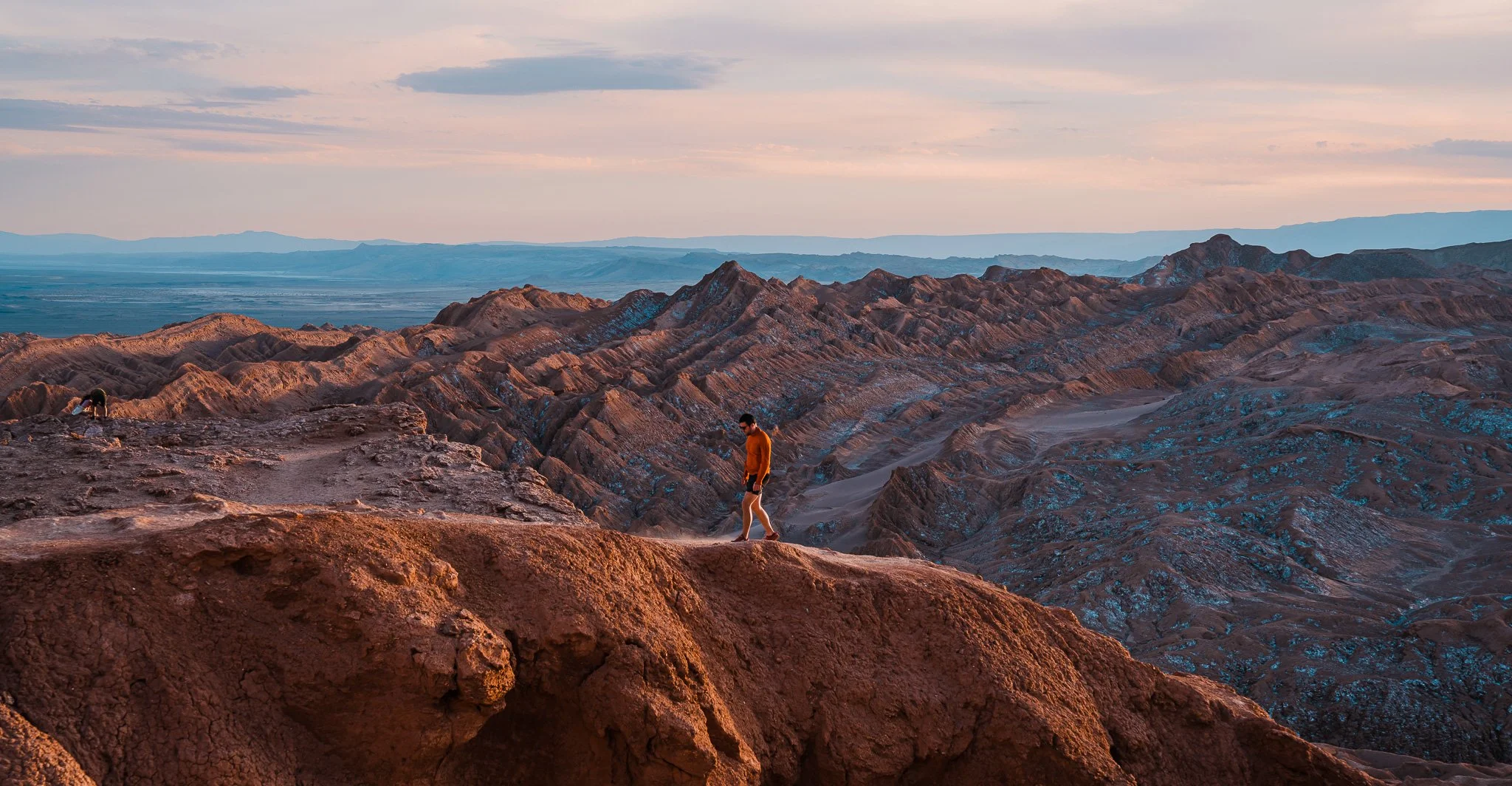
View point at Mirador Likan
When Is the Best Time to Visit the Atacama Desert
If you’re wondering when to visit the Atacama Desert, the good news is there’s really no bad time to go. It just depends on what kind of experience you’re after. The Atacama’s weather is famously dry year-round, with more than 300 days of sunshine and some of the clearest skies on the planet. But because of its high elevation, temperatures can swing wildly between day and night, and the seasons bring subtle shifts in crowds, tours, and conditions. Whether you’re planning for peak stargazing, comfortable hiking temps, or quieter travel days, here’s what to expect throughout the year in Chile’s high desert.
Seasonal Weather & Temperature
The Atacama sits at high elevation (many spots above 2,100 m / 7,000 ft), so temperature swings are big. Days can feel warm and dry; nights get cold and even below freezing in winter.
Rain is rare, but in summer (December to March) there is a chance of occasional storms.
Shoulder seasons (spring: September–November, fall: March–May) often hit the sweet spot with fewer crowds and moderate weather.
High season vs low season
High season tends to be the Chilean summer (Dec–Feb). More tours run, but prices and crowding go up.
Low season (winter months of May - Aug) can bring colder nights and fewer services running, but also more solitude.
For both price and experience balance, I lean toward shoulder-season months (spring: September–November, fall: March–May).
Day vs night (astronomy & stargazing)
One of the Atacama's biggest draws is its night sky. Extremely low light pollution, crisp air, and high altitude make it ideal for stargazing..
Plan for at least one full night dedicated to astronomy. Check moon phases and aim for a new moon to make your star views extra dramatic.
Bring warm layers (nights are cold), a tripod, and a good wide-angle lens if you’re into astrophotography.
Laguna Flamingos
How to Get to the Atacama Desert / San Pedro de Atacama
Reaching the Atacama Desert does take a little effort, but it’s part of the adventure, and the journey is surprisingly easy once you know the logistics. Most travelers base themselves in San Pedro de Atacama, the small desert town that serves as the hub for exploring the region’s lagoons, salt flats, and geysers. From Santiago, you’ll need to fly north to Calama (CJC), then make the one-hour drive or shuttle ride to San Pedro. Whether you’re arriving by plane, bus, or rental car, here’s a breakdown of your best options for getting to the Atacama Desert smoothly.
Fly into Calama, then Transfer to San Pedro de Atacama
The nearest airport is Calama (El Loa). From there, most visitors take a 1–1.5 hour transfer to San Pedro de Atacama, the desert’s main base.
Many shuttle services run this route; book ahead, especially in peak season.
If your arrival time is late, factor in potential delays or overnight in Calama.
Overland from Santiago or Northern Chile Cities
If you’re doing a multi-leg Chile route, you could bus or drive partway, though it’s long. This is what we did and it was a blast to stop at cities and beaches along the coast of Chile along the way. We rented a car in Santiago and drove up to the Atacama Desert from there.
Break up the journey if possible (e.g. stop in La Serena or San Pedro de Atacama’s regions).
Self-Drive vs Guided Transfer
Driving in the Atacama can be rewarding and you’ll have flexibility to explore side roads. But some routes require 4×4, and conditions can be rough with pot-holed and washboarded dirt roads. Generally we did fine in a low clearance vehicle but had to make the choice that we could not visit all the areas on our own with it. If you want to drive yourself, definitely rent a car.
Guided transfers remove navigation stress, especially at altitude or in tricky desert terrain.
If you’re driving from Santiago, it can take 9+ hours. Plan to split it up over two days so you can enjoy the beauty of Chilean coastline or desert interior.

Where to Stay in San Pedro de Atacama
San Pedro de Atacama might be small, but it has an impressive range of places to stay, from cozy hostels perfect for backpackers to eco-lodges and boutique hotels that feel like desert sanctuaries. Choosing where to stay depends on your budget and travel style. If you want to be close to restaurants and tour operators, staying in town is most convenient. For more peace and star-filled nights, you’ll find beautiful retreats just outside the center with incredible views of the Andes and volcanoes.
Types of Lodging: Hostels, Mid-Range, and Luxury Retreats
San Pedro offers a range of options: budget hostels, comfortable midrange guesthouses, or full-on boutique lodges with desert views.
If you stay farther out, you might get quieter nights and better views, but weigh travel time to major attractions.
Booking Tips:
In high season, book 3–4 months ahead.
Always check cancellation policies (weather or road closures sometimes happen).
See if your lodging offers airport pickups or discounts on tours.
Luxury Option
Nayara Alto Atacama - Tucked away in a tranquil valley located next to Pucará de Quitor, Nayara Alto Atacama offers all-inclusive accommodations packages in San Pedro de Atacama.
Mid-Tier Option
Hotel Jardin Atacama - Set in a colonial style building featuring a garden and a restaurant, Hotel Jardin Atacama offers heated rooms with private bathrooms.
Budget Options
Hostal Mamatierra - Set in a rustic-style house only a 10-minute walk from San Pedro Church, Hostal Mamatierra offers rooms with free Wi-Fi in San Pedro de Atacama.
Hostal Perita - Located in San Pedro de Atacama, Hostal Perita is set just a short distance from attractions such as San Pedro Church, Pukará de Quitor, and San Pedro's main square.
Atacama Checar Hostal - This hostel was amazing and the owners were so sweet and attentive, I highly recommend staying here. They did not speak English but communicated with us either in person or via WhatsApp which would translate messages. Not only did they tell us where to go, but they also were very helpful on letting us know what needed passes. The stay included breakfast every morning and they were flexible on the time. Our room was comfortable and the hostel was quiet, though we visited during a non peak time so we were the only ones there a couple of the nights.

Laguna Piedra salt pool
Top Attractions & Must-See Spots
The Atacama Desert is packed with surreal landscapes, unique wildlife, and experiences you won’t find anywhere else on Earth. From otherworldly valleys and salt flats to steaming geysers and crystal-clear lagoons, there’s no shortage of incredible sights to explore. Whether you’re short on time or planning a multi-day adventure, these must-see spots in the Atacama Desert will give you a perfect mix of natural wonders, cultural highlights, and unforgettable photo opportunities. Here’s a guide to the top attractions you won’t want to miss during your trip.
Add these Stops to Your List
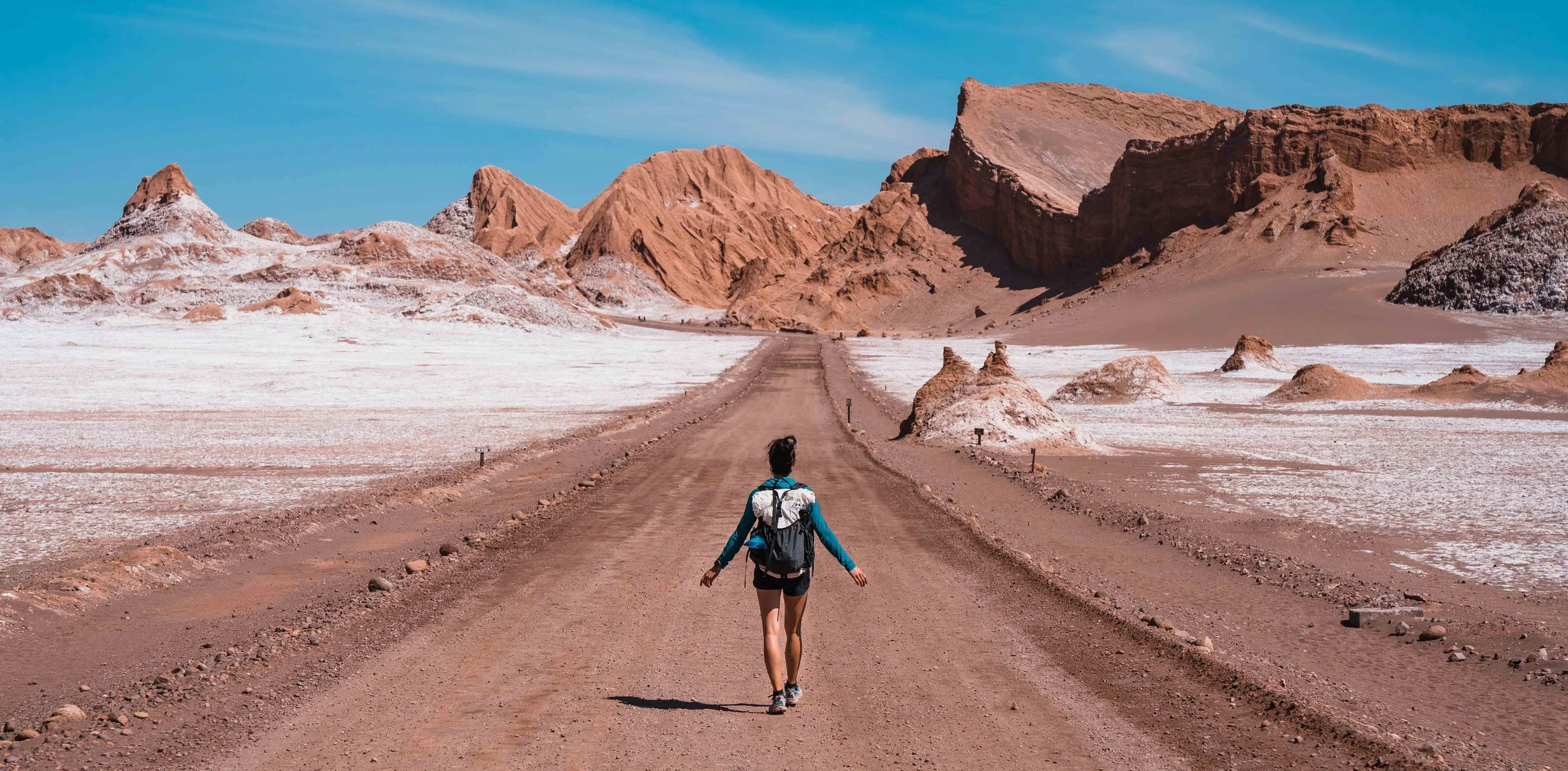
Valle de la Luna - This is an amazing section of the park that you can drive through. It includes many short hikes, all of which are on a map they give you when you check in, and all of which we did in the same afternoon. There is a fee to enter (day pass), and you can purchase it in advance online (you’ll still need to check in when you arrive to get your parking pass), or at the visitor center. The cost to enter is CLP $10,000 (about $12.50 USD). The day pass includes both the Valle de la Luna scenic drive, and Mirador de Kari - Piedra del Coyote which is a gated overlook above the park that is located on highway 23. Piedra del Coyote is a perfect sunset spot, so make sure to head there at the end of the day. Book a tour on Get Your Guide.
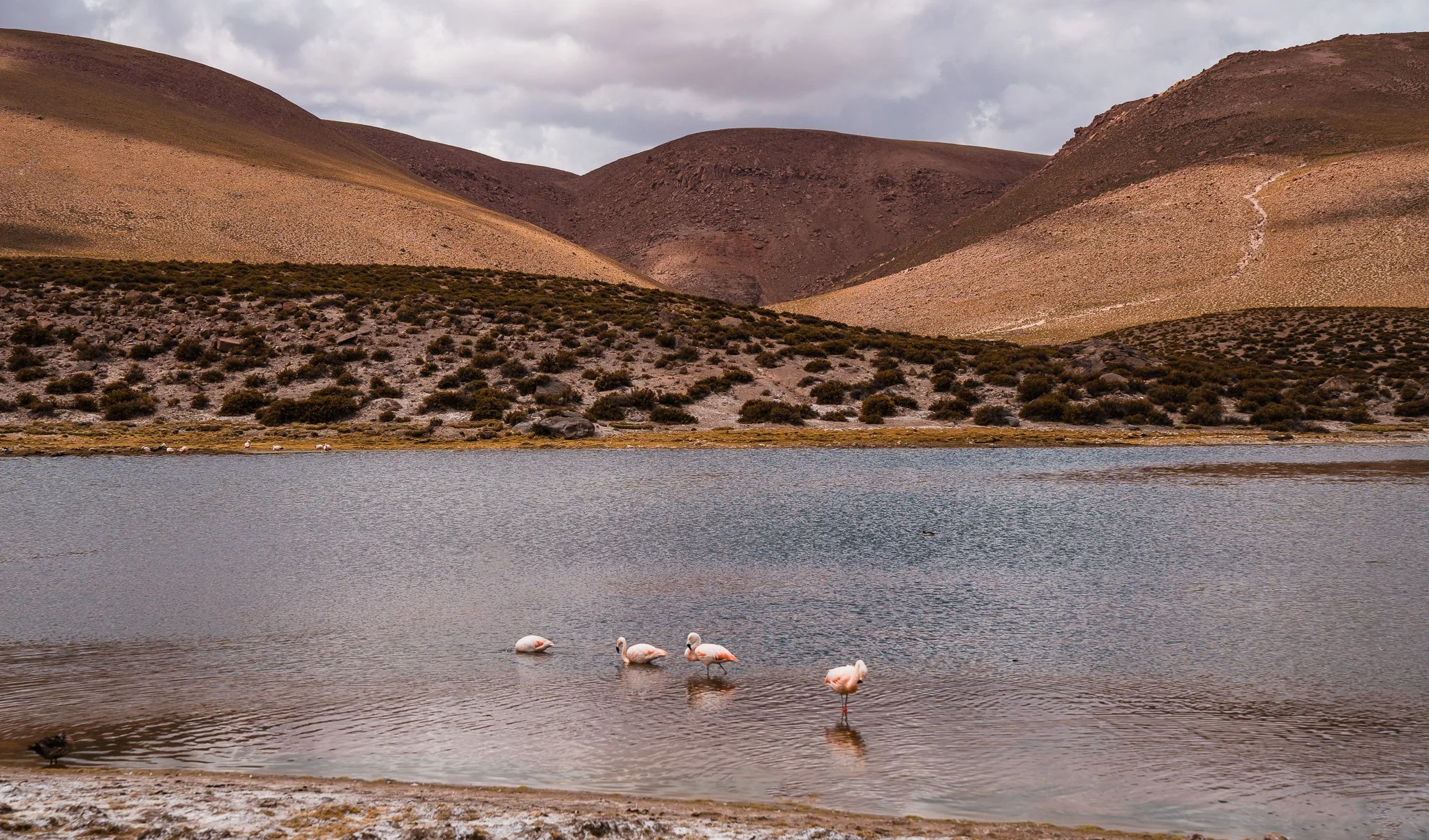
Laguna Flamingos - After exploring Valle de la Luna and Moon Valley, we continued northeast to one of Atacama’s stunning salt lakes, Laguna Flamingos. This salt lake lies at over 12,000 ft elevation and is home to multiple flamingo species. While driving up, you’ll pass rugged desert terrain and may feel lightheaded from the altitude. Go slowly and stay hydrated. Admission to this lagoon is free, making it an ideal stop for budget-minded travelers exploring things to do in the Atacama Desert.
Baja Hot Springs/Termas de Puritama - This is a natural hot spring that does have a fee to enter at Puritama. We didn’t want to pay, but happened to stumble upon a short hike lower down the river from the resort that was warm and perfect for soaking. We stopped here after visiting Laguna Flamingos. The location of the hike was a pullout on the side of the road where we saw other cars parked. You then scramble down to a trail next to the river and can hike as far as you want. The water was warm right where we descended, though you can keep hiking closer to the resort. Book a tour on Get Your Guide.
Laguna Piedra and Cejar Salt Pools (must do) - Amazing salt pools, one of which you can swim in. This was the highlight of the trip for me, and such a cool experience since you float on top of the water. You do need to purchase tickets in advance online (about $12 per person USD) to enter, and select a day and time that you will visit. They do not take payment when you arrive, and you will get turned around if you do not pay in advance. We made our reservation the day before and decided to reserve 9am, right when they opened. We were the first to get to the pool and only a few other groups showed up shortly after us. They allow you to soak for up to 30 minutes, any longer and the high salt content can irritate your skin. Do note that you cannot enter the pool with any lotion or sunscreen on, though they did allow us to put sunscreen on our faces since you can’t put your face under water. The park also has outdoor showers for you to use immediately after swimming. The salt dries so fast and was already crystalizing on us on the way to the shower. Book a tour on Get Your Guide.
Valle de la Muerte (Mars Valley/Death Valley) - A beautiful spot for sunset, and a short drive from town. The valley is directly off the main highway (23) and you only have to drive a short distance to hike into the formations. This was another free area and reminded me of Death Valley National Park in the US. Book through Get Your Guide.
El Tatio - Geysers del Tatio is one of the highest geothermal fields in the world, sitting at over 4,300 meters (14,000 ft) in Chile’s Atacama Desert. At sunrise, more than 80 active geysers shoot steam and boiling water into the cold morning air, creating an incredible, otherworldly scene against the Andes. It’s best visited early in the morning when the contrast between freezing air and hot steam is most dramatic. Book through Get Your Guide.

Overlook at Valle de la Luna
Suggested Itineraries: 2 to 4 Days in the Atacama Desert
Planning your days in the Atacama Desert can feel overwhelming. There’s so much to see, and distances between attractions are larger than they appear on a map. The good news? You don’t need a full week to experience the highlights. Whether you’re short on time or want a deeper, more immersive adventure, these sample itineraries show how to make the most of your visit. Each option balances must-see natural wonders, cultural experiences, and downtime to recharge, so you can explore the Atacama Desert at your own pace and create memories that will last a lifetime.
2-Day Express Loop
Day 1: Valle de la Luna + Valle de la Muerte + Sunset viewpoints.
Day 2: Salt Flats, Laguna Cejar, evening stargazing.
3-Day Balanced Itinerary
Day 1: Valle de la Luna+ Valle de la Muerte + Sunset viewpoints.
Day 2: Altiplanic lagoons (e.g. Miscanti & Miñiques) + Flamingo lagoons.
Day 3: Geysers (El Tatio) early morning + Hot springs / relax.
4-Day Immersive Adventure
Day 1: Valle de la Luna+ Valle de la Muerte + Sunset viewpoints.
Day 2: Altiplanic lagoons (e.g. Miscanti & Miñiques) + Flamingo lagoons.
Day 3: Geysers (El Tatio) early morning + Hot springs / relax.
Day 4: Free day for hikes, side routes, or deeper photography.
Permits, Fees & Booking Tips
Visiting the Atacama Desert requires a bit of planning, especially when it comes to permits, park fees, and booking tours. Many of the region’s most iconic spots, from high-altitude lagoons to geothermal fields, charge entry or require advance reservations, and skipping these details can put a wrench in your plans. In this section, I’ll break down everything you need to know about Atacama Desert fees, permits, and booking tips, so you can explore confidently, avoid last-minute surprises, and make the most of your time in Chile’s incredible desert landscapes.
Here’s What You Need to Know
Many areas near San Pedro de Atacama have use fees associated with visiting. I highly recommend looking destinations up in advance if you are going on your own (without a tour agency), since many passes need to be purchased in advance. Most day use fees were between $10 and $20 USD per person. More information about travel and tickets can be found here on the Chile tourism website.
Some parks or areas require advance booking or permits (especially high-altitude lagoons or protected reserves).
Entry fees vary by site, always check official sources close to your travel date.
Book sunrise tours (like El Tatio) in advance as they fill up early.
If a site is remote or privately managed, confirm access hours.
Always carry printed or digital copies of your booking confirmations, cell coverage is spotty.
Valle de la Luna
Travel Tips & Packing Advice
Traveling in the Atacama Desert is unlike visiting any other place, extreme altitude, wide temperature swings, and remote landscapes mean a little preparation goes a long way. Knowing what to pack, how to stay comfortable, and how to navigate the region safely can make the difference between a stressful trip and an unforgettable adventure. In this section, I’ll share practical Atacama Desert travel tips, packing essentials, and strategies I used on my own trip so you can explore Chile’s high desert confidently and enjoy every incredible moment.
Altitude & Health
The Atacama region is at high elevation; expect minor altitude effects (headache, fatigue).
On arrival, take it easy for the first day and make sure to hydrate, eat lightly, avoid alcohol.
If you get severe symptoms (dizziness, shortness of breath), descend or seek help.
Be careful if you have any sinus issues, a stuffy nose and sinus at sea level can become extremely painful as you rise in elevation.
What to Pack
Layers: daytime sun, nighttime cold.
Sun protection: high-SPF sunscreen, wide-brim hat, lip balm, sunglasses.
Good boots, walking shoes, warm socks.
Headlamp / flashlight with a red light setting so you don’t lose your night vision when star gazing.
Light rain shell for wind protection.
Personal first-aid and altitude meds.
Snacks, electrolyte mixes.
Safety & Driving
Some unpaved roads need 4×4. Most vehicles can get to the most popular sites. If you’re set on going to a location but don’t want to rent a 4x4 vehicle, look into booking a tour guide to take you there.
Fuel is limited. Top up your tank whenever possible, especially if you’re driving from Santiago.
Don’t drive at night in unfamiliar terrain.
Prepare and leave your itinerary with someone, cell service is spotty or nonexistent in many stretches.
Respect wildlife and fragile landscapes.
Photography Tips
Scout sunrise and sunset spots in advance.
Use a tripod for long exposures during the night sky.
Bring lens cloths, desert dust collects fast.
In salt flats, be careful with reflections and waterproofing your gear.
My camera gear I brought on this trip: Sony a7iv camera, with 24-70 GM lens, Hyperlite camera travel case, and Peak Design Carbon Fiber Tripod.

Walking the streets of San Pedro de Atacama
Budget, Costs & Money Tips
Exploring the Atacama Desert doesn’t have to break the bank, but it helps to know what to expect in terms of costs, daily expenses, and budgeting. From park entry fees and guided tours to lodging and meals, prices can vary widely depending on your travel style. In this section, I’ll break down typical costs, offer tips for saving money, and share strategies to make the most of your trip, whether you’re traveling on a shoestring budget or planning a more comfortable adventure in Chile’s high desert.
Daily Cost Ranges
Budget traveler: lodging in simple hostels, shared transfers, eating local → approx US$ 50–80/day
Midrange: private rooms, some tours, nicer meals → ~US$ 120–200/day
Splurge: boutique lodges, private guides, premium tours → can exceed US$ 250/day
Money Tips
Bring cash (Chilean pesos), many rural spots don’t take cards.
Check ATM availability in San Pedro or Calama.
Prepay tours when possible (with flexible cancellation).
Map & Route Suggestions
While there isn’t a single “official” map for exploring the Atacama Desert, having a rough plan of your route makes your trip much smoother. Most visitors base themselves in San Pedro de Atacama and plan day trips to nearby highlights like Valle de la Luna, Laguna Cejar, and El Tatio. Using a combination of Google Maps, GPS apps, or guides from local tour companies will help you organize your days efficiently and ensure you don’t miss any must-see spots.

Valle de la Muerte at sunset
Frequently Asked Questions (FAQ)
Here are answers to some of the most common questions about visiting the Atacama Desert, from altitude and safety to permits and the best time to go. Whether you’re planning your first trip or need a quick refresher, these tips will help make your adventure smoother and more enjoyable.
Is Atacama Desert safe for travelers?
Generally yes, especially in daylight and when traveling with reputable guides or well-prepared. Take altitude and dehydration seriously, and never drive remote roads at night without preparation.
Do I need a guide, or can I do Atacama on my own?
You can do parts of it independently, especially near San Pedro. But remote spots, high-altitude routes, and sunrise tours are safer and more reliable with guides.
What altitude will I experience?
Many attractions are at a high elevation. El Tatio and high lagoons may even reach 4,500m (14,763 ft). Take time to acclimate, note signs of oncoming altitude sickness and descend if necessary.
Will I have cell phone / internet coverage?
Limited in many remote areas. Always download maps ahead, carry a printed backup, and don’t rely on coverage.
What is the coldest / hottest time of day?
Afternoons are warm (sunny, dry). Temperatures plummet after sunset, especially from ~8 p.m. to sunrise.
Do I need to worry about flash floods / extreme weather?
While rare, summer storms can cause sudden flooding, especially in “quebradas” (dry riverbeds). Avoid traveling through narrow canyons when storms are forecast.

Final Thoughts on Exploring the Atacama Desert
The Atacama Desert is one of those rare places that makes you feel small in the best possible way, vast, raw, and absolutely unforgettable. Whether you’re watching flamingos wade through turquoise lagoons, catching sunrise at the Geysers del Tatio, or stargazing under skies so clear it barely seems real, every moment here feels like magic. I hope this Atacama Desert travel guide helps you plan your own adventure through Chile’s wild north, and inspires you to keep exploring more of South America’s incredible landscapes.
Gear Discount Codes and Links
I’ve partnered with a few of my favorite outdoor brands to hook you up with exclusive discounts on trail-tested gear. These are companies I actually use and love, and when you shop through the links below, you’ll get a deal and help support my blog. Win-win!
20% off SkyGOAT (grid fleece) - Click the link and add code SKYEGOAT to your cart at checkout to get 20% off your order.
15% off LUNA Sandals - Click the link and the discount will be added to your cart automatically.
15% off Stio with code SKYE15 - Click the link and enter the code in your cart.
10% off Will and Bear hats with code SKYESTOURY - Click the link and the discount will be added to your cart automatically.
20% off Wild Deodorant with code SKYESTOURY- Must enter the promo code at checkout to receive discount. They make a deodorant mini that is perfect for backpacking, it’s the size of a lip balm.
10% off Loop Earplugs with code SKYE10 - Enter the promo code at checkout. I use their Dream earplugs for sleeping both backpacking and car camping.

More South American and International Itineraries to Check Out
Save this Post for Later


The Ultimate Valley of Fire Travel Guide
Hiking and Backpacking El Chaltén, Argentina: Patagonia Travel and Trail Guide
This image is copyrighted and owned by Skye Stoury Photography and skyestoury.com, if you would like to licence any images on this site, please email us at hello@skyestoury.com