
The Perfect Tenerife Travel Guide: A 7 Day Itinerary for Spain’s Canary Islands
Spending A Week in Tenerife, the Hawaii of Spain
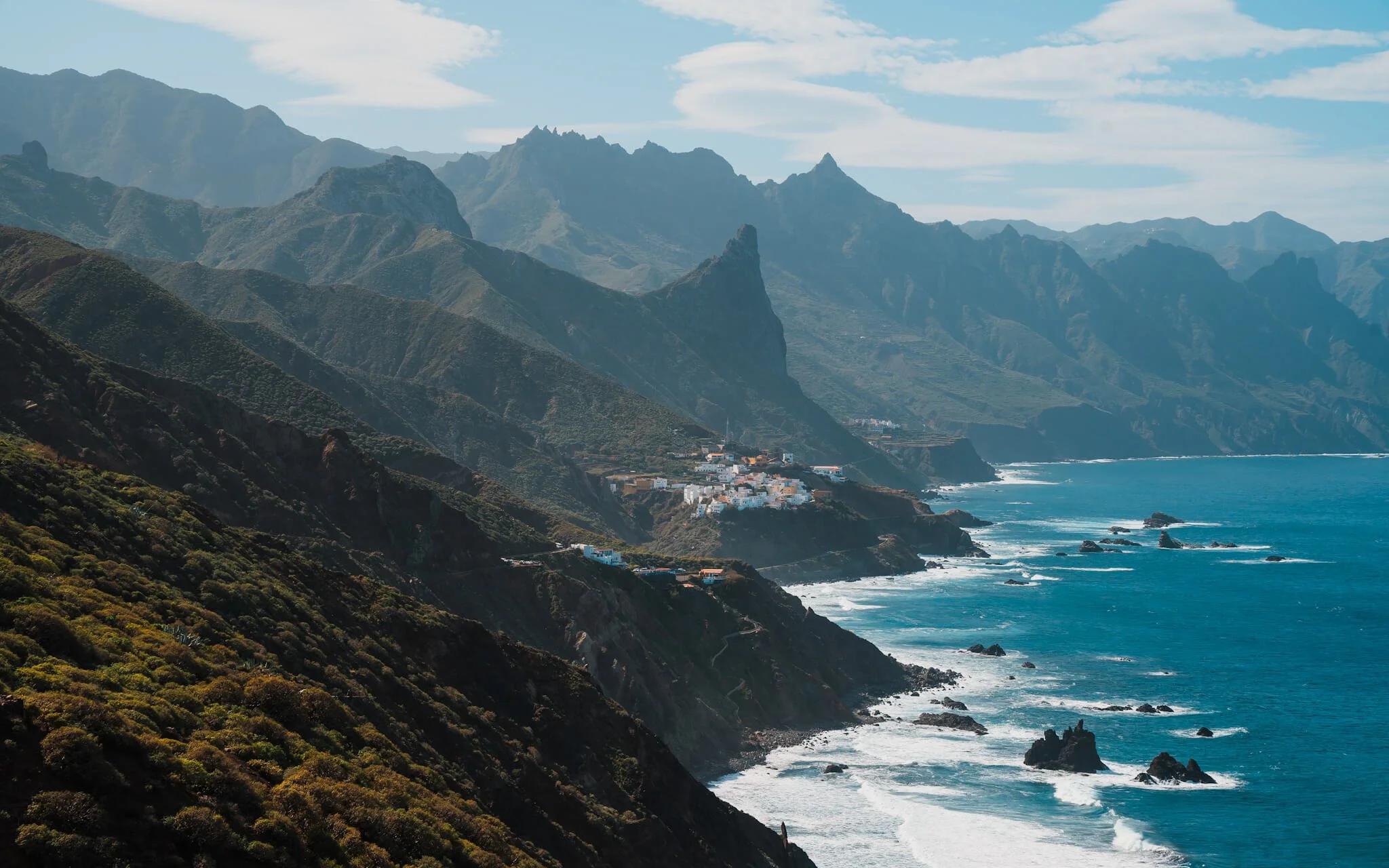
How to Spend One Week Exploring Tenerife’s Beaches, Mountains, and Volcanoes
When we planned our trip to Spain, we couldn’t resist adding a week in the Canary Islands, and Tenerife quickly stole the show. As the largest island in the Canaries, it has everything you could want in a European getaway: dramatic volcanic landscapes, lush green mountains, charming coastal towns, and some of the most unique black sand beaches in the world.
Whether you’re into hiking, climbing, canyoning, or simply relaxing by the ocean, Tenerife is a year-round destination that caters to every kind of traveler. With mild winter temperatures in the high 60s to low 70s °F (15–20 °C) and endless sunshine, this Tenerife travel guide and 7 day itinerary will help you plan the perfect week on the island.
Disclaimer: This blog post contains affiliate links, meaning I receive a small commission of every purchase made with my links at no additional cost to you. Sometimes there is even a discount code for my readers which I specify next to the links.
Table of Contents
Where is Tenerife?
Tenerife is the largest of Spain’s Canary Islands, located in the Atlantic Ocean off the northwestern coast of Africa. Often called the “Hawaii of Spain,” Tenerife is a volcanic island dominated by Mount Teide—a massive volcano that sits in the center of the island and is the highest point in Spain.
Mount Teide National Park is a must-see, whether you drive through or plan a full day of hiking. The landscape looks otherworldly, and you can even take a cable car to the summit for panoramic views of the island.
The Best Time to Visit Tenerife
One of the best parts about Tenerife is that there’s truly no bad time to visit. Thanks to its subtropical climate, the island enjoys mild temperatures year-round. Think warm days and plenty of sunshine even in the middle of winter.
Winter (December–February): Warm, dry, and ideal for hiking, climbing, and escaping colder European weather. Average temps range from 68–75°F (20–24°C).
Spring (March–May): Lush and green after the winter rains, with fewer tourists and perfect conditions for outdoor activities.
Summer (June–August): Hotter and busier, especially along the beaches. A great time for swimming and festivals.
Fall (September–November): Warm ocean temps and smaller crowds make this one of the best-value seasons to visit.
If you want the best mix of weather and fewer people, aim for April–June or September–November.
The Perfect Tenerife 7 Day Itinerary
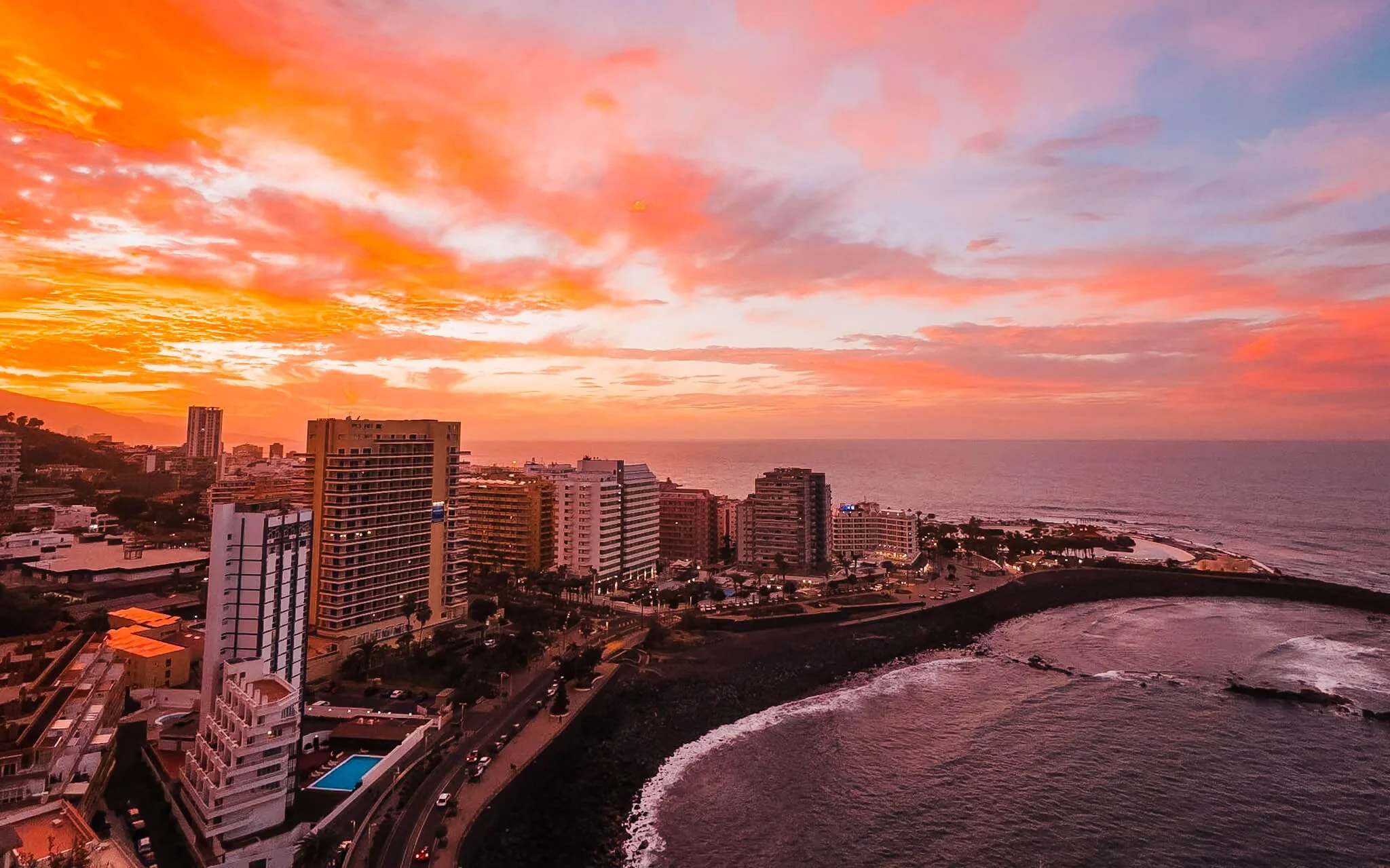
Puerto de la Cruz at sunset
We spent a full week exploring Tenerife, and honestly it didn’t feel like enough. If you can, give yourself at least 10 days, but one week is still plenty of time to experience the best of the island.
Day 1: Arrive at Tenerife Norte Airport + Explore Puerto de la Cruz
Our flight landed in the late afternoon, so we headed straight to our hotel in Puerto de la Cruz After unpacking, we wandered down to the beach and explored the charming downtown area. We stayed in a hotel with studio-style apartments so we could cook our own meals which is perfect for budget travel. Dinner was at an Indian restaurant just below our hotel, and it was a great start to the trip.
Day 2: Rock Climbing at Arico + Drive Through Mount Teide National Park
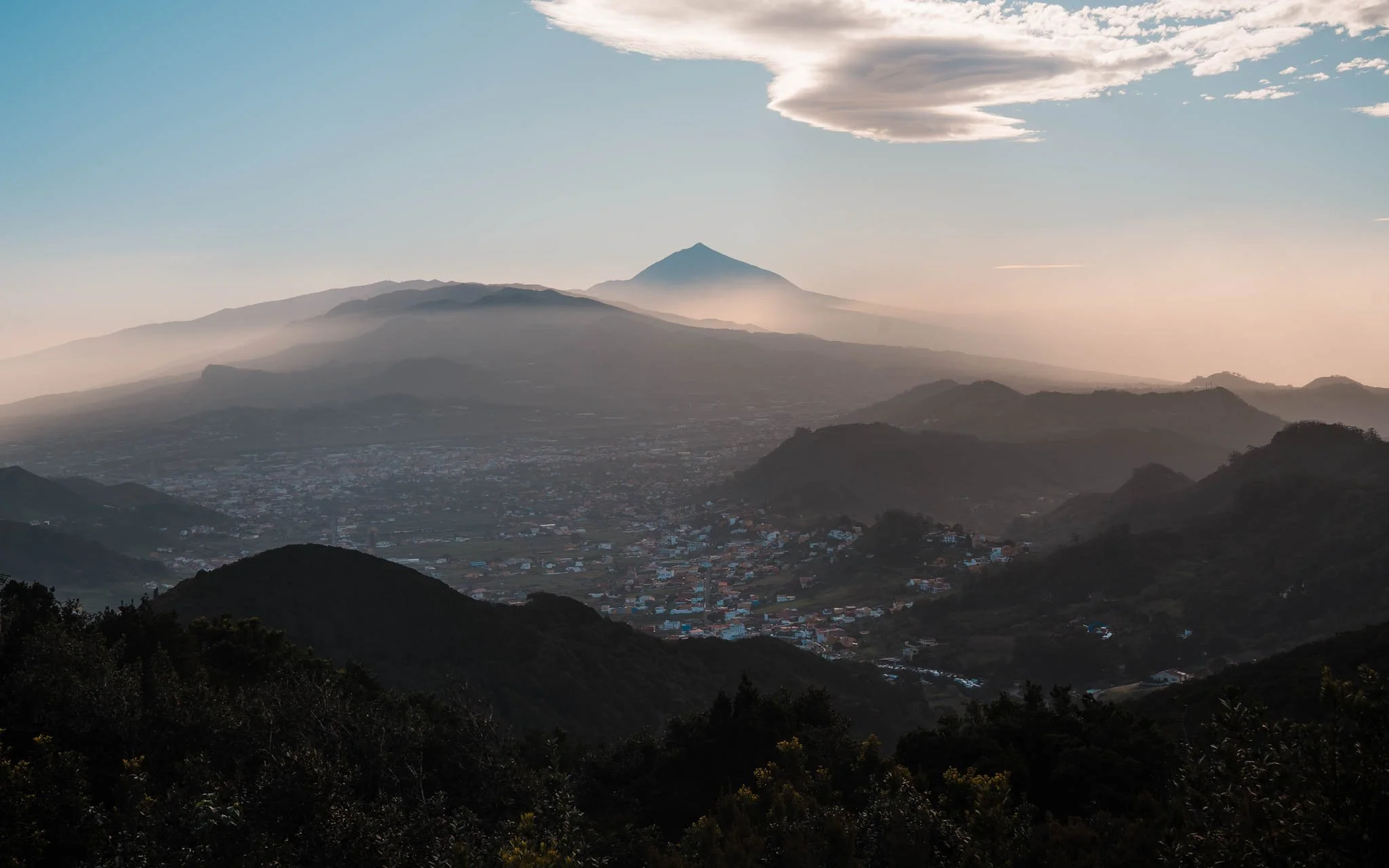
If you’re a climber, Arico Arriba/Abajo is a must for cragging. Yes, it’s worth bringing your climbing gear with you, Tenerife has some high quality routes. This crag was mainly sport but had trad climbs as well. It’s a short and beautiful hike in from the parking area. You descend into a canyon with limestone walls on both sides full of single pitch routes. If you’re not a climber, but want to try outdoor climbing while you’re on the island, there are guide services that will take you out.
Since our crag was on the opposite side of the island, we opted to drive the long way back, through Mount Teide National Park. The park is rocky, volcanic, and beautiful. If you are a hiker, there are so many hikes here that you could spend a full day or two in the park. I was getting over a cold and the elevation gave me a horrible sinus headache, so unfortunately we didn’t make any stops. But even just driving through was beautiful and free, there is no entry fee to enter the park. If you want to hike to the summit of Mount Teide, you do need to get a permit online in advance. There is also a gondola/cable car at the top that takes you to the summit of the volcano. Find more tours and get tickets for the cable car here.
Day 3: Relax at Playa El Bollullo
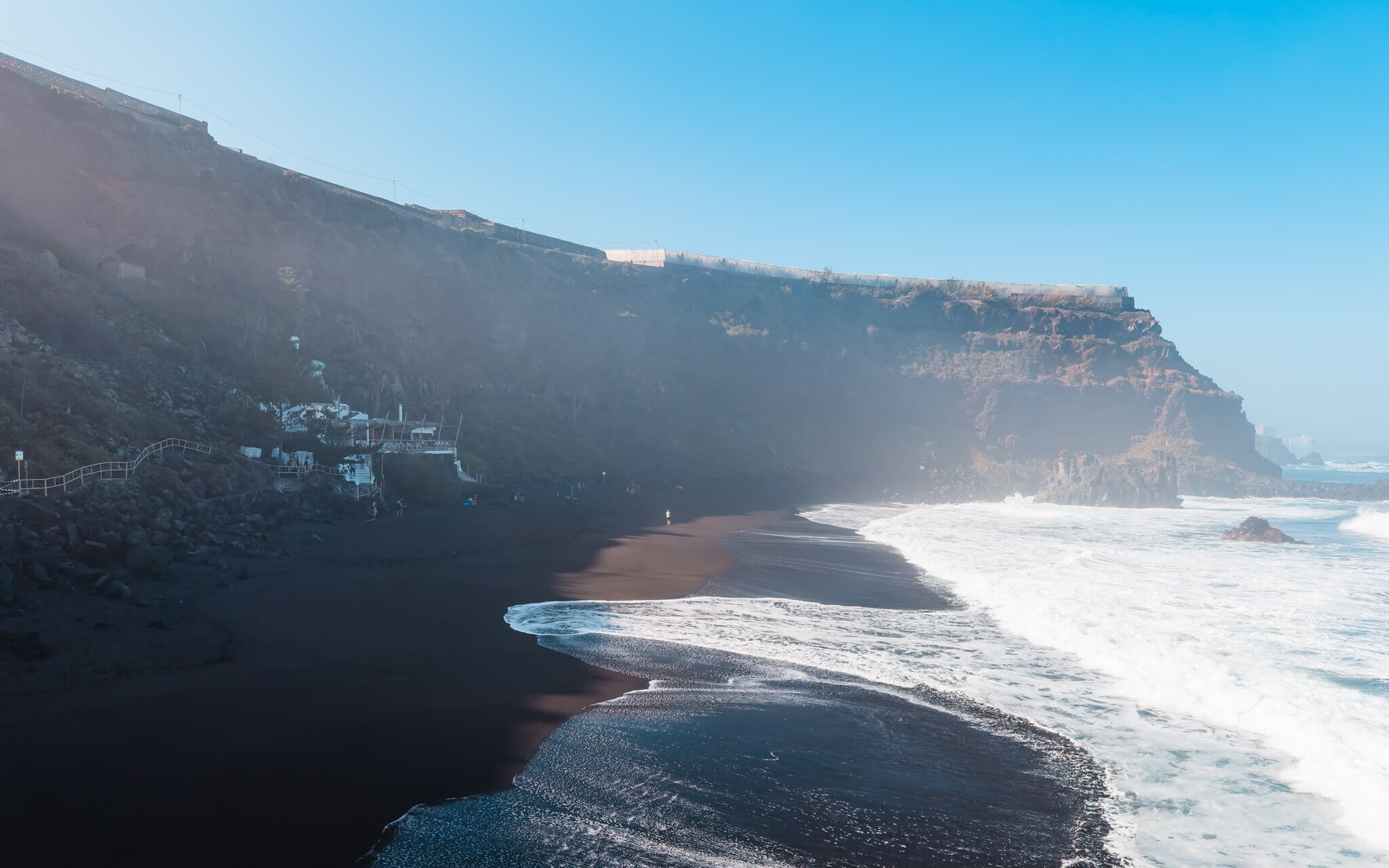
Tenerife is famous for its black sand beaches, and Playa El Bollullo quickly became one of our favorites. It’s small, scenic, and less crowded than some of the island’s larger beaches.
Parking costs €5 (cash only), or you can walk in from farther away. The dark volcanic sand warms up beautifully in the sun, making it a great spot to swim or wade even in winter. A beach bar and lifeguards are on-site, but note that swimming is sometimes restricted due to waves.
Day 4: Canyoning in La Orotava
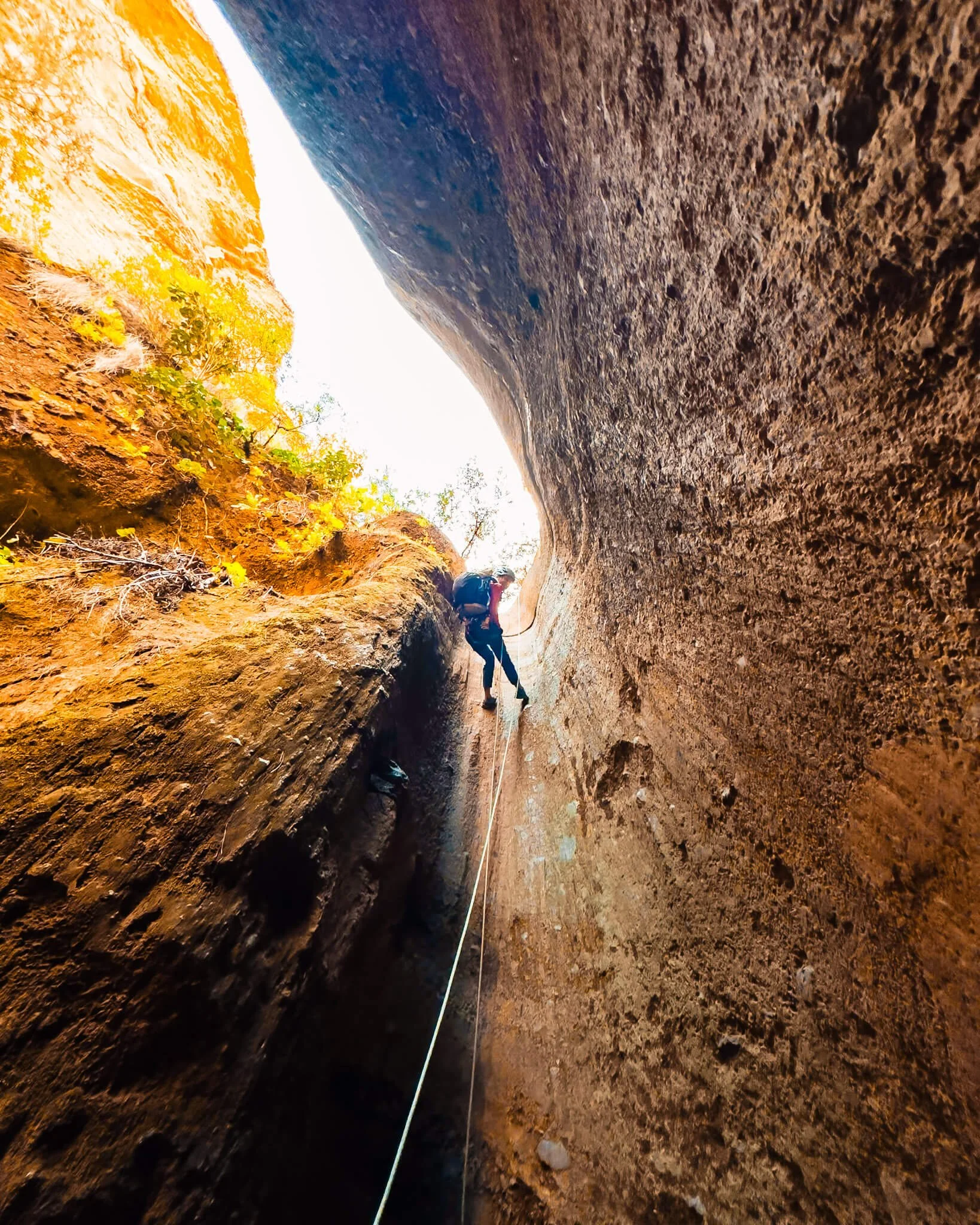
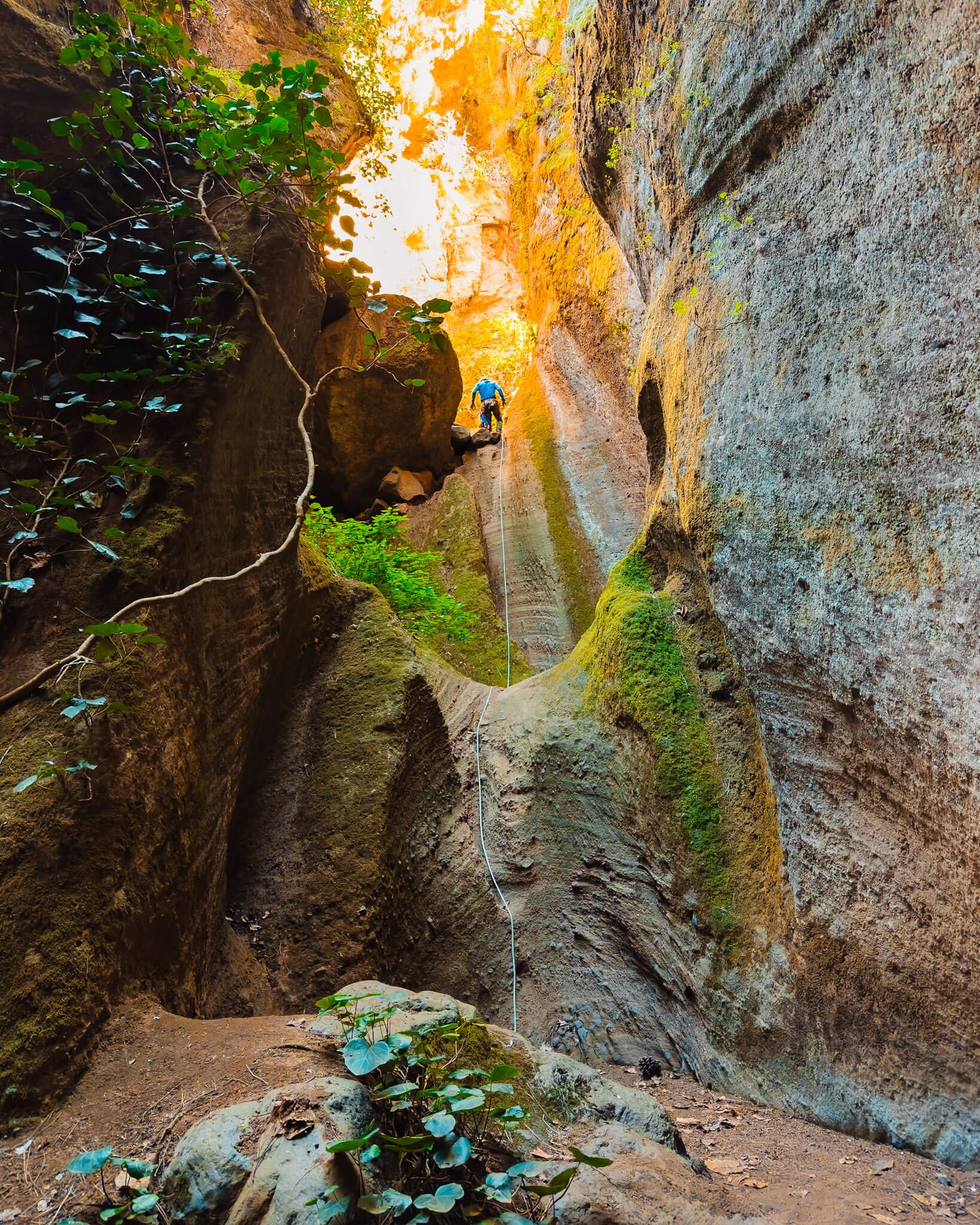
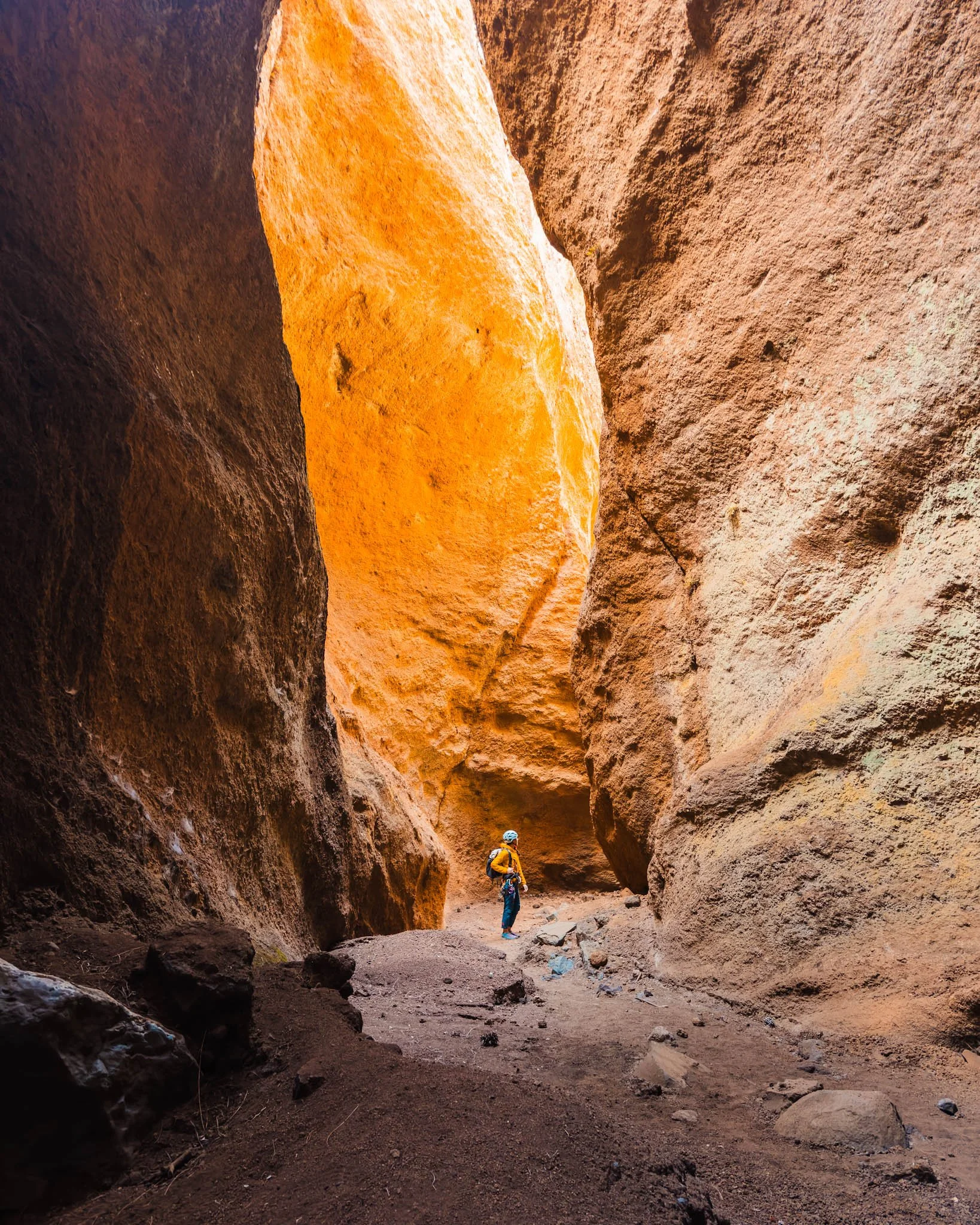
Garrett (my fiancé) and I are experienced canyoneers, so we brought canyon gear with us and purchased a guide book on canyoning on Tenerife in advance. Garrett picked out an easy (for us) and scenic canyon in the hills above Puerto de la Cruz called Barranco de los Arcos de Chimoche in La Ortava. It was a dry canyon (no water/not aquatic) which included nine technical rappels, a few slot sections, and walking through lush greenery (some of which was stinging nettle so wear pants). If you don’t have canyoning experience, I highly recommend booking a canyon through a guide service during your stay. The canyons on the island are stunning and there are easy options that are still beautiful!
For adventure lovers, Tenerife is an underrated canyoning destination. We packed our own gear and explored Barranco de los Arcos de Chimoche in La Orotava, a dry canyon featuring nine rappels, narrow slots, and lush green walls.
If you’re new to canyoning, plenty of local guide companies offer half- or full-day trips for all experience levels. It’s one of the most unique and thrilling ways to see Tenerife’s wild interior.
Day 5: Hike El Draguillo + Swim at Playa de Almáciga
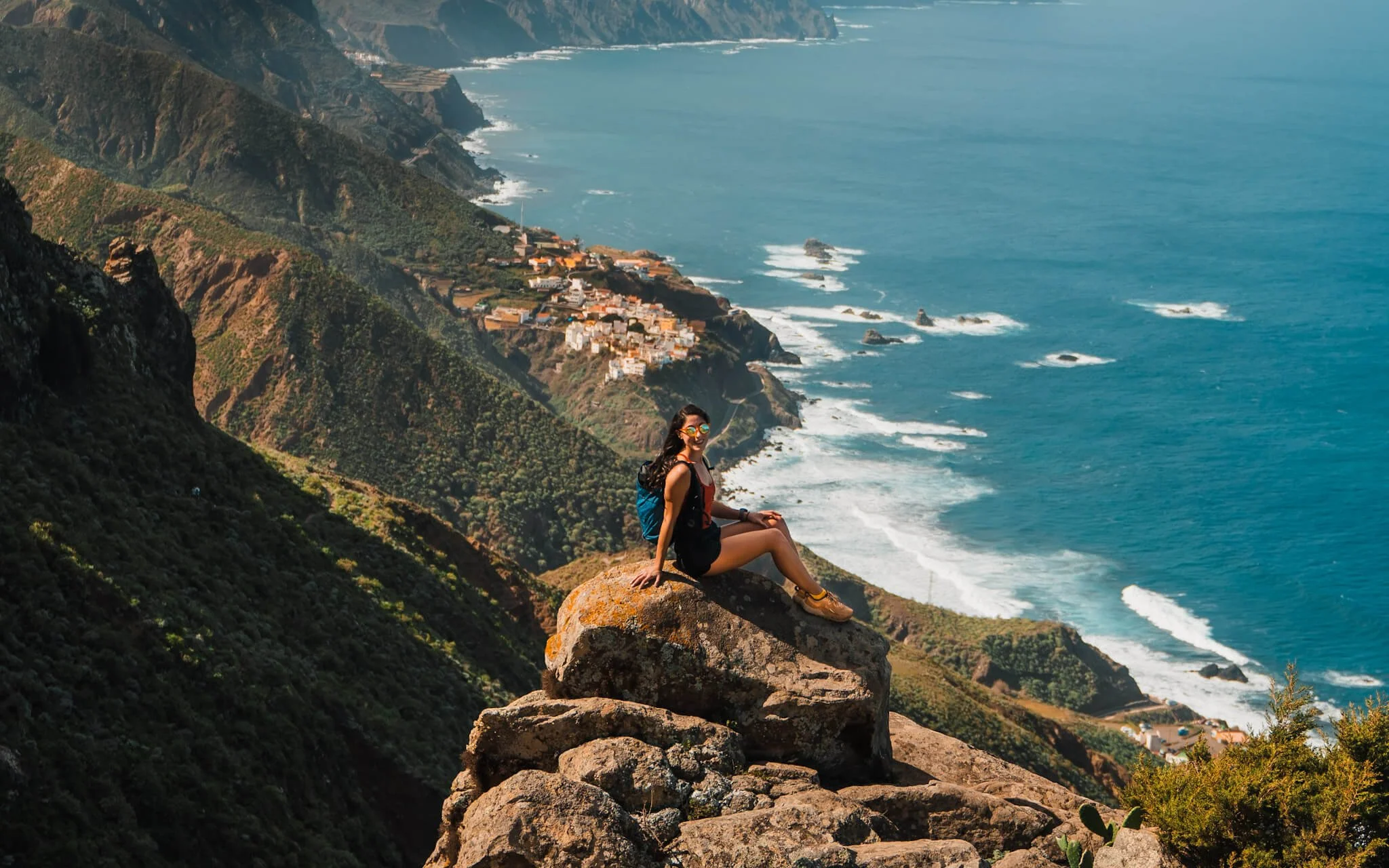
Head to the rugged north coast for a day of hiking and ocean views. We started in the small village of Benijo and hiked up Cruz del Draguillo , a steep trail with stunning coastal views. The area is part of the Anaga Rural Park, known for its lush green peaks and winding cliffside roads.
After hiking, cool off at Playa de Almáciga, another gorgeous black sand beach perfect for swimming and relaxing.
Day 6: Puerto de la Cruz Beach Day
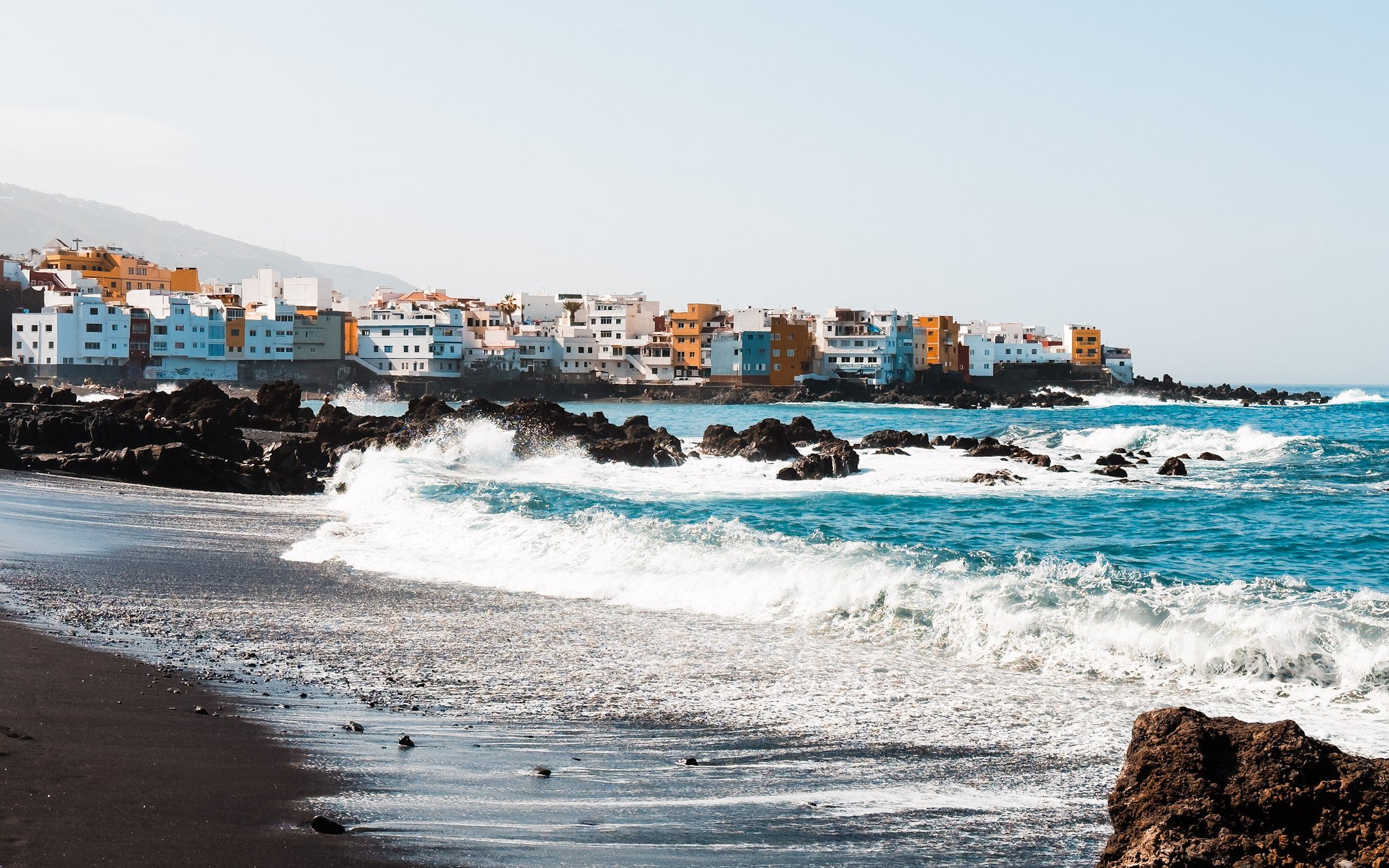
For our last full day, we stayed local and enjoyed Playa Chica, a smaller and calmer beach near downtown Puerto de la Cruz. The waves were gentle, making it ideal for swimming. After a morning in the sun, we spent the afternoon wandering the town’s colorful streets, stopping for gelaato and souvenirs.
Day 7: Fly Back to Madrid
This last day was a travel day for us and we headed straight to the airport after breakfast for our flight back to Madrid.
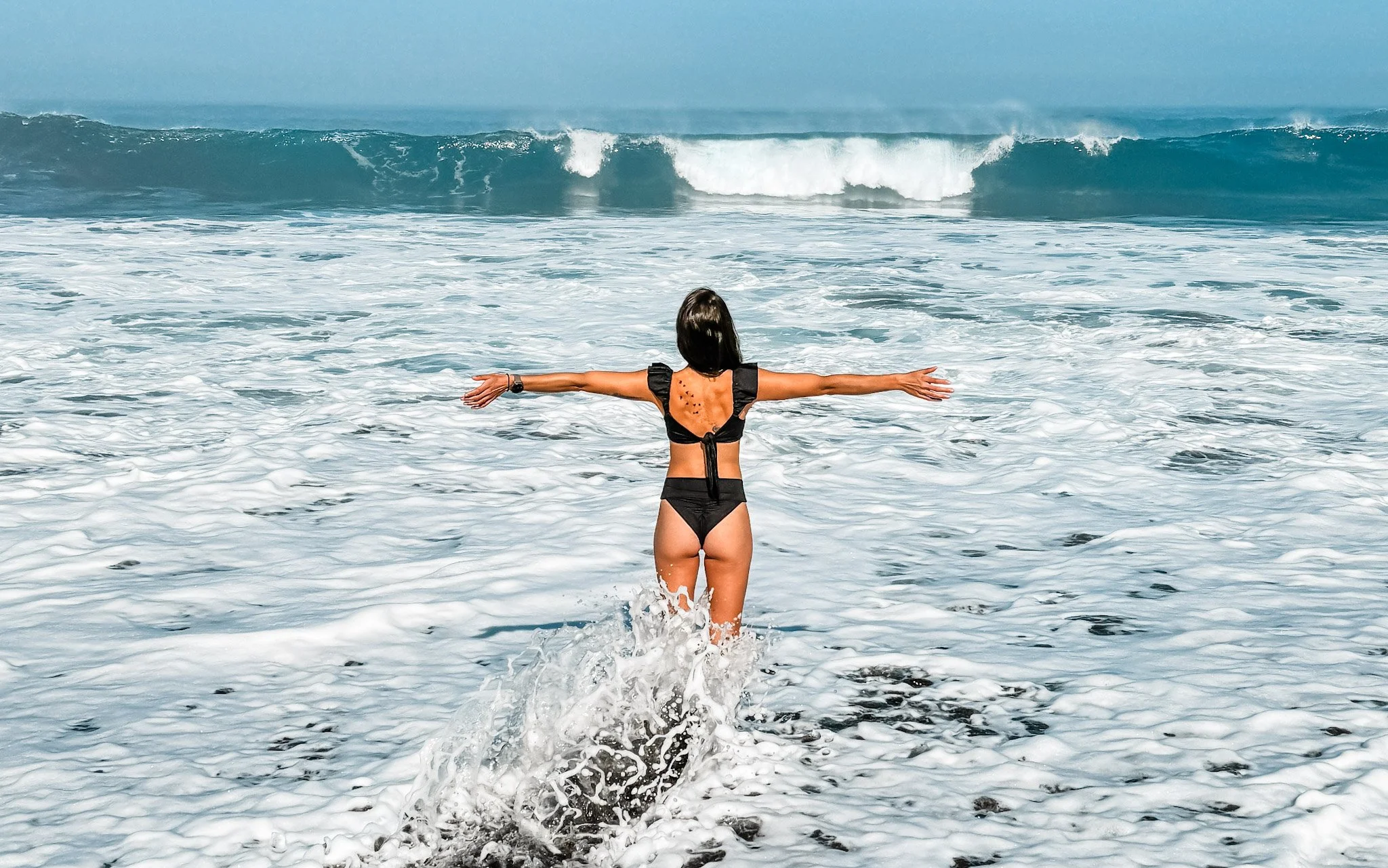
What to Pack for One Week on Tenerife
Because we tacked Tenerife onto our six weeks on mainland Spain, I didn’t pack anything specifically for the island, other than a swimsuit. Below you will find a packing list that is a mix of what I actually packed, and what I wished I had. There were a lot of shops near our hotel in Puerto de la Cruz selling swim suits, coverups, towels, sandals, and dresses, so you do have the option of purchasing anything you missed.
In addition to clothing, shoes, and accessories, we also packed our checked bag full of climbing and canyoning gear, including multiple pairs of climbing shoes and two ropes. This was not just for Tenerife, we climbed throughout southern Spain before heading to the island. I am not going to list all of that gear out, so if you have questions, leave a comment and I can break it down more.
Clothing
Sports bra - Vuori AllTheFeels Sports Bra
Crop top with built in bra - Beyond Yoga Spacedye Slim Racerback Cropped Tank
Underwear, seamless thong x8
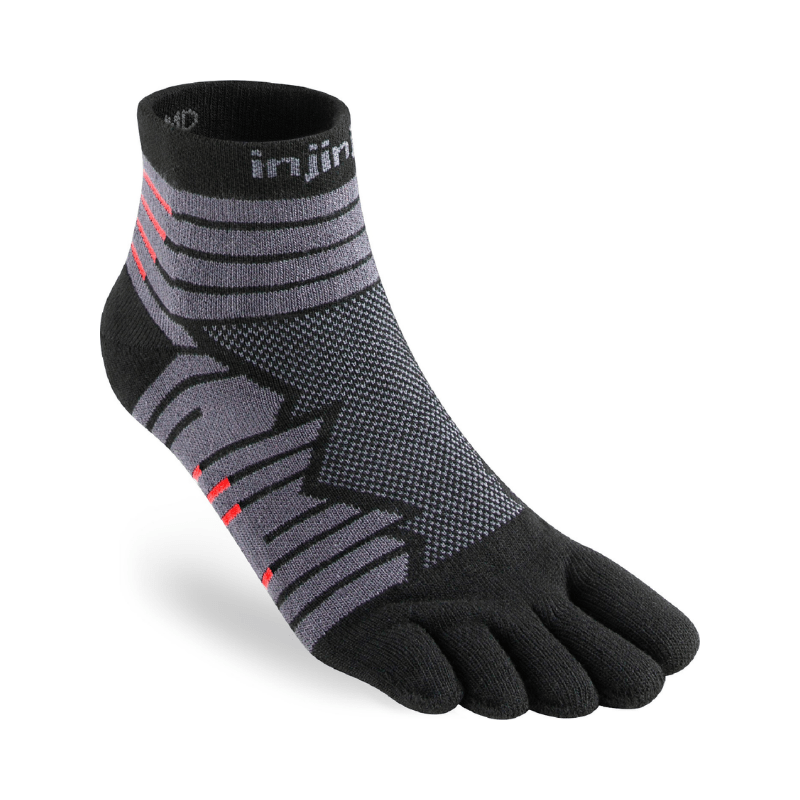
Hiking socks x 3 - Injinji Ultra Run No Show and Mini Crew
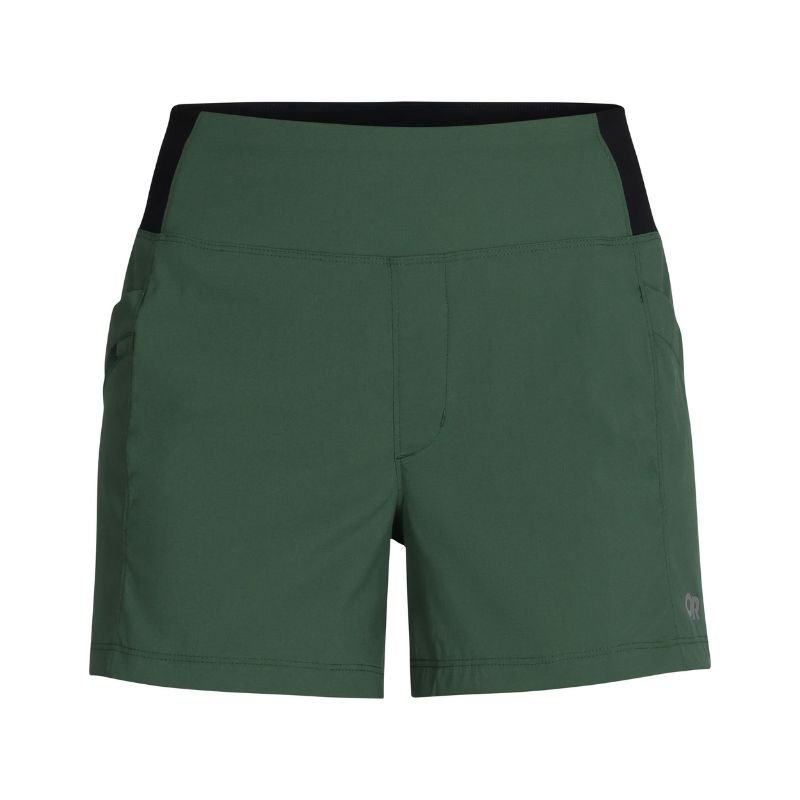
Hiking shorts - Outdoor Research Zendo Multi Short
Jean shorts
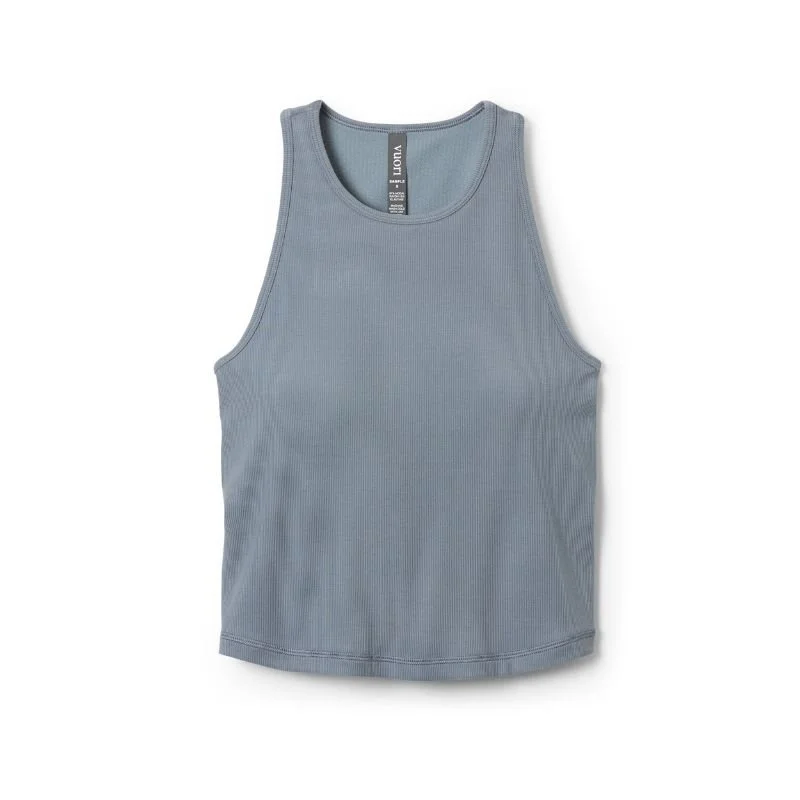
Tank Top - Vuori Pose Plyo Rib Tank Top
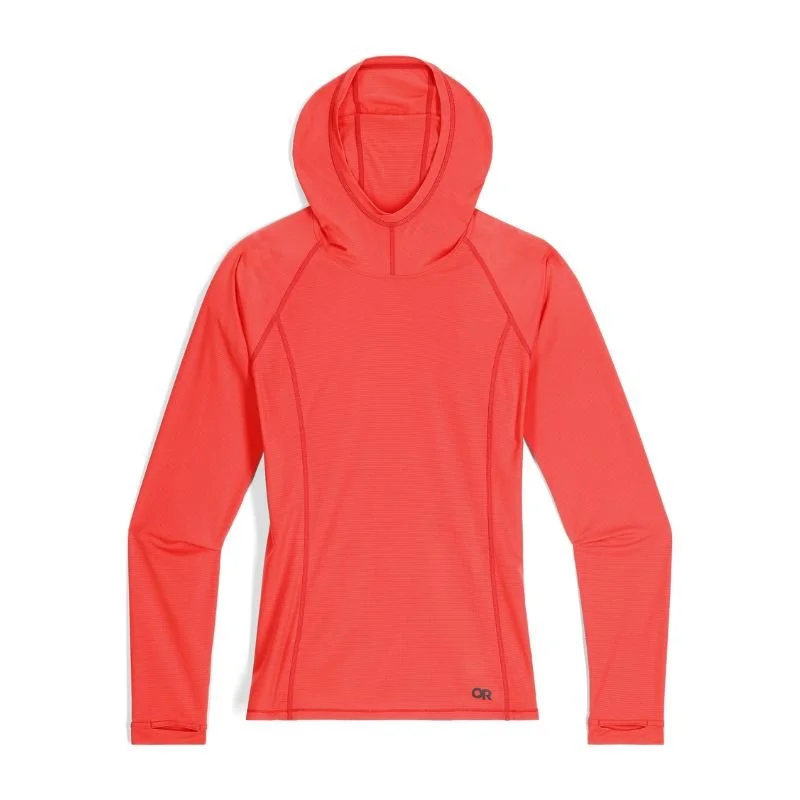
Sun hoodie - Outdoor Research Echo Hoodie
Leggings - Beyond Yoga Spacedye Out of Pocket High-Waisted Midi Leggings
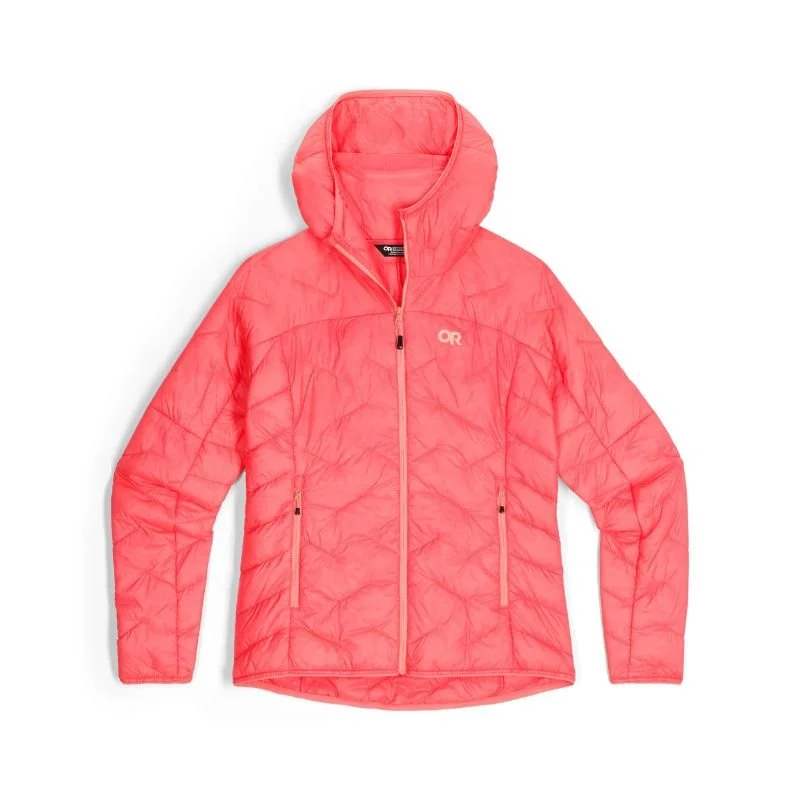
Ultralight synthetic hoodie - Outdoor Research SuperStrand LT Hoodie
Swimsuit + skirt coverup
Sun dress and flowy skirt - Free People Taking Sides Maxi & FP One Ravenna Printed Convertible Maxi Skirt (works as a skirt or dress so great for travel)



Shoes
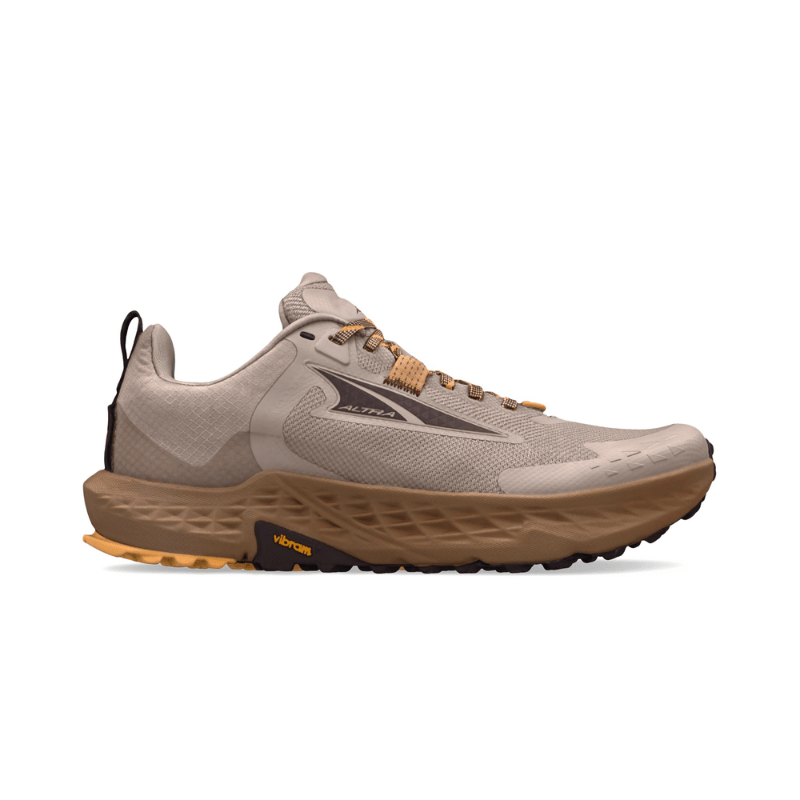
Trail runners - Altra Timp5
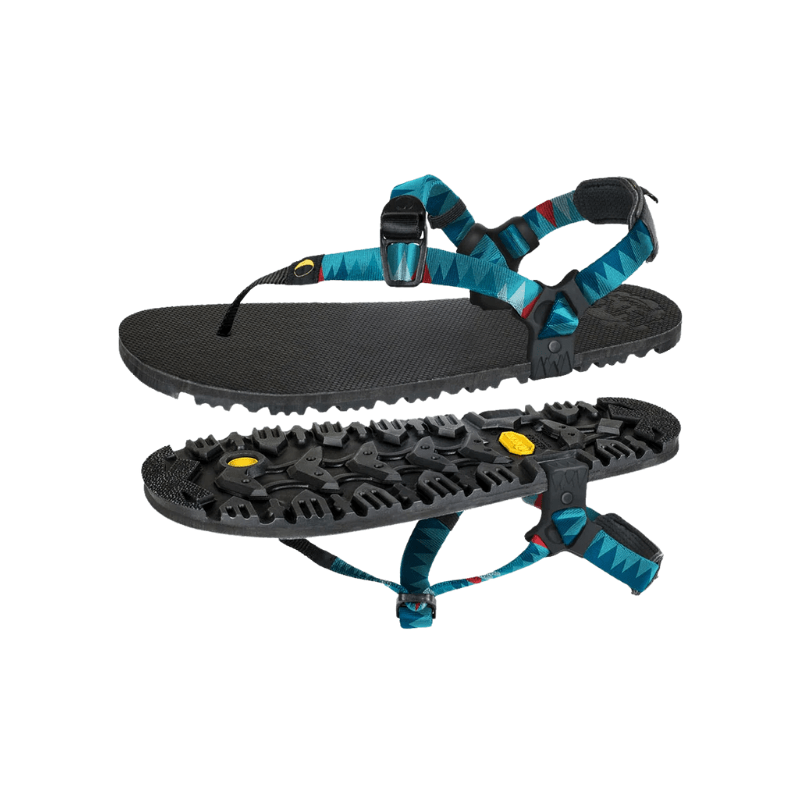
Sandals - Luna Sandals Oso Flaco (this link gets you 15% off)
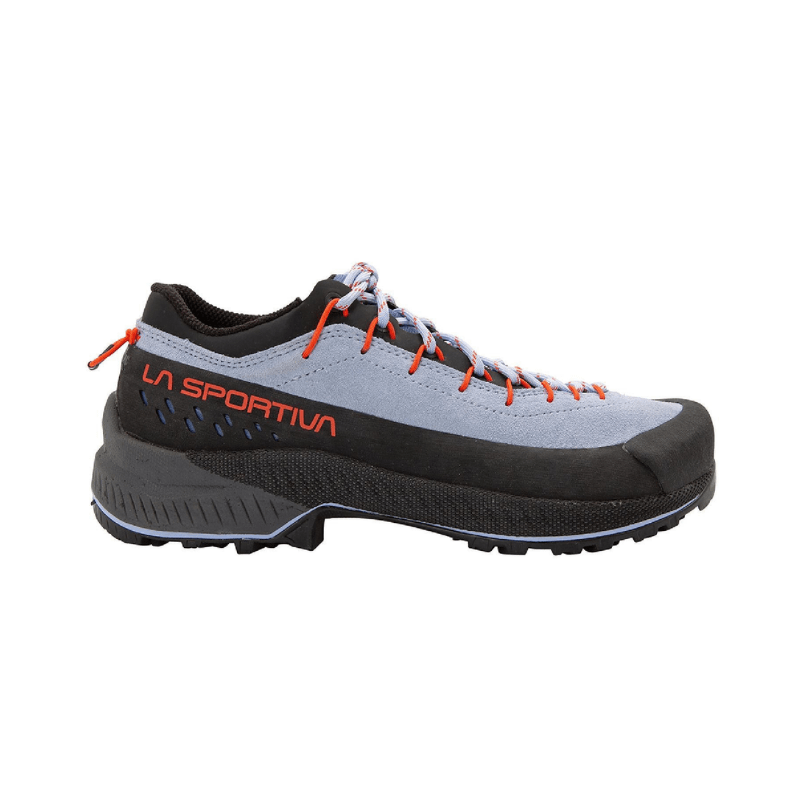
Approach shoes - La Sportiva TX4 EVO Approach Shoes (for climbing and canyoning)
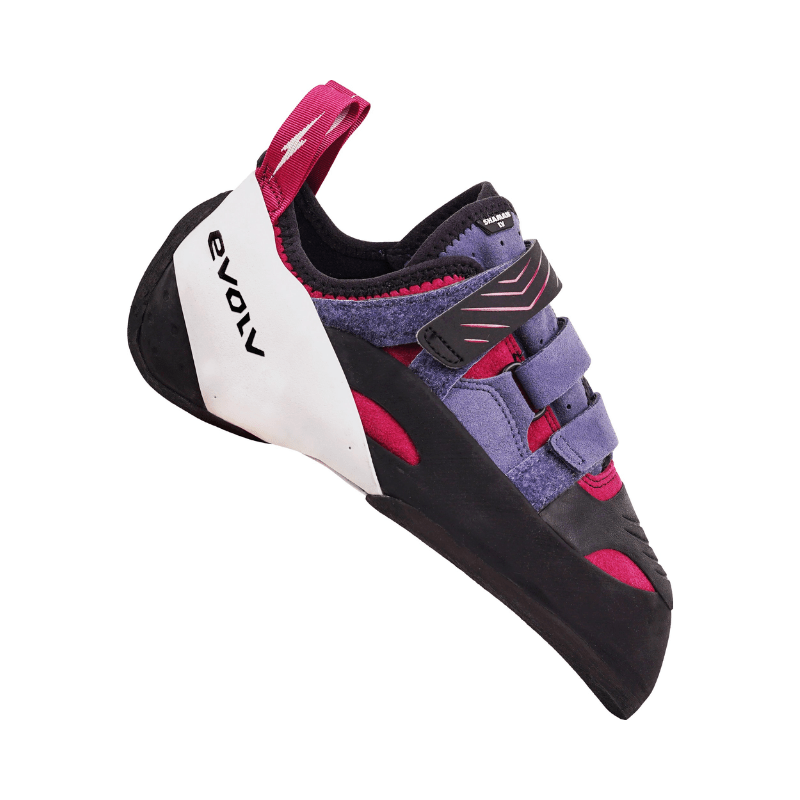
Climbing shoes - evolv Shaman LV Climbing Shoes
Accessories and Camera Gear
Sun hat - Will and Bear Austin Straw Wide Brim Hat (this link gets you 10% off)
Sun cap - Outdoor Research Swift Cap
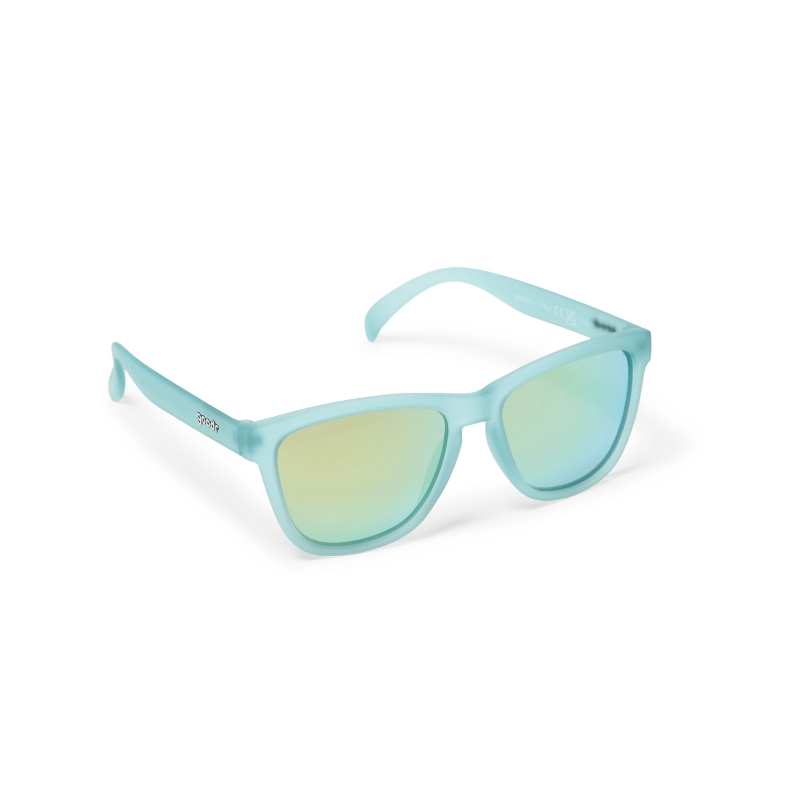
Sunglasses - Goodr Circle Gs
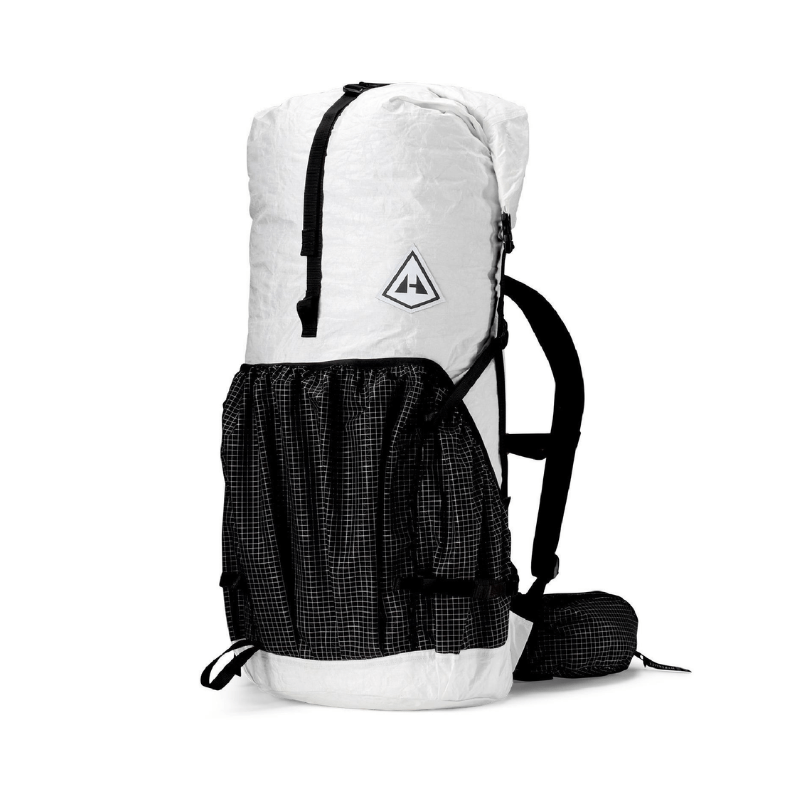
Hiking pack - Hyperlite Southwest 55L Backpack
Fanny pack - Hyperlite Vice Versa (for around town and travel)
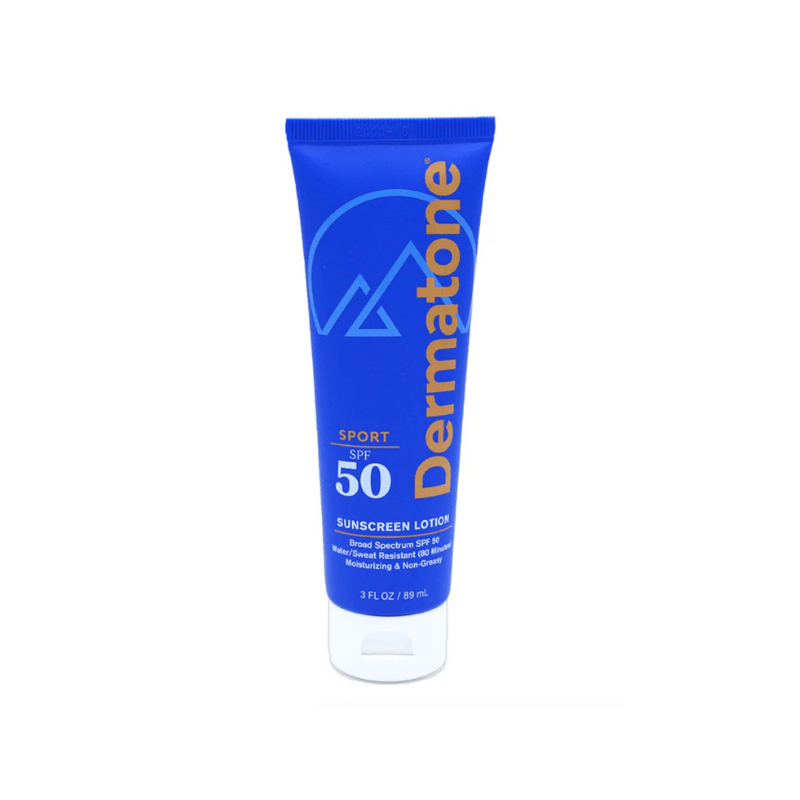
Sunscreen - Dermatone Sport Lotion SPF 50 (TSA approved size and one was enough for the week)
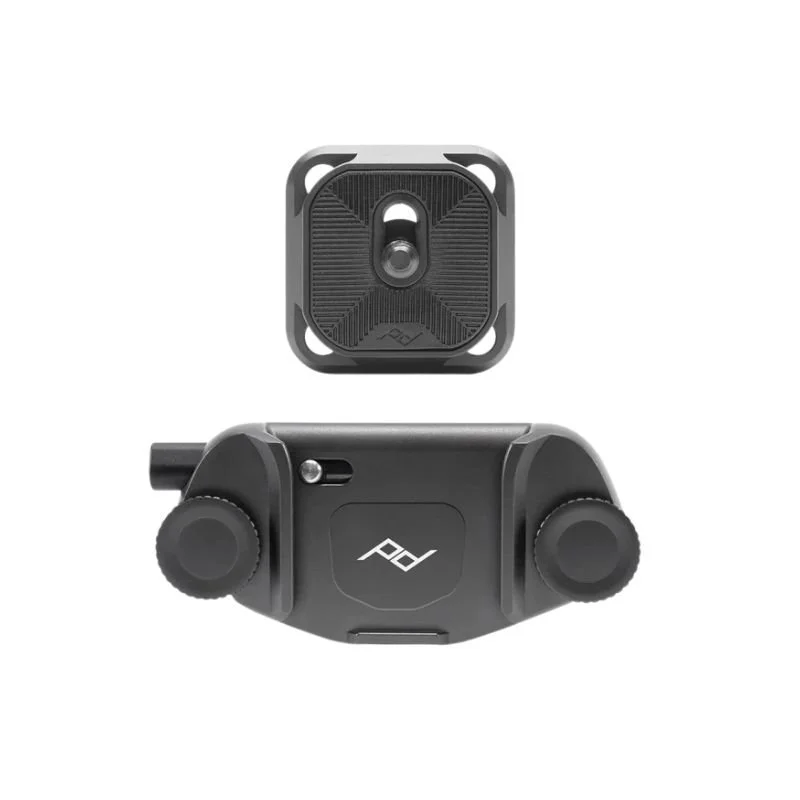
Camera (Sony a7iv) + Travel Tripod + Peak Designs Capture Camera Clip
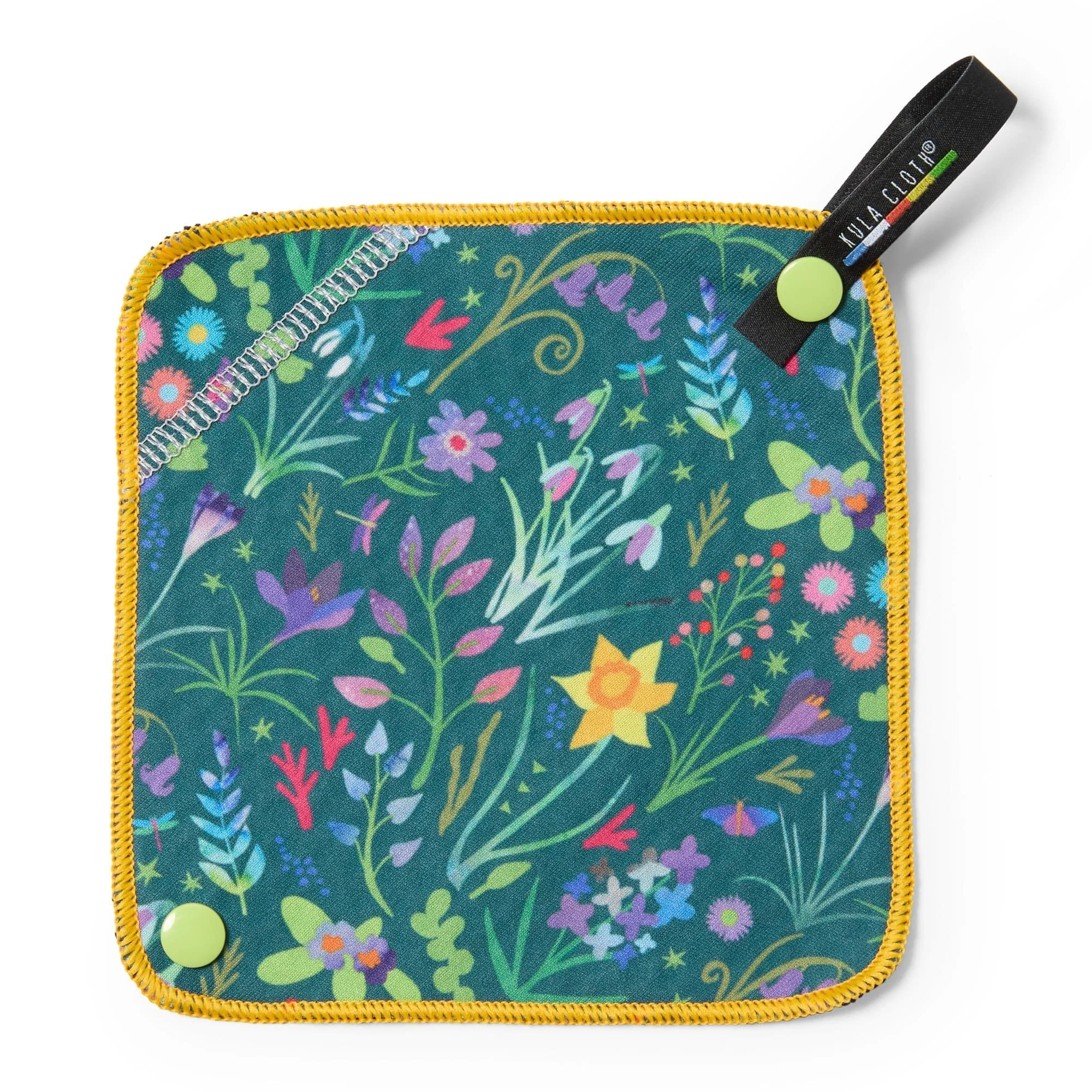
Kula Cloth (pee rag)



What We Packed Everything In - Carry-on and Checked Bag
Duffle (checked bag with all of our climbing gear) - Hyperlite 140L Expedition Duffel
Backpack (cary on) - Hyperlite Southwest 55L (for hiking, canyoning) or Matador Globrider35 (for travel only and short hikes)
Getting to Tenerife
If you’re flying from the US or Canada, you will most likely have a couple stops along the way to get to Tenerife. We flew first to Madrid, which included a quick layover in London. From Madrid it is about a three hour flight directly to Tenerife. If you do fly through Madrid, I highly recommend doing a two to three day stop over in the city. I am working on a separate blog post about Madrid and will link it here when I am done. We spend four full days in Madrid at the end of our time in Spain and loved the city.
We chose to fly to Spain via British Airways and it was a great experience. We used booking.com to search for the most affordable flight options.
Where We Stayed
We chose to stay at Apartamentos Masaru, a 3-star hotel that was all studios, so we had a mini fridge, hot plate, pots and pans, and dishes for cooking. The hotel was in a great location, a cute town, easy and free street parking, and clean rooms with breakfast included. If you are traveling on a budget, I highly recommend a hotel with kitchens so you can cook. We did cook almost all of our own dinners, and it saved us quite a bit of money. I do highly recommend Apartamentos Masaru, we enjoyed our stay, but I will note that like most hotels in Europe, they have twin beds (in all of their rooms). So we had to ask them to make the beds together, which they did. But note that you may need to ask for that if you’re traveling as a couple.
Getting Around the Island
Tenerife might look small on a map, but once you’re there, you’ll quickly realize how spread out and mountainous it is, especially if you plan to hike, explore hidden beaches, or visit Mount Teide. The best way to see the island is definitely by rental car, but there are a few other ways to get around depending on your travel style.
Renting a Car
If you’re planning to explore beyond your resort or hotel area, renting a car in Tenerife is 100% worth it. We had one for our entire trip and it gave us total freedom to explore at our own pace — from remote mountain trails to charming coastal villages.
A few things to know before you book:
International Driving Permit: You’ll need to get an International Driver’s License before your trip if you’re coming from the U.S. You can easily apply through AAA for a small fee ($20 USD at the time).
Manual Transmission: Most rental cars in Spain (including Tenerife) are manual stick shifts, so make sure you’re comfortable driving one before you go. If not, book an automatic early, as they’re limited and more expensive.
Narrow, Winding Roads: Driving in Tenerife can be an adventure, especially in the mountains where roads are narrow and curvy. Take it slow!
Where to Rent: We booked through Booking.com, and the pickup was quick and easy right at the airport. There are two airports, Tenerife North (TFN) and Tenerife South (TFS), so make sure you rent from the same one you fly into.
Tip: Add a GPS or use offline Google Maps before heading into the mountains, cell service can be spotty in some areas.
Public Transportation
If you’re staying mainly in one area or don’t feel comfortable driving, Tenerife does have a reliable public bus system run by TITSA.
Buses are clean, inexpensive, and connect most major towns and tourist spots.
However, routes to hiking areas, beaches, or rural villages are limited and often require transfers.
You can buy a TEN+ travel card for discounted fares if you’ll be taking the bus multiple times.
Public transport is best for travelers sticking to Santa Cruz, La Laguna, or Puerto de la Cruz, but not ideal for full island exploration.
Taxis & Rideshares
Taxis are widely available in cities and at tourist hubs like Costa Adeje, Los Cristianos, and Puerto de la Cruz. They’re metered, reliable, and relatively affordable for short rides. There’s no Uber on the island, but there is a local taxi app call Free Now but we didn’t use it.
Tours & Transfers
If you don’t want to drive or deal with parking, consider booking organized day tours that include transportation. This can be a stress-free way to see Mount Teide, Anaga Rural Park, or even go whale watching without worrying about logistics.
Popular options include:
These are great options for anyone who prefers a guided experience or doesn’t want to rent a car for the full week.
Parking in Tenerife
Parking is generally easy outside the main cities, but can be tricky in busy beach towns and historic centers.
Look for white-lined spaces (free) and blue-lined spaces (paid).
Many beaches and trailheads have free parking lots, though they can fill up by midday.
Always park legally, fines for illegal parking are common and can be steep.
In short: If you want full flexibility and plan to explore Tenerife’s mountains, beaches, and small villages, rent a car. But if you’re staying mainly in one area, public buses and organized tours can work just fine.
Additional Tours & Activities on Tenerife
If you want to make the most of your week in Tenerife, these guided tours and experiences are well worth adding to your itinerary. They’re easy to book online and help support local guides and small businesses.
Top Tenerife Experiences:
Mount Teide Day Trip with Cable Car – Skip the lines and ride to Spain’s highest peak for breathtaking views.
Whale & Dolphin Watching Cruise – Spot pilot whales and dolphins off Tenerife’s southern coast.
Anaga Mountains Hiking Tour – Explore Tenerife’s lush northern mountains with a local guide.
Canyoning Adventure – Try one of the island’s scenic canyons, perfect for beginners and thrill-seekers alike.
Tenerife Wine Tasting & Vineyard Tour – Sample local wines grown on volcanic soil in the La Orotava Valley.
Tip: Book ahead, especially for Teide and whale-watching tours, they often sell out in peak season.
Tenerife Guidebooks & Maps
If you love having something tangible to plan from (or prefer not to rely on Wi-Fi in the mountains), consider picking up one or two of these guidebooks before your trip:
Lonely Planet Canary Islands Guide – In-depth coverage of Tenerife’s top attractions, hikes, and hidden gems.
Gaia GPS – Our goto hiking app to find trails and download outdoorsy maps of the area.
Tenerife Travel FAQ
Is Tenerife worth visiting for one week?
Absolutely! One week is enough time to explore the island’s highlights, from volcanic landscapes and beaches to mountain hikes and small villages. If you can, 10–12 days is even better.
Do you need a car in Tenerife?
I recommend it, especially if you want to explore beyond your hotel or packaged tours. Public transport is limited in rural areas, and many of the best hikes and beaches require a car.
What is the best area to stay in Tenerife for first-timers?
For a mix of beaches, local charm, and accessibility, stay in Puerto de la Cruz (north) or Costa Adeje (south) if you prefer resort-style comfort.
Is Tenerife good for hiking and outdoor activities?
Definitely. From Mount Teide National Park to Anaga Rural Park, there’s a huge variety of trails for all experience levels, plus great climbing and canyoning spots.
Is Tenerife safe for solo travelers?
Yes! The island is considered very safe, even for solo travelers. Just use normal precautions like you would anywhere in Europe.
What currency and language are used in Tenerife?
The currency is the Euro (€) and the official language is Spanish, though English is widely spoken in tourist areas.
Final Thoughts on Visiting Tenerife
Tenerife truly is one of the most diverse and beautiful islands in Europe. From black sand beaches and lush mountain hikes to volcanic landscapes and year-round sunshine, it’s the perfect destination for outdoor lovers and adventure seekers alike. If you’re planning your next European getaway, this Tenerife travel guide and 7 day itinerary has everything you need to plan the perfect trip.
Additional Trip Planning Resources
View My Map with pin drops for everything we did
More International Travel Guides to Check Out
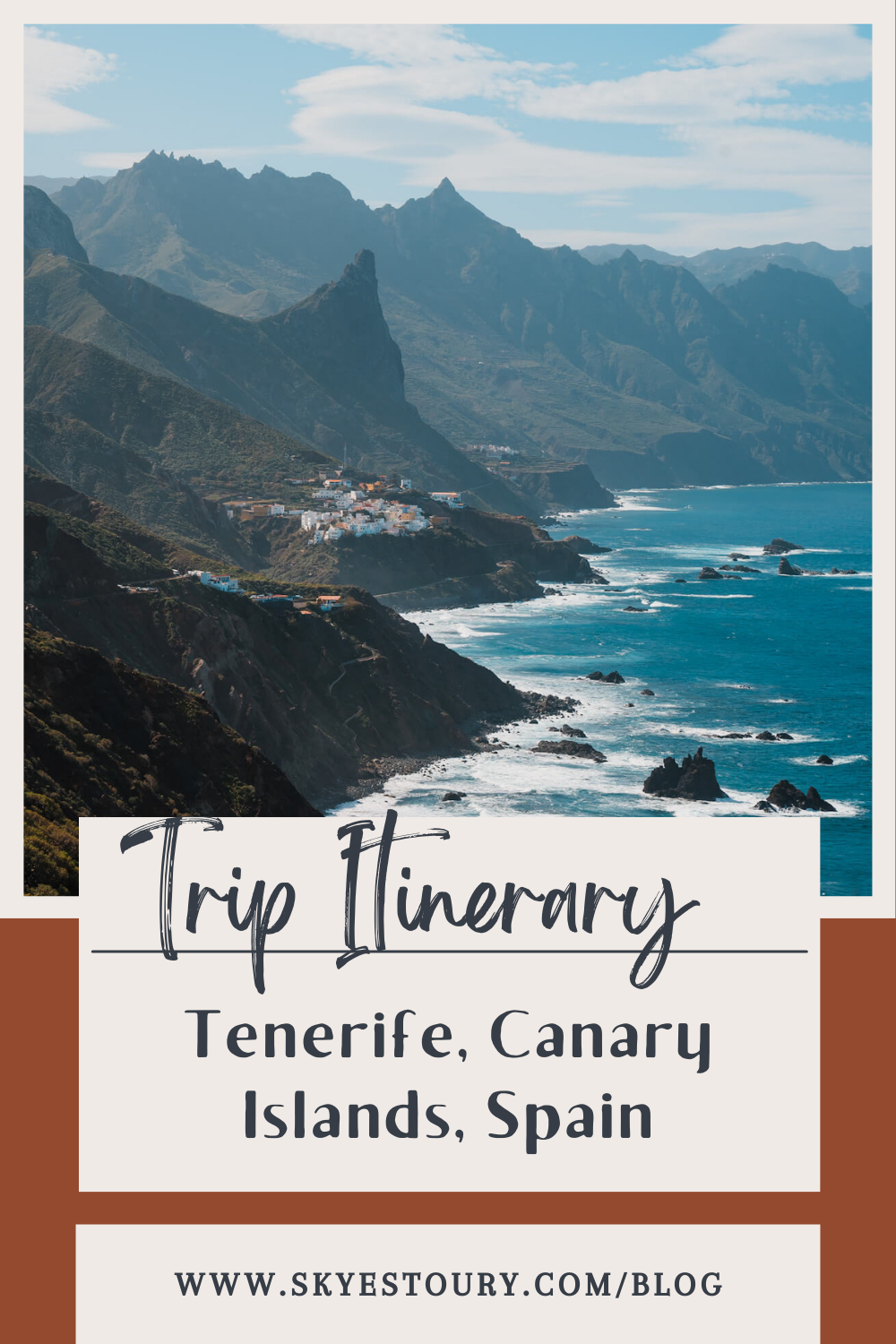
Save this Post for Later
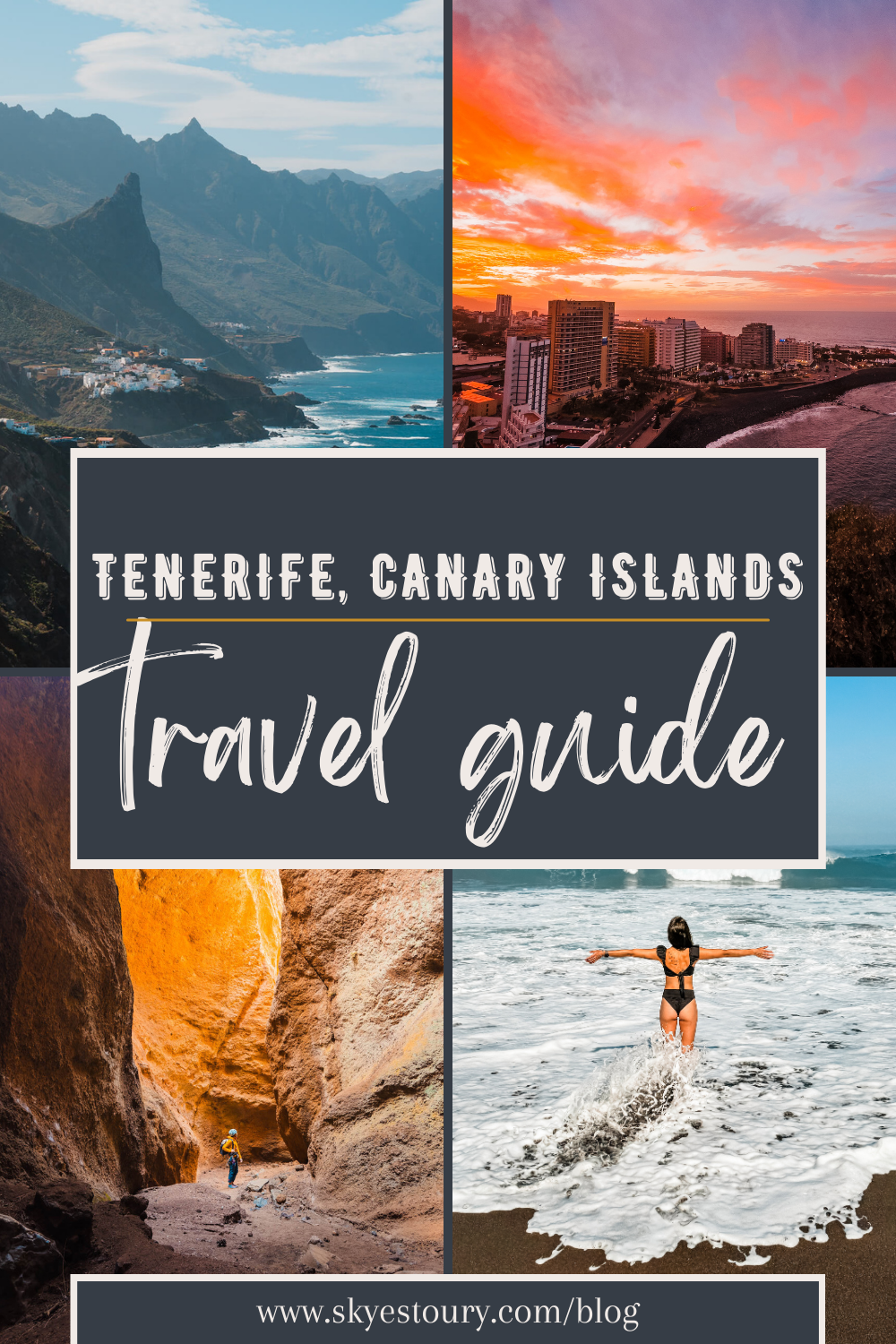

How to Prepare for Your First International Trip (Beginner Travel Guide)
So You Want to Go to Patagonia: The Ultimate Patagonia Guide for Hiking, Backpacking, and Travel Essentials
This image is copyrighted and owned by Skye Stoury Photography and skyestoury.com, if you would like to licence any images on this site, please email us at hello@skyestoury.com