
So You Want to Go to Patagonia: The Ultimate Patagonia Guide for Hiking, Backpacking, and Travel Essentials
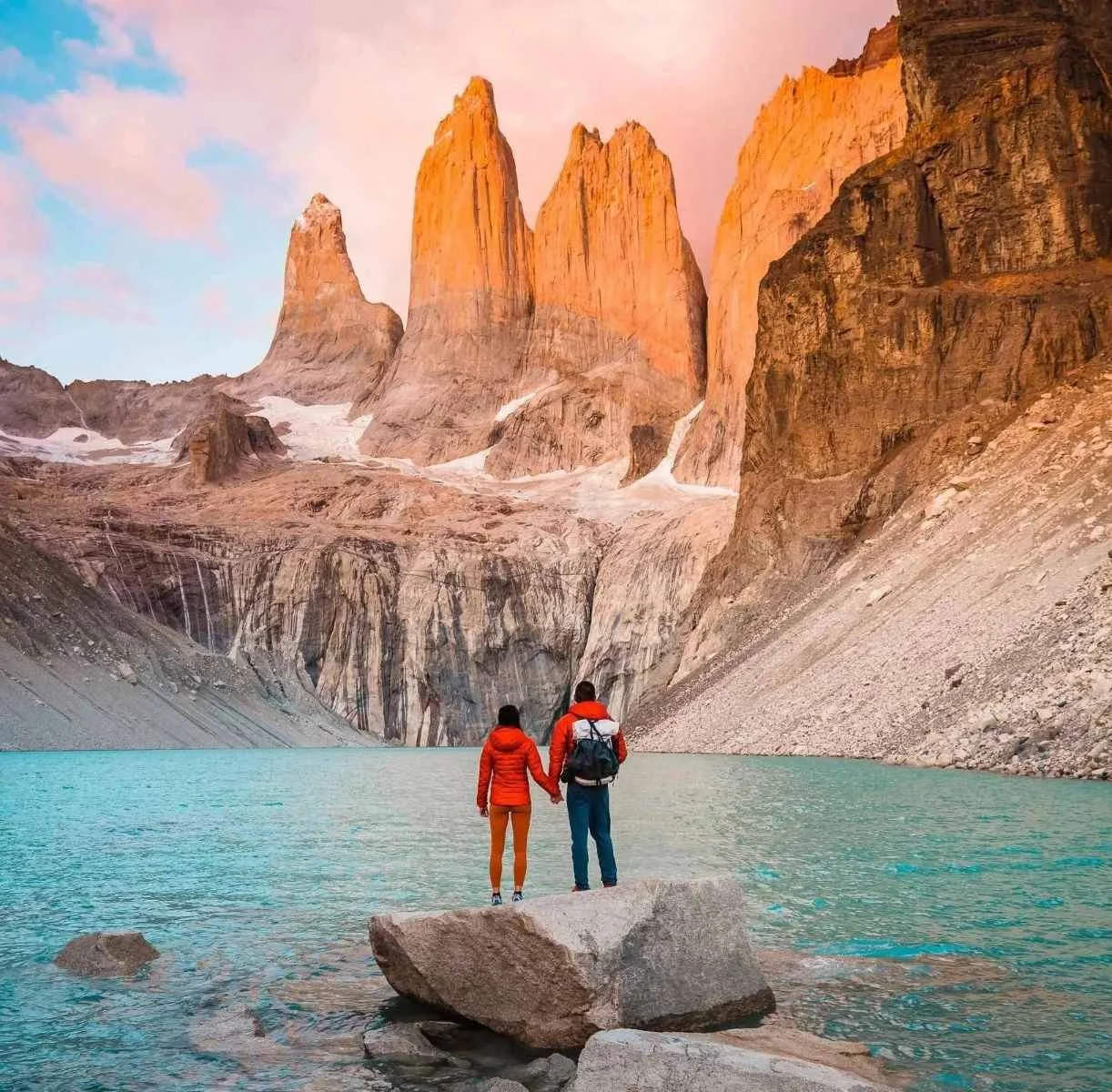
Everything you need to plan your Patagonia adventure
Patagonia is one of the world’s most stunning adventure destinations, stretching across southern Chile and Argentina. Whether you’re dreaming of trekking the iconic W Trek or O Circuit in Torres del Paine, exploring the stunning hikes and jagged peaks of El Chaltén, or simply soaking in the glaciers, lakes, and endless landscapes in El Calafate, this guide has you covered. From planning your itinerary and choosing the best hikes to packing the right gear, you’ll find everything you need to make your Patagonia adventure unforgettable.
Updated for the 2026 hiking and travel season.
A Bucket List Trip to Patagonia
In February of 2023, my now husband and I went to Patagonia for the first time. It was a bucket list trip for me and definitely lived up to the hype and rugged nature of the mountains that I’d heard and read about. Finding the right information on traveling to Patagonia self supported was hard while we were trip planning, so after our trip, I wrote three guides with everything you need to know to plan your trip, which will be linked throughout this post.
If you’re looking for adventure, amazing beauty, and iconic peaks, Patagonia is the place to go. We spent four weeks backpacking and hiking in both Torres Del Paine (Chile) and El Chalten (Argentina), and it honestly didn’t feel long enough.
Whether you’re planning a short visit or a multi-week trek, having a clear plan can make all the difference. Below, I’ll break down what to consider when preparing for your Patagonia adventure, from choosing destinations and itineraries to packing the right gear for the trails.
Disclaimer: This blog post contains affiliate links, meaning I receive a small commission of every purchase made with my links at no additional cost to you. Sometimes there is even a discount code for my readers which I specify next to the links.
Table of Contents

Patagonia Travel Planning: Chile vs. Argentina
When you start planning your trip, it’s important to decide if you want to go to Torres del Paine in Chile and El Chaltén in Argentina, or both. Where you start your trip will make a difference on where you’re flying into and how you’re getting around. If you have the time, I highly recommend going to both countries as they are very different experiences.
Planning a trip to Patagonia can feel overwhelming at first, the region is vast, remote, and full of incredible options for hiking and adventure. The two most popular areas for travelers are Torres del Paine in Chile and El Chaltén in Argentina, each offering unique landscapes, trekking experiences, and logistical considerations. Understanding the differences between them can help you choose the right itinerary for your adventure.
Torres del Paine vs. El Chaltén: Where Should You Spend More Time in Patagonia?
I get asked all the time by first-time Patagonia travelers where they should spend more time, and my answer is almost always El Chaltén. Between hiking in El Chaltén and Torres del Paine, El Chaltén felt more rugged and flexible, with more freedom to explore and incredible mountain views right from town. If you have the time, I recommend visiting both regions (and adding a stop in El Calafate), but El Chaltén will always be my favorite.
Torres del Paine is undeniably stunning, but it comes with more structure, designated trails, and stricter rules. For newer backpackers, this can be a big advantage. As a backpacker and climber used to off-trail travel and scrambling, it felt more controlled compared to El Chaltén. If you only have a couple of weeks in Patagonia, consider splitting your time between both areas or spending slightly more time in El Chaltén for a more adventurous Patagonia hiking experience.
The Best Time to Visit Patagonia
The peak season in Patagonia is October to April, when the weather is warmer, trails are more accessible, and longer daylight hours make hiking easier. Keep in mind that summer (December–February) is also the busiest period, so booking accommodations and permits early is essential. Shoulder seasons like October–November and March–April offer fewer crowds and beautiful scenery, but some services may be limited. We went in February, which was towards the end of summer there and we had good weather.
Flights, Visas, and Getting Around
The main gateways to Patagonia are Punta Arenas and Puerto Natales in Chile and El Calafate in Argentina. Most travelers fly into Santiago (Chile) or Buenos Aires (Argentina) and then take a domestic flight south. Depending on your route, you may need to plan for border crossings between Chile and Argentina. Make sure your passport is valid, check visa requirements for your nationality, and allow extra travel time for buses or shuttles to trailheads.
Budget Tips for Patagonia
Patagonia can be expensive, especially in popular areas like Torres del Paine. Budget travelers can save by:
Staying in refugios or campsites instead of hotels when you can
Booking hostels instead of hotels also helped us save money on our trip, as a couple we booked private rooms and had a great experience
Cooking meals rather than eating at restaurants on the trail
Booking transportation and guided tours in advance for better rates
Even if you’re on a tighter budget, proper planning ensures you can still experience the epic landscapes Patagonia has to offer.

Hiking and Backpacking in Torres del Paine, Chile
We started our Patagonia adventure with the O Circuit in Torres del Paine, a 7–9 day trek around the park. The O Circuit is long, challenging, and incredibly rewarding, offering some of the most remote and breathtaking landscapes in the park. I recommend this trek for experienced hikers and multi-day backpackers.
If you’re newer to backpacking or prefer a shorter trek, the W Trek is a fantastic alternative. Typically completed in about 4 days, it covers less mileage but still highlights iconic spots like the Towers, French Valley, and Grey Glacier. My guide for the O also includes a lot of information on the W as well.
Visiting Torres del Paine Without Backpacking
Even if multi-day backpacking isn’t your thing, you can still experience the park. Refugios, hostels, hotels, and day-hike options allow visitors to explore key trails without carrying a full pack. That said, backpacking offers the ultimate Patagonia experience, letting you reach remote corners of the park and see more of its stunning scenery.
If you are planning to head to Torres Del Paine, check out my blog on the O Circuit, it has everything you need to know to plan your trip. And all of the trip planning details work for the W Trek as well.
Tours and Guided Activities in and Around Torres del Paine

Hiking and Backpacking in El Chaltén, Argentina
El Chaltén quickly became my favorite part of Patagonia, the town is charming, walkable, and serves as the perfect base for exploring some of Argentina’s most iconic peaks. If you only have time to visit one part of Patagonia, I highly recommend El Chaltén for hiking and day trips.
While in El Chaltén, we did two backpacking trips, and several day hikes. I have a blog all about El Chaltén and our full itinerary to help you get started planning.
El Chaltén Hiking and Backpacking Permits
As October 2025, the Argentinian Parks Service has begun charging entry permits for the northern parts of Los Glaciares NP and the areas around El El Chaltén. At the time of this writing in October 2025, the current rate is 45,000 ARS ($31 USD) for the first day of entry and 50% off for a second day. The second day entry must be purchased at the time of the first day and used within 72 hours of the first day. You must select a specific entry date for entry upon the ticket purchase.
There is also the option to purchase a 3 or 7 day Flexpass for Los Glaciares NP. The pass that allows visitors to choose between 3 or 7 days of access, depending on the pass category, to be used within 6 months of purchase. These days can be consecutive or non-consecutive and must be used within the same protected area. A three day pass is 90,000ARS ($62 USD) and a 7 day pass is 157,500 ARS ($108 USD).
There are three entry portals that you have the option to select:
Los Cóndores Portal: located on the access route to the town of El Chaltén, where the park's Visitor Center is located, where the Los Cóndores, De las Águilas, Loma del Pliegue Tumbado, and Laguna Toro trails begin.
Fitz Roy Base Portal: At the end of Av. San Martín de El Chaltén, Puesto Amarillo sector. At that point the Torre, Fitz Roy and Chorrillo del Salto trails begin.
Río Eléctrico Portal: 16 kilometers from the town, by route 41. Before the Eléctrico river bridge. Access to the Piedra del Fraile trails, and alternative to Mirador del Piedras Blancas glacier, Poicenot, and Laguna de Los Tres.
Payment is via credit card online on theArgentina National Park Page here. You’ll find El Chaltén portals under the “Parque Nacional Los Glaciares” section.
Since the system is new, be sure to check for any updated information or the permitting terms. There has a been a lot of frustration specifically around the need to pick a specific date when weather windows are fleeting and ever changing.
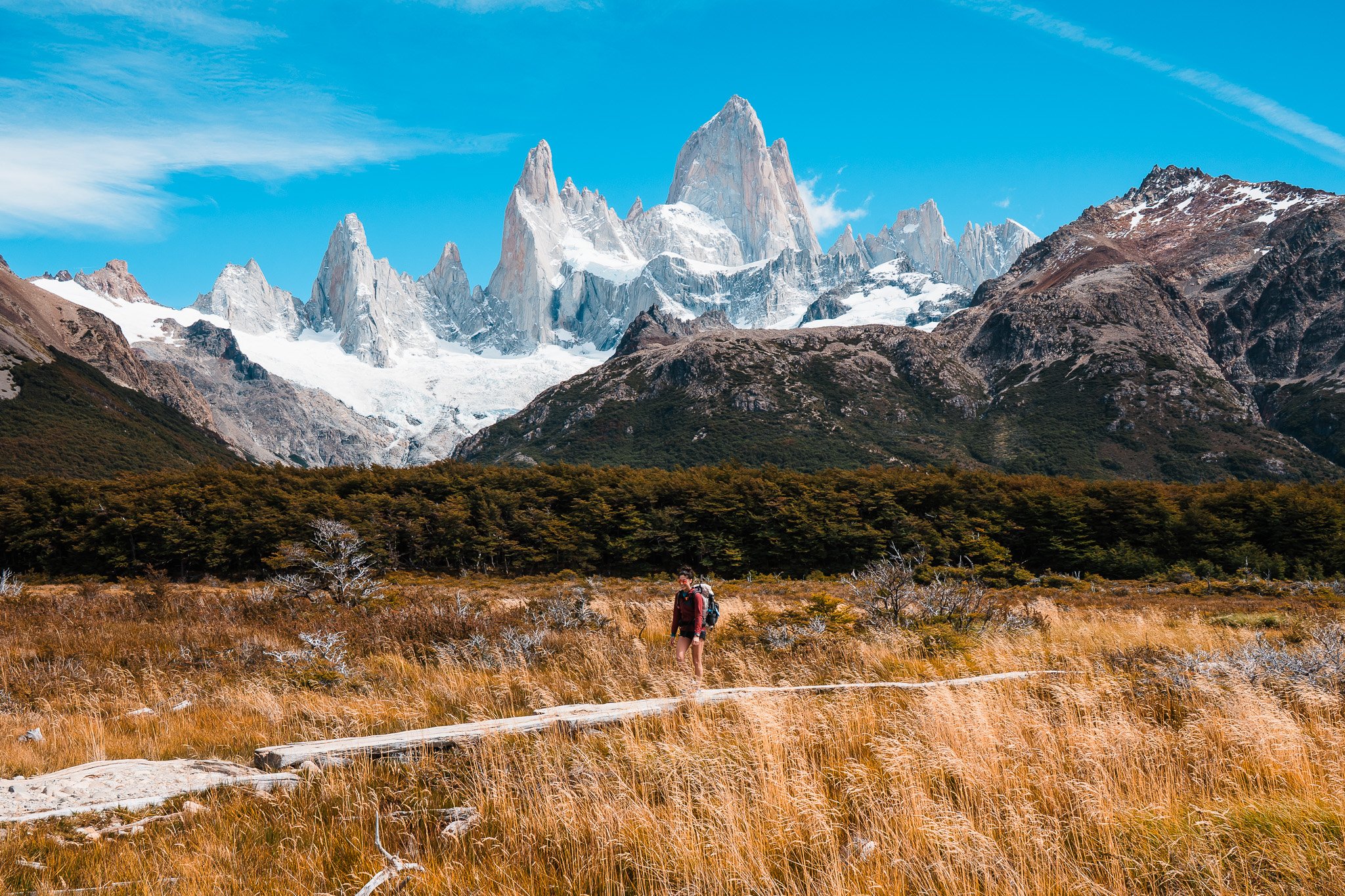
Day Hikes in El Chaltén
Most of the major trails start right from town, so you don’t need a rental car to access the best viewpoints. Popular day hikes include:
Lago de los Tres: The most popular hiking destination in El Chalten that is best done for sunrise. It is an alpine lake with iconic views of Fitz Roy.
Laguna Sucia: A stunning lake with views of Fitz Roy that includes some route finding and scrambling.
Laguna Piedras Blancas: A sometimes hard to follow trail after you leave the Poincenot campground, it takes you to a secluded alpine lake with a hanging glacier. We had this lake to ourselves after hiking from camp close.
Laguna Torre: A beautiful and moody lake below Cerro Torre with amazing glacier views and icebergs floating in the lake.
These trails make El Chaltén ideal for hikers of all levels looking to experience Patagonia’s beauty without committing to multi-day backpacking.
Backpacking in El Chaltén
During our trip, we completed two backpacking excursions and several day hikes. For a complete breakdown of routes, itineraries, and insider tips, check out my El Chaltén guide and full itinerary to help you plan your adventure.
Once you purchase your entry permit, backpacking to established camps like Poincenot and C.B. D'Agostini, you don’t need a permit to camp. Everything is first come first serve and free but the campsites are large and people camp very close together, so you will be able to get a spot. Camping is only allowed in certain areas, so you do need to camp at a campground. If you want to camp farther in at a bivy site or climbers camp, you do need to obtain a climbing permit from the ranger station. Certain longer treks like the Huemul Circuit also need a special permit from the rangers that you can get the day of.
Tours and Excursions in El Chaltén
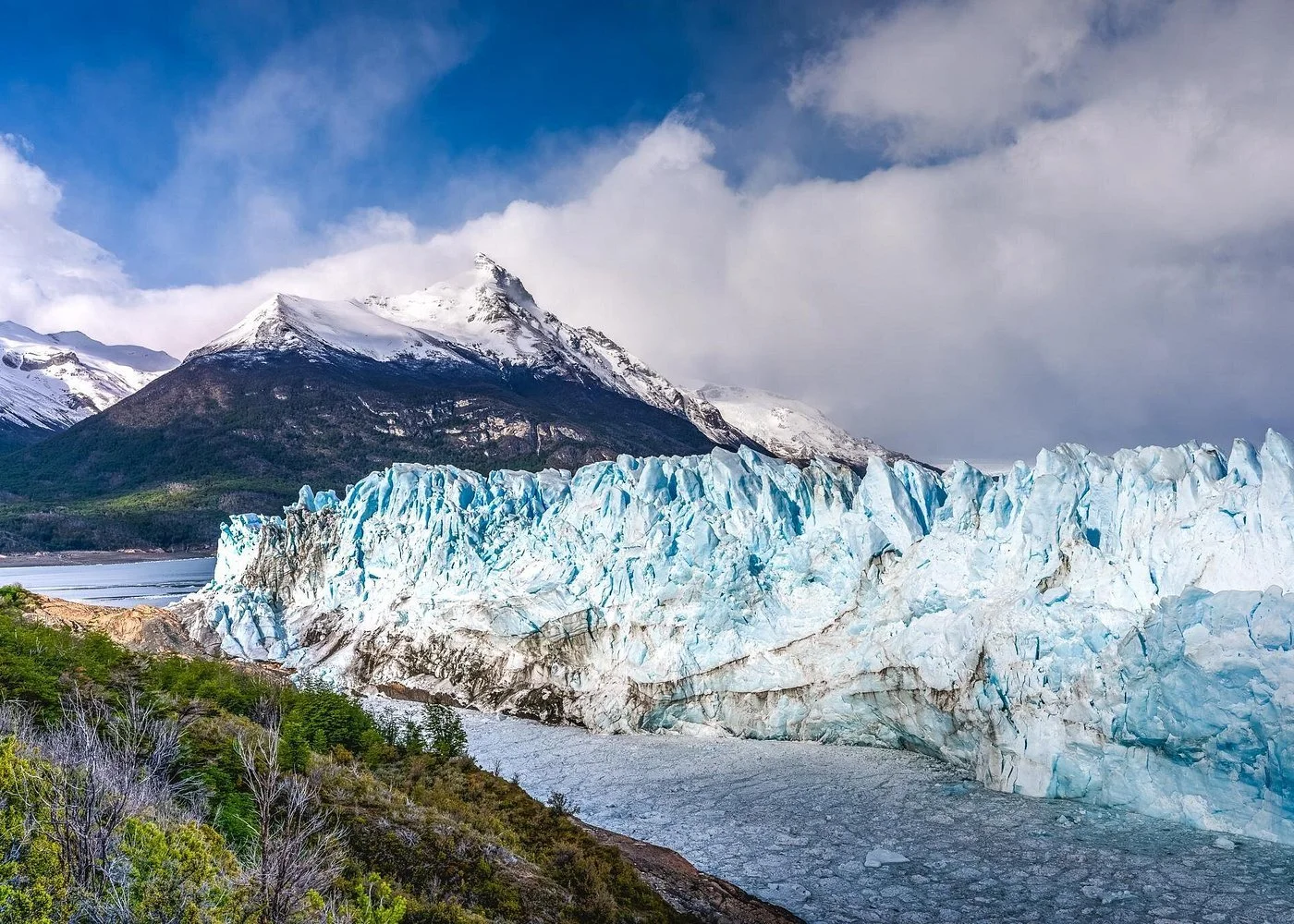
Photo credit: Viator tour of Perito Moreno Glacier
Adding On to Your Trip: Stop in El Calafate (It’s Worth It)
El Calafate makes an easy and worthwhile stop when traveling between Puerto Natales and El Chaltén, especially if you’re crossing between Chile and Argentina by bus. We spent a couple of nights here on our way north, and it’s a great place to slow down, grab good food, and reset between bigger trekking destinations. The town itself is cute and undeniably touristy, but it also offers some of the easiest access in Patagonia to glacier views and nearby national parks, making it a solid addition to any Patagonia itinerary.
Glacier Tours & Day Trips from El Calafate

Patagonia Packing List: Hiking and Backpacking Essentials
Everything I packed for Patagonia can be found here. I aimed to pack as minimally as possible, but full disclosure, I still brought a little too much. In the packing list below, anything crossed out is what I would leave behind if I go back.
We did all of our backpacking in both locations self-supported, carrying all our own gear and food without relying on refugios or guides. Having backpacked for years, this was the best way for us to experience Patagonia on our own terms.
A few items were hard to find locally in South America, especially freeze-dried meals and protein/meal bars. Knowing this ahead of time, we packed all of our freeze-dried meals in our checked bags and brought extra bars for quick snacks on the trail.


More Patagonia Guides & Resources
Planning a trip to Patagonia can feel overwhelming, but having the right resources makes all the difference. Here are some of my other guides to help you make the most of your adventure:
Hiking and Backpacking El Chalten, Patagonia - Detailed routes for day hikes and multi-day backpacking, plus insider tips for exploring Argentina’s trekking capital.
The O-Circuit in Torres Del Paine, Patagonia - A complete guide to the full 7–9 day trek, including maps, campsites, gear, and tips for backpacking.
Packing for Patagonia - Essential gear recommendations and a full checklist to ensure you’re prepared for all conditions.
The Best Ultralight Backpacking Gear - Tips for keeping your pack light without sacrificing comfort or safety, along with gear reviews on products I love.
Whether you’re planning your first trek or returning for another adventure, these guides will help you navigate Patagonia’s rugged landscapes, epic hikes, and unforgettable scenery.
Frequently Asked Questions about Traveling to Patagonia
Do I need permits to hike in Torres del Paine and El Chaltén?
Yes. In Torres del Paine, reservations and permits are required for camping and refugios, especially on the W and O Circuits. In El Chaltén, as of October 2024, an entrance fee is required for hiking trails within Los Glaciares National Park. Tickets can be purchased online, and camping fees apply for multi-day treks.
How many days should I spend in Torres del Paine or El Chaltén?
For Torres del Paine, plan 4–9 days depending on whether you do the W Trek (4 days) or O Circuit (7–9 days). In El Chaltén, 3–5 days allows time for both day hikes and multi-day backpacking. If your trip is shorter, focus on one area rather than trying to see both.
What is the best time of year to visit Patagonia?
The best months are October through April, when weather is milder and trails are accessible. December–February is peak season, so book accommodations and permits early. Shoulder seasons (October–November and March–April) offer fewer crowds, but some services may be limited.
What gear is essential for backpacking in Patagonia?
Key gear includes: waterproof and layered clothing, sturdy hiking boots, a reliable backpack, sleeping bag and pad, tent (if camping), trekking poles, water filtration, and portable food. See my Patagonia Packing List for a full checklist.
Can I do Patagonia independently or do I need a guide?
Both Torres del Paine and El Chaltén can be done independently. Torres del Paine requires careful planning for refugios and campsites, while El Chaltén allows self-supported backpacking with no permits for trails, aside from the entrance fee. Guided options are available for those who prefer extra support or local knowledge.
Final Thoughts on Planning Your Patagonia Adventure
If you are planning a trip this winter or spring, I am so excited for you! Patagonia is truly magical, and the experiences you will gain are priceless. I highly recommend taking two to four weeks if you want to explore both Torres del Paine and El Chaltén. If you only have a week, it’s best to focus on one destination so you have enough time to fully enjoy it.
Watch the O-Circuit on YouTube
Gear Discount Codes and Links
I’ve partnered with a few of my favorite outdoor brands to hook you up with exclusive discounts on trail-tested gear. These are companies I actually use and love, and when you shop through the links below, you’ll get a deal and help support my blog. Win-win!
20% off SkyGOAT (grid fleece) - Click the link and add code SKYEGOAT to your cart at checkout to get 20% off your order.
15% off LUNA Sandals - Click the link and the discount will be added to your cart automatically.
15% off Stio with code SKYE15 - Click the link and enter the code in your cart.
10% off Will and Bear hats with code SKYESTOURY - Click the link and the discount will be added to your cart automatically.
20% off Wild Deodorant with code SKYESTOURY- Must enter the promo code at checkout to receive discount. They make a deodorant mini that is perfect for backpacking, it’s the size of a lip balm.
10% off Loop Earplugs with code SKYE10 - Enter the promo code at checkout. I use their Dream earplugs for sleeping both backpacking and car camping.
Planning Your First International Trip Ever?
Planning your first international trip? This beginner-friendly guide covers everything from choosing a destination and booking flights to packing smart and navigating your arrival. Feel confident, prepared, and excited for your first adventure abroad.
Save This for Trip Planning!


The Perfect Tenerife Travel Guide: A 7 Day Itinerary for Spain’s Canary Islands
Badwater Basin Death Valley: How to Visit the Rare Temporary Lake
This image is copyrighted and owned by Skye Stoury Photography and skyestoury.com, if you would like to licence any images on this site, please email us at hello@skyestoury.com