
Badwater Basin Death Valley: How to Visit the Rare Temporary Lake
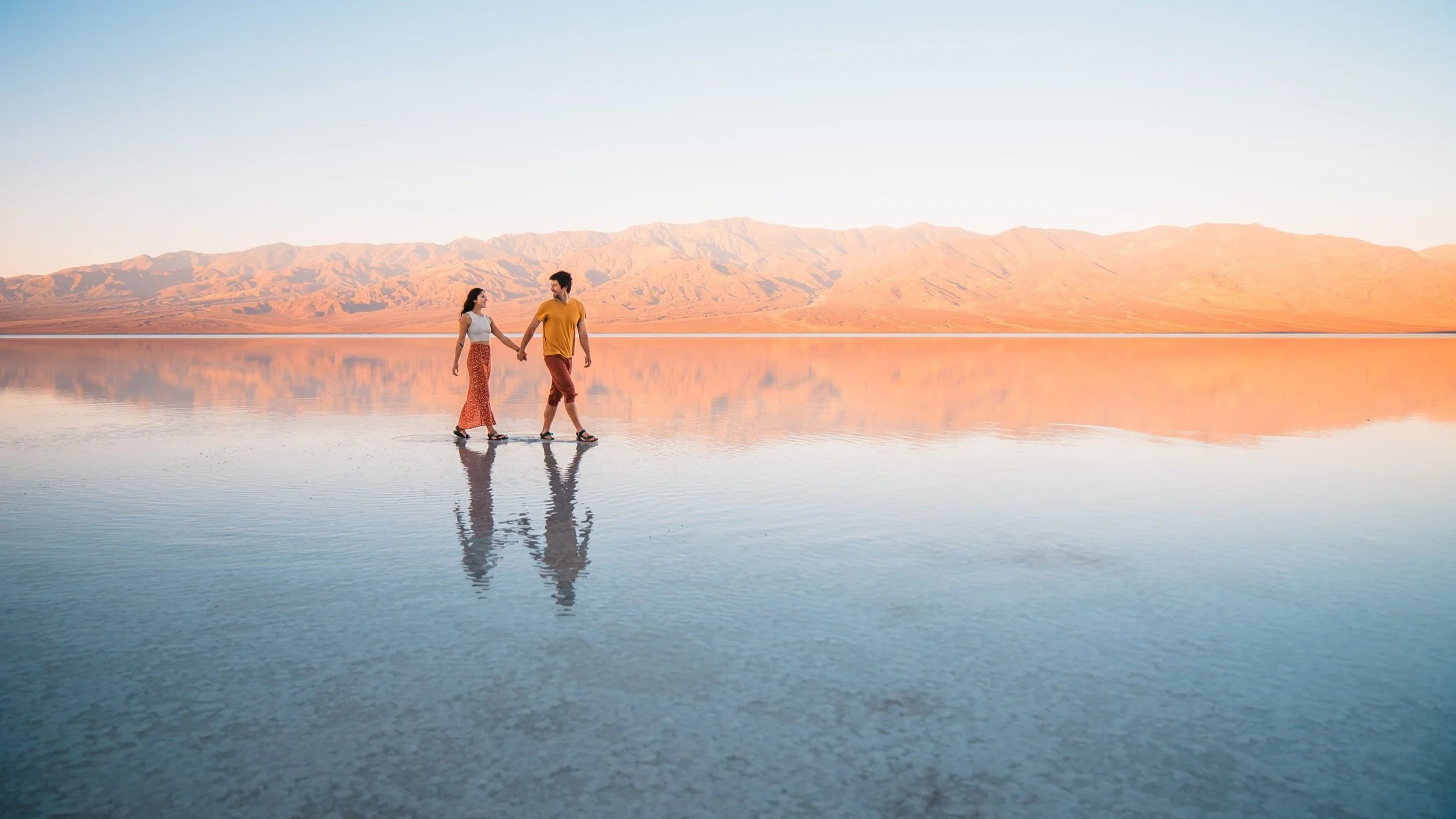
Experience Badwater Basin’s Rare Flooded Salt Flats (Manly Lake)
Badwater Basin, the lowest point in North America, has temporarily transformed into a shallow lake following heavy rains from Hurricane Hilary. The unusual rainfall created a 1–2 inch deep layer of water across parts of the salt flats, making this a rare opportunity to see the basin’s normally dry landscape shimmer like a mirror.
If you’re planning a visit, note that some roads in Death Valley National Park were damaged during the storms, so check in at the Visitor Center for current access updates. The drive to Badwater Basin is open, and Sunset Campground is currently operating on a first-come, first-served basis.
This temporary lake won’t last long, so if you want to experience Badwater Basin with water, now is the perfect time to plan a trip. For a full Death Valley itinerary and tips on other must-see spots in the park, check out our complete 24-hour Death Valley guide.
*This post was updated on 12/22/25 for the 2026 hiking season.
Table of Contents
Disclaimer: This blog post contains affiliate links, meaning I receive a small commission of every purchase made with my links at no additional cost to you. Sometimes there is even a discount code for my readers which I specify next to the links.
Visiting Death Valley’s Badwater Basin: Manly Lake Appears Every Few Years
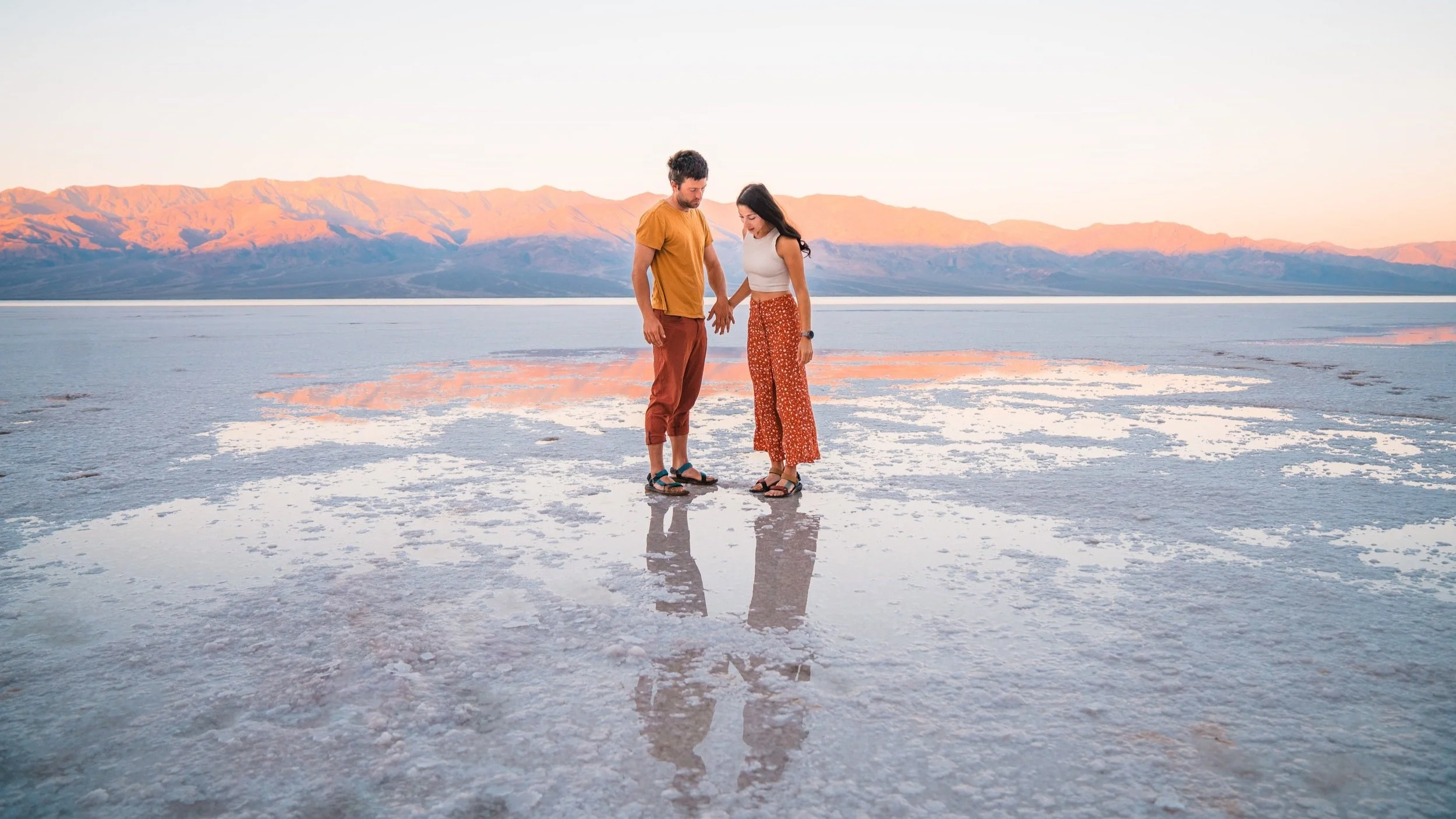
Badwater Basin in Death Valley National Park, the lowest point in North America, occasionally transforms into a shallow, reflective lake known as Manly Lake after rare heavy rains. We first visited in November 2023, right after Hurricane Hilary brought unusual rainfall, creating a 1–2 inch deep temporary lake across parts of the salt flats. That water event was short-lived, but now in December 2025, Manly Lake has reappeared, offering another rare chance to see the normally dry basin shimmer like a mirror.
During our 2023 visit, we camped at Sunset Campground to catch sunset and sunrise on the flats. Sunrise proved to be the best time, when the water was calm and reflective, while sunset was windier and less photogenic. Conditions can change quickly, and the temporary lake recedes within hours or days, so timing is crucial if you want to witness Manly Lake at its peak.
When we visited, we walked out onto the salt flats toward the temporary lake, which is about a mile and a half or more from the parking lot. As you get closer to the water, the salt can turn to mud, making it tricky to walk, in some areas we sank a few inches. Once we reached the section covered with about an inch of water, the salt was compact and easier to traverse.
If you plan on walking out to Manly Lake, wear sandals or shoes you don’t mind getting wet, muddy, and salty. We rinsed our feet and sandals off at the car afterward, but my Tevas still felt crunchy even after a thorough wash with soap!
If you’re planning a visit, check in at the Visitor Center for current road access and park conditions. For a full Death Valley itinerary and tips on other must-see spots in the park, see our complete 24-hour Death Valley guide.
Why There’s Water on the Salt Flats / Manly Lake
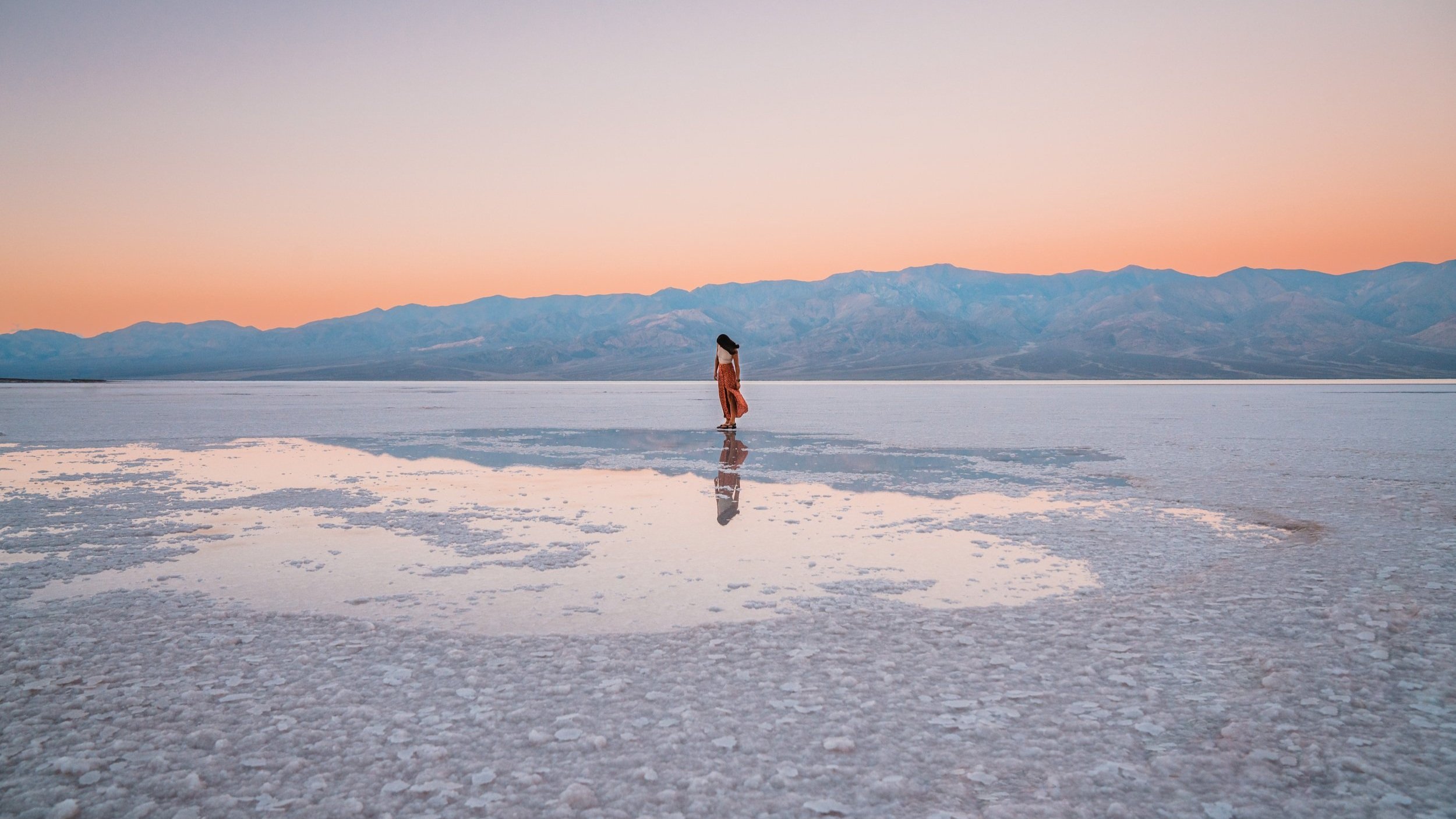
Badwater Basin sits at 282 feet below sea level, making it the lowest point in North America. Tens of thousands of years ago, this area was filled by a massive freshwater lake known as Lake Manly. Over time, evaporation cycles in the desert caused Lake Manly to dry up, leaving behind the vast salt flats that now cover nearly 200 square miles.
Occasionally, rare heavy rains, like those from Hurricane Hilary in 2023 or recent storms in December 2025, can temporarily refill sections of the basin, creating shallow, reflective water on the salt flats. This temporary lake, often called Manly Lake, only lasts a short time before evaporating, making these events a rare and spectacular sight.
Even when the basin is dry, Badwater Basin is worth visiting. The endless white salt flats, dramatic mountain backdrops, and unique desert landscape make it a surreal and unforgettable destination. The salt polygons, the sea-level marker, and the sense of standing in the lowest point of North America offer a truly one-of-a-kind experience, whether you catch it with water or without.
How to Get to Badwater Basin in Death Valley National Park
Badwater Basin is easily accessible by car from the main areas of Death Valley National Park.
From Furnace Creek:
Take Badwater Road south for about 17 miles. The road is paved and well-marked, leading directly to the Badwater Basin parking area.
From Stovepipe Wells:
Drive south on Highway 190 to Furnace Creek, then continue on Badwater Road. Total drive time is roughly 1–1.5 hours, depending on your starting point.
Parking:
There is a small parking lot at the trailhead, which can fill quickly during peak times. Arriving early in the morning or late in the afternoon helps secure a spot.
Accessibility:
The boardwalk at the trailhead is accessible for visitors with limited mobility, but walking out to the water involves uneven salt flats and, when the lake is present, shallow water and mud. Wear appropriate footwear and be prepared for wet, muddy conditions.
Pro Tip: Check current road conditions at the Visitor Center before heading out, especially after storms, as some sections may be temporarily closed.
What to Expect Onsite at Badwater Basin
Visiting Badwater Basin is a unique experience, and knowing what to expect will help you make the most of your trip.
Walking Distances: From the parking area, it’s about a mile and a half or more to reach the water. Depending on conditions, walking out and back can take 30–60 minutes.
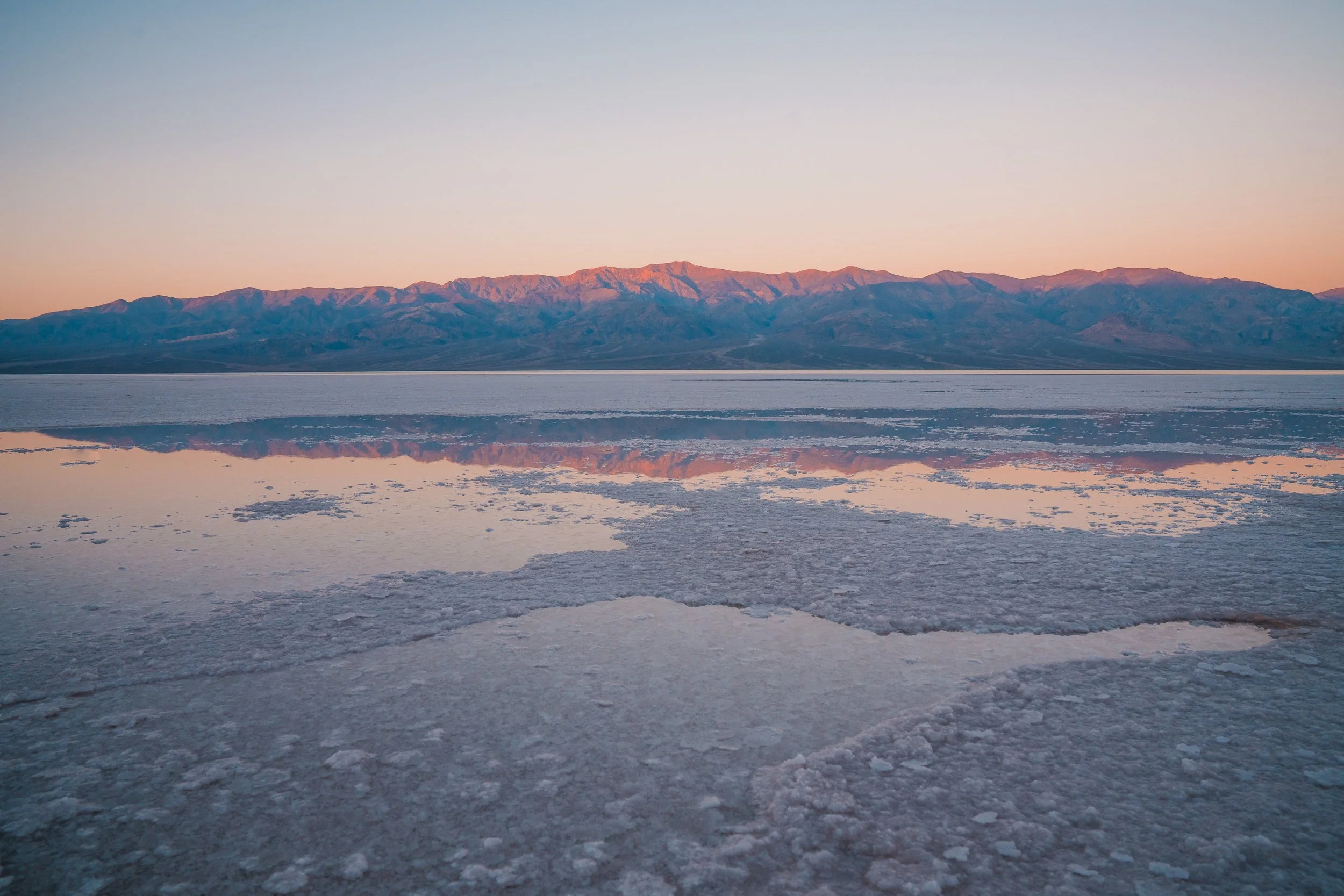
Terrain: The salt flats are mostly firm, but after heavy rains or when the temporary lake (Manly Lake) forms, the salt can turn to mud near the water. Shoes will get wet, muddy, and salty, sandals or shoes you don’t mind ruining are recommended.
Conditions: Temperatures in Death Valley can be extreme, even in cooler months, so bring plenty of water, sun protection, and wear layers. The wind can blow across the flats, especially in the late afternoon, so plan your visit accordingly.
Photography & Experience: Sunrise is typically the best time for reflections and calm water, while sunset can be windy and less photogenic. Even without water, the expansive salt flats, unique polygon patterns, and surrounding mountains create a surreal landscape that’s worth exploring.
Safety Tips: Stay hydrated, wear sun protection, and avoid walking too far during the hottest parts of the day. Always check current park conditions at the Visitor Center before venturing out.
Photography Tips at Badwater Basin
Badwater Basin offers some of the most surreal landscapes in Death Valley, making it a paradise for photographers. Whether you’re capturing the salt flats, the temporary Manly Lake, or the surrounding mountains, below are some tips.
Best Time to Shoot:
Sunrise: Calm water and soft light create perfect reflections on the temporary lake.
Sunset: Dramatic colors and shadows enhance the mountains and salt polygons, though wind can disturb the water.
Composition Tips:
Include the salt polygons in the foreground for texture.
Use leading lines along the cracks in the salt to guide the viewer’s eye.
Capture reflections on Manly Lake when present, shallow water creates mirror-like effects.
Gear & Settings:
Wide-angle lenses work best for expansive landscapes.
A tripod is helpful for low-light sunrise or sunset shots.
Neutral density filters can help manage bright sunlight for longer exposures.
Other Tips:
Keep your camera or phone away from salt and water to avoid damage.
Experiment with different angles, even without water, the patterns in the salt flats create striking images.
By planning your shots and visiting at the right time, you can capture the unique beauty of Badwater Basin and Manly Lake in all their surreal glory.
How to Spend 24 Hours in Death Valley
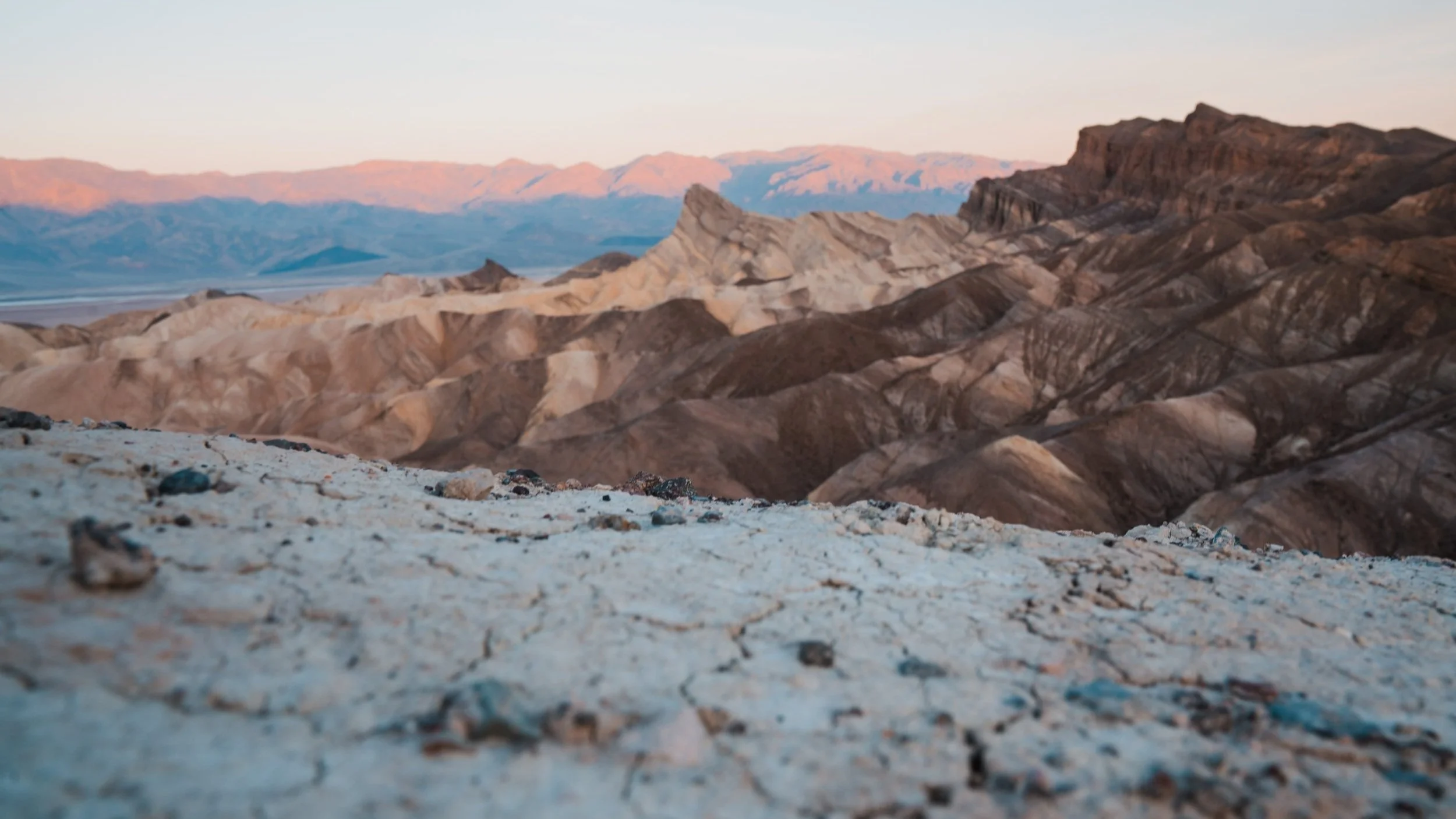
If you’re visiting Death Valley to see the temporary water at Badwater Basin, you don’t have to plan your entire trip from scratch. We’ve put together a complete 24-hour Death Valley guide that covers everything you need to know, from park passes and camping options to the best viewpoints and must-see stops. Whether you’re looking to explore the salt flats, catch sunrise at Zabriskie Point, or experience other iconic spots in the park, this itinerary will help you make the most of your visit.
Even if you only have a day, it’s easy to include Badwater Basin in a well-planned route, and our guide provides timing tips, recommended stops, and insider advice to help you see the highlights efficiently.
Planning Your Visit to Death Valley
Badwater Basin is a must-see destination in Death Valley National Park, and a little planning can make your visit much more enjoyable.
Best Time of Day: Sunrise is ideal for calm, reflective water and cooler temperatures. Sunset can be windy, which disturbs the temporary lake and makes photography more challenging.
Seasonal Considerations: Death Valley is extremely hot in summer, so late fall through early spring is the safest and most comfortable time to visit. The temporary lake, Manly Lake, only forms after rare heavy rains, so check current conditions before heading out.
Time Needed: Walking from the parking area to the water can take 20–30 minutes each way. Plan at least 1–2 hours to explore and take photos without feeling rushed.
Check Park Conditions: Road closures or damaged areas can occur after storms, so stop at the Visitor Center in Furnace Creek to get up-to-date information.
More Resources: For a full itinerary, park passes, and camping details, see our complete 24-hour Death Valley guide.
Best Time to Visit Death Valley
Death Valley is known for its extreme heat, especially in late spring and summer, so the most comfortable and safe time to visit is from late fall through early spring. Even in early April, temperatures can climb into the 80s°F, so plan accordingly.
No matter the season, staying hydrated is critical. Bring plenty of water for hiking and exploring, especially if you plan to walk out onto Badwater Basin’s salt flats. Visitor centers and campgrounds provide refill stations, but it’s a good idea to carry extra, we kept about three gallons of water in our vehicle while driving around the park. Even a short two-mile round-trip hike on the flats can easily require a liter of water per person.
Planning your visit during the cooler months and staying prepared with water will make your Death Valley experience safer and far more enjoyable.
Park Entry Fees
You do need a national parks pass to visit the park, this can be an America the Beautiful annual pass, or a day pass. You need to display your pass at all times since there is not a guard station you enter. There are payment kiosks on your way in and you can pay in person at a visitor center. We headed into the Furnace Creek Visitor Center to show our America the Beautiful pass and get a parking pass to put in our window right away.
Nearby Attractions & Day Trip Options
While visiting Badwater Basin, there are several other iconic spots in Death Valley National Park that are worth including in your trip:
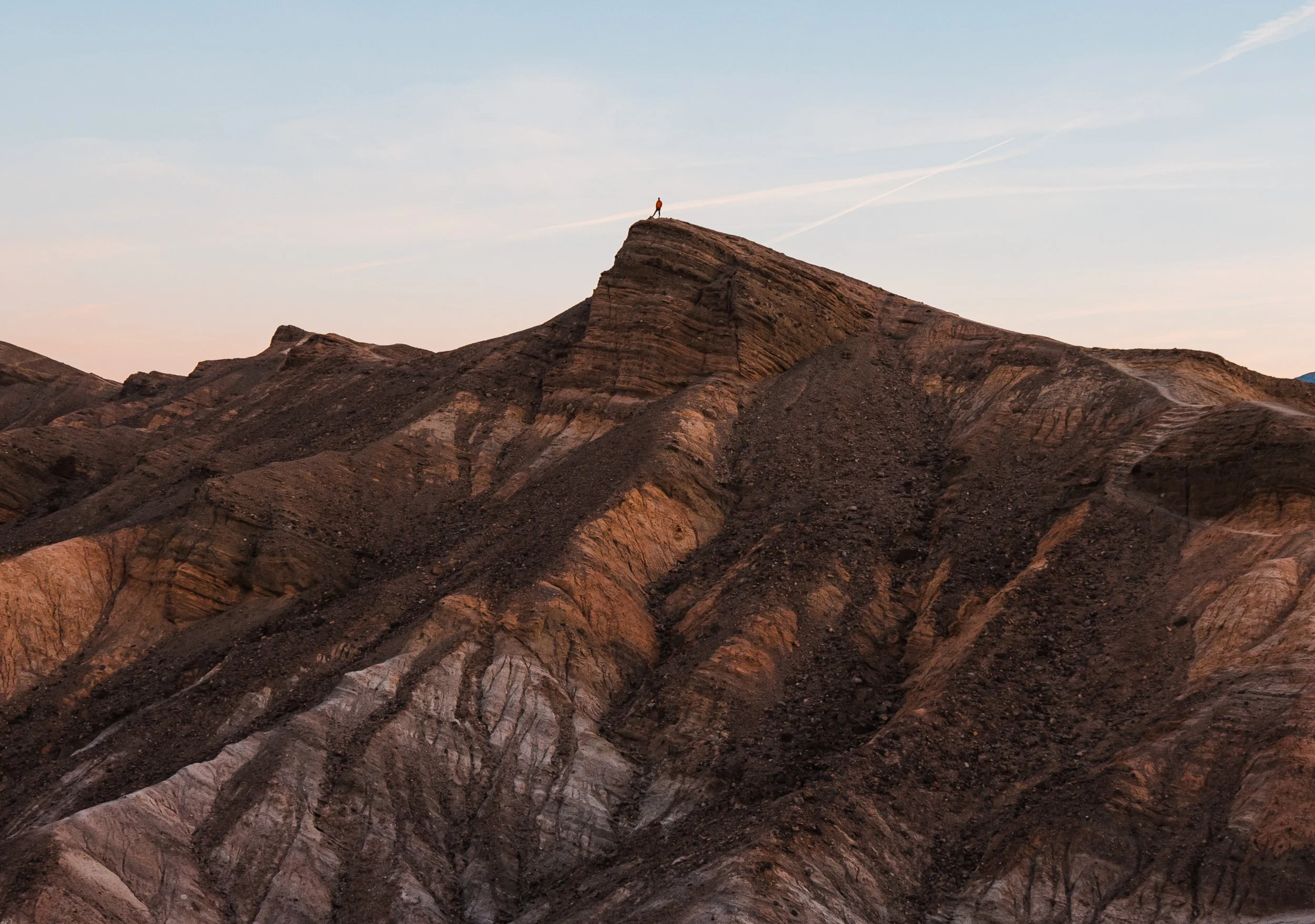
Zabriskie Point: Famous for its colorful badlands and sunrise views. Just a short drive from Badwater Basin, it’s perfect for photography.
Dante’s View: Offers panoramic views of the valley and salt flats, a must-see for first-time visitors.
Mesquite Flat Sand Dunes: Great for hiking and capturing the classic desert dune landscape.
Artist’s Drive & Palette: A scenic one-way drive showcasing vivid, multicolored hills.
Furnace Creek Area: Home to visitor services, camping, and several short hikes.
For a detailed itinerary and tips on timing your visit to these attractions, check out our complete 24-hour Death Valley guide. You can easily plan a full day that includes Badwater Basin while experiencing the park’s other highlights.
Tours in and Near Death Valley National Park
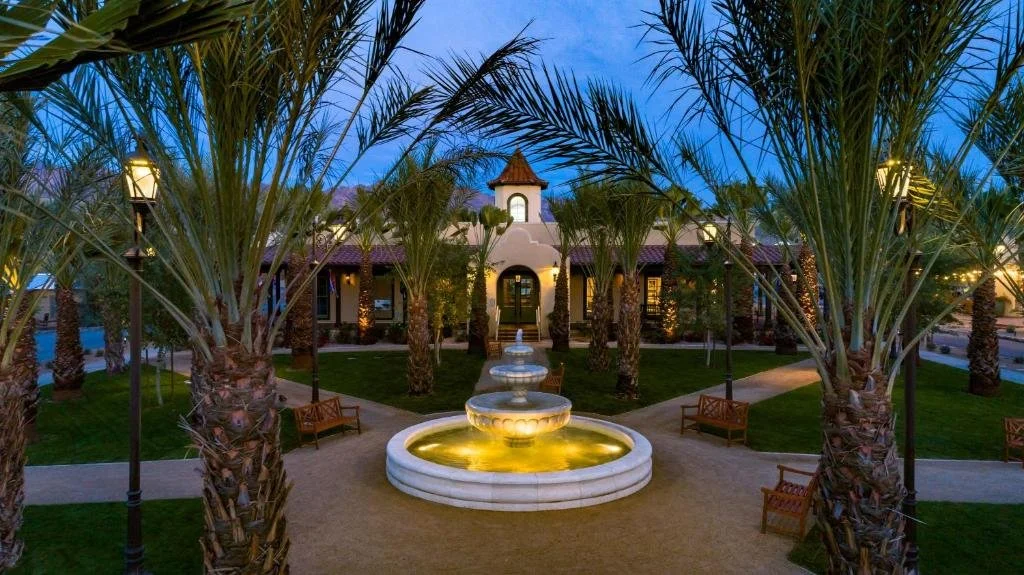
Photo credit: booking.com The Ranch At Death Valley
Where to Stay Near Badwater Basin
Visiting Badwater Basin is easier and more enjoyable if you plan to stay nearby. Depending on your preferences, Death Valley National Park offers both camping and hotel options.
If you want the ultimate convenience, consider renting a campervan from Moterra in Las Vegas. Their vans come fully equipped for desert adventures, letting you sleep, cook, and explore all in one cozy ride, no tent setup required. It’s the easiest way to make the most of your time in the park, especially if you’re tackling the 24-hour Death Valley itinerary.
Camping in the Park
Sunset Campground: This is the main campground for the Death Valley area. Basically a massive parking lot, the campground provides running water, flushing toilets and ease of access to the rest of the park.
Cost: $14/night
Amenities: Flush toilets, potable water, dishwashing station
Type: Best for vans, car campers, and RVs (not ideal for tents)
Reservations: First come, first served
If you prefer a more tent-friendly or scenic spot, check out:
Texas Springs Campground – smaller sites, better views and just down the road from Sunset Campground.
Furnace Creek Campground – Next to the visitor center, this campground is the only site that takes reservations on Recreation.gov
Lodging in and Around the Park
If you’re not into camping or staying in an RV, there are a few hotels within the park that make great options.
The Ranch At Death Valley - Located near the Furnace Creek Visitor center, the The Ranch At Death Valley provides accommodations with an outdoor swimming pool and a tennis court and onsite restaurant.
The Inn at Death Valley - Definitely the luxury option in the park, the Inn at Death Valley gives visitors stunning views of the valley and provides an outdoor pool, palm tree laden property and an onsite restaurant.
Stovepipe Wells Village - A 5 minute drive from the from the Mesquite Flat Sand Dunes, Stovepipe Wells Village in Death Valley offers family rooms with private bathrooms, air-conditioning, and free WiFi.
Badwater Basin FAQs
Is Badwater Basin accessible year-round?
Yes, Badwater Basin is open year-round, but conditions vary. Summer temperatures can exceed 110°F (43°C), making daytime visits unsafe. Winter and cooler months are the most comfortable times to explore the salt flats.
Can you walk on the water at Badwater Basin?
You can walk out onto the flats, including areas with temporary water (Manly Lake), but the terrain can be muddy and slippery. Wear shoes you don’t mind getting wet or salty, and be prepared for uneven surfaces.
How long does the temporary lake last?
The water only lasts a short time, usually days to a week, depending on rainfall and evaporation. The most recent events occurred in November 2023 and again in December 2025.
Are pets allowed at Badwater Basin?
Yes, pets are allowed on a leash, but bring plenty of water for them and avoid visiting during the hottest parts of the day.
How far is the walk from the parking area to the water?
It’s about a mile and a half one way. Depending on conditions and stops for photos, the round trip can take 30–60 minutes.
Is it safe to visit Badwater Basin alone?
It’s generally safe, but always bring water, sun protection, and a fully charged phone. Let someone know your plans, especially if walking far onto the flats.
What should I bring when visiting Badwater Basin?
Essential items include water, sun protection (hat, sunscreen, sunglasses), appropriate footwear, and a camera. A small snack and layered clothing are also recommended for temperature changes between morning and afternoon.
Final Thoughts on Visiting Badwater Basin with Water
Badwater Basin is one of Death Valley National Park’s most iconic landscapes, offering a surreal experience whether the salt flats are dry or temporarily filled with water as Manly Lake. Visiting during the cooler months, planning your trip carefully, and staying hydrated will make your adventure safe and enjoyable.
Even if the temporary lake isn’t present, the vast salt flats, dramatic mountain backdrops, and unique geological features make Badwater Basin a must-see destination. Sunrise and sunset provide the best light for photos and reflections, so timing your visit can make all the difference.
For a complete itinerary, including camping, hiking, and the park’s other highlights, check out our 24-hour Death Valley guide. With a little planning, your visit to Badwater Basin can be a memorable highlight of your Death Valley adventure.
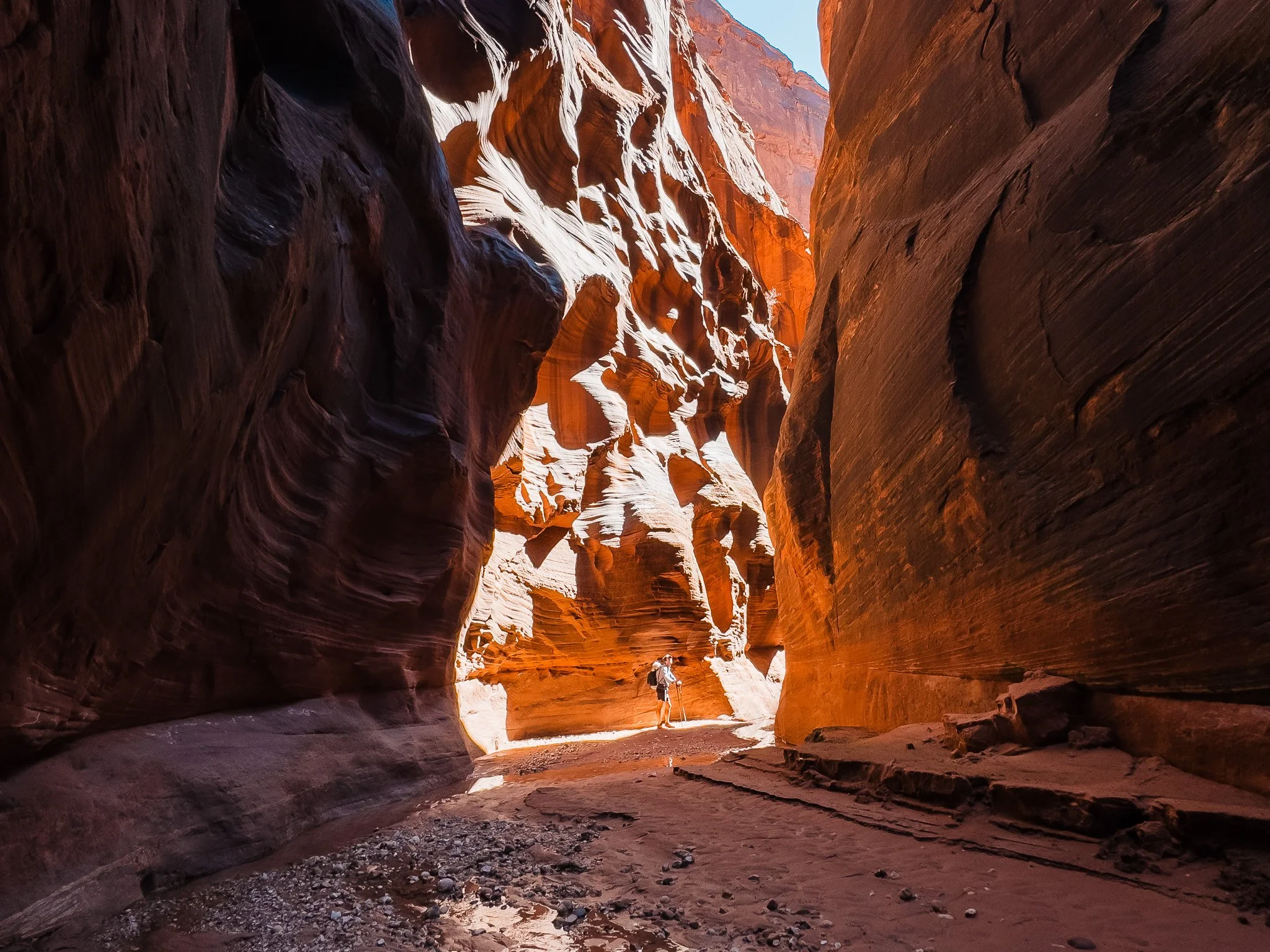
More Desert Guides & Gear Reviews to Check Out Next
So You Want to Go to Patagonia: The Ultimate Patagonia Guide for Hiking, Backpacking, and Travel Essentials
We Took Our Own Engagement Photos
This image is copyrighted and owned by Skye Stoury Photography and skyestoury.com, if you would like to licence any images on this site, please email us at hello@skyestoury.com