
24 Hours in Death Valley National Park: The Perfect Weekend Itinerary
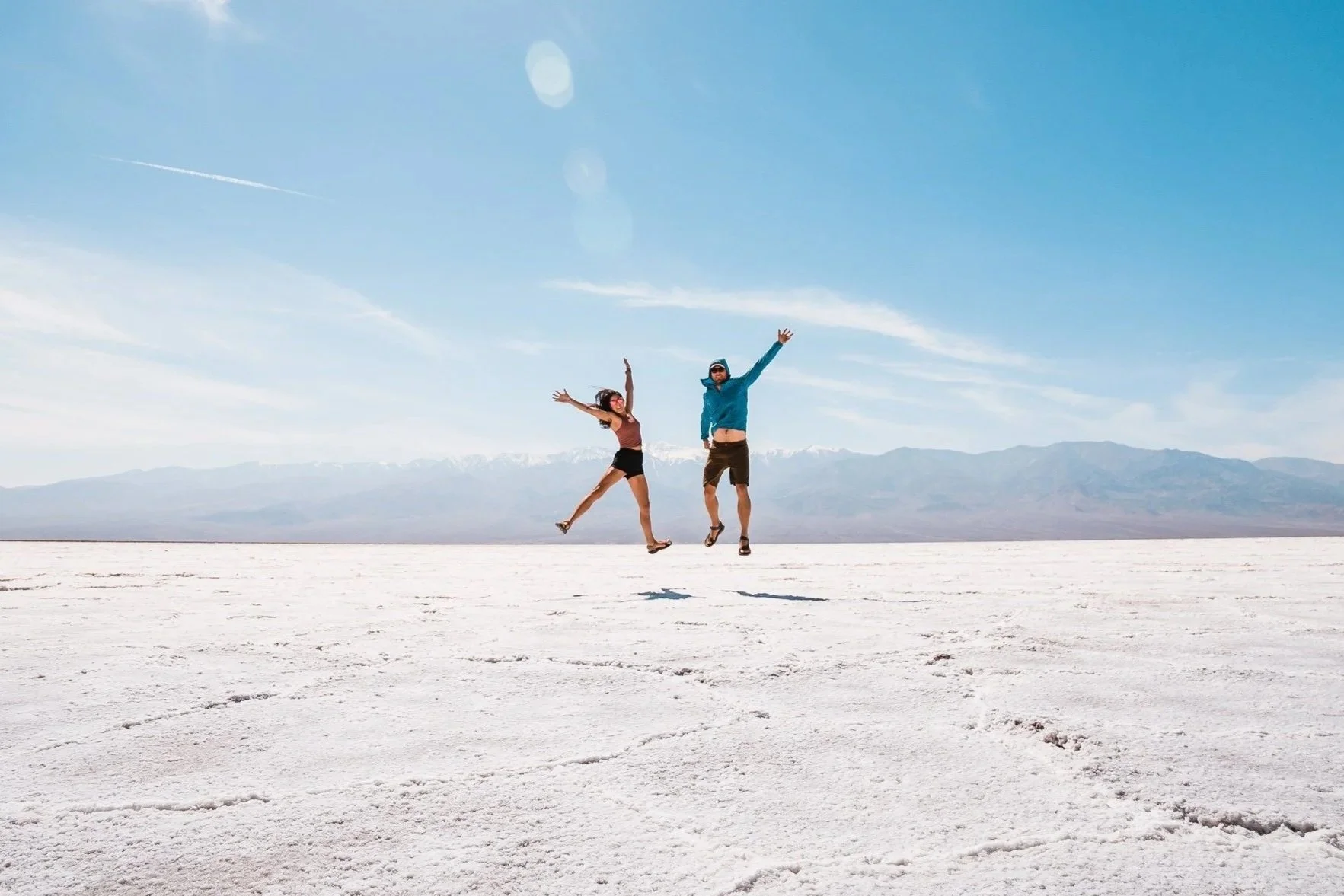
Why Death Valley Deserves a Spot on Your National Park Bucket List
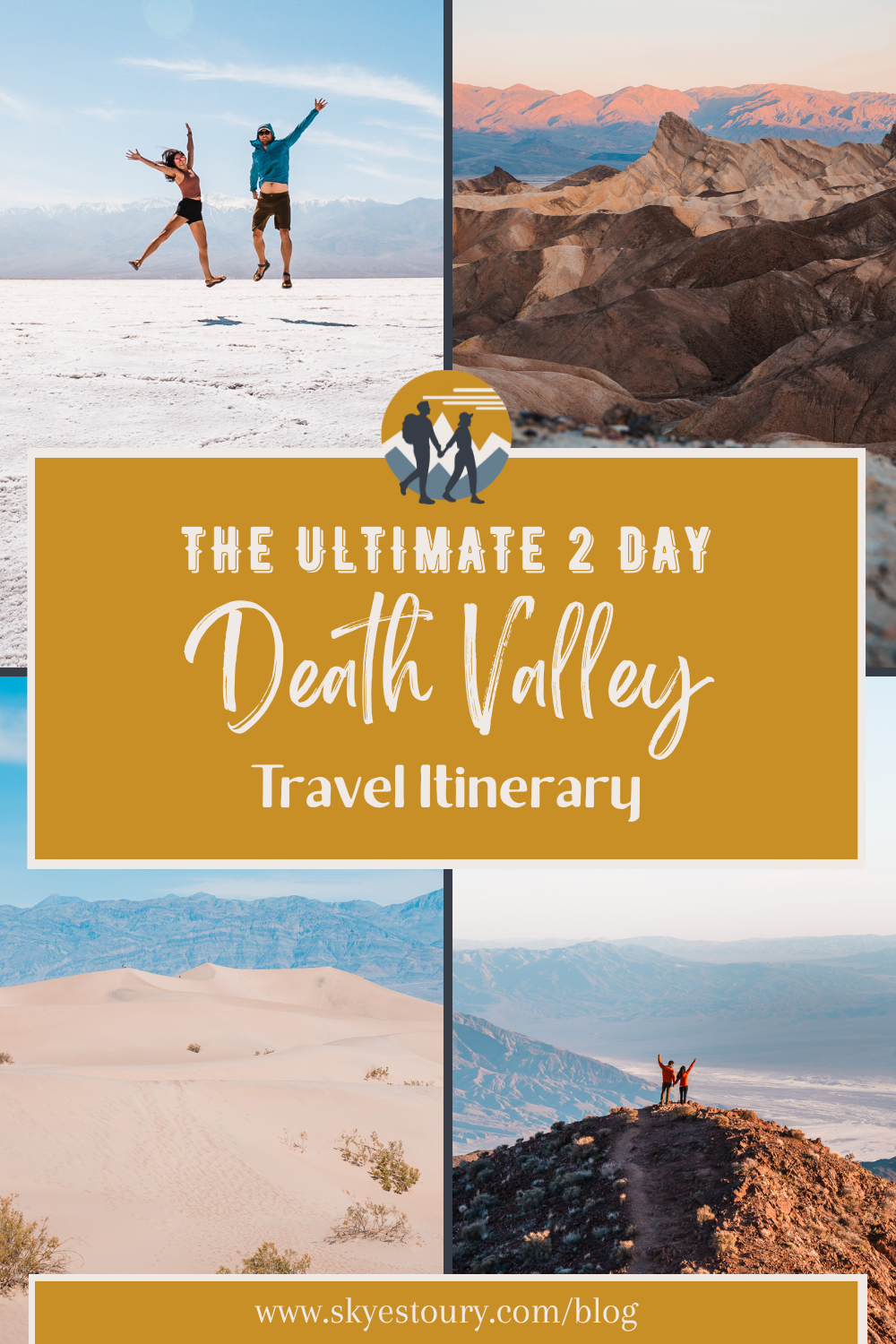
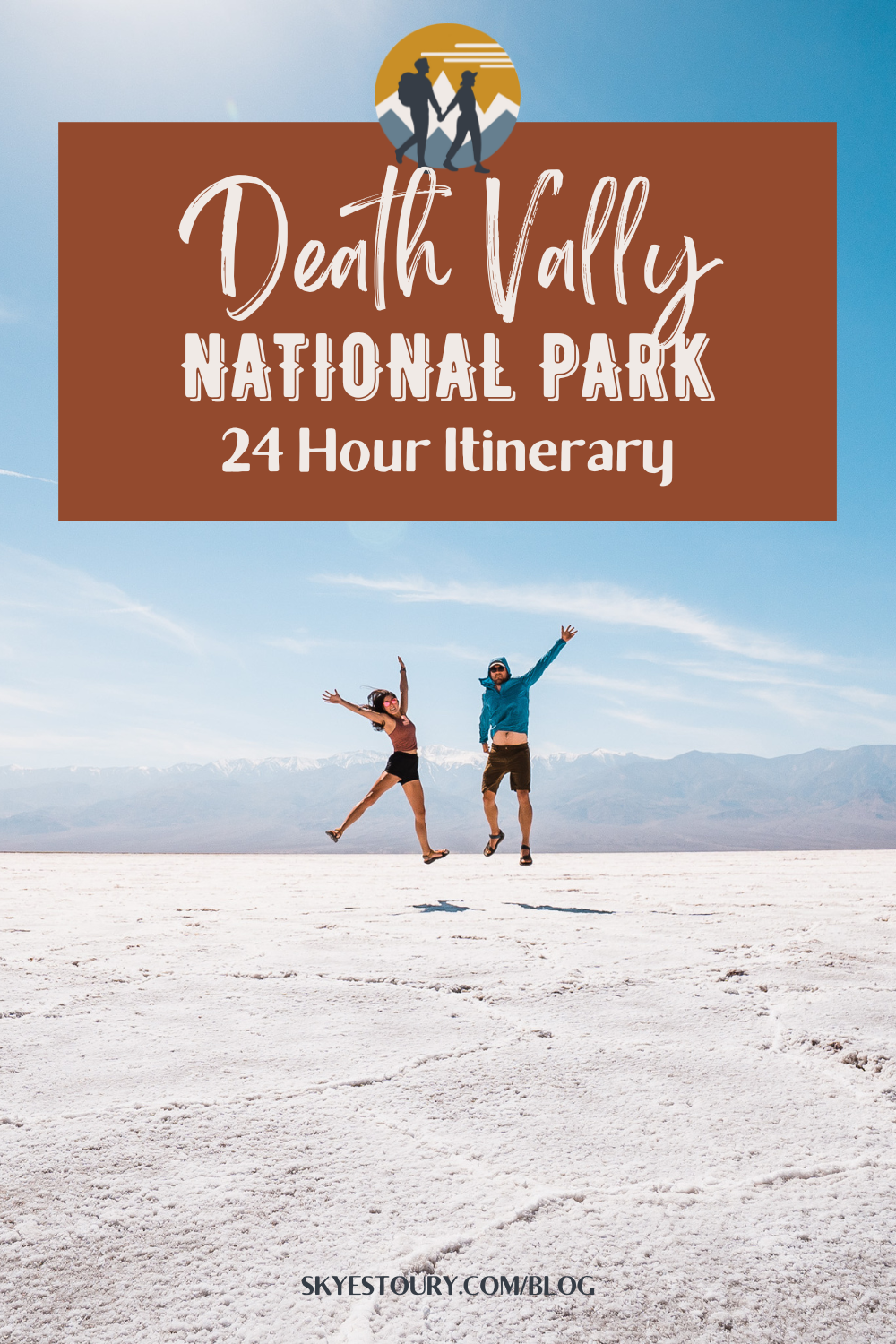
Death Valley is a majorly underrated national park and has a lot of unique areas to explore. On several trips through Las Vegas to California, we've stopped to spend 24 hours in the park and visit all the major attractions. So you don’t need a lot of vacation days to visit this park, you actually can see it all in a weekend. In this guide, you will find everything you need to know for an amazing 24 hours in Death Valley, or split it up into a longer weekend if you want more time. Keep reading for the full 24 hour itinerary below, which we broke up into two days and one night of camping in the park.
Disclaimer: This blog post contains affiliate links, meaning I receive a small commission of every purchase made with my links at no additional cost to you. Sometimes there is even a discount code for my readers which I specify next to the links.
Table of Contents
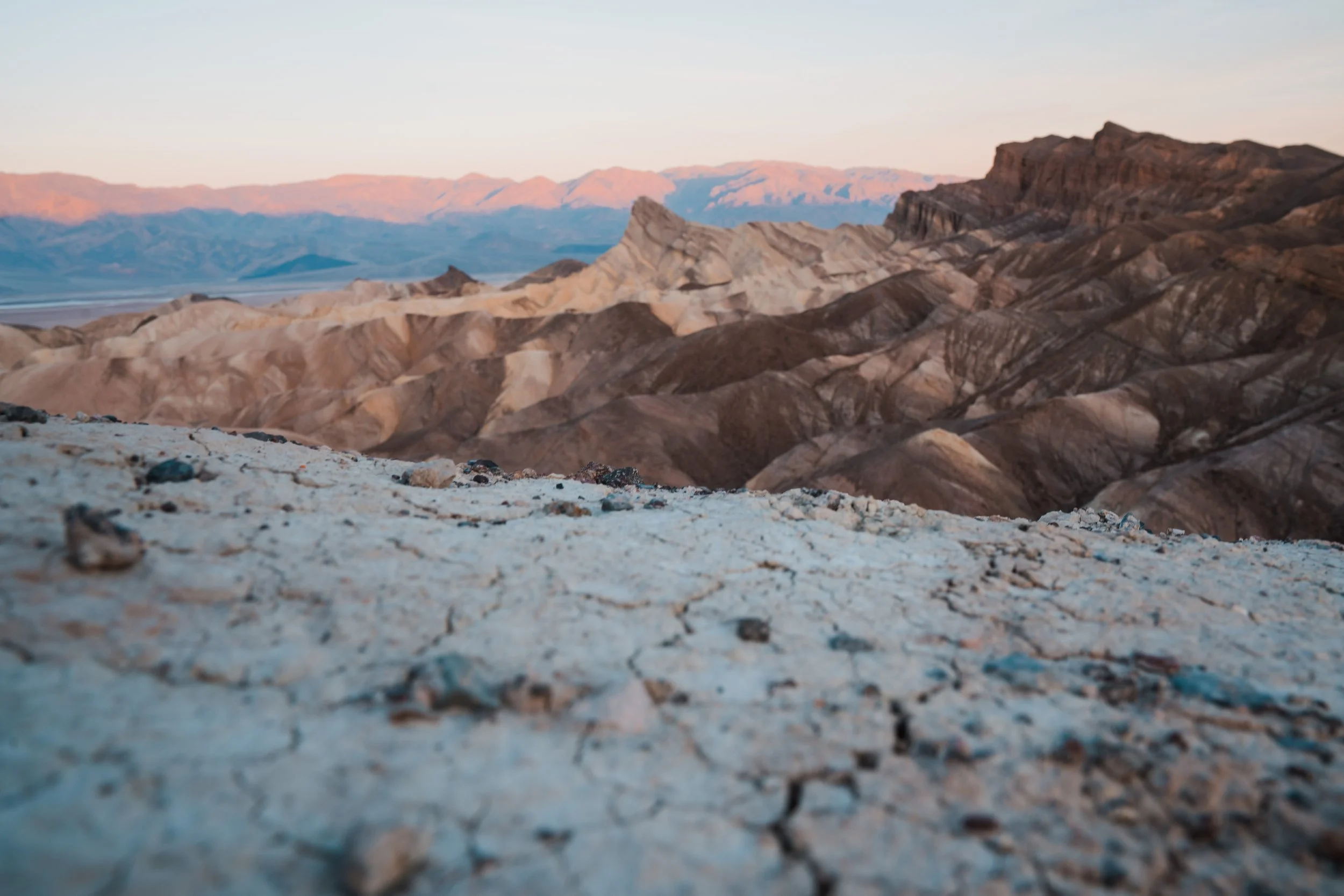
Getting to Death Valley National Park
Death Valley might feel remote, but it’s surprisingly easy to reach whether you’re coming from California or Las Vegas. Most visitors enter the park from the east via Nevada, which offers smooth, scenic desert drives and plenty of fuel stops along the way.
From Las Vegas (2 hours, 120 miles):
Take Highway 160 west through Pahrump, then connect to CA-190 toward Furnace Creek. This is the fastest and most direct route and a great option if you’re flying into Vegas and renting a Moterra campervan or renting a car for a desert road trip.
From Los Angeles (4.5–5 hours, 260 miles):
Head north on Highway 395 through Lone Pine, then turn onto CA-190 east into the park. This drive is stunning. You’ll skirt the base of the Sierra Nevada mountains before dropping into the valley.
From San Francisco (7.5–8 hours):
Take I-5 south, cut across Bakersfield, and merge onto Highway 395 toward Lone Pine. It’s a long drive but perfect for a long weekend loop through Yosemite, Mammoth Lakes, and Death Valley.
Pro Tip: Gas stations are few and far between inside the park. Fill up in Pahrump or Stovepipe Wells or Furnace Creek before exploring. Bring plenty of water and snacks, and download offline Google Maps since cell service is spotty.
Best Time to Visit Death Valley
Death Valley gets very hot in the spring and summer, so the best time to visit is from late fall to early spring. We visited in early April and it was already in the 80s. No matter what time you visit, bring lots of water with you on hikes. You can fill up water at the visitor center and campgrounds, and we kept three gallons of water in the van with us while driving around. Even just hiking two miles out and back in Badwater Basin, we drank about 1L of water.
Park Entry Fees
You do need a national parks pass to visit the park and this can be an America the Beautiful annual pass or a $30 day pass. You need to display your pass at all times since there is not a guard station you enter. There are payment kiosks on your way in and you can pay in person at a visitor center. We headed into the Furnace Creek Visitor Center to show our America the Beautiful pass and get a parking pass to put in our window right away.
The Perfect 24-Hour Death Valley Itinerary
If you only have one or two days in Death Valley National Park, this itinerary hits the park’s most iconic viewpoints, best short hikes, and one epic sunrise-to-sunset experience. You can easily follow it on a weekend road trip or as part of a Las Vegas to Death Valley itinerary. And if you have more time, you can still follow this itinerary but spend more time in each spot and turn it into three or even four full days.
Day 1 – Afternoon Arrival + Scenic Highlights
12:00 PM – Stop at Furnace Creek Visitor Center
After driving in, start your trip with a quick stop at the Furnace Creek Visitor Center. Grab a park map, refill your water bottles, and check for any trail or road closures.
12:30 PM – Set Up Camp at Your Campground
Head to one of the three nearby campgrounds (Texas Springs, Furnace Creek, Sunset). See the camping section below for more details. Every time we camp in Death Valley, we have camped at the Sunset Campground, and it’s been a great experience.
1:30 PM – Explore Badwater Basin Salt Flats
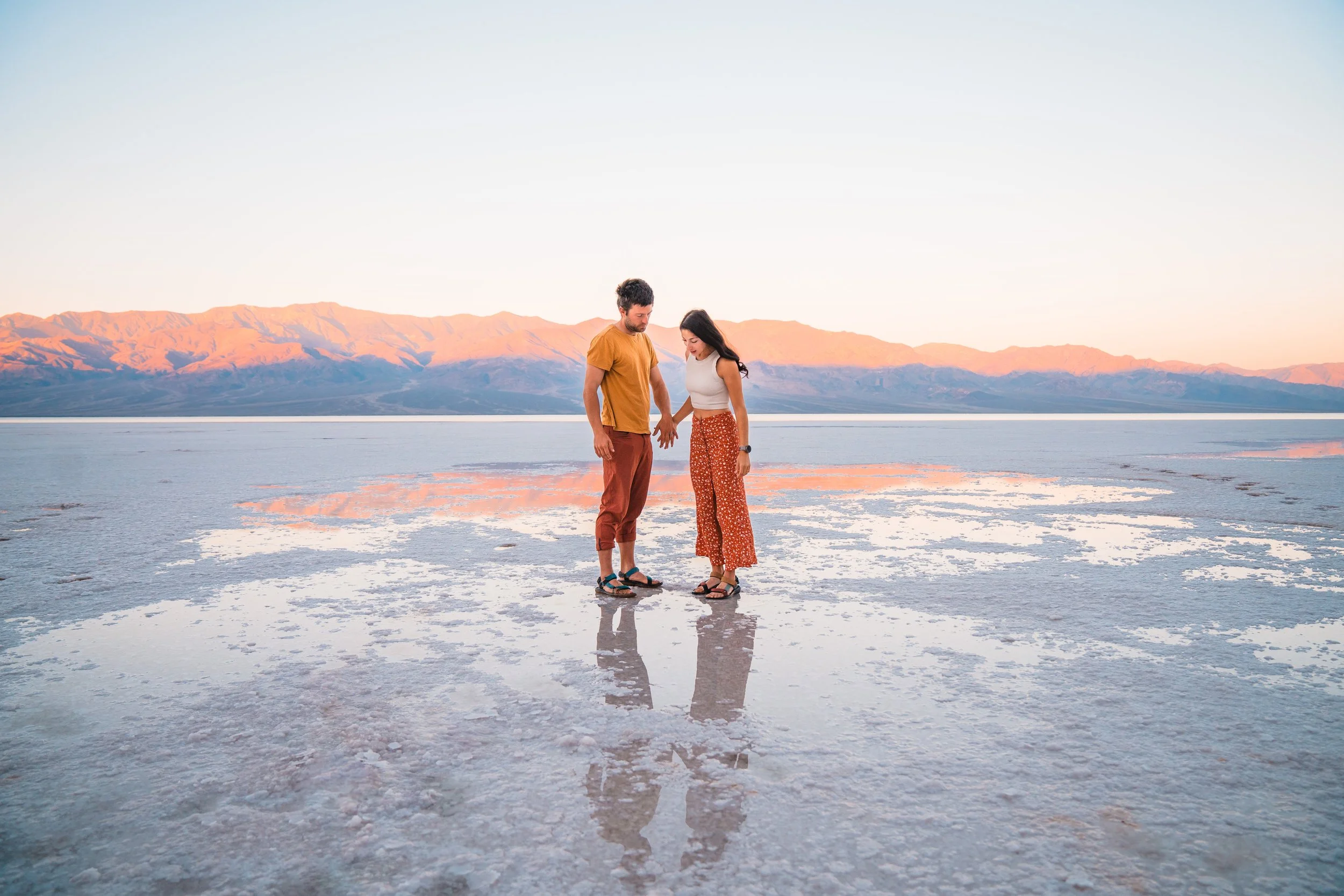
Drive 30 minutes to the surreal Badwater Basin, the lowest point in North America at 282 feet below sea level. Hike about a mile or farther out onto the salt flats for the best photo spots. If you’re visiting after rain, you might find the temporary Manly Lake shimmering across the salt.
I recommend wearing sandals or shoes you don’t mind getting muddy. The salty ground can get slick and sticks to your shoes. Make sure to wash your shoes or sandals off after your hike to avoid getting salt all over your car.
3:00 PM – Cruise Artist’s Drive + Stop at Artist’s Palette
Continue to Artist’s Drive, a scenic 9-mile loop through colorful, mineral-stained hills. Park at Artist’s Palette and take a short stroll into the pastel-colored canyon for amazing late-afternoon light. The best time is typically 3–5 PM when the sun brings out the full spectrum of pinks, greens, and purples.
5:00 PM – Sunset Dinner at Dante’s View
Drive up to Dante’s View for golden-hour panoramas over the entire valley. This overlook is 5,000 feet above the salt flats and offers some of the best views in the park. Bring a camping Jetboil stove or camp cook setup to make dinner as the sun sets. It’s a perfect picnic spot.
8:00 PM – Return to Camp + Stargaze
Death Valley is a Certified International Dark Sky Park, so don’t miss the chance to stay up for stargazing. The lack of light pollution means you’ll see the Milky Way in stunning detail. Pack a lightweight tripod or stargazing app to capture night-sky shots.
Day 2 – Sunrise View Points & Afternoon Departure
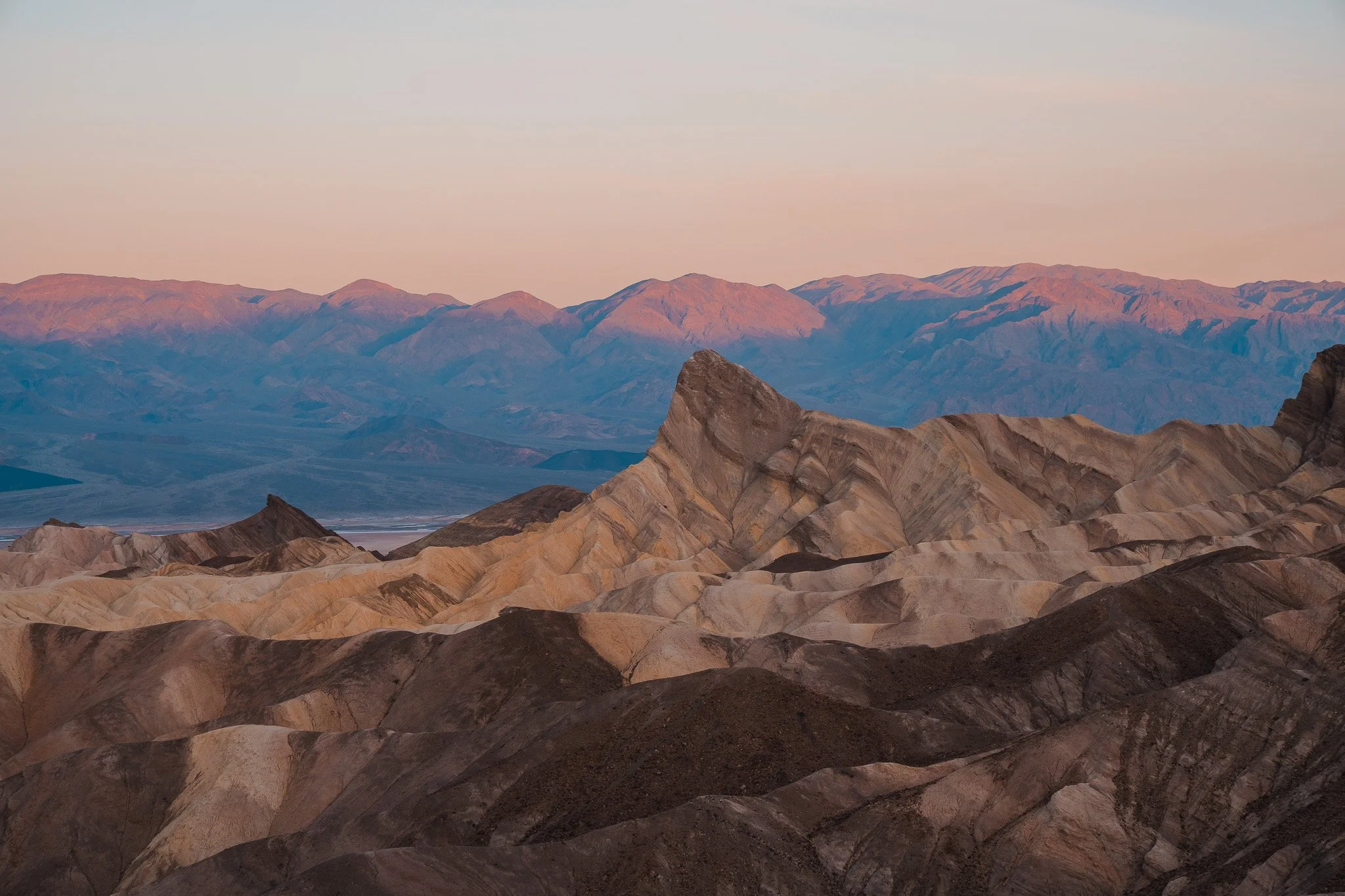
5:30 AM – Sunrise at Zabriskie Point
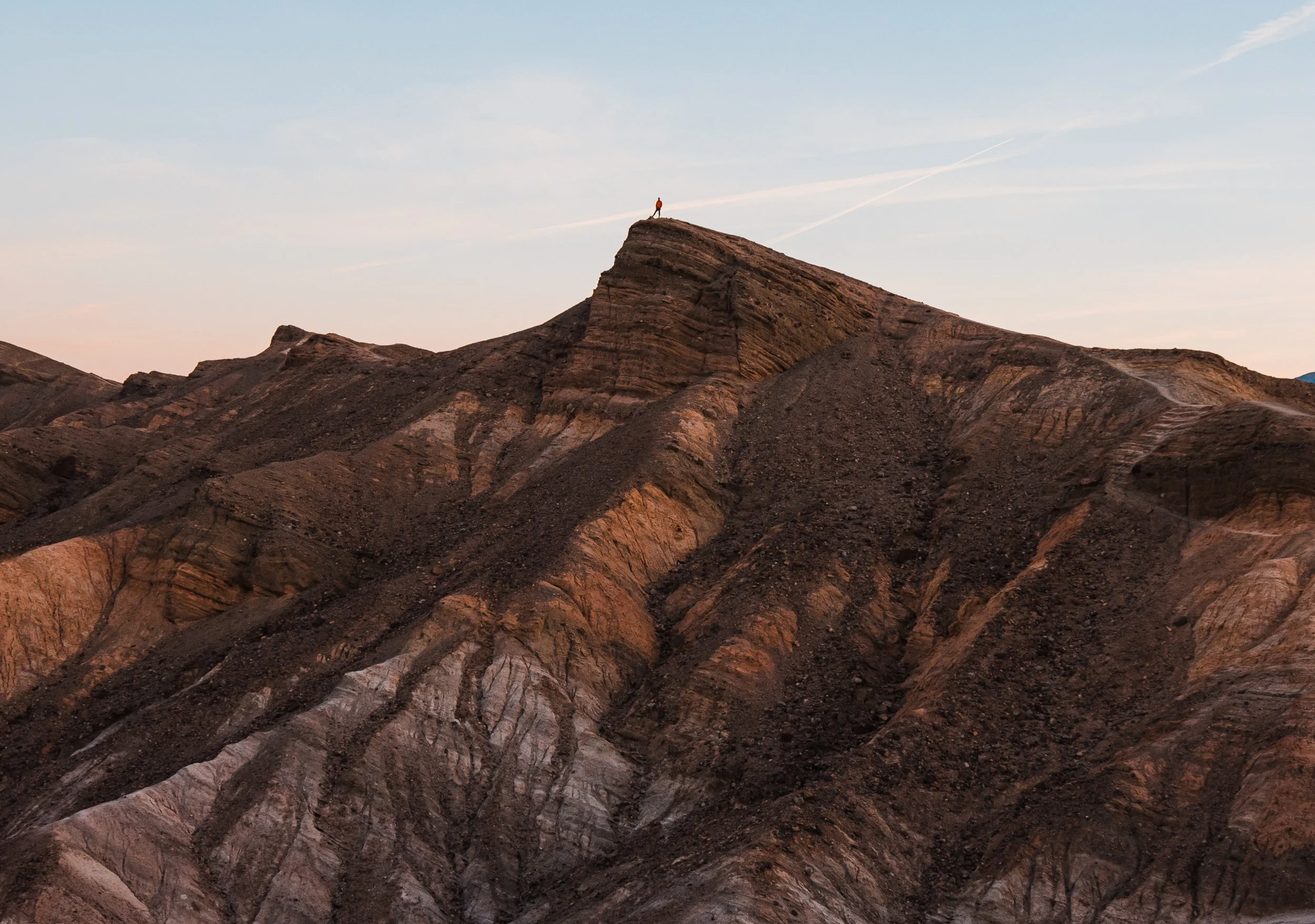
Wake up early and drive about 10 minutes from camp (if at Sunset) to Zabriskie Point — one of the most famous sunrise spots in the park. The morning light turns the badlands gold and pink. If you have extra time, take the short Golden Canyon Loop (2.5 miles) for even more views.
7:30 AM – Breakfast + Pack Up Camp
Head back to camp for breakfast and coffee before cleaning up. Use the dishwashing stations and refill your water jugs for the drive out.
10:00 AM – Hike the Mesquite Flat Sand Dunes
Stop at the Mesquite Flat Sand Dunes near Stovepipe Wells for your final adventure. These rolling dunes are one of Death Valley’s most photographed landscapes. Hike as far as you like but most visitors go about a quarter mile since the tallest dunes (100+ feet tall) are worth the extra trek.
12:00 PM – Lunch + Exit the Park
Refuel with lunch before heading to your next destination. From here, you can drive east to Las Vegas (2 hours) or continue west toward the Eastern Sierra and Lone Pine.
The Best Hiking and View Points to Visit in Death Valley National Park
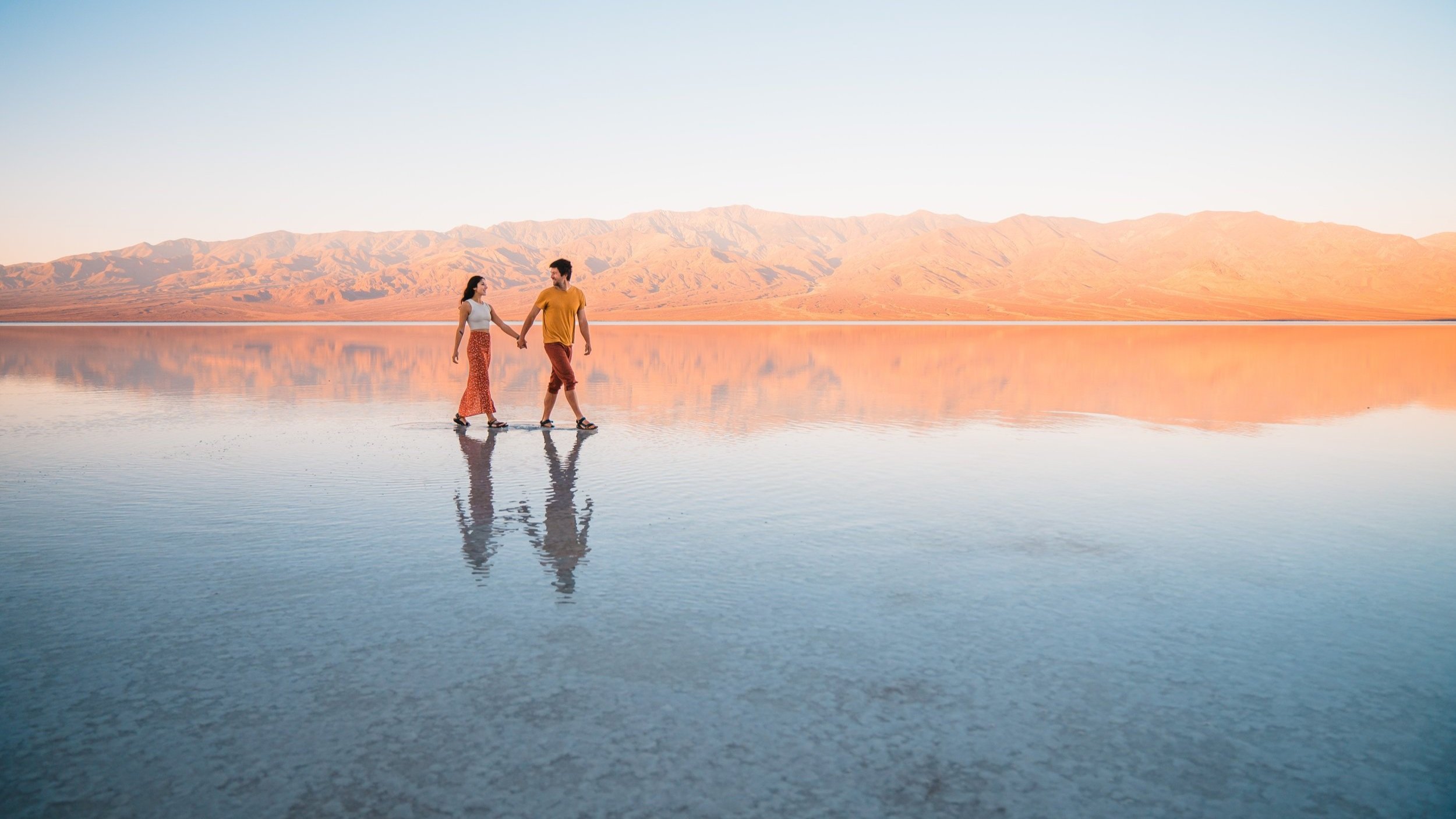
Badwater Basin With Water - Manly Lake
At 282 feet below sea level, Badwater Basin is the lowest point in North America, and it’s unlike anywhere else on Earth.
Walk about a mile out from the parking area to see the hexagonal salt patterns. If you’re visiting after rain, you might even see the rare temporary lake known as Manly Lake.
Pro tip: Wear sandals or shoes you don’t mind getting muddy. The salt and clay mix can be slippery. I highly recommend Luna Sandals for a lightweight yet sturdy option.
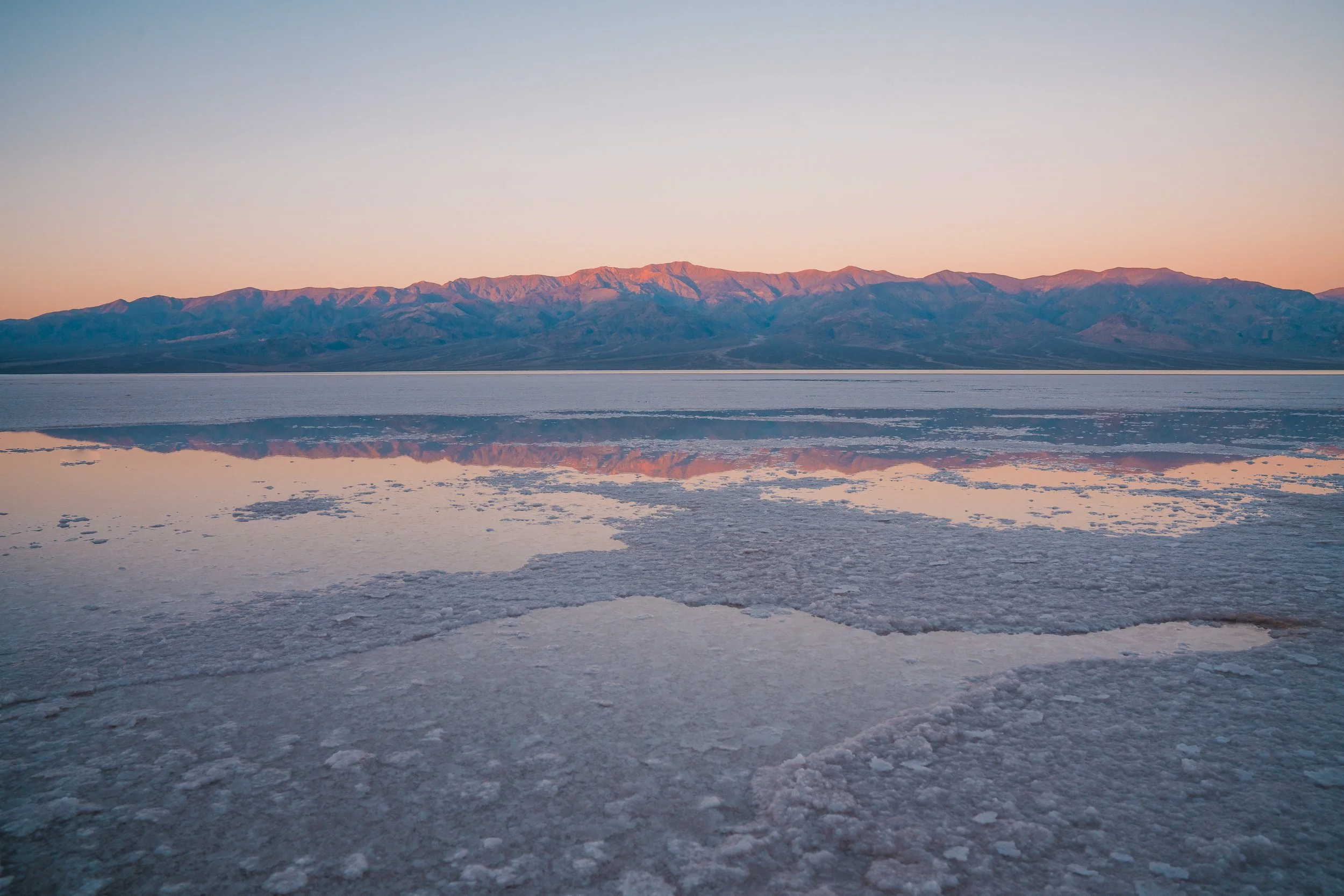
When we visited the Badwater Basin salt flats in November 2023 it was full of water from Hurricane Hilary rains. The excess water has created a 1-2 inch deep Manly Lake covering parts of the basin. We were driving through Death Valley on our way to Las Vegas and had to make a stop to see the new, temporary lake. We went for sunset on November 6th and sunrise on November 7th, with the sunrise being the best time to visit. At sunset there was a lot of wind so the water was being blown around. At sunrise the next morning everything was still and the water was reflective and calm. But between sunset the night before and the next sunrise, the water had already receded quite a bit, so the lake won’t last long.
We did walk out onto the salt flats to the water which is about a mile and a half or more out from the parking lot. As you get closer to the water, the salt turns to mud and can be hard to walk on, we sank a few inches in some places. But once we got on the section that was covered with an inch of water, the salt was compact and easier to walk on. If you plan on walking out, wear sandals or shoes you don’t care about because your feet will get wet, muddy, and salty. We rinsed our feet and sandals off when we got back to the car, but my Tevas still feel crunchy even after washing them with soap. If you get to visit the park while the water is still there, Badwater Basin is a must stop!
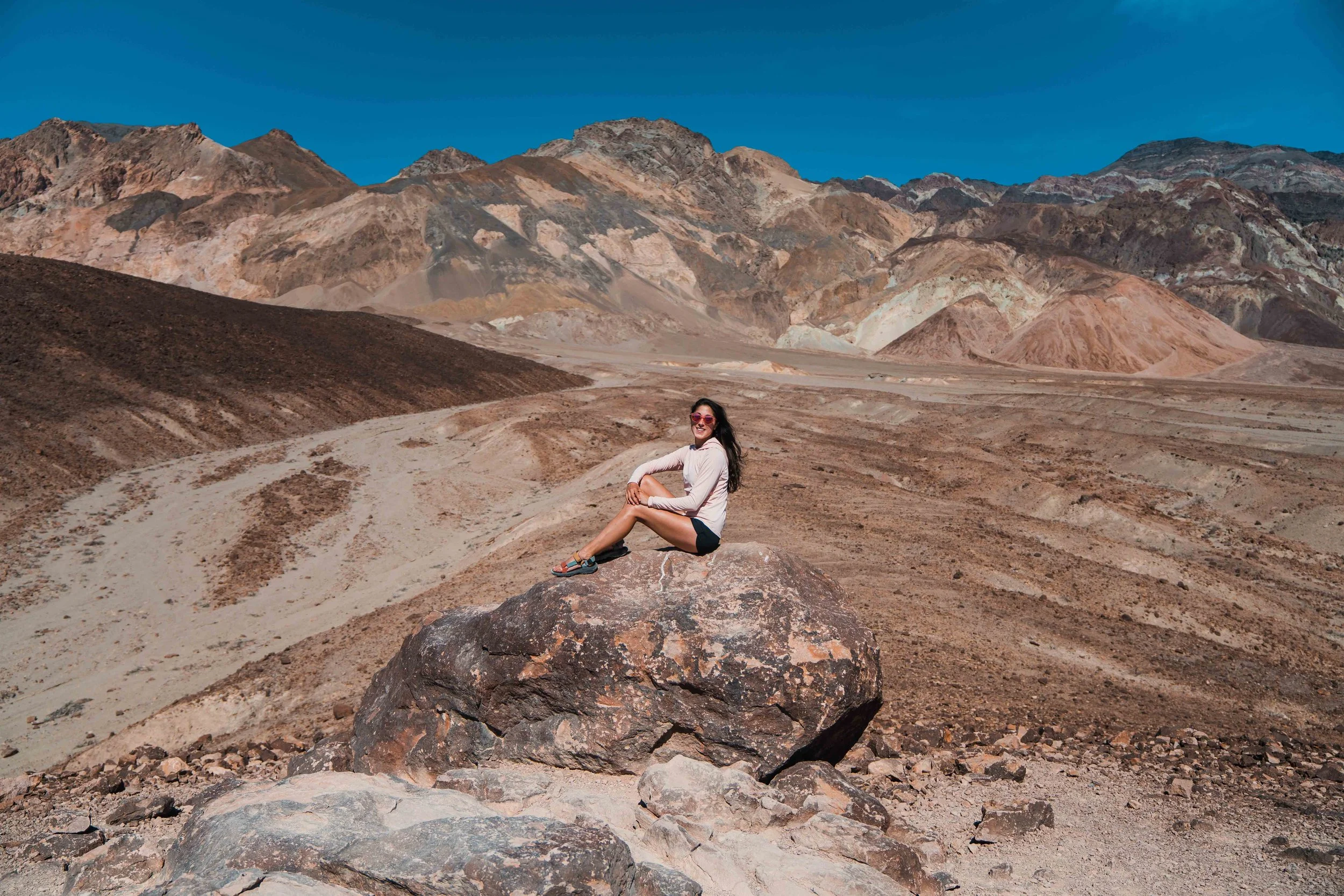
Artist’s Palette Drive
Drive the scenic Artist’s Drive, a nine-mile loop through colorful hills that look straight out of a painting. Make sure to stop at Artist’s Palette, where you can walk out into the rainbow-colored mineral formations. The road is suitable for low clearance vehicles but not for long RVs or vehicles with trailers.
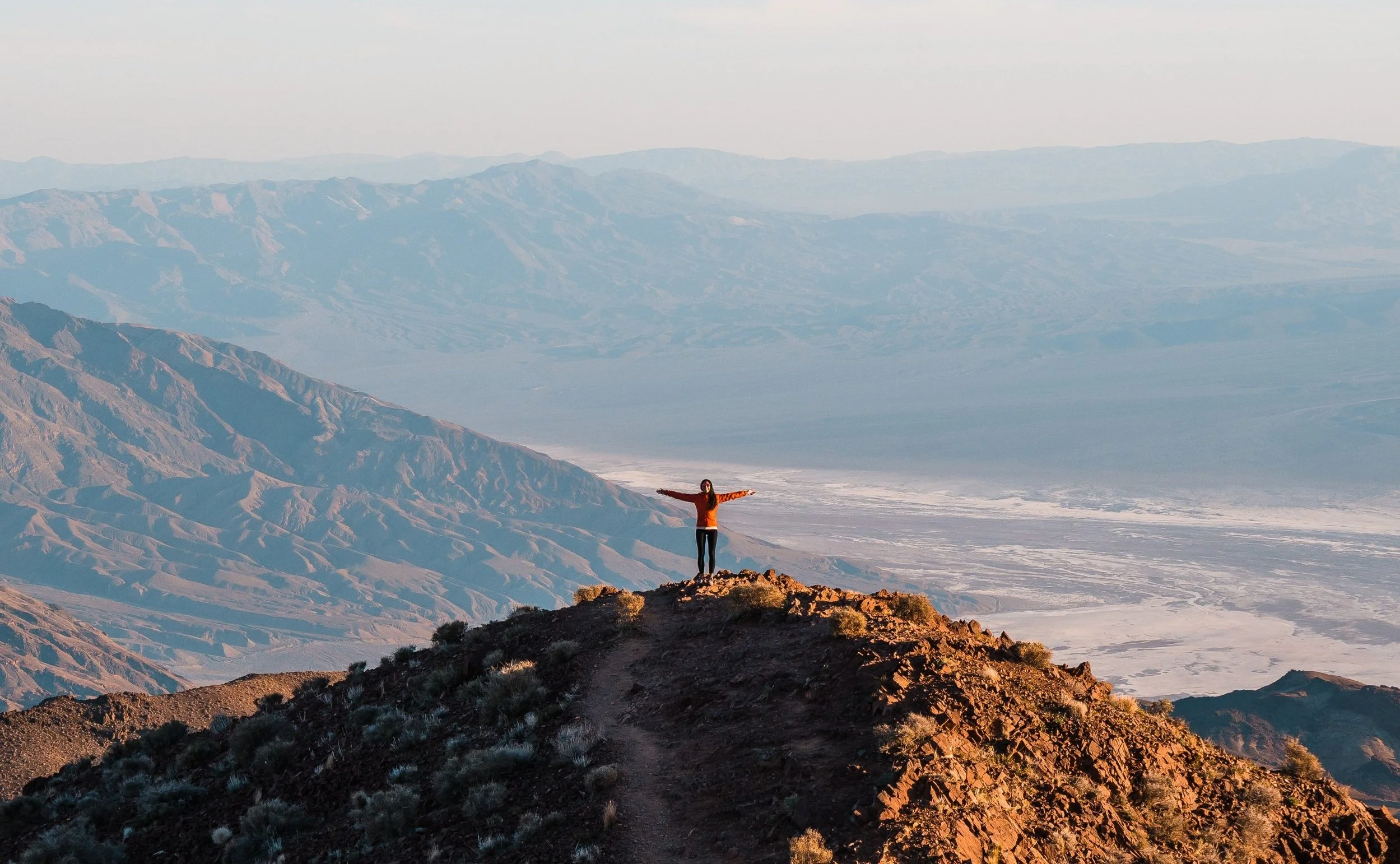
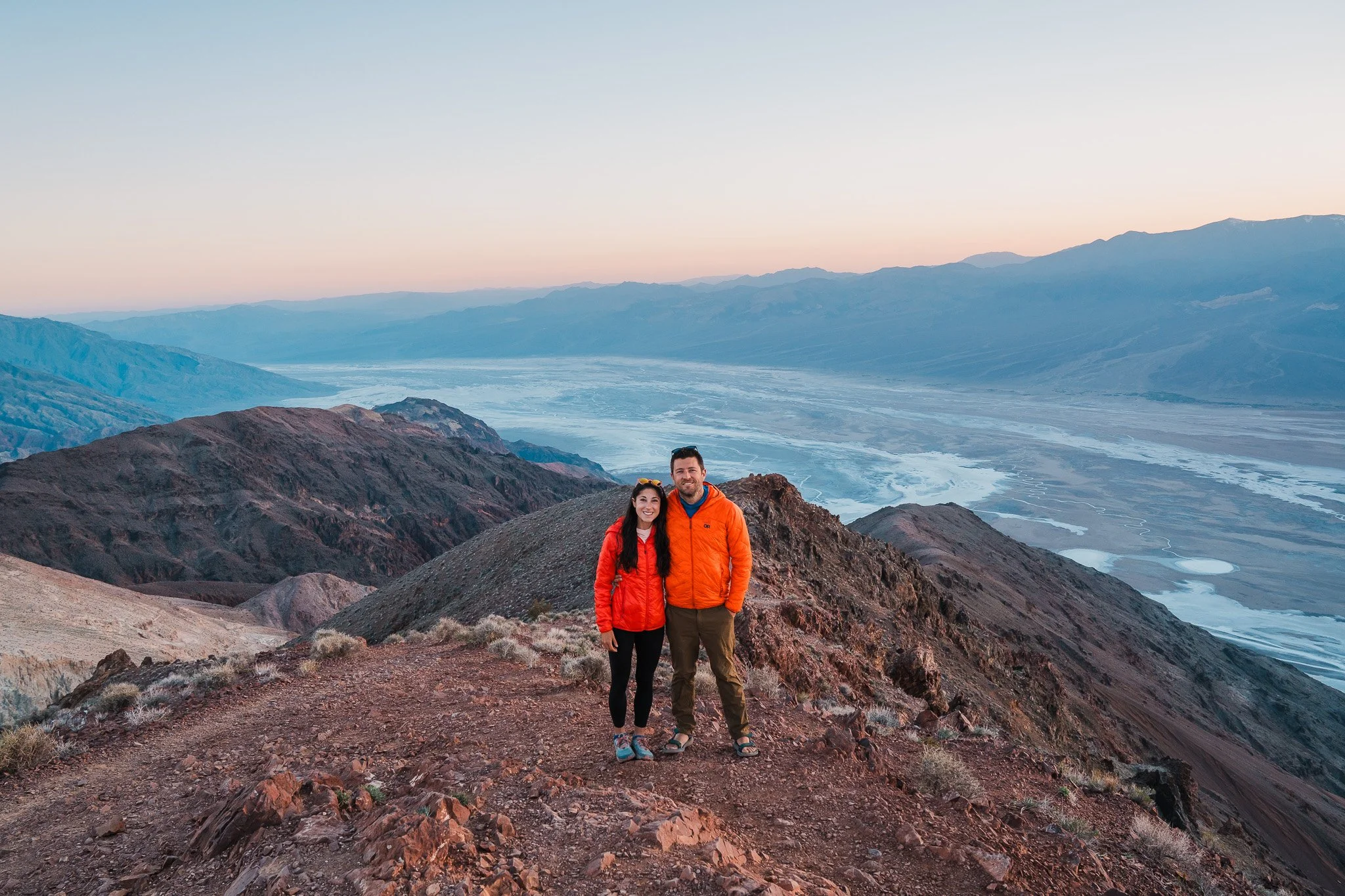
Dante’s View
If you’re following my itinerary, you’ll want to end your day with sunset views from Dante’s View, one of the most breathtaking overlooks in the park. You’ll get sweeping views of the valley floor and surrounding mountains, the perfect golden hour spot to end your visit to Death Valley. Note that you’ll be gaining a lot of elevation from the valley floor, so be sure to top off your gas at the visitor center and prepare to add some extra layers of clothing when you get to the top.
Make it memorable by bringing a camp stove and cooking dinner while you watch the sun dip below the mountains.
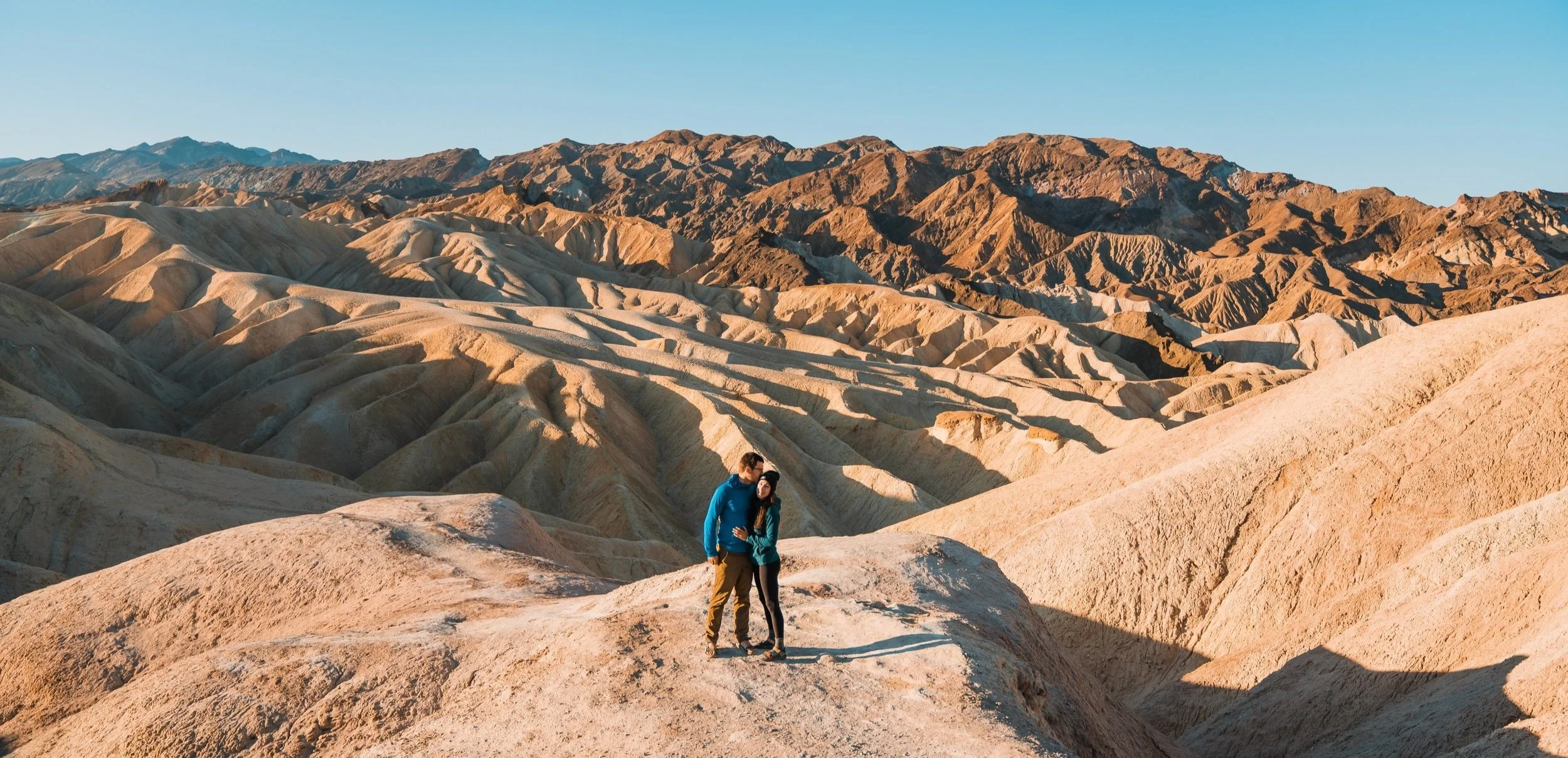
Zabriskie Point at Sunrise
Zabriskie Point is one of the park’s most famous viewpoints. You’ll want to visit this early in the morning to watch as the golden light hits the sculpted badlands and turns them shades of pink and orange. You can take the short paved trail to the viewpoint, or extend your hike into Golden Canyon for a longer morning adventure.
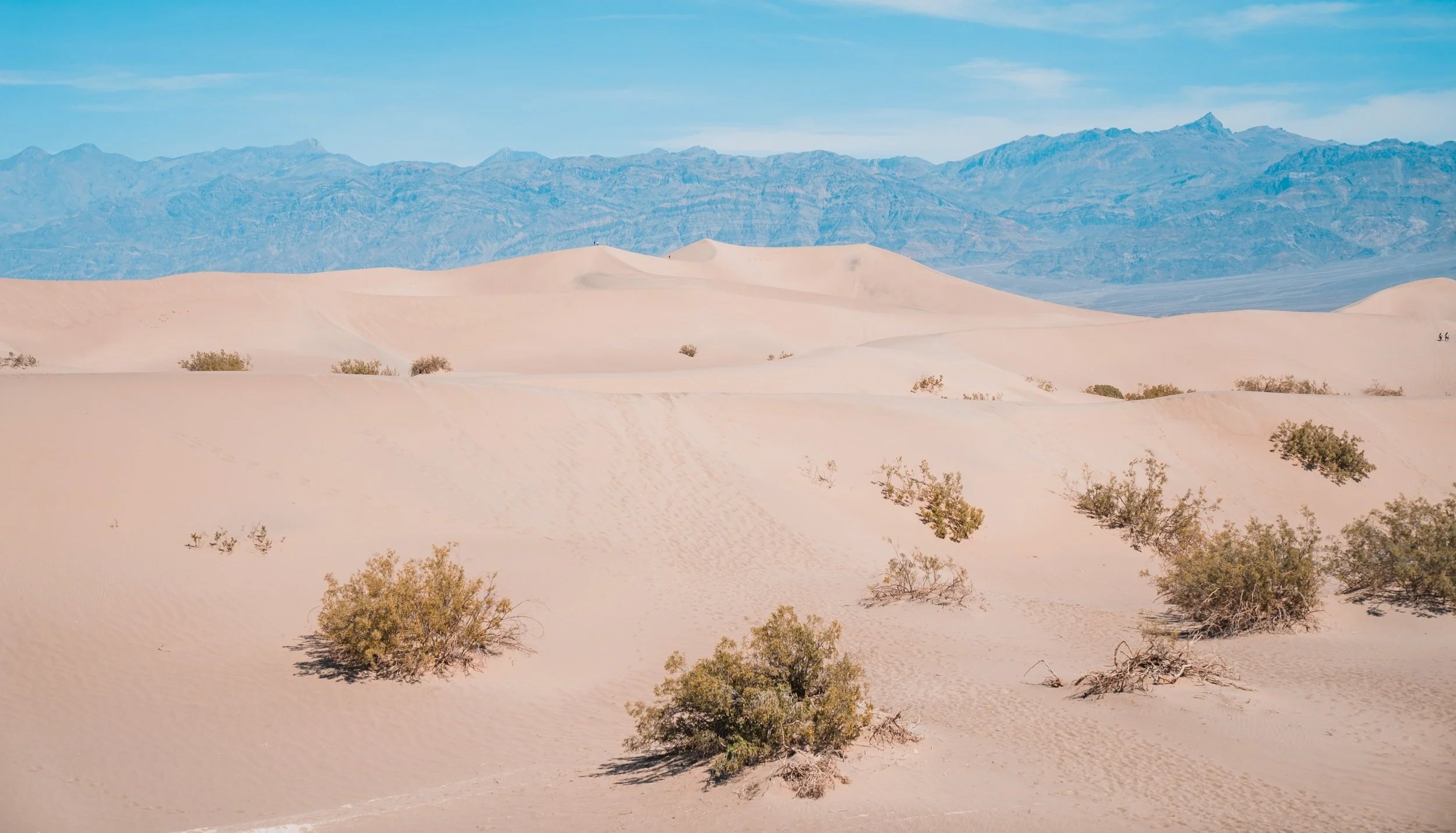
Mesquite Flat Sand Dunes
The Mesquite Flat Sand Dunes are rolling waves of golden sand that stretch toward the mountains.
You can hike as far as you want, although most people stop near the first few dunes. If you keep walking you’ll find bigger, untouched ridges (and way fewer footprints). Go early in the morning or near sunset when the light is soft and the sand isn’t scorching. Just be prepared to get a mini leg workout since walking uphill in sand is no joke.
Lodging and Camping in Death Valley
Camping in the Park
Camping in Death Valley National Park is an unforgettable way to experience the desert, from stargazing under a pitch-black sky to waking up steps away from sunrise viewpoints. The park has several campgrounds, most on a first-come, first-served basis, ranging from tent-friendly sites to larger spots for RVs and vans.
If you want the ultimate convenience, consider renting a campervan from Moterra in Las Vegas. Their vans come fully equipped for desert adventures, letting you sleep, cook, and explore all in one cozy ride, no tent setup required. It’s the easiest way to make the most of your time in the park, especially if you’re tackling the 24-hour Death Valley itinerary.
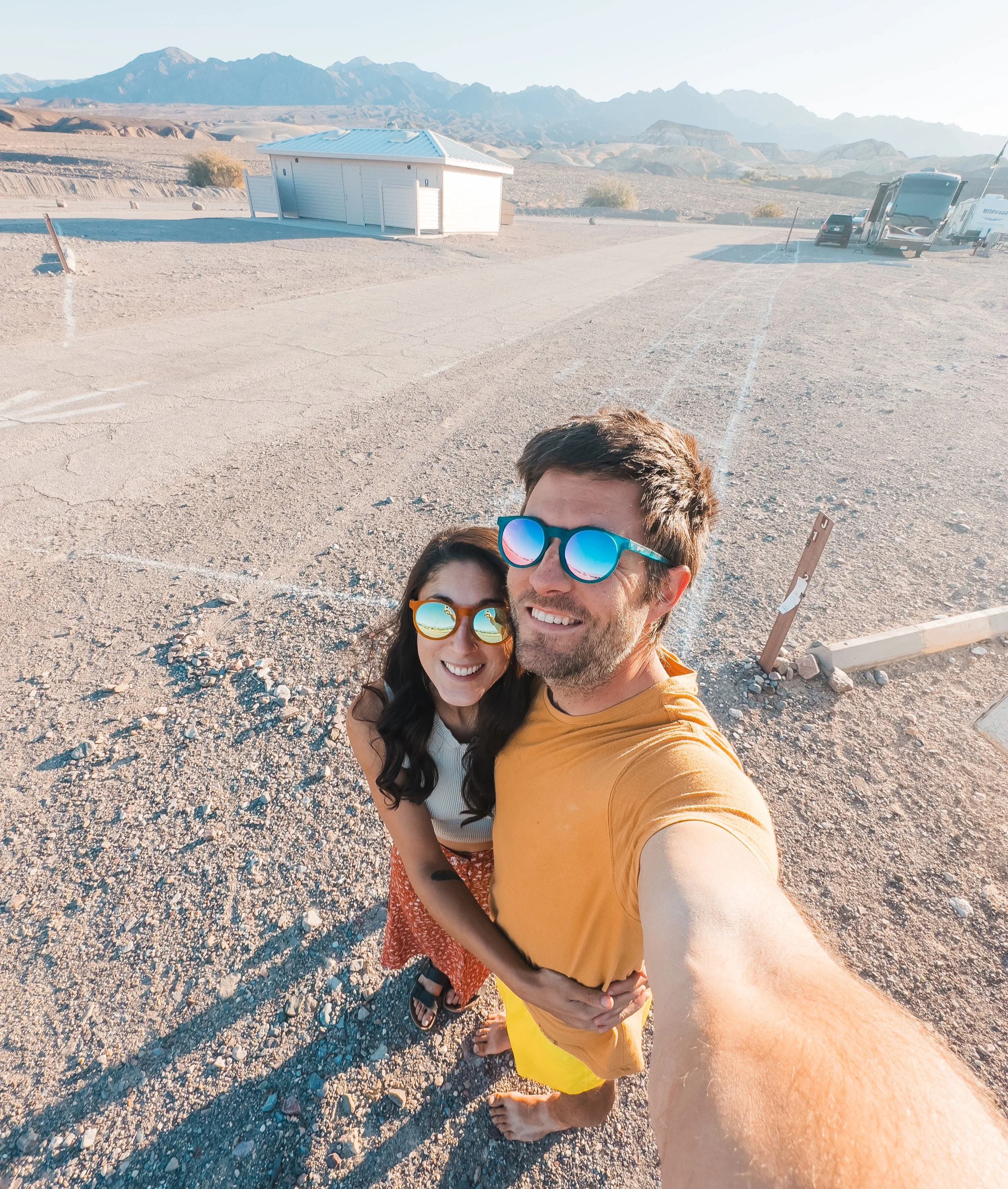
Sunset Campground: This is the main campground for the Death Valley area. Basically a massive parking lot, the campground provides running water, flushing toilets and ease of access to the rest of the park.
Cost: $14/night
Amenities: Flush toilets, potable water, dishwashing station
Type: Best for vans, car campers, and RVs (not ideal for tents)
Reservations: First come, first served
If you prefer a more tent-friendly or scenic spot, check out:
Texas Springs Campground – smaller sites, better views and just down the road from Sunset Campground.
Furnace Creek Campground – Next to the visitor center, this campground is the only site that takes reservations on Recreation.gov
Lodging in and Around the Park
If you’re not into camping or staying in an RV, there are a few hotels within the park that make great options.
The Ranch At Death Valley - Located near the Furnace Creek Visitor Center, The Ranch At Death Valley provides accommodations with an outdoor swimming pool and a tennis court and onsite restaurant.
The Inn at Death Valley - Definitely the luxury option in the park, the Inn at Death Valley gives visitors stunning views of the valley and provides an outdoor pool, palm tree laden property and an onsite restaurant.
Stovepipe Wells Village - A 5-minute drive from the Mesquite Flat Sand Dunes, Stovepipe Wells Village in Death Valley offers family rooms with private bathrooms, air-conditioning, and free WiFi.
Must Do Hikes Summarized
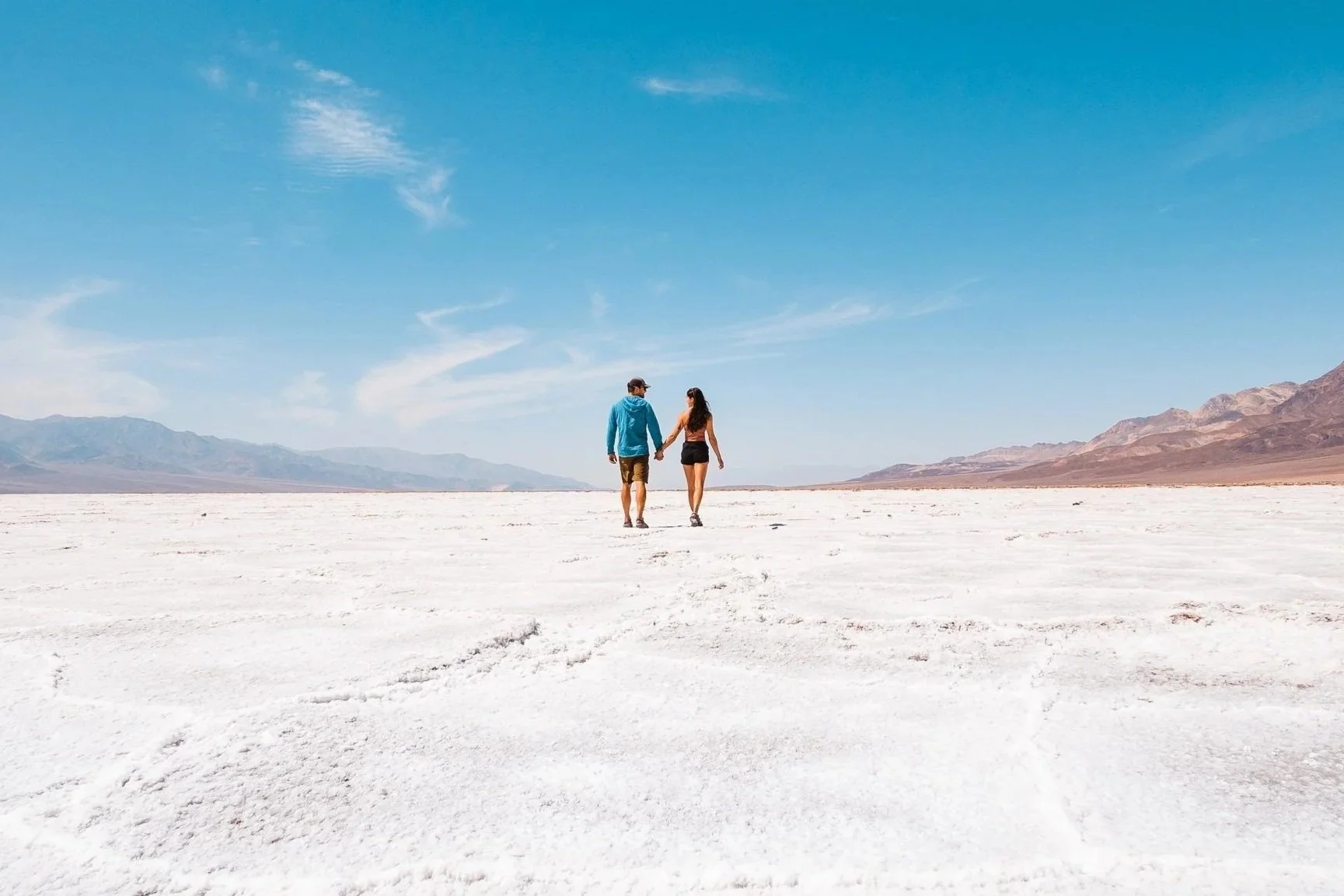
Badwater Basin (salt flats): Hike 1 mile out to get to the best photo opportunities and to see the white salt.
Artist’s Palette: This is a short hike off the Artist’s Drive where you can hike out into the pastel-colored hills.
Dante’s View: Not much of a hike but after you drive up to the viewpoint, you can walk out a short ways on one of two trails to get a good view of the valley. This is an amazing sunset spot.
Zabriskie Point: Either a short hike to a view point, or a longer loop that takes you into the hills and can loop you through Golden Canyon. This is a great spot for sunrise to catch some color and get to see it before it gets crowded midday.
Mesquite Flat Sand Dunes: Hike as far as you want up the sand dunes. The rolling dunes can be hard packed in places and then soft sand in others. Most people only hike 100 yards out to take photos, but continue hiking to the larger dunes to avoid the crowds.
Other Points of Interest in and Near Death Valley National Park
I would have loved to see the Racetrack, where the sliding rocks are, but the road out there is very rough and only suitable for 4x4 vehicles. This was not an option for us in the van, but if you have 4x4, or can rent an SUV, add it to your list. If we go back, I would also like to hike all the way through Golden Canyon, it was just too hot for any hikes longer than two miles this time around.
What to Wear When Visiting Death Valley
The sun, wind and temperatures are intense in Death Valley. Even in the cooler winter months, you’re going to want to layer up for sun protection and make sure to stay extra hydrated. Here’s my top recommendations for sun care and protection when visiting.
Sun Hoodie - Outdoor Research Astroman Air Sun Hoodie is my all time favorite hoodie for sun protection and breathability - Men’s | Women’s
T-shirt - Outdoor Research Echo shirt is a great lightweight moisture wicking shirt as an alternative to a sun hoodie - Men’s | Women’s
Shorts - Outdoor Research Ferrosi shorts collection offers great breathability and quick dry materials for desert day - Men’s | Women’s
Sun Hat - I love combining my light breathable Swift cap with my sun hoodie hood or a wide brim hat like the OR Oasis.
Sun Glasses - Goodr provides affordable, polarized and flashy colored sunglasses.
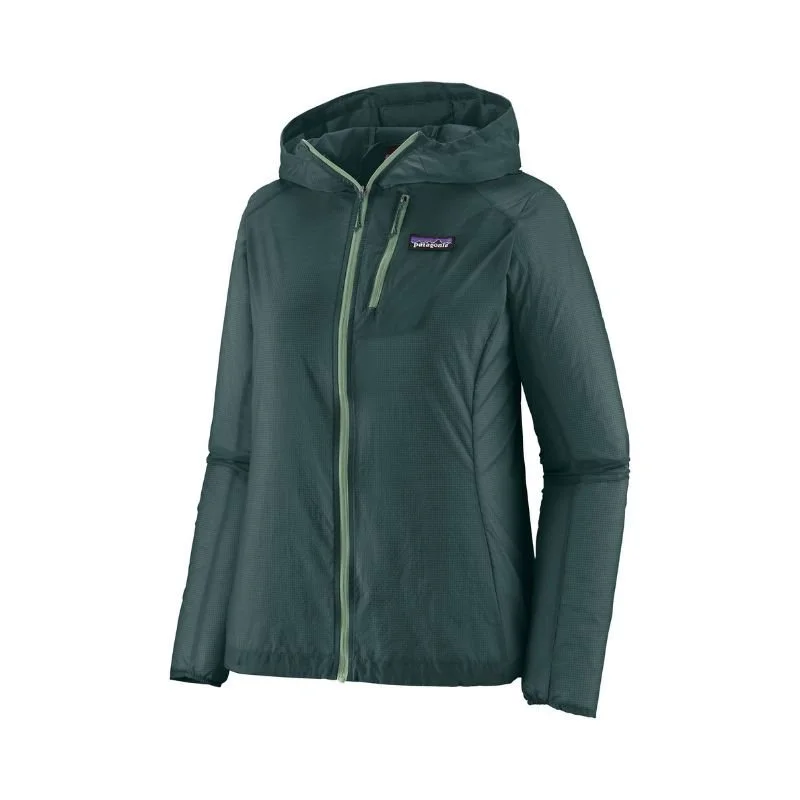
Mid-layer Top - Patagonia Houdini is an insulated wind layer to put on once the sun goes down - Men’s | Women’s
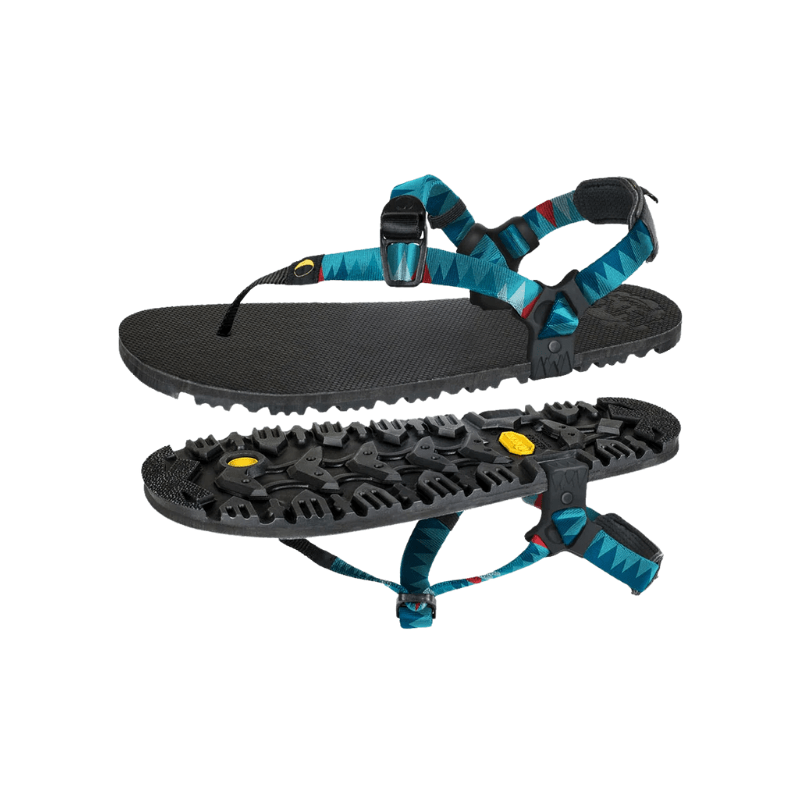
Hiking Sandals - Love my Luna Oso Flacos for their Vibram soles and comfortable simplicity (Use my promo code SKYELUNA for 15% off) - Men’s | Women’s
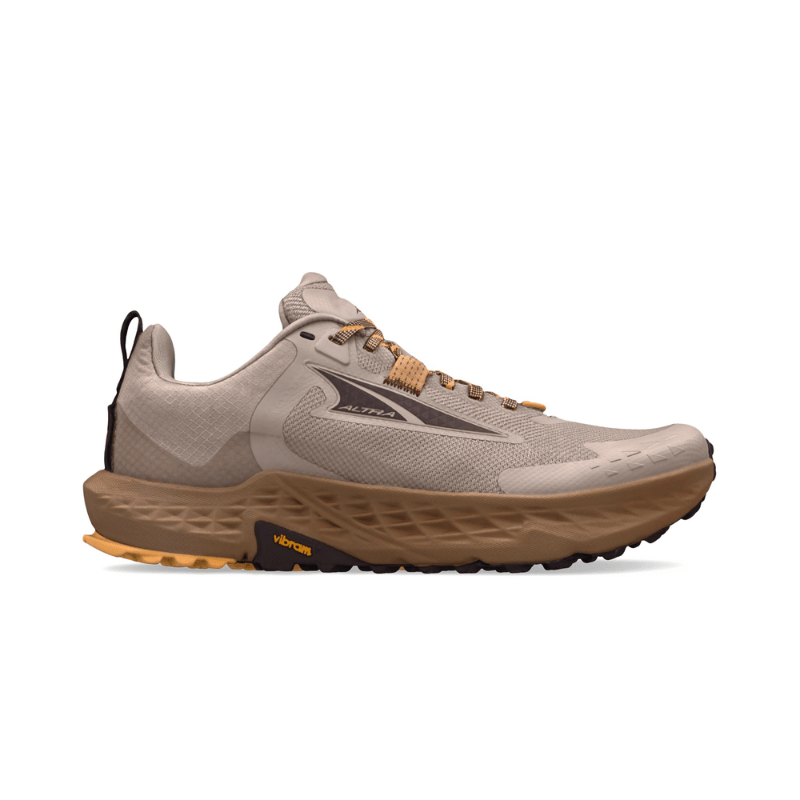
Trail Running Shoes - I’ve been hiking for years in my Altra Timp 5 - Men’s | Women’s





What to Pack For Hiking in Death Valley
When packing for a trip to Death Valley National Park, focus on essentials that keep you safe and comfortable in extreme desert conditions. Bring plenty of water and sun protection. Here are some of my favorite gear choices for desert environments.
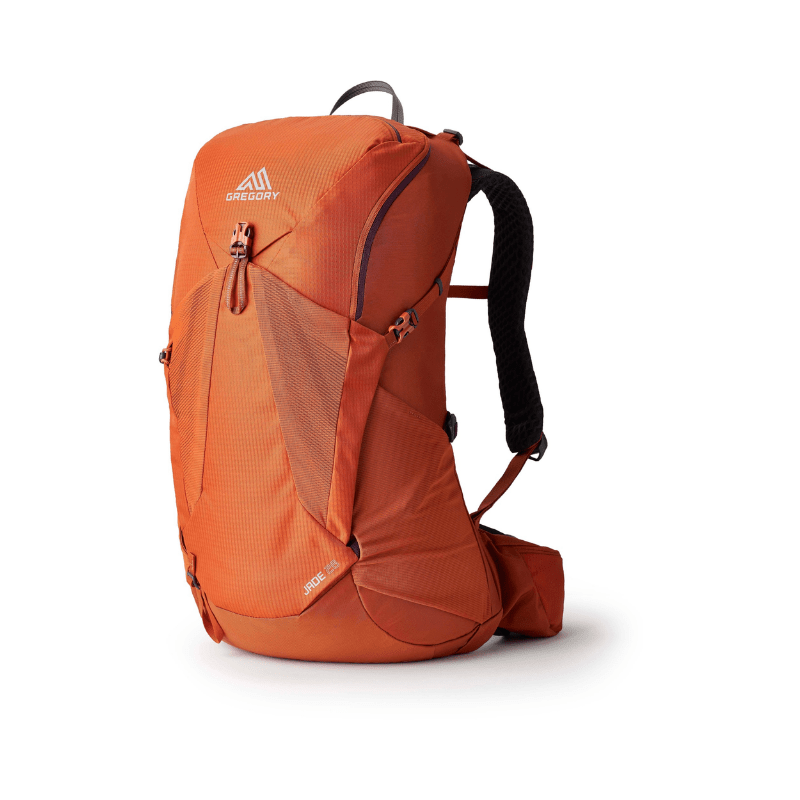
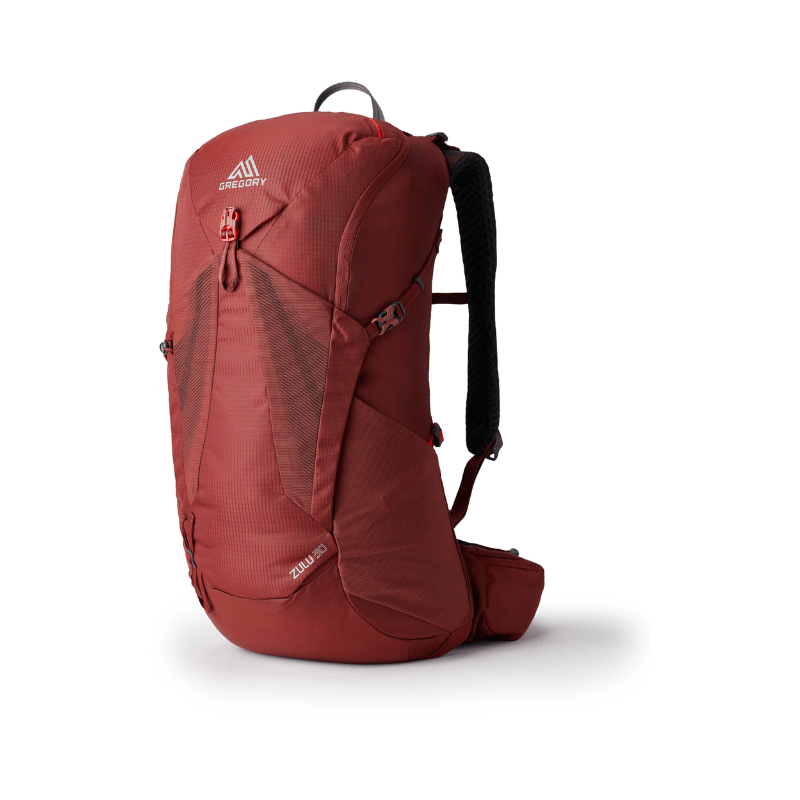
Day Pack - The Gregory Jade 28 (women’s) or Zulu 30 (men’s) is a great day pack with a built in bladder pocket and ventilated back.
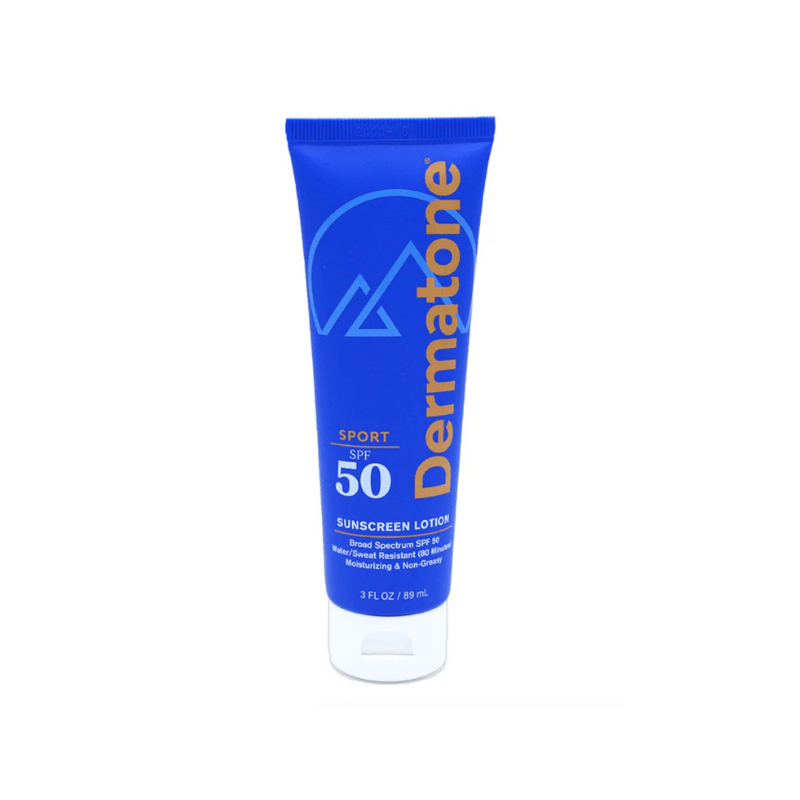
Sun Screen - I always reach for my Dermatone Sport SPF 50 sunscreen
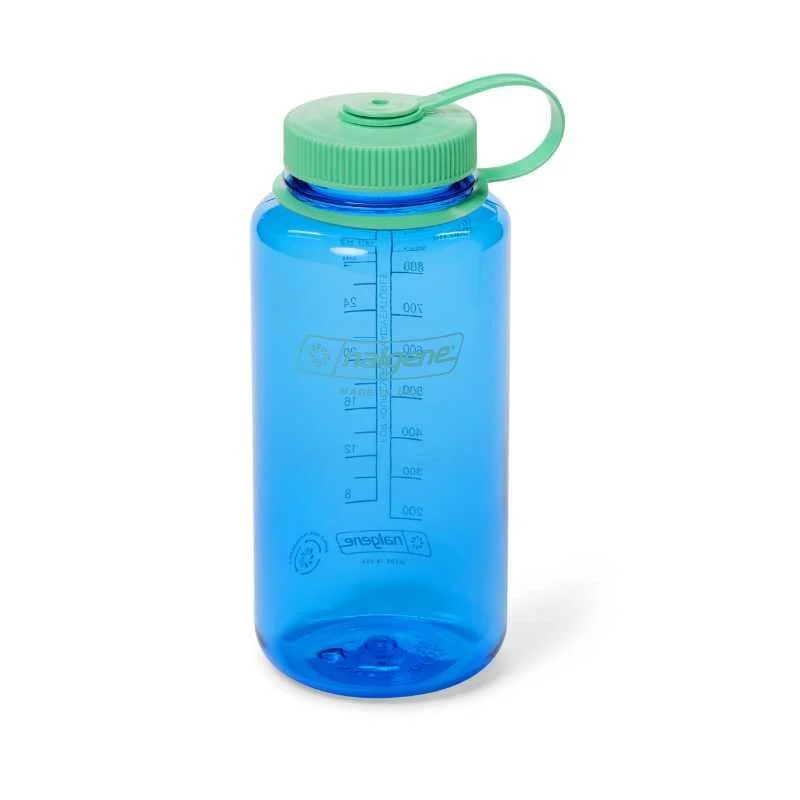
Water Bottle - Keeping hydrated is life or death in the desert, make sure to drink and carry a water bottle with you throughout your visit.
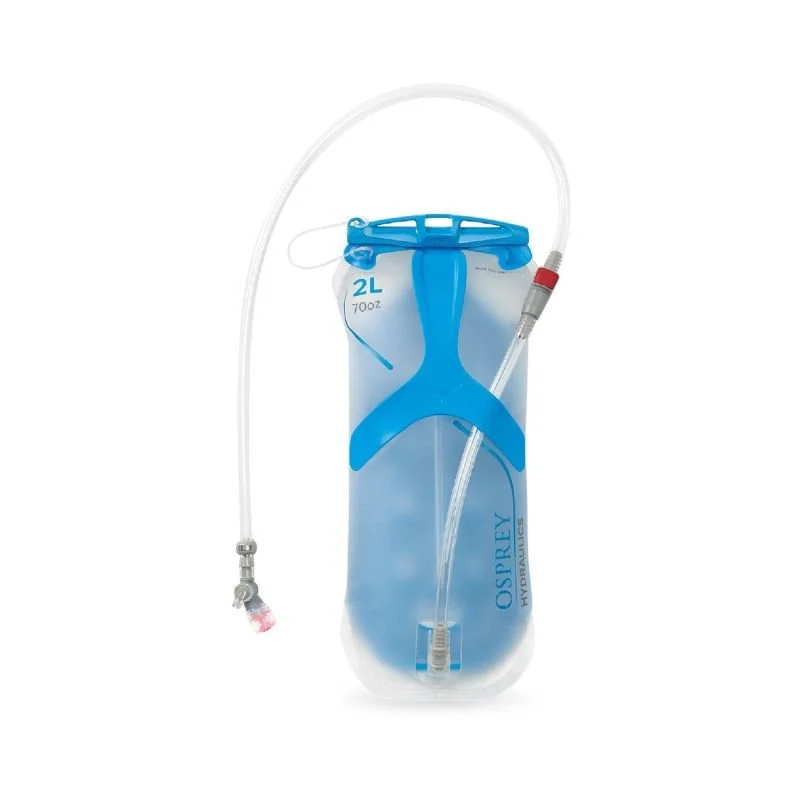
Water Bladder - A hydration bladder pairs great with a daypack and keeps you sipping throughout your day.
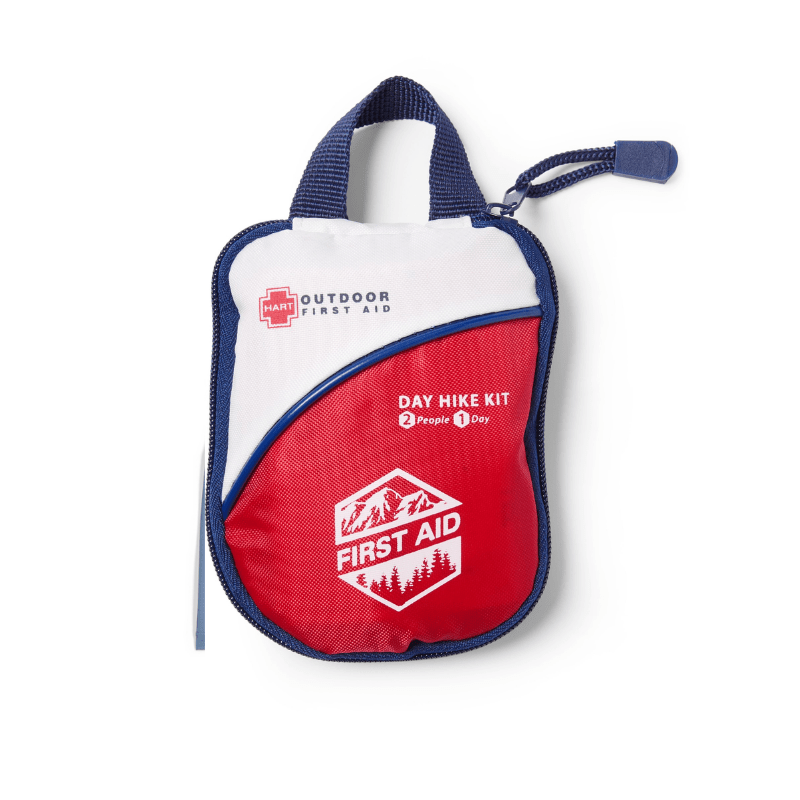
First Aid Kit - A basic kit is essential to have whenever on the trail.
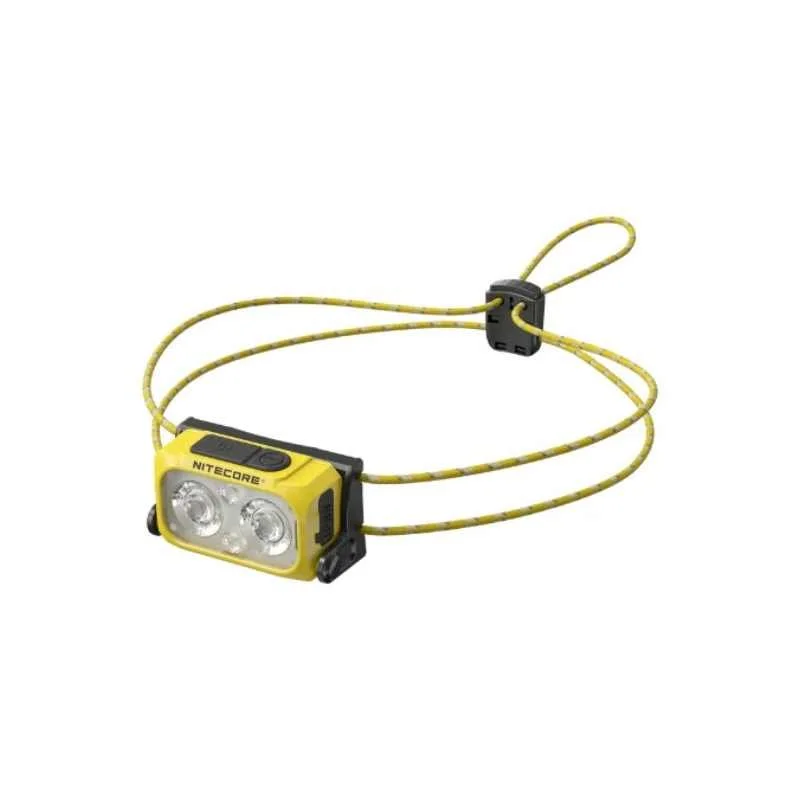
Headlamp - The Nitecore NU 25 is my favorite ultralight headlamp with dimming settings, rechargeable battery and a red light to preserve your night vision.
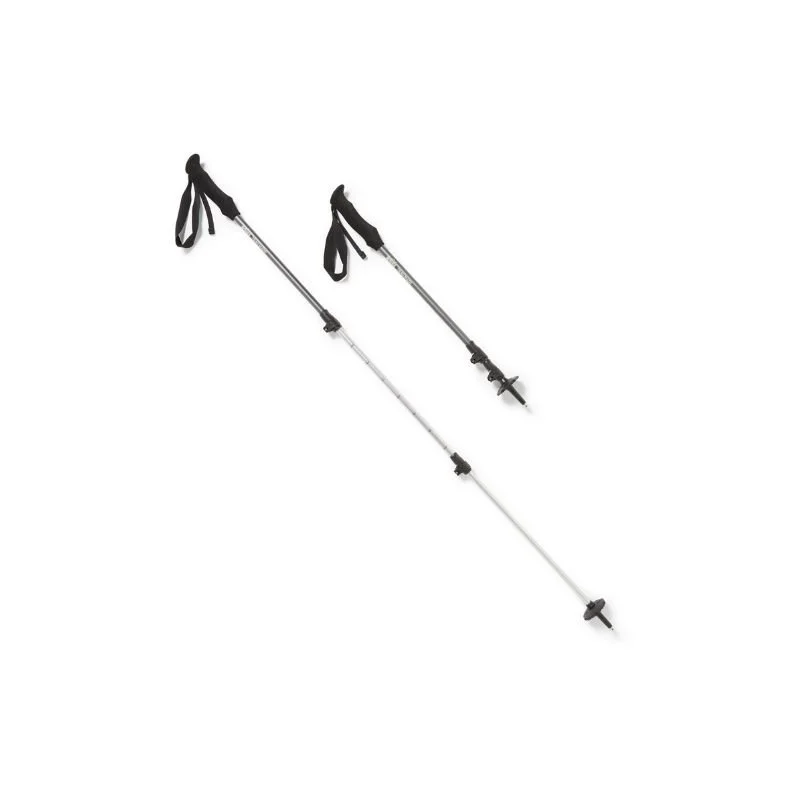
Trekking Poles - The REI Traverse Trekking poles make a great addition when going up and down rocky slopes to catch that next view.
Death Valley FAQ
Do you need a permit to visit Death Valley?
No special permit is required, but you’ll need a valid America The Beautiful pass or to pay the daily entry fee ($30 per vehicle).
When is the best time to visit Death Valley?
The best time to visit is November through March, when daytime highs are comfortable and evenings are cool. Avoid the summer months as temperatures go above 110F.
Can you do Death Valley in one day?
Absolutely. With an early start, you can hit the park’s best spots: Zabriskie Point, Badwater Basin, Artist’s Palette, and Dante’s View.
Where should I stay in Death Valley?
If you’re camping, Sunset Campground is the most convenient. For hotels, The Ranch At Death Valley, The Inn at Death Valley and Stovepipe Wells Village all offer comfortable options right in the park.
Is it safe to visit Death Valley?
Yes, as long as you plan ahead. Bring at least one gallon of water per person per day, extra snacks, and sun protection. Be sure your vehicle is also in good condition to handle the extreme heat. Always check road conditions before heading out.
Can I get cell service or Wi-Fi in the park?
Cell service can be very limited. You’ll get the best reception near Furnace Creek and Stovepipe Wells, but expect to go offline for most of your visit.
What should I pack for Death Valley?
Lightweight, breathable clothing, sturdy hiking shoes, a wide-brimmed hat, and plenty of water.
Final Thoughts on Visiting Death Valley National Park
Spending 24 hours in Death Valley National Park proves that you don’t need a long vacation to experience some of the most surreal landscapes in the U.S. From the reflective salt flats of Badwater Basin to the colorful hills of Artist’s Palette and the golden light at Zabriskie Point, every stop is a reminder of just how unique the desert can be.
Plan ahead, bring plenty of water, and time your hikes for sunrise or sunset to avoid crowds and the midday heat. Whether you’re camping under the stars or taking a scenic road trip from Las Vegas, Death Valley is a place that leaves a lasting impression.
More Desert Guides & Gear Reviews to Check Out Next
Save this Post for Later
One Month of Full-Time VanLife Check-In
The Ultimate Valley of Fire Travel Guide
This image is copyrighted and owned by Skye Stoury Photography and skyestoury.com, if you would like to licence any images on this site, please email us at hello@skyestoury.com