
Trail Running the Grand Canyon: Everything You Need to Know for a Safe Rim-to-River Run
Looking to experience the Grand Canyon in a totally different way? Skip the crowds, skip the heavy backpack, and try trail running it.
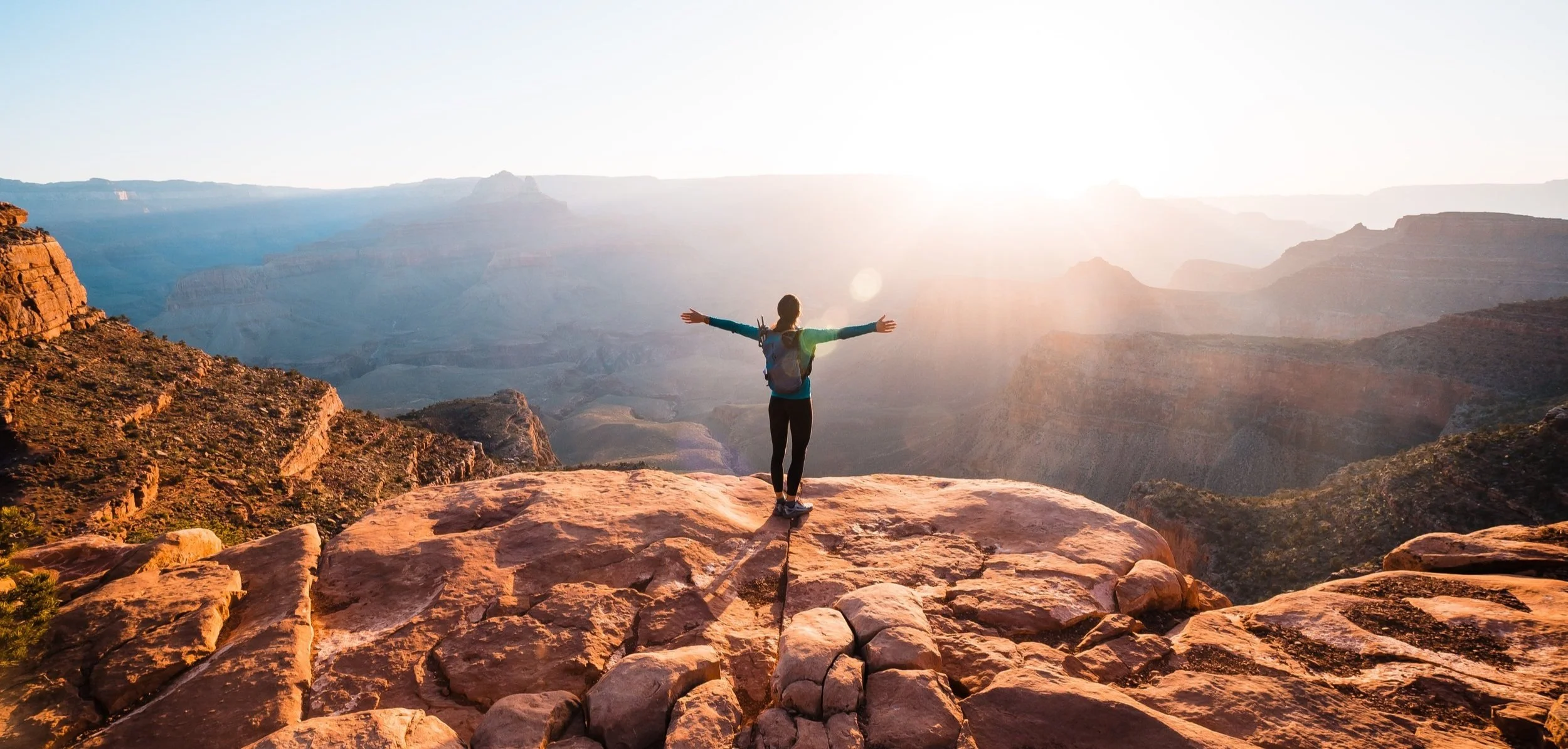
Trail Running the Grand Canyon
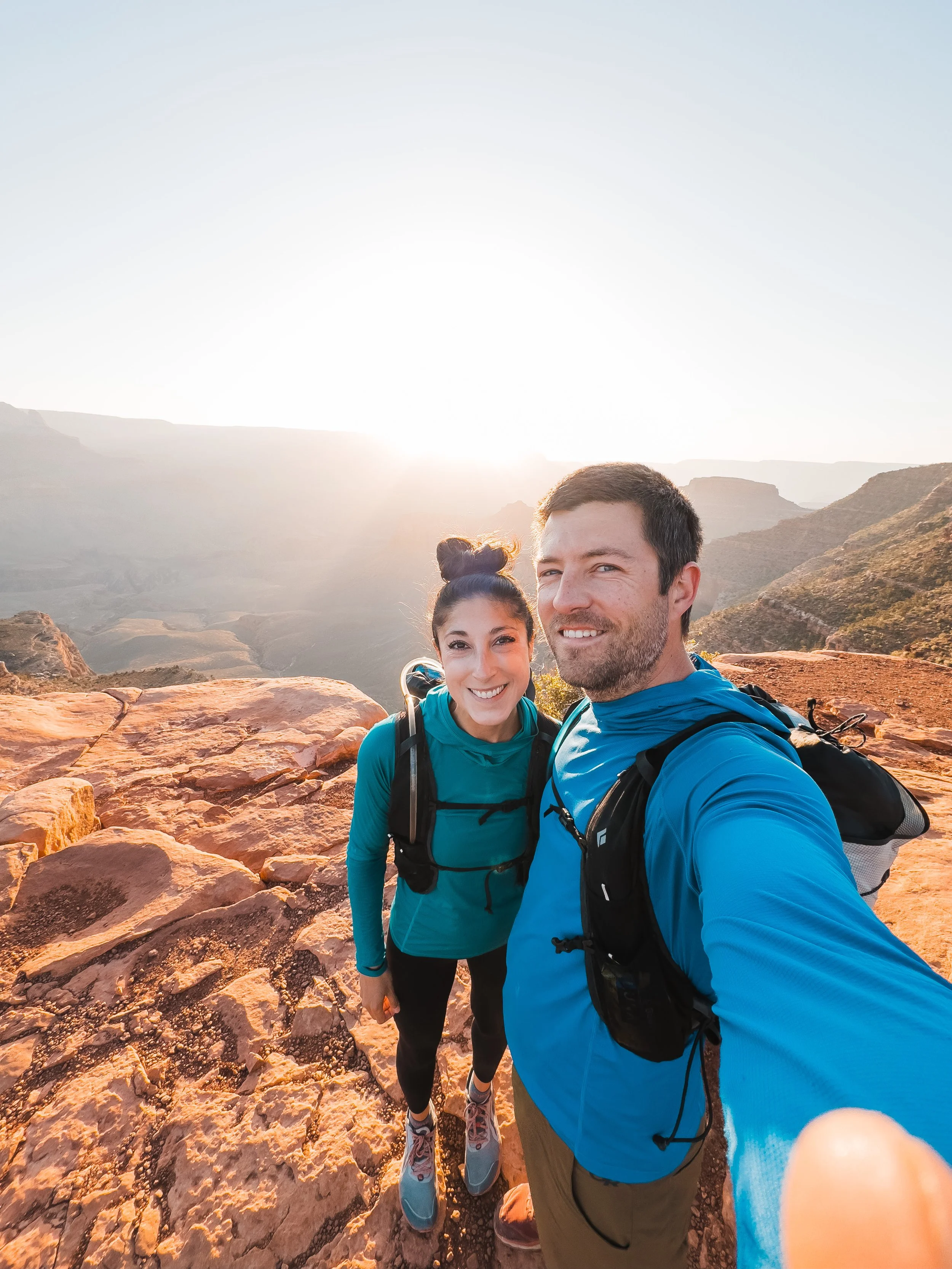
Whenever I go to a National Park, especially a popular one, I try to find ways to experience it without the crowds. Usually this means finding difficult trails, scrambles, climbs, technical canyoning, or backpacking, but for the Grand Canyon it meant trail running 20 miles in one day. I have to credit the initial idea to my partner Garrett, who suggested it when we knew we wanted to stop by the park since I had never been. My first thought was, “20 miles is too much for me”, but my response was, “let’s do it!” I’m not sure why I thought that would be too much for me, we backpack 20 miles in a day on a lot of trips, and we also through hiked the Enchantments in a day which was over 20 miles and included trail running all the downhill sections. But I still was worried I wasn’t in good enough shape for a big 20 mile day in a place that so many people get heat stroke or bonk while hiking and backpacking.
So how did it go? It was absolutely amazing and now I am looking up other routes that we can trail run. It took us just under 9 hours in total, and that included quite a few photo stops (yes I ran with my camera), a “lunch break” at the bottom (we ate our lunch at 8am), and a rest at Havasupai Gardens Campground when I crashed and needed to refuel and sit in the shade. Our actual moving time was 5 hours and 45 minutes which included running all the way down to the base on the South Kaibab trail (about 10 miles) and then fast hiking and running (a little) on the way up the Bright Angel trail.
Below you will find everything you need to know to complete the same trail run we did in the Grand Canyon.
Disclaimer: This blog post contains affiliate links, meaning I receive a small commission of every purchase made with my links at no additional cost to you. Sometimes there is even a discount code for my readers which I specify next to the links.
Table of Contents
The Route
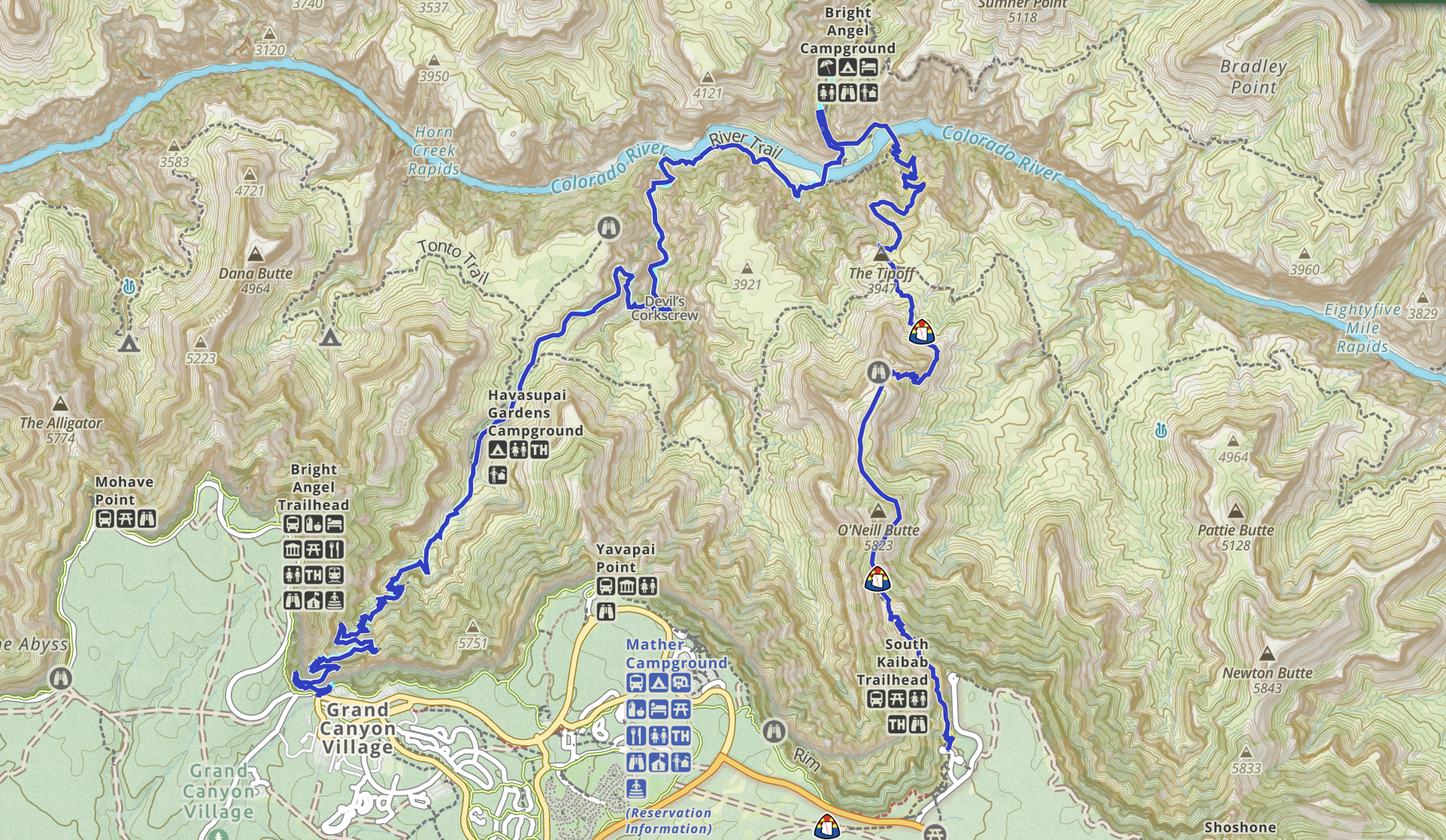
Trail Stats
Total Mileage: Just over 20 miles
Elevation Gain: 5,018 feet
Elevation Loss: 5,331 feet
Total Time: 9 hours, 54 minutes
Moving Time: 5 hours, 45 minutes
Liters of Water Drank: About 6.2 liters per person
Weather: Sunny with a high of 78 at the rim and 65 at the base
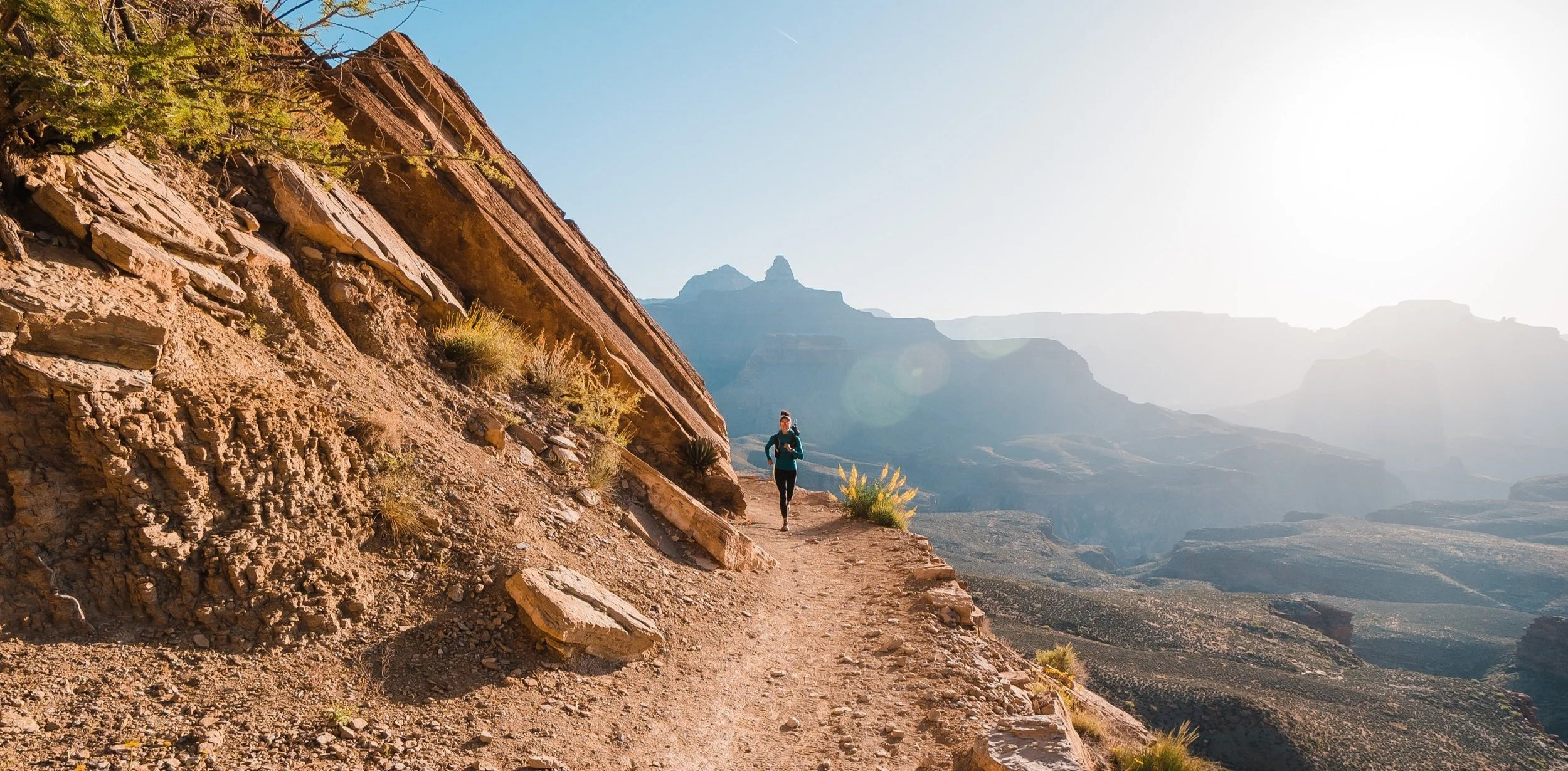
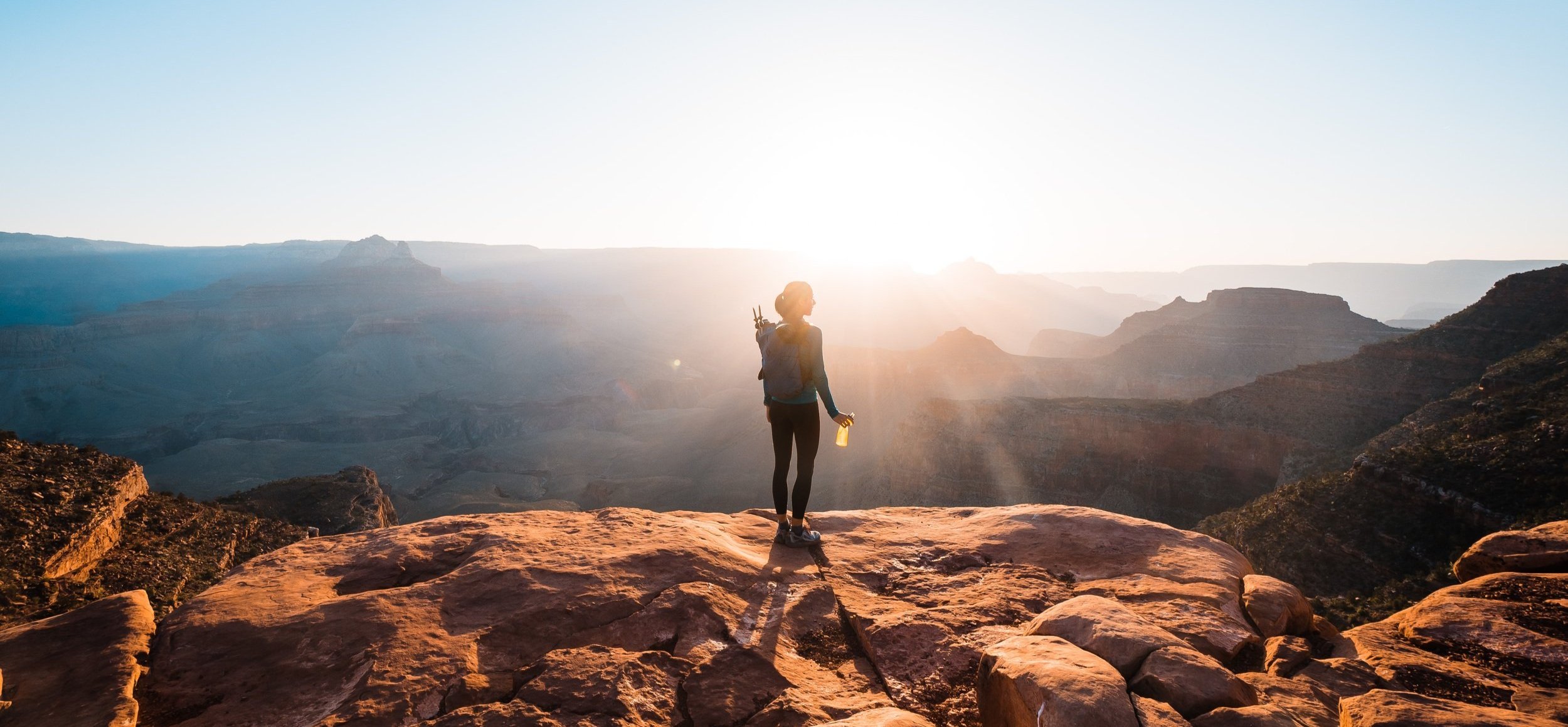
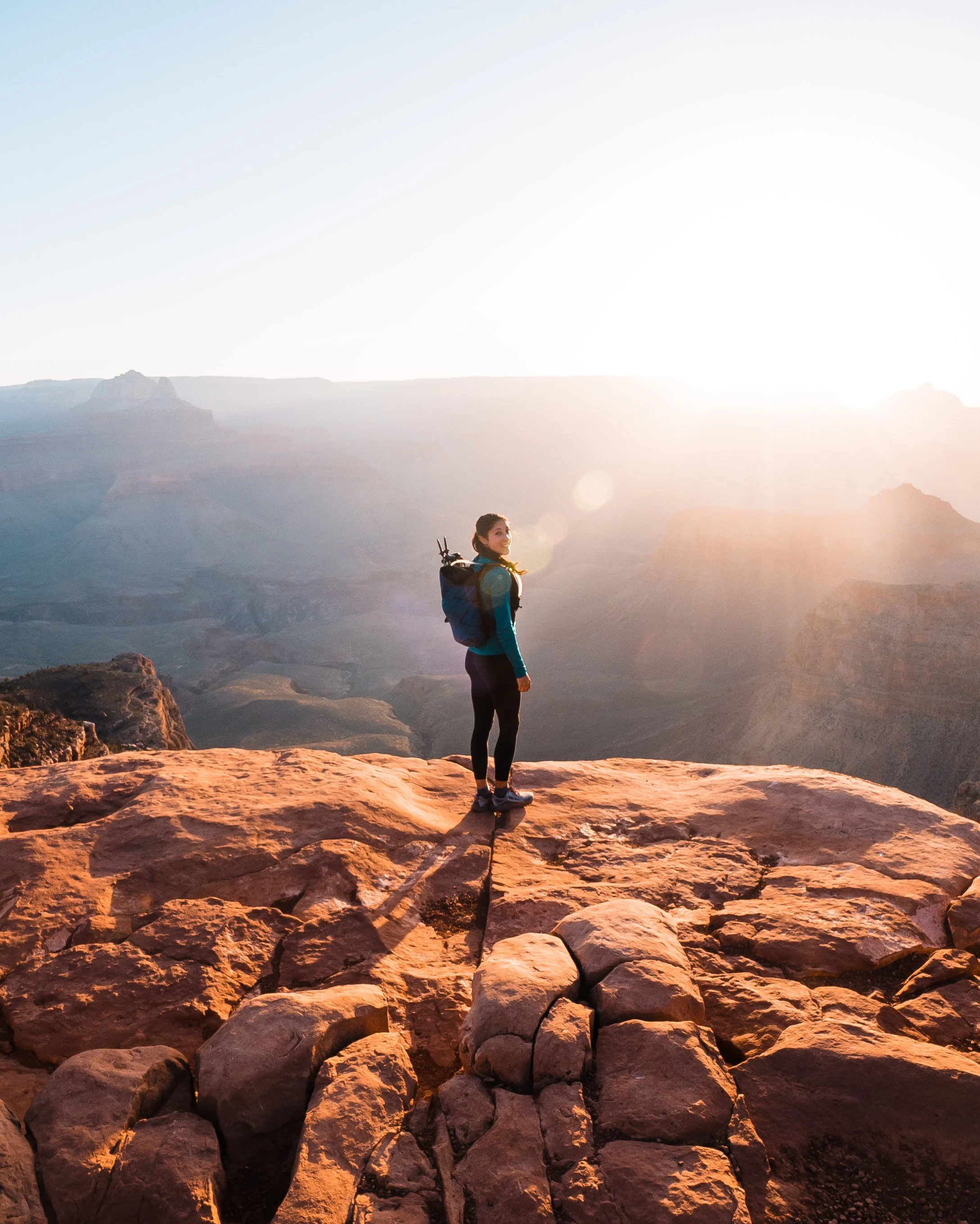
We opted to through run so that we didn’t have to go down and back up on the same trail, and I’m so glad we decided to do it this way. It was so nice to get to see so many different areas and it made it more exciting to get new views on the way up. I am also glad we chose to run down the South Kaibab trail because we had an amazing sunrise and that trail was the most beautiful of the run to me.
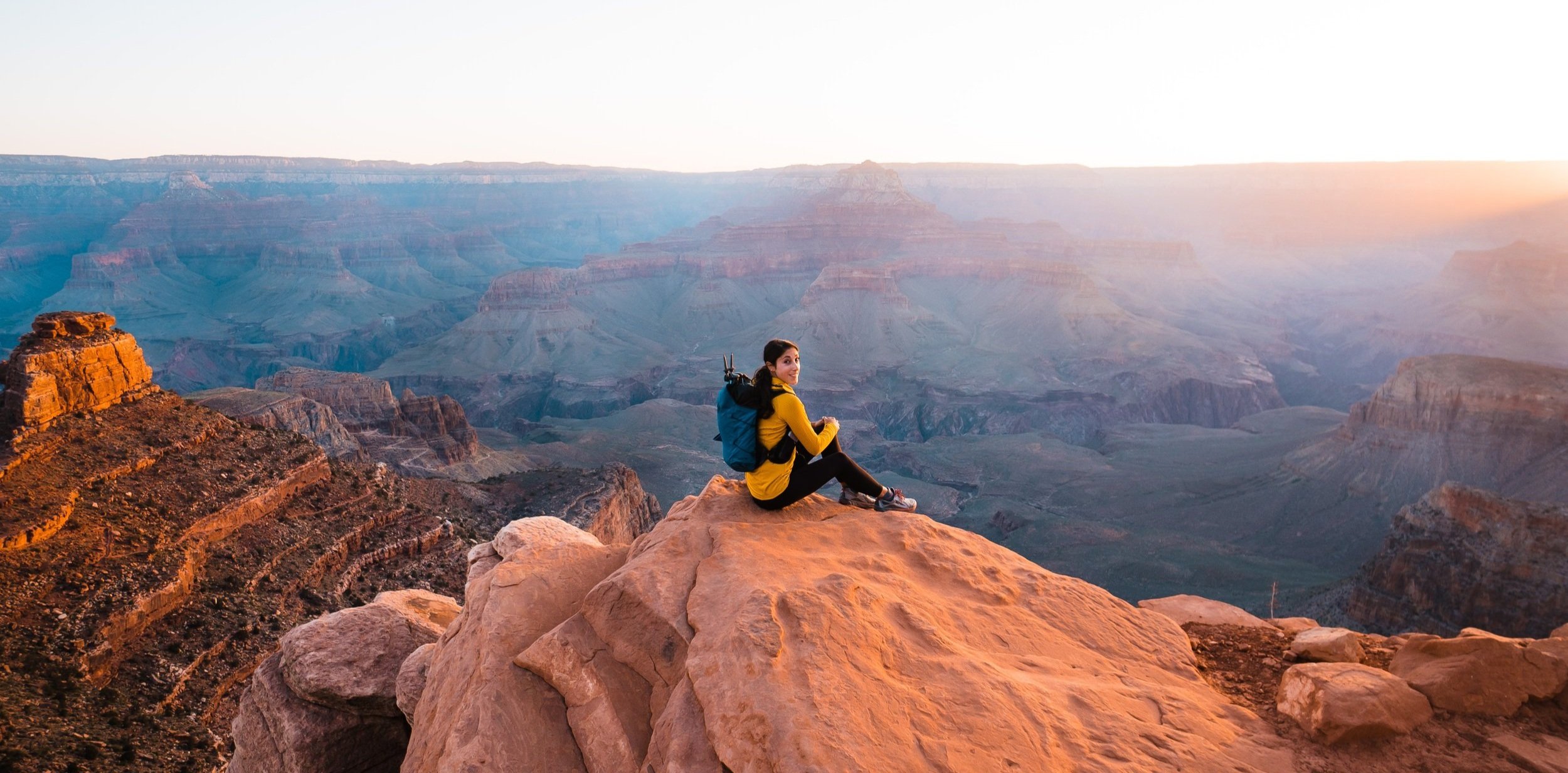
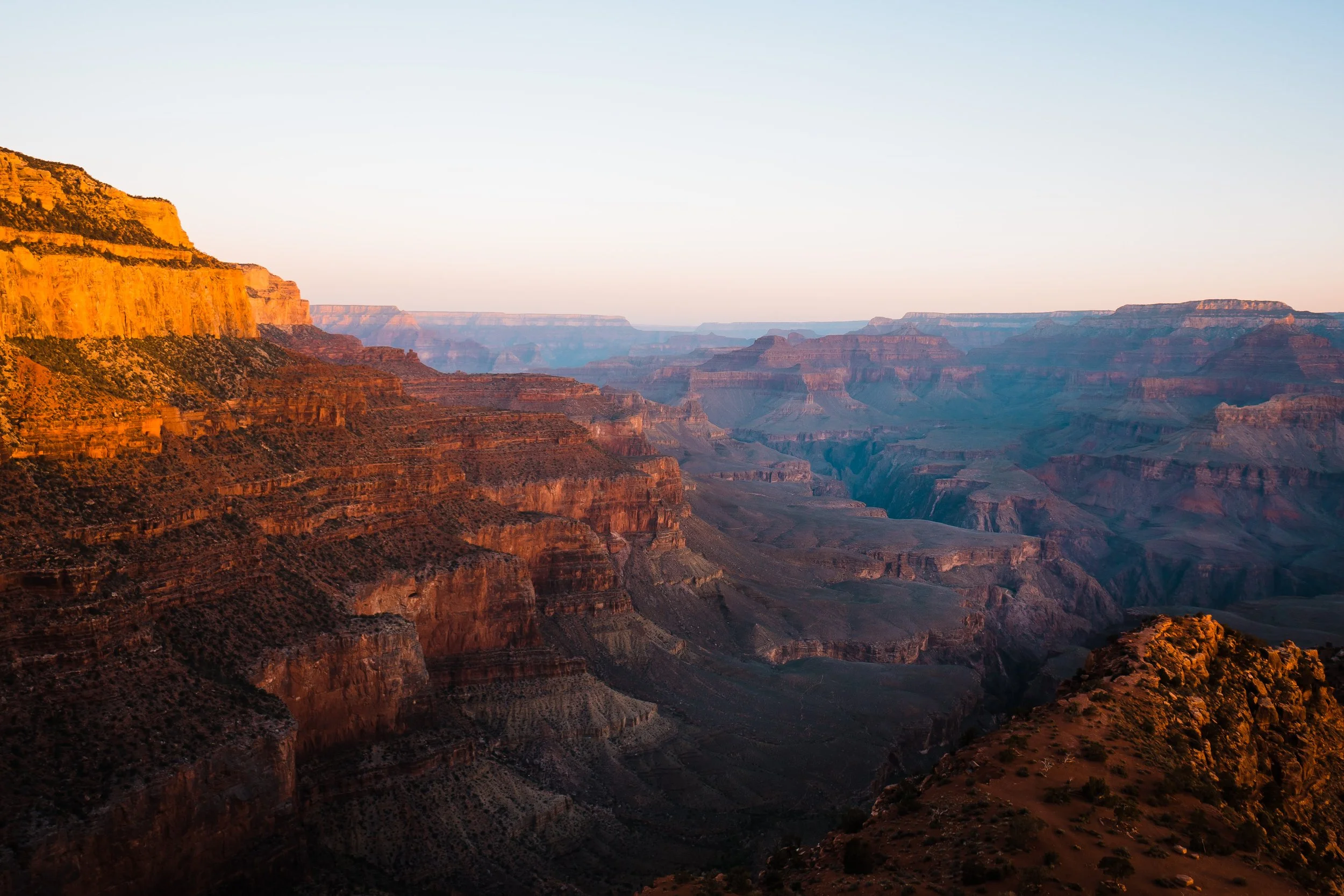
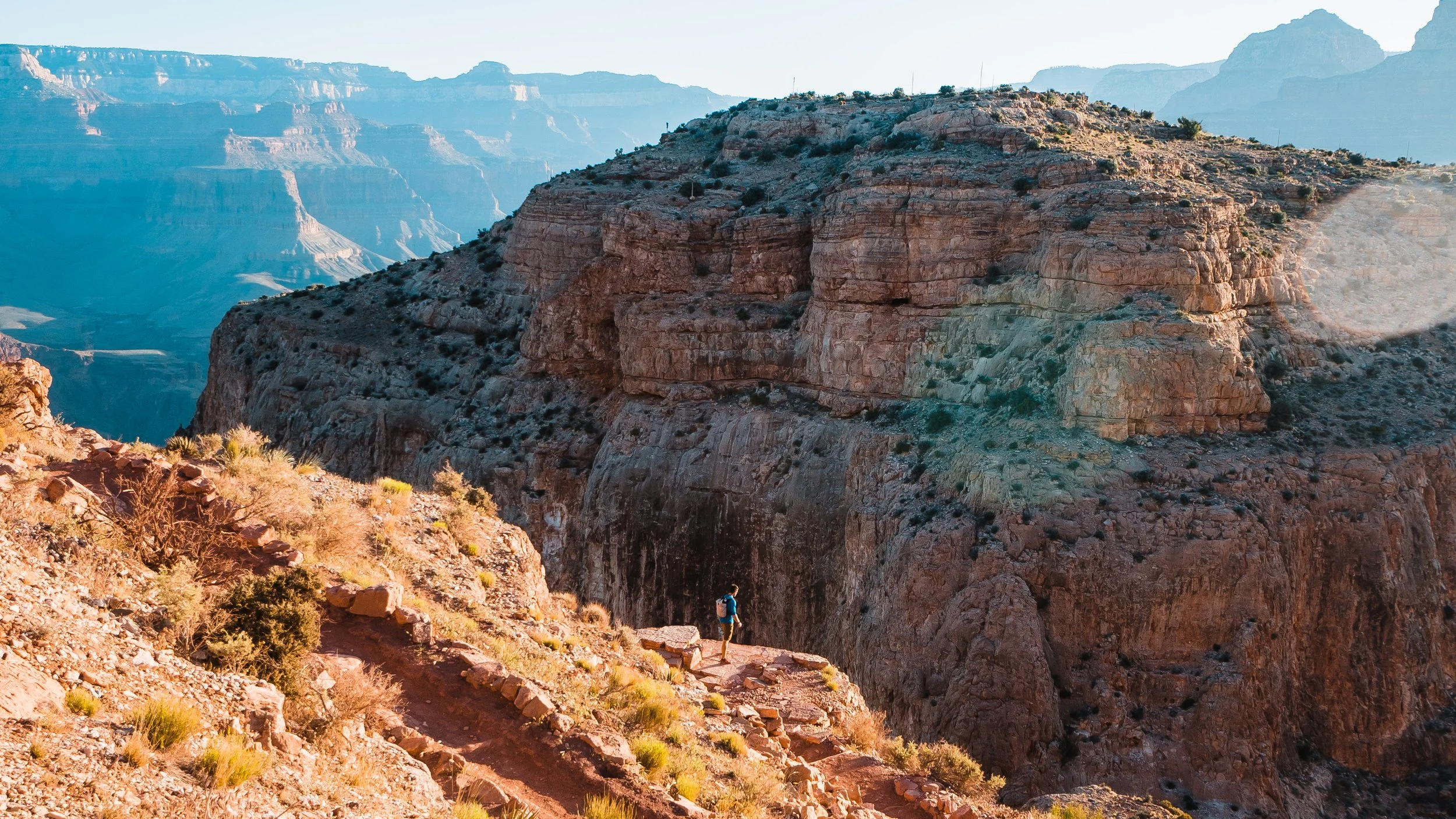
Just before sunrise on the South Kaibab trail
Our route started on the South Kaibab trail at 5am, dropping the van at a pullout just past Yaki Point Road. Only shuttles can drive to the actual trailhead and we were starting before shuttles ran, so we had to walk an extra .8 of a mile to get to the trailhead. We made it down to Cedar Ridge (2.5 miles) for the sunrise which was beautiful. And made it down to the Colorado river and across our first suspension bridge (Black Bridge) in 2.5 hours (8 miles).
Once reaching the bottom, we headed to Phantom Ranch (10 miles in) to have lunch. And by lunch, I mean we ate our bagels and cream cheese at 8am. That was worth the extra mileage to see the ranch and the campground that all the backpackers were headed to. While there we filled up on water and then started our ascent up the Bright Angel trail.
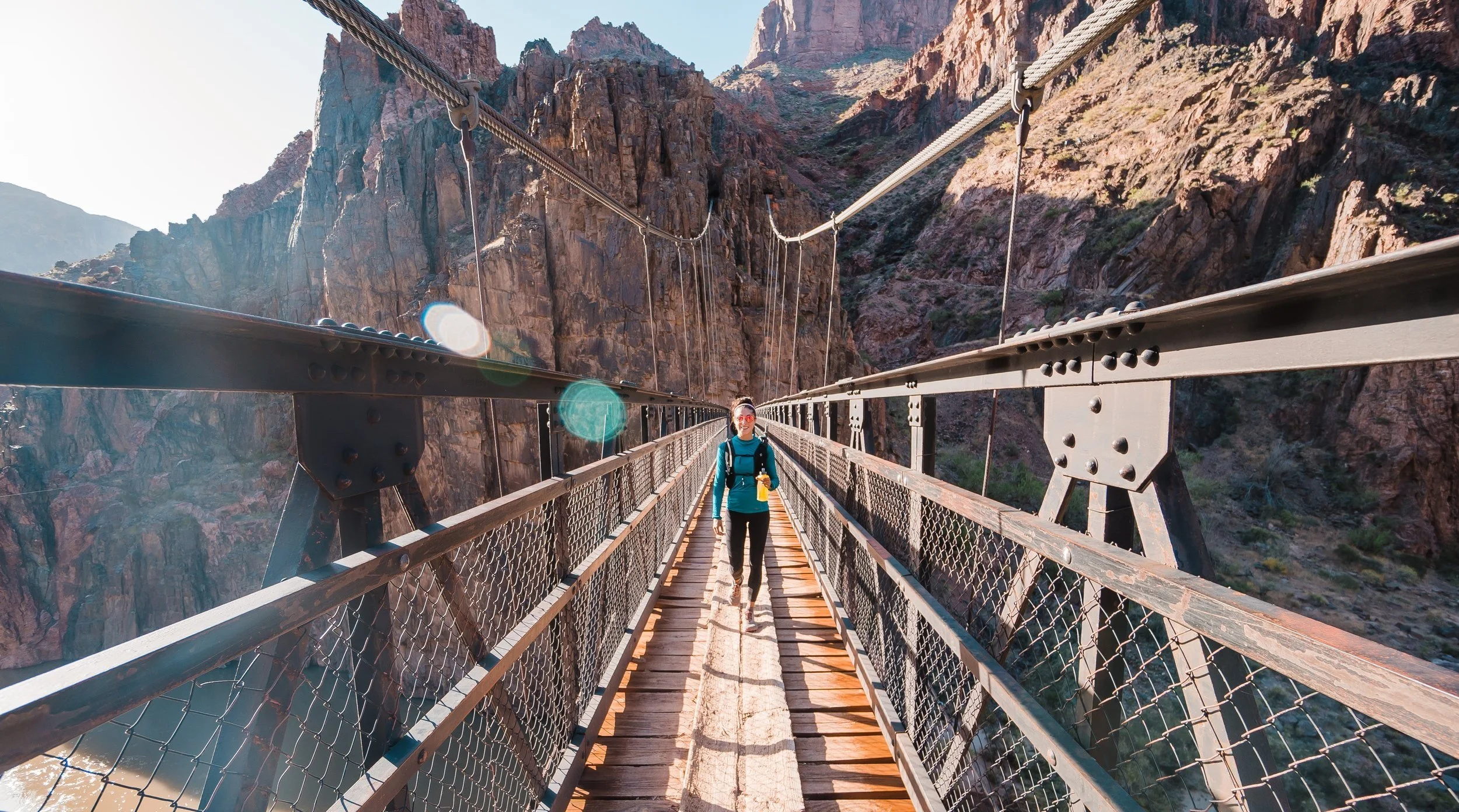
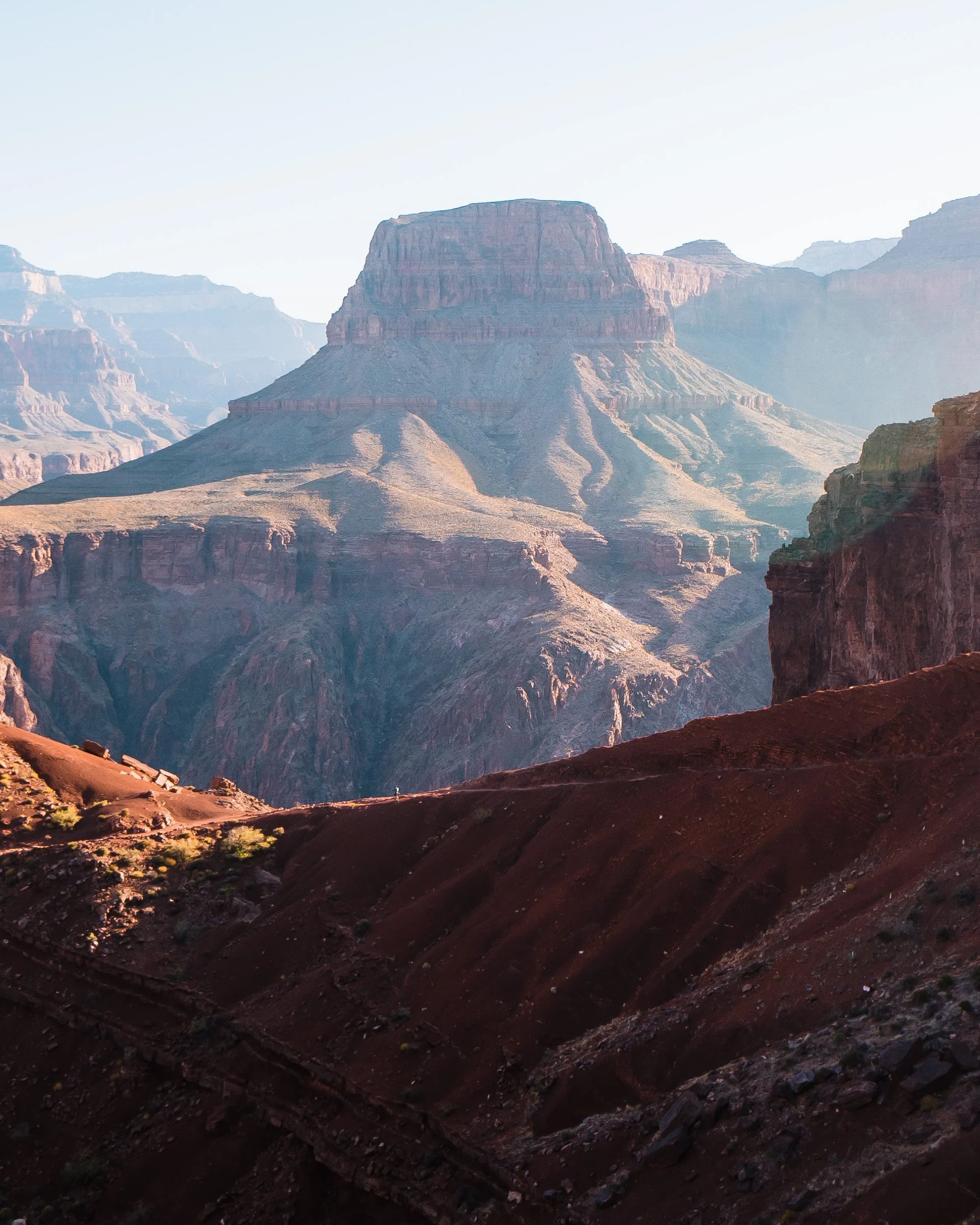
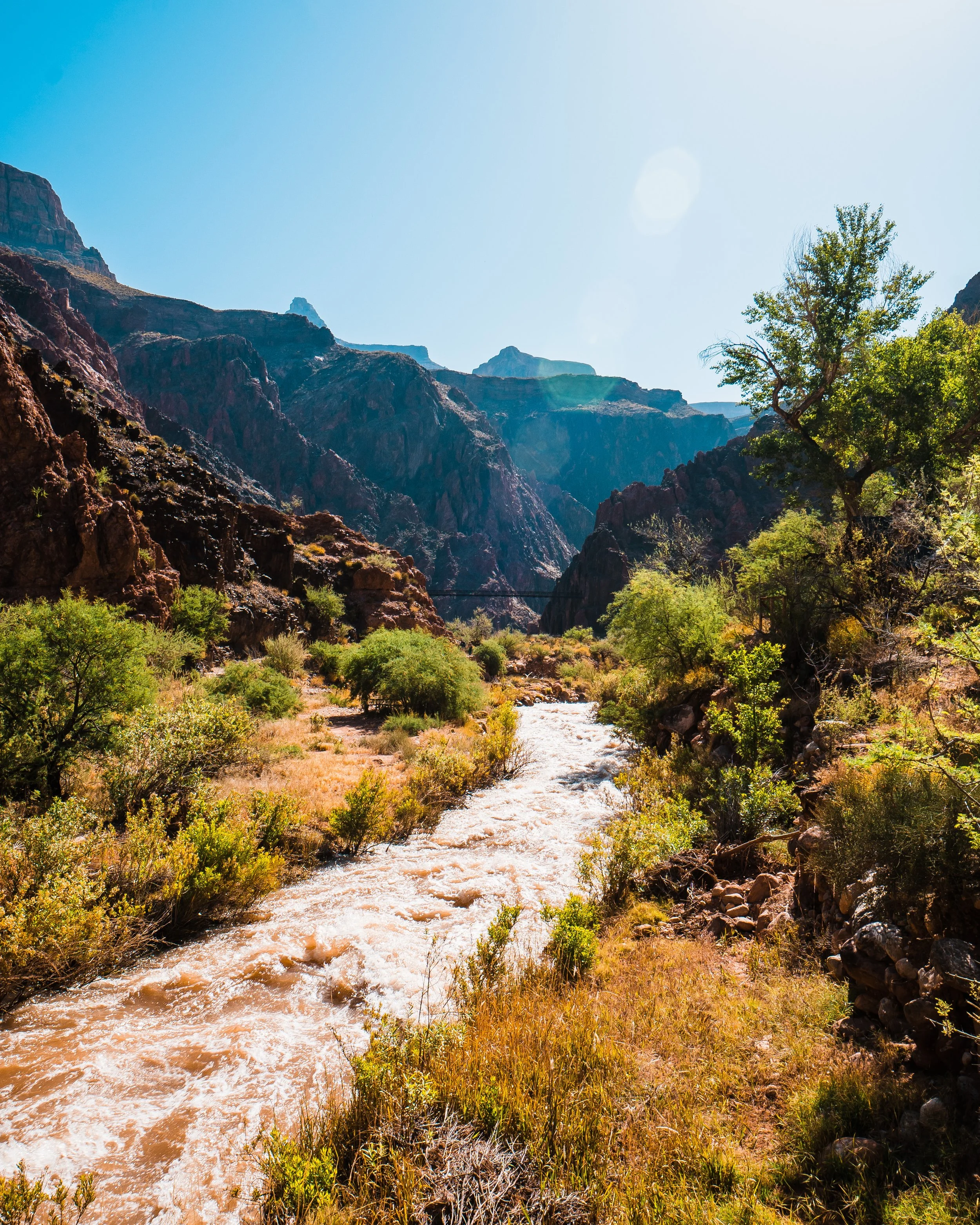
Crossing the first suspension bridge at the base
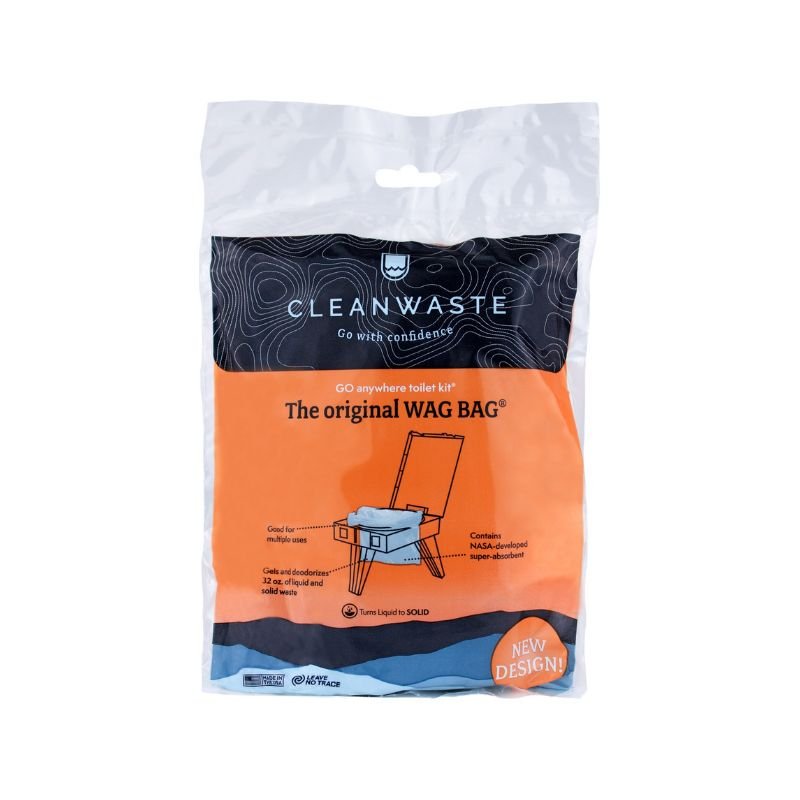
The Bright Angel trail was pretty flat at first and honestly pretty slow to gain elevation throughout the climb. At this point we were hiking pretty fast and would occasionally run if there was a flat or downhill section, but for the most part we hiked at a fast pace on the way up. Running up hill in the heat would have been asking for something to go wrong. We kept a good pace for the first 4 miles (mile 10-14), and then just before mile 15 I started to crash. I needed to use the bathroom and wanted to wait to get to Havasupai Gardens so I could use a toilet and not have to pack my poop out (we did each carry a wag bag just in case). I was slow but made it and we took some time there to use the bathroom, refill our water, drink some hydration powder, and eat some snacks in the shade. After a half hour rest, I was feeling a lot better and was ready to hit the trail for the final 5 miles. From there, the last few miles went fast as we passed hikers heading down. The last mile was exciting as I could see the rim and we were passing tourists wearing jeans (it was hot so this looked awful). We made it to the rim after just over 8 hours and 45 minutes.
From the Bright Angel trailhead, we then had to take two free park shuttles to get back to the van. We talked about if we wanted to walk it when we were planning, but adding on another 5 miles of road walking after an already long day sounded awful, and the shuttles were easy and free. We did have to walk the .8 of a mile back to the van from where the last shuttle dropped us off at the South Kaibab trailhead.
In planning, we decided to descend via the South Kaibab trail because it was steeper than Bright Angel, so would make for a quicker run down. And also it was an easy place to drop the van. We knew that coming up Bright Angel would be easier to catch a shuttle back to the van, and there would be easier access to food on that side if we needed it when we finished.
The Best Time of Year to Visit
We did this trip in early May and it was already getting hot, so I would recommend doing it in the spring or fall. The temperatures can range drastically, but we chose a day that was in the mid to high 70s at the rim and in the 60s at the base. You don’t want to be running in late spring or summer since it gets really hot and heat stroke would be a concern.
Permit Requirements for Trail Running or Hiking the Grand Canyon
You will need an annual America The Beautiful Pass to enter the park or pay the gate entry fee that’s good for up to a week. If you’re planning a rim-to-river trail run in the Grand Canyon, here’s what you need to know about once entering the park:
Day Hikes and Trail Runs:
No permit is required for a day trip from the rim to the river and back. You can run the South Kaibab, Bright Angel, or North Kaibab trails without any special permits, as long as you don’t plan to camp overnight.
Overnight Stays Below the Rim:
If you want to camp overnight at Phantom Ranch, Bright Angel Campground, or other backcountry sites, you must have a Backcountry Permit.
Permits are limited and highly competitive, especially during spring and fall. Reservations typically open four months in advance, and many fill within hours.
You can apply for permits through the Grand Canyon National Park Backcountry Reservation System.
Tips for Trail Runners:
Even if you’re not staying overnight, it’s wise to check trail closures and regulations in advance. Some trails may have seasonal maintenance or temporary restrictions.
Running the canyon as a self-supported day trip avoids the hassle of permits, but still requires planning for water, food, and safety gear.
Safety Considerations for Trail Running Rim-to-River
Trail running in the Grand Canyon is absolutely incredible, but it also comes with real risks that are easy to underestimate. Every year, visitors struggle with heat exhaustion, dehydration, and overexertion on these trails. Rangers respond to hundreds of incidents below the rim, and rescues can be slow, difficult, and extremely resource-intensive. Here’s what to keep in mind before committing to a big day like this one:
Dehydration Happens Fast Below the Rim
The Grand Canyon creates its own weather system, and temperatures at the bottom can be 20–30 degrees hotter than the rim. Even in spring and fall, the dry heat can drain your energy and water reserves quickly. Once you’re several miles below the rim, there’s no shade, very little airflow, and the heat radiates off the canyon walls.
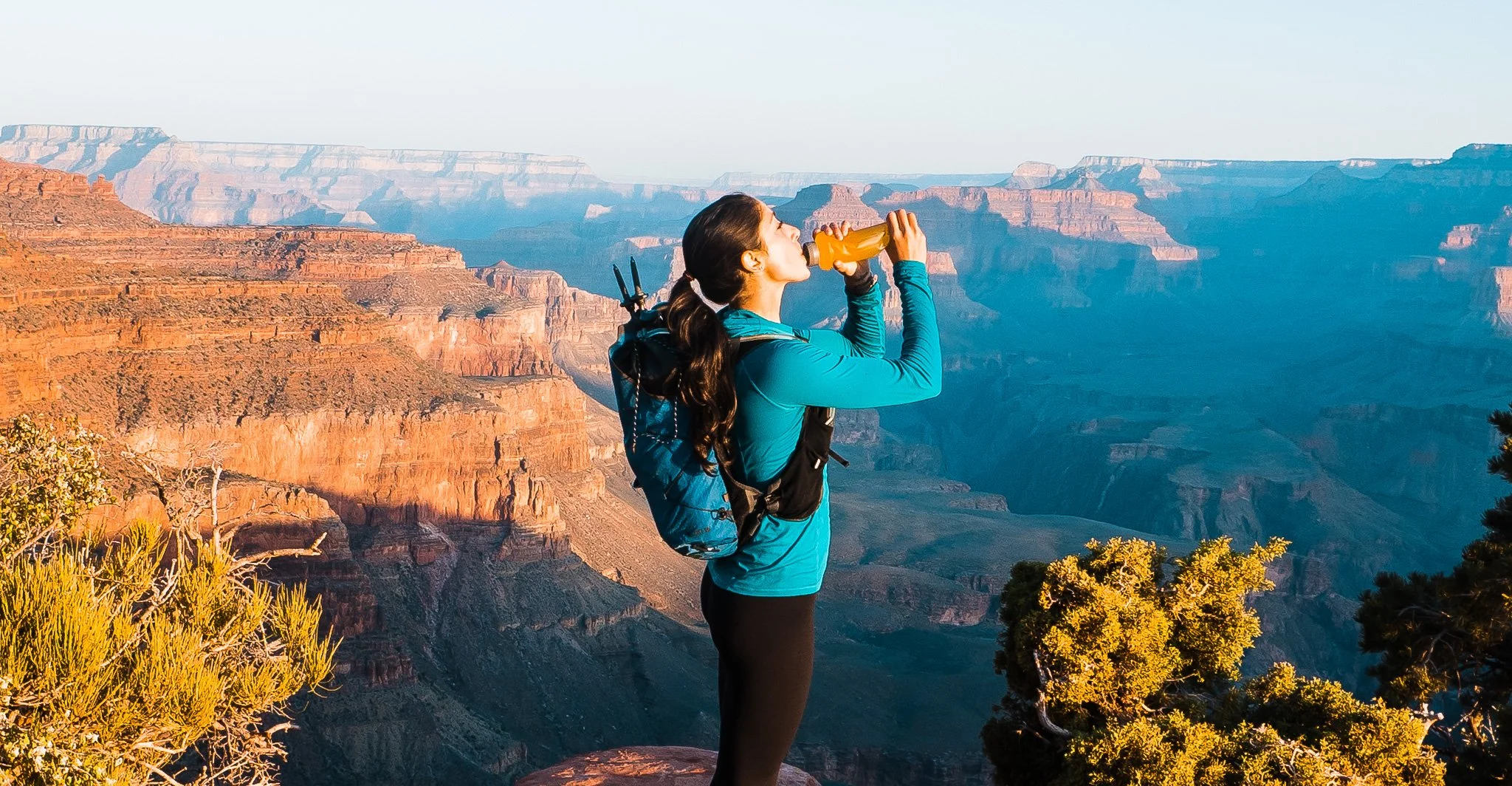
Plan for 4–7 liters of total water intake, carry electrolytes for the entire day, and know the water fill locations on the route (Phantom Ranch and Havasupai Gardens). Start hydrated, drink consistently, and don’t wait until you feel thirsty.
The Steep Downhill Makes the Uphill Harder
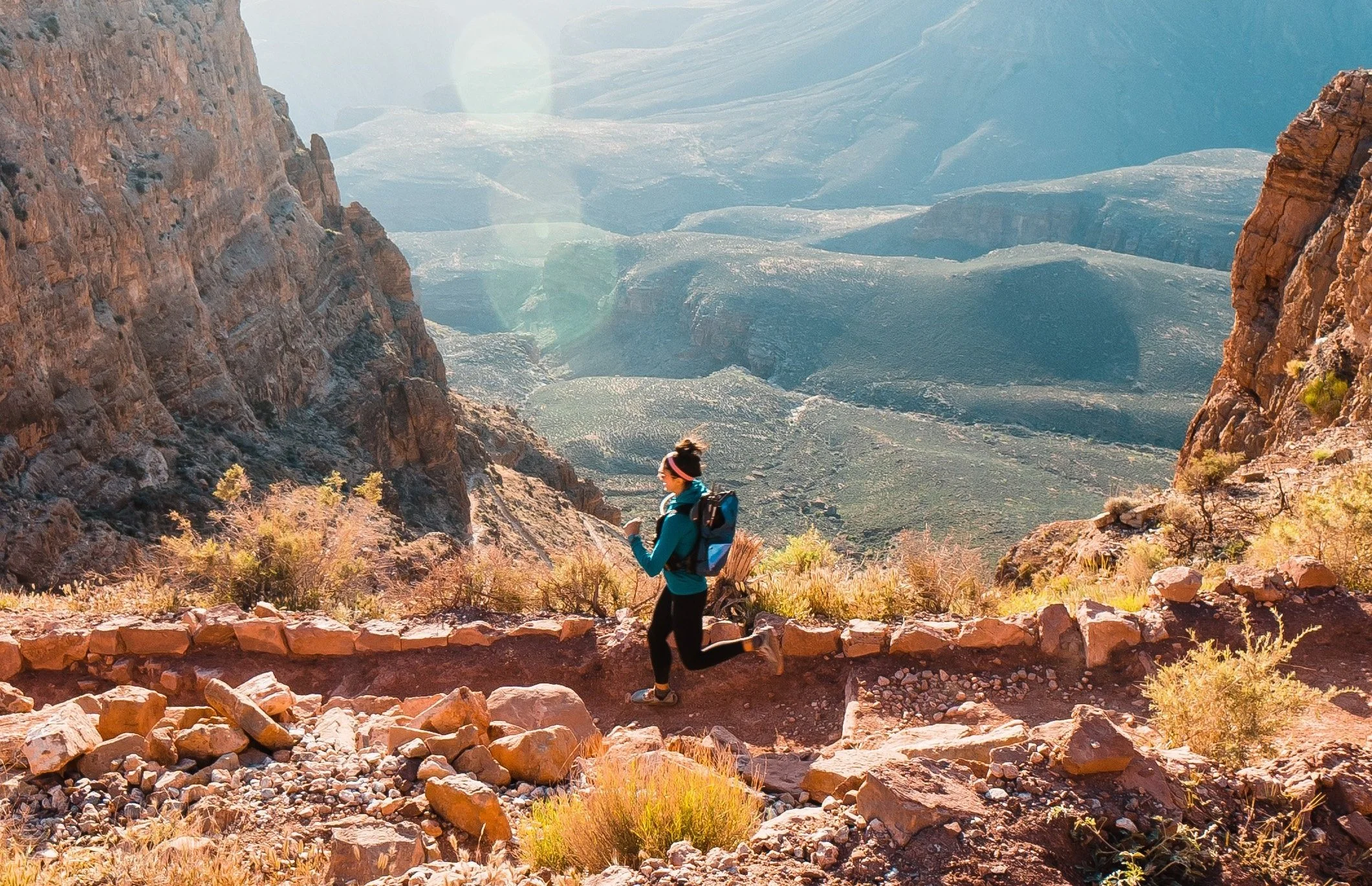
South Kaibab drops more than 4,700 feet in just 7 miles, which means you can descend faster than you realize. The problem is that every step downhill is a withdrawal from your quads that you will pay for later on Bright Angel. Many rescues happen because hikers and runners simply can’t climb back out, especially in the heat. Pace your descent, take breaks, and protect your downhill quads early.
Rescues Are Long, Complicated, and Not Guaranteed
Unlike many mountain trails, the Grand Canyon has limited helicopter access, unpredictable wind conditions, and narrow sections where aircraft cannot safely reach you. Even in best-case scenarios, a rescue can take hours, and rangers may need to hike in to assist you first.
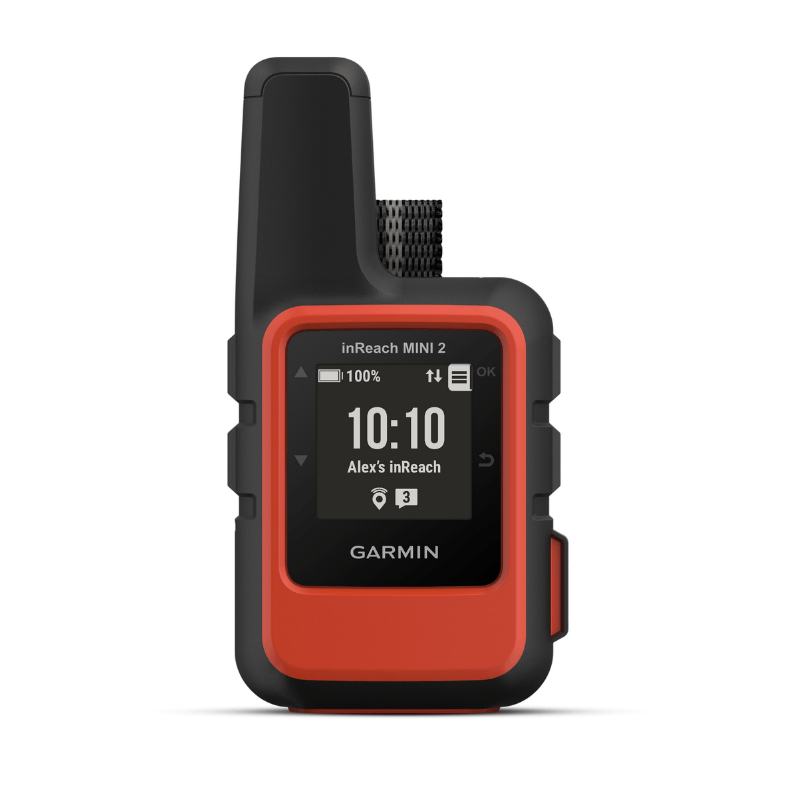
It’s crucial to treat this route as a remote, self-supported effort. Carry a PLB or satellite messenger (like the Garmin InReach Mini), keep extra calories packed, and be honest with yourself about your heat tolerance and fitness level. If you or your partner start to struggle, turn around early, climbing out only gets harder the longer you wait.
Start Early and Respect the Heat
The best safety decision you can make is starting before sunrise. We began at 5am and still felt the heat on the final miles up Bright Angel. In warmer months, starting even earlier is smart. The goal is to be climbing before the sun fully hits the canyon walls.
Who This Route is For
This rim-to-river trail run is suitable for experienced runners and hikers who are comfortable with long, steep descents and hot conditions. It’s best for those with strong endurance, backcountry experience, and the ability to self-support below the rim.
Who Should Skip or Modify to a Shorter Run or Day Hike
Beginners, those new to desert conditions, or anyone uncomfortable with running on steep technical trails may prefer a day hike or shorter sections instead.
What to Wear for Running or Hiking the Grand Canyon
It was chilly at 4:30am, when we left our van, so I started in more layers than I needed. If I did it again, I’d skip the fleece mid-layer (my Patagonia R1). I took it off within the first two miles. As the day went on and we descended, the canyon became much warmer.
Items my husband and I wore and also recommend for the day:
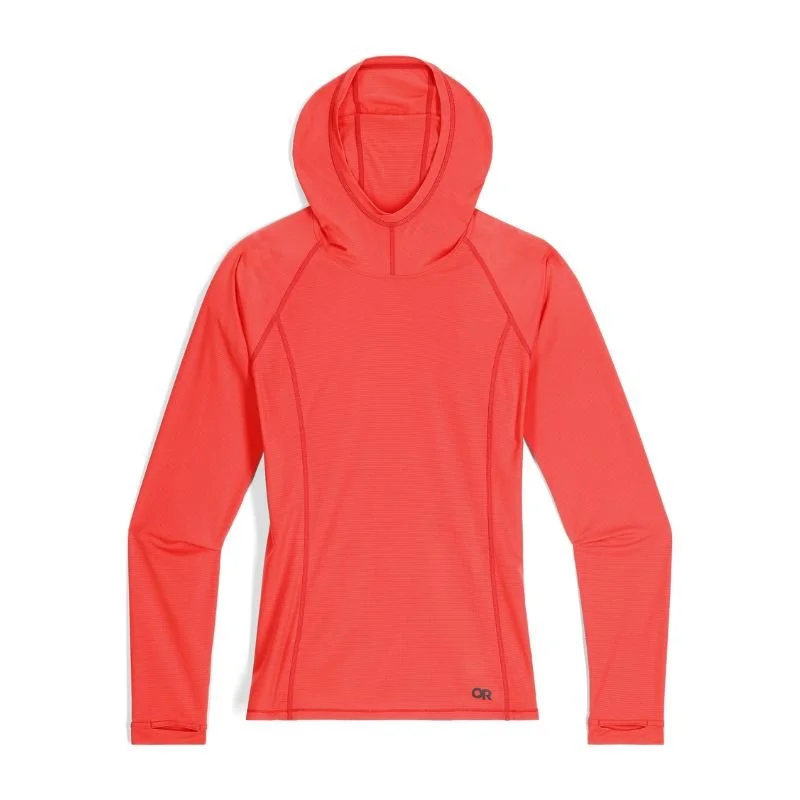
Lightweight sun hoodie: OR Echo Sun Hoodie - Men’s | Women’s
Sports Bra: Vuori AllTheFeels Bra
Short Shorts: Patagonia Running Strider Shorts - Men’s | Women’s
Leggings: Lululemon Align 25” - Women’s | REI Leggings
Fleece mid-layer: Patagonia R1 Air Full-Zip Hoodie - Men’s | Women’s
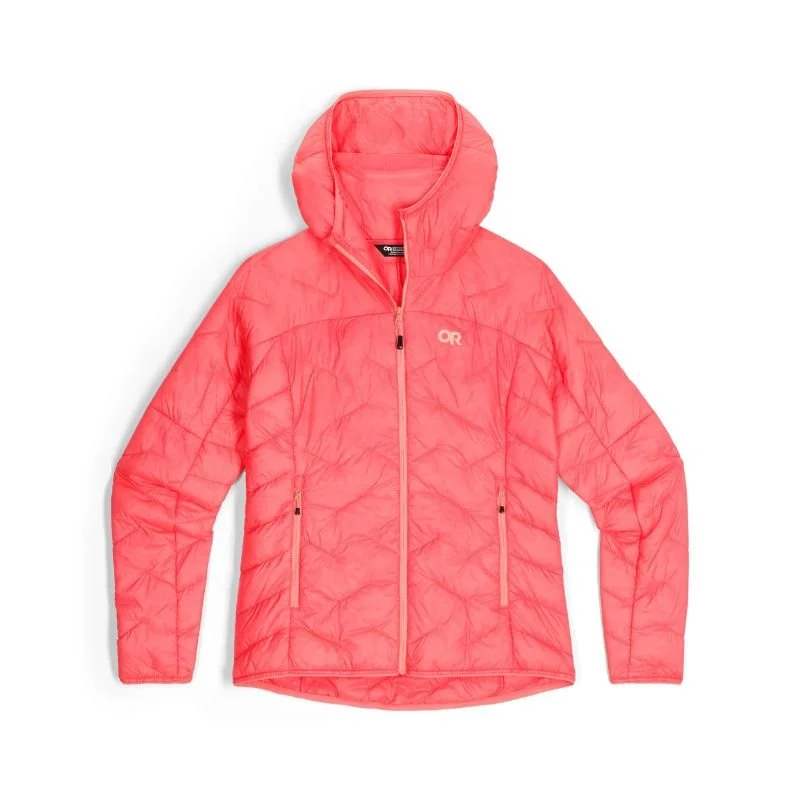
Lightweight Puffy (weather dependent): Outdoor Research SuperStrand LT Hoodie - Men’s | Women’s
Headband: Lululemon Cardio Cross Trainer Headband
Visor (alternative to headband): Outdoor Research Swift Visor
Neck Gaiter: Buff Coolnet UV
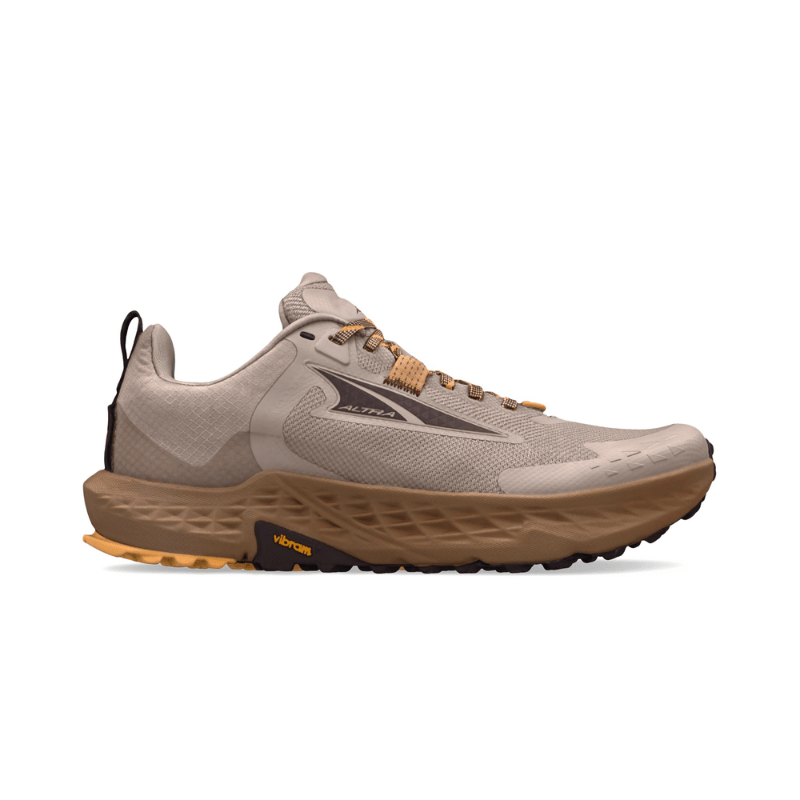
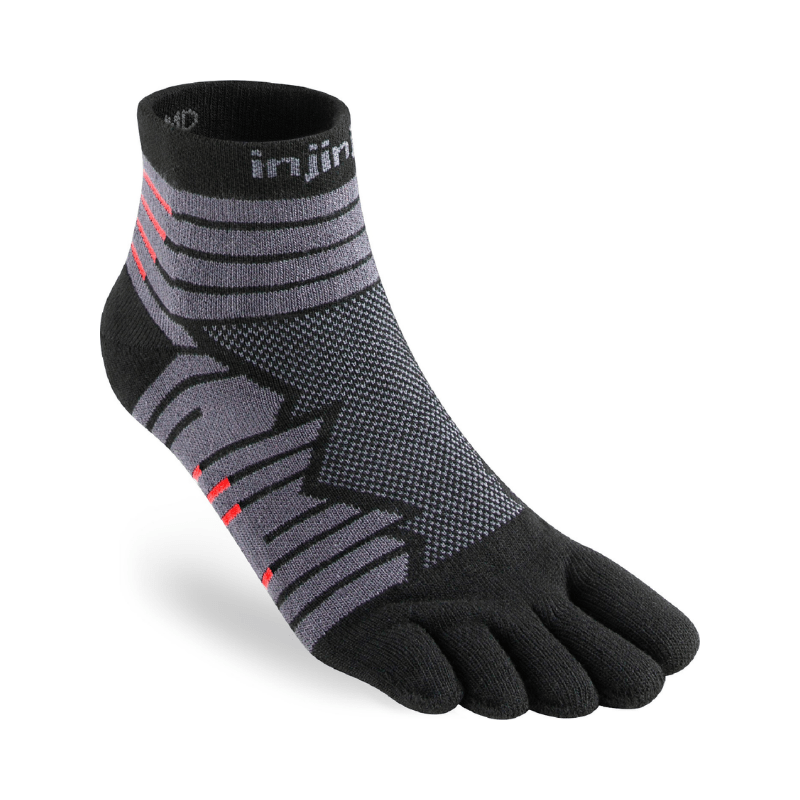
Hiking Socks: Injinji Ultra Run No Show or Mini Crew
Sunglasses: Goodr Circle Gs




What to Pack
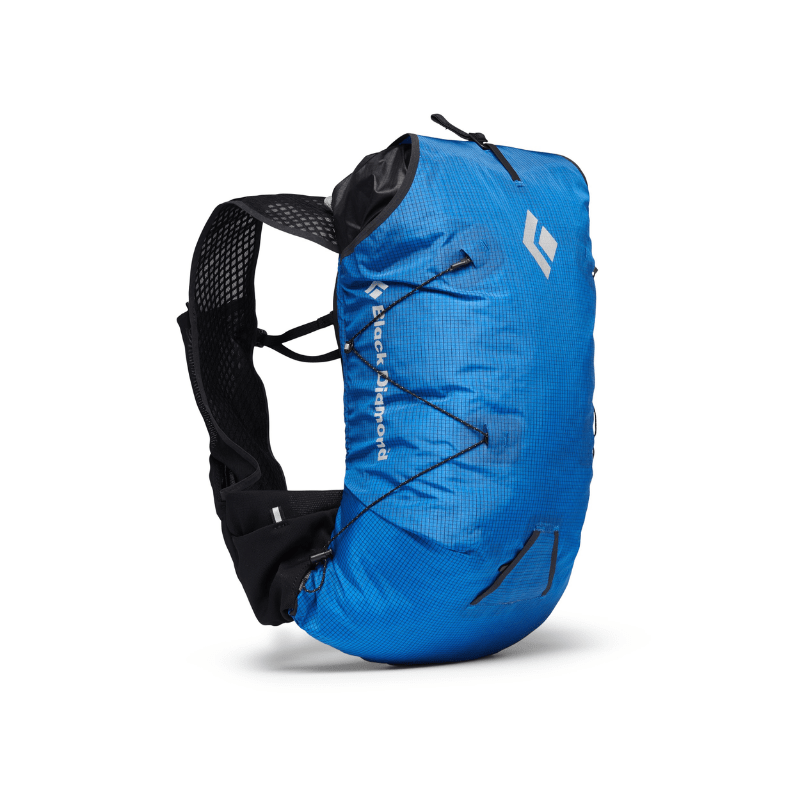
Trail running pack: Black Diamond Distance 15 Pack
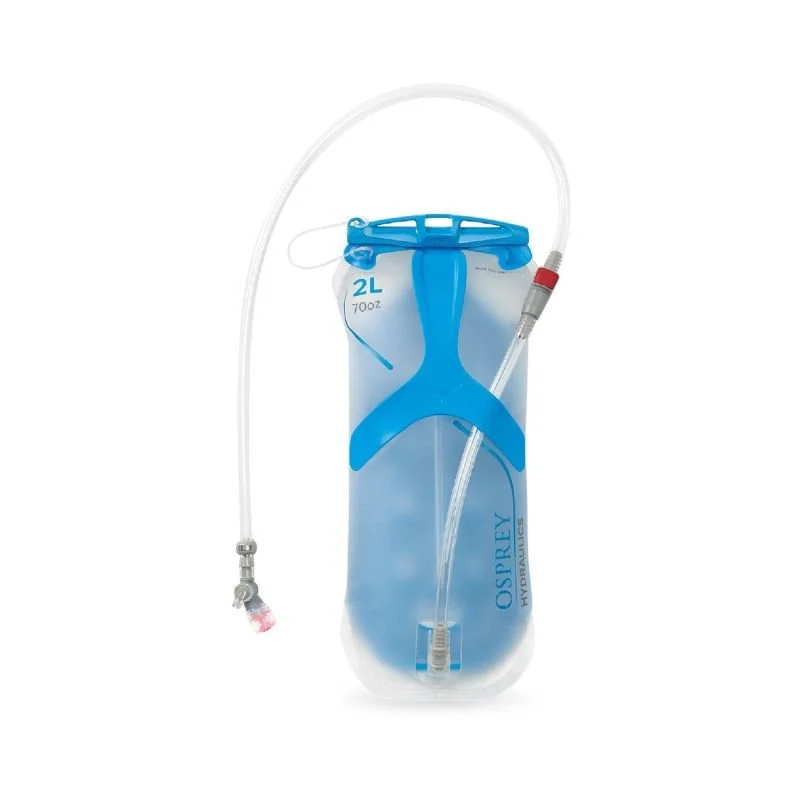
Hydration bladder with 2L capacity: Osprey Hydraulics Reservoir, 2 Liters
20 oz hydration soft flask: Nathan Soft Flask
Headlamp: NITECORE NU25 UL (get 15% off with code TRAILMAGIC256780B )
Camera: Sony a7iv with 10-18mm lens (I went back and forth on this but it was worth it for the sunrise photos)
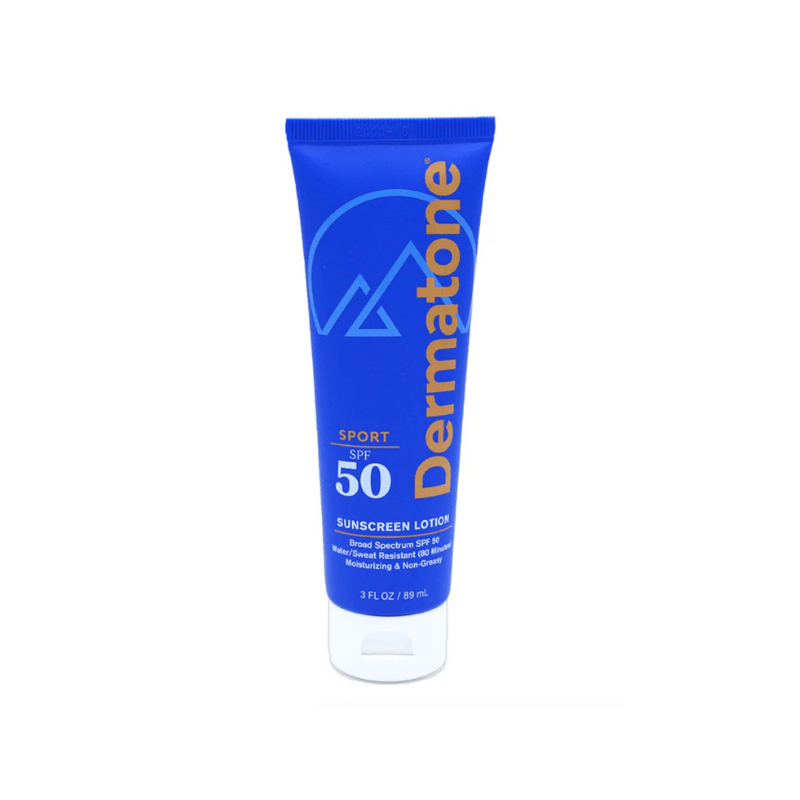
Sunscreen: Dermatone Sport Sunscreen Lotion SPF 50
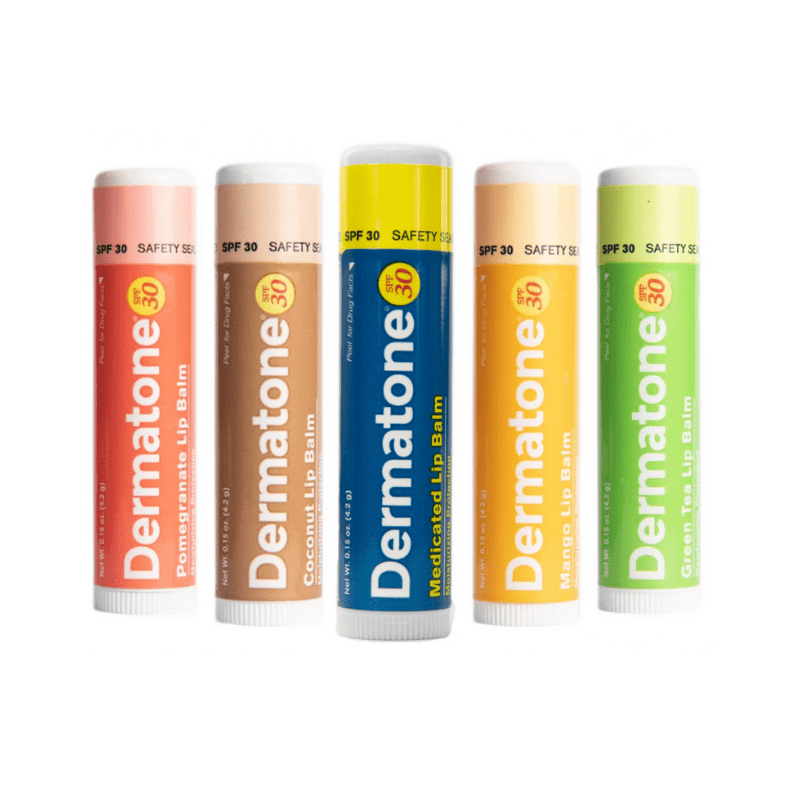
SPF chapstick: Dermatone Original Medicated Lip Balm SPF30
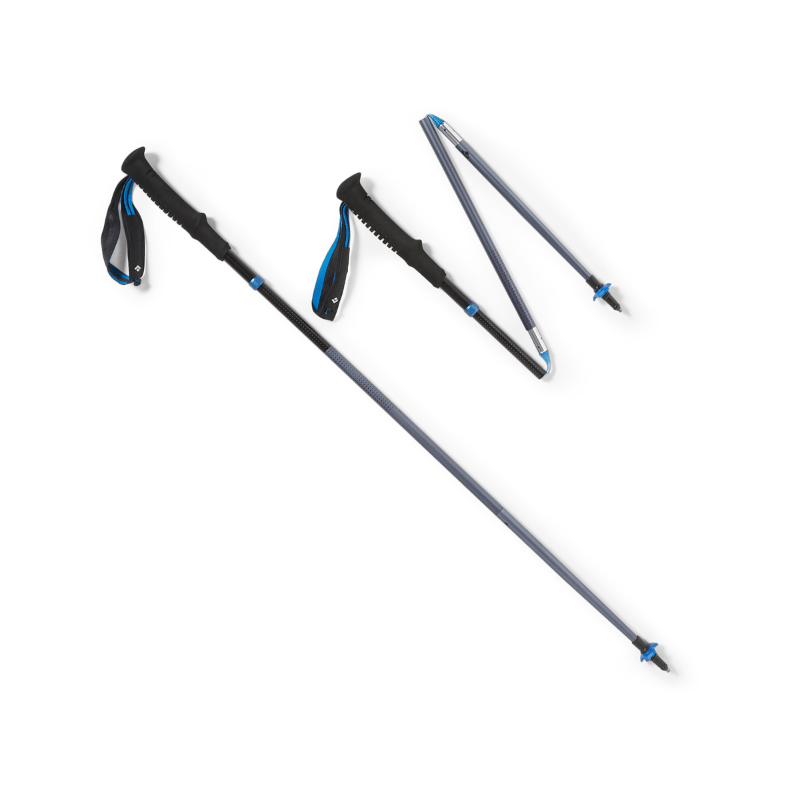
Trekking poles: Black Diamond Distance Z Trekking Poles
Sunglasses: goodr Circle Gs Polarized Sunglasses
Emergency Messenger: Garmin InReach Mini
Food & Water
Here’s everything I packed (and actually ate):
3 protein bars
3 packs of GU Energy Gel (only ate 2)
3 packs of Clif Shot Bloks (only ate 2)
1 pack of pickles - Mt. Olive single serve packet
Bagel sandwich - Cheese bagel, cream cheese, tofurkey meat, mustard
1 pack of fruit snacks
1 fruit bar
2 packs of hydration powder
Water - we started with 1.5L + 20oz with my hydration powder for the way down, refilled at the bottom and again at Havasupai Gardens
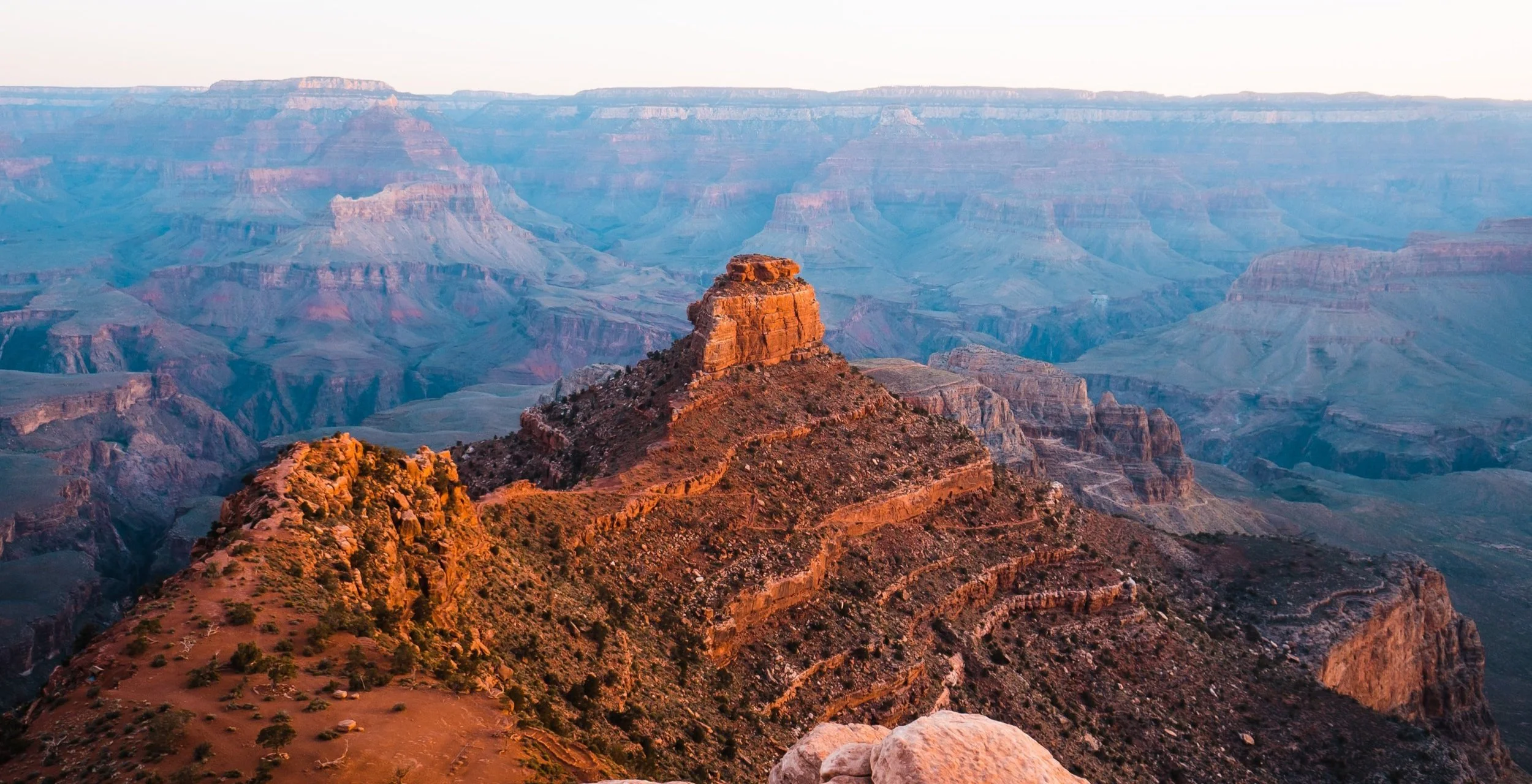
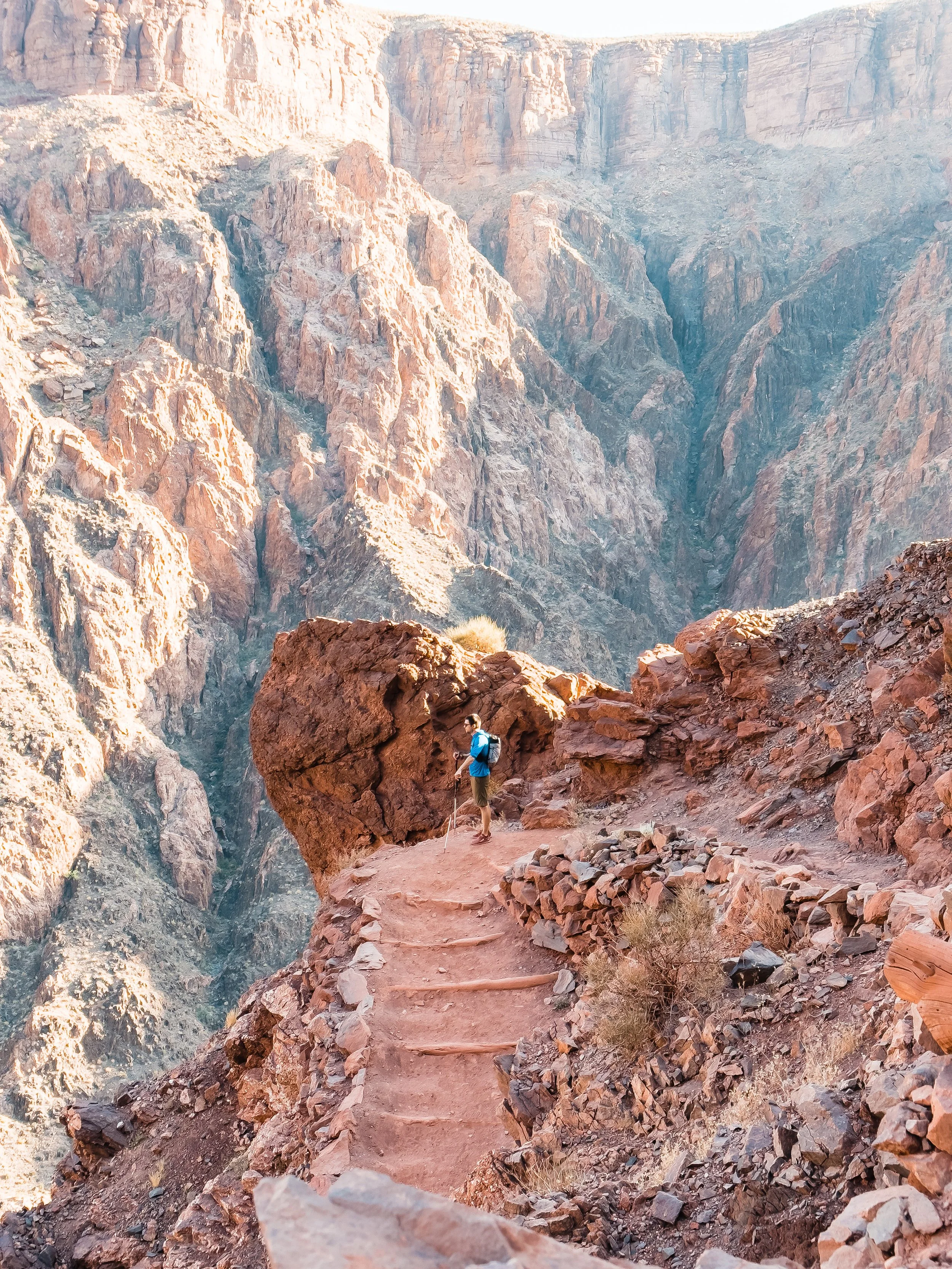
Looking down below Ooh Ahh Point
FAQ: Trail Running the Grand Canyon Rim-to-River
Do I need a permit to trail run from the rim to the river?
No permit is required for day trips from the rim to the river and back. You can run the South Kaibab, Bright Angel, or North Kaibab trails without special permits, as long as you don’t plan to camp overnight. Permits are only needed for backcountry camping below the rim.
When do I need a backcountry permit?
Overnight stays at Phantom Ranch, Bright Angel Campground, or other backcountry sites require a Backcountry Permit. Permits are limited, highly competitive, and reservations open four months in advance.
What’s the best time of year to run this route?
Spring and fall are ideal. Early May, like in my run, provides mild temperatures at the rim (mid-70s) and cooler conditions at the base. Avoid late spring and summer, as heat can be extreme and increases risk of dehydration and heat stroke.
How much water should I carry?
Plan for 4–7 liters per person for the entire day, depending on heat and pace. Carry electrolytes, refill at Phantom Ranch and Havasupai Gardens, and start fully hydrated. Don’t wait until you feel thirsty.
What are the biggest risks on this trail run?
Heat exhaustion, dehydration, overexertion, and quad fatigue from steep descents are the most common issues. Rescue is difficult and time-consuming, so treat this as a self-supported, remote adventure and carry a PLB or satellite messenger.
Can beginners attempt this trail run?
This route is best for experienced runners or hikers who are comfortable with long, steep descents and desert conditions. Beginners or those new to hot, dry environments may want to try shorter sections or alternative rim side hikes.
Should I bring trekking poles?
Trekking poles are optional but highly recommended, especially for protecting your quads on the downhill and assisting on the uphill sections.
Do I need special gear for the run?
Lightweight trail running shoes, sun protection, hydration, and energy foods are essential. Optional items include a headlamp if starting early, a camera for sunrise shots, and a small first aid kit.
How early should I start?
Start before sunrise, ideally around 5am or earlier in hotter months. This helps you avoid the full heat of the day while running up Bright Angel.
Is it possible to hike instead of run?
Absolutely, you can complete the same route at a slower pace with extra time for breaks. Most of the tips on hydration, heat, and safety still apply.
What should I eat on the trail?
Pack a mix of energy gels, bars, snacks, and a small meal for the halfway point. Include salty items to replace electrolytes lost in sweat.
Are there good water refill points?
Yes, Phantom Ranch and Havasupai Gardens have potable water. Know their locations in advance and carry enough to reach them safely.
Final Thoughts on Why You Will Love Visiting the Grand Canyon this Way
Trail running the Grand Canyon was such an amazing experience and I would totally do it again. If you are not a runner but still want to do this route, you can totally hike it! Just expect it to take a few extra hours with a slower moving pace on the way down.
I really went back and forth on if I should bring my camera or not, I wanted to go light and fast, but also couldn’t miss out on amazing photos from all parts of the canyon. In the end I did decide to bring it and I am so happy I did. Though I do with I would have brought my 24-70mm lens instead of the 10-18mm because there were moments that I wanted to be able to zoom in even more. But the 25-70mm is quite a bit heavier, and in the end my photos did turn out great. It was worth having a real camera for all of the sunrise shots, my phone does well but can’t capture sun rays or sun stars the way a camera can.
If you want to experience the Grand Canyon in a new way and either don’t want to backpack, or couldn’t get permits, consider trail running or hiking it. This trip was totally doable, and seeing the backpackers really struggling with heavy packs, I’m so glad we went light and fast.
How to Hike Mount Elbert: Complete Trail Guide to Colorado’s Highest 14er
Sedona Hiking Guide: 3 Epic Trails + Where to Stay, Camp, and Explore
This image is copyrighted and owned by Skye Stoury Photography and skyestoury.com, if you would like to licence any images on this site, please email us at hello@skyestoury.com